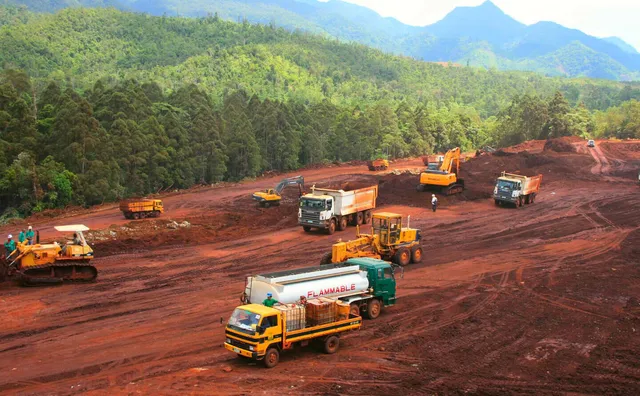
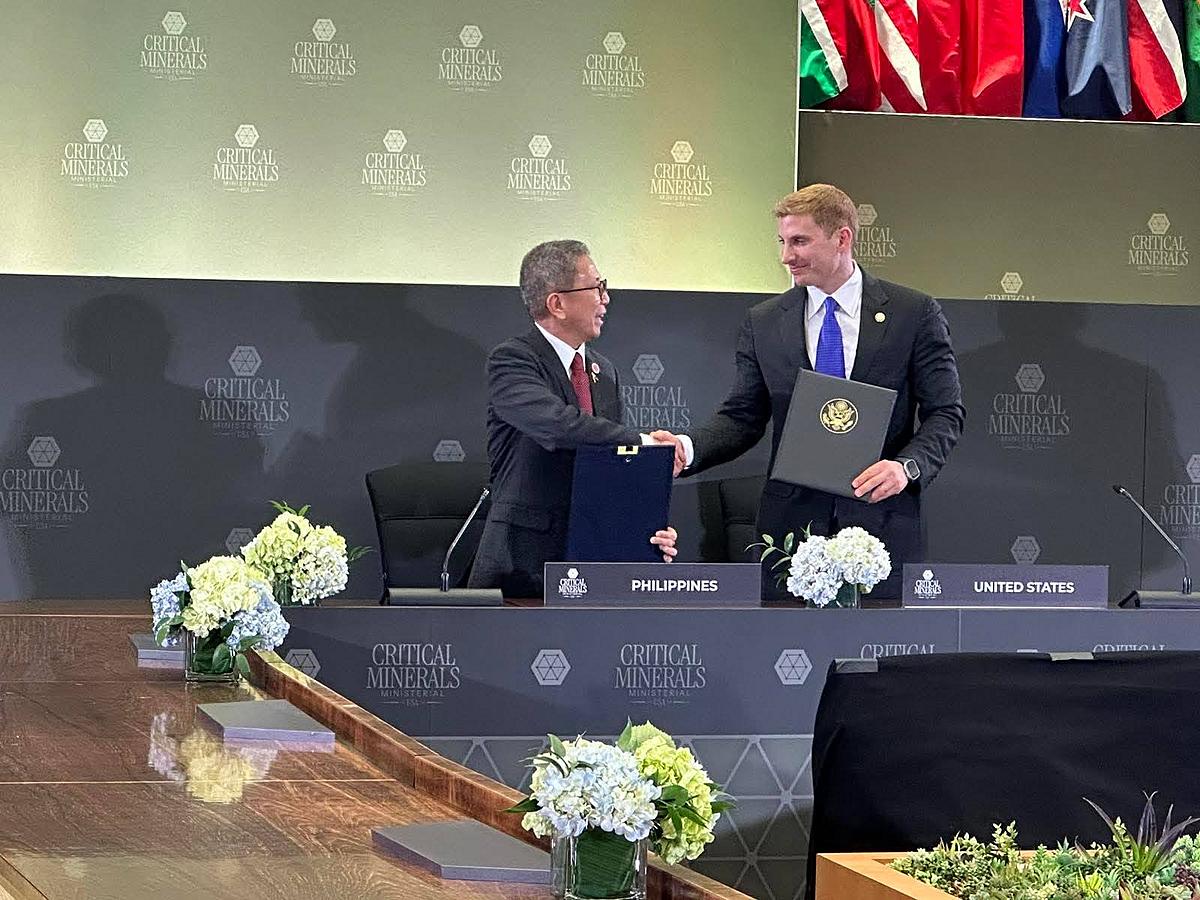
The Philippines has taken a decisive step toward a stronger role in global critical minerals supply chains with a new memorandum of understanding signed with the United States—a move industry experts say could open the door to investment, technology transfer, and more sustainable mining practices.
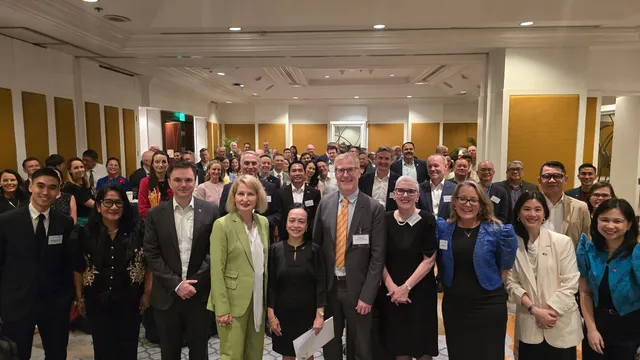
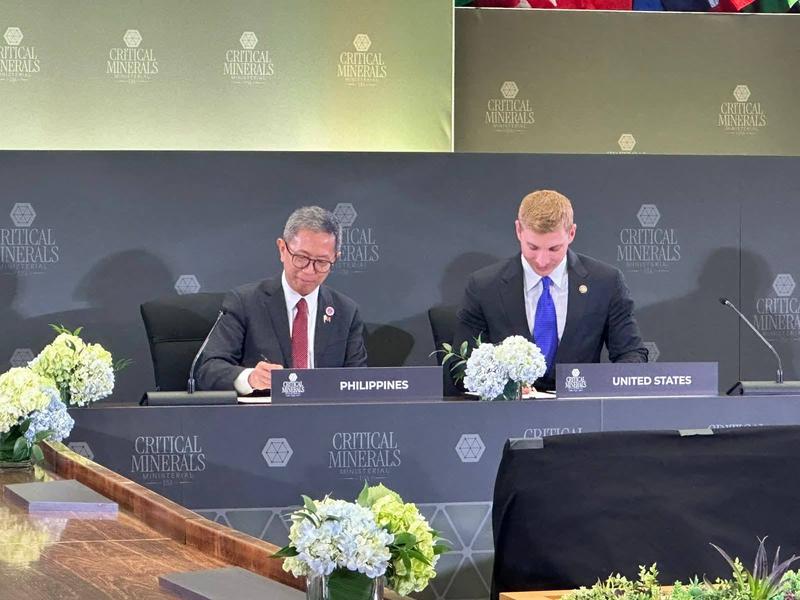
The deal was inked on February 4, 2026 in Washington at the first-ever Critical Minerals Ministerial, a US-hosted forum bringing together more than a dozen nations to rethink cooperation around minerals essential to modern technologies and the energy transition. Environment Secretary Raphael Lotilla signed for the Philippines, while US Undersecretary of State for Economic Affairs Jacob Helberg signed on behalf of Washington.
According to the State Department, the MOU creates a platform for collaboration on supply chains, market development, financing access, and efforts to make critical minerals markets more predictable and resilient.
PH–US Critical Minerals Pact: Timeline & What It Means
The agreement also sets a clear roadmap to shift the Philippines from primarily exporting raw ores to becoming a regional hub for processing minerals that feed clean energy technologies.
The initiative’s timeline began on February 2, 2026, when US President Donald Trump announced Project Vault, a US$10-billion Export-Import Bank initiative to build a strategic reserve of critical minerals—laying the groundwork for the ministerial talks. On February 3, pre-summit meetings brought together government officials and private-sector leaders to discuss investment, supply chains, and downstream processing.
The following day, February 4, Philippine Environment Secretary Raphael Lotilla and US Undersecretary Jacob Helberg formally signed the MOU on the sidelines of the 2026 Critical Minerals Ministerial.
On February 5, the US Department of State released an official fact sheet identifying the pact as one of 11 bilateral agreements aimed at reducing global dependence on China-dominated mineral markets. By February 6, Manila’s Department of Environment and Natural Resources confirmed the deal’s core objective: to pivot the Philippine mining industry toward high-value domestic processing rather than raw ore exports.
Historical groundwork also laid the foundation for this agreement. In November 2023, a ₱280-million USAID technical assistance program began supporting regulatory reforms and capacity-building in the Philippine mining sector. In April 2024, Manila formally proposed joining the US–Japan Critical Minerals framework during a Trilateral Economic Ministers Meeting.
Why it matters
The agreement is more than diplomatic symbolism—it could move the Philippines up the mineral value chain, attract foreign direct investment into processing and refining, link Philippine mining to clean energy, electric vehicles, and battery supply chains, and position the country as a strategic Indo-Pacific partner.
Industry reaction and economic potential
The partnership has drawn a positive response from industry groups. Michael Toledo, chair of the Chamber of Mines of the Philippines, called it a “positive step toward strengthening responsible mining, advancing sustainable resource development, and enhancing the country’s role in securing critical minerals essential for the global energy transition.”
Lotilla told local media the agreement could “advance critical minerals processing at home,” highlighting the potential to generate jobs, retain revenue, and attract technology-driven industries. “Building domestic capacity for downstream activities multiplies economic benefits,” he said.
Strategic and U.S. policy dimensions
U.S. officials emphasized critical minerals’ role in economic security and technological leadership. At the ministerial, policymakers framed these resources as foundational to infrastructure, defense systems, and cutting-edge technologies. US Vice President J.D. Vance noted that unpredictable pricing has historically discouraged investment and outlined plans for reference pricing floors and tariff adjustments to stabilize markets and support allied supply chains.
While the Philippines has not confirmed participation in a proposed preferential trading zone, analysts say joining could boost export opportunities, market access, and foreign investment in mining, processing, and related technologies.
Balancing growth and community concerns
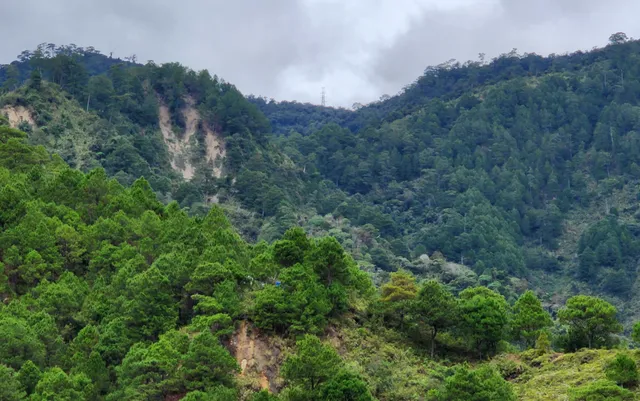
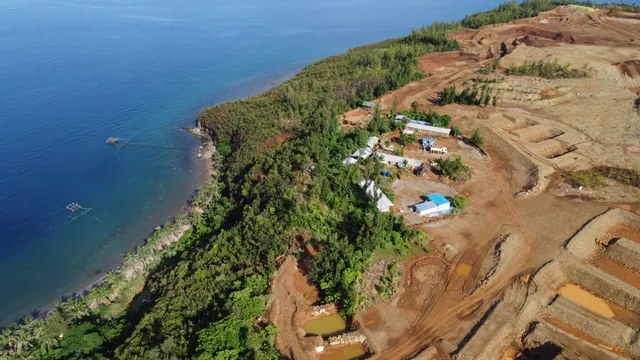
The deal arrives amid ongoing scrutiny of the Philippine mining sector, particularly environmental impacts, community displacement, and governance transparency. Industry leaders argue that international frameworks like the US MOU provide benchmarks for responsible mining, including stricter environmental management, community engagement, and sustainability reporting. The Chamber of Mines stressed that economic gains should go hand-in-hand with social and environmental safeguards.
Regional outlook
Southeast Asia is becoming increasingly central to global sourcing of nickel, cobalt, manganese, and rare earths—key for EVs, renewable energy, and semiconductors. By integrating its mining sector into multilateral frameworks, the Philippines may accelerate its economic transformation, strengthen its bargaining position in trade talks, and attract technology partners and downstream industries as global demand for critical minerals rises.
The Philippines-US MOU marks a pivotal moment for Manila’s engagement in the global minerals market. By aligning with U.S. strategic goals, the country could gain investment, technology transfer, and improved market access while reinforcing sustainable mining practices. The real impact will hinge on how both sides implement the framework and translate commitments into tangible results for industry, communities, and the national economy.