November 02, 2026

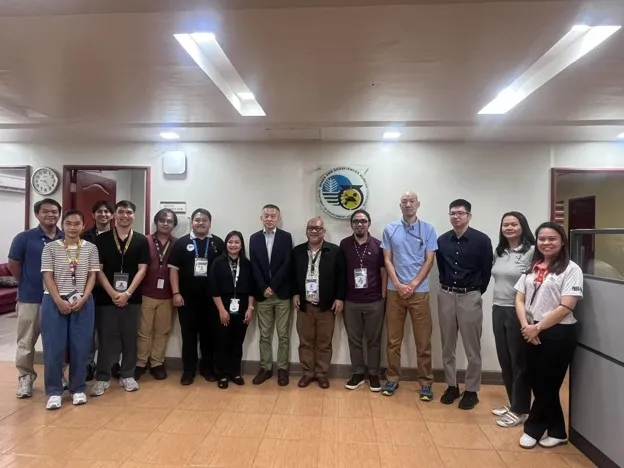
The Mines and Geosciences Bureau (MGB), in collaboration with the Japan Organization for Metals and Energy Security (JOGMEC), has conducted a five-day training program to strengthen the agency's capacity to use remote sensing and Geographic Information System (GIS) technologies for mining and geological monitoring.

The Training on Remote Sensing for Artisanal and Small-Scale Gold Mining (ASGM) Management in the Philippines was held on Sept. 14–18, 2026, with selected personnel from various MGB divisions and its Cordillera Administrative Region office participating.

The training aimed to improve the technical capabilities of MGB personnel in applying geospatial technologies to mining management, field assessment and geological monitoring.

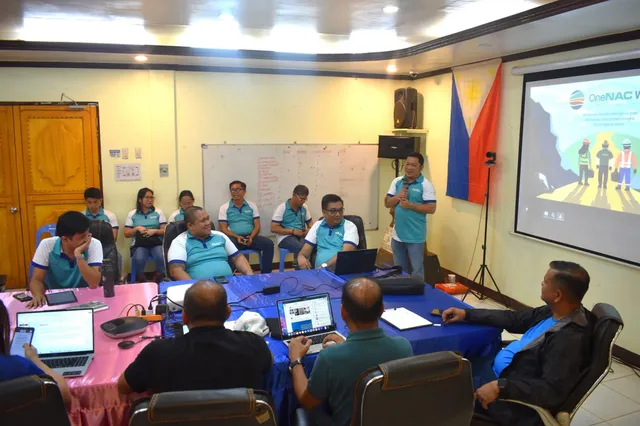
Classroom sessions were held on Sept. 14–15 at the MGB Central Office, covering the fundamentals and applications of remote sensing and GIS.

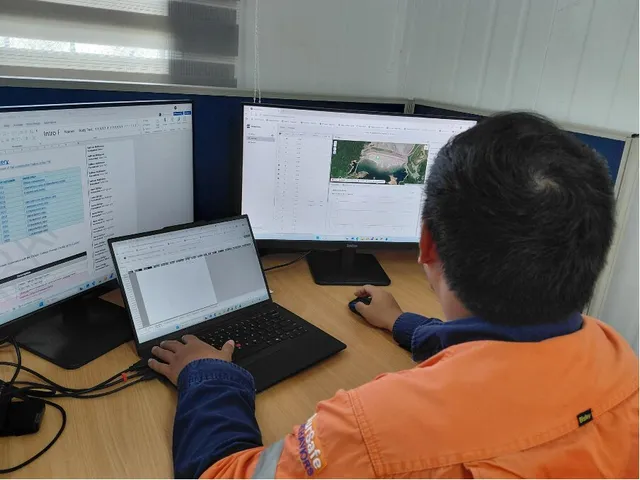
Participants received hands-on training in QGIS and explored satellite-based platforms, including Copernicus and USGS EarthExplorer, as well as mobile applications for field data collection and location-based observations.

The classroom sessions were followed by field exercises from Sept. 16–18 at Itogon-Suyoc Resources Inc. in Itogon, Benguet, where participants applied the techniques in an actual mining environment.

The exercises demonstrated how satellite imagery, GIS analysis and mobile-based applications could complement field observations in assessing and monitoring mining areas.

The MGB said integrating remote sensing, GIS analysis and field validation would support a more systematic and evidence-based approach to mining and geological monitoring.

The training also provided an opportunity for personnel from different MGB divisions to exchange knowledge and explore the practical applications of geospatial technologies in their respective functions.

Philippines-Japan cooperation

The initiative forms part of the continuing technical cooperation between the Philippines and Japan under a memorandum of cooperation on the mining sector signed by the Department of Environment and Natural Resources (DENR) and Japan's Ministry of Economy, Trade and Industry on Nov. 3, 2023.

The agreement covers cooperation in sharing best practices in sustainable mining, environmental protection, rehabilitation of areas affected by mining operations and appropriate environmental impact assessment.

The MGB said it intends to sustain the technical partnership, including renewing the existing cooperation and expanding the use of innovative geospatial technologies to support responsible mining and more effective geological monitoring in the Philippines.

October 30, 2026

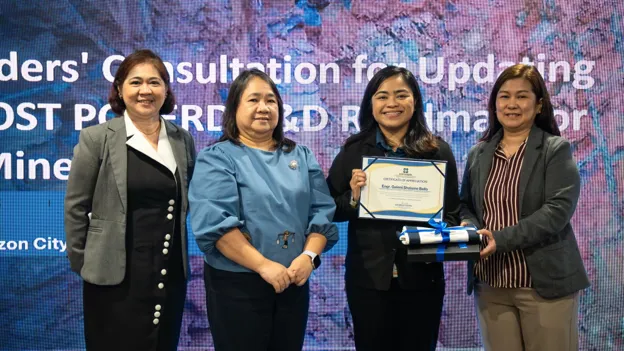
The Department of Science and Technology–Philippine Council for Industry, Energy and Emerging Technology Research and Development (DOST-PCIEERD) has updated its research and development (R&D) roadmaps for the mining and minerals sector, placing greater emphasis on critical minerals following the issuance of Executive Order No. 122.

More than 100 representatives from government agencies, academic institutions and industry research organizations participated in a workshop on Sept. 28–29 at the Sequoia Hotel to identify research priorities, technology gaps and policy requirements for the sector.

The exercise was conducted in line with EO 122, signed in 2026, which establishes a national policy framework for developing the Philippine critical minerals industry. 

Engr. Geleni Shalaine P. Bello of the Mines and Geosciences Bureau's Metallurgical Technology Division delivered a keynote presentation on the order's provisions and the bureau's Critical Minerals Technical Working Group outputs.

Her presentation covered the framework for assessing mineral criticality, the status of the country's critical minerals mining and processing industry, and government initiatives on exploration, development, utilization and value addition. 

Bello's presentation also highlighted the importance of developing domestic capabilities to process critical minerals and move beyond extraction toward higher-value industrial applications.

Three research priorities 

MeTD engineers Chris G. Arnejo and Marco Paolo G. Viloria joined industry representatives in technical workshops examining technology gaps, facility readiness, workforce skills and policy support across three R&D roadmaps.

The first focuses on critical minerals used in emerging and clean energy technologies, covering extraction and processing from primary mineral sources as well as recovery from secondary sources through circular economy approaches.

The second addresses value addition and advanced processing of metallic and nonmetallic minerals, emphasizing sustainable technologies and the processing of secondary resources.

The third covers environmental assessment, mine remediation and resource circularity, including environmental monitoring, mine waste and tailings management, and the rehabilitation of contaminated, legacy and abandoned mine sites. 

The updated roadmaps are intended to help align research priorities with the requirements of the country's mining and minerals industry, particularly the development and processing of critical minerals under the national policy framework.

Source:
Mines and Geosciences Bureau 
October 30, 2026

Philex Mining Corp. reported a 56-percent increase in core net income in the third quarter of 2026, while its Silangan mine in Surigao del Norte produced its first copper cathodes and gold-silver doré, marking a milestone in the development of the company's newest mining operation.

In a disclosure to the Philippine Stock Exchange, Philex said core net income reached P537 million in the July-September period, up from P344 million in the same quarter last year.

Reported net income rose 72 percent to P310 million from P180 million, while earnings before interest, taxes, depreciation and amortization (EBITDA) increased 44 percent to P1.13 billion from P784 million.

Operating revenues grew 6 percent to P2.67 billion, supported by higher realized prices for gold and copper.

The average realized gold price increased 24 percent to $4,519 per ounce from $3,642 a year earlier, while the average copper price climbed 49 percent to $6.59 per pound from $4.43.

Operating costs and expenses remained virtually unchanged at P1.96 billion, resulting in a 28-percent increase in operating income to P710 million from P556 million.

However, production volumes declined during the quarter. Philex milled 1.55 million metric tons of ore, down 13 percent from 1.77 million tons a year earlier.

Gold production fell 35 percent to 4,322 ounces, while copper output declined 28 percent to 3.54 million pounds. Compared with the second quarter of 2026, however, gold and copper production increased 8 percent and 5 percent, respectively.

Foreign exchange losses also weighed on earnings, reaching P241 million during the quarter, compared with P184 million in the same period last year. The losses were mainly associated with the restatement of US dollar-denominated loans.

Nine-month earnings improve

For the first nine months of 2026, Philex's core net income increased 56 percent to P749 million from P480 million in the same period last year.

EBITDA rose 37 percent to P1.98 billion, while operating income increased 28 percent to P1 billion from P779 million.

Operating revenues, however, declined 2 percent to P6.17 billion from P6.28 billion.

The increase in realized commodity prices helped offset lower production volumes. Average realized gold prices rose 53 percent to $4,405 per ounce, while copper prices increased 44 percent to $6.15 per pound.

Operating costs and expenses decreased 6 percent to P5.17 billion from P5.5 billion.

Despite the improvement in core earnings, reported net income fell to P110 million from P482 million a year earlier, primarily due to foreign exchange losses of P649 million, compared with P38 million in the first nine months of 2025.

Silangan produces first metal

Philex said its Silangan mine has completed the commissioning phase of its processing plant and produced its first copper cathodes and gold-silver doré.

The company described the facility as the first in the Philippines to use copper leaching technology to process ore into saleable copper metal.

The production of copper cathodes marks the start of a new phase for the project, while the completion of gold-silver doré smelting represents another milestone in its metallurgical operations.

Philex President and Chief Executive Officer Eulalio Austin Jr. said the company had overcome numerous challenges in bringing the project to fruition.

"The realization of the Silangan Mine reflects our commitment to creating a sustainable and lasting legacy for the people of Surigao del Norte and for the country as a whole," Austin said.

Padcal strike settled

Meanwhile, Philex expects operational momentum at its Padcal mine in Benguet to continue through the remainder of 2026, supported by favorable gold and copper prices.

The company said the three-day strike staged by the National Mines and Allied Workers Union (NAMAWU Local 101), representing rank-and-file employees, ended following conciliation and mediation proceedings before the National Conciliation and Mediation Board-Cordillera Administrative Region.

Both parties signed the finalized collective bargaining agreement on Oct. 26.

Philex said Padcal operations were not disrupted during the strike, as employees who did not participate were sufficient to sustain production.

The company expects stronger commodity prices to continue supporting its operating performance through the end of the year.

October 28, 2026

Metals Exploration plc’s gold production in the Philippines fell 48% in the first half of 2026 as lower ore grades and recovery rates weighed on output at its Runruno gold mine in Nueva Vizcaya, with mining operations expected to cease in the fourth quarter.

The London-listed mining company produced 21,451 ounces of gold in the six months ended June 30, down from 40,985 ounces a year earlier, according to its interim results released Sept. 29.

Gold recovery at Runruno declined to 80.7% from 91.4% in the same period last year, while the average grade of ore processed fell to 0.87 grams per metric ton from 1.34 grams.

Despite lower production, the company generated $100 million in gold sales revenue, compared with $118.9 million a year earlier, as the average realized gold price rose to $4,677 per ounce from $2,884.

Metals Exploration reported positive free cash flow of $54.7 million from its Philippine operations, down from $70.7 million in the first half of 2025.

Mining operations at Runruno are forecast to end in the fourth quarter of 2026, marking a transition for the company as it seeks to develop new mineral assets in the Philippines and bring its La India gold project in Nicaragua into production.

Batong Buhay project advances

Metals Exploration is expanding its Philippine exploration portfolio through agreements signed in June to develop the Batong Buhay porphyry copper-gold project, about 200 kilometers north of Runruno.

The company has begun preparatory work to determine the design of a drilling campaign expected to start in the fourth quarter of 2026.

The project was previously explored through a 21-hole drilling program in the late 1970s. Its main target, Dickson, has a historical, non-JORC-compliant resource estimate of 86.9 million metric tons grading 0.83% copper equivalent from surface.

Historical drilling at Dickson included an intercept of 160.93 meters grading 0.92% copper and 0.60 grams per metric ton of gold, equivalent to 1.48% copper.

At the Maalinao North prospect, a historical intercept of 198.12 meters grading 1.15% copper and 0.10 grams per metric ton of gold was reported, equivalent to 1.24% copper.

The company cautioned that the historical resource estimate does not comply with the Joint Ore Reserves Committee reporting code.

Metals Exploration is also pursuing the Abra project, although no exploration work was conducted there during the first half as the National Commission on Indigenous Peoples continued consultation activities with affected Indigenous communities.

Runruno maintains safety record

The company said Runruno recorded 3.95 million work hours without a lost-time injury as of June 30, with no such incident reported since March 30, 2025.

Its residual storage impoundment spillway was nearing completion and was designed to handle a maximum probable flood event. Metals Exploration will continue monitoring and maintaining the facility for 10 years after processing operations end at the mine.

The company also released its 2025 sustainability report in April, covering its environmental and community performance in the Philippines.

Group earnings increase

At the group level, Metals Exploration reported revenue of $100 million for the first half, down from $118.9 million a year earlier. However, net profit rose to $22.1 million from $16.5 million, supported by lower costs and other changes in its financial results.

Operating profit increased to $30.2 million from $29.1 million, while earnings before interest, taxes, depreciation, amortization, impairment and share-based payment charges declined to $55.9 million from $72.3 million.

Gold production across the group's operations totaled 21,451 ounces during the period, all from Runruno, as the La India project in Nicaragua remained under construction.

La India was 56% complete at the end of June and 74.4% complete as of the date of the interim report. First gold production remained targeted for December 2026, although commercial production was expected to begin in the first quarter of 2027.

The project's budget increased slightly to about $180 million because of higher logistics costs and new import duties. The company also secured a $27 million equipment loan from a Nicaraguan bank, fully drawn in August and September.

Metals Exploration said its priorities were to maximize remaining value at Runruno, complete La India safely and efficiently, and advance its exploration portfolio in the Philippines and Nicaragua.

October 19, 2026

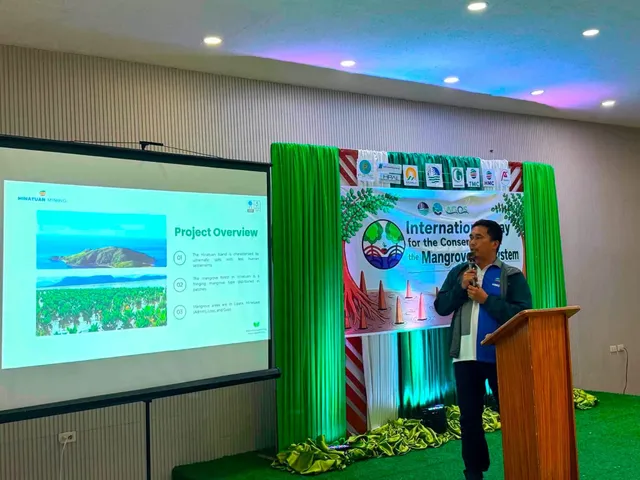
Hinatuan Mining Corp. – Tagana-an Nickel Project (HMC-TNP) highlighted its mangrove conservation efforts during a colloquium in Surigao del Norte organized by the Department of Environment and Natural Resources’ Community Environment and Natural Resources Office in Tubod.

The event, titled “From Roots to Resilience: A Colloquium on Science, Stewardship, and Sustainable Coastal Futures in Surigao del Norte,” was held in observance of the International Day for the Conservation of the Mangrove Ecosystem, celebrated annually on July 27.

HMC-TNP marine biologist Jusua dela Peña presented the mangrove ecosystems of the Hinatuan Islands and Barangay Talavera, highlighting their ecological importance and the company's conservation, protection and rehabilitation initiatives.

Mangroves help protect coastlines against erosion and storm surges, provide habitats for marine life, support coastal livelihoods and strengthen communities’ resilience to climate change.

Dela Peña’s presentation emphasized the role of science-based environmental management and collaboration in protecting coastal ecosystems.

HMC-TNP also participated in a mangrove photo exhibition, submitting two entries titled “Cultivating Tomorrow’s Mangrove Legacy” and “Where the Roots Remember, the Future Rises.”

The company said sustained conservation efforts, science-based initiatives and partnerships with environmental stakeholders were central to preserving mangroves and supporting coastal resilience.

It added that mangrove protection was important not only for biodiversity but also for safeguarding coastal communities and supporting the well-being of future generations.

October 19, 2026

Hinatuan Mining Corp. – Tagana-an Nickel Project (HMC-TNP) has hosted a government validation team to assess its environmental performance, rehabilitation commitments and compliance with regulatory requirements.

The Contingent Liability and Rehabilitation Fund Steering Committee (CLRFSC) Validation Team conducted an official entry meeting with the mining company, led by Senior Vice President and Chief Operating Officer and Resident Mine Manager Francisco J. Arañes Jr.

The meeting provided an opportunity for HMC-TNP to present its ongoing environmental initiatives, implementation of environmental commitments and long-term plans for land management and rehabilitation.

The validation team included representatives from the Forest Management Bureau, National Irrigation Administration, Bureau of Soils and Water Management, Bureau of Plant Industry and Mines and Geosciences Bureau.

The validation will cover the project's contract area and implementation of its Environmental Protection and Enhancement Program, as well as preparations for the Final Mine Rehabilitation and/or Decommissioning Plan.

It will also examine progressive mine rehabilitation efforts to determine their alignment with applicable regulatory requirements and environmental objectives.

HMC-TNP said the process was an important mechanism for assessing environmental performance, verifying rehabilitation commitments and strengthening long-term environmental management.

The company said responsible mining extends beyond mineral extraction to include ecosystem protection, rehabilitation of disturbed areas and sustainable land use after mining operations.

It added that engagement with government regulators, transparent validation and continuous improvements in environmental management were central to strengthening accountability and supporting responsible mining practices.

October 15, 2026

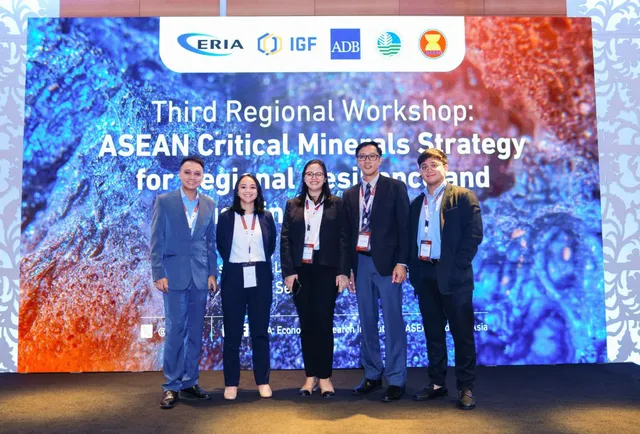
The Association of Southeast Asian Nations (ASEAN) is advancing a regional critical minerals strategy aimed at strengthening supply chain resilience and supporting sustainable economic growth, following a technical workshop in Singapore.

The Philippines’ Mines and Geosciences Bureau (MGB) said in a statement that regional delegates and technical experts met from September 1 to 4 to refine the strategy under Priority Economic Deliverable No. 6 of the Philippines’ 2026 ASEAN chairship.

The workshop marked the final major consultative phase for the initiative, building on earlier meetings in Jakarta in March and June.

The event was jointly organised by the ASEAN Secretariat, the Economic Research Institute for ASEAN and East Asia, the Asian Development Bank and the Intergovernmental Forum on Mining, Minerals, Metals and Sustainable Development.

The Philippines was represented by MGB Assistant Director Karlo L. Queaño and members of the technical working group, including officials from the bureau’s mineral economics, marine geological survey, lands geological survey, and policy and international affairs divisions.

Regional framework takes shape

The delegates validated key components of the proposed strategy, including the final versions of ASEAN critical minerals indicators and taxonomy, a proposed list of critical minerals, and a regional definition of critical minerals.

They also reviewed the strategic framework and policy recommendations for the ASEAN Critical Minerals Policy Brief and discussed the core elements of a proposed ASEAN Declaration on Critical Minerals Strategy, the MGB said.

Industry and civil society representatives provided operational perspectives on critical minerals to inform the discussions. Organisers also briefed stakeholders on the structure and process for assessing the proposed strategy.

The initiative seeks to position Southeast Asia as a secure, high-value hub in global critical minerals supply chains linked to the energy transition.

Recycling highlights mineral recovery potential

The workshop concluded with visits to recycling facilities operated by World Metal Group and SK Tes, where delegates observed the recovery of valuable materials from electronic waste and electric vehicle batteries.

The materials recovered include gold, silver, platinum, lithium carbonate and graphite, according to the MGB.

The site visits highlighted recycling and urban mining as potential sources of critical materials, complementing conventional mineral extraction and processing.

Strategy to undergo further review

Following the workshop, a technical drafting committee will finalise the policy documents for submission to senior officials and ministers for review and formal adoption ahead of the 49th ASEAN Summit in November 2026.

Once adopted, the ASEAN Critical Minerals Strategy is expected to support implementation of the ASEAN Minerals Cooperation Action Plan Phase IV, which runs through 2030.

The strategy forms part of ASEAN’s broader efforts to strengthen regional cooperation in mineral resources management and support sustainable growth amid rising demand for materials used in clean energy technologies.

October 14, 2026

Australian-listed Cooper Metals Ltd. has agreed to acquire an 85% interest in a company holding an option over the Colet Copper Project in Negros Occidental, with plans to validate historical resource estimates and resume exploration drilling next year.

In an announcement dated Oct. 12, Cooper said it had signed a binding share sale agreement with the shareholders of Chalterra Pty. Ltd., which holds an option to acquire full ownership of Colet Mining & Development Corp., the Philippine company that owns the mining claims.

The Colet project comprises the Don Jose and A1 porphyry copper deposits in southwestern Negros Occidental. Previous operators completed more than 124,000 meters of drilling and technical studies, including a comprehensive assessment in 2012 of a potential open-pit mining and flotation operation.

Cooper Executive Director Tim Armstrong said the historical work provided a foundation for further exploration, although the company would first need to verify the existing data.

“Our initial work will focus on validating the historical data, with drilling planned early next year, with the aim of reporting a Mineral Resource in accordance with the JORC Code 2012,” Armstrong said.

The company also plans to assess the potential to extend known copper mineralization and explore for gold within the project area.

Historical estimate requires validation

The Colet project has a historical estimate of 339 million metric tons of ore grading 0.35 percent copper, equivalent to about 1.19 million metric tons of contained copper, based on a 0.2 percent cutoff grade.

The estimate was prepared by Mining Associates for a former project operator and reported in 2012 under the JORC Code 2004, an Australian standard for reporting mineral exploration results and resources.

Cooper cautioned that the estimate has not been independently validated and does not comply with the current JORC Code 2012 requirements. It should not be treated as a current mineral resource estimate.

The company plans to recover and validate the historical drilling database, conduct geological mapping and surface sampling, undertake confirmation and twin drilling, and carry out community engagement and environmental studies.

The deposits have been explored since the 1960s. A technical study completed in 2012 by AMEC Minproc, now part of Wood Group, evaluated a potential conventional open-pit mine and flotation plant to produce copper concentrate. No ore reserves were estimated.

Cooper said the project also offered potential for additional copper mineralization and gold, although further exploration would be needed to establish the extent and economic viability of any additional deposits.

Acquisition subject to approvals

Under the proposed transaction, Cooper will acquire 85 percent of Chalterra, while the existing shareholders will retain a 15 percent interest. Their retained stake will be free-carried until Cooper declares a positive final investment decision on the project.

The consideration includes 82.2 million Cooper shares and 45 million performance rights. The performance rights will convert into ordinary shares if the project establishes a JORC 2012-compliant mineral resource containing more than 500,000 metric tons of copper at a 0.2 percent cutoff grade.

The transaction remains subject to due diligence, regulatory and other required approvals, and Cooper shareholder approval. An independent expert will assess whether the transaction is fair and reasonable.

Cooper will also assume staged payment obligations under a separate agreement relating to the acquisition of Colet Mining. These include cash payments of $250,000 in December 2026 and April 2027, followed by a $10 million payment upon a final investment decision and exercise of the option to acquire Colet Mining.

Further payments would be required after the final investment decision and upon commercial production, including production-linked payments and a 1.5 percent net smelter return royalty. Cooper may buy back 0.75 percentage point of the royalty for A$3 million.

Capital raising to fund exploration

Cooper has secured commitments for a A$2.15 million share placement and launched a fully underwritten, one-for-four nonrenounceable entitlement offer expected to raise a further A$2.7 million.

The capital raising, totaling about A$4.85 million before costs, will fund the acquisition and initial work on Colet, while also supporting exploration at the company's existing Australian projects.

Cooper's other assets include the Mt. Isa East copper-gold project in Queensland, the Gooroo copper-gold project in Western Australia and the Pyramid gold project in Queensland.

The company said it would begin site access, community engagement and environmental work in Negros Island while preparing for mapping, surface sampling and reverse-circulation drilling.

The acquisition is expected to expand Cooper's copper and gold portfolio in the Philippines, but completion and the conversion of the historical estimate into a current mineral resource remain contingent on further work and the satisfaction of transaction conditions.

October 13, 2026

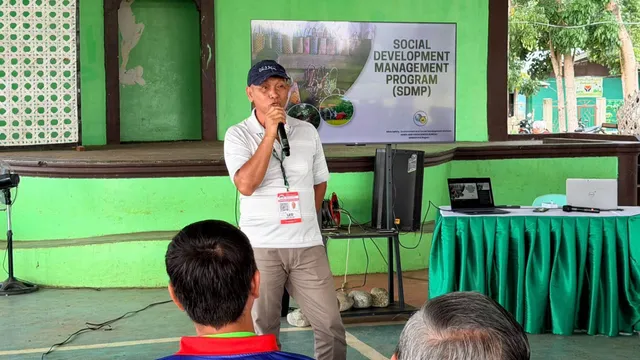
Ipilan Nickel Corporation (INC), in partnership with the Mines and Geosciences Bureau (MGB), conducted a two-day planning activity for its Host and Neighboring Communities (HNC), comprising the barangays of Maasin, Mambalot, Ipilan, and Calasaguen in the municipality of Brooke’s Point, Palawan. The activity focused on the annual Social Development and Management Program (SDMP) planning for 2027 and preparations for the second five-year cycle of the SDMP.

The gathering began with messages and reminders from INC management, representatives of MGB MIMAROPA, and the local government unit (LGU) of Brooke’s Point. This was followed by presentations of proposed projects identified by various sectors in the barangays for SDMP funding, as required under the government-mandated program.

The two-day activity centered on focus group discussions (FGDs) to ensure that each proposed project was carefully planned and would contribute to sustainable community development in the coming years. Representatives of MGB MIMAROPA guided participants in identifying appropriate projects. With their assistance, the participants identified projects aligned with the United Nations Sustainable Development Goals (SDGs). The representatives also explained the measures needed to ensure that the programs and projects comply with DENR Administrative Order No. 2025-10.

In addition to MGB, representatives of the Brooke’s Point LGU provided guidance through the Municipal Environment and Natural Resources Office (MENRO) and the Municipal Planning and Development Office (MPDO). They discussed priority projects that would deliver meaningful and practical benefits to residents of each barangay.

The two-day planning activity concluded with the leadership of each barangay presenting projects expected to be sustainable and beneficial to their respective communities. INC assured participants that the proposed projects would undergo thorough evaluation to ensure alignment with the SDGs, strengthen social development, and promote inclusive, long-term, and sustained progress across the communities.

October 09, 2026

OceanaGold (Philippines) Inc. has upgraded its monitoring system at the Didipio mine's tailings storage facility in Nueva Vizcaya to improve oversight of structural performance and operational safety, particularly during the rainy season.

The listed mining company partnered with global engineering advisory group GHD to integrate geotechnical instrument readings and satellite monitoring data into a remotely accessible dashboard.

Completed in January 2026, the system provides continuous, real-time visibility of the facility's performance and supports the assessment of changes in monitoring indicators.

The upgraded system uses vibrating wire piezometers to monitor water levels within the tailings dam and Global Navigation Satellite System sensors to track ground movement and deformation.

Data collected through August has enabled the system to generate automated alerts, including email notifications, when readings reach defined thresholds. These alerts support the company's existing early warning and response protocols.

The automated data collection also improves the efficiency of monthly monitoring and reporting to the Department of Environment and Natural Resources.

“Historically, rainfall at Didipio begins to intensify in August and peaks in November. Amid the current habagat season, the upgraded monitoring system gives us greater visibility of the TSF even during periods of heavy rainfall,” said Joan Adaci-Cattiling, OGP president and general manager for external affairs and social performance.

She said the system supports early warning procedures and helps mine personnel make informed decisions during periods of increased rainfall.

Jonathan Dickson, GHD's global business leader for dams and geotechnical management solutions, said the technology provides consistent, data-driven insights by linking monitoring information with engineering design targets.

OGP engineers can remotely access real-time information to assess the facility's performance and respond to changing conditions, he said.

Adaci-Cattiling said automation does not replace the expertise and judgment of engineers but provides more accurate information to support earlier and more confident decisions.

“Responsible mining requires us to continuously improve how we monitor and manage risk,” she said, adding that the initiative strengthens the company's monitoring capabilities and commitment to safe operations.

Nestor Gayamo, a councilor of Barangay Didipio, welcomed the upgrade, saying the use of advanced monitoring technology during the rainy season provides residents with additional assurance that potential risks are being monitored and managed.

The Didipio mine's tailings storage facility uses the downstream construction method, in which successive embankment raises are supported on competent rock rather than deposited tailings.

According to OGP, the facility's design criteria are aligned with those of the Australian National Committee on Large Dams.

Tailings storage facilities are used to contain mining waste generated during mineral processing. Monitoring water levels and ground movement is important to assessing their structural performance and identifying potential changes that may require further investigation.

October 08, 2026

Sandvik has unveiled a fully autonomous, battery-electric surface drilling concept that combines artificial intelligence, robotics, electrification and digital connectivity to demonstrate how the next generation of surface mining could operate.

The concept machine, named "Sami":, was unveiled at Sandvik’s Future of Mining 2026 event in Tampere, Finland. The company said the machine is designed to demonstrate how autonomous equipment can be integrated into an intelligent, mine-wide operating system rather than functioning as an isolated automated asset.

Built on a boom-drill platform, Sami has no operator cabin and is designed to operate fully autonomously. The machine carries its own drill bits, collar pipes and down-the-hole hammers, while an integrated robotic manipulator performs tasks including changing drill bits, installing collar pipes and replacing hammers.

Sandvik said the concept can also measure hole depth and deviation after drilling and navigate autonomously through the mine environment.

Its perception systems allow the machine to identify, track and classify people, equipment and other objects around it. Sami can distinguish between dynamic and stationary obstacles and adjust its behaviour accordingly.

LED matrix displays provide information about the machine's operational status to personnel working nearby.

AI-managed drilling

A key feature of Sami is its integration with Sandvik's broader digital mining ecosystem.

The machine is connected to a continuously updated digital twin of the mining environment and is managed through Sandi, Sandvik's AI agent.

Sandi assigns drilling tasks and coordinates activities across the wider mining fleet, while Sami autonomously plans and executes its work cycle. The machine can adapt its activities to nearby equipment and changing conditions at the mine.

Operators interact with Sandi through natural language and can intervene when human judgement is required.

Sandvik said the approach moves beyond automating individual pieces of equipment towards coordinating machines, tasks and decisions across an entire mining operation.

Riku Pulli, president of Digital Mining Technologies at Sandvik, said the integration of the technologies represented the most significant innovation behind the concept.

“By combining AI, autonomy and a continuously updated digital twin, we move from optimizing individual assets to optimizing the entire mining operation,” Pulli said. “That’s where the next step change in productivity and decision-making will come from.”

From underground to surface

Patrick Murphy, president of mining at Sandvik, said the concept extended the company's experience in automation, electrification and digital technologies in underground mining to surface operations.

“For years, Sandvik has helped define the future of underground mining through automation, electrification and digital technologies that have fundamentally changed how mines operate,” Murphy said. “Our latest concept brings that same ambition to surface operations.”

Murphy said the company was challenging conventional approaches to equipment design to help develop mines that are safer, more productive, more reliable and increasingly autonomous.

The concept builds on Sandvik's previous technology demonstrations, including its AutoMine Concept Loader, introduced in 2020.

The company has used concept platforms as proving grounds for emerging technologies before their potential incorporation into commercial equipment.

Sandvik said these concepts are not intended to become production machines themselves. Instead, they are designed to accelerate the development of technologies that could eventually improve the safety, productivity and sustainability of its commercial mining equipment.

Potential across surface drilling

Although Sami was demonstrated using a boom-drill platform, Sandvik said the technologies incorporated into the concept are intended to be scalable across its wider surface drilling portfolio.

This includes rotary blasthole drills, potentially extending autonomous drilling capabilities to other types of surface mining equipment.

The concept brings together several technologies that Sandvik is developing across its portfolio, including autonomous operation, robotic tool handling, battery-electric power, AI and digital mine connectivity.

Rather than developing these capabilities separately, Sandvik said it used Sami to explore how they could operate together as a single system.

“The technologies behind it are very real,” Pulli said. “Many of the capabilities being demonstrated today will help shape the evolution of our offering and find their way into future solutions for surface mining customers.”

Sandvik said the concept is also intended to stimulate discussions and collaboration with mining companies and other industry stakeholders as it develops future commercial solutions.

The company said the broader objective is to determine how autonomous equipment and connected digital systems can contribute to safer operations, higher productivity and more effective decision-making across surface mines.

October 08, 2026

Sandvik brought mining leaders from around the world together in Tampere for Future of Mining 2026, showcasing technologies and operational strategies focused on automation, electrification, artificial intelligence and digitalization.

The two-day event, held September 1-2, brought together senior representatives from mining companies and contractors with Sandvik experts to examine how emerging technologies are being integrated into mining operations.

The main conference at Nokia Arena featured customer presentations and panel discussions covering zero-entry mining, electrification, digital transformation and the future of mining. Participants included representatives from AngloGold Ashanti, Boliden, Byrnecut, Codelco, Eldorado Gold, Freeport, Glencore, LKAB, Mariana Minerals, Sonal Mining Technology and Torex Gold.

“Future of Mining 2026 gave us an important opportunity to bring customers together not only to discuss where mining is heading, but to experience the technologies helping take it there,” said Patrick Murphy, president of mining at Sandvik.

Following the conference, customers visited Sandvik's Underground Test Mine, Surface Test Pit and rock drill factory in Tampere to see the company's technologies in operation.

At the Surface Test Pit, Sandvik demonstrated a fully autonomous, battery-electric surface drilling concept that combines AI, robotics, electrification and digital connectivity.

The company said the concept demonstrated how intelligent, mine-wide operating systems could improve safety and productivity in surface mining.

Other demonstrations featured surface and rotary drilling solutions, automation technologies, Deswik integration and Universal Field Robots technologies.

At the Underground Test Mine, Sandvik demonstrated next-generation development drilling, advanced automation, AI-supported drilling, active power compensation and enhanced safety systems.

The demonstrations highlighted the potential of electrification and automation to increase productivity, improve safety and reduce emissions in mining operations.

Sandvik's renovated rock drill factory also showcased digital mine technologies, including AutoMine, Deswik, Newtrax and Universal Field Robots solutions.

The company demonstrated how planning, equipment, operations and decision-making can be increasingly connected across the mining value chain.

Other technology highlights included live AutoMine demonstrations, next-generation electrification solutions, integrated digital workflows using Deswik and AutoMine, and the introduction of Deswik NOVA for surface operations.

The event also featured Sandvik's rock processing solutions, including crushing, screening, automation and digital technologies aimed at supporting safer, more productive and sustainable mining and mineral processing.

Sandvik said the event demonstrated how connected equipment, automation, electrification and digital solutions can help mining companies improve productivity and safety while advancing sustainability objectives.

Future of Mining 2026 was complemented by dedicated Sandvik Rock Tools and Load and Haul programmes in Sandviken, Sweden, and Turku, Finland, giving customers additional opportunities to visit Sandvik facilities and see its technologies in operation.

October 05, 2026

Rio Tuba Nickel Mining Corp. remains a key operation to watch in the Philippine nickel ore market as regional processors face tighter domestic ore availability, particularly in Indonesia, according to Shanghai Metals Market.

The Rio Tuba operation in Bataraza, southern Palawan, produces both limonite and higher-grade saprolite ore, giving it a strategically important position in the nickel supply chain.

SMM, a Shanghai-based metals market information provider, said in a Sept. 29 market assessment that continued production from Rio Tuba could provide a relatively stable source of Philippine nickel ore, particularly for processors that use limonite as feedstock.

“Rio Tuba remains an important individual mine to monitor in the Philippine nickel ore market because of its dual limonite and saprolite production and connection with downstream HPAL processing,” SMM said.

Integrated mining and processing operations

Rio Tuba is operated by RTNMC, a subsidiary of Nickel Asia Corp., and is one of the Philippines' established nickel mining operations.

The mine's limonite ore feeds the Coral Bay Nickel Corp. processing plant, also located in Palawan. Coral Bay operates a high-pressure acid leach, or HPAL, facility that processes low-grade nickel laterite ore into a mixed nickel-cobalt sulfide intermediate.

The operation is significant because it links Philippine nickel mining directly to downstream processing rather than relying solely on exports of unprocessed ore.

The Rio Tuba operation also produces saprolite, a higher-grade nickel ore that can be supplied to other downstream consumers depending on market conditions.

The combination of limonite production, saprolite availability and its connection to HPAL processing makes Rio Tuba different from mines focused on a single ore grade or export market.

Regional supply implications

SMM said Philippine nickel ore remains relevant to the regional market as Indonesian smelters look for alternative feedstock amid constraints on domestic nickel ore availability.

Indonesia has rapidly expanded its nickel-processing capacity in recent years, increasing demand for ore while government policies have prioritized domestic processing and restricted exports of nickel ore.

SMM, however, did not identify Rio Tuba's specific export destinations or establish that the mine had secured additional orders from Indonesian processors.

It also did not provide production or shipment figures indicating an increase in Rio Tuba's activity.

Instead, the market assessment identified Rio Tuba's ongoing production and shipment performance as factors to monitor as regional buyers assess available Philippine ore.

Weather, logistics remain risks

For Rio Tuba, the availability of ore in the regional market will also depend on the mine's ability to move material from the mining area to stockpiles and loading facilities.

SMM identified weather and logistics as potential constraints, including conditions affecting mine roads, stockpiles and barge-loading areas in Palawan.

“In the near term, shipment performance, weather conditions and demand from HPAL consumers will be the key factors determining its influence on Philippine nickel ore availability and pricing,” SMM said.

Any prolonged disruption to Rio Tuba's mining or shipment operations could tighten the availability of particular ore grades or affect specific shipment windows.

The impact on the Philippine nickel market as a whole, however, would likely be more limited because the country has other producing regions and mines supplying domestic and international consumers.

Rio Tuba's importance is therefore less about its ability to determine overall Philippine nickel supply and more about its role as a reliable source of specific ore types, particularly limonite used in downstream HPAL processing.

SMM said its assessment was based on publicly available information, market communications and its internal database model. It described the assessment as reference material rather than a recommendation for investment or other decision-making.