

November 18, 2026

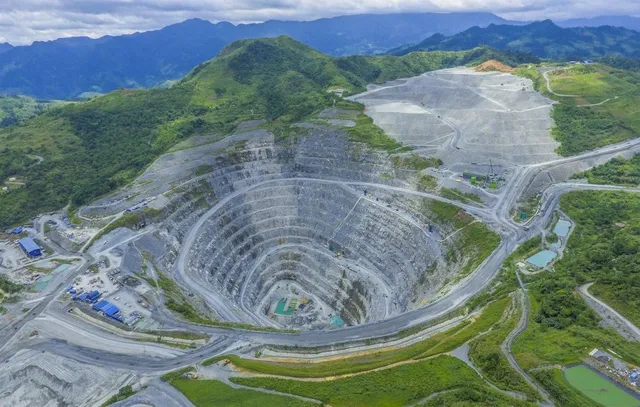
OceanaGold Corp. has reported further gold-copper mineralization at its Didipio mine in Nueva Vizcaya, with drilling confirming continuity of the deposit at depth and identifying potential for additional resources at the nearby True Blue target.

The results will support an updated mineral resource estimate for Didipio by the end of 2026, as the company expands exploration to extend the life and production potential of the Philippine operation.

The latest drilling returned intercepts of 66 metres grading 8.07 grams per tonne gold equivalent (AuEq), 97 metres at 3.55 g/t AuEq and 116.7 metres at 2.29 g/t AuEq, including a higher-grade section of 9 metres at 8.14 g/t AuEq.

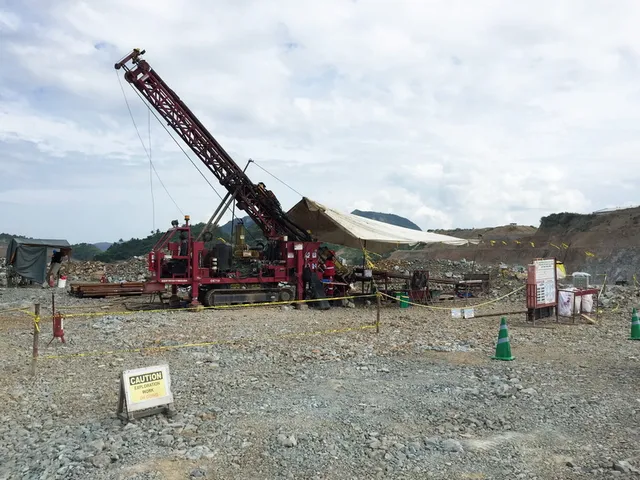
The results came from underground resource conversion and extension drilling targeting Panels 3 and 4 below the existing mining area. OceanaGold said the findings confirmed the continuity of the gold-copper mineralized system and improved confidence in resources at depth.

The underground programme resumed in the first quarter of 2026 and expanded from one to three drilling rigs. More than 17,000 metres across 45 holes had been completed from the 2,160-metre exploration drilling platform as of the latest reporting period.

Additional surface drilling targeting areas below the 1,800-metre level also confirmed mineralization within and beyond the existing inferred resource boundary.

Two surface holes returned intercepts of 14 metres at 5.32 g/t AuEq and 116.7 metres at 2.29 g/t AuEq, with the latter including 9 metres at 8.14 g/t AuEq.

OceanaGold said the findings indicated potential to extend the mineralized system further at depth, where the deposit remains open.

At the Northern Balut Dyke, underground drilling returned 49.9 metres at 4.56 g/t AuEq, including 24.2 metres at 6.47 g/t AuEq. The result confirmed lateral continuity of the high-grade mineralization about 30 metres east of a previously reported drill hole.

The company also reported encouraging results from True Blue, a gold-copper exploration target approximately 800 metres northeast of the Didipio underground mine.

Drilling at True Blue returned intercepts of 102 metres at 4.14 g/t AuEq, 138 metres at 2.74 g/t AuEq, 82 metres at 4.48 g/t AuEq and 93 metres at 3.28 g/t AuEq.

The intercepts were concentrated in the upper portion of the mineralized system, pointing to the potential development of a higher-grade zone, OceanaGold said.

Further drilling extended known mineralization towards the northwest and southwest, with additional results including 132 metres at 1.98 g/t AuEq and 34 metres at 2.22 g/t AuEq.

The True Blue programme has covered more than 21,000 metres across 72 holes since drilling resumed in 2025. The company has completed the programme and is advancing technical work to assess the possibility of declaring an initial mineral resource estimate by the end of 2026.

OceanaGold president and chief executive Gerard Bond said record exploration investment in 2026 had accelerated progress across the Didipio underground operation and nearby targets.

The company has budgeted US$10 million for exploration at Didipio this year, with total drilling reaching 34,562 metres as of the latest update.

Bond said the results would contribute to the year-end resource update and highlighted the potential to create additional value through continued exploration.

OceanaGold has also started a broader exploration drilling programme across the Didipio tenement to test additional brownfield targets, with further drilling activity planned for 2027.

The company said the exploration programme was focused on converting existing resources, defining known mineralization and identifying opportunities to expand the resource base.

November 16, 2026

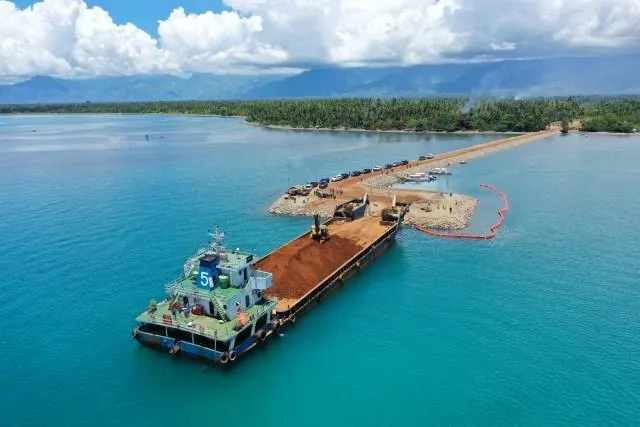
Global Ferronickel Holdings Inc. (FNI) reported a 50.9-percent increase in consolidated net income to P2.29 billion in the first nine months of 2026, driven by higher nickel ore prices, increased shipment volumes and favorable foreign exchange movements.

The nickel ore producer said Thursday that net income for the nine months ended September 30 rose from P1.52 billion in the same period last year.

Consolidated revenues increased 36.9 percent to P9.15 billion from P6.68 billion, while income before income tax climbed 48.5 percent to P2.93 billion.

The company attributed the improvement to stronger nickel ore prices, higher shipment volumes, an 87.5-percent increase in its share of net income from associates and a 59.1-percent reduction in finance costs.

Earnings per share also increased 51 percent to P0.4498 from P0.2978 a year earlier.

FNI President Dante R. Bravo said the results reflected improved operating performance and continued operational efficiencies.

"We are encouraged by the Group's performance in the first nine months of the year, supported by higher shipment volumes, improved nickel ore prices, and continued operational efficiencies," Bravo said.

He added that the company would focus on strengthening its operating capabilities, managing costs and maintaining efficient operations to sustain its performance.

Higher shipments and nickel prices

FNI completed 73 nickel ore shipments during the nine-month period, up from 66 shipments in the same period last year.

Total shipment volume reached 3.994 million wet metric tons (WMT), a 9-percent increase from 3.664 million WMT in 2025.

The average realized nickel ore selling price rose 16.9 percent to US$37.39 per WMT from US$31.99 per WMT.

Prices for low-grade ore increased 15.3 percent to US$34.44 per WMT, while medium-grade ore prices climbed 17.3 percent to US$49.85 per WMT.

The company said the higher proportion of medium-grade ore in its sales mix also contributed to the increase in its overall average selling price.

Nickel ore prices strengthened during the first half of 2026 amid robust demand from China and Indonesia, alongside tighter supply conditions in Indonesia following the implementation of production quota restrictions.

Prices moderated in the third quarter as supply constraints eased and market demand softened. However, average realized selling prices for the nine-month period remained above 2025 levels.

Mining operations accounted for approximately 99.9 percent of FNI's consolidated revenues, with the remaining 0.1 percent generated by services provided by Mariveles Harbor Corp.

The company also benefited from a higher average peso-to-dollar exchange rate of P61.21, compared with P56.94 in the previous year. The favorable movement increased the peso value of its dollar-denominated nickel ore export revenues.

Mining remains core business

FNI is a holding company whose principal subsidiary is Platinum Group Metals Corp. (PGMC), the country's second-largest nickel ore producer.

PGMC's mining assets cover 5,219 hectares in Cagdianao, Surigao del Norte, and 2,835 hectares in Brooke's Point, Palawan.

The group is pursuing a diversification strategy that includes investments in steel production and port operations, alongside its existing nickel mining business.

FNI said higher contributions from associates, lower finance costs and favorable foreign exchange movements complemented stronger mining revenues in the first nine months of 2026.

November 16, 2026

The sixth and final tunnel boring machine (TBM) for the Metro Manila Subway Project's largest construction package has been launched, marking another milestone in the development of the country's first underground railway system.

Japanese construction company Shimizu Corp. said the machine was launched from Tandang Sora Station under Contract Package 101 (CP101), which is being undertaken by a joint venture comprising Shimizu, Fujita Corp., Takenaka Civil Engineering & Construction Co. Ltd. and Philippine contractor EEI Corp.

Four of the six tunnel boring machines deployed under the contract package have completed excavation. The fifth machine was launched on September 7, while the sixth is scheduled to reach Quirino Highway Station by the end of 2027.

Upon completion of the tunneling works, the underground sections connecting the project's three stations and depot under CP101 will be completed.

The Metro Manila Subway is a major public infrastructure project designed to help ease chronic traffic congestion in the capital region. Financed through a loan from the Japan International Cooperation Agency (JICA), the railway project has a total estimated cost of more than 800 billion yen.

The 33.1-kilometer underground railway will connect Mindanao Avenue in northern Metro Manila to Ninoy Aquino International Airport in the south, with 17 stations, a depot and related facilities.

Construction progress

CP101, the subway's largest contract package, covers four stations: East Valenzuela, Quirino Highway, Tandang Sora and North Avenue.

It also includes six shield tunnels with a combined length of approximately 9.5 kilometers and an internal diameter of 6.1 meters, as well as a depot comprising 45 buildings, including maintenance and training facilities.

Shimizu reported that overall progress under the contract package had reached 62 percent. Station construction was also 62 percent complete, while shield tunneling had reached 71 percent and building construction 27 percent.

The contract is valued at approximately 245 billion yen, making it the largest contract ever awarded for a single urban railway package financed through a Japanese yen loan.

Construction of CP101 began in August 2021, with completion scheduled for the end of 2030.

Engineering changes accelerate construction

Shimizu said engineering reviews and constructability improvements helped shorten the original construction schedule by 10 months.

Under an early contractor involvement arrangement with the Department of Transportation (DOTr), the joint venture reviewed the original design and recommended several changes to improve construction efficiency.

These included replacing the New Austrian Tunneling Method with shield tunneling, simplifying station layouts and reducing the number of underground station levels.

The joint venture also introduced adjustments to construction planning, including prioritizing land acquisition in areas where work could begin earlier and developing interim specifications for systems such as tunnel ventilation.

It also deployed Japanese technical specialists, including riggers, formwork carpenters and plasterers, to train local workers and introduce Japanese construction quality and safety management practices.

Local employment and technology transfer

The project is supported by a multinational workforce of approximately 1,300 staff members from the Philippines, Japan and other countries, including Australia, Cambodia, India, Malaysia, Myanmar, Singapore, Sri Lanka, Taiwan, Thailand and the United Kingdom.

Shimizu said the joint venture was also expanding opportunities for Filipino engineers to undergo construction management training in Japan as part of its technology transfer commitments.

Approximately 7,000 workers are currently employed at the project site, most of whom are Filipinos, supporting local employment and economic activity.

The Metro Manila Subway, which took about half a century to progress from proposals to construction, is expected to provide an alternative mass transportation system for commuters across the capital region.

Shimizu said the joint venture would continue working to improve productivity and advance construction towards the completion of CP101.

November 16, 2026

Nickel Asia Corp. reported a 19-percent increase in attributable net income to P6.16 billion in the first nine months of 2026, supported by higher nickel ore prices, increased sales volumes and favorable foreign exchange movements.

The listed mining company said net income attributable to equity holders, net of minority interest, rose from P5.19 billion in the same period last year.

However, earnings included a one-time impairment provision with a net impact of P1.99 billion following the approval of its proposed sale of its 10-percent equity interest in Taganito HPAL Nickel Corp. (THPAL).

Excluding the impairment, Nickel Asia's attributable net income would have reached P8.15 billion for the nine months ended September 30.

Earnings before interest, taxes, depreciation and amortization (EBITDA) increased 28 percent to P14.68 billion from P11.49 billion a year earlier. The company attributed the stronger performance primarily to higher ore prices and sales volumes across its operating mines, supported by a more favorable average US dollar-peso exchange rate.

Net foreign exchange gains reached P506.75 million, compared with P39.51 million in the same period last year.

Nickel operations drive growth

Revenues from saprolite and limonite ore sales increased 39 percent to P29.12 billion from P20.96 billion in the first nine months of 2025.

Nickel Asia's operating mines sold a combined 15.94 million wet metric tons (WMT) of nickel ore, up 15 percent from 13.89 million WMT a year earlier.The weighted average ore price also increased 12 percent to US$29.78 per WMT from US$26.55 per WMT.

Operating mines realised an average sales exchange rate of P61.34 per US dollar, an 8-percent increase from P56.81 in the same period last year.

Exports of saprolite and limonite ore reached 10.14 million WMT, up 22 percent from 8.32 million WMT in the previous year. The average export price increased 5 percent to US$39.58 per WMT from US$37.52.

Meanwhile, limonite ore deliveries to affiliated high-pressure acid leach (HPAL) plants totalled 5.80 million WMT, compared with 5.57 million WMT a year earlier. The average realised price rose to US$7.88 per pound of payable nickel, equivalent to US$12.67 per WMT, from US$6.90 per pound, or US$10.17 per WMT, in the comparable period.

Renewable energy expansion

Beyond its mining operations, Nickel Asia continued to expand its renewable energy portfolio through its energy arm, NAC Energy Inc.

The company said NAC Energy, which has an operating capacity of 333 megawatt-peak (MWp), increased electricity generation by 81 percent to 310,286 megawatt-hours (MWh) in the first nine months of 2026 from 171,279 MWh a year earlier. Its EBITDA doubled to P875 million from P435 million.

Among its ongoing projects, Greenlight Renewable Holdings Inc., a joint venture between NAC Energy and Shell Overseas Investments BV, received provisional authority to operate for the first 120-MWp phase of its San Isidro solar project in Leyte in July.

The second phase, also with a planned capacity of 120 MWp, has begun progressive energisation, with an additional 40 MWp energised by the end of the third quarter.

For the Botolan solar project in Zambales, testing and commissioning of its first 45-MWp phase is scheduled for March 2027.

In Subic, Zambales, a wholly owned subsidiary of NAC Energy is developing a 145-MWp solar facility in Cawag.

Construction of the first 70-MWp phase is underway, with testing and commissioning targeted for the second quarter of 2027. The remaining 75-MWp phase is expected to be energised by the end of next year.

Nickel Asia is also planning to integrate a 30-megawatt battery energy storage system into the second phase to improve the project's load profile and overall value. Development activities for the battery system are expected to begin in the fourth quarter of 2026.

Meanwhile, pre-development work is underway for a separate 60-MWp solar project in Nazareno, Bataan, with construction targeted to start in the first quarter of 2028.

The company is also evaluating the integration of a battery energy storage system into the project.

In a separate development, NAC Energy appointed Ernesto Joseph C. Nocos as its president and chief executive officer, effective January 1, 2027. He will succeed Martin Antonio G. Zamora, who will remain as chairman.

Nocos has more than 30 years of experience in the power industry, including senior leadership positions at Alsons Power Group, where he was involved in developing conventional power, hydroelectric and solar projects in the Philippines and across Asia.

THPAL stake sale, exploration and dividend

Nickel Asia's board approved the proposed sale of its entire 10-percent equity interest in THPAL to Sumitomo Metal Mining Co. Ltd.

The stake consists of 409.5 million common shares, representing 10 percent of THPAL's total issued and outstanding capital stock. The transaction remains subject to the finalisation of definitive agreements, applicable closing conditions and regulatory requirements.

The company also continued its gold and copper exploration activities through Cordillera Exploration Co. Inc., its joint venture with Sumitomo Metal Mining.

During the third quarter, the joint venture completed eight drill holes covering 4,110 metres under its exploration programme for the Cordon project in Isabela.

For the first nine months, it completed 18 drill holes spanning 8,194 metres at the San Luis prospect in the southern section of the tenement.

The company is advancing regulatory and environmental permitting requirements for the Cordon project. On October 5, it submitted a letter of intent to the Mines and Geosciences Bureau's regional office in Region 2 as part of its application for a mineral production sharing agreement.

It has also started preparing an environmental impact statement to support the permitting process.

For 2027, exploration activities will focus on infill drilling at San Luis to establish the extent and continuity of gold-bearing veins and potentially advance the prospect from the exploration target category to the measured and indicated resource categories.

Scout drilling will also be conducted around San Luis to test priority targets and assess the potential for additional porphyry copper-gold discoveries.

Meanwhile, Nickel Asia's board approved a special cash dividend of P0.07 per common share, payable on December 11 to shareholders on record as of December 3.

The latest declaration brings the company's total dividends declared for 2026 to P0.21 per common share.

Diversification strategy

Nickel Asia President and Chief Executive Officer Zamora said the nine-month results reflected solid operational execution and a stronger nickel market supported by tighter ore supply conditions in Indonesia.

He said the company's investments in diversifying its business were also beginning to contribute to earnings.

Zamora cited the expansion of NAC Energy's renewable energy portfolio, particularly the energisation of the second phase of its Leyte solar project.

He also disclosed that the group's initial offshore investment in Kazakhstan had contributed approximately P313 million in incremental income.

The company said it remained confident in its earnings prospects and continued to evaluate regional investment opportunities.

Together with its gold and copper exploration activities in Isabela, the developments form part of Nickel Asia's strategy to diversify beyond its core nickel mining operations and pursue sustainable growth.

November 16, 2026

The Association of Southeast Asian Nations (ASEAN) is pursuing a regional critical minerals strategy to attract investments, strengthen supply chains and capture greater economic value from the region's mineral resources.

In a declaration issued on November 15, ASEAN member states said the proposed strategy would provide strategic direction for regional cooperation across the critical minerals value chain, from exploration and extraction to processing, refining, manufacturing and recycling.

The strategy is also expected to identify priority regional value chains and investment opportunities, positioning ASEAN as a resilient, competitive and sustainable hub for critical minerals.

The initiative reflects the bloc's efforts to strengthen its role in the global minerals industry by expanding regional capabilities and moving beyond the extraction and export of raw materials.

ASEAN said greater regional integration would require increased intra-regional trade and investment, diversified sources of supply, stronger production and distribution networks, and improved access to geological and market information.

The declaration also highlighted the need to improve connectivity among mineral producers, consumers and markets to strengthen the resilience of regional supply chains.

To support the development of the sector, ASEAN called for greater mobilisation of responsible public and private investments and financing.

This would involve improving project preparation, developing a pipeline of commercially viable and bankable projects, and facilitating access to financing and risk-mitigation instruments.

The bloc also underscored the importance of ensuring that critical minerals development follows responsible and sustainable practices in line with the ASEAN Principles for Sustainable Minerals Development.

It called for stronger environmental and social performance while ensuring that communities benefit from mineral development.

ASEAN also intends to expand cooperation with dialogue and development partners, international organisations, multilateral development banks, financial institutions and industry stakeholders.

Such partnerships would help mobilise investments, facilitate technology and knowledge transfer, strengthen regional capabilities and expand the bloc's participation in regional and global mineral value chains.

The declaration said cooperation would be pursued on a voluntary and mutually beneficial basis, subject to the respective national laws and regulations of member states.

November 14, 2026

Apex Mining Co. Inc. reported a 40% increase in consolidated net income in the first nine months of 2026, supported by higher realized gold and silver prices despite lower sales volumes caused by declining ore grades at its mining operations.

The listed mining company posted consolidated net income of P7.61 billion from January to September, up P2.16 billion from the P5.45 billion recorded in the same period last year.

Third-quarter net income reached P2.23 billion, a 3.43% increase from P2.15 billion a year earlier.

Apex Mining sold 65,691 ounces of gold in the first nine months, down 17% from 78,751 ounces in the same period last year. However, its realized gold price increased to $4,528 per ounce from $3,319, helping offset the decline in sales volume.

Silver sales also fell to 229,746 ounces from 290,894 ounces, but the realized price nearly doubled to $72.89 per ounce from $36.48.

For the third quarter alone, gold sales declined 18% to 22,475 ounces from 27,316 ounces, while the realized price increased to $4,276 per ounce from $3,668.

Silver sales dropped 20% to 74,800 ounces from 92,969 ounces, but the realized price rose 46% to $63.20 per ounce from $43.20.

The company attributed the lower production volumes to declining ore grades in lean-zone areas. President and Chief Executive Officer Luis R. Sarmiento said completion of the Tagbaros drain tunnel would provide access to additional working areas with better ore grades.

"Once the Tagbaros drain tunnel is completed, we will have more working areas to safely access better grades," Sarmiento said.

Apex Mining also reported higher payments to indigenous communities and increased spending on social development programs as its financial performance improved.

The company's remittances for surface rights and indigenous peoples' royalties reached P221.21 million in the first nine months, 55% higher than the amount received by the Mansaka community in the same period last year.

Sarmiento said host indigenous communities benefit from the financial performance of mining companies operating in their territories.

The company's Social Development and Management Program spending increased 36.3% to P106.6 million from P78.2 million. Third-quarter spending nearly doubled to P44.8 million from P20.2 million a year earlier.

The programs are developed in consultation with host local government units and are intended to address community needs while promoting long-term self-sufficiency, the company said.

On the operational front, Apex Mining's Maco Mine in Davao de Oro has sufficient reserves and resources to sustain operations until 2034, assuming a production rate of 3,000 metric tons per day.

The company has also modified the existing crushing and grinding infrastructure at its Maco processing plant to increase capacity to 3,500 metric tons per day. Exploration and development activities are continuing to expand its mineral resources and reserves.

Meanwhile, subsidiary Asia Alliance Mining Resources Corp. is securing free, prior and informed consent from host and neighboring communities in Maco ahead of the development of its copper and gold mine, with operations targeted to begin in 2029.

Another subsidiary, Itogon-Suyoc Resources Inc., is working to complete the remaining pre-operational permits for its Sangilo Mine's APSA 103 tenement in Itogon, Benguet.

The 434-hectare property has secured its Certificate of Precondition, confirming compliance with the indigenous peoples' consent process. Once the remaining permits are obtained, the company plans to establish a processing plant with a capacity of 1,000 to 1,500 metric tons per day.

Apex Mining operates the Maco Gold Mine, while Itogon-Suyoc Resources operates the Sangilo Mine. Its other subsidiary, Monte Oro Resources Inc., holds the group's domestic and international business interests

November 14, 2026

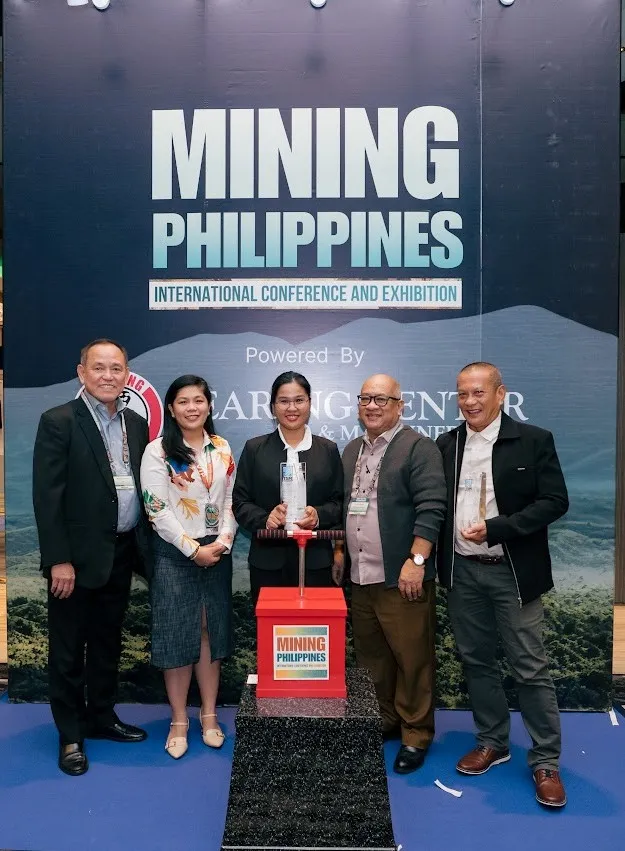
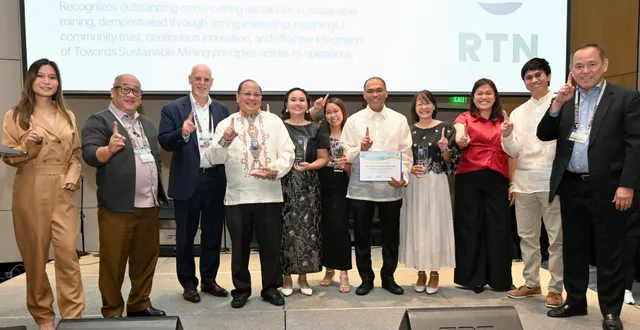
The Chamber of Mines of the Philippines (COMP) has recognized seven mining companies for responsible mining practices under its inaugural Towards Sustainable Mining (TSM) Excellence Awards, highlighting the industry's efforts to strengthen environmental, social and governance standards.

Rio Tuba Nickel Mining Corp. emerged as the sole Gold Awardee in the Cross-Cutting category, which recognizes companies that have integrated responsible mining principles into their leadership, governance, innovation and community relations.

COMP Chairman Michael Toledo said responsible mining must be demonstrated through measurable performance in environmental protection, worker safety, community engagement and corporate governance.

"Responsible mining isn't measured by good intentions. It is proven in how we safeguard our lands and waters, protect the health and safety of our people, partner with local communities and Indigenous peoples, and maintain strong, transparent governance," Toledo said.

The awards were presented during the Mining Philippines 2026 International Conference and Exhibition at Conrad Manila. The ceremony was attended by Department of Environment and Natural Resources Assistant Secretary for Mining Concerns Michael Cabalda, Mines and Geosciences Bureau Director Larry Heradez, and Mining Association of Canada President Pierre Gratton.

Cabalda said the TSM initiative complements government regulation by helping mining companies improve their environmental, social and governance performance, strengthen investor confidence and gain social acceptance.

He also commended COMP for promoting higher industry standards and demonstrating the Philippines' potential as a reliable and responsible supplier of critical minerals for the global energy transition.

Heradez said mining's contribution to national development must extend beyond economic benefits to include environmental protection, worker safety and support for host communities.

"TSM helps companies assess their performance, go beyond compliance, and continuously improve their practices," Heradez said, describing responsible mining as a shared responsibility among industry, government and other stakeholders.

The awards covered the 2024 and 2025 external verification cycles, with accredited independent verifiers assessing companies against established TSM protocols and criteria.

In the Cross-Cutting category, TVI Resource Development Philippines Inc., CTP Construction & Mining Corp., Filminera Resources Corp., Philex Mining Corp., Taganito Mining Corp. and OceanaGold Philippines Inc. received Silver Awards.

For Community Partnership and Shared Development, Taganito Mining, CTP Construction & Mining and Rio Tuba Nickel received Gold Awards.

In Safety Leadership and Zero Harm Excellence, Rio Tuba Nickel and CTP Construction & Mining received Gold Awards, while Taganito Mining earned Silver.

For Water Stewardship and Watershed Responsibility, OceanaGold Philippines and Rio Tuba Nickel received Gold Awards. TVI Resource Development Philippines' Balabag Gold-Silver Project received Silver for the same protocol.

Filminera Resources' Masbate Gold Project also received Silver for Nature Positive Mining Excellence.

OceanaGold Philippines and Philex Mining both secured Gold Awards for Tailings Integrity and Risk Governance Excellence, with each recording a perfect score of 5.0 in the protocol assessment.

COMP also presented Gratton with a special award recognizing the Mining Association of Canada's contribution to the adoption and implementation of TSM in the Philippines, following a cooperation and partnership agreement between the organizations in 2017.

Toledo said the mining industry must continue improving its practices as community expectations and global sustainability standards evolve, emphasizing that responsible mining requires sustained commitments to environmental protection, community welfare and public trust.

November 12, 2026

Growing global energy needs and technological advancements are driving demand for mining. To keep pace with this growth, mining operators can adopt polymeric solutions to protect critical assets from wear, corrosion, abrasion, and other forms of damage, supporting operational continuity and stable supply chains. 

Cold-Bonding Adhesives 

Belzona cold-bonding adhesive materials are designed to restore and enhance structural integrity while avoiding invasive repair methods. Instead of using hot work, such as welding or riveting, cold-bonding adhesive materials enable solutions that reduce operational disruption, improve workplace safety, and support efficient maintenance. The Belzona 1000 Series can be used for various applications to bond, shim, or rebuild components affected by corrosion or erosion. As 100% solid materials, they show no shrinkage or contraction during cure. 
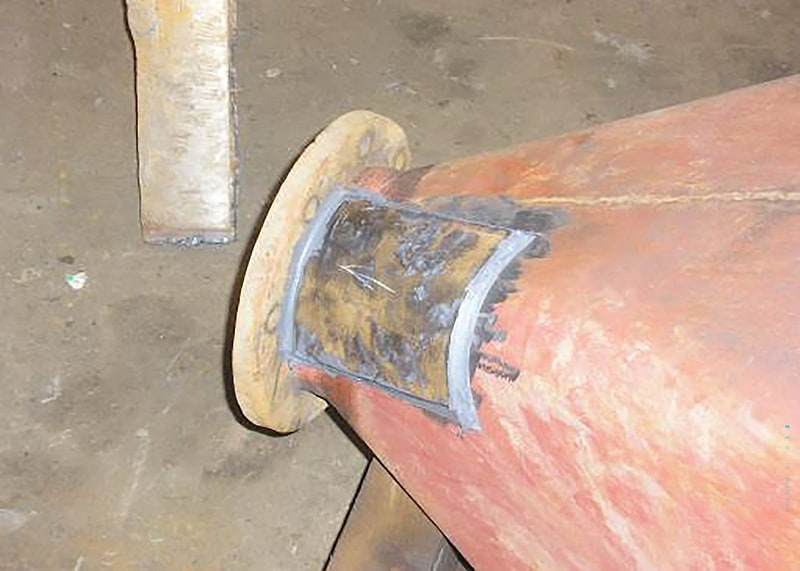
Shimming and Chocking Materials 

Heavy-load mining operations can result in loose machinery foundations and equipment misalignment. This could lead to operational disruption and safety hazards. To overcome these challenges, Belzona 7111, a high-performance pourable epoxy chocking material, can be used to secure machinery foundations. This 100% solids engineered material is designed for chocking and shimming equipment subject to physical and thermal shock, high impact and compressive loads.  

Abrasion- and Erosion-Resistant Materials 
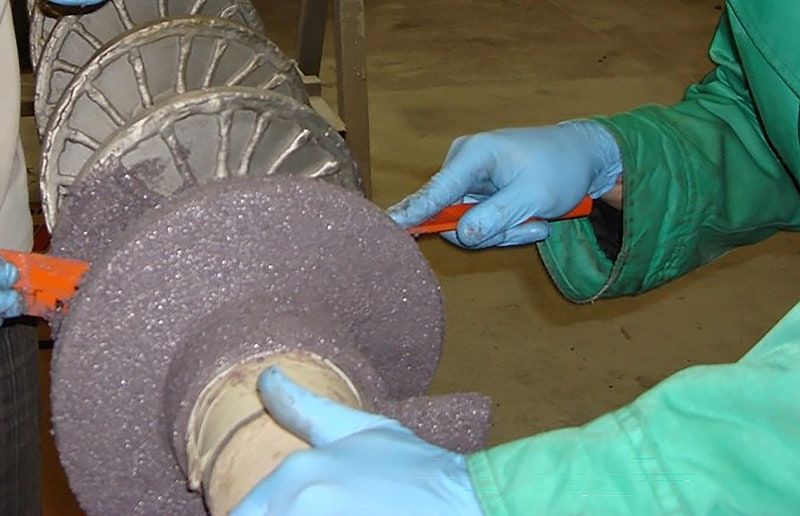
Equipment handling ore and slurry, such as screw conveyors, chutes, pumps, and crushers, is continuously exposed to hard, sharp particles that can gradually wear away metal surfaces. Ceramic-filled, erosion- and corrosion-resistant materials such as Belzona 1311 (Ceramic R-Metal) and Belzona 1321 (Ceramic S-Metal) can help mining operators rebuild eroded surfaces and protect equipment from further damage. Belzona 1800 Series can be used as a lining system to protect mining equipment from abrasive wear.  

Composite Wrap System 

The Belzona composite wrap system, Belzona SuperWrap, combines a 100% solids resin with carbon and glass fibre reinforcement sheet and a compression film. Suitable for service temperatures from -60°C to 150°C, the system is designed to restore pipe and tank walls that have been damaged or weakened by corrosion, erosion, heat, chemicals, or environmental conditions. The composite wrap can be designed to conform to ISO 24817 and ASME PCC-2 standards.   

Elastomeric Materials for Rubber and Metal Surfaces 

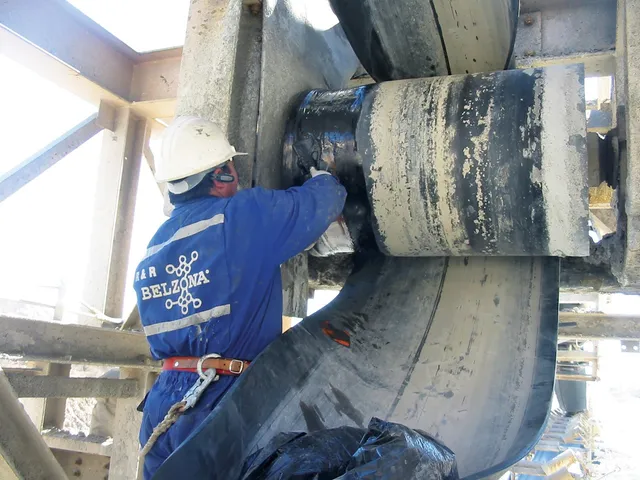
Excessive wear can cause premature failure of rubber components, such as tires, cables, and conveyor belts used in mining operations, as well as metal components, including bearings, valve linings, and seals. The Belzona 2000 Series offers a range of materials for rebuilding and protecting substrates such as rubber, nitrile, and steel against wear, impact, and abrasion. Belzona 2311 (SR Elastomer) is a fast-curing elastomer specifically designed for both emergency and permanent repairs. 

Wise Industrial Systems, Inc., Belzona Authorised Distributor for the Philippines Through its Authorised Distributor network, Belzona delivers its “Product Plus” service in over 120 countries, offering tailored specifications, on-site training, and ongoing technical support.

In the Philippines, Wise Industrial Systems, Inc., Belzona Authorised Distributor, is well positioned to provide local technical expertise and help mining operators maintain equipment reliability, enhance operational safety, and improve efficiency through Belzona polymeric solutions.

(Details at: ccaraneta@wise-indl.com, 09178458098) 
November 12, 2026

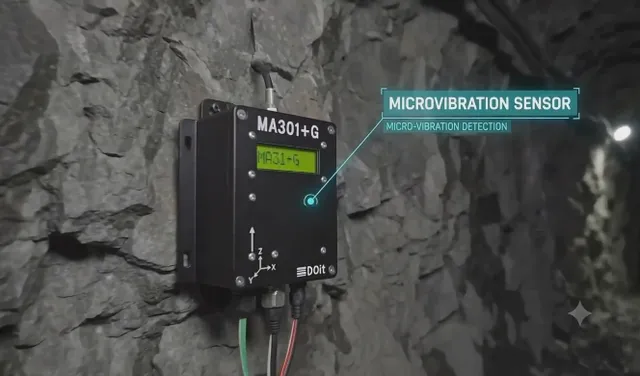
The technology combines micro-vibration monitoring, risk assessment and digital-twin modelling to help identify potential rock-collapse hazards and improve mine safety management. 

Developed and manufactured in South Korea, Do-it has developed a micro-vibration-based predictive safety management system designed to detect signals associated with rock deformation and stress changes that may precede large-scale collapse incidents in open-pit and underground mines. 

The system uses proprietary micro-vibration sensors based on atomic clock technology, combining high-precision time-synchronization data, source-localization algorithms and artificial intelligence (AI)-based pattern analysis to identify vibration origins and quantitatively assess risk levels. 

According to the company’s product information, micro-vibrations can arise not only from blasting activities but also from the accumulation of small-scale rock deformation and changes in underground stress. Monitoring these signals can help assess potential instability in mining environments. 

The system integrates collected data into a digital-twin environment that provides a three-dimensional visualization of the mine structure, known as a 3D Digital Mine. 

Its functions include predicting potential risk-propagation scenarios and automatically generating evacuation routes. The platform also supports analysis of work routes and operational efficiency, location-based safety management, worker and vehicle tracking, production and operations management, and environmental monitoring. 

By bringing these capabilities together in a digital environment, the system is designed to support mine operators in monitoring rock stability, assessing potential hazards and coordinating safety and operational activities. 

Windshear International Phil. Inc. is identified as Do-it’s Philippine local partner. The company lists Kurt P. Frankenberger as its contact for inquiries about the mining solution. 

The system is presented as a technology option for both open-pit and underground mining operations, combining sensor-based monitoring and digital modelling in a single safety management framework. 

November 12, 2026

Seequent, The Bentley Subsurface Company, helps organisations to understand the underground, giving them the confidence to make better decisions faster.  

Seequent builds world-leading technology that is at the forefront of Earth sciences, transforming the way our customers work. Every day we help them develop critical mineral resources more sustainably, design and build better infrastructure, source renewable energy, and reduce their impact on the environment. 

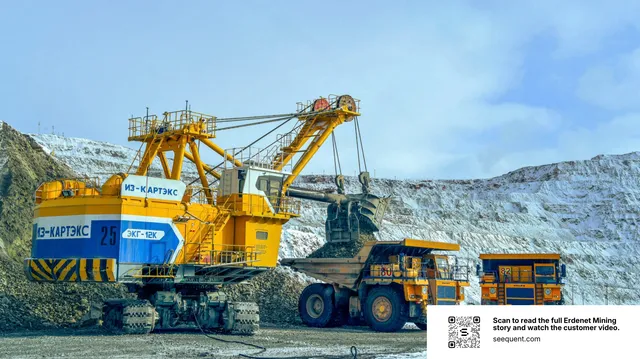
One example of this in practice can be seen at Erdenet Mining Corporation (EMC), a major copper producer in Mongolia, which began digitising decades of historical data in 2018, making the leap from paper to platform in partnership with Trigteq and Seequent. 

Erdenet Mining’s digital drive, powered by technology and partnership, boosted ore output by 8 million tonnes, halved manual tasks, and enabled AI-readiness. EMC, a major copper producer in Mongolia, began digitising decades of historical data in 2018, moving from paper-based processes to a modern digital platform in partnership with Trigteq and Seequent. 

The transformation has enabled rapid, collaborative management of vast mineral resources and positioned the company for sustainable future growth. As one of Mongolia's largest mining operations, EMC views digital innovation as a critical step in improving productivity and supporting the industry's future. 

To meet growing global demand for critical minerals, mining companies must identify faster and more efficient ways to operate. EMC enhanced its operational capacity by implementing Seequent's advanced 3D geological modelling and data management solutions, improving subsurface understanding and increasing operational efficiency. 

Today, EMC extracts nearly 40 million tonnes of ore annually, producing copper and molybdenum concentrates. Since 2020, production has increased by 8 million tonnes, supported by efficiencies gained through digital technologies. 
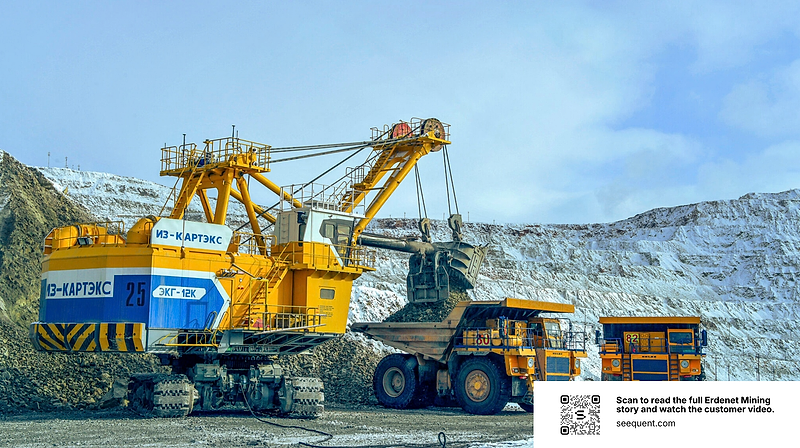
Erdenet Mining boosted ore output by 8m tonnes via digital transformation. Source: EMC. 

"Seequent solutions have enabled us to make rapid decisions regarding grade and ore control, streamline short-term planning, and efficiently update our resource models," said Yondon Gelen, Chief Executive Director of EMC. 

A key part of this success has been EMC's partnership with Trigteq LLC, Seequent's authorised reseller and training provider in Mongolia. Trigteq supported the implementation by digitising historical data, automating data collection processes, integrating workflows, and providing ongoing training and consulting. 
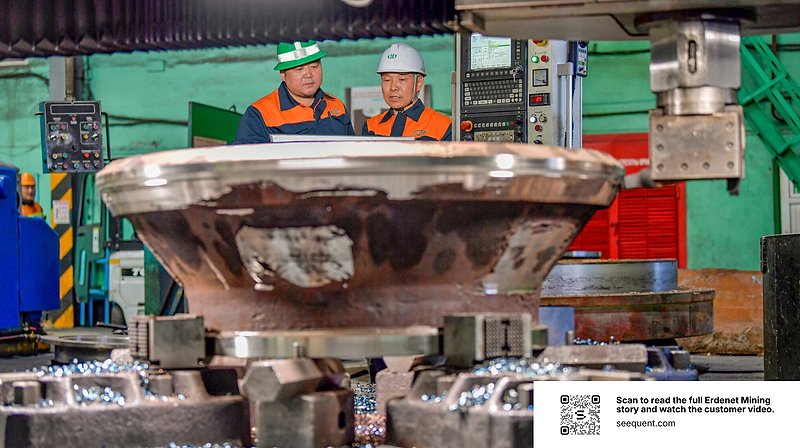
Seequent solutions helped EMC teams streamline digital workflows. Source: EMC. 

Mining operations depend on accurate geoscience data for exploration, resource management, and operational planning. Before digitalisation, EMC faced labour-intensive processes, data quality challenges, slow information sharing, and lengthy reporting cycles. Through modern workflows and integrated systems, many of these challenges have been significantly reduced. 

Seequent's solutions play a central role in EMC's digital ecosystem. Leapfrog Geo and Leapfrog Edge support geological modelling and resource estimation, while MX Deposit, Oasis montaj, Imago, and Seequent Central help manage, connect, and share geoscience data across teams. 

The results have been substantial. New technologies have cut manual processes by 50%, improved collaboration, and accelerated data workflows. Daily data entry now saves multiple specialists one to two hours each day. Tasks that once required extensive effort and time can now be completed dramatically faster, with projects that previously took months often completed in a matter of weeks. 
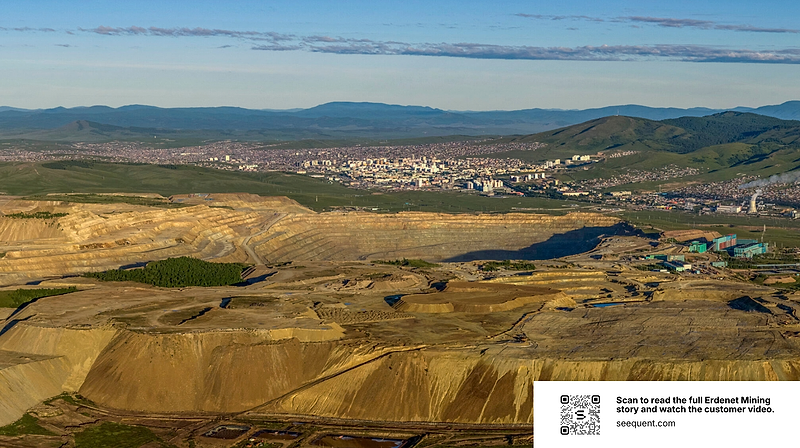
EMC’s digital drive sets the standard for Mongolia’s mining sector. Source EMC. 


These improvements have delivered significant cost and time savings while enhancing the quality of technical outputs. Looking ahead, EMC plans to expand automation and explore AI-driven workflows, building on the digital foundations established through its partnership with Trigteq and Seequent. 

EMC's journey demonstrates how digital transformation can help mining companies improve productivity, strengthen decision-making, and prepare for the future. 

To read the full case study and watch the customer video, visit https://shorturl.at/ZZE9H  


Seequent operates in 145+ countries while proudly maintaining headquarters in New Zealand.

To explore how connected mining workflows can support your organisation, connect with the Seequent team.  https://shorturl.at/dtT7v  

November 12, 2026

As the Philippine mining industry continues to evolve, companies are increasingly seeking technologies that can improve productivity, enhance safety, and provide accurate data for critical decision-making. Modern mining operations require more than traditional survey methods. They demand intelligent solutions that can capture, process, and deliver reliable information quickly and efficiently. 

Recognizing these industry needs, QES Technology Philippines Inc. has strengthened its position as a trusted provider of geospatial and mining solutions through its portfolio of CHCNAV and GeoMate solutions. By offering advanced surveying, mapping, positioning, and monitoring technologies, QES enables mining companies to improve operational efficiency, enhance workplace safety, and make informed decisions based on accurate and reliable data. 

Bringing Global Technology to Philippine Mining 

Mining projects face numerous challenges, including difficult terrain, strict safety requirements, environmental monitoring, and the need for accurate operational reporting. To address these challenges, mining companies are increasingly adopting advanced geospatial technologies that enable them to collect high-quality data faster and safer than ever before. 

Through QES Technology Philippines, mining organizations can leverage a comprehensive portfolio of CHCNAV and GeoMate solutions, ranging from drone-based LiDAR mapping systems and GNSS receivers to laser scanners, hydrographic survey equipment, ground monitoring technologies, and geospatial software. These solutions help improve operational efficiency, enhance safety, and reduce time spent in the field while ensuring accurate and reliable data collection. 

Whether for topographic surveys, mine site mapping, stockpile volume calculations, environmental compliance, infrastructure monitoring, or exploration activities, QES delivers the technologies and technical expertise needed to support mining operations across the country. 

About CHCNAV Solutions 

Founded in 2003, CHC Navigation (CHCNAV) is a global leader in geospatial, positioning, and navigation technologies. Headquartered in Shanghai, China, CHCNAV develops innovative solutions for surveying, mapping, mining, construction, marine, and agriculture industries. With operations in more than 140 countries and a reputation for delivering high-precision and cost-effective technologies, CHCNAV continues to support organizations worldwide in improving efficiency, safety, and data-driven decision-making. As an authorized CHCNAV distributor in the Philippines, QES Technology Philippines Inc. provides local industries with access to CHCNAV's advanced portfolio of GNSS, LiDAR, UAV, laser scanning, hydrographic, and monitoring solutions, backed by professional technical support and after-sales service. 

CHCNAV X500 and AlphaAir 9: Redefining Aerial Mining Surveys 

One of the most powerful technologies available for mining applications today is drone-based LiDAR mapping. The CHCNAV X500 UAV combined with the AlphaAir 9 LiDAR system enables rapid collection of highly accurate terrain data over large mining sites. 
The system captures dense three-dimensional point clouds, allowing surveyors to generate detailed topographic maps, monitor excavation progress, calculate stockpile volumes, and support mine planning activities with greater efficiency. Even in heavily vegetated or rugged terrain, LiDAR technology provides accurate terrain information that supports better operational decisions. 

The maps shown were generated using the CHCNAV X500 and AA9 LiDAR SYSTEM, demonstrating the capability to produce accurate and detailed geospatial data for mining and surveying applications. The outputs include classification maps, intensity maps, elevation models, RGB orthomosaics, contour maps, and Digital Elevation Models (DEM), providing comprehensive terrain analysis and visualization. These deliverables support mine planning, stockpile monitoring, topographic surveying, site assessment, and informed decision-making through high-resolution and reliable spatial information. 

Key Outputs: 

Classification Map – Identifies and categorizes terrain features such as ground, vegetation, and structures. 

Intensity Map – Displays LiDAR return intensity for enhanced surface interpretation. 

Elevation Map – Visualizes terrain height variations across the survey area. 

RGB Point Cloud – Provides realistic colorized representation of the surveyed site. 

Contour Map – Illustrates terrain shape and elevation changes through contour lines. 

Digital Elevation Model (DEM) – Delivers detailed terrain information for analysis, planning, and volume computations. 

These outputs enable mining professionals to enhance operational efficiency, improve site understanding, and support data-driven decision-making. 

CHCNAV RS10: Accelerating 3D Reality Capture 

As mining facilities become larger and more complex, the need for accurate digital documentation continues to grow. The CHCNAV RS10 Mobile Laser Scanner combines SLAM technology with GNSS RTK positioning to deliver seamless indoor and outdoor 3D mapping. Whether documenting stockpiles, processing plants, tunnels, or infrastructure, the RS10 allows users to rapidly capture georeferenced point cloud data with minimal setup requirements. The result is faster data collection, reduced field time, and enhanced operational planning capabilities

CHCNAV i85: Precision Positioning for Mining Professionals 

Accurate positioning remains essential in mining operations. The CHCNAV i85 GNSS RTK receiver delivers centimeter-level accuracy while incorporating advanced IMU technology and laser measurement capabilities. For mining surveyors, this means faster data collection and the ability to safely measure difficult or inaccessible points without compromising accuracy. From mine planning and volumetric surveys to engineering layout and ground control establishment, the i85 provides the precision required by modern mining operations. 

CHCNAV Apache 3 Pro: Smart Hydrographic Surveying 

Effective water management is critical in mining. Tailings ponds, settling basins, and reservoirs require regular monitoring to support environmental compliance and operational efficiency. 

The CHCNAV Apache 3 Pro Unmanned Surface Vessel (USV) enables autonomous hydrographic surveys while minimizing personnel exposure to water-related risks. Equipped with GNSS RTK positioning and bathymetric survey capabilities, the system provides accurate underwater terrain and depth data for a wide range of mining applications. 

CHCNAV PS2000: Strengthening Mine Safety 

Slope monitoring has become one of the most important aspects of modern mining safety programs. The CHCNAV PS2000 Ground-Based Radar is designed to continuously monitor slopes, highwalls, and critical mining infrastructure for signs of ground movement. 

By providing real-time deformation monitoring and early warning capabilities, the PS2000 helps mining operators proactively identify potential hazards before they become critical safety issues. This contributes to safer mining operations and improved risk management strategies. 

About GeoMate GNSS Solutions 

Founded in 2018, GeoMate Positioning is a Singapore-based provider of premium surveying technologies. Its advanced GNSS receivers deliver high-precision positioning for mining, construction, and geospatial applications, featuring multi-constellation satellite tracking, RTK performance, and rugged field-ready designs. 

For mining operations, GeoMate GNSS solutions enable accurate surveying, stockpile measurements, mine site mapping, and infrastructure monitoring, helping professionals improve productivity, efficiency, and decision-making in the field. Through QES Technology Philippines Inc., customers benefit from local technical support, training, and after-sales service. 

GEOMATE SG6L: Smart GNSS Surveying for Mining 

The GeoMate SG6L Pocket Laser IMU-RTK Receiver combines high-precision GNSS positioning, laser measurement, IMU tilt compensation, and dual-camera technology in a compact, field-ready solution. Designed for demanding mining environments, it enables fast and accurate data collection while improving safety and productivity in the field.  

Ideal for mine site mapping, stockpile measurements, and topographic surveys, the SG6L helps mining professionals capture reliable data, even in hard-to-reach areas. 

GEOMATE SG5: Reliable High-Precision GNSS Performance 

The GeoMate SG5 is a premium 1608-channel IMU-RTK GNSS receiver designed in Singapore to deliver exceptional accuracy, performance, and reliability for demanding surveying and mining applications. Its advanced GNSS and IMU technology enables efficient and precise data collection in the field. 

Ideal for mine site surveys, stockpile measurements, topographic mapping, and infrastructure development, the SG5 helps mining professionals improve productivity while maintaining centimeter-level positioning accuracy. 

GEOMATE GBASE: Ultra-Long Range GNSS Base Station 

The GeoMate GBASE is an ultra-long-range GNSS base station engineered to provide reliable RTK corrections for high-precision surveying and mining operations. Designed for demanding field environments, it delivers consistent performance with over 13 hours of continuous operation through its LongRun technology and advanced data compression capabilities. 

Ideal for mine site mapping, monitoring, and large-scale survey projects; the GBASE ensures stable and accurate positioning data, helping survey teams maximize productivity and operational efficiency. 

QES Technology Philippines: Your Trusted CHCNAV and GeoMate Partner 

Technology delivers the greatest value when backed by expertise, training, and dependable support. As a trusted provider of CHCNAV and GeoMate solutions in the Philippines, QES Technology Philippines Inc. offers more than just industry-leading products. The company provides technical consultation, product demonstrations, user training, and comprehensive after-sales support to help clients maximize their investment and achieve optimal results in the field. 

With a commitment to delivering innovative geospatial solutions for the mining industry, QES helps organizations improve productivity, enhance operational efficiency, and strengthen workplace safety through advanced positioning, surveying, mapping, and monitoring technologies from CHCNAV and GeoMate. 

As mining companies continue to embrace digital transformation, QES remains dedicated to serving as a reliable partner by providing the tools, technical expertise, and support needed for long-term success. Through its portfolio of world-class CHCNAV and GeoMate solutions, QES empowers mining professionals to make smarter decisions, streamline operations, and build a safer and more sustainable future. 

CHCNAV and GeoMate products are readily available through QES Technology Philippines, Inc. For product inquiries, demonstrations, technical consultations, and purchasing assistance, customers may contact our team by phone or email. QES is committed to delivering responsive service, reliable support, and fast access to industry-leading geospatial technologies, assuring you our best, always! 

November 12, 2026

Electric Metals is preparing to build a nickel processing plant in Loreto, Dinagat Islands, turning laterite ore from nearby mines into battery-grade nickel product instead of shipping it out as raw ore.

Environmental permitting is under way, with community consultation held in October and construction targeted to start in 2027.

Capturing the value domestically

The Philippines is one of the world’s largest nickel ore producers, yet almost all the ore mined here leaves the country unprocessed, as low-value ore. In 2025 the Philippines exported some 55 million wet tonnes of nickel ore, according to the Philippine Nickel Industry Association. About two-thirds went to China, and Indonesia, where much of the processing capacity is Chinese-owned, was the next-largest buyer. Exports to Indonesia are growing fast, and analysts polled by Reuters expect a record in 2026.

The value created by turning that ore into steel products and battery materials is being captured elsewhere.

That value is growing. Electric vehicles, particularly models preferred in the US and Europe that rely on nickel-rich batteries, are driving demand for battery-grade nickel. Buyers increasingly want material that can be traced to responsible, low-impact processing, and from sources that diversify their supply base away from Chinese or Chinese-owned processing plants.

The Philippines has the nickel ore to supply that market directly, but domestic processing has barely moved in a decade. The country has only two commercial-scale nickel processing plants, at Coral Bay and Taganito, and no new plant has been built since Taganito started in 2013. Together they took about 7.6 million wet tonnes of ore in 2025, roughly one-seventh of what the country exports.

"Philippine ore is currently feeding the global battery supply chain, but most of the jobs, the skills and the margin are being earned overseas," said Andrew Bujtor, CEO of Electric Metals. "We have shown that this ore can be processed here, sustainably and at a scale that suits the Philippines. Dinagat is where we start capturing that value domestically."

The plant fits squarely with the government's push for value-added processing of critical minerals. Processing on the island also adds to the revenue base of the province and the municipality, on top of what mining already contributes.

The Dinagat Nickel Processing Plant

The plant will be built and operated by Electric Metals (Dinagat) Inc., the project company of Singapore-headquartered Electric Metals Pte Ltd, working with local partners. It will process laterite ore from existing mining operations nearby and produce up to 2,500 tonnes of nickel a year as battery-grade mixed hydroxide precipitate (MHP), with cobalt recovered alongside. For the island's miners, the plant is a new domestic customer for their ore, alongside their export markets.

Dinagat Islands host some of the country's richest nickel laterite and an established mining industry. Processing the ore close to the mines shortens the supply chain and keeps more of the work on the island, and the plant itself needs only about 5 hectares. The site is in Barangay Esperanza, Loreto. The plant will employ 60 to 100 people permanently and 200 to 400 at the peak of construction, with local hiring and training a priority.

Developed and proven in Leyte

The plant uses Electric Metals' proprietary hydrometallurgical process, developed in the Philippines with sustainability and community-benefit at its core. It leaches laterite ore at atmospheric temperature and pressure, without the high-pressure autoclaves of conventional HPAL plants. The result is low energy use, low water consumption, no liquid discharge and zero tailings. The only solid by-product is a non-hazardous residue which will be used to grow crops and native plants to rehabilitate mined-out areas on Dinagat.

The flowsheet is straightforward. Ore is leached with sulphuric acid at atmospheric pressure, iron and other impurities are removed as a stable solid, and nickel and cobalt are then precipitated together as MHP. Water is recycled within the plant, resulting in low water consumption and ensuring no liquid discharges to local water bodies.

The process has already been proven on Philippine ore. At its demonstration plant in Leyte, Electric Metals has produced battery-grade MHP since 2023 and even produced the first nickel metal from Philippine laterite ore, at more than 99.8 per cent nickel, as reported in this journal in July 2025.

"The Leyte plant has taken this process from the laboratory to continuous operation on Philippine ore," said Darwin Manalo, Chief Metallurgist at Electric Metals. "Dinagat applies the same process at commercial scale, with battery-grade MHP as the main product. Nickel metal remains an option as the project grows."

Because the plant is modular and works at atmospheric pressure, it suits island-scale ore sources and local partners. That makes it a model that can be repeated elsewhere in the country.

People and principles

Electric Metals is a sustainability and community-first company. Chairman George Bujtor brings proven Philippine delivery: as Chief Executive of Toledo Mining Corporation he took the Berong Nickel project in Palawan to first shipment in 2007, and as Managing Director of Carmen Copper he led the Cebu mine's ramp-up to full production, upholding strict ESG standards and strong community relations on both. Leoben Evangelista, President of Electric Metals (Dinagat) Inc., brings over 20 years of experience in Dinagat's mining industry and deep ties to the island's communities, and the metallurgical team led by Darwin Manalo brings hands-on experience of running the process.

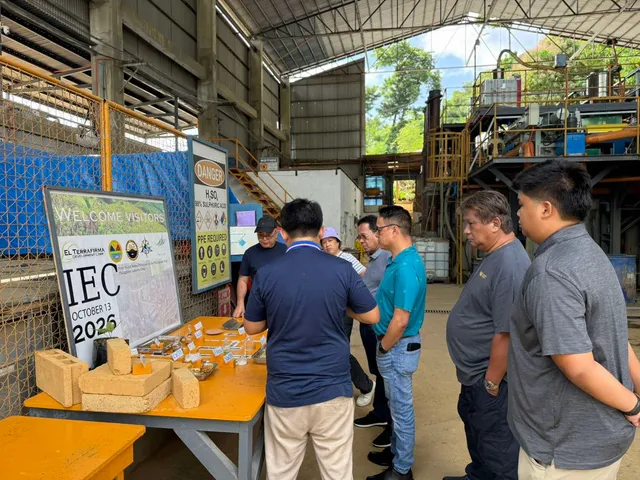
The company takes permitting and community engagement seriously. Its information, education and communication session in Barangay Esperanza on 24 October opened the formal consultation. Residents' questions, from dust to local benefits, are being built into the environmental impact study, and a social development and management programme will be developed in consultation with the host communities.

Next steps

Electric Metals is targeting its Environmental Compliance Certificate and Mineral Processing Permit in mid-2027, with construction to start in 2027 and first production in 2028. The company will also apply for the government's Green Lane for strategic investments, which coordinates permits across agencies for priority projects.

"Dinagat has supplied raw ore to the world for decades," said Leoben Evangelista, President of Electric Metals (Dinagat) Inc. "Now we will produce battery materials right here, cleanly and locally, built with the community and for the country."

November 11, 2026

Filminera Resources Corporation, in which B2Gold Corp. holds a 40% interest, received two Global Best Practices Awards from the Chamber of Mines of the Philippines (COMP) at the inaugural Towards Sustainable Mining (TSM) Excellence Awards on October 28, 2026. The awards recognize the company’s achievements in sustainable mining operations, biodiversity conservation, rehabilitation and the integration of nature-positive principles into mining practices.

Filminera earned Silver in the Cross-Cutting Excellence Award category for integrating TSM principles across its mining operations and was the sole recipient of the Nature Positive Mining Excellence Award. These honours follow the AAA ratings awarded by COMP to Filminera’s Masbate Gold Project (MGP) environmental programmes in 2024 across all three indicators of the biodiversity conservation management protocol.

Held at the Conrad Hotel in Manila, the ceremony recognized COMP member companies based on the TSM International Framework Scorecard. The scorecard evaluates a project’s performance against an international framework for managing key environmental and social responsibilities in mining. Under TSM, Level A broadly represents good practice, while AAA, the highest rating, signifies excellence and leadership.

“This recognition reflects Filminera’s and its partners’ dedication to making responsible mining an indispensable part of everyday operations. Earning the highest TSM rating and two Global Best Practices Awards is both an honour and a responsibility — to sustain these standards, protect the ecosystems around us and continue earning the trust of our host communities,” said Cris Acosta, president of Filminera Resources Corporation.

Developed by the Mining Association of Canada in 2004 and adopted by COMP in 2017, TSM provides tools and indicators to help mining companies manage risks responsibly and improve performance. The Philippine framework covers eight protocols, including biodiversity conservation management, tailings management, water stewardship, safety and health, climate change, and Indigenous Peoples and community outreach and social development management.

Ryan Rusk, president of Phil. Gold Processing & Refining Corp. (PGPRC), congratulated Filminera on its achievements in the mining industry. PGPRC operates the processing plant at the Masbate Gold Project.

“Their passion and responsible, reliable project execution make these achievements possible. Excellence requires continuous effort, and we are privileged to work alongside Filminera at MGP to carry out responsible mineral extraction and processing while making a positive impact on our industry, our communities and the planet,” he added.

The TSM Awards form part of the 2026 Mining Philippines International Conference and Exhibition, a recognized industry event that celebrates excellence, innovation and outstanding contributions to the mining sector. The awards honour companies and individuals whose initiatives and achievements are driving meaningful progress, advancing innovation and supporting the transformation of the industry.

About Filminera Resources Corporation

Filminera Resources Corporation manages mining operations at the Masbate Gold Project in Aroroy, Masbate, while Phil. Gold Processing & Refining Corp. operates the processing plant. The two companies are distinct entities that work together to support safe, responsible and sustainable project operations.

B2Gold is a responsible international gold producer headquartered in Vancouver, Canada, with operations in the Philippines, Mali, Namibia and Canada. The company holds a 40% interest in Filminera and owns 100% of Phil. Gold Processing & Refining Corp.

November 11, 2026

Heavy vehicles, mobile plant, mining machinery, stationary equipment, electrical control rooms, power generation equipment and other assets represent a substantial investment for any business. 

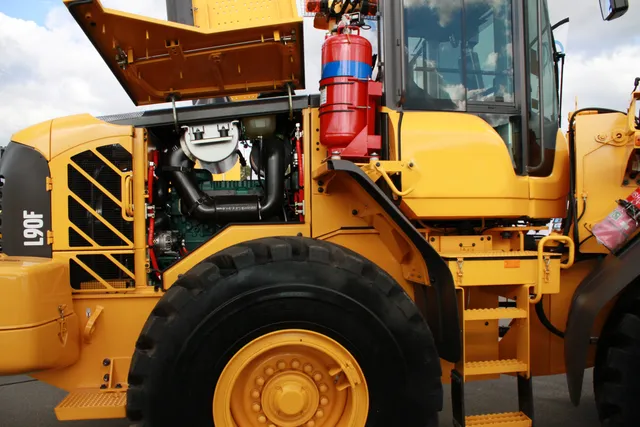
Due to the often-heavy demands placed on equipment performance, a significant consideration of risk for any operator today is damage to equipment or potential loss of life resulting from the ever-present risk of fire. 

Wherever you have heat generation combined with potential mechanical or electrical component failure, the probability of fire is real. 

Consequently, consideration must be given to the costs of asset replacement and lost production. These costs are, however, insignificant compared to the possible loss of life and safety threats. 

While there are some common causes of fire, it is worthwhile considering the options available to protect your investment in the case of such an event. 

The installation of a fire suppression system has now become an essential part of a company’s overall risk management plan in order to minimise the risk to both operator and equipment. 

Muster – your fire suppression partner 

MusterFire International (MFI) introduces innovation into the fire suppression market with their Muster fire suppression systems. 

Using leading edge technology for automatic detection and actuation, Muster is a pre-engineered system designed for environments where world-leading performance is consistently demanded. 

Muster’s innovative features include: 

• 24/7 full system integrity monitoring through the uniquely designed Muster alarm panel which can be integrated into all of the Muster fire suppression systems. 

• System diagnostic capabilities which feature a compact state of the art diagnostic module to preserve the systems’ essential information and download software updates. 

• Flexible heat detection capabilities which employ the latest fire sensing technology with the MusterWire linear heat detection system, ensuring clear and continuous signals are relayed to the Muster alarm panel to enable reliability and integrity of the monitoring system or immediate fire activation. 

• Cloud-based software integrates leading edge technology with our exclusive Muster360 cloud-based risk assessment, system design and commissioning program to lower risk, reduce costs and ensure all Muster fire suppression systems are compliant with approved fire standards. 

MusterFire suppression systems have been tested to comply with the requirements of Australian Standard AS5062-2022. 

System design and installation is carried out by trained and qualified personnel. Every system design begins with a thorough risk assessment of the equipment to be protected. 

This ensures that all fuel and ignition sources are identified and assessed for protection, resulting in a more effective management of the asset and its fire risks. 

The Muster range includes several alternatives for fire detection and sensing, numerous cylinder size alternatives and a comprehensive range of extinguishing agents including environmentally friendly foam, solid aerosol generators and dry chemical powder. 

Combinations for dual agent configuration are also available to suit various applications via our unique Muster Integration Module, all monitored by one Muster Alarm panel. This reduces costs and ensures the integrity of your Muster System is constantly monitored 24/7. 

Complete training is a pre-requisite to design, installation and service of the Muster fire system. All authorised Muster distributors are trained and tested to ensure competency to deliver the correct system designs, installation and service capability of the entire range. 

Muster is leading innovation in the fire suppression industry with its pre-engineered systems and cutting-edge technology. 

MusterFire is a proud member of the Fire Protection Association (FPA). All products are manufactured using quality materials that are designed to withstand the harshest operating environments and ensure longevity. 

To find out how Muster can protect your fleet go to www.musterfire.com 
November 11, 2026

Compact design, controlled material reduction and application-specific engineering help MMD Group address the challenges of underground mining. 

Underground mining places unique demands on crushing and material handling equipment. Restricted installation space, variable ore characteristics and the need to maintain reliable production all influence equipment selection. For MMD Group, these challenges have shaped the development of its Mineral Sizer technology, providing mining operations with an efficient, engineered approach to material reduction. 

A Technology Born Underground 

MMD’s roots lie in underground mining. Founded in 1978 to develop equipment for the UK coal industry, the company introduced its patented twin-shaft Mineral Sizer in 1980. The technology was developed to address practical material handling challenges, with compact equipment capable of breaking down large lumps and helping prevent blockages in conveyor systems. 

Today, MMD Sizer™ are used across a wide range of mining applications, from coal and industrial minerals to hard-rock operations. Their continued development reflects the company’s focus on adapting proven technology to changing materials, operating conditions and production requirements. 

Designed for Space-Constrained Operations 

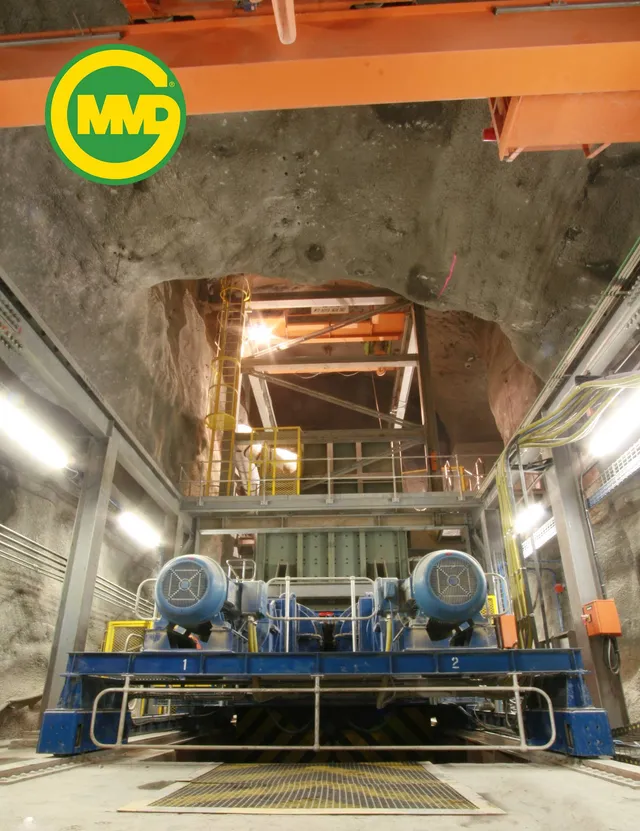
Space is a critical consideration underground, where equipment must integrate with existing infrastructure, access routes and material handling systems. The MMD Sizer’s compact, low-profile design provides flexibility when planning crushing and sizing installations. 

Its twin counter-rotating shafts are fitted with specially engineered teeth that grip incoming material and exploit its natural weaknesses. Rather than relying primarily on compression, the Sizer uses bending, tensile and shear forces to break material progressively. 

This controlled action helps deliver a consistent product with minimal fines, supporting efficient downstream conveying and processing. By allowing suitably sized material to pass through without unnecessary further breakage, the technology can also help reduce wear and energy consumption. 

Handling Variable Ore Conditions 

For underground operators, material characteristics can vary considerably across an orebody. Hard, abrasive rock presents different challenges from softer, wetter or more cohesive material, requiring equipment designed around the specific application. 

MMD™ has developed its Sizer technology to handle a broad range of materials, including demanding hard-rock applications. Specialist tooth designs, heavy-duty shafts, bearings and gearboxes can be incorporated to suit the forces and wear conditions associated with harder ores. 

The technology is also well suited to wet and sticky materials, where conventional crushing arrangements may experience material build-up. The Sizer’s continuous agitation and tooth configuration help limit accumulation, with additional features such as side cleaning combs available where required. 

Engineering for Reliable Production 

Ultimately, successful underground sizing depends on more than the machine alone. Equipment selection must consider feed characteristics, throughput targets, product specifications, installation constraints and maintenance requirements. 

MMD combines its established Sizer technology with application-specific engineering to develop solutions around these operational priorities. For underground mines seeking controlled reduction, efficient material handling and dependable performance, this approach provides a practical foundation for improving productivity and supporting long-term operational efficiency. 

With a heritage rooted in underground mining and experience spanning diverse minerals and operating environments, MMD continues to develop sizing solutions designed around the realities of modern mining.

To find out more, contact MMD Group via the website https://www.mmdsizers.com/contact 
November 11, 2026

Across the Philippines and Southeast Asia, mining operations are under increasing pressure to improve safety, maintain productivity and overcome the logistical challenges of demanding underground environments. 

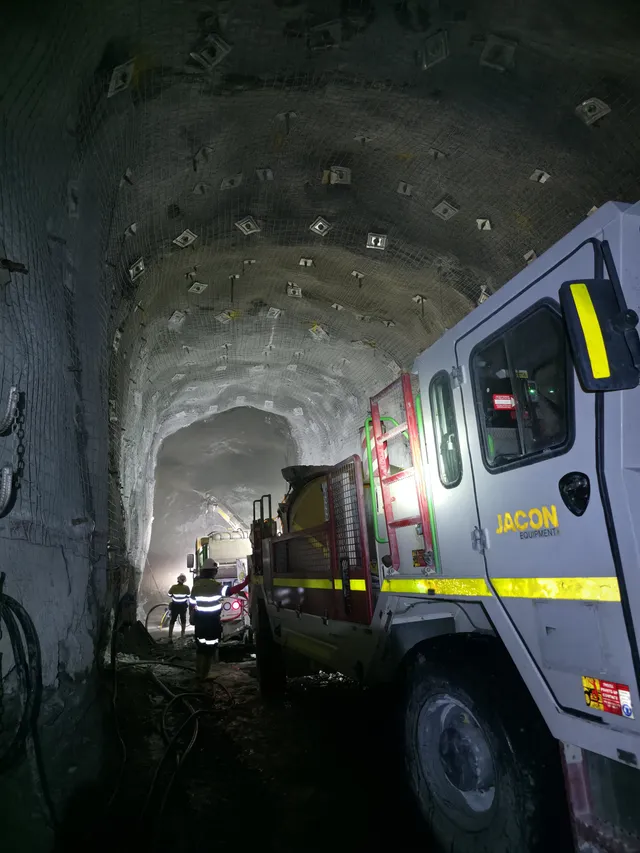
Australian manufacturer Jacon Equipment, operating under the broader Maas Group, specialises in underground mining and tunnelling solutions. With growing engagement across international mining markets, Jacon combines practical engineering with application expertise to support safe, efficient and predictable project outcomes. 

Engineering for Underground Conditions 

Underground mining presents a unique set of operational challenges. Confined working spaces, abrasive materials, high humidity and continuous duty cycles all place significant demands on both equipment and operators. In regions such as Southeast Asia, these challenges are often intensified by tropical conditions and complex logistics, requiring machinery that is robust, adaptable and easy to maintain. 

Jacon Equipment's product range is designed with these realities in mind. Its portfolio includes shotcrete sprayers, concrete pumps, transmixers, explosive chargers and underground utility vehicles, all engineered to perform reliably in demanding underground environments. 

"Mining operations need equipment they can rely on every day. In underground environments, performance, reliability and ease of maintenance all have a direct impact on productivity, which is why we focus on building machines that are practical, durable and purpose-built for the conditions they operate in," says Henry Ge, Sales Director for Asia at Jacon Equipment. 

Shotcrete application remains central to underground development, and Jacon's shotcrete sprayers are engineered for controlled placement, consistent output and durability. Designed to handle harsh materials and continuous operation, the machines support stable development schedules while improving operator confidence. 

Jacon's Transmixer range enables mobile batch mixing and concrete transportation underground, reducing reliance on fixed batching infrastructure. 

"Many mining operations are looking for ways to improve efficiency without adding complexity. Equipment that can perform multiple functions, operate reliably and reduce dependence on fixed infrastructure can make a meaningful difference to development schedules underground," Ge says. 

Driving Efficiency Through Practical Design 

Efficiency in underground mining is closely tied to equipment reliability and ease of operation. Downtime can have significant impacts on productivity, while complex machinery can increase maintenance demands and operational risk. 

"When equipment is easy to operate, straightforward to maintain and backed by reliable support, mining teams can focus on productivity rather than downtime. That's where we believe the greatest value is created," adds Ge. 

This focus on practicality is reinforced by customer feedback. Jacon Equipment works closely with mining operators to identify opportunities for improvements across engineering, manufacturing, service and after-sales support. This customer-led approach helps ensure equipment remains aligned with real-world underground applications and evolving operational requirements. 

Beyond equipment design, Jacon also recognises that operator capability and application knowledge play a critical role in achieving consistent underground mining outcomes. 

Training, Standards and OEM Support 

Beyond equipment performance, operator training and application knowledge play an increasingly important role in modern mining operations. Jacon Equipment offers structured shotcrete training programs designed to support mining teams in achieving reliable, repeatable ground support outcomes. 

Jacon's training approach draws on internationally recognised best-practice frameworks and focuses on practical, site-relevant application rather than classroom-only instruction. Programs are designed to support operators, supervisors and technical teams working in underground environments. 

"Technology is only one part of the equation. When operators have the right training and support, they're better equipped to maximise performance, improve shotcrete quality and achieve safer, more consistent outcomes underground," Ge says. 

Through Jacon-led training and technical engagement, mining operations can benefit from improved shotcrete consistency, a better understanding of mix behaviour and rebound control, enhanced operator competency and stronger safety outcomes. 

This training offering complements Jacon's OEM-backed support model, which includes spare parts availability, technical assistance and ongoing operational support. 

Supporting Mining Operations in the Philippines and Southeast Asia 

With continued investment in mining across the Philippines and Southeast Asia, reliable, fit-for-purpose underground equipment remains essential. For mining companies, equipment selection is about more than technical specifications alone. Reliability, ease of maintenance, operator confidence and access to responsive OEM support all play a role in long-term operational success. 

Through practical engineering, purpose-built equipment and application-focused support, Jacon Equipment continues to help mining operations perform in demanding underground environments. 

Built for the Challenges of Underground Mining 

As underground mining projects continue to grow in scale and complexity, the importance of reliable equipment partners continues to increase. Jacon Equipment's combination of robust engineering, practical design and application-focused support positions it as a trusted partner for mining operations throughout the Philippines, Southeast Asia and beyond. 

November 11, 2026

Helping mining and quarrying operations transform field data into actionable insights for safer, smarter, and more productive operations. 

Mining operations generate enormous amounts of data, from drone surveys and stockpile measurements to drilling records, blast results, and geotechnical monitoring. The challenge is turning this information into timely, actionable insights that support better decisions. 

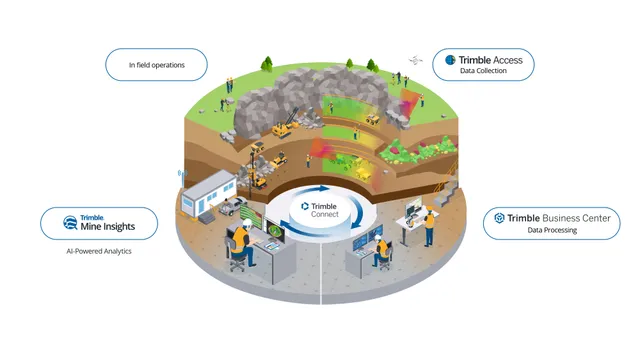
Trimble® Mine Insights™ software, now available in the Philippines through Argotek, the authorized distributor of Trimble for hardware and software in the country, is an AI-powered, cloud-based mining analytics application powered by the Strayos AI engine and integrated with the Trimble Connect® collaboration platform. It is designed to help mining and quarrying companies turn complex field data into meaningful operational intelligence. 

AI-Powered Insights for Mining Operations 

Trimble Mine Insights brings mining-focused analytics into one platform, offering specialized capabilities organized into three tailored packages — Site Analytics, Drill & Blast, and Geotech. This helps surveyors, engineers, geologists, and mine managers better understand site conditions and operational performance. 

Key capabilities across the packages include: 

  • Haul Road AI (Site Analytics Package): Supports haul road assessment, conformance, and maintenance planning. 

  • Highwall Safety and Pit Compliance (Geotech Package): Helps evaluate site conditions and pit compliance against design parameters. 

  • Slope Stability AI (Geotech Package): Supports geotechnical risk assessment, slope failure prediction, and monitoring. 

  • Drill & Blast Package: Combines drill design tools, blast movement modeling (ORBYM), vibration and airblast AI, and fragmentation analysis to optimize production decisions. 

  • Lithology AI and Rock Mass AI (Geotech Package): Supports analysis of rock characteristics, structural geology, and geological conditions. 

  • Stockpile Inventory & Reporting (Site Analytics Package): Enables automated volume tracking, cut & fill analysis, and reporting for improved inventory visibility. 

By making complex data easier to analyze, Mine Insights helps teams identify areas requiring attention, improve operational visibility, and make more informed decisions about safety, maintenance, and production. 

Part of a Connected Mining Workflow 

Mine Insights complements Trimble’s broader connected mining ecosystem, linking analytics with precision surveying, data processing, collaboration, and field execution. 

Data captured using compatible GNSS receivers, total stations, 3D laser scanners, and drone technologies can be processed in Trimble Business Center office software for data preparation and geodetics, then shared through Trimble Connect as the common data environment. Trimble Mine Insights then provides specialized AI-powered analytics to support operational assessments and planning. 

Complementary technologies such as Trimble Groundworks® software for production drills and Trimble Earthworks Grade Control Platform for motor graders help translate digital designs into precise field execution. In addition, Trimble® 4D Control™ (T4D) software integration enables automated slope monitoring. Together, these technologies connect site measurement, office data preparation, cloud-based AI analytics, and field execution. 

Bringing Mining Technology Closer to Philippine Operations 

“Mining companies need more than accurate field data; they need actionable insights that help them make better decisions,” said Engr. Raymond T. Rama, President of APSI. “Through Trimble Mine Insights and our connected technology portfolio, we aim to help Philippine mining operations harness AI-powered analytics, improve operational visibility, and build more data-driven workflows.” 

Argotek supports customers through technical consultation, product demonstrations, training, implementation guidance, and after-sales service. 

Trimble Mine Insights is available through Argotek. Mining and quarrying companies can contact Argotek to discuss their requirements and request a product demonstration. 

About Argotek

Argotek provides precision positioning, surveying, geospatial, construction, and digital technology solutions in the Philippines, backed by local technical expertise, training, and customer support 

Visit https://argotek.com.ph/trimble-mine-insights to learn more. 
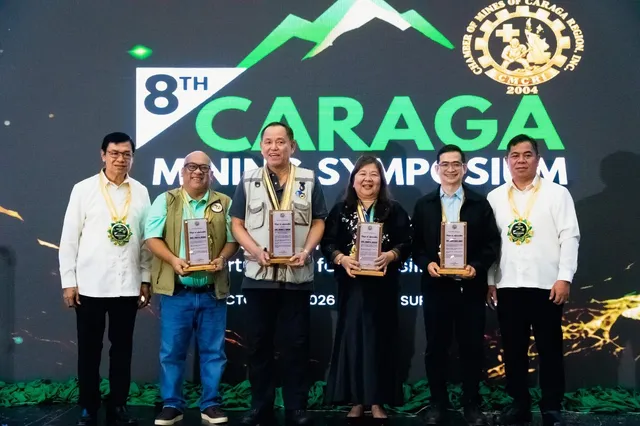
November 11, 2026

CARAGA’S mining industry is looking beyond today’s challenges and toward the opportunities that will shape tomorrow’s mineral sector. This was the defining message of the 2026 Caraga Mining Summit, which brought together industry leaders, government officials, technical experts, professionals, and stakeholders in a collective call for mining anchored on integrity, innovation, responsibility, and resilience. 

Held on October 1–3, 2026 in Surigao City, the Summit was organized by the Chamber of Mines of Caraga Region, Inc. (CMCRI) under the leadership of its President, Engr. Francisco J. Arañes Jr., with the theme “Mining with Integrity: Transforming Challenges into Opportunities for a Resilient Future.” 

The three-day gathering featured the Mining Booths Exhibit, 8th Caraga Safety Competition, 8th Caraga Mining Symposium, 1st Human Resources Forum, Media Conference, Social Media Management Workshop, and 2026 Color Me Run, reflecting the industry’s multifaceted approach to responsible mineral development. 

A major highlight was the 8th Caraga Mining Symposium, which drew more than 400 participants and featured 11 expert resource speakers. Technical discussions covered government policy directions; science, technology and innovation; hydrological management; the state of the Philippine nickel industry; mineral exploration and geoscience; responsible resource development; mine closure and rehabilitation; drone technology; occupational health hazards and mitigation; and integrity in mining engineering and risk reduction. 

The Symposium also tackled emerging concerns on social media and the mining industry, as well as recent amendments to the Free and Prior Informed Consent (FPIC) and Indigenous Peoples Mandatory Representative (IPMR) guidelines—underscoring the need for an industry that is adaptive, transparent, technically competent, and socially responsible. 

Adding distinction to the gathering were Engr. Michael V. Cabalda, DENR Assistant Secretary for Mining Concerns, as Guest of Honor, and Engr. Larry M. Heradez, Mines and Geosciences Bureau (MGB) Director, as Keynote Speaker. Atty. Michael T. Toledo, Chairman of the Chamber of Mines of the Philippines, delivered his message through a pre-recorded video, while Ma. Theresa J. Allen, OIC Regional Executive Director of DENR Regional Office XIII, and Engr. Francis Glenn N. Suante, OIC Regional Director of MGB XIII, delivered special messages. 

Beyond technical learning, the Summit emphasized safety, people development, communication, health, and collaboration. The Safety Competition promoted operational excellence and preparedness; the Human Resources Forum highlighted workforce development; while the Media Conference and Social Media Management Workshop strengthened the industry’s capacity for responsible communication. The Color Me Run fostered health, camaraderie, and community spirit. 

The Summit was held in partnership with the Mines and Geosciences Bureau Regional Office XIII, in collaboration with the Philippine Society of Mining Engineers–Caraga Chapter, Caraga Mine Safety and Health Council, Caraga Mine Environmental Management Council, Inc., Community Relations, Education and Development Officers Organization, Inc., and the Caraga Mines Human Resources Management Council. 

Ultimately, the 2026 Caraga Mining Summit reaffirmed a fundamental truth: resilience is built through integrity, strengthened by innovation, and sustained through collaboration. For Caraga and the Philippine mining industry, the path forward is clear—to transform challenges into opportunities while advancing mineral development that is responsible, inclusive, safe, and sustainable for generations to come. 

November 11, 2026

In January 2026, Major Drilling Philippines and Filminera Resources Corporation (FRC) celebrated a significant milestone: 15 years of partnership at the Masbate Gold Project. Over that time, the two organizations completed more than 210,270 metres of drilling and recorded more than 1.75 million safe work hours without a Lost Time Injury as of April 2026. 

For Daniel Paradis, General Manager of Major Drilling Philippines, the milestone also carries a personal connection. He helped start the project while working as a project supervisor, giving him a firsthand view of how the relationship has grown from its earliest days. 

Beyond technical capability, long-term success depends on trust, communication, and the ability to consistently deliver results. Most of the metres completed at Masbate have been through core drilling. Major Drilling has also supported the exploration team with reverse circulation drilling and provided geotechnical drilling for the mine and its tailings storage facility. Together, these services have helped meet changing exploration and operational requirements over the life of the project. 

The milestone reflects the dedication of the crews, supervisors, safety personnel, maintenance teams, and office support staff who have kept the project moving year after year. Masbate has also provided a place for employees to build long-term careers, with several team members progressing from being new to the drilling industry into skilled drilling roles. 

Among the employees who have contributed to the project over many years are Isagani Castillo, Driller, with 15 years of service; Marvin Licup, Driller, and Christopher Briol, Driller Assistant, with 13 years each; Urie Duca, Trainee Driller, with 12 years; Nelson Balisong, Driller Assistant, and Aljon Esquilona, Mechanic, with 11 years each; and Salvador dela Cruz, Driller, with 10 years. 

“This milestone belongs to the people on the ground: our crews, supervisors, safety teams, maintenance personnel, and Filminera counterparts who have worked together day after day to make the project successful. The trust built over 15 years comes from that daily teamwork, commitment, and shared focus on doing the job safely.” 
— Daniel Paradis, General Manager, Major Drilling Philippines 

More Than 200 Kilometres of Exploration Success 

Located in Aroroy town on Masbate Island, about 360 kilometres southeast of Manila, the Masbate Gold Project (“MGP”) is one of the country’s major open-pit gold operations. The project brings together Filminera Resources Corporation (“Filminera”) which manages the mining operations, and Phil. Gold Processing & Refining Corp (“Phil.Gold”) which operates the processing plant.

While these are distinct companies, they work together for Masbate Gold Project toward safe, responsible and sustainable operations. Phil. Gold is a wholly owned subsidiary of B2Gold with operations in the Philippines, Mali, Namibia and Canada. 

MGP site has remained an important contributor to mineral development in the region while continued exploration supports resource growth, mine planning, and the long-term future of the operation. 

“Over the past 15 years, our partnership with Major Drilling has been built on a foundation of trust, professionalism, and a shared commitment to safety and operational excellence. What has stood out most throughout this journey is the collaborative approach between our teams. Major Drilling has consistently demonstrated technical capability, reliability, and a strong commitment to achieving common goals while consistently supporting the growth and success of the Masbate Gold Project.” 
— Ryan Rusk, President, Phil. Gold Processing & Refining Corp.  

Since 2011, Major Drilling has supported those efforts through exploration and development drilling programs. As project requirements changed, the team adapted by providing the equipment, personnel, and technical support needed to meet shifting objectives and schedules. 

“Filminera and Major Drilling’s partnership is built on trust, shared values, and consistent delivery. Major Drilling has been a valued partner over the past 15 years, we are proud to what has been accomplished together, and we look forward to continuing this successful relationship in the years ahead.” 
— Cris Acosta, President, Filminera Resources Corporation  

A Shared Commitment to Safety 

Safety has been a defining feature of the partnership from the beginning. As of April 2026, Major Drilling Philippines had accumulated 1,752,015.54 work hours without a Lost Time Injury at the Masbate Gold Project, reflecting the efforts of employees from both organizations who identify hazards, follow procedures, and look out for one another every day. 

This achievement has been supported by a safety culture that emphasizes risk management, accountability, and continuous improvement. Programs such as Major Drilling’s Critical Risk Management, TAKE 5, and 10 Lifesaving Rules help employees identify hazards, manage risks, and make informed decisions before work begins. 

Regular safety discussions, training, and leadership engagement also keep safety at the forefront of daily operations. Ceasar Deocareza has been part of that effort since joining the Masbate  Gold Project site  as a Safety Officer in May 2017. Former Filminera employee, , he spent several years in the safety role before progressing to Safety Manager, bringing valuable knowledge to the project’s safety leadership. 

For both organizations, safety is more than a metric. It is part of how the work gets done. 

Beyond the Drill Program 

The relationship between Major Drilling and Filminera extends beyond drilling activities. Over the years, the organizations have supported employee initiatives, client events, and community-focused programs that have helped strengthen connections between teams. One example was the March 2021 municipal donation drive in Aroroy, Masbate, which provided support to the local community. 

While production results and safety performance are important measures of success, milestones such as this also provide an opportunity to recognize the individuals behind the work. To commemorate 15 years of partnership, team members received specially printed shirts, and commemorative coins were presented to mark the achievement. 

Looking Ahead 

As exploration work continues at the Masbate Gold Project, both organizations remain focused on the same priorities that have guided the partnership for the past 15 years: safe work, reliable drilling services, and open communication between teams. 

Major Drilling extends its appreciation to Filminera Resources Corporation and Phil Gold Processing & Refining Corp, project leadership, field crews, and support personnel whose efforts have contributed to this milestone. More than 210 kilometres of drilling and over 1.75 million safe work hours reflect the scale of what has been accomplished together, while the relationships built between both teams continue to support the work being carried out at Masbate today. 

Looking to connect with Major Drilling? Visit the team at booth D52 during the 72nd Annual National Mine Safety and Environment Conference (ANMSEC), taking place November 17–20 in Baguio City, Philippines. 

November 11, 2026

Established on December 1992, Resources Consolidated International Trading, Inc. (Rescon International) has built a lasting legacy through continuous growth, strategic diversification, and an unwavering commitment to Philippine industries. What began as a trading enterprise supplying equipment to the coal mining sector has evolved into a premier industrial solutions provider, delivering specialized technologies from globally recognized manufacturers. Over three decades, Rescon International has demonstrated a proven ability to adapt to dynamic market conditions, strengthen technical capabilities, and cultivate long-term partnerships that empower the nation's industrial core. 

Today, Rescon International connects Philippine enterprises with reliable equipment, world-class manufacturing partners, and application-oriented solutions across power & energy, oil & gas, petrochemicals, chemicals, mining & mineral processing, sugar manufacturing, health & nutrition, and water & wastewater treatment. 

From Industrial Foundations to Strategic Expansion 

Rescon International’s story began in 1992, serving as a trusted local agent supplying materials and specialized equipment to the coal mining industry. This formative era established the company’s deep understanding of rigorous industrial requirements and laid the groundwork for its extensive international network. 

When coal mining operations contracted in 1996, Rescon International demonstrated agility by expanding into the construction sector. The company began distributing pipes, plumbing materials, and essential building supplies while offering construction services for residential and infrastructure projects—notably in Filinvest Alabang. By 1997, these initiatives broadened the company's operational scope and set a definitive precedent: adapting flexibly to market shifts while remaining firmly anchored in industrial and infrastructure growth.  

Establishing a Presence in Hydrocarbon, Petrochemical & Chemical Sectors 

In 1997, Rescon International entered the oil and gas sector, supplying critical hardware, piping, and construction materials to industry majors, including Pilipinas Shell Petroleum Corporation and Caltex (Philippines), Inc. 

Operating in high-demand environments reinforced the company's commitment to stringent product quality, supply chain reliability, and precise technical execution. This milestone expanded Rescon International’s footprint across large-scale industrial plants, cementing its reputation as a dependable supplier capable of meeting complex operational demands. 

Advancing into Specialized Pumping Solutions 

A defining milestone occurred in 2009, when Rescon International was appointed the authorized distributor for ITT Goulds Pumps in the Philippines. This strategic alliance elevated the company from a material supplier to an application-driven industrial partner. 

Pumping systems are the beating heart of industrial operations, supporting continuous fluid transfer across critical process lines. Selecting the optimal pump requires precise evaluation of flow rates, pressure dynamics, fluid properties, construction materials, and maintenance lifecycles. Through its association with ITT Goulds Pumps, Rescon International expanded its reach across mining, energy, chemical processing, and wastewater systems, backing every installation with technical guidance, system matching, and ongoing parts support to maximize plant uptime. 

Expanding Process Capabilities: Mixing, Hygienic Pumps & Heat Transfer 

In 2022, Rescon International significantly expanded its technological offerings through a partnership with SPX Flow Technologies as an authorized Philippine distributor. 

This alliance introduced world-renowned industrial mixing and fluid-handling brands to its portfolio: 

  • Industrial Mixing: Lightnin, Plenty, and Philadelphia Mixers—delivering critical agitation technology for process-intensive industries, such as Carbon-In-Leach (CIL) tanks in mining operations. 

  • Process & Hygienic Equipment: Johnson Pump, Bran + Luebbe metering pumps, and APV food-grade pumps and heat exchangers, extending coverage into health, nutrition, and food processing. 

By integrating fluid transport, process agitation, and thermal solutions into a single portfolio, Rescon International now offers comprehensive, interconnected process solutions designed for the technical demands of modern industrial operations. 

Building Long-Term Value Through Technical Partnership 

Throughout its journey, Rescon International has served as a crucial bridge between international manufacturers and local operational realities. The company’s value extends far beyond the initial sale—it is reflected in application analysis, engineering coordination, responsive logistics, and reliable lifecycle support. 

In process-heavy industries where downtime carries significant costs, Rescon International’s expertise ensures equipment reliability, optimized total cost of ownership, and sustained asset performance. 

Looking Ahead: Delivering Value, Exceeding Expectations 

Drawing on over 30 years of industry leadership, Rescon International remains focused on the future. As Philippine industries increasingly prioritize process efficiency, predictive maintenance, and operational sustainability, the company continues to enhance its product offerings and technical services. 

From its roots in 1992 to its present role as an integrated equipment solutions provider, Rescon International’s journey is defined by purposeful evolution, technical excellence, and enduring partnerships—staying true to its core commitment: Exceeding Expectations. 

November 09, 2026

The Philippines is not poor in minerals; it is poor in converting them into national value. Government and industry estimates place the country’s untapped mineral wealth at more than $1 trillion, a figure supported by a 2025 analysis by John P. Causey IV for Vantage FDI. This analysis ranks the archipelago among the world’s mineral heavyweights, placing it fourth globally in copper ore with roughly 4.41 billion tons and fifth in nickel with about 5.29 million tons. Beyond these primary reserves, the Philippines holds substantial potential in cobalt, gold, silver, and early-stage rare-earth minerals. Yet, the more revealing statistic is not what lies underground; it is how little of it has been seriously studied. Only about five percent of the country’s mineral potential has been actively explored, while mining contracts cover just around three percent of the land.

That is not a failure of geology; it is a failure of governance.

The mining sector’s modest economic footprint highlights this contradiction, with mineral exports reaching approximately $7.37 billion in 2024. At year-end, the country had 58 operating mines, including 36 nickel, 11 gold, and three copper operations. Despite this endowment, mining contributes only about one percent of the gross domestic product. For a nation sitting on minerals critical for batteries, power grids, and the global energy transition, this is a surprisingly small return on a massive endowment.

This staggering gap stems from tenurial stasis, a state of paralysis where development is choked by technical incapacity and an accumulation of cancelled, withdrawn, or expired permits. The Department of Environment and Natural Resources has signaled an end to this inactivity. In October 2025, DENR Undersecretary Carlos Primo David announced new policies aimed at raising the sector’s GDP contribution to approximately two percent. Central to this pivot is the implementation of a performance-based mandate to dispose of roughly 50 idle assets through a competitive selection process.

While the instinct to mobilize national wealth is correct, as a mining tenement is a privilege granted over a public resource rather than a trophy, the phrase "Use It or Lose It" is easier to chant than to administer. Used carefully, it can pry open idle assets; used crudely, it can turn an investment reform into a litigation machine. To ensure this reform attracts serious capital, the new guidelines must be built upon a framework of five essential tasks.

The first task is classification. The government must distinguish between dormancy and strategy. Large-scale mining operates on a decadal horizon distinct from standard commercial cycles, involving a complex progression of exploration and permitting that unfolds over years. In large tenements, phased development is a strategic necessity rather than an act of neglect. A project may develop one area while studying another to ensure operational cash flow and grade control. The guidelines must separate those who cannot perform from those developing responsibly in phases to avoid punishing patient capital.

The second task is legal fidelity. Administrative guidelines cannot quietly narrow statutory rights through technicalities or retroactive disqualifications. Republic Act No. 7942 provides that mineral agreements are renewable under the same terms and conditions. The framework must ensure that filing timelines do not act as extra-statutory disqualifications that trigger forfeiture. Because regulatory stasis often results from permitting backlogs or weather disruptions, penalizing an operator for external delays could undermine the stability the policy seeks to cultivate.

The third task is ensuring title stability. Substantial capital investment is rarely allocated to assets with unresolved legal status. A tenement entangled in litigation does not constitute a bankable opportunity; rather, it represents an inherent legal risk that complicates project financing and valuation. Before any area is offered to bidders, the state should require a clean title certification to ensure the prior right was validly terminated and remains free from pending contest. Without this safeguard, competitive selection merely transfers regulatory uncertainty to the investor’s balance sheet.

The fourth task is mandating clean succession. The state should not ask new investors to become insurers of old misconduct. Environmental liabilities, unpaid royalties, and tax delinquencies should remain the legal obligation of the defaulting entity. If rehabilitation risks are assumed by a new grantee, they must be part of a transparent, valued bid package. Hidden liabilities are not governance; they are poison pills.

The fifth task is institutional transparency. Credibility depends on design; criteria for selection should be published, and financial qualifications, such as the $8.7 million minimum paid-up capital benchmark must be measurable. Furthermore, the management of bid proceeds and revolving funds must strictly adhere to Commission on Audit and Department of Budget and Management rules. This ensures the process is driven by public resource stewardship rather than bureaucratic monetization.

The country has long debated mining as a choice between unrestrained extraction and paralysis. That is a false choice. The better path is disciplined development: strict enough to weed out speculators, predictable enough to attract capital, and lawful enough to survive judicial review. A trillion-dollar endowment is merely a headline; it becomes wealth only when law, science, and environmental responsibility align. The country does not need a mining rush; it needs a mining reckoning. The treasure chest has been there all along. The question is whether the State can open it without breaking the lock.


Atty. Mary Louisse S. Inguillo heads the Mining Rights and Compliance Division of Global Ferronickel Holdings Inc. A finalist for Woman Lawyer of the Year at the 2025 ALB Philippine Law Awards, she manages the group’s regulatory strategies and legal adherence. She earned her Juris Doctor from the De La Salle University – Tañada-Diokno School of Law.