

By Jake Tan, Product Manager, Fluke South East Asia Pte Ltd
Closing the Skills Gap with Smarter Tools
In the mining industry, every decision about safety carries weight. Beyond the visible risks of heavy machinery and unstable ground, electrical hazards remain one of the most underestimated threats.
A small anomaly — such as an unusual reading, a flicker in performance, or a faint sign of resistance — can seem trivial in the moment, yet it may be the precursor to fire, electrocution, or catastrophic equipment failure.
Raising awareness of electrical safety is more than simply a matter of compliance. It’s about embedding the mindset that vigilance, proper training, and the right tools can mean the difference between safe operations and irreversible loss.
The Hidden Risk: Grounding and Environmental Challenges
Remote mining sites, particularly in regions prone to monsoons and typhoons such as the Philippines, face unique electrical safety challenges. Flooding erodes soil, changing its resistance and compromising grounding systems.
When grounding resistance changes, fault current might not flow safely, creating conditions ripe for short circuits, fires, or fatal shocks.
Standards such as NETA (for insulation resistance testing) and IEC 60364 (for electrical installation) exist to safeguard both workers and assets. Yet many operators in the field remain unaware of these standards or lack the tools to test against them.
This gap highlights why awareness and skills training are critical to ensure proper maintenance of infrastructure.
Tools That Save Lives
Advances in electrical testing tools are helping bridge the gap between operational needs and safety requirements. Non-contact technologies, which are non-intrusive, reduce risks for workers while making inspections faster and easier.
-
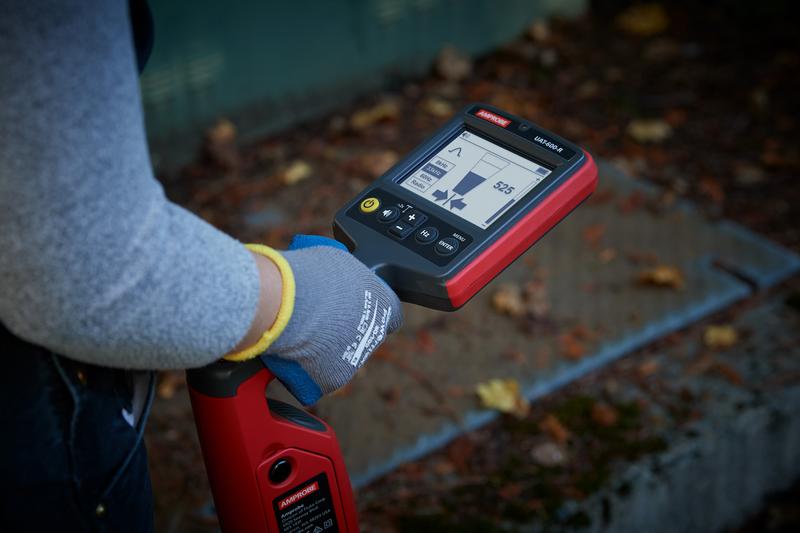
Underground cable locators detect buried power utilities before excavation begins, preventing accidental strikes.
-
Non-contact voltage detectors, such as the Amprobe TIC 300 PRO mounted on a pole, give visual and audio alerts when energized high-voltage overhead lines are detected.
-
Thermal imaging cameras reveal overheating components invisible to the naked eye, flagging early defects before they escalate into fires or equipment breakdowns.
-
Advanced clamp meters (such as the Fluke 378 or T6-1000 PRO) measure both current and voltage without direct contact, allowing safe testing from outside panel doors.
-
Acoustic imagers, such as the Fluke ii905, identify leaks during mineral refining processes from a distance, even in noisy environments.
These innovative tools are convenient and, more importantly, essential daily safeguards that turn invisible risks into visible warnings.

Bridging the Skills Gap
While tools are indispensable, knowledge remains the first line of defense. Many workers in remote mining environments “don’t know what they don’t know.” Without training, they may overlook small signs of abnormality or be unaware of safer, newer technologies available to them.
Recognizing this, companies like Fluke are investing not only in equipment but also in training and on-site education. By bringing awareness programs directly to mining sites, they help operators and HSE departments understand how to integrate safety practices into daily routines, creating a stronger culture of prevention.
Self-Checking Innovation: Safety in Remote Locations
Service and maintenance can be challenging when sites are located far from immediate support. Innovations from Fluke, such as the Fluke 283 FC multimeter with a built-in self-check function, give operators confidence that their tools are functioning correctly even in the most remote conditions.
This capability reduces downtime, ensures accurate testing, and provides reassurance for lean teams with limited resources.
Why Proactive Measures Matter
Electrical safety goes beyond PPE and compliance checklists. It’s about creating systems where people, processes, and technology align to reduce risk. Early detection of hazards prevents costly downtime, extends equipment lifespan, and saves lives.
By combining international standards, advanced test tools, and a culture of continuous training, mining companies can protect both their workforce and their operational future.
Electrical safety in mining isn’t optional. It’s the foundation of a resilient, responsible operation. By staying alert to hidden risks, equipping workers with the right tools, and closing the knowledge gap between operations and HSE teams, companies can make one promise a reality: Every worker deserves to go home safe.

For more information: To check out Fluke mining safety tools or contact Fluke South East Asia Pte Ltd, send an email to fsea.info@fluke.com or scan the QR code to explore the full range of mining solutions.


