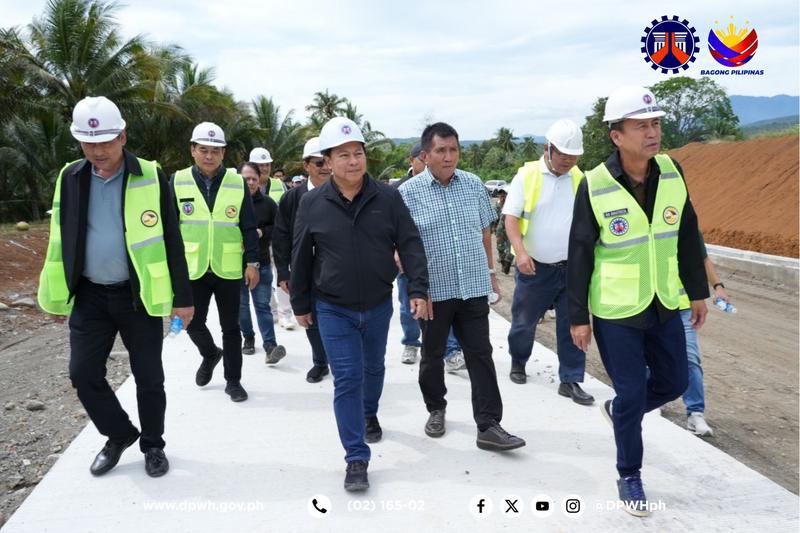
President Ferdinand R. Marcos Jr. has directed the Department of Public Works and Highways (DPWH) to fast-track strategic infrastructure in conflict-affected areas, accelerating the implementation of the Road Network Development Project in Conflict-Affected Areas in Mindanao (RNDP-CAAM) to strengthen connectivity and sustain peace in the Bangsamoro Autonomous Region in Muslim Mindanao (BARMM).
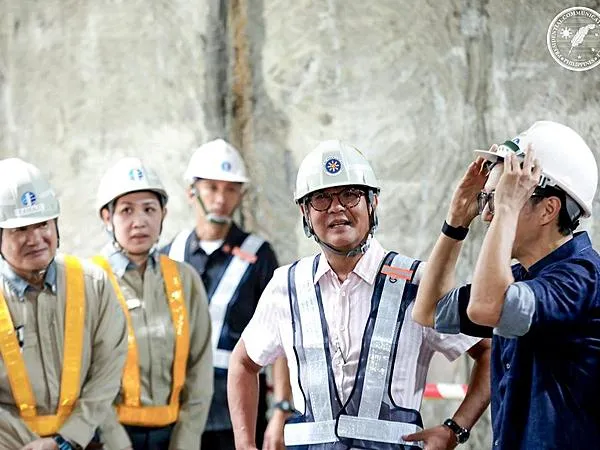
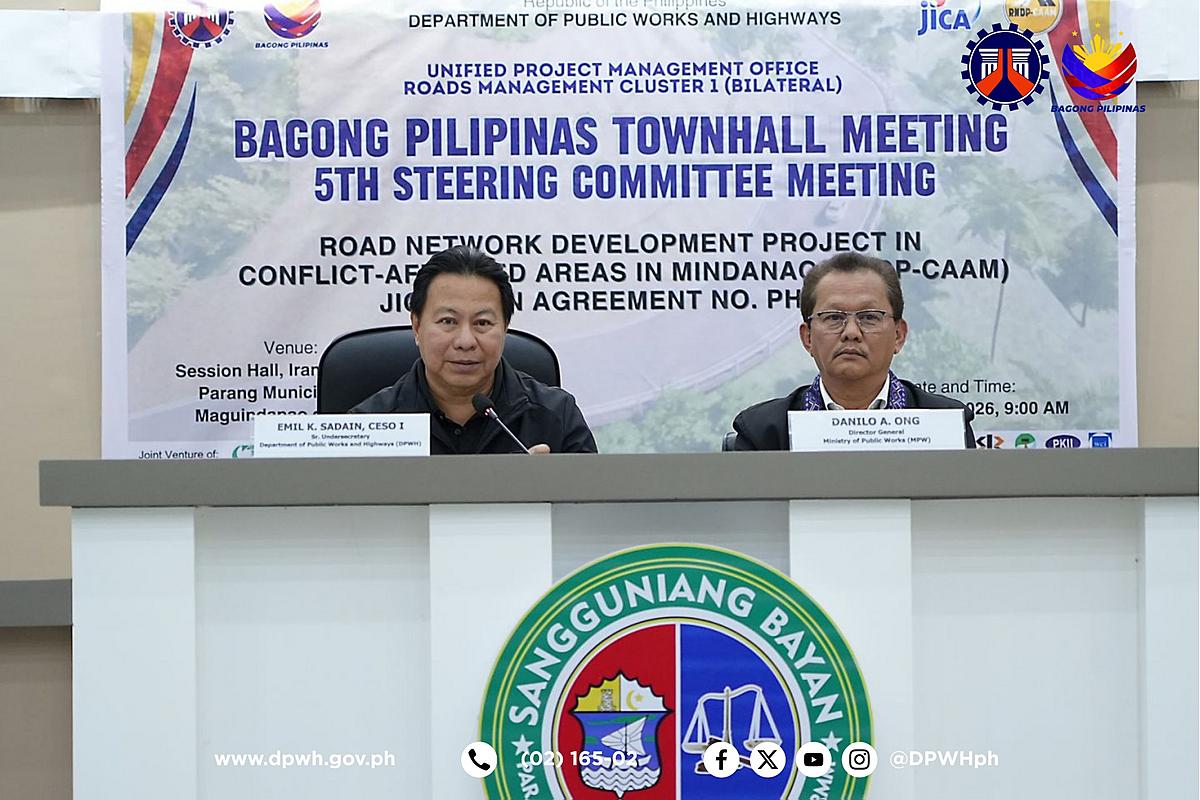
The progress of the project and strategies to ensure the successful rollout of RNDP-CAAM were discussed during the recent 5th Steering Committee Meeting led by DPWH Senior Undersecretary Emil K. Sadain. The meeting reaffirmed the agency’s commitment to deliver high-impact road projects that reinforce peace and stability in conflict-affected areas, promote inclusive growth, improve mobility, and expand economic opportunities for historically underserved communities.
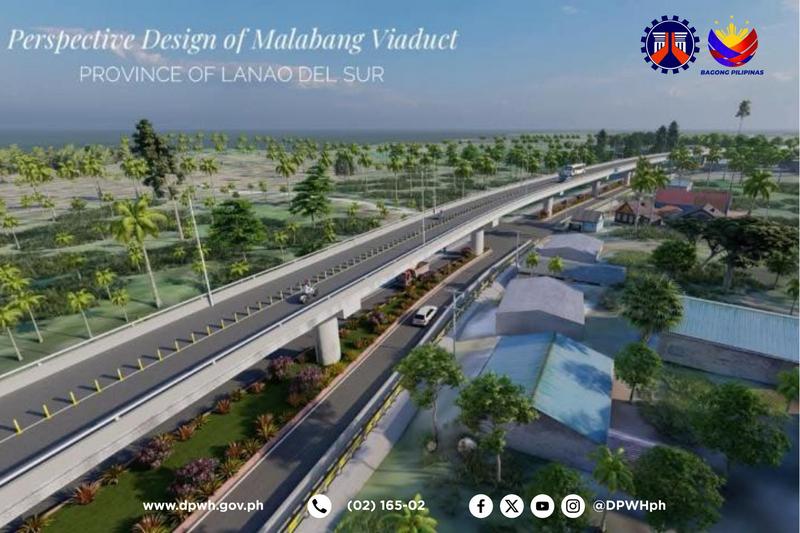
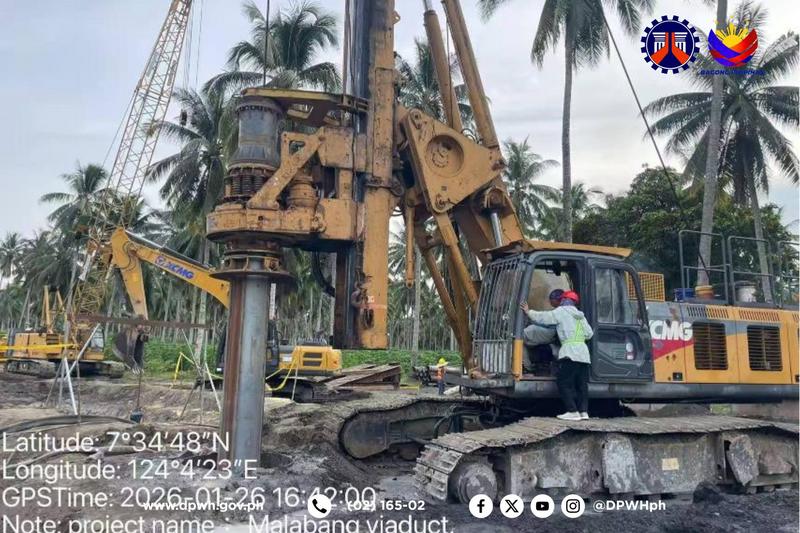
The DPWH Unified Project Management Office – Roads Management Cluster I (UPMO-RMC I) oversees the implementation of RNDP-CAAM, which comprises three major components totaling 80.97 kilometers of road network. Sub-Project 2, the Parang–Balabagan Road in Maguindanao del Norte and Lanao del Sur, spans 36.73 kilometers across Parang, Matanog, Kapatagan, and Balabagan. It serves as an alternative to the Asian Highway (AH) 26 and features 16 bridges and one underpass, with Contract Package 2 underway and other packages progressing.
Sub-Project 8, the Parang East Diversion Road, is a 7.07-kilometer national secondary road in Parang, Maguindanao del Norte, that includes four bridges and has reached over 15 percent completion since civil works began in June 2025. Sub-Project 9, the Manuangan–Parang Road in Maguindanao del Norte, covers 17.42 kilometers linking AH26 to the Davao–Cotabato Road, with two major bridges under construction. Implementation is supported by close coordination among government agencies, local government units (LGUs), and security forces.
Funded by a loan from the Japan International Cooperation Agency (JICA), RNDP-CAAM will build new national roads across key areas in Mindanao to improve the region’s low road density and boost economic activity by enhancing access to markets, essential services, and employment opportunities.
The project is part of the government’s broader peace and development agenda, highlighting infrastructure as a cornerstone for stability, regional growth, and long-term prosperity in conflict-affected areas.