

Following the third-quarter 2025 Mine Rehabilitation Fund Committee (MRFC) meeting on Feb. 2 at the Mines and Geosciences Bureau Regional Office in Caraga, the Agata and Greenstone projects demonstrated that responsible mining is measured not just by production, but by verified rehabilitation, strict regulatory compliance and accountability to host communities.
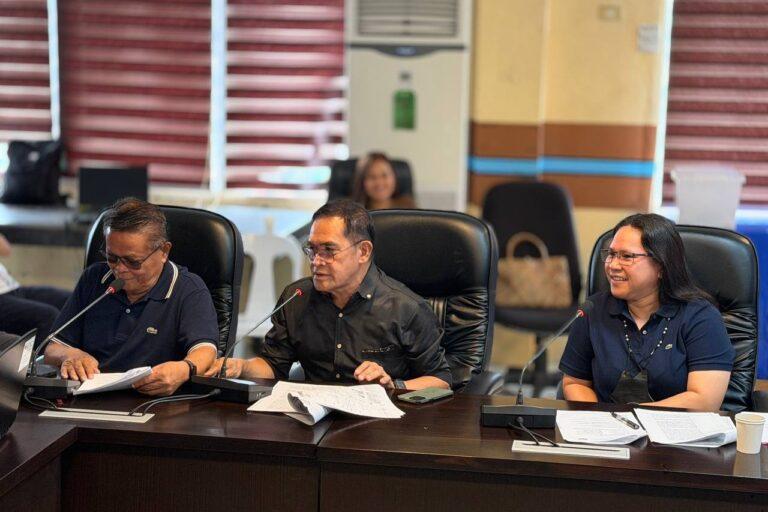
Convened under the mandate of Republic Act No. 7942, the MRFC brought together national regulators, provincial and municipal officials, Department of Environment and Natural Resources bureaus, barangay leaders, Indigenous peoples representatives and members of the religious sector. Beyond a routine audit, the meeting serves as a checkpoint for environmental performance, financial security and measurable outcomes in mining operations.
TVI Resource Development Philippines Inc. operated the Agata Nickel Laterite Project from 2014 to 2023 and has since shifted to final mine rehabilitation. The TVIRD Group also operates the Siana Gold Project through its wholly owned subsidiary, Greenstone Resource Corp., producing weekly shipments of gold and silver doré for direct markets.
Agata: Plans verified on the ground
For Agata, the session focused on a plan-versus-accomplishment review. The committee examined accomplishment reports, biodiversity research and the third-year release of rehabilitation funds. The Multipartite Monitoring Team compared approved plans, including the Final Mine Rehabilitation and Decommissioning Plan, with actual site conditions.
The review confirmed that environmental protection measures were in place, rehabilitation targets were met on schedule, budgets were properly allocated and community commitments were fulfilled. Minor discrepancies were documented and discussed for corrective action, reinforcing that plans have meaning only when translated into verified results.
Agata also reported engineering and ecological improvements. Settling ponds were expanded to manage siltation during heavy rains. Progressive rehabilitation continues through reforestation of disturbed areas with indigenous and fruit-bearing species, guided by the company’s core principle: “Starting it right, keeping the end in mind.”
Adaptive management ensures seedlings are acclimated to local conditions before planting. An unexpected increase in migratory birds was addressed through structured harvesting and fruit protection, demonstrating how ecological recovery can coexist with operational needs.
Greenstone: Continuous compliance
Greenstone’s review emphasized adherence to its Compliance Monitoring and Validation Report and Annual Environmental Protection and Enhancement Program. The committee examined rehabilitation progress, mitigation protocols, updates on the Final Mine Rehabilitation and Decommissioning Plan, and the Annual Social Development and Management Program.
Site-specific priorities included siltation control in Alipao, rehabilitation of mine pit benches, tree cutting near Lake Mainit and land issues around Tailings Storage Facility 3. Collaboration with Surigao del Norte State University and Caraga State University supported scientific validation of hydrological and ecological data.
Financial safeguards were also highlighted as part of Greenstone’s compliance framework. Its Mine Rehabilitation Fund instruments — including the Contingent Liability and Rehabilitation Fund, Monitoring Trust Fund, Rehabilitation Cash Fund, Final Mine Rehabilitation and Decommissioning Fund, and Environmental Trust Fund — ensure that rehabilitation is fully funded. The MRFC verified that funds were sufficient and properly used, turning compliance into assurance.
Accountability through community engagement
Both projects rely on multisectoral oversight. Barangay officials monitor daily impacts such as dust, road safety and the proper allocation of Social Development and Management Program funds. Indigenous leaders from the Mamanwa tribe safeguard ancestral lands and ensure adherence to free and prior informed consent agreements. Religious representatives focus on watershed integrity and the ethical dimensions of mining operations.
Agata further strengthens transparency through information, education and communication campaigns in local dialects, a community relations office with an open-door policy, and community mine tours that allow local leaders and students to see rehabilitation zones firsthand.
Sustaining responsible mining
The third-quarter MRFC session reaffirmed that responsible mining requires continuous oversight. For Agata and Greenstone, this is reflected in verified environmental results, ecological gains, secured financial provisions and active community participation. Coordination with national agencies and local government units creates layers of accountability that extend from boardrooms to the field.
For these projects, regulatory compliance is only the starting point. The true measure of responsibility is performance that is seen, verified and sustained.
The audit may last only a day. But the discipline it requires continues year-round.


