
The Philippines is shifting its mineral strategy from raw ore exports toward domestic processing, value addition and downstream manufacturing under Executive Order No. 122, which establishes a national policy framework for the critical minerals industry.
Issued in August 2026, EO 122 provides a framework covering the critical minerals value chain, from exploration and resource development to mineral processing, value addition and manufacturing. The policy is intended to position the Philippines more deeply in global clean technology and advanced manufacturing supply chains.
The Mines and Geosciences Bureau (MGB), the Department of Environment and Natural Resources’ primary technical and regulatory agency for mineral resources, has been tasked with implementing key provisions of the order.
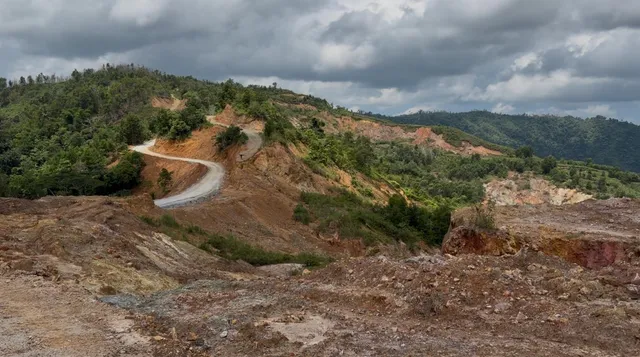
Under the framework, the DENR through the MGB will issue the Philippine Critical Minerals List, which will guide implementation of the policy. The MGB will also lead the exploration of prospective areas across about 9 million hectares of mineralized land to identify and declare Critical Mineral Reservations and expand the country’s critical minerals resource inventory.
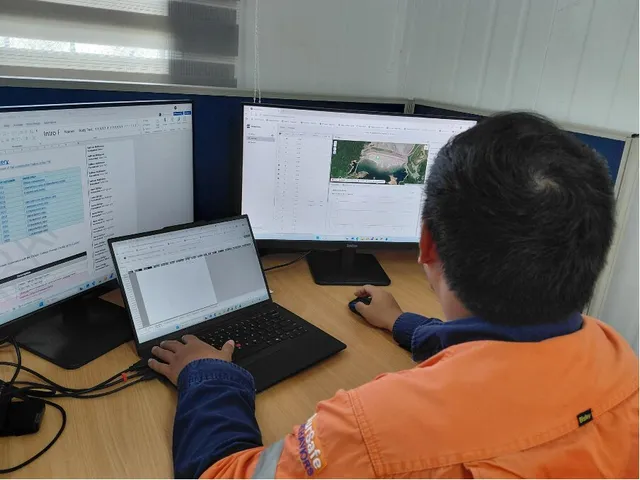
EO 122 also seeks to attract investment by accelerating the privatization of government-owned mining assets, streamlining and digitizing permitting processes, and providing incentives for critical minerals processing and downstream industries.
From extraction to value addition
The policy marks a shift in the government’s approach to mineral resource development, with greater emphasis on retaining more value from the country’s mineral resources through domestic processing and manufacturing.
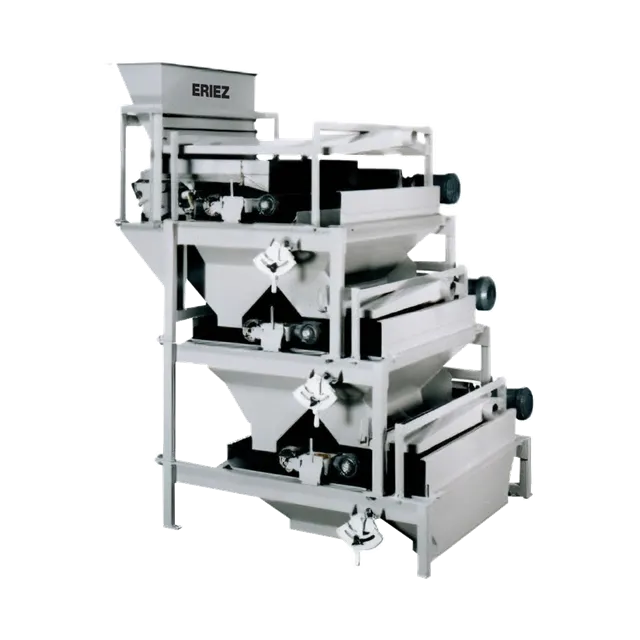
Rather than focusing primarily on the extraction and export of raw ores, the framework seeks to develop industries further along the value chain. This includes mineral refining, processing and the manufacture of products that can feed into global clean energy and advanced technology supply chains.
For the MGB, the shift will require a more proactive approach to resource management across its central and regional offices, including stronger use of geological data and resource assessments to identify areas with critical mineral potential.
The policy also strengthens the government’s implementation of the “Use It or Lose It” approach to mineral tenements.
The MGB is directed to undertake systematic audits of existing Mineral Production Sharing Agreements and Exploration Permits. Non-performing permits could face administrative cancellation, with areas subsequently assessed for possible declaration as mineral reservations and opened for disposition to other investors.
Stronger ESG requirements
The expansion of critical minerals development will also come with increased environmental and social governance responsibilities.
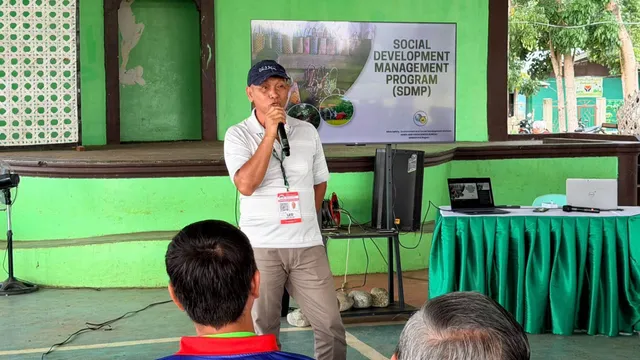
The MGB is expected to align existing Environmental Protection and Enhancement Programs and Social Development and Management Programs with international standards, while strengthening field monitoring and ESG reporting requirements.
The objective is to ensure that the expansion of downstream mineral industries is accompanied by environmental safeguards and social development measures.
Whole-of-government approach
EO 122 also calls for closer coordination among government agencies through the reorganization of the Mining Industry Coordinating Council.
The council will be tasked with submitting regular production reports to the President, evaluating national valuation frameworks for indigenous consent negotiations, and establishing ESG and responsible sourcing standards for the industry.
The framework therefore places critical minerals development within a broader government strategy rather than treating it solely as a mining-sector initiative.
The policy comes as governments and industries globally seek secure supplies of minerals needed for clean energy, advanced manufacturing and other strategic technologies. For the Philippines, the framework aims to leverage the country’s mineral resource base while developing more domestic economic activity around those resources.
For the MGB, EO 122 expands its role beyond conventional regulatory and permitting functions toward resource assessment, investment facilitation, enforcement, environmental oversight and long-term mineral resource planning.
The government’s implementation of the framework will determine how effectively the Philippines can translate its mineral endowment into domestic processing capacity, manufacturing activity and participation in global critical minerals supply chains.