Leading construction company EEI Corporation (EEI) sees stronger revenue visibility and growth as it resurges with a PHP36.85-billion total backlog, or unworked portion of existing contracts, as of July 2025. This represents a 40% jump compared to the PHP26.39-billion reported backlog during the second quarter of the previous year.
The company regained momentum after incurring a significant loss at the end of fiscal year 2024, which was largely brought about by provisions for claims associated with the prolonged lockdowns during the pandemic. During these periods, EEI prioritized the safety and well-being of its people above all else and continued to pay full wages, food, and lodging to active employees despite the work stoppages.
“Sometimes, we need to take a step back if we want to take care of our employees, particularly during the most difficult times. We believe that profitability is not the only metric for responsible corporate governance, and that the measures we took in the past were necessary for the long-term future of EEI. Now that we have momentum back in obtaining new projects, we are confident that we will have the full support of the workforce that we took care of during those times of uncertainty,” Henry D. Antonio, EEI Corporation President and CEO, said.
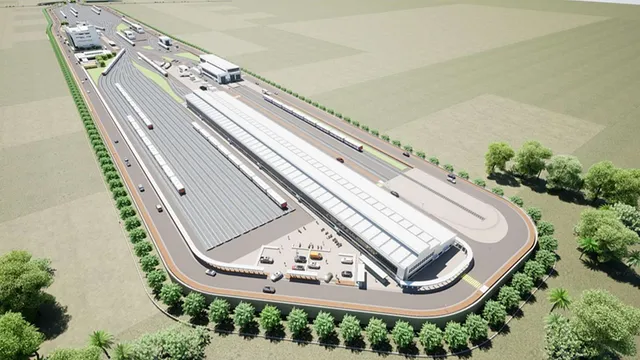
EEI recently secured two infrastructure contracts under the South Commuter Railway Project (SCRP) 07 worth a combined PHP1.8 billion.
“These new projects reaffirm EEI’s commitment to delivering world-class infrastructure that not only drives mobility, commerce and community development, but also improves the quality of life for Filipinos. Better roads and transport systems mean easier commutes, greater access to opportunities, and stronger connections between communities,” said Anna Sheila P. Figuera, Senior Vice President and Head of the Commercial and Operations Division. “We are proud to collaborate with our partners in building the critical transport link that will shape the country’s future.”
EEI will undertake the PHP1.7-billion SCRP-07 Earthworks in Banlic, Laguna, and the PHP188-million SCRP-07 Underpass Works. The scope of work includes site development, earthworks, subbase and base course, surface course, structural works, drainage systems, irrigation channels, and other related infrastructure. EEI will work with Lotte-Gulermak-EEI Joint Venture (LGEJV) to complete the projects.
The SCRP, part of the larger North-South Commuter Railway (NSCR) project, will reduce travel time between Metro Manila and Laguna upon completion. It is part of the Philippine government’s Build Better More infrastructure program, which aims to enhance transport efficiency and support economic activity across key growth areas in the country.
With its decades-long expertise in large-scale infrastructure, EEI continues to be a driving force in nation-building by prioritizing projects that connect people, facilitate economic growth, and promote sustainable development across the country.
Megawide Construction Corp. (Megawide) booked a consolidated net income of P436 million in the first six months of 2025, equivalent to 81 percent of its full-year 2024 earnings.
Consolidated revenues during the period reached P8.6 billion, as several projects neared completion. Earnings before interest, taxes, depreciation, and amortization (EBITDA) stood at P2.44 billion.
“Based on our performance in the first six months of the year, we are on track to outpace our net income from the previous year. This is also partly driven by the increasing contribution from our real estate business, which is steadily emerging as a new growth driver,” Megawide Chairman and CEO Edgar Saavedra said.
Saavedra said that other business segments are expected to complement the company’s consolidated overall performance as we replenish our order book for EPC and Precast and Construction Solutions (PCS) from both external and internal clients
Segment performance
Construction operations contributed P7.3 billion, or 85 percent of consolidated revenues. The company attributed the figure to the winding down of ongoing projects, which typically generate lower revenues but higher margins at this stage of their cycle.
Real estate operations surged, with revenues of P1.1 billion—more than triple from the same period last year—driven by projects such as My Enso Lofts, The Hive, Northscapes, Modan Lofts, One Lancaster Park, and Lykke Condo. Sales reached P1.7 billion in the first half, up 64 percent year on year, pushing unbooked revenues to P8.8 billion.
Landport operations delivered P217 million in revenues, a 6-percent increase from last year, contributing about 3 percent to the total. The segment benefited from a steady passenger influx averaging 164,800 by end-June, which translated to higher passenger spending of P34.70. Commercial occupancy remained strong at 98 percent, while signed office contracts stood at 47 percent.
Order book and projects
Megawide’s order book as of June 2025 stood at P37.7 billion. New contracts worth P2 billion were added, including Towers 2 and 3 of PH1 World Developers Inc.’s Modan Lofts Ortigas Hills, Citicore’s Lucanin Solar Power Plant, and battery energy storage systems for the Bolbok and Lumbangan solar plants.
The company said it remains committed to pursuing scalable and socially responsive platforms such as the government’s flagship Pambansang Pabahay Para sa Pilipino (4PH) program.
“Our foray into the 4PH is expected to help address the six million housing backlog and further harness synergies within the Group, by boosting the order book for both EPC and PCS from the internal front,” Saavedra said.
“Specifically, we broke ground for four new locations under the 4PH – two each in Bacoor and Dasmarinas. Together with our maiden project Avesta in Imus, PH1 is expected to deliver approximately 7,000 housing units from these projects in the next 2-3 years, in Cavite alone,” he added.
In July, Megawide broke ground for the Caticlan Airport Terminal, which the firm hopes will serve as a springboard for other transport infrastructure projects. The company is also bidding for projects worth P20 billion, which could expand its year-end order book to P50 billion.
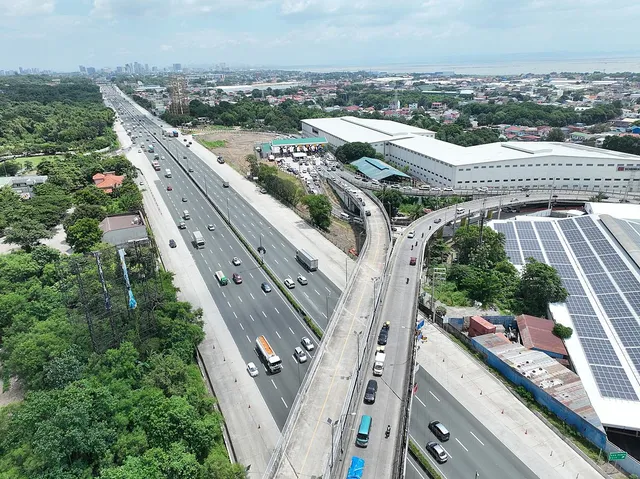
The San Pedro City, Laguna, northbound interchange of the South Luzon Expressway (SLEX) finally opened on August 1, 2025, providing the city and its neighbouring areas with the fastest route to Metro Manila and the most convenient entry from farther south.
The ceremonial inauguration of the entry/exit interchange was led by DPWH Secretary Manuel M. Bonoan, Department of Transportation Secretary Vivencio Dizon, Toll Regulatory Board Executive Director Atty. Jose Arturo M. Tugade, Laguna 1st District Representative Ma. Rene Ann Lourdes G. Matibag and Laguna Governor Sol Aragones.
Among the DPWH officials who attended the inauguration were Undersecretary Eugenio R. Pipo Jr., Assistant Secretary Loreta C. Malaluan, and Regional Director Jovel G. Mendoza and Assistant Director Henry Alcantara of Regional Office IV-A.
“This project stands as a clear example of what we can achieve when we work together – government, private sector and communities united under a shared goal. It reflects our broader commitment under the Build Better More Infrastructure Agenda of President Ferdinand R. Marcos Jr. toward building a more connected, more resilient and more inclusive Bagong Pilipinas,” Secretary Bonoan said.
According to Bonoan, the new interchange addresses the long-standing requests of San Pedro City residents for a northbound exit, given that only a southbound exit previously existed.
Without a northbound interchange, motorists from San Pedro City heading to Metro Manila had to traverse the busy Manila South Road to enter the Susana Heights Interchange in Muntinlupa City, or enter San Pedro southbound to exit at the Southwoods Interchange in Biñan City and re-enter via its northbound toll plaza.
Motorists going to San Pedro City from the southbound of SLEX, meanwhile, had to exit at Susana Heights Interchange and either re-enter via its southbound entry to exit again at the San Pedro southbound plaza, or take the Susana Heights exit and access San Pedro City through Manila South Road in Muntinlupa City. Neither of these routes offered a practical solution for daily commuters.
The new interchange was implemented by the DPWH Regional Office IV-A and Laguna 2nd District Engineering Office through multi-year contracts since 2018, costing P915 million.
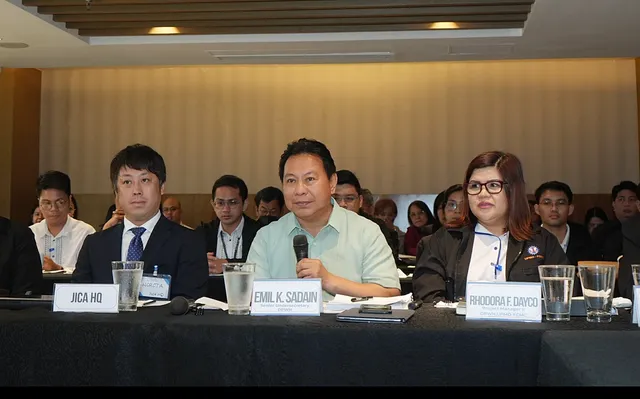
The Department of Public Works and Highways, in partnership with the Japan International Cooperation Agency, is intensifying efforts to finalize updated flood control master plans for the Pasig-Marikina and Cagayan River Basins — two major waterways in Luzon that play a crucial role in supporting the economic growth of Metro Manila and the Cagayan Valley region.
DPWH Senior Undersecretary Emil K. Sadain and JICA Senior Representative Takanori Morishima led the presentation and discussion Augist 5 of the draft updated Flood Control Master Plan reports for the Pasig-Marikina and Cagayan River Basins. The plans aim to address the recurring and long-standing problem of widespread flooding while enhancing disaster resilience through both structural and nonstructural measures.
Also in attendance during the Second Steering Committee Meeting for the ongoing Project on the Enhancement of Flood Control Strategy in Prioritized River Basins were DPWH Project Director Ramon A. Arriola III of the Unified Project Management Office–Flood Control Management Cluster, Project Managers Jerry A. Fano, Rhodora Dayco and Grecile Christopher Damo; JICA study teams; and representatives from various agencies, including the Department of Economy, Planning and Development, Department of Environment and Natural Resources, Department of Energy, Department of Finance, Department of the Interior and Local Government, Department of Science and Technology, Philippine Atmospheric, Geophysical and Astronomical Services Administration, National Irrigation Administration, and the Climate Change Commission.
During the meeting, Sadain emphasized the urgency of completing the master plan reports, citing the devastating impacts of past typhoons such as Ondoy in 2009, Super Typhoon Lawin in 2016, Ulysses in 2020, and Carina in 2024, which severely affected vulnerable areas and displaced thousands of families in Metro Manila, Region 2 and other parts of the country.
“In response to President Ferdinand R. Marcos Jr.’s directive to revise the flood control master plans and expand infrastructure capacity to address increasing flood risks and climate change threats, the DPWH, under the leadership of Secretary Manuel M. Bonoan, sought the assistance of the JICA Study Team to fast-track the completion of the pre-feasibility study for each river basin. These will then be developed into full-blown comprehensive analyses to enable the timely implementation of the detailed engineering designs,” Sadain said.
“Once finalized, the updated master plan reports will be submitted to the Department of Economy, Planning and Development for review and approval, with pre-feasibility studies expected to begin in early 2026. These studies and proposed measures, in a holistic approach, are anticipated to support integrated water resources management, improve interagency coordination, and enhance overall risk reduction efforts in Luzon,” he added.
Morishima reaffirmed JICA’s commitment to the Philippine government, emphasizing its long-standing friendship and partnership, and reiterated its support for building resilient, climate-adaptive flood control infrastructure that can withstand the worsening impacts of changing weather patterns.
One key topic discussed was the phased implementation of proposed structural countermeasures for the Pasig-Marikina River. Proposed engineering interventions include building two flow-through dams, four retarding basins in San Mateo, Rodriguez and Quezon City, and river improvement works including dredging under Phases 2 and 3 of the Pasig-Marikina River Channel Improvement Project, a multi-phase effort by the DPWH with JICA technical assistance.
After recent typhoons and flooding, Sadain said it is imperative to consider flood control dams as a countermeasure to reduce damage in Metro Manila.
A separate master plan for the San Juan River was also presented, addressing its low flow capacity due to shallowness, which causes serious flooding in parts of Metro Manila. Proposed solutions include dredging and embankment improvements in Manila, San Juan and Quezon City, an underground retention channel in Quezon City leading to the Pasig River, and an underground spillway from Quezon City to Manila.
These interventions aim to achieve a flood safety level equivalent to a 100-year return period in the Pasig-Marikina River Basin, helping address long-standing flooding and strengthening disaster resilience — in line with the government’s “Bagong Pilipinas” vision.
The draft master plan report for the Cagayan River Basin, presented by JICA Study Team Leader Takahiro Mishina, proposes building four flood control dams — Siffu, Malig, Ilagan and Cagayan — in the northeastern part of Luzon, along with river improvement works and dredging in the Magapit section of the lower Cagayan River.
The Japan-funded technical cooperation program, launched in May 2024, is led by the DPWH UPMO Flood Control Management Cluster and JICA in partnership with CTI Engineering International Co., Ltd., for the Pasig-Marikina River Basin, and consultants Nippon Koei Co., Ltd., Yachiyo Engineering Co., Ltd., and CTI Engineering International Co., Ltd., for the Cagayan River.
In his fourth State of the Nation Address (SONA) delivered on July 28, 2025, President Ferdinand “Bongbong” R. Marcos Jr. reaffirmed his administration’s commitment to infrastructure expansion, rural development and regional connectivity. He outlined key achievements while confronting ongoing issues, stating, “We are building not just for today, but for generations to come.”
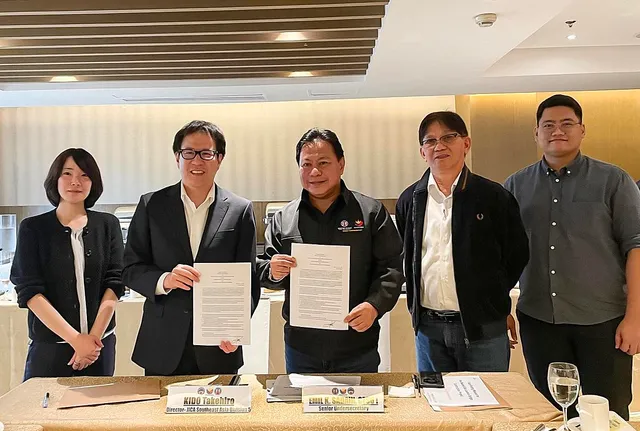
The Department of Public Works and Highways (DPWH) and the Japan International Cooperation Agency (JICA) have successfully concluded the wrap-up meeting for the ongoing Fact-Finding Mission on the Second San Juanico Bridge (SSJB) Construction Project.
Held on July 25, 2025, the meeting marked a key milestone in the project, with DPWH Senior Undersecretary Emil K. Sadain engaging with officials from JICA Headquarters—Takehiro Kido, Risa Aramaki, and Saiko Yamazaki; JICA Philippine Office Senior Representative Keisuke Fukui; and members of the JICA Study Team for SSJB, Takeyuki Takada and Buntaro Shiono.
The meeting concluded JICA’s fact-finding activities and set the stage for the finalization of the project’s Feasibility Study. In his report to DPWH Secretary Manuel M. Bonoan, Senior Undersecretary Sadain confirmed that the Final Report is expected to be submitted by September 2025—a significant milestone for this high-priority infrastructure initiative under the administration of President Ferdinand R. Marcos Jr.
The construction of the new bridge is critical to facilitate the full rehabilitation of the existing San Juanico Bridge, which is currently undergoing emergency repairs to address its deteriorating condition.
Upon submission of the updated Interim Technical Report and economic analysis worksheets by the JICA Study Team, DPWH will begin coordination with the Department of Economy, Planning, and Development (DEPDev) for Investment Coordination Committee (ICC) processing.
DPWH has also requested JICA to submit a draft Terms of Reference (TOR) by August 2025. This will provide sufficient time for internal review by the Bureau of Construction (BOC), Bureau of Design (BOD), Bids and Awards Committee (BAC), and Planning and Procurement Services, ahead of the JICA Pre-Appraisal Mission scheduled for September 2025.
An Environmental Compliance Certificate (ECC) for the project is also expected to be secured by September 2025. Approval by the Economic Development Council (EDC) is targeted by November 2025, with loan signing anticipated by January 2026.
The SSJB Project will undergo a 15-month Detailed Engineering Design phase, with civil works expected to commence in 2028 and span approximately 32 months.
The project scope includes the construction of a new bridge and its approach roads, along with operations and maintenance (O&M) facilities. While repairs to the existing San Juanico Bridge are not included in this project’s scope, a detailed inspection and structural assessment will be conducted during the design phase, with urgent repairs to be prioritized based on consultant recommendations.
The bridge’s design will incorporate advanced Japanese technologies to ensure long-term reliability and operational efficiency. Key innovations include paint life extension steel to enhance durability and reduce maintenance requirements; composite slab technology to shorten construction time and ease maintenance; and seismic isolation bearings to improve earthquake resilience.
The meeting also provided updates on other JICA-assisted infrastructure initiatives, including the Central Mindanao High Standard Highway (CDO–Malaybalay Section) and two major flood control projects namely the Parañaque Spillway and the Davao City Flood Control Project.
Other attendees included DPWH Unified Project Management Office (UPMO) Project Directors Rodrigo I. Delos Reyes (Bridges Management Cluster), Benjamin A. Bautista (Roads Management Cluster 1 – Bilateral), and Ramon A. Arriola III (Flood Control Management Cluster); JICA Headquarters officers Ryutaro Uchino and Tsuyoshi Mizuno; and JICA Philippine Office representatives Jaime Anton Marfori, Miha Matsubayashi, Takanori Morishima, and Shino Yamauchi.
The Philippines' infrastructure sector is set to receive a major boost in foreign investment as Global Infrastructure Partners (GIP)—a part of BlackRock and one of the world’s leading infrastructure investors—moves toward finalizing a strategic partnership with Aboitiz Equity Ventures Inc. (AEV).
The discussions include GIP’s potential acquisition of a 40% stake in Aboitiz InfraCapital (AIC), the infrastructure arm of the Aboitiz Group. This transaction is expected to rank among the most significant foreign equity investments in Philippine infrastructure in recent years. The collaboration highlights growing global investor confidence in the Philippine market and reinforces the country’s reputation as a prime investment destination in Asia.
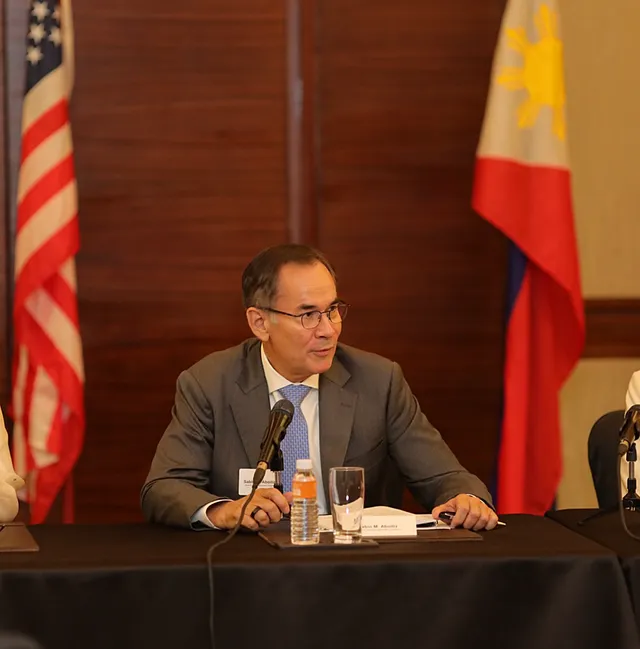
In a high-level meeting in the United States, President Ferdinand R. Marcos Jr. and Aboitiz Group President and CEO Sabin M. Aboitiz met with GIP Chairman and CEO Bayo Ogunlesi.
“This collaboration marks a strong vote of confidence in the Philippines’ future. With global partners like GIP working alongside respected Filipino firms such as Aboitiz, we can build infrastructure that is more resilient, inclusive and forward-looking,” said Marcos.
AIC holds a diversified portfolio of infrastructure assets including significant investments in the aviation sector such as the award-winning Mactan-Cebu International Airport, Laguindingan International Airport and Bohol-Panglao International Airport. Beyond airports, AIC also invests in bulk water supply, economic estates and telecommunication towers—playing a vital role in supporting national development.
“We are honored to explore this opportunity with Global Infrastructure Partners. Our shared vision of modern, world-class infrastructure aligns with the country’s ambitions for progress,” said Aboitiz. “Together, we aim to deliver projects that improve lives and empower communities.”
GIP specializes in investing in, owning and operating some of the largest and most complex assets across the energy, transport, digital infrastructure and water and waste management sectors. With more than $183 billion in assets under management, GIP’s scaled platform and deep operational expertise allow it to be a responsible steward of capital while creating meaningful economic impact in communities around the world.
“We are pleased to have the opportunity to become a strategic partner of the Aboitiz Group,” said Ogunlesi. “The Philippines has compelling growth prospects, which can be further enhanced by developing world-class infrastructure. We look forward to working with our partners at Aboitiz Group to leverage our combined capabilities to deliver best-in-class infrastructure services to the people of the Philippines.”
The parties believe the proposed partnership will combine their expertise and resources to advance essential infrastructure development, ultimately benefiting the Filipino people.
Finalization of the partnership remains subject to definitive agreements, confirmatory due diligence and applicable regulatory approvals.
Construction giant EEI Corporation recently marked its 50th year as a listed company at the Philippine Stock Exchange (PSE). During a bell-ringing ceremony, the PSE recognized the company’s legacy as one of the leading construction firms to participate in the equity markets through its public listing.
“This half a century of our presence in the stock exchange shows our unwavering commitment and our belief in transparent and good governance, a disciplined approach in financial management, and our enduring faith in our financial system in expanding and improving access to capital that supports business enterprises and investments from a broad range of public and institutional investors,” said EEI Corporation President and CEO Henry D. Antonio.
“Going by EEI Corporation's history, I believe the company's endurance and success can be attributed to its strong commitment to its people, a robust corporate governance, strategic partnership, and a resolute focus on infrastructure projects that drive the nation's growth and development,” said PSE Director Edgardo G. Lacson.
“History has shown EEI successfully entering and conquering new industries in the past, and I am firmly confident that it will not only repeat its success; it will reaffirm its enduring strength.”
Founded in 1931, EEI Corporation has been a cornerstone of the country’s construction and engineering sector for 94 years. Over the decades, it has helped shape Philippine infrastructure development and has continuously embraced growth and innovation. The company has since diversified its portfolio and now actively explores opportunities in energy, real estate, and manpower services.
Among its landmark projects are the Metro Manila Subway, the Malolos-Clark Railway, and the Cavitex-CALAX Link. EEI is also set to undertake the PHP 15.7-billion Philippine International Exhibition Center (PIEC) project in Pasay City, expected to become the largest convention center in Southeast Asia.
Antonio said the company looks to the future with a vision to further expand its role in nation-building and in uplifting the lives of millions of Filipinos. The company remains committed to supporting infrastructure, energy, property, and other developments that stimulate economic growth.
As it celebrates this milestone, EEI Corporation reiterates its commitment to serving as a long-standing partner of Filipinos through generations, working together to build a stronger, more sustainable, and resilient Philippines.
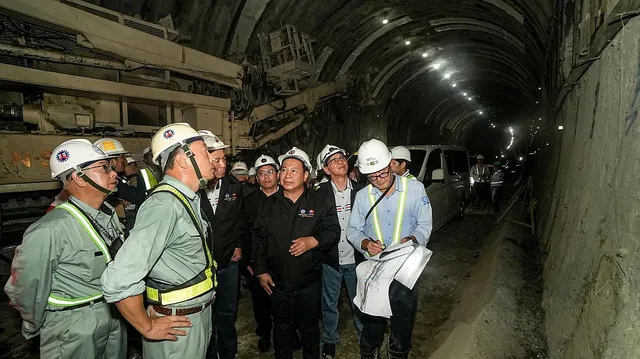
The Department of Public Works and Highways (DPWH) has intensified construction work on the twin-tube mountain tunnels of the 45.5-kilometer Davao City Bypass Construction Project, as excavation of the southbound tunnel nears its breakthrough phase.
In an inspection report to DPWH Secretary Manuel M. Bonoan, Senior Undersecretary Emil K. Sadain noted that while the 2.3-kilometer northbound tunnel — marked by a ceremonial breakthrough in April 2025 — continues to undergo technical refinements, the parallel southbound tunnel is now only about 32 meters from breakthrough, expected in the third quarter of 2025. These refinements are being implemented by the Shimizu–Ulticon–Takenaka Joint Venture in response to evolving ground conditions.
“These intensified measures are designed to ensure ground stability, construction safety and overall project resilience,” Senior Undersecretary Sadain said.
On July 18, 2025, Senior Undersecretary Sadain, along with DPWH Roads Management Cluster 1 - Unified Project Management Office (UPMO-RMC 1) Project Director Benjamin A. Bautista, conducted a site inspection of Contract Package I-1, which includes the twin-tube, two-lane tunnels — a key engineering feature of the entire bypass road.
Joining the inspection were Project Director Rodrigo I. Delos Reyes of the UPMO Bridges Management Cluster, which is currently overseeing the construction of the Samal Island-Davao Connector Bridge and the Bucana (Davao River) Bridge; UPMO Buildings and Special Projects Management Cluster Project Director Soledad R. Florencio; and former UPMO-RMC 1 Project Director Virgilio C. Castillo.
Contract Package I-1, which spans from Sta. 12+800 to Sta. 23+500, has reached 60.64% physical completion, making it one of the most advanced sections of the project to date.
In addition to the twin-tube tunnels, this segment includes a 7.9-kilometer, four-lane road; three pairs of bridges totaling 500 meters in length — including the Davao River Bridge; two underpasses; two overpasses; 12 box culverts; and four at-grade intersections.
The twin tunnels represent a historic milestone as the Philippines’ first long-distance road mountain tunnel system, marking a significant leap in the nation’s infrastructure development.
Once completed, the Davao City Bypass Construction Project — connecting the Davao–Digos section of the Maharlika Highway to the Davao–Agusan National Highway in Panabo City — is expected to significantly enhance regional mobility and substantially reduce travel time between Davao City, Panabo City and nearby areas.
The project is jointly funded by the Government of the Philippines and Japanese Official Development Assistance through Japan International Cooperation Agency (JICA) Loan Agreements PH-P261, PH-P273 and PH-P282.
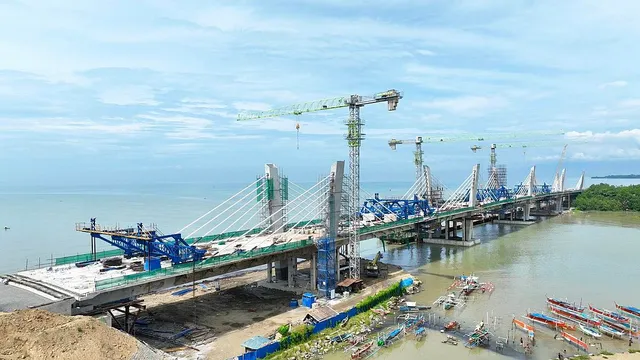
The Department of Public Works and Highways (DPWH) has reached a major milestone in the Bucana (Davao River) Bridge Project in Davao City with the final concrete pouring of the bridge deck slab, signifying the completion of the project’s major structural components.
Senior Undersecretary Emil K. Sadain, who oversees DPWH Infrastructure Flagship Projects under President Ferdinand R. Marcos Jr.’s Build Better More program, led the ceremonial final concrete pouring activity on July 18, 2025, at the segment between Pier 2 and Pier 3—effectively linking the entire bridge structure from Pier 1 to Pier 5.
The Bucana Bridge, also known as the China Aid Localized Project for the Davao River Bridge, is a key component of the Davao City Coastal Road Network. Designed to improve traffic flow and enhance connectivity across the Davao River, the project supports the Marcos administration’s Bagong Pilipinas vision by strengthening infrastructure, promoting regional growth, and improving the daily lives of Filipinos through better mobility.
With a total contract cost of ₱3.126 billion, the project is funded through a China Aid Grant under the Official Development Assistance (ODA) program of the Government of the People’s Republic of China.
In his report to Secretary Manuel M. Bonoan, Senior Undersecretary Sadain said the project remains on track for completion by October 2025.
“This final concrete pour marks a key moment — the physical structure of the bridge is nearly complete. We are looking forward to turning over the fully completed bridge to the public by the last quarter of this year,” said Senior Undersecretary Sadain.
The Bucana Bridge features a four-lane, six-span extradosed design measuring approximately 480 meters in length, with a total project length of 1,340 meters including the approach roads. It will serve as a vital link between Barangays 76-A Bucana and Matina Aplaya, easing congestion in downtown Davao and providing a faster, more efficient route for motorists and commuters.
The installation of stay cables for all piers was completed earlier, on June 26, 2025.
Over the coming months, final works will continue, including pavement finishing, curing, lighting installation, pedestrian railings, and other safety features.
Project implementation is managed by the DPWH Unified Project Management Office (UPMO) – Bridges Management Cluster, under the leadership of Project Director Rodrigo I. Delos Reyes, with Acting Project Manager Norifel Teddie G. Cadiang and Project Engineer John Christian T. Gaden serving as project-in-charge.
Among those who attended the final concrete pouring ceremony were DPWH UPMO Project Directors Benjamin A. Bautista, Soledad R. Florencio, and Rodrigo I. Delos Reyes; Stakeholders Relations Service Director Randy R. Del Rosario; former Project Director Virgilio C. Castillo; Project Managers Shirley Castro and Lydia Barsolaso from the Office of the Senior Undersecretary; and other staff from the DPWH UPMO Operations.
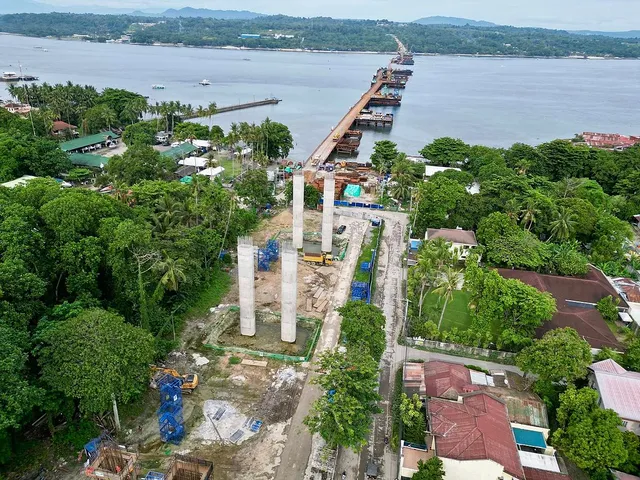
The construction of the Samal Island–Davao City Connector (SIDC) Bridge, a flagship infrastructure project of the national government, has reached the 40% completion mark, according to a recent progress report by Senior Undersecretary Emil K. Sadain to Department of Public Works and Highways (DPWH) Secretary Manuel M. Bonoan.
This milestone reflects the government’s commitment under President Ferdinand R. Marcos Jr.'s administration to deliver inclusive, climate-resilient infrastructure that enhances regional connectivity and promotes economic growth under the Bagong Pilipinas initiative.
With its wide-reaching impact, the project enjoys strong support from the Regional Development Council of the Davao Region, the Provincial Government of Davao del Norte, and the local governments of Davao City and the Island Garden City of Samal.
During a site inspection on July 18, 2025, Senior Undersecretary Sadain reaffirmed the DPWH’s commitment to upholding the highest standards of quality, safety, and environmental stewardship in constructing the bridge.
Among those present during the inspection were UPMO Project Directors Rodrigo I. Delos Reyes, Benjamin A. Bautista, and Soledad R. Florencio; former Project Director Virgilio C. Castillo; Project Managers Shirley Castro and Lydia Barsolaso from the Office of the Senior Undersecretary; the DPWH UPMO Bridges Management Cluster SIDC Project Team led by Project Managers Joweto V. Tulaylay and Najar S. Imbin, Project Engineer John Christian T. Gaden, and Materials Engineer Avylmar M. Manio; Engr. Norifel Teddie G. Cadiang; and other UPMO project personnel.
The SIDC Bridge is designed as a four-lane, toll-free extradosed bridge spanning 4.76 kilometers, directly linking the northeastern part of Davao City to the northwestern section of Samal Island. It connects the R. Castillo–Daang Maharlika Junction in Davao City to the Samal Circumferential Road, with landing points located in Barangay Vicente Hizon Sr., Davao City, and Barangay Limao, Samal Island.
Once operational, the SIDC Bridge is expected to accommodate up to 25,000 vehicles daily, significantly improving mobility between Davao City and Samal Island. Travel time across the Davao Gulf will be reduced from 55 minutes by ferry to just 4.5 minutes, greatly easing dependence on ferry services for residents, commuters, and tourists.
According to Senior Undersecretary Sadain, the bridge incorporates marine and land viaducts, approach roads, ramps, and a main bridge span designed to support both road and maritime transport.
The main bridge, an extradosed span measuring 275 meters, will feature a 47-meter vertical navigation clearance, ensuring safe passage for maritime vessels. It will also include two pylons rising 77 meters above mean sea level—the maximum allowable height set by the Civil Aviation Authority of the Philippines (CAAP) due to the bridge’s proximity to Francisco Bangoy International Airport.
Other structural components of the SIDC Bridge include a 477.5-meter western marine viaduct, a 570-meter land viaduct, a 1,320.33-meter interchange ramp, and an 806.91-meter approach road on the Davao City side; and a 637.5-meter eastern marine viaduct, a 395-meter land viaduct, and a 280-meter approach road on the Samal Island side.
Senior Undersecretary Sadain emphasized that environmental safeguards have been central to the bridge’s construction, particularly in protecting the marine ecosystems of the Pakiputan Strait. A comprehensive environmental assessment guided the project’s alignment and design to minimize impacts on marine biodiversity and water flow.
“To maintain water quality during the construction of bridge columns and foundations, silt curtains and sediment control measures have been deployed. Construction practices follow environmental best practices, including the immediate removal of debris or concrete waste from marine areas,” said Senior Undersecretary Sadain.
The bridge’s design also allows for unimpeded longshore currents and ensures the free circulation of seawater, helping maintain the ecological balance of the strait.
DPWH is working closely with the Department of Environment and Natural Resources (DENR), whose teams conduct diving assessments to monitor seagrass beds, shallow waters, marine protected areas, and deep-water zones affected by construction activities.
More than just a physical link, the SIDC Bridge represents a long-term investment in regional development, mobility, and sustainability—connecting communities, creating opportunities, and supporting the government’s vision for inclusive growth under Bagong Pilipinas.
Advancing Green skills for Sustainable Industries in the Philippines
Over 120 prominent stakeholders from government, industry, and academia gathered at the Fairmont Makati on July 9, 2025, for the "Green Jobs Forum: Sustainability at Work."
Hosted by the German-Philippine Chamber of Commerce and Industry (GPCCI) in partnership with the German Embassy Manila, this event is part of the sustainable development forums on Climate Talk Series.
The forum served as an essential platform for discussions on the importance of green jobs in advancing the Philippines’ sustainable development goals. It also talked about integrating environmental sustainability into economic growth strategies and workforce development across the archipelago.
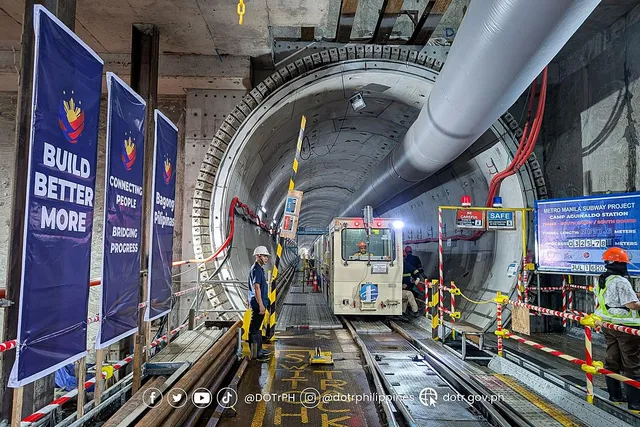
President Ferdinand “Bongbong” Marcos Jr. has ordered the accelerated construction of the Metro Manila Subway Project (MMSP), particularly the segment stretching from Valenzuela City to Camp Aguinaldo Station, aiming to make the country’s first underground rail line operational by 2028.
During an inspection of the Camp Aguinaldo Station site, Marcos emphasized the need to fast-track the project to provide immediate relief to Filipino commuters burdened by worsening traffic congestion in Metro Manila.
“We’re pushing to complete this segment up to Valenzuela by 2028. Hopefully, we can inaugurate it by then,” the President said in Filipino. “Everyone agrees — this must be done faster to make daily commuting more bearable.”
The President also expressed gratitude to the government of Japan for its ongoing assistance in the construction of the subway, which is largely funded through official development assistance (ODA) loans from the Japan International Cooperation Agency (JICA).
The Department of Transportation (DOTr), under the directive of President Marcos, will coordinate closely with the project’s contractors to speed up completion.
“As the President pointed out, this segment will offer significant relief once operational. It will ease the daily commute for hundreds of thousands of Filipinos,” said Transportation Secretary Vince Dizon said in Filipino. “We’re working closely with the contractor to meet the deadline and fulfill the President’s vision.”
Once operational, the Metro Manila Subway is expected to reduce travel time between Valenzuela City and Camp Aguinaldo from the current 90 minutes to just 45 minutes. The full subway line is projected to serve an estimated 519,000 passengers per day.
The 33-kilometer subway will connect key areas in Metro Manila, with 17 stations from Valenzuela to the Ninoy Aquino International Airport Terminal 3. The project is seen as a cornerstone of the administration’s “Build Better More” infrastructure program, which aims to modernize public transportation and decongest urban roads.
Construction of the Camp Aguinaldo Station is one of several ongoing civil works packages under the MMSP. The DOTr has also announced plans to begin trial runs of select segments before full operations in 2028.
The Metro Manila Subway, touted as the "project of the century" for Philippine transport infrastructure, broke ground in 2019 and has faced multiple delays due to the pandemic, right-of-way issues, and logistical constraints. However, the Marcos administration has reaffirmed its commitment to seeing the project through.
“Our goal is to deliver a modern, efficient, and reliable transportation system for Filipinos — one that keeps pace with the demands of a growing population and economy,” Marcos said.
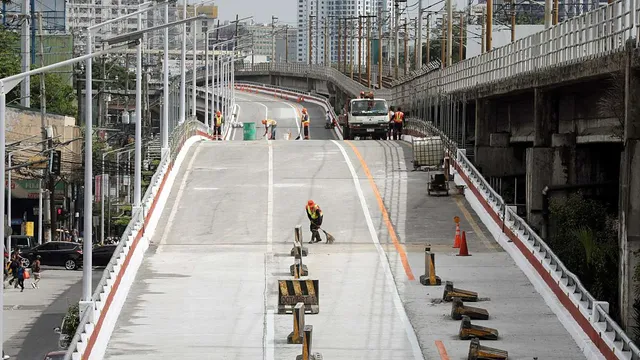
A group of technical experts from DPWH’s Technical Services Division conducted a study to determine the stability of the Kamuning Flyover. They reported their findings through an academic paper that they presented last year in December during the GeoCon 2024.
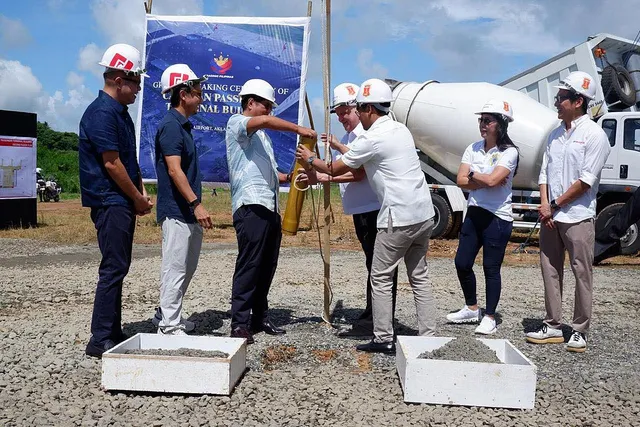
President Ferdinand R. Marcos Jr. led the groundbreaking ceremony for the new passenger terminal building of the Caticlan Airport on Monday— strengthening the government’s commitment to building infrastructure that boosts the economy and enhances travel experience.
The chief executive said the construction for the new terminal will be completed within 24 months by Megawide Construction Corporation.
"The influx of people and travellers is going to be a big boost to the local and national economy. Tourism right now contributes close to 8% to our GDP and that is something we want to increase and that is why these projects that we have are also important,” the President said.
Department of Transportation (DOTr) Secretary Vince Dizon also emphasized the importance of the government’s collaboration with the private sector to improve transport infrastructure in the country.
“Napaka-importante ng Public-Private Partnership (PPP) dahil talagang nama-maximize natin ‘yung potential ng mga transport infrastructure na magbibigay ng malaking ginhawa sa mga kababayan natin. Kaya nagpapasalamat tayo sa San Miguel Corporation, na nag-commit na tatapusin itong bagong terminal building sa 2027,” Dizon said.
Caticlan Airport, the main gateway to tourist hotspot Boracay, is the fourth busiest airport in the Philippines, handling over three million passengers in 2024 alone. Once completed by 2027, the new terminal will be able to support seven million passengers annually.
“Through this project, Boracay will strengthen its position as a premier destination while boosting the tourism economy and improving travel comfort for both domestic and international passengers,” Secretary Dizon said.
The new Caticlan Airport terminal will have modern facilities to ensure efficient passenger flow, comfort and safety. These include enhanced check-in counters, security screening areas, baggage handling systems, and improved boarding gates to minimize queue and waiting times.
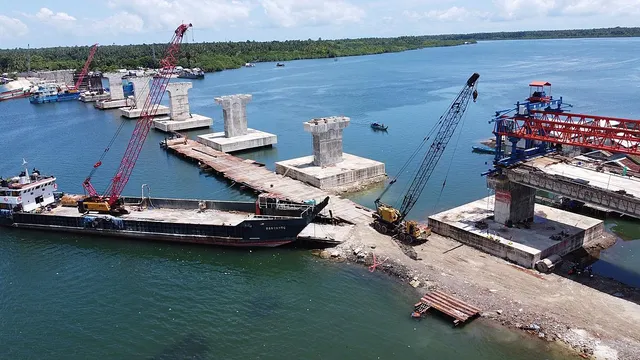
The Department of Public Works and Highways (DPWH) is fast-tracking the construction of the Guicam Bridge Project, a major inter-island connectivity initiative in Zamboanga Sibugay Province. The bridge forms part of the Build Better More infrastructure program and aligns with the Bagong Pilipinas vision of President Ferdinand R. Marcos Jr. for inclusive and sustainable national development.
A key component of the Improving Growth Corridors in Mindanao Road Sector Project (IGCMRSP), the ₱1.155 billion bridge is financed by the Asian Development Bank. Once completed, it will connect Olutanga Island to the mainland through the municipality of Alicia, boosting mobility, trade, and economic integration across the Zamboanga Peninsula.
In a project update to DPWH Secretary Manuel M. Bonoan, Senior Undersecretary Emil K. Sadain reported that the Guicam Bridge has reached 87.90% completion. Major foundation work is finished, including the installation of 115 bored piles—99 offshore piles measuring 2.2 meters in diameter and 16 land-based piles at 1.2 meters in diameter.
During a site inspection on July 4, Sadain, who oversees flagship infrastructure projects for the agency, directed contractor Grace Construction Corp., in joint venture with Tianyuan Construction Group Corp., and project supervision consultant Renardet S.A. Consulting Engineers, to intensify girder installation and concrete works. He was joined by DPWH UPMO-Roads Management Cluster II Project Director Teresita V. Bauzon, Stakeholders Relations Service Director Randy R. Del Rosario, UPMO project managers Evangeline L. Carabal and Emmanuel M. Supe, and Project Engineer Barley H. Sali. Former project director Sharif Madsmo H. Hasim also attended and shared his technical insights.
Work is now focused on superstructure development, particularly girder launching and deck slab concreting. According to DPWH, four girders have been launched at Span 1 (Abutment A to Pier 1), with the corresponding deck slab already completed. Of 48 girders, 40 have been fabricated, and 36 have undergone stressing and grouting.
Retaining wall and embankment construction is underway on Approach B (Olutanga Island side), while portland cement concrete paving and line canal works are progressing on Approach A (mainland side).
The Guicam Bridge spans 540.80 meters over the Canalizo Strait and consists of 12 spans of Type VI prestressed concrete girders. It includes 389.60 meters of approach roads on the mainland side and 277.62 meters on the island side. To support maritime navigation, the bridge is designed with a clearance of 14.80 meters in height and 24 meters in width.
“Once completed, the bridge is expected to significantly reduce travel time, enhance regional logistics, and strengthen inter-island connectivity and access to essential services across southwestern Mindanao—contributing to an improved quality of life and driving inclusive growth,” Sadain said.
Follow on LinkedIn:
Philippine Resources Journal
Be the "First" to get our exclusive Digital Magazine & Weekly Newsletter.