

October 14, 2024

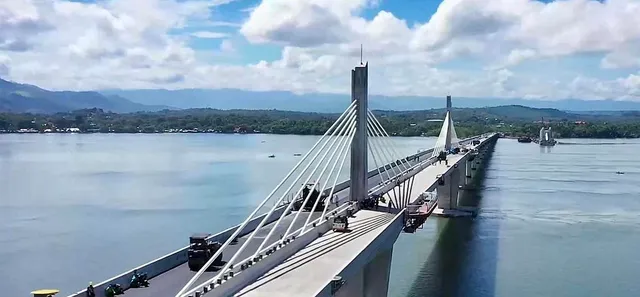
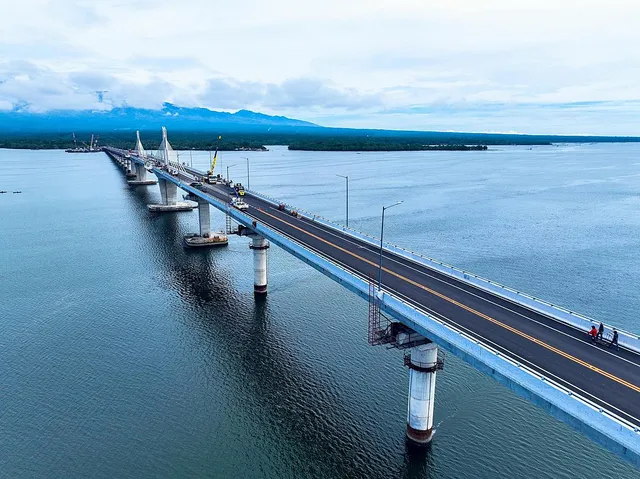
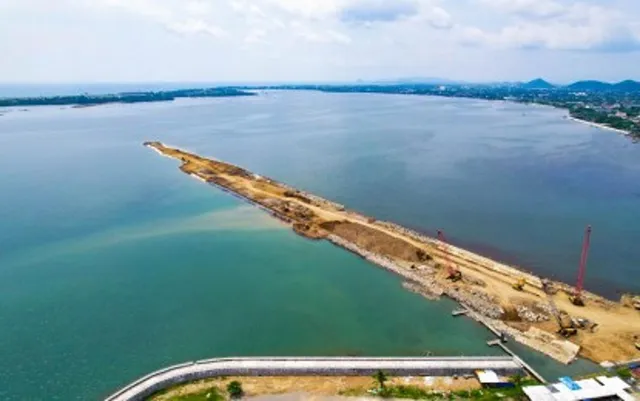
The Department of Public Works and Highways (DPWH) announced significant progress in the highly anticipated Samal Island-Davao City Connector (SIDC) Project, with advancements in the on-going bored piling works for the foundation that will eventually support the project superstructure.

In a site inspection report to DPWH Secretary Manuel M. Bonoan, Senior Undersecretary Emil K. Sadain shared that bored piling works for foundation of the land and marine viaducts as well as the main navigation bridge to connect the Island Garden City of Samal (IGaCoS) to Davao City are advancing at a commendable pace.

To date, all 74 bored piles required for the Samal Island land viaduct structure have been completed while 48 of the 104 required bored piles have also been finished on the Davao City side.

“We are pleased to see commendable progress achieved so far. Despite the numerous logistical and technical challenges we face particularly due to the depth of the seabed, we remain on track to deliver this iconic bridge project by 2028. Our team continues to push forward, ensuring that the vision for this scenic and transformative infrastructure becomes a reality,” said Senior Undersecretary Sadain.

Implemented by the Unified Project Management Office - Bridges Management Cluster (UPMO-BMC) under the direct supervision of Senior Undersecretary Sadain as in-charge of DPWH infrastructure flagship projects and Project Director Rodrigo I. Delos Reyes, the 4.01-kilometer SIDC Project is under design-and-build contractor China Road and Bridge Corporation.

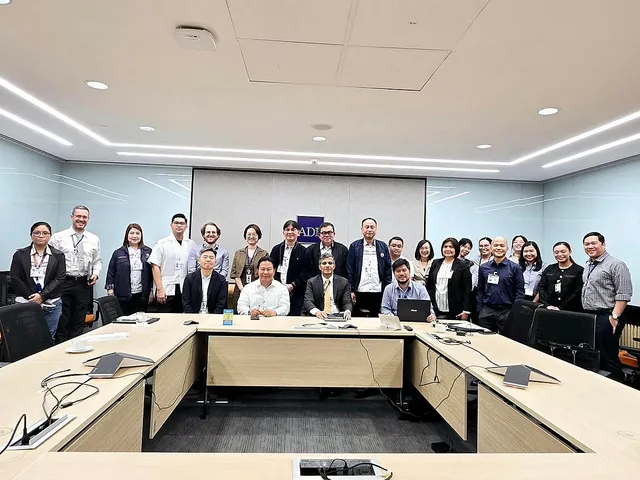
During an inspection on October 11, 2024 to review the ongoing works and ensure coordinated plans for the next stages of the project, Senior Undersecretary Sadain was joined by UPMO-BMC Project Director Delos Reyes, UPMO Roads Management Cluster 1 Project Director Benjamin A. Bautista, Stakeholders Relations Service Director Randy R. Del Rosario, Project Managers Joweto V. Tulaylay and Najar S. Imbin, Acting Project Manager Norifel Teddie G. Cadiang, and Project Engineer John Christian T. Gaden.

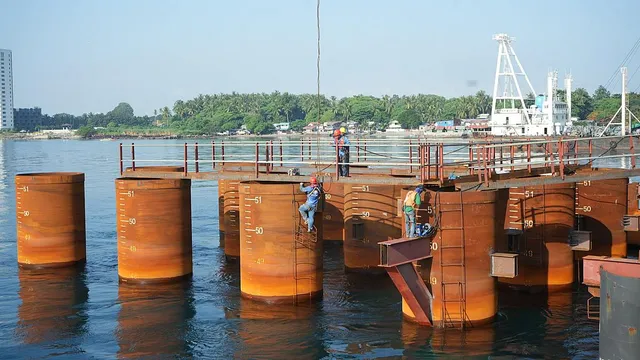
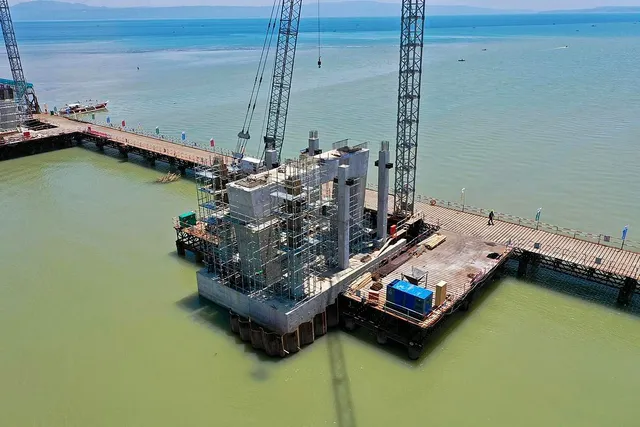
In preparation for construction over the water, craneways on both sides of the project at Samal and Davao City have been completed. Ongoing works include the installation of permanent casings and platforms for the marine viaduct and main navigation bridge sections.

Meanwhile, the project’s detailed engineering design (DED) is now 97.9% complete following the recent approvals by DPWH Bureau of Design for key elements of the substructure and superstructure, bringing the design phase closer to finalization. The remaining design components, which include ramp sections and various ancillary structures like traffic safety facilities are currently under review.

Targetted to open to traffic within the term of President Ferdinand R. Marcos Jr. as a significant milestone in the government’s “Build, Better, More” program, the bridge will stand as a pioneering feat of modern engineering, designed to accommodate future growth in Mindanao.

The SIDC bridge will span the Pakiputan Strait with an impressive extradosed main bridge, featuring a 275-meter main span and a vertical navigation clearance of 47 meters. Two (2) pylons, each rising 73 meters above sea level, will support the bridge’s main section, allowing maritime traffic to pass beneath. The marine crossing itself will cover approximately 1.62 kilometers, reaching a maximum seabed depth of 40 meters.

This ambitious infrastructure project, funded through Official Development Assistance (ODA) under a Government Concessional Loan from China, has an estimated total cost of P23.52 billion.

October 14, 2024

The construction of the 1.34-kilometer Davao River (Bucana) Bridge by the Department of Public Works and Highways (DPWH) is progressing steadily, with civil works now more than halfway completed, less than a year after the project began in November 2023.

In his inspection report to DPWH Secretary Manuel M. Bonoan, Senior Undersecretary Emil K. Sadain said that civil works are showing substantial developments with accomplishment status now reaching 53.76% and anticipated to open to traffic before the end of 2025.

According to Senior Undersecretary Sadain, the recent progress in the Bucana Bridge project demonstrates the unyielding hardwork and commitment of DPWH in fulfilling the goals and vision of this iconic infrastructure in Davao City which will greatly contribute to reinforcing an advanced and sustainable national road network of the country.

Presently, the four (4)-lane six (6)-span extradosed bridge and its approach roads crossing the Davao River have reached significant milestones in the foundation works, pouring of pylon for pier 1, installation of form travellers in preparation for the superstructure, and among others.

Implemented by DPWH Unified Project Management Office - Bridges Management Cluster (UPMO-BMC) headed by Project Director Rodrigo I. Delos Reyes with Acting Project Manager Norifel Teddie G. Cadiang and Project Engineer John Christian T. Gaden, the Bucana Bridge along the Davao City Coastal Road, will serve as an alternate route for the growing number of vehicles to the existing urban road network of Davao City.

Also present during the inspection on October 11, 2024 are DPWH UPMO-BMC Project Director Delos Reyes, UPMO Roads Management Cluster 1 Project Director Benjamin A. Bautista, Stakeholders Relations Service Director Randy R. Del Rosario, and Project Manager Joweto V. Tulaylay.

The Bucana Bridge features advanced structural components and engineering innovations, that is poised to provide an efficient transportation link in Davao City, also serving as an integral part of the coastal bypass road traversing from Roxas Avenue to Bago Aplaya.

Funded by China Aid-Grant, the project is under contract with China Road and Bridge Corporation (CRBC) in the amount of ₱3.126 Billion.

The completion of this project will further boost new economic and development opportunities in Davao City.

October 14, 2024

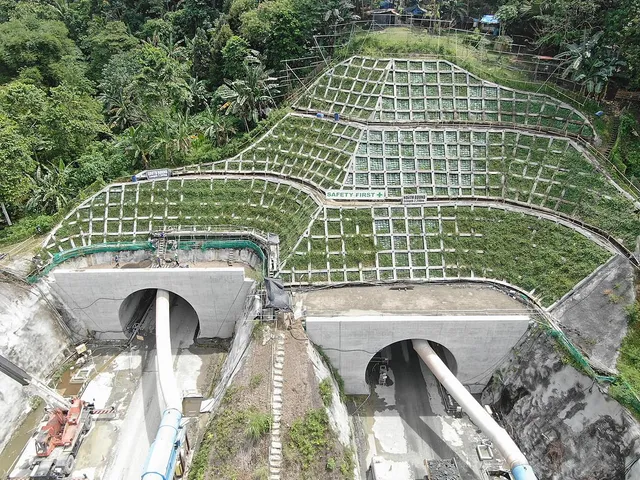
The Department of Public Works and Highways (DPWH) continues to make significant progress on the Davao City Bypass Construction Project (DCBCP), particularly in the development of the 2.3-kilometer twin mountain road tunnel, a key feature of the 45.62-kilometer four-lane bypass road that spans from Barangay Sirawan, Toril, Davao City, to Barangay J.P. Laurel, Panabo City.

DPWH Senior Undersecretary Emil K. Sadain, in his inspection report to Secretary Manuel M. Bonoan, noted that the concreting of the tunnel invert lining is now 75.76% complete or about 1,697 lineal meters on the northbound tunnel and 74.12% or 1,667 lineal meters on the southbound tunnel.

Tunnel excavation works are also progressing rapidly, with the northbound tunnel 87.72% excavated (1,965 meters), leaving just 275 meters to go. The southbound tunnel is currently at 78.30% (1,761 meters), with 488 meters remaining.

During the inspection at Contract Package (CP) I-1 on October 11, 2024, Senior Undersecretary Sadain was joined by DPWH Unified Project Management Office-Roads Management Cluster (UPMO-RMC 1) Project Director Benjamin A. Bautista, UPMO Bridges Management Cluster Project Director Rodrigo I. Delos Reyes, and Stakeholders Relations Service Director Randy R. Del Rosario.

CP I-1, which covers a 10.7-kilometer stretch from Mintal Road Intersection (Sta. 12+800) to Mandug Road Intersection (Sta. 23+500), is now 53.52% complete, with full completion expected by the second quarter of 2025.

The ongoing progress reflects the dedication of the UPMO-RMC 1 team, led by Project Director Bautista, along with Project Managers Joselito B. Reyes, Lope M. Pajarillaga Jr., and Ricarte Mañalac, as well as Engineers Juan M. Diña Jr. and Earl Nicholas F. Rada.

DPWH UPMO-RMC 1, in partnership with the CP I-1 civil works contractor Shimizu-Ulticon-Takenaka joint venture and project management consultants Nippon Koei, Katahira, Nippon Engineering, and Philkoei, is utilizing advanced engineering techniques to accelerate civil works, positioning the project as one of the most innovative road infrastructure developments in the Philippines.

“We are encouraged by the progress in CP I-1, and we remain optimistic about meeting our targets. Once completed, the Davao City Bypass will be a pioneering infrastructure that will boost economic growth and enhance livelihood opportunities in Davao City,” said Senior Undersecretary Sadain.

Funded through a loan agreement between the Philippine government and the Japan International Cooperation Agency (JICA), the ₱13.23-billion CP I-1 l also covers the construction of 7.9-kilometer four (4)-lane road, three (3) pairs of bridges spanning more than 500 meters in total, two (2) underpasses, two (2) overpasses, and four (4) at-grade intersections.

Despite legal challenges and weather disruptions, the DPWH remains proactive in addressing issues, ensuring the project stays on track with strategic interventions.

Once completed, the Davao City Bypass Road will cut travel time between Barangay Sirawan in Toril and Barangay J.P. Laurel in Panabo City from 1 hour and 44 minutes via the Pan-Philippine Highway Diversion Road to just 49 minutes, greatly alleviating traffic congestion in Davao City.

October 14, 2024

Finance Secretary Ralph Recto and Korea's Deputy Prime Minister and Minister of Economy and Finance Choi Sang-mok recently signed agreements for the financing of three big infrastructure projects that will enhance mobility and support economic development in Luzon and the Visayas.

In a statement on Wednesday, the DOF said the agreements were signed in Malacañang Palace on Oct. 7 and was witnessed by President Ferdinand R. Marcos Jr. and South Korean President Yoon Suk Yeol, who was on a state visit to the Philippines.

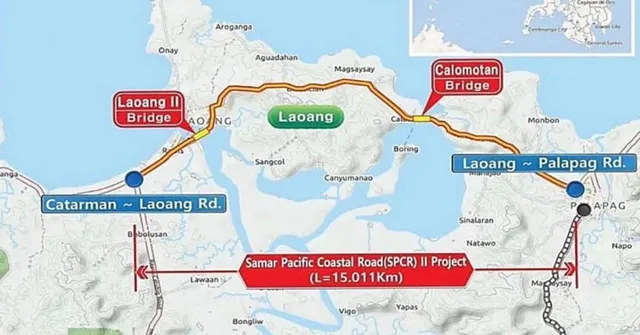
Among the projects sealed was the PHP6.34 billion financing agreement for the Samar Pacific Coastal Road II Project, supported by the Export-Import Bank of Korea - Economic Development Cooperation Fund (KEXIM-EDCF).

The project aims to provide a seamless connection for people and goods being transported between Laoang Island and Samar mainland.

It comprises two marine bridges – the Laoang II Bridge and Calamotan Bridge – and the improvement of 15.01 km. of existing roads.

Once completed in 2029, the project will reduce travel time from Laoang to Palapag in Northern Samar to 19 minutes from the current 65 minutes.

The DOF said a memorandum of understanding (MOU) was also signed and exchanged for the Laguna Lakeshore Road Network Project Phase 1 (Stage 1) and the Panay-Guimaras-Negros Island Bridges Project.

The MOU serves as a document for the cooperation between the two governments relating to the prospective financing of the two projects.

With a total project cost of PHP181.03 billion, Phase I of the proposed Laguna Lakeshore Road Network Project covers a 37.6-km. viaduct and embankment from Lower Bicutan, Taguig City to Calamba, Laguna.

The amount will also be used to construct eight interchanges proposed to connect municipal boundaries to the nearest public road along Lower Bicutan, Sucat, Alabang, Tunasan, San Pedro/Biñan, Santa Rosa, Cabuyao, and Calamba.

Once completed in 2028, the project will reduce travel time from Filinvest to Lower Bicutan to just 13.7 minutes from 33.5 minutes.

The DOF said KEXIM-EDCF would support Stage 1 of the project amounting to about PHP50.61 billion, with co-financing from the Asian Development Bank and the Asian Infrastructure Investment Bank.

The interisland bridges project in Western Visayas, meanwhile, involves the construction of two sea-crossing, four-lane bridges spanning 32.47 km. combined, including connecting roads and interchanges, which will link the islands of Panay, Guimaras, and Negros.

Once the interlink bridges are completed in 2031, the travel time of commuters, motorists, and transport of goods from Panay to Negros Islands through ferries or Ro-Ro (roll-on/roll of) will be shortened from 3 hours to 4 hours to just less than 1 hour.

With a total project cost of PHP187.54 billion, the KEXIM-EDCF is financing the conduct of the Engineering Service or Detailed Engineering Design for the project under a PHP3.21 billion financing signed on April 10, 2022.

The Detailed Engineering Design is expected to be completed in 2025.

“These projects are a testament to the strong friendship between the Philippines and South Korea. Beyond enhancing mobility, they will create jobs, spur businesses, boost incomes, and uplift Filipino lives, helping reduce poverty, especially in Luzon and Visayas,” Recto said during the ceremonial exchange of agreements for the projects.

South Korea is the Philippines’ sixth largest official development assistance partner with loan and grant commitments amounting to about USD958.11 million or about PHP54.33 billion.

October 14, 2024

The Department of Budget and Management (DBM) on Wednesday expressed optimism about more private investments in the development of the infrastructure sector.

This, as the DBM acknowledged that the proposed PHP1.507 trillion infrastructure spending for 2025 is still up for Congress' deliberation.

“For FY (fiscal year) 2025, the proposed infrastructure budget amounts to P1.507 trillion, which is still subject to the wisdom of Congress as they deliberate on the budget,” the DBM said in a statement.

“While this is 0.3 percent lower than this year’s infrastructure budget of PHP1.510 trillion, the National Government anticipates that this will be bolstered by the increase in private sector investments through the recent enactment of the Public-Private Partnership (PPP) Code and the issuance of its Implementing Rules and Regulations (IRR),” it added.

The DBM noted that to date, the bulk of the PPP projects in the pipeline are “infrastructure-related” and amount to PHP3.183 trillion.

It said the allocation for infrastructure development aims to continue increasing access to basic services, strengthening industry linkages, and expanding connectivity nationwide through programs, activities, and projects in the infrastructure, transportation, and digital sectors.

“These include the construction of various infrastructure projects, such as road networks, flood control projects, seaports, development of LGUs, buildings, irrigation systems, school buildings, hospital and health centers, water supply systems, airport systems, right-of-way acquisitions, power supply systems, housing and community facilities, railway systems, and reforestation projects,” the DBM said.

Budget Secretary Amenah Pangandaman said infrastructure development through the Build-Better-More Program remains among the key priorities of the Marcos administration, stressing that this year’s allocation for infrastructure outlays is higher by 13.5 percent compared to the PHP1.33 trillion earmarked last year.

“This is consistent with our Medium Term Fiscal Framework to achieve our growth targets, and is well within the National Government’s target for infrastructure spending at 5 to 6 percent of GDP (gross domestic product),” Pangandaman said.

The DBM said appropriations on Infrastructure Outlay continue to ascend year by year, from PHP989.3 billion in 2020, PHP1.074 trillion in 2021, PGP1.178 trillion in 2022, PHP1.330 trillion in 2023, and PHP1.510 trillion in 2024.

October 14, 2024

The Northern Samar provincial government has welcomed the recent loan agreement on the USD111.43 million (about PHP6.34 billion) Samar Pacific Coastal Road 2 (SPCR 2) project between the Philippine government and the Export-Import Bank of Korea.

The signing on October 7, Gov. Edwin Ongchuan said, marks the start of the long-time dream of the province for the Talisay-Laoang Bridge (Laoang Bridge 2) and Calomotan-Pangpang Bridge (Laoang Bridge 3) under the SPCR 2 project.

SPCR 2 covers the construction of two major bridges to complete the connectivity of the Pacific towns to Laoang town and the rest of Samar island.

“The project aims to provide a seamless connection for the people and goods between Laoang Island and the Samar mainland and contribute to the growth of the province of Northern Samar,” Ongchuan said in a statement on Friday.

Once completed in 2029, the project will cut travel time from Laoang to Palapag towns to 19 minutes from the current 65 minutes, he said.

“We have relentlessly pushed for this project at the national level under my term in the 19th Congress, as this will increase the economic development of Northern Samar’s 2nd district,” Rep. Harris Ongchuan said in a separate statement.

The Export-Import Bank of Korea supported the construction of SPCR 1, also called the Simora-Palapag Road, which has only been inaugurated this year, through a loan agreement.

On July 14, 2023, President Ferdinand R. Marcos Jr. led the inauguration of the Korean-funded SPCR 1 project in Northern Samar, completed after five years of construction.

The President approved the local government’s request for the inclusion of the SPCR 2 project during the 7th National Economic and Development Authority Board Meeting at Malacañang on July 19 this year.

The provincial government sees the SPCR 2 project as a key to eradicating insurgency, enhancing connectivity, stimulating economic growth, and unlocking the full potential of the province’s tourism sector. 

September 30, 2024

The 3.17-kilometer Panguil Bay Bridge Project (PBBP) of the Department of Public Works and Highways (DPWH) was officially opened Friday, September 27, 2024, promising to enhance connectivity and drive economic progress in Mindanao.

President Ferdinand R. Marcos Jr. with First Lady Maria Louise “Liza” Araneta-Marcos joined by Secretary Manuel M. Bonoan, Korean Ambassador to the Philippines Lee Sang-Hwa, and DPWH Senior Undersecretary Emil K. Sadain led the inauguration of the milestone project, now recognized as the longest sea-crossing bridge in Mindanao.

Also present at the inauguration ceremony of PBBP poised to bring transformative growth and development in the Mindanao Region are Office of the Presidential Advisor on Peace, Reconciliation and Unity (OPAPRU) Secretary Carlito G. Galvez Jr., Department of National Defense (DND) Secretary Gilbert Teodoro, Korea Export-Import Bank (KEXIM Bank) Director General Cho In-Kyo, Lanao del Norte Governor Imelda Q. Dimaporo, Misamis Occidental Governor Henry S. Oaminal, and other government officials.

Implemented by DPWH Unified Project Management Office - Roads Management Cluster II (Multilateral) under direct supervision of Senior Undersecretary Sadain together with former Project Director Sharif Madsmo H. Hasim and now by Project Director Teresita V. Bauzon, the P8.026-billion project was carried out through a loan agreement funding signed in 2016 between the Government of the Philippines and Korean Export-Import Bank - Economic Development Cooperation Fund (KEDCF) under Loan Agreement No. PHL-18.

The project began with a pre-feasibility study in 1998 followed with several feasibility assessments and comprehensive business case study to ultimately secure National Economic and Development Authority (NEDA) Board approval in May 2015, reinforcing commitment to this transformative infrastructure initiative to connect Lanao del Norte and Misamis Occidental in Northern Mindanao.

The following years involved careful planning, multiple approvals, and adjustments until it reached the procurement phase in 2018, with bids evaluated and contracts signed in November 2019.

The landmark infrastructure which crosses Panguil Bay and directly connects Misamis Occidental via Tangub City and Lanao del Norte via Tubod town, was meticulously designed using extensive geotechnical surveys.

Actual work on the design and build of Panguil Bay Bridge started on February 28, 2020, but soon faced delays from the pandemic and budget constraints. However, with the administration's commitment to “Build Better More” and faster infrastructure development program and with resolved and determination, the construction was pushed through without let up.

The project used advanced Korean bridge technology. This included reverse circulation drilling on barges to create boreholes and launching of thick permanent steel casings using revolving crane barges and vibro pile hammers. Additionally, two (2) land and sea-based batching plants supplied ready-mixed concrete for the project.

The bridge features 54 board piles for 32 piers, ensuring a solid foundation capable of supporting the mega structure that carry 2-lane, 2-way traffic with carriageway width of 13 meters.

The project includes a 360-meter approach road leading to a 1,020-meter approach bridge on the Tangub City side, alongside a 569-meter approach road connecting to a 900-meter approach bridge on the Tubod side. Both approaches were built using pre-stressed concrete box girders through an incremental launching method.

Its world-class design features an extra-dosed main bridge, with 320-meter central span, supported by two (2) pylons standing 20 meters tall, anchored by six (6) cable stays, and complemented by a lighting system, providing structural support and enhancing bridge aesthetics and safety for nighttime travel.

The completion of Panguil Bay Bridge marks the dawn of a new era in Philippine infrastructure development. It is a gamechanger, significantly reducing travel time between Misamis Occidental and Lanao del Norte to just seven (7) minutes from 2 to 2 and a half hours via Roll-On, Roll Off (RoRo) vessels from Ozamiz to Mucas in Lanao Del Norte or circuitous routes via Tangub-Molave-Tubod or Tangub-Kapatagan-Tubod with over a distance of 100 kilometers.

September 23, 2024

The national government has allotted PHP2.8 billion for the construction of the Tacloban causeway project that will provide a shorter route from the city’s downtown to the airport, the Department of Public Works and Highways (DPWH) said on Friday.

DPWH-Eastern Visayas Director Edgar Tabacon said the civil works have an accomplishment rate of 9.66 percent as of this month using the appropriations in 2022 and 2024.

The budget will allow the DPWH to build a 1.43-kilometer portion of the 2.56-kilometer causeway from the city’s Magsaysay Boulevard to the airport complex, crossing the Cancabato Bay.

“The vision is not just to build infrastructure, but to build structures that will draw tourists and investments to the city,” Tabacon said.

The official is upbeat that the remaining PHP1.99 billion budget requirement will be allocated in 2025 and 2026, as committed by the House of Representatives.

The first of its kind in Eastern Visayas, the causeway will serve as an alternate route for motorists from the city’s commercial district going to the airport, reducing distance, travel time, and vehicle operating costs.

This project involves the construction of a four-lane road embankment that spans about 2.56 kilometers with a bridge at the center. It will also feature separate bike lanes, concrete canals, sidewalks, as well as wave deflectors on both sides.

The causeway will cross Cancabato Bay starting at the city hall complex on Magsaysay Boulevard up to the Kataisan point of the Tacloban Airport in the city’s San Jose District.

Travel time will be reduced to only 10 minutes from the current 45 minutes.

The structure will complement the future new airport terminal building designed to accommodate international flights.

Aside from being an alternative highway, the causeway will also shield communities from destructive waves.

September 16, 2024

Department of Public Works and Highways (DPWH) Secretary Manuel M. Bonoan, together with Senior Undersecretary Emil K. Sadain, led the Philippine government delegation at the Business Matching Event organized by the Japan International Cooperation Agency (JICA) Philippines Office.

The event, held on September 13, 2024 at Dusit Thani Hotel, Makati City, brought together key Philippine government and JICA officials and representatives from Japanese companies to explore collaboration opportunities.

In his message, Secretary Bonoan convey deepest gratitude to JICA Philippines Office Chief Representative Takema Sakamoto for inviting in the event and for the invaluable support extended to finance several infrastructure flagship projects of DPWH that are aligned with the “Build Better More” agenda of the President Ferdinand R. Marcos, Jr. administration..

JICA-financed projects not only transform the country’s infrastructure landscape but also foster stronger bilateral relations between the Philippines and Japan, said Secretary Bonoan.

JICA remains a major partner in the Philippines’ infrastructure development, acting as the principal financier of several Official Development Assistance (ODA) projects.

During a media interview at the event with JICA Philippines Chief Representative Sakamoto, Senior Undersecretary Sadain, who heads the DPWH Unified Project Management Office (UPMO) operations overseeing large-scale infrastructure projects funded through ODA, highlighted the significant progress of several ongoing and recently completed JICA-financed initiatives such as road networks, bridges, and flood control facilities aimed at enhancing national infrastructure.

These include the Arterial Road Bypass Project in Bulacan, Flood Risk Management Project for the Cagayan de Oro River, Central Luzon Link Expressway, Pasig-Marikina River Channel Improvement Project (Phase IV), Cavite Industrial Area Flood Management Program, and Davao City Bypass Construction Project, among others.

Pre-construction projects include the Metro Manila Priority Bridges for Seismic Improvement (Guadalupe and Lambingan Bridges) and the Dalton Pass East Alignment Road Project. Meanwhile, the Parañaque Spillway/Tunnel Project, EDSA Transport Road Network Rehabilitation Project, Second San Juanico Bridge Project, and Davao City Flood Control and Drainage Project are under proposal stages.

Senior Undersecretary Sadain also highlighted two (2) additional flagship projects under the “Build Better More” Program, which are considered priorities in the current administration’s mega-bridge initiative. These include the Bataan-Cavite Interlink Bridge, now in the civil works procurement stage, and the Panay-Guimaras-Negros Island Bridges, currently undergoing detailed engineering design.

The event fostered opportunities for Japanese businesses to introduce their solutions and technologies to Filipino companies, government agencies, and other stakeholders, further enhancing the cooperation between the two nations.

The event was initiated in response to a request from Rizal Commercial Banking Corporation (RCBC) and Sumitomo Mitsui Banking Corporation (SMBC) for JICA to assist Japanese companies in expanding their presence in the Philippines.

Several Japanese companies showcased their expertise, presenting innovative solutions aimed at boosting infrastructure development in the Philippines and creating a win-win situation for both countries.

September 09, 2024

Part 2

A group of all-Filipino mining engineers under the support of project subcontractor Paramina Earth Technologies, Inc. (PARAMINA) were greatly involved in the success of the Upper Wawa Pumping Station Water Access Tunnel project. These mining engineers developed and excavated an 8m wide x 7m high x 1,011m long tunnel with the highest considerations for safety, without a single lost time accident (LTA) accident and or rockfall incident. The project applied the New Austrian Tunneling Method following international tunnel design, plans and was remarkably ahead of the adjusted timeline upon its completion.

Part 1 of this article introduced the technical aspects and purpose of the project. In Part 2, we discuss the people involved, the challenges encountered, the innovations applied, and milestones achieved. Part 1 can be viewed here: https://www.philippine-resources.com/articles/2024/8/a-technical-overview-of-a-water-access-tunnel-construction-built-by-filipino-mining-engineers 

Project Owner and Consultant

The mega-infrastructure “Wawa Bulk Water Project” (herein referred in our article simply as the Wawa Dam Project) is owned by WAWAJvCo Inc, a joint venture initiative between Prime Infrastructure Capital Inc and the San Lorenzo Ruiz Builders and Developers Group, the owner of the water rights in the area. WAWAJvCO engaged the services of AFRY as its advisor, an international leader in engineering and design.

Project Main Contractor/Consultant

A crucial component of the Wawa Dam project namely, the “Upper Wawa Pumping Station (UWPS)” Project was awarded to Prime Metro BMD Corporation (PrimeBMD), a subsidiary of Prime Infra in joint venture with BMD, one of the biggest privately owned contractors based in Australia. To ensure its successful execution, Lombardi Engineering, a Swiss multidisciplinary engineering firm specializing in underground and water infrastructure was engaged as the project’s designer and advisor by the contractor.

Project Tunneling Subcontractor

Following a comprehensive review of several bid submissions and site visits to assess the various bidders’ facilities, shop, equipment and technical expertise, the contractor selected PARAMINA as the subcontractor for the tunnel excavation of the UWPS project. Additionally, Paramina was entrusted with the Slope Stabilization Works, done prior to the actual tunnel excavation, that established a durable, all weather slope protection for the East and West Portal and the main access road, designed to last for a century.

Project Management Team

The senior project management, headed by a team of dedicated mining engineers with previous experience in tunneling, was instrumental to the success and punctual completion of the UWPS Main Access Water Tunnel Project without any Lost Time Accident. [2G1] Their leadership and expertise were key to the project’s remarkable safety record.

Backing the senior management was another team of junior mining engineers who played a pivotal role in project initiation and completion. Additionally, mechanical and electrical engineers and technicians were integral to the equipment maintenance and operational support. They were at the heart of the tunnel operations, working round the clock to oversee shift activities. Work was 24/7, regardless of holidays and weekends. Their leadership ensured safe and efficient supervision of the skilled miners, mechanics, and electricians, and operations of a wide array of underground mining machinery and equipment.

First things First- UWPS East Slope Stabilization

Prior to the actual tunnel portal excavation, a team was formed to stabilize the slope above the east portal on March 14, 2022.  Another team was formed to erect the temporary facilities, offices, equipment workshop and the construction of explosives magazines in preparation for the blasting works in the Tunnel. The Notice of Award and Notice to Proceed on the Slope Protection Works at the East Slope was received the following day on March 15, 2022 with a target completion date of May 30, 2022. There was also a slight setback due to contractor’s delay in excavating original natural ground profile down to its designed slope batter and benching, thus resulting in late handover of the East Portal’s designed floor elevation of 144masl, to the Subcontractor for it to start the installation of the tunnel umbrella using SDAs.

Start of Portal Excavation

On September 27, 2022, the project reached a significant milestone with the commencement of drilling and setting up the portal umbrella. This involved the installation of Self Drilling Anchors (SDAs) measuring R38mm x 6m in length, arranged in two rows, each spaced 200 mm from the outer edge of the Tunnel Portal’s designed crown. The installation process entailed alternate drilling and grouting of the SDAs until all 131 units were securely in place. These SDAs were drilled directly into their positions and grouted to serve as forepole support, enhancing the stability of the rock mass at the tunnel’s crown during portal construction. Following the geologists’ assessment that the rock mass rating at the portal ranged from 0-20 RMR, Lombardi’s recommendation was to proceed with excavation but using the breaker tool of an excavator, advancing in increments of 0.6m prohibiting the use of drilling and blasting. This approach allowed for the installation of SRS completion of the full-face excavation; the application of 400-mm thick shotcrete on the crown and sides of the tunnel portal, along with a 50-mm thick layer of shotcrete on the tunnel face, providing a temporary protective layer of support for miners while working in proximity to the unsupported face.[2G2] 

Innovations to the design introduced by Paramina

The initial design for the east portal “umbrella” tunnel crown support by Lombardi included the driving of 150mm diameter micro piles and up to lengths of up to 12m, intended to be drilled around the tunnel crown’s perimeter. While this system was accessible in other regional markets, including the Philippines, the local micropiling contractors were only equipped for vertical micro pile equipment installations therefore lacking the capability for horizontal applications.

Consequently, PARAMINA proposed to the Main Contractor’s Project Manager, Technical Director and to Lombardi the substitution of the micro piles to self-drilling anchor rock bolts.  This switch to SDAs expedited the process and proved to be more cost-effective than the original micropile design. The SDAs were likewise recommended as the preferred rock bolts for support types 2, 3, and 4, more especially because of its simple and easy installation. The process of “drilling, pulling out the drill rod, and inserting a rock bolt” was eliminated and streamlined into a single step, thereby improving overall tunneling cycle time. In addition, the original plan included the installation of “Fiberglass Bolts” for temporary face support which was both costly and time consuming. PARAMINA suggested the application of quick-setting shotcrete to reinforce the tunnel face.

Tunneling Challenges

One significant hurdle in the project was the insufficient geological data along the entire length of the proposed tunnel, attributed to the limited diamond drilling done by the project owners. Only five drill holes were done throughout the whole 1,011m tunnel length which was conducted during the project’s pre-feasibility study. Consequently, Lombardi deemed had a low confidence in the quality of geological information. To manage this risk, PARAMINA adopted a timely approach of ordering tunnel supplies, particularly imported rock bolts, to avoid any surplus at the completion of the project.

Additional challenges included frequent hiccups in shotcrete mix deliveries by the contractor, impacting the shotcreting cycle. PARAMINA responded by deploying its own transit mixer trucks to expedite timely delivery and availability of the shotcrete mix. Another issue was the scarcity of clean drilling water leading to complications such as fouling of the jumbo drill’s rock drill, delays in drilling and shotcreting, and blockages of shotcrete machine slicklines which were addressed by sourcing water from nearby natural springs and groundwater inflow from drain pipes installed along the tunnel’s walls and crown.

The most daunting obstacle was the low availability of the Normet robotic shotcrete machine and the Sandvik Axera T08 Twin Boom Jumbo drill rig, which frequently paralyzed the tunnel work cycle. Faced with little alternatives, PARAMINA procured new machinery: a state-of-the-art XCMG Robotic Shotcrete Machine with a capacity of 30-50 cubic meters of shotcrete per hour and two units of the Furukawa FDR Twin Boom Jumbo Drill rig with man boom basket.

Tunnel Development, Milestone Break Through, and Handover

With the East Portal stabilized and fully installed with SRS, rock bolts and shotcrete, the real tunneling work began with drilling and full face blasting on the 22nd of December 2022. This marked the first day of the 290-day development timeline set for the tunnel to hole out the 1,011 meters with an average of 3.5m of tunnel advance per day. The anticipated breakthrough date was October 7, 2023, with an additional eleven days allocated for post-tunnel remediation works.

The much-awaited milestone, the tunnel breakthrough, occurred a month ahead of schedule on September 5, 2023. Finishing touches were applied, and the extended 1.011-km tunnel was officially handed over to the contractor on October 15, 2023, for final joint inspection.

Safety, Health, and Environment

PARAMINA recognized the importance of safety, health and the well-being of its employees and the protection of the environment, adhered to the strictest standards of Safety, Health, and Environment in the project.  Different degrees of job hazards were identified in the project’s scopes, such as slope stabilization works at the newly excavated road cuts to make way to the tunnel and excavation of the Upper Wawa Main Access Tunnel.

In recognition of the impressive feat that was the project completion with no loss time accident (LTA), the President of WawaJVCo acknowledged the contribution of PARAMINA and its dedication to safety and environmental stewardship last July 27, 2023 during the milestone celebration of the project’s “One Million Safe Manhours with incidents as attested by DOLE Regional Officials on the same occasion.

Some of the environmental initiatives contributed by PARAMINA to the project included the provision of complete Personnel Protective Equipment (PPE), daily toolbox meetings and the construction of settling ponds outside of the portal of the main access tunnel to ensure that solid or liquid pollutants are effectively separated and disposed of properly, to name a few. PARAMINA also championed the recycling of scrap metal, hoses, lumber, and the like and ensured that garbage was always properly disposed of at the designated disposal sites.

Moreover, to control noise and vibration from blasting works, the use of Long Period delay detonators ensured that the maximum instantaneous charge (MIC) firing at any one time were controlled below the industry accepted vibration and decibel limits.

Remediation and Hand Over of Tunnel Project

Guided by the main contractor, PARAMINA’s emphasis was on three key remediation tasks: addressing the “drummy” sections in the shotcrete lining, performing rock bolt “pull-out” tests and the execution of “in-fill” grouting within the Support Type P section of the tunnel. The first one was done by breaking open the shotcrete lining identified by the Contractor’s QA/QC team, with an Excavator fitted with a moil point and then reapplying shotcrete to the designed thickness. The second remediation task involved performing pull-out tests on 10% of all the installed Rockbolt anchor supports along the tunnel’s full length.  It is worth mentioning that each rock bolt tested passed the required standards successfully. Lastly, to address the inevitable voids left in-between the rock face and the SRS, in-fill grouting was carried out by the ChemGrout CG-542 Electro-Hydraulic grout pump, particularly along the section of the tunnel supported by Steel Rib Supports (SRS).

With the remediation tasks fully addressed and following another exhaustive and detailed joint inspection and review of the Subcontractor’s workmanship quality, the milestone final approval was formally acknowledged by the Contractor with the issuance of the Certificate of Project Completion.

Acknowledgments

The project’s success depended on the valuable cooperation among key stakeholders, especially the project owner, WawaJvCo and its project representative, Mr. Rey Bodano, the contractor’s project team, Prime Metro BMD, the Project Consultants and Designers, Lombardi and Afry, the Local Government Unit of Calawis and Sitio Apia, Antipolo, the Firearms and Explosives Office, Provincial and Regional Police Offices of Region 4A, Key Suppliers of Machinery, Equipment, Consumables, Explosives and the locals of Sitio Apia and affected Indigenous People of Antipolo City and finally the Paramina Management, Project Management Team, Supervisors and the men and women of the Paramina Project Team.
September 09, 2024

Arcadis, the leading global design and consultancy organization for natural and built assets, announced the release of its annual International Construction Cost index (ICC).

Compared to last year’s result, Manila has seen a slight improvement in its ranking among the most expensive cities to build in globally. But despite dropping two spots from 81st to 83rd, construction costs remain high.

This slight shift in ranking is likely due to even steeper cost increases in other cities. However, the construction sector in the Philippines continues to grapple with its own challenges.

Last year, inflation was at 6% and combined with supply chain disruptions, both factors pushed material prices up. High labor costs also contribute to the overall expense of construction projects. As a result, developers and contractors continue to adapt to the evolving market landscape to ensure project viability.

Ma. Monina Munsayac, Executive Director for Cost and Commercial Management at Arcadis Philippines, said: “Despite the challenges faced by the construction sector in 2023, we remain optimistic about its resilience this year and beyond.”

“The upcoming infrastructure initiatives are a promising prospect, as well as the continued demand for sustainable projects which aims to meet the country’s sustainability goals. Regardless of the year's trajectory brought about by this infrastructure push and other market factors, the Philippine construction industry is poised to adapt by implementing a range of strategies, including enhanced procurement strategies, the integration of digital tools and a continuous focus on cost optimization.”

The 2024 Arcadis International Construction Costs index covers 100 of the world’s large cities across six continents. The cost comparison was developed to span 20 different building types, including residential, commercial and public sector developments, and is based on a survey of construction costs, a review of market conditions and the professional judgement of Arcadis’ global team of experts.

The calculations are based in USD and indexed against the price range for each building type relative to Amsterdam.

The year 2023 was difficult across the world, with high borrowing costs undercutting the positive impact of infrastructure investment in many countries. However, with markets stabilizing and inflation beginning to ease, we are at a pivotal moment in the recovery of the global construction sector. Increasing demand for labor, materials and power means that productivity is now becoming an increasingly critical factor in investment decisions and project viability.

Arcadis notes the rapid acceleration of investment into the advanced manufacturing and technology sector, including data centers, pharmaceutical facilities, gigafactories and wafer fabs.

The sheer scale and complexity of these end date-critical projects inevitably results in more financial risk, meaning that clients need to evolve their design, procurement and construction capabilities even as these multibillion-dollar programs are being built.

Joycelyn Pagcatipunan, Sales Director at Arcadis Philippines, said: “The Philippine construction market is mirroring the global trend of stabilization and recovery. However, we need to continue being agile and proactive for any scenarios once infrastructure projects in the Philippines gain further traction.”

“These could include challenges in construction programs, timeline, and securing skilled construction engineers and operatives in a tighter market, among others. In this environment, embracing technology and data-driven decision-making will be crucial for effectively managing risks and ensuring project success.”

Arcadis sets out a practical five-point framework in its report, which outlines a comprehensive approach focused on delivering fast, complex programs. Applicable to all markets and sectors, the framework offers prompts to help build resilience to deal with setbacks, scale and manage risk, model program interdependencies and invest in data and live project controls to increase confidence and assurance.

August 26, 2024

As the Panguil Bay Bridge Project approaches its completion, Department of Public Works and Highways (DPWH) Senior Undersecretary Emil K. Sadain, along with key officials from the Unified Project Management Office (UPMO) Operations, conducted an on-site inspection on August 23, 2024, to ensure Mindanao’s longest bridge completion is on track for the target September inauguration.

The 3.17-kilometer bridge, which will connect Tangub City in Misamis Occidental and Tubod in Lanao del Norte, is a landmark infrastructure project set to significantly reduce travel time between these two (2) provinces in Northern Mindanao.

The current two-and-a-half-hour journey, which relies on roll-on/roll-off vessels, will be cut down to just seven (7) minutes by land once the bridge is operational.

In his report to Secretary Manuel M. Bonoan, Senior Undersecretary Sadain said that the detailed engineering design and civil works is more than 97.5 percent completed to date.

Panguil Bay Bridge project includes the following major components: a 360-meter approach road leading to a 1,020-meter approach bridge at Tangub City side; a 569-meter approach road connects to a 900-meter approach bridge on the Tubod side; and a Main Bridge with central span that stretches 320 meters, supported by two (2) pylons, each anchored by six (6) cable stays. Additionally, two (2) observatory bays are positioned on both the Tangub and Tubod sides of the pylons for facilitating regular maintenance and ensuring the structural integrity of the bridge.

During the inspection, Senior Undersecretary Sadain, along with UPMO Project Directors Teresita V. Bauzon, Soledad R. Florencio, Ramon A. Arriola III, Benjamin A. Bautista and Rodrigo I. Delos Reyes conducted a detailed assessment of key bridge elements, including the deck slab, approach roads, barrier and median strip concrete, metal guardrail, and ancillary structures.

Also present at the inspection are past UPMO Project Directors namely Sharif Madsmo H. Hasim and Virgilio C. Castillo, Stakeholders Relations Service Director Randy R. Del Rosario; Project Managers Shirley O. Castro, Evangeline L. Carabal, and Norman I. Puy; and Engineers Abdul Khalid C. Lumangcolob, Oliver Hernandez and Ken John B. Barcelona.

The team closely monitored the progress of crucial finishing activities, with a focus on the application of waterproofing and asphalt paving, expansion joint works, the implementation of aesthetic and electrical lighting systems, line markings and the installation of road signage.

In addition to reviewing the physical aspects of the project, the team engaged with the design and build contractor Namkwang Engineering & Construction Corporation along with the project consultant Yooshin Engineering Corporation to discuss the final phases of activities for the upcoming inauguration of the project and any necessary last-minute adjustments to ensure the bridge’s timely completion.

The Panguil Bay Bridge is anticipated to be a transformative project for local transportation and economic activities, said Senior Undersecretary Sadain during the inspection.

Upon completion, it is expected to spur development and improve the quality of life for residents in both provinces.

With the inauguration set for September, the DPWH is working tirelessly to ensure that the project is ready for public use.

The opening of the bridge will mark a significant milestone in the government’s Build Better More infrastructure program, aimed at enhancing connectivity and driving economic growth under Bagong Pilipinas.

The project implemented by DPWH UPMO Roads Management Cluster II (Multilateral), with a total cost of ₱7.375 billion, is financed through a loan agreement between the Government of the Philippines and the Republic of Korea, facilitated by the Korea Export-Import Bank under the Economic Development Cooperation Fund (EDCF) Loan Agreement No. PHL-18.

August 19, 2024

The Department of Public Works and Highways (DPWH) is intensifying its efforts to advance the “Build Better More” agenda of President Ferdinand R. Marcos Jr. administration to accelerate infrastructure development, with continued support from the Asian Development Bank (ADB).

During a consultation meeting held on August 15, 2024, at ADB Headquarters in Mandaluyong City, DPWH Senior Undersecretary Emil K. Sadain and ADB Country Director Pavit Ramachandran led discussions focused on key infrastructure projects designed to drive the Philippines economic growth and development.

The primary agenda of the meeting was to fast-track the implementation of priority infrastructure projects, ensuring alignment with the country’s long-term economic objectives. Key topics included funding strategies, project timelines, and addressing potential challenges through coordinated efforts.

Senior Undersecretary Sadain acknowledged ADB’s steadfast support, emphasizing its crucial role in advancing Philippine infrastructure development.

“On behalf of DPWH Secretary Manuel M. Bonoan, we are deeply grateful for ADB’s consistent support, which is instrumental in delivering critical projects, particularly in highly prioritized regions across Luzon, Visayas, and Mindanao. Their assistance ensures that these infrastructures meet the highest standards of quality, safety, and efficiency,” said Senior Undersecretary Sadain.

Among the discussed projects is the multi-tranche financing facility for the Laguna Lakeshore Road Network (LLRN) Project Phase 1. This project will create a new expressway connecting Laguna Province to Metro Manila via Laguna Lake.

The LLRN Phase I covers a 37.5-kilometer mainline, featuring seven interchanges located in Lower Bicutan (Taguig), Sucat, Alabang, and Tunasan (Muntinlupa City), as well as San Pedro/Biñan, Cabuyao, and Calamba (Laguna Province).

The meeting also covered other significant projects supported by the ADB Infrastructure Preparation and Innovation Facility (IPIF) including the Bataan-Cavite Interlink Bridge (BCIB) Project.

The construction of the BCIB project is structured into seven (7) contract packages, with procurement currently underway for the first tranche, focusing on the on-land components under packages 1 and 2. Tranche 1 includes the 5-kilometer Bataan Land Approach under package 1, the 1.35-kilometer Cavite Land Approach under package 2, and component of other remaining five (5) packages to be procured starting this fourth quarter.

Meanwhile, Tranche 2 in the 2026 budget program and other subsequent tranches will cover the 20.65-kilometer Marine Viaducts in the North and South under packages 3 and 4; the 2.15-kilometer North Channel Bridge under package 5, and the 3.15-kilometer South Channel Bridge under package 6. The 7th package encompasses project-wide ancillary works, with a separate package 8 planned for Operations and Maintenance.

Other projects include the Integrated Flood Resilience and Adaptation Project, Phase 2 (InFRA2) for feasibility study (FS) and detailed engineering design (DED) including technical assistance on land acquisition between 2024 to 2026 to be followed with civil works implementation; and Central Mindanao High-Standard Highway Construction Project for DED and construction in 2027.

Also tackled are the 62 kilometer Central Luzon-Pampanga River Flood Control with DED to start in 2025 and construction in 2027; Urgent Bridges Construction Project for Rural Development for FS in 2025, DED in 2026 towards 2028 construction; and the 300 kilometer Samar and Agusan Daang Maharlika Road Improvement Project for 2026 to 2028 FS and DED with right of way to civil works implementation by 2028 and beyond.

The Central Luzon-Pampanga River Flood Control Project is a crucial initiative designed to provide lasting protection against severe flooding in the region. Engineered to handle a 100-year flood event, this project will deliver significant benefits to the provinces of Pampanga, Bulacan, and Nueva Ecija.

The flood control system will span from the foothills of Mount Arayat, directing floodwaters from the Upper Pampanga River catchment area straight into Manila Bay.

By efficiently managing these floodwaters, the project aims to safeguard communities, protect agricultural lands, and preserve essential infrastructure, offering a robust and sustainable defense against future floods.

Senior Undersecretary Sadain stressed the importance of these projects in realizing “Bagong Pilipinas” vision. He noted that successful completion relies on close collaboration with key agencies like the National Economic and Development Authority (NEDA), the Department of Finance (DOF), and ADB.

DPWH officials present at the meeting included Project Directors Teresita V. Bauzon, Ramon A. Arriola III, Benjamin A. Bautista, and Rodrigo I. Delos Reyes. The NEDA delegation was led by OIC Director Joseph Norley Y. Capistrano, with OIC Assistant Director Calixto M. Mangilin, Jr. The DOF was represented by Atty. Ryan Omar Ching, Ms. Jenevive Lontok, Ms. Joanna Marie Torres, and Ms. Cindy Nuguit.

ADB Country Director Ramachandran reaffirmed ADB’s commitment to supporting the Philippines’ infrastructure goals, emphasizing the importance of sustainable and resilient development.

NEDA and DOF officials echoed this sentiment, underscoring the necessity for timely project execution and proper resource allocation.

The meeting concluded with a collective commitment to continue working closely to ensure that these critical infrastructure projects are completed on time, contributing to the nation’s economic recovery and growth.

August 13, 2024

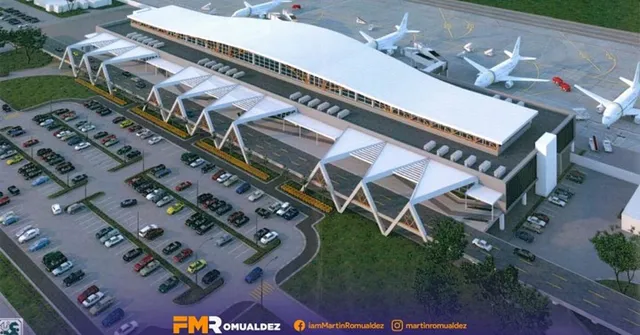
The Department of Public Works and Highways (DPWH) is preparing to implement the PHP1.5 billion third phase of the Daniel Z. Romualdez Airport's passenger terminal building construction here.

The third phase covers the provision of public toilets, ticketing booths, waiting areas and waiting sheds.

Other components are rescue and firefighting facilities, guardhouses, motor pool and maintenance buildings, pump rooms, fuel stations, and material recovery facilities.

The DPWH will bid out the project within the month and start construction later this year or early next year.

DPWH Eastern Visayas Director Edgar Tabacon said they are finalizing the detailed engineering design while waiting for the completion of the first and second phases.

“Building an airport terminal building is not our regular activity. This is challenging and that is why we asked for assistance from the Department of Transportation and contractors for the first two phases,” Tabacon said in an interview on Friday.

The construction of the terminal building is already 79 percent complete as of May, the supposed target completion month.

The ongoing works for the PHP761-million project focus on the main bridge, electrical and mechanical aspects, fire protection, and masonry.

The Regional Development Council said that although the project experienced delays, the Civil Aviation Authority of the Philippine project management office closely monitors the catch-up plan of the contractor.

The second phase of the new passenger terminal building, with a PHP1.05 billion budget, started on Jan. 26 and is up for completion early 2026. Ongoing works include roofing and architectural works.

The airport was the seventh busiest in 2022 with 1,489,803 inbound and outbound passengers.

August 13, 2024

President Ferdinand R. Marcos Jr. on Friday vowed that his administration would continue pursuing job-generating initiatives that could help in further transforming the Philippine economy.

Marcos made the pledge, as he attributed the 6.3-percent economic growth in the second quarter of 2024 to the increase in investments and construction under the Build Better More program.

“Inuulit ko, balewala lahat ng ating ginagawa kung walang pagbabago sa buhay ng mga Pilipino (I repeat, everything we do is meaningless if there are no changes in the lives of Filipinos),” he said in a video message uploaded on the Presidential Communications Office’s official Facebook page.

“So I assure you, this government will continue to invest in job-generating infrastructure, social protection programs, health and education for all Filipinos. We will not rest on our laurels but use them to propel us forward into social and economic transformation,” he added.

The country’s economic growth accelerated to 6.3 percent in the second quarter of 2024, higher than the 4.3 percent during the same period last year and the 5.8 percent in the first quarter of this year.

He said the government is doing everything to give Filipinos “decent and formal” jobs to elevate them to middle class.

“Kaya patuloy ang ating pagbibigay ng sapat at kalidad na trabaho (That’s why we continue to provide adequate and quality jobs). This June, the unemployment rate dropped to 3.1 percent, one of the lowest on record for the last two decades. Over 50.3 million Filipinos are now employed, with 63.8 percent of them in the formal sector,” Marcos said.

Marcos assured Filipinos of his administration’s commitment to combat poverty, saying the goal is already “within its reach” as the latest poverty rate also dropped to 15.5 percent.

“[That] means we have lifted two and a half million Filipinos out of poverty and only 10.9 percent of Filipino families remain poor. Our goal is to further reduce this rate to 9 percent by 2028, and improve the lives of eight million Filipinos,” Marcos said.