OceanaGold (Philippines) Inc. has upgraded its monitoring system at the Didipio mine's tailings storage facility in Nueva Vizcaya to improve oversight of structural performance and operational safety, particularly during the rainy season.
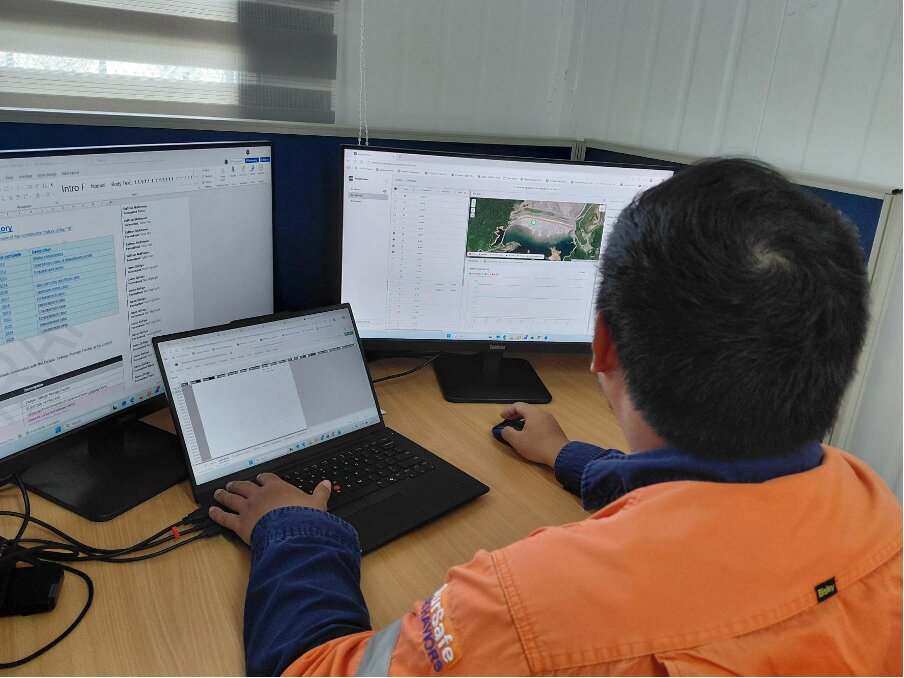
The listed mining company partnered with global engineering advisory group GHD to integrate geotechnical instrument readings and satellite monitoring data into a remotely accessible dashboard.
Completed in January 2026, the system provides continuous, real-time visibility of the facility's performance and supports the assessment of changes in monitoring indicators.
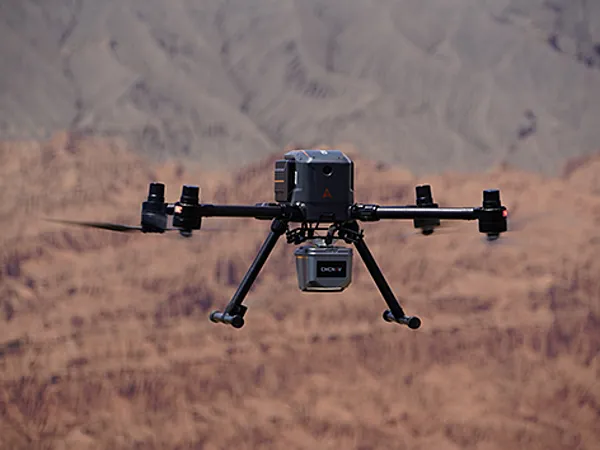
The upgraded system uses vibrating wire piezometers to monitor water levels within the tailings dam and Global Navigation Satellite System sensors to track ground movement and deformation.
Data collected through August has enabled the system to generate automated alerts, including email notifications, when readings reach defined thresholds. These alerts support the company's existing early warning and response protocols.
The automated data collection also improves the efficiency of monthly monitoring and reporting to the Department of Environment and Natural Resources.
“Historically, rainfall at Didipio begins to intensify in August and peaks in November. Amid the current habagat season, the upgraded monitoring system gives us greater visibility of the TSF even during periods of heavy rainfall,” said Joan Adaci-Cattiling, OGP president and general manager for external affairs and social performance.
She said the system supports early warning procedures and helps mine personnel make informed decisions during periods of increased rainfall.
Jonathan Dickson, GHD's global business leader for dams and geotechnical management solutions, said the technology provides consistent, data-driven insights by linking monitoring information with engineering design targets.
OGP engineers can remotely access real-time information to assess the facility's performance and respond to changing conditions, he said.
Adaci-Cattiling said automation does not replace the expertise and judgment of engineers but provides more accurate information to support earlier and more confident decisions.
“Responsible mining requires us to continuously improve how we monitor and manage risk,” she said, adding that the initiative strengthens the company's monitoring capabilities and commitment to safe operations.
Nestor Gayamo, a councilor of Barangay Didipio, welcomed the upgrade, saying the use of advanced monitoring technology during the rainy season provides residents with additional assurance that potential risks are being monitored and managed.
The Didipio mine's tailings storage facility uses the downstream construction method, in which successive embankment raises are supported on competent rock rather than deposited tailings.
According to OGP, the facility's design criteria are aligned with those of the Australian National Committee on Large Dams.
Tailings storage facilities are used to contain mining waste generated during mineral processing. Monitoring water levels and ground movement is important to assessing their structural performance and identifying potential changes that may require further investigation.