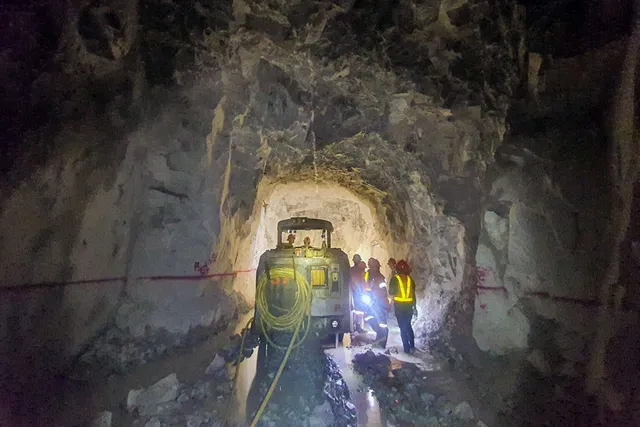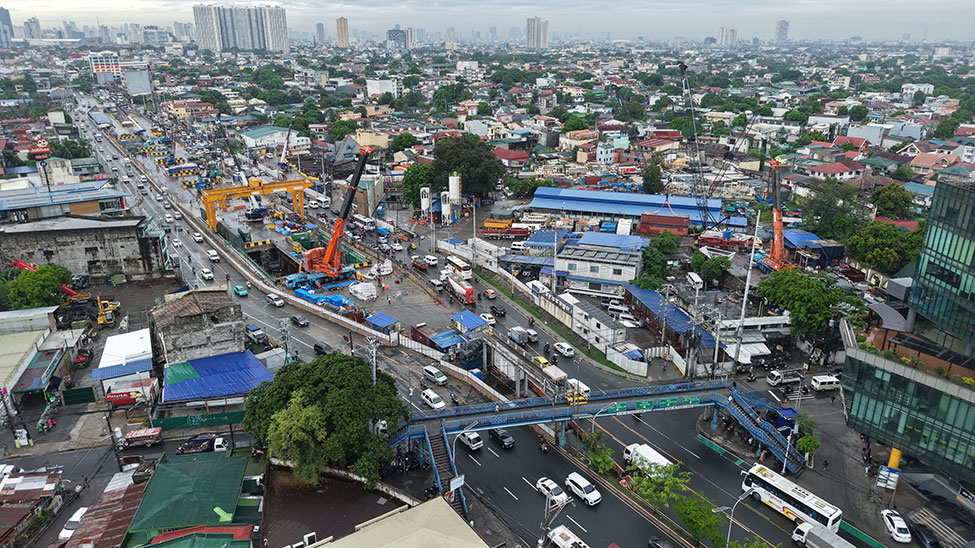
The sixth and final tunnel boring machine (TBM) for the Metro Manila Subway Project's largest construction package has been launched, marking another milestone in the development of the country's first underground railway system.
Japanese construction company Shimizu Corp. said the machine was launched from Tandang Sora Station under Contract Package 101 (CP101), which is being undertaken by a joint venture comprising Shimizu, Fujita Corp., Takenaka Civil Engineering & Construction Co. Ltd. and Philippine contractor EEI Corp.
Four of the six tunnel boring machines deployed under the contract package have completed excavation. The fifth machine was launched on September 7, while the sixth is scheduled to reach Quirino Highway Station by the end of 2027.
Upon completion of the tunneling works, the underground sections connecting the project's three stations and depot under CP101 will be completed.
The Metro Manila Subway is a major public infrastructure project designed to help ease chronic traffic congestion in the capital region. Financed through a loan from the Japan International Cooperation Agency (JICA), the railway project has a total estimated cost of more than 800 billion yen.
The 33.1-kilometer underground railway will connect Mindanao Avenue in northern Metro Manila to Ninoy Aquino International Airport in the south, with 17 stations, a depot and related facilities.
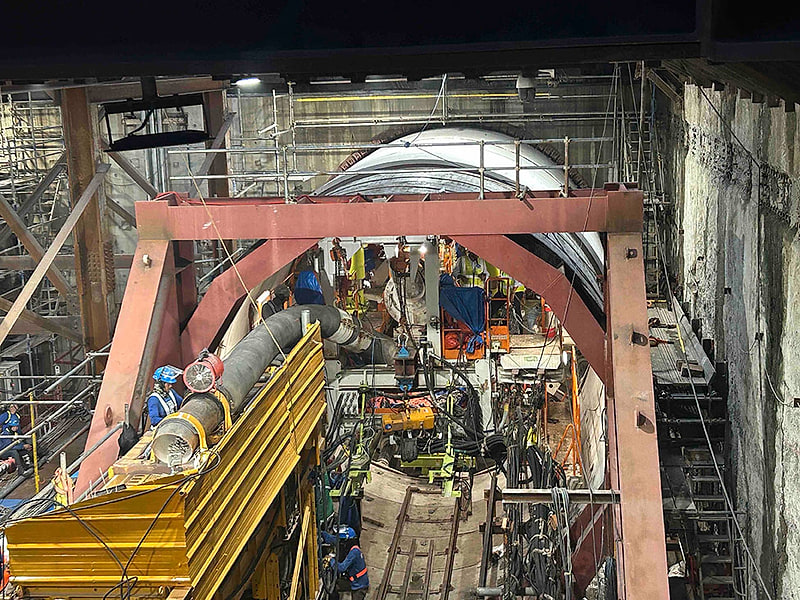
Construction progress
CP101, the subway's largest contract package, covers four stations: East Valenzuela, Quirino Highway, Tandang Sora and North Avenue.
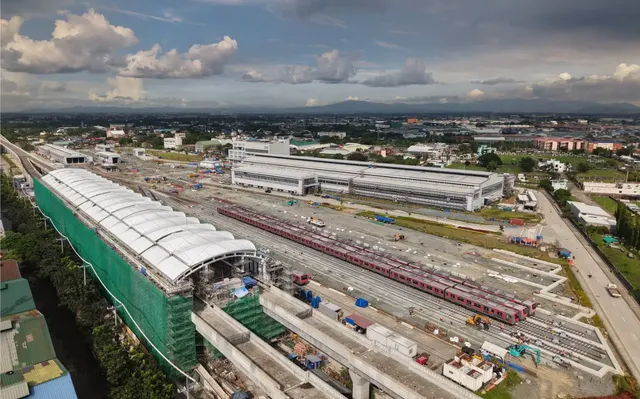
It also includes six shield tunnels with a combined length of approximately 9.5 kilometers and an internal diameter of 6.1 meters, as well as a depot comprising 45 buildings, including maintenance and training facilities.
Shimizu reported that overall progress under the contract package had reached 62 percent. Station construction was also 62 percent complete, while shield tunneling had reached 71 percent and building construction 27 percent.
The contract is valued at approximately 245 billion yen, making it the largest contract ever awarded for a single urban railway package financed through a Japanese yen loan.
Construction of CP101 began in August 2021, with completion scheduled for the end of 2030.
Engineering changes accelerate construction
Shimizu said engineering reviews and constructability improvements helped shorten the original construction schedule by 10 months.
Under an early contractor involvement arrangement with the Department of Transportation (DOTr), the joint venture reviewed the original design and recommended several changes to improve construction efficiency.
These included replacing the New Austrian Tunneling Method with shield tunneling, simplifying station layouts and reducing the number of underground station levels.
The joint venture also introduced adjustments to construction planning, including prioritizing land acquisition in areas where work could begin earlier and developing interim specifications for systems such as tunnel ventilation.
It also deployed Japanese technical specialists, including riggers, formwork carpenters and plasterers, to train local workers and introduce Japanese construction quality and safety management practices.
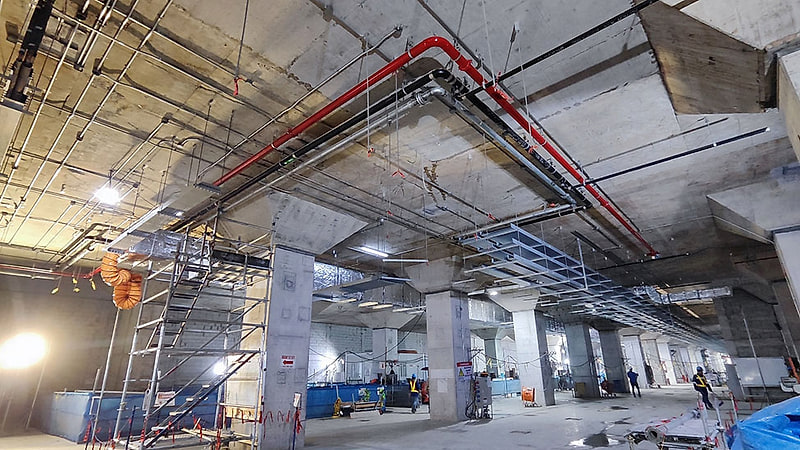
Local employment and technology transfer
The project is supported by a multinational workforce of approximately 1,300 staff members from the Philippines, Japan and other countries, including Australia, Cambodia, India, Malaysia, Myanmar, Singapore, Sri Lanka, Taiwan, Thailand and the United Kingdom.
Shimizu said the joint venture was also expanding opportunities for Filipino engineers to undergo construction management training in Japan as part of its technology transfer commitments.
Approximately 7,000 workers are currently employed at the project site, most of whom are Filipinos, supporting local employment and economic activity.
The Metro Manila Subway, which took about half a century to progress from proposals to construction, is expected to provide an alternative mass transportation system for commuters across the capital region.
Shimizu said the joint venture would continue working to improve productivity and advance construction towards the completion of CP101.