Apex Mining Co. Inc. reported a 40% increase in consolidated net income in the first nine months of 2026, supported by higher realized gold and silver prices despite lower sales volumes caused by declining ore grades at its mining operations.
The listed mining company posted consolidated net income of P7.61 billion from January to September, up P2.16 billion from the P5.45 billion recorded in the same period last year.
Third-quarter net income reached P2.23 billion, a 3.43% increase from P2.15 billion a year earlier.
Apex Mining sold 65,691 ounces of gold in the first nine months, down 17% from 78,751 ounces in the same period last year. However, its realized gold price increased to $4,528 per ounce from $3,319, helping offset the decline in sales volume.
Silver sales also fell to 229,746 ounces from 290,894 ounces, but the realized price nearly doubled to $72.89 per ounce from $36.48.
For the third quarter alone, gold sales declined 18% to 22,475 ounces from 27,316 ounces, while the realized price increased to $4,276 per ounce from $3,668.
Silver sales dropped 20% to 74,800 ounces from 92,969 ounces, but the realized price rose 46% to $63.20 per ounce from $43.20.
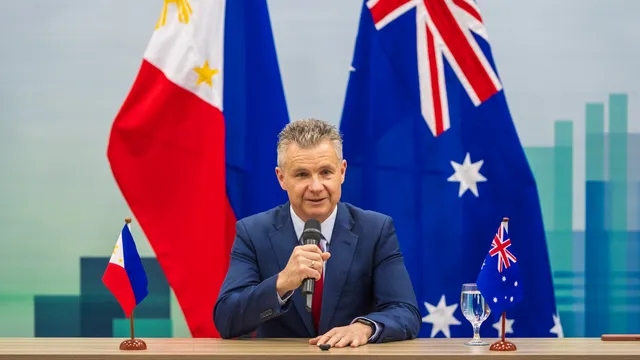
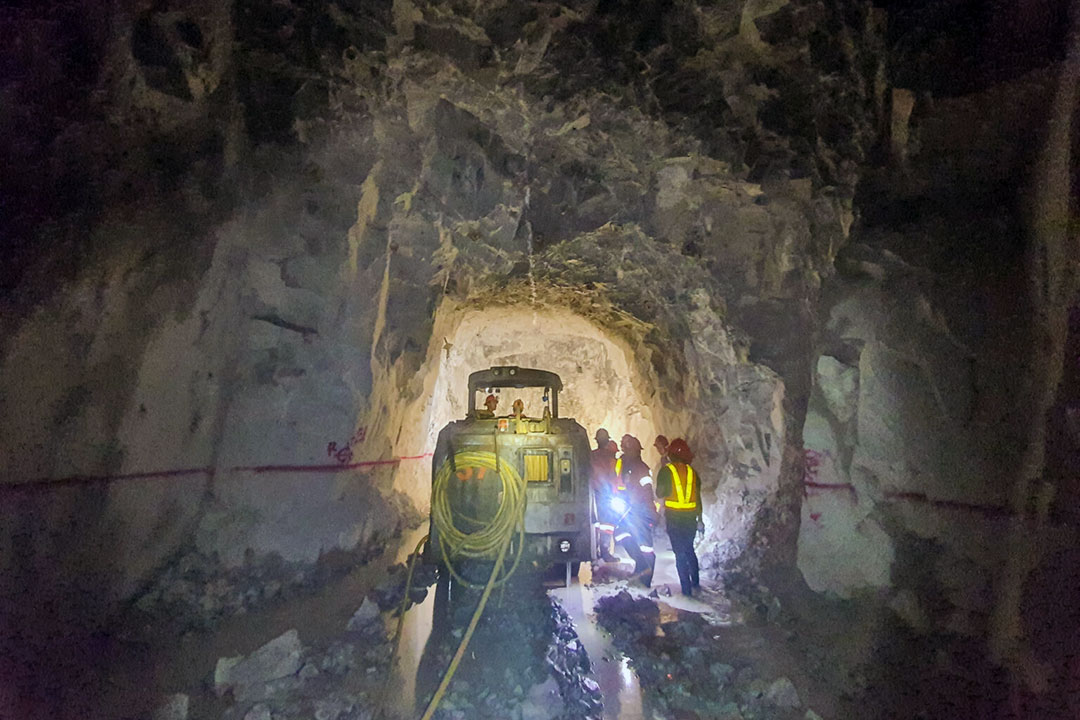
The company attributed the lower production volumes to declining ore grades in lean-zone areas. President and Chief Executive Officer Luis R. Sarmiento said completion of the Tagbaros drain tunnel would provide access to additional working areas with better ore grades.
"Once the Tagbaros drain tunnel is completed, we will have more working areas to safely access better grades," Sarmiento said.
Apex Mining also reported higher payments to indigenous communities and increased spending on social development programs as its financial performance improved.
The company's remittances for surface rights and indigenous peoples' royalties reached P221.21 million in the first nine months, 55% higher than the amount received by the Mansaka community in the same period last year.
Sarmiento said host indigenous communities benefit from the financial performance of mining companies operating in their territories.
The company's Social Development and Management Program spending increased 36.3% to P106.6 million from P78.2 million. Third-quarter spending nearly doubled to P44.8 million from P20.2 million a year earlier.
The programs are developed in consultation with host local government units and are intended to address community needs while promoting long-term self-sufficiency, the company said.
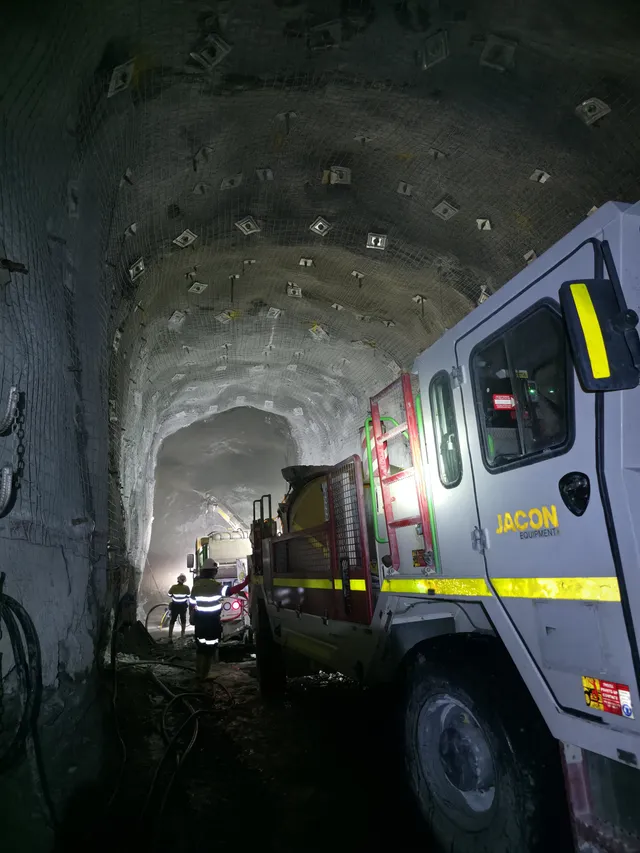
On the operational front, Apex Mining's Maco Mine in Davao de Oro has sufficient reserves and resources to sustain operations until 2034, assuming a production rate of 3,000 metric tons per day.
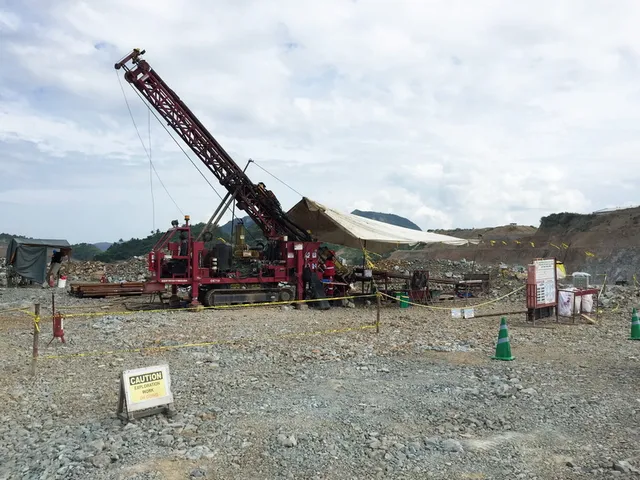
The company has also modified the existing crushing and grinding infrastructure at its Maco processing plant to increase capacity to 3,500 metric tons per day. Exploration and development activities are continuing to expand its mineral resources and reserves.
Meanwhile, subsidiary Asia Alliance Mining Resources Corp. is securing free, prior and informed consent from host and neighboring communities in Maco ahead of the development of its copper and gold mine, with operations targeted to begin in 2029.
Another subsidiary, Itogon-Suyoc Resources Inc., is working to complete the remaining pre-operational permits for its Sangilo Mine's APSA 103 tenement in Itogon, Benguet.
The 434-hectare property has secured its Certificate of Precondition, confirming compliance with the indigenous peoples' consent process. Once the remaining permits are obtained, the company plans to establish a processing plant with a capacity of 1,000 to 1,500 metric tons per day.
Apex Mining operates the Maco Gold Mine, while Itogon-Suyoc Resources operates the Sangilo Mine. Its other subsidiary, Monte Oro Resources Inc., holds the group's domestic and international business interests