
Rio Tuba Nickel Mining Corp. remains a key operation to watch in the Philippine nickel ore market as regional processors face tighter domestic ore availability, particularly in Indonesia, according to Shanghai Metals Market.
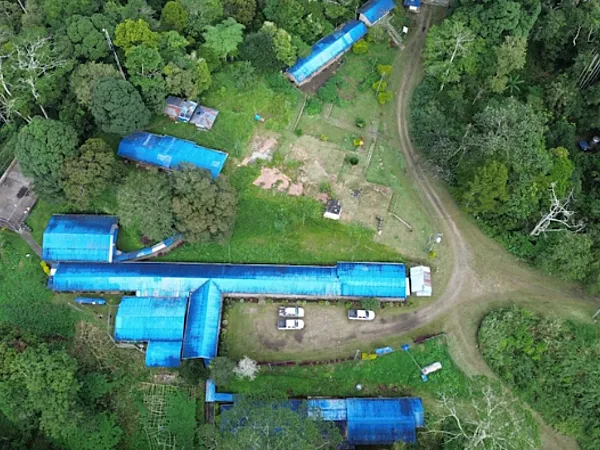
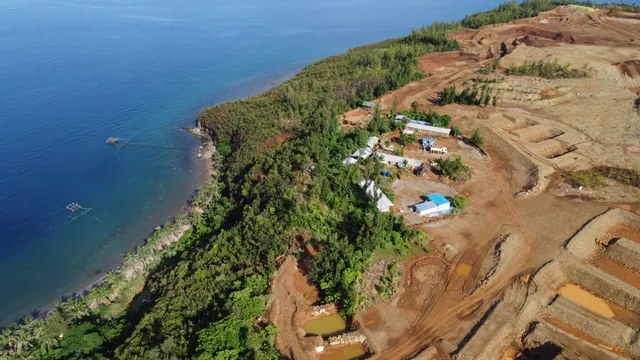
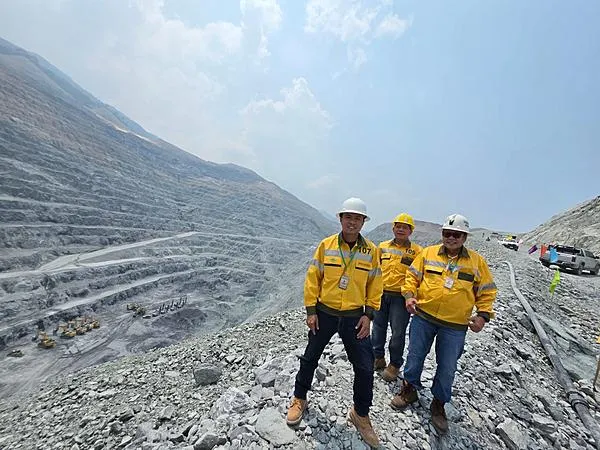
The Rio Tuba operation in Bataraza, southern Palawan, produces both limonite and higher-grade saprolite ore, giving it a strategically important position in the nickel supply chain.
SMM, a Shanghai-based metals market information provider, said in a Sept. 29 market assessment that continued production from Rio Tuba could provide a relatively stable source of Philippine nickel ore, particularly for processors that use limonite as feedstock.
“Rio Tuba remains an important individual mine to monitor in the Philippine nickel ore market because of its dual limonite and saprolite production and connection with downstream HPAL processing,” SMM said.
Integrated mining and processing operations
Rio Tuba is operated by RTNMC, a subsidiary of Nickel Asia Corp., and is one of the Philippines' established nickel mining operations.
The mine's limonite ore feeds the Coral Bay Nickel Corp. processing plant, also located in Palawan. Coral Bay operates a high-pressure acid leach, or HPAL, facility that processes low-grade nickel laterite ore into a mixed nickel-cobalt sulfide intermediate.
The operation is significant because it links Philippine nickel mining directly to downstream processing rather than relying solely on exports of unprocessed ore.
The Rio Tuba operation also produces saprolite, a higher-grade nickel ore that can be supplied to other downstream consumers depending on market conditions.
The combination of limonite production, saprolite availability and its connection to HPAL processing makes Rio Tuba different from mines focused on a single ore grade or export market.
Regional supply implications
SMM said Philippine nickel ore remains relevant to the regional market as Indonesian smelters look for alternative feedstock amid constraints on domestic nickel ore availability.
Indonesia has rapidly expanded its nickel-processing capacity in recent years, increasing demand for ore while government policies have prioritized domestic processing and restricted exports of nickel ore.
SMM, however, did not identify Rio Tuba's specific export destinations or establish that the mine had secured additional orders from Indonesian processors.
It also did not provide production or shipment figures indicating an increase in Rio Tuba's activity.
Instead, the market assessment identified Rio Tuba's ongoing production and shipment performance as factors to monitor as regional buyers assess available Philippine ore.
Weather, logistics remain risks
For Rio Tuba, the availability of ore in the regional market will also depend on the mine's ability to move material from the mining area to stockpiles and loading facilities.
SMM identified weather and logistics as potential constraints, including conditions affecting mine roads, stockpiles and barge-loading areas in Palawan.
“In the near term, shipment performance, weather conditions and demand from HPAL consumers will be the key factors determining its influence on Philippine nickel ore availability and pricing,” SMM said.
Any prolonged disruption to Rio Tuba's mining or shipment operations could tighten the availability of particular ore grades or affect specific shipment windows.
The impact on the Philippine nickel market as a whole, however, would likely be more limited because the country has other producing regions and mines supplying domestic and international consumers.
Rio Tuba's importance is therefore less about its ability to determine overall Philippine nickel supply and more about its role as a reliable source of specific ore types, particularly limonite used in downstream HPAL processing.
SMM said its assessment was based on publicly available information, market communications and its internal database model. It described the assessment as reference material rather than a recommendation for investment or other decision-making.