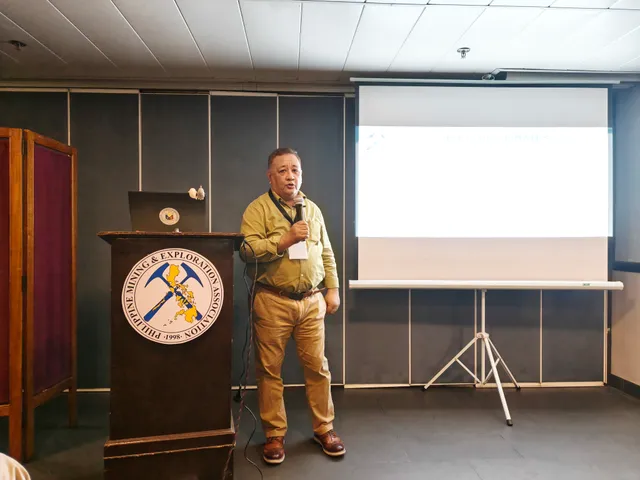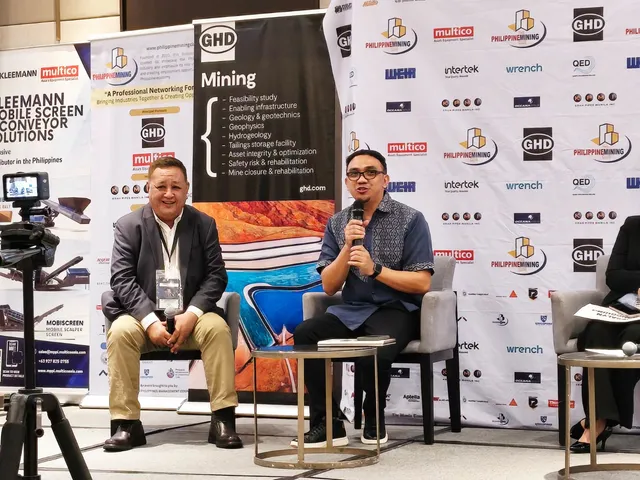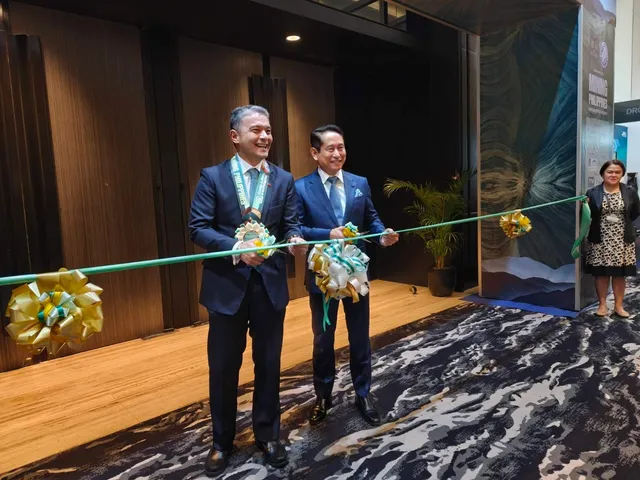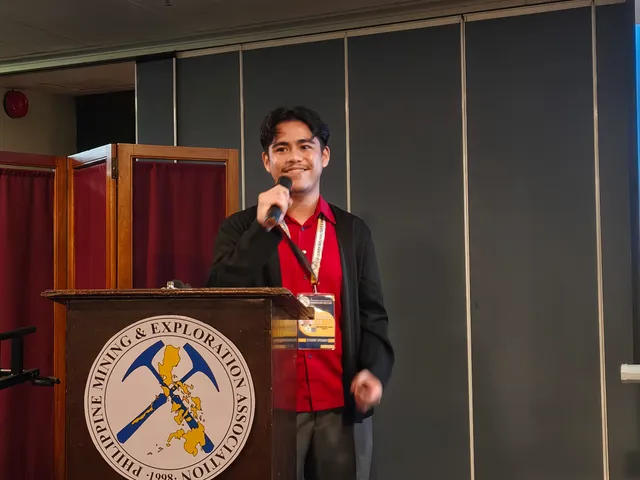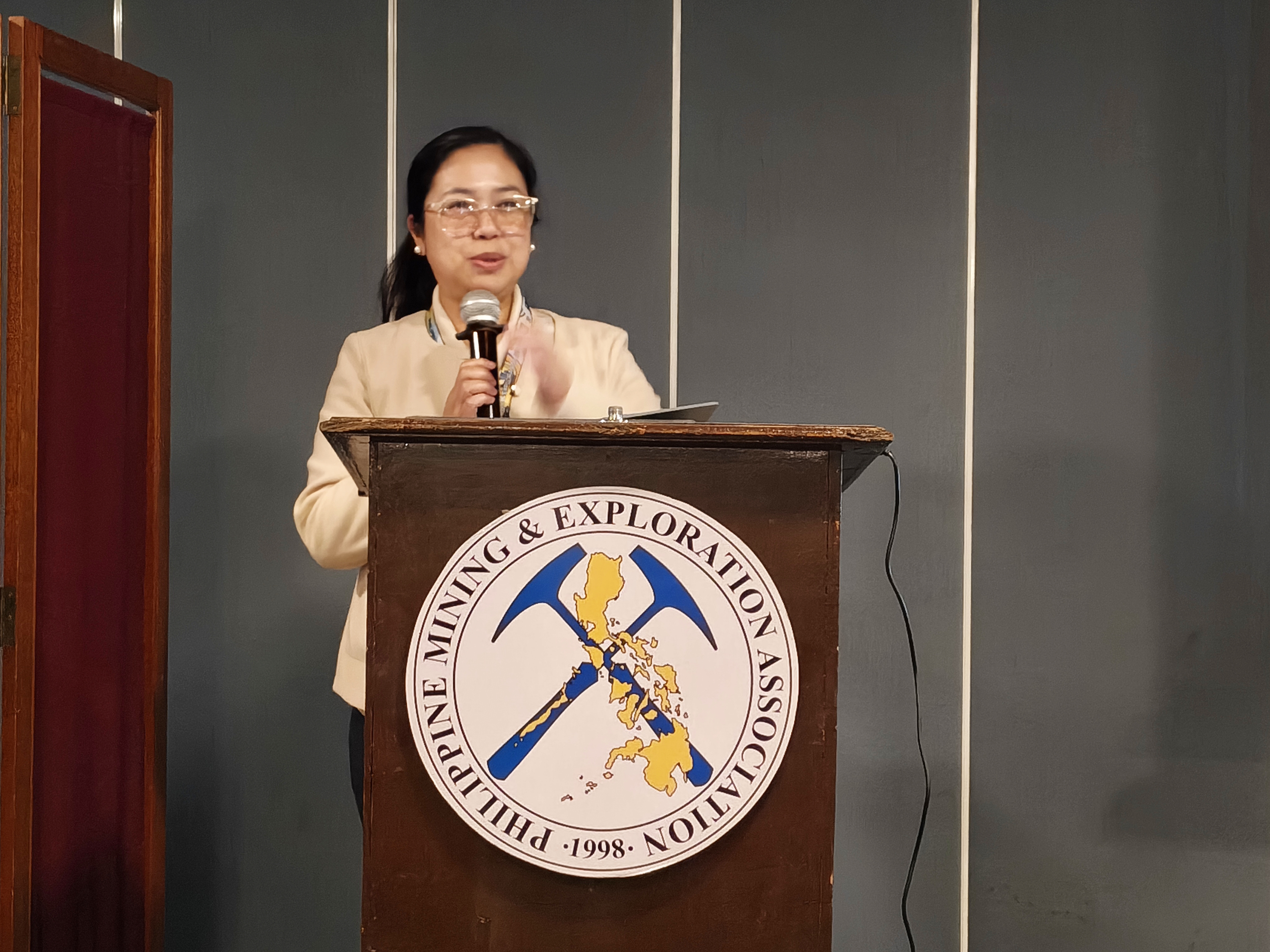
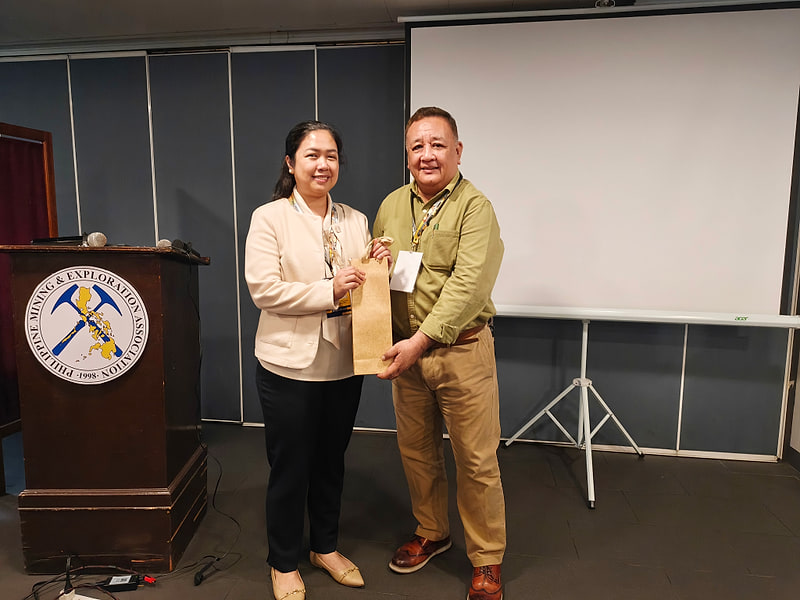
Philippine Mining and Exploration Association (PMEA) held its Monthly Membership Meeting on October 5, 2026 in Makati, featuring NCIP's Director, Atty. Harriet N. Abyadang, as keynote speaker. The discussion centered on the legal framework in mining with regard to ancestral domains and indigenous peoples. She presented, "The 2026 Guidelines on Free and Prior Informed Consent and Related Processes".
Atty. Abyadang is the Director IV of the Office of Policy, Planning, and Research (OPPR) at the National Commission on Indigenous Peoples (NCIP) in the Philippines, overseeing policy frameworks, planning, and research for indigenous peoples. She served as Regional Director for NCIP Region 1 (Ilocos Region). Atty. Abyadang rose from the ranks within the NCIP as a career official and lawyer dedicated to protecting and promoting the rights of Indigenous Cultural Communities and Indigenous Peoples (ICCs/IPs) under Republic Act No. 8371 (IPRA).
Atty. Abyadang believes in transformational leadership and digitization. She contributed to the NCIP Central Office by mapping ancestral domains and developed the FPAC transparency portal.
The FPIC Transparency Portal is a centralized digital platform designed by the National Commission on Indigenous Peoples (NCIP) to automate, standardize, and streamline the Free, Prior and Informed Consent (FPIC) process across all Regional and Field Offices. Its primary purpose is to modernize the FPIC system by providing a well-resourced and transparent platform that improves bureaucratic efficiency, accountability, and real-time service delivery for Indigenous cultural communities and other stakeholders.
This will run from 2027 to 2029, in alignment with the Philippine Development Plan 2023–2028.
The full rollout will take place from January to October 2027, supported by mandatory compliance policies and digital training modules to ensure the system’s long-term sustainability.
The speaker discussed the 2020 guidelines for FPIC (Free, Prior, and Informed Consent) and she emphasized this as crucial for project approval.
The guidelines require community consultation and consent for mining projects in ancestral domains. The process involves community assemblies and negotiations to ensure community involvement. In general, the guidelines aim to protect indigenous peoples' rights to their ancestral domains and self-governance.
The Exercise of Priority Rights (EPR) plan serves as a regulatory framework that empowers local communities to directly dictate their own development and environmental protection priorities.
Under these regulations, existing permit holders and new applicants are required to align their operations with these community-established guidelines.
These guidelines provide opportunities for partnerships and joint ventures with meaningful community representation.
Atty. Abyadang said that the community is considered a partner, not just a stakeholder, in project development.
The NCIP emphasizes the importance of honoring agreements and respecting community decisions. The guidelines aim protect indigenous rights while welcoming responsible investment.
She also noted that consent from communities is viewed as foundational, and not an obstacle in achieving success in the project.
She added that the NCIP is committed to working with stakeholders to ensure responsible and respectful development. In conclusion, she affirmed NCIP's readiness to collaborate and uphold intergenerational responsibilities.
[Photo by Marcelle Villegas]