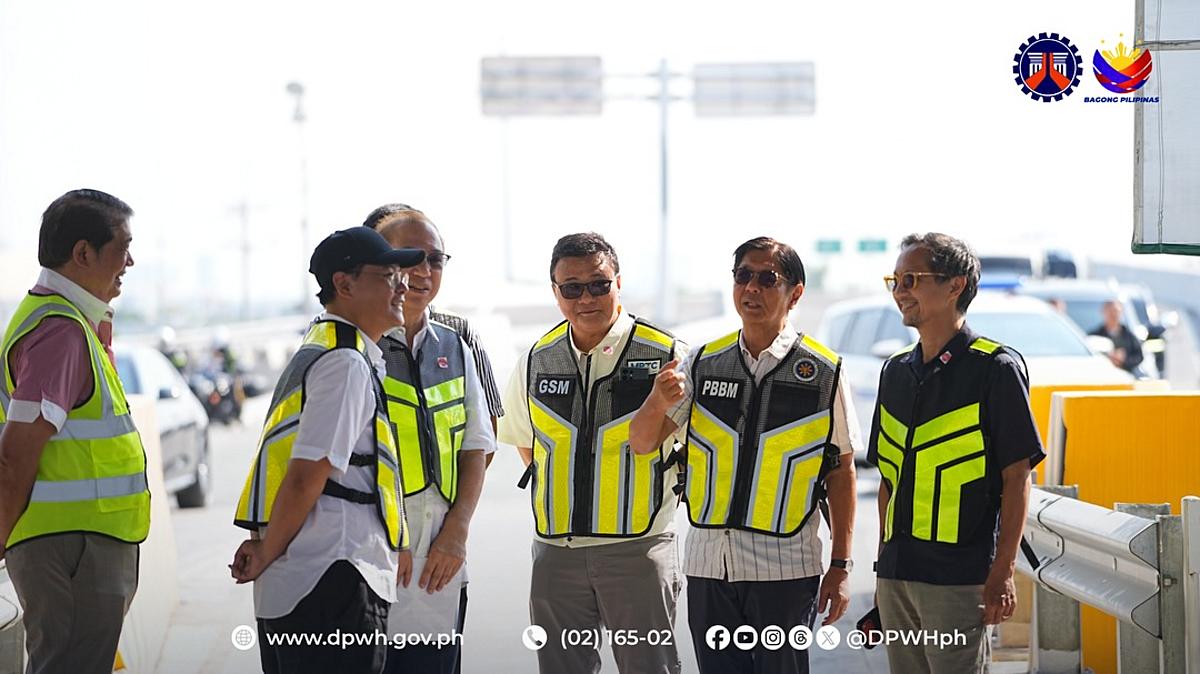
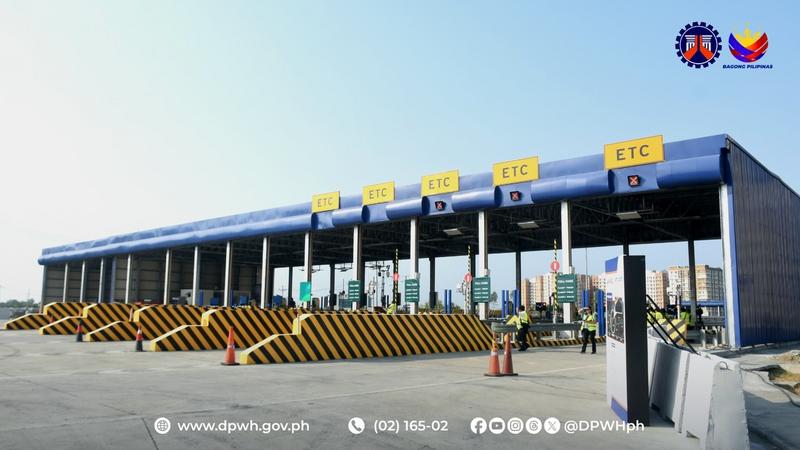
On March 30, 2026, President Ferdinand Marcos Jr. formally opened the Cavitex C-5 Link Segment 3B, a key infrastructure development expected to significantly improve mobility across southern Metro Manila and nearby Cavite provinces.
The newly completed six-lane, 2-kilometer connector forms part of the broader 7.7-kilometer Cavitex C-5 Link corridor, designed to streamline travel between Parañaque and Taguig while strengthening access to Makati, Pasay, Las Piñas, Bacoor, and Kawit.
With the new segment operational, travel time between Parañaque and Taguig is projected to drop dramatically—from approximately 1.5 hours to just 15 minutes—offering immediate relief to motorists navigating one of the capital’s most congested corridors.
In a move aimed at supporting peak-season travel, the government announced that toll fees for Segment 3B will be waived from March 30, 2026 to April 30, 2026. The temporary toll holiday is intended to assist motorists during the Holy Week travel period, when traffic volumes typically surge.
“This is a big help because it will decongest the area and reduce traffic on smaller roads, as vehicles will pass through here instead,” Marcos said during the opening ceremony.
Once toll collection begins on May 1, 2026, rates will be set at P38 for Class 1 vehicles, P76 for Class 2, and P114 for Class 3.
The Cavitex C-5 Link is expected to accommodate approximately 36,000 vehicles per day, improving the flow of goods and commuters while delivering measurable reductions in fuel consumption and transport costs—an increasingly important consideration amid global energy volatility.
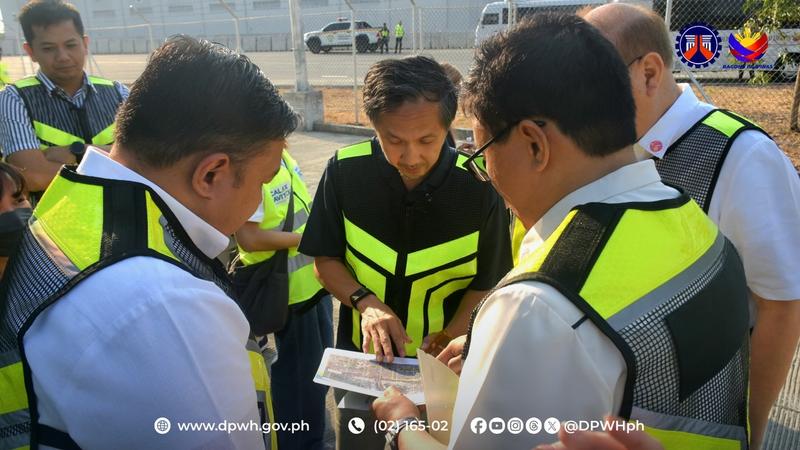
Public Works Secretary Vince Dizon said the project aligns with the administration’s broader push to accelerate infrastructure delivery, particularly ahead of major travel periods. He noted that additional road openings are expected, including the Central Luzon Link Expressway extension connecting Tarlac City and Cabanatuan City.
Authorities are likewise working to ensure the smooth flow of traffic along the 3,380-kilometer Maharlika Highway, the country’s principal land transport backbone linking Luzon, Visayas, and Mindanao.
The accelerated rollout of Segment 3B comes despite earlier construction delays caused by right-of-way constraints. Initially budgeted at P3.3 billion, the project cost rose to P4.98 billion before completion. Cavitex Infrastructure Corp., the expressway’s concessionaire, engaged D.M. Consunji Inc. for the project, with construction commencing in the second half of 2024.
The project also forms part of the government’s broader economic response under Executive Order No. 110, which declared a one-year state of energy emergency. Infrastructure investments such as the Cavitex C-5 Link are seen as critical to reducing logistics costs, improving supply chain efficiency, and supporting long-term economic resilience.
As new road networks come online, the focus now shifts to maximizing their operational impact—ensuring that reduced travel times translate into sustained productivity gains for businesses and commuters alike.