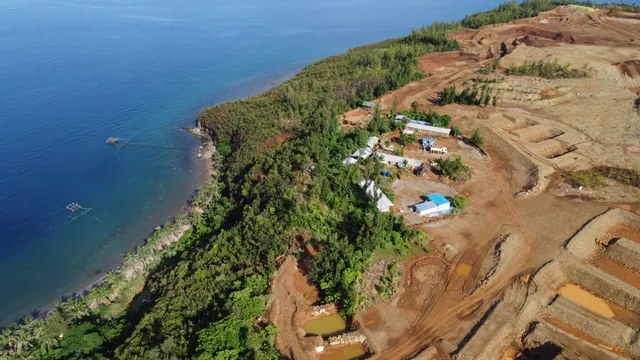
Indonesia and the Philippines are moving to strengthen regional cooperation in the nickel industry through the proposed Indonesia-Philippines Nickel Corridor, aimed at reinforcing critical mineral supply chains and expanding industrial collaboration across Southeast Asia.
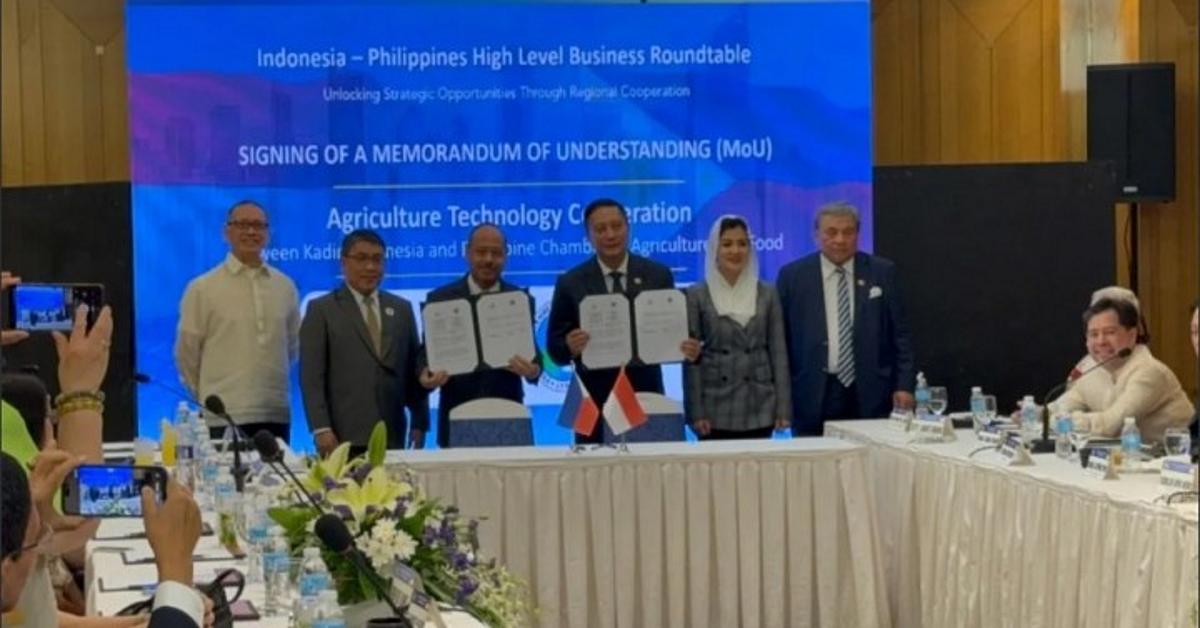
The initiative was highlighted during a high-level business roundtable led by the Indonesian Chamber of Commerce and Industry and the Philippine Chamber of Commerce and Industry on the sidelines of the 48th Asean Summit in Cebu province.
The discussions coincided with Indonesian President Prabowo Subianto’s official visit to the Philippines for the regional summit, where business leaders from both countries tackled emerging geoeconomic challenges and opportunities.
Bernardino Moningka Vega, deputy chairman for foreign relations at the Indonesian Chamber of Commerce and Industry, said the proposed nickel corridor could serve as a new model for regional economic partnerships focused not only on commodity trade but also on strengthening industrial value chains.
“In line with this year’s ASEAN-Philippines theme, ‘Navigating Our Future, Together,’ the Kadin Indonesia-PCCI high-level forum has laid out a roadmap not only for bilateral cooperation but also for making the ASEAN region better prepared to face current geoeconomic realities,” Vega said.
Under a memorandum of understanding signed by the Indonesian Nickel Miners Association and the Philippine Nickel Industry Association, both sides agreed to collaborate on the exchange of nickel-related data and information, policy and regulatory dialogue, cross-border investment promotion, development of environmental, social and governance methodologies, and human resource capacity building in the nickel sector.
Indonesia and the Philippines are among the world’s largest nickel producers and hold significant global reserves of the mineral, which is a critical component in electric vehicle batteries and energy storage technologies.
By 2025, Indonesia is projected to produce around 2.6 million metric tonnes of nickel, while the Philippines is expected to produce approximately 270,000 metric tonnes. According to 2025 estimates from the United States Geological Survey, the two countries together could account for around 73.6 percent of global nickel mining production.
Indonesia is estimated to hold around 62 million metric tonnes of nickel reserves, while the Philippines has an estimated 4.8 million metric tonnes.
For Indonesia, the partnership is expected to help secure raw material supplies for its growing downstream nickel processing industry. For the Philippines, the collaboration is seen as an opportunity to increase industrial value-added through regional processing initiatives and investment flows.
The forum also resulted in agreements involving agricultural technology cooperation and aviation maintenance partnerships between Garuda Maintenance Facility and JAR Aviation Services, with an indicative value of US$80 million.
In addition, plans were announced for the development of a nickel processing facility in the Philippines involving Agro Investama Group, RBN Solutions Inc. and Ploutus Inc. The project aims to support the regional battery and electric vehicle supply chain.
The proposed facility is expected to receive a minimum monthly nickel supply of 200,000 metric tonnes beginning in June 2026 to support regional manufacturing requirements.
Philippine Chamber of Commerce and Industry president Ferdinand Ferrer said the collaboration marked an important step towards deeper integration between the two countries in the critical minerals sector.
“Asean is strongest when it acts as one unit. And at the heart of this unity is the very strong bilateral relationship between Indonesia and the Philippines, with a combined population of nearly 400 million,” Ferrer said.