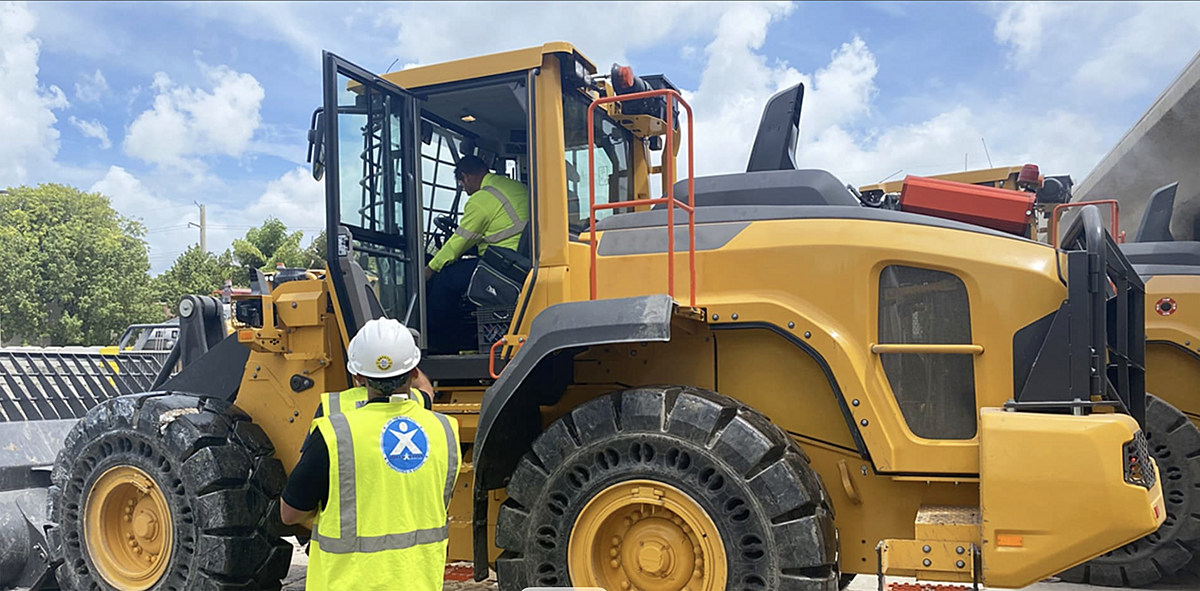
Selecting the right off-the-road (OTR) tire can make a significant difference in the performance, efficiency, and lifespan of your equipment. With different machines, terrains, and working conditions to consider, choosing the right tire can sometimes feel complicated. Higantis helps contractors, fleet owners, and equipment operators find the right tire solutions for their specific applications. One of the key things to understand when selecting an OTR tire is the TRA classification system, which helps identify the tire’s intended use and tread depth.
TRA is the classification system used for OTR tires to indicate both the type of machine the tire is designed for and its tread depth. A typical example is L3, where the letter refers to the equipment category and the number indicates the tread depth and pattern. As the number increases, the tread generally becomes deeper and more durable, making it more suitable for abrasive and demanding environments.
There are four main TRA tire categories used in construction and heavy equipment applications. C refers to tires designed for compactors, G refers to grader applications, E is used for earthmoving equipment, and L indicates loader applications. These classifications help ensure the tire is built to match the type of machine and the work it is intended to perform.
The number in the TRA code represents the tread depth and pattern of the tire. For instance, 1 indicates a ribbed tread with normal depth, 2 indicates a traction tread with normal depth, and 3 represents a standard tread commonly used for general applications. Higher numbers, such as 4 and 5, indicate deep and very deep tread designs, which are more suitable for harsh environments where tires face constant abrasion or cuts. A 7 classification refers to flotation-type tread designs intended for softer ground conditions.
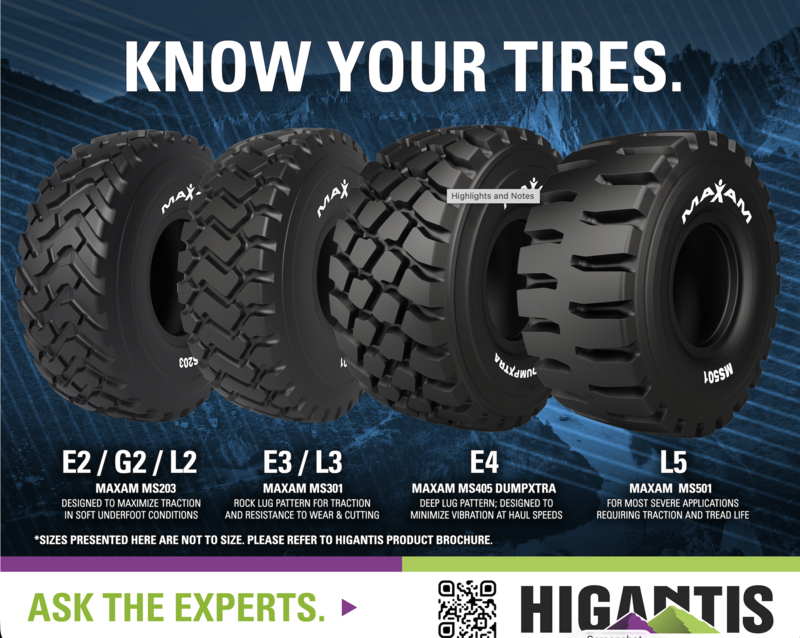
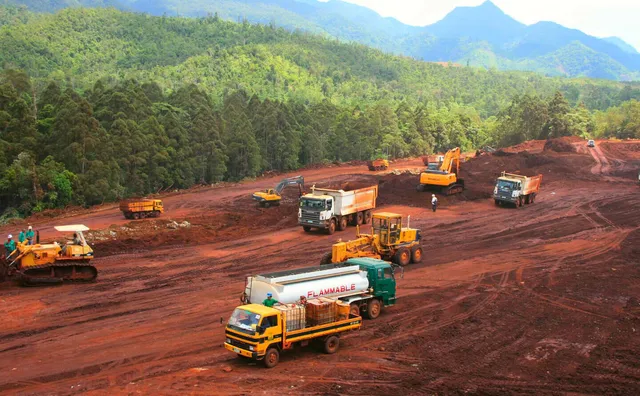
To illustrate how this works, consider the MAXAM MS501, which is classified as an L5 tire. The letter L tells us the tire is designed for loader applications, while the number 5 indicates a very deep tread. This means the tire is built for demanding environments such as quarries, mines, and other abrasive worksites where durability and protection are essential.
Another important factor to consider when selecting an OTR tire is how the machine will travel. Some equipment operates mainly within a job site, while others may need to travel short distances on roads or be transported by trailer. Tire construction and rubber compounds influence how far and how fast a machine can safely travel. Because of this, OTR tires are also rated with load indexes and speed symbols to help determine their load capacity and safe operating speeds.
Choosing the right tire involves more than just reading the TRA code. Machine type, terrain conditions, workload, and travel requirements all play important roles in selecting the best option. With expert guidance and access to trusted brands like MAXAM and RoadX, Higantis helps customers identify the most suitable tire solutions to ensure reliable performance, durability, and efficiency in demanding environments.
Learn more at higantis.com.