SITE PROFILE
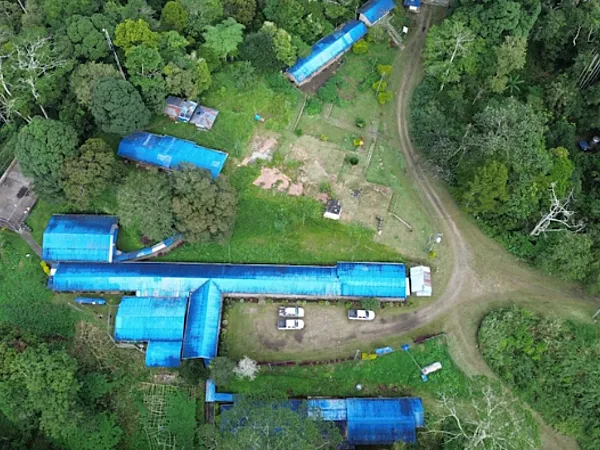
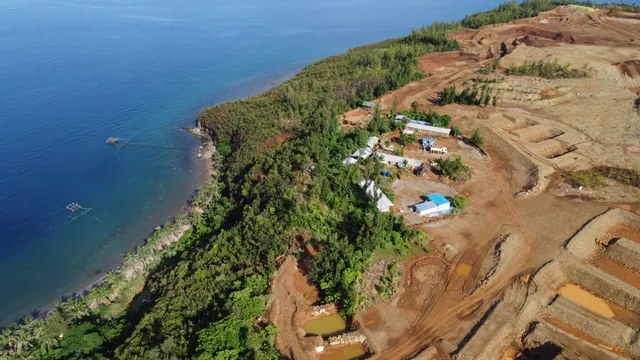
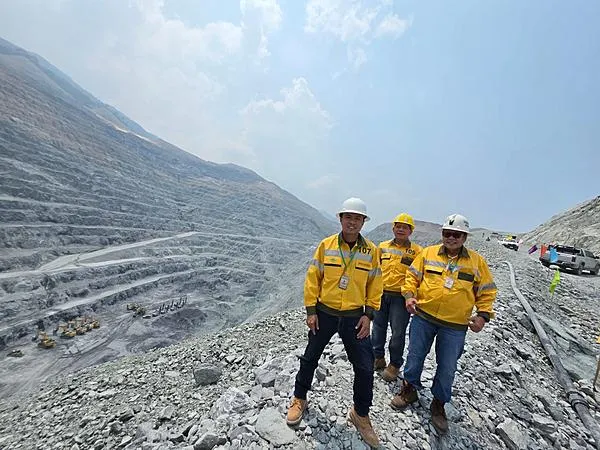
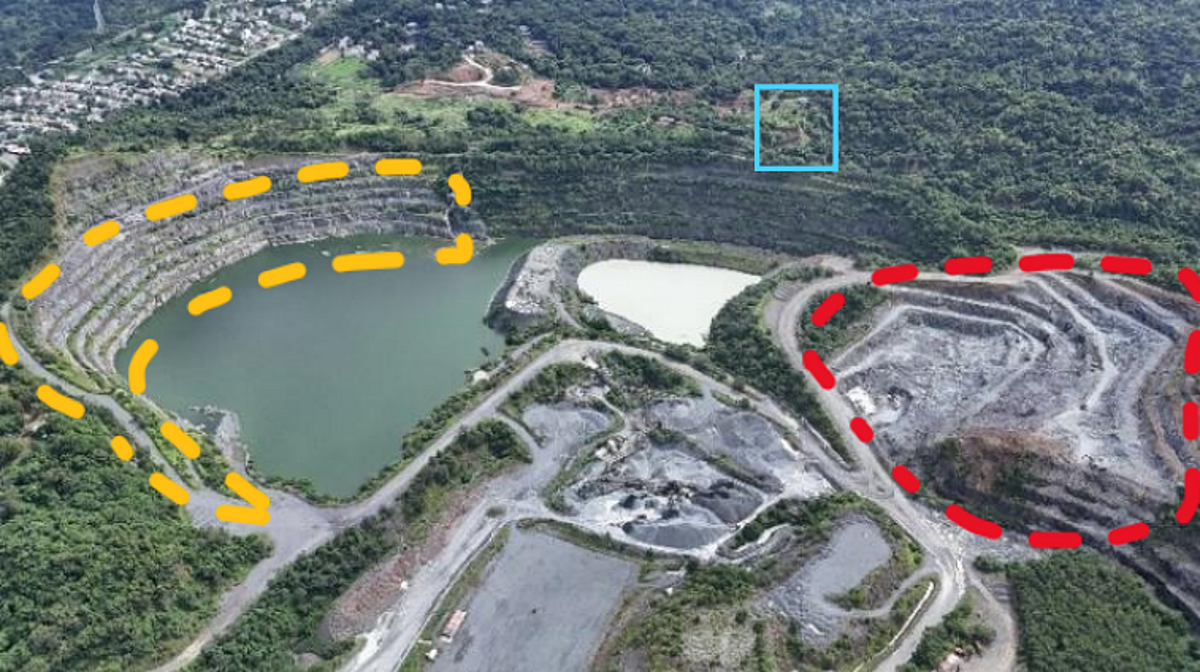
The Delta BAAC Project, located in Rizal, Philippines, is a basalt quarrying operation owned by Helix Aggregates, Inc. with Delta Earthmoving, Inc. as the principal client. Orica serves as the blasting contractor under Delta and has been delivering services at the BAAC site since 2009.
The project operates under a Total Loading Services (TLS) contract for blasting operations in the East Wall and Rock-OnGround (ROG) for bulk emulsion blasts in the New North Wall. Orica oversees the entire blasting process in both areas.
THE SITUATION
The Blast Exclusion Zone (BEZ) for personnel applied on site was variable and dependent on proximity to nearby communities. The North Wall BEZ was typically set at 500 meters. The East Wall required a dynamic BEZ due to proximity to Sunflower village. The BEZ was adjusted based on the design stemming height and maximum instantaneous charge (MIC).
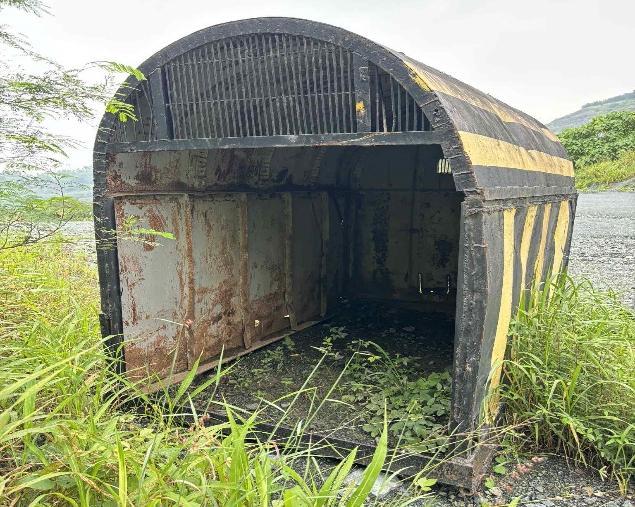
Blasts were initiated using an Exel™ Lead-In-Line (LIL) laid toward the blasting shelter, where the Shotfirer took position for protection against potential flyrock. The blasting shelter was usually towed with a loader between the two blasting areas and relocated in accordance with the BEZ indicated on the blast map.
Records indicated an annual average of one to two misfire incidents related to the starter and primer used to fire the lead-in-line. Root causes included:
- Moisture in the starter.
- Misalignment of the firing pin in the starter.
- Soot accumulation in the firing chamber, inhibiting signal transmission.
- Occasional defective shotshell primers.
As a corrective measure, the site ensured redundancy by maintaining spare starters and shotshell primers.
Operational safety during lead-in-line deployment was a concern. Personnel were exposed to hazards such as:
- Unplanned initiation due to snap slap and shoot, or signal tube impact from rock fall near active highwalls.
- Vehicle interactions during the evacuation and blast clearance;
- Fall from height hazards in case of multiple bench blasting, particularly when accessing upper or lower elevations with uneven floors or near the crest/free face.
TECHNICAL SOLUTIONS
To address the operational and safety challenges associated with non-electric lead-in-line, Orica Technical Services explored the feasibility of a remote initiation system.
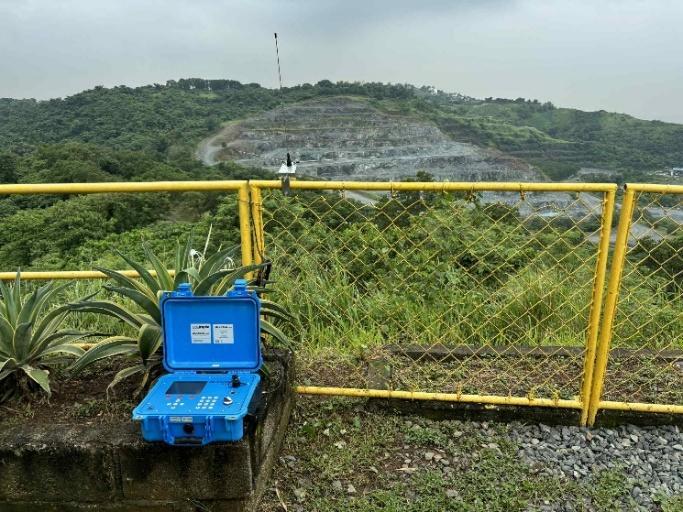
The uni tronic™ 600 Remote Firing System was selected for its proven capability to initiate electronic detonators as starters for non-electric blasts, from a safe, remote location. The system enables secure initiation up to two kilometers from the blast site, with extension to five kilometers using an improved antenna – making it suitable for sites with variable terrain or visual obstructions.
To assess suitability and signal strength, multiple radio frequency (RF) tests were conducted on-site with the controller positioned at the new view deck. Inert training detonators were positioned at various active blast locations within the quarry. All tests confirmed 100% reliable initiation.
THE RESULT
On the 17th of October 2024, the first uni tronic™ 600 remotely fired blast was successfully implemented at the B+110 East Wall quarry. This served as the first successful remote firing in a quarry project nationwide, setting a precedent for future site implementations.
The following key benefits were observed with the uni tronic™ 600 Remote Firing System:
- All blasts were initiated from locations beyond the designated BEZ;
- Personnel exposure to high-risk areas during firing line setup was significantly reduced. All wired connections were less than 50m.
- There was no requirement to deploy wires near crests, highwalls or across haul roads.
- Approximately half an hour of operational time was saved per blast through remote firing, equivalent to the time required to relocate the blast shelter with a loader. The loader was able to remain working at the stockpile area without disruption.
- There have been zero initiation incidents since the implementation. With the support of an improved antenna, the radio frequency signal was maintained consistently at 100%, providing reliable initiation.
TESTIMONIAL
“uni tronic 600 reduces the risk of accidents and injuries. Based on my own experience here on our site, the uni tronic 600 significantly streamlines the process by eliminating the need for manual relocation of blasting shelters to a safe distance, thereby using this as a cost-cutting measure that saves both time and resources. Unlike previous technologies that require an extensive setup, the uni tronic 600 allows for quick and precise remote operations.” Leo Dayaoen, Supervisor II Delta Earthmoving, Inc.
“We were looking forward to using remote firing with uni tronic™ 600 here at HAI. When I started, I was only familiar with the LIL system, which may put the shotfirer at risk due to the safe firing location being limited by the length of the LIL. Remote firing not only improves safety by allowing blasts to be initiated from a greater distance, but it also provides better assurance in terms of misfires by ensuring that all detonators are working and ready for blasting.” Duane Anthony Agulay, Quarry Engineer Helix Mining and Development Corporation.
ACKNOWLEDGEMENTS
Orica extends its warmest gratitude to Delta Earthmoving Inc. and Helix Mining Development Corporation for their unwavering support towards safe practices and continuous improvement through Orica’s technology. Author : Ericka Mae Penido, Donald Rivo, Vincent Buccat Date : September 2025
DISCLAIMER
© 2025 Orica Group. All rights reserved. All information contained in this document is provided for informational purposes only and is subject to change by the Orica Group without prior notice. Because the Orica Group cannot anticipate or control the conditions under which this information and its products and/or services may be used, each user must independently review and evaluate the information in the specific context of the intended application. To the maximum extent permitted by law, the Orica Group specifically disclaims all warranties express or implied in law, including accuracy, non-infringement, and implied warranties of merchantability or fitness for a particular purpose. The Orica Group specifically disclaims, and will not be responsible for, any liability or damages resulting from the use or reliance upon the information in this document. The word Orica and the Ring device are trademarks of the Orica Group.