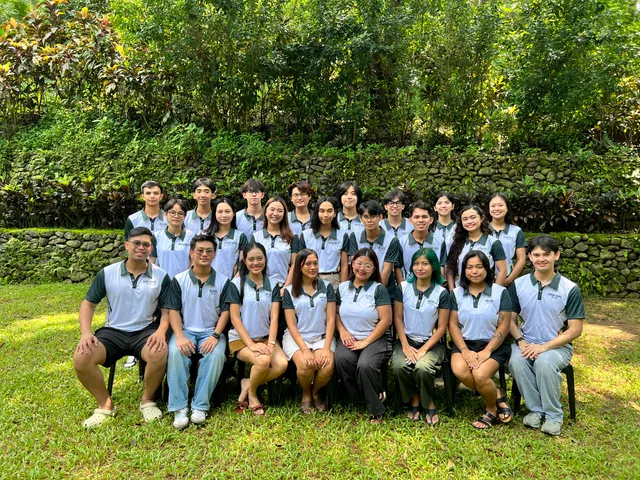
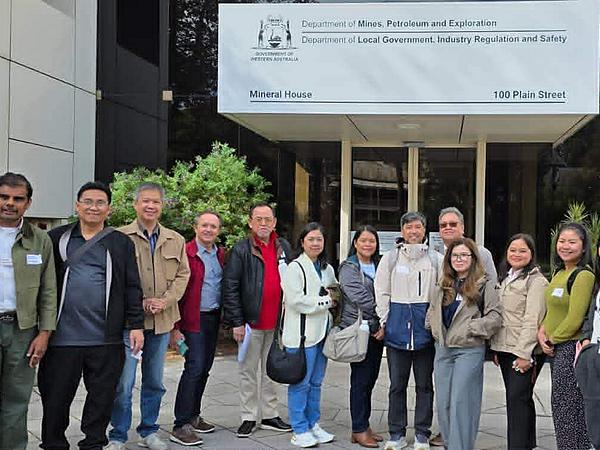
The Mines and Geosciences Bureau (MGB) and representatives from several Philippine government agencies have returned from a mining study tour in Western Australia, bringing home lessons and reform commitments aimed at strengthening the country's minerals sector and advancing responsible mining practices.
The Philippine delegation participated in the Southeast Asia and Australia Government Partnerships (SEAG2G) Mining Sector Study Tour from May 10 to 15, 2026, where officials examined mining operations, mineral processing facilities, research institutions, regulatory agencies and sustainable development initiatives in one of the world's leading mining jurisdictions.
The delegation was led by Department of Environment and Natural Resources Assistant Secretary for Mining Concerns Michael Cabalda.
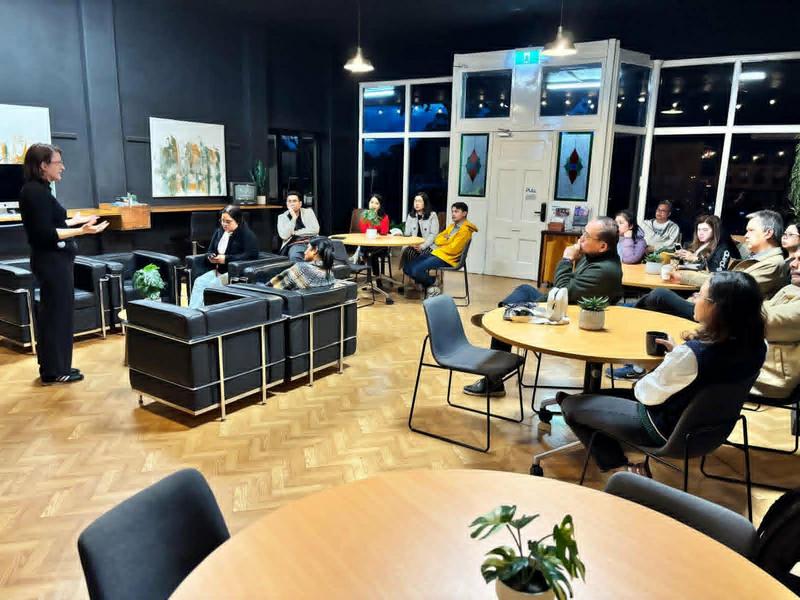
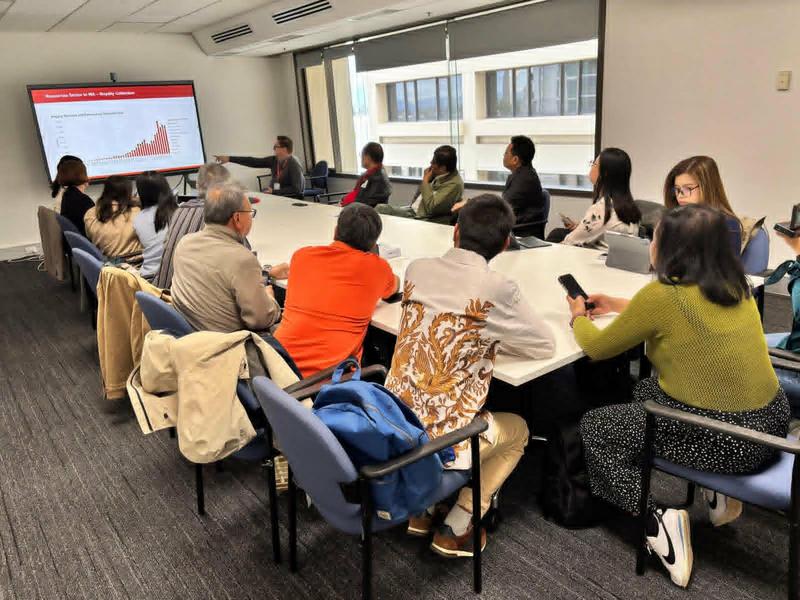
During the six-day program, participants visited Murdoch University, the Intertek Minerals Laboratory, Alcoa's Huntly Mine and Pinjarra Alumina Refinery, the Tianqi Lithium Refinery, the Minerals Research Institute of Western Australia, and several government agencies involved in mining regulation and environmental management.
According to MGB, the study tour provided delegates with firsthand exposure to responsible mining practices, mine rehabilitation programs, environmental stewardship initiatives, critical minerals development, downstream mineral processing, laboratory management systems, social licensing frameworks, Indigenous engagement strategies and approaches to supporting the long-term economic transition of mining communities.
The bureau said the program generated practical insights that could be adapted to Philippine conditions and incorporated into future policies, technical programs and regulatory initiatives.
The engagements also established connections with internationally recognized universities, laboratories, mining companies, research organizations and government agencies, creating opportunities for future technical cooperation, research partnerships, knowledge exchanges and capacity-building programs.
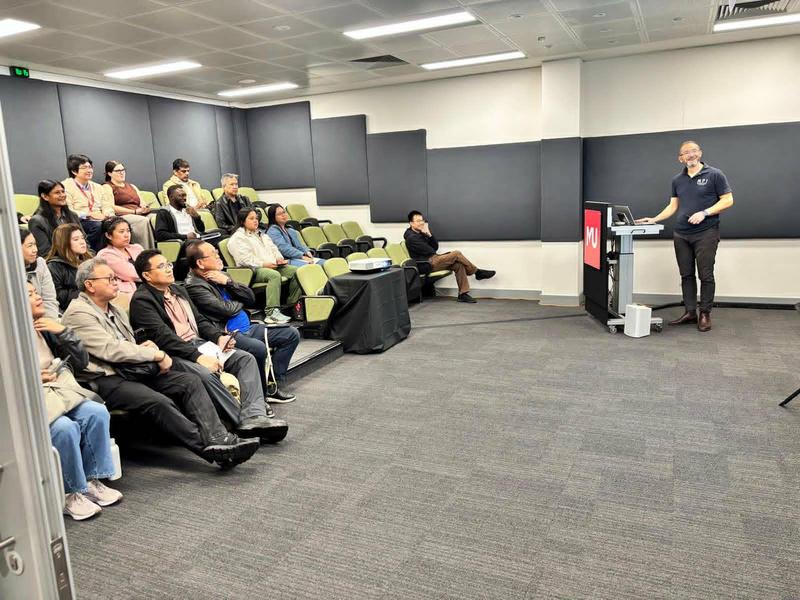
Among the key lessons identified by the delegation were the importance of strong institutional governance, sustained investment in research and development, modernization of laboratory facilities, promotion of value-added mineral processing and the integration of sustainability principles throughout the mining value chain.
MGB said the value of the study tour extends beyond knowledge-sharing, with participants expected to translate lessons learned into concrete actions within their respective areas of responsibility.
Each participant has identified specific commitments, initiatives or proposed outputs that will be pursued upon returning to the Philippines, with the aim of strengthening the bureau's technical services, regulatory functions, research capabilities and institutional effectiveness.
The commitments have been compiled and included as an annex to the delegation's official travel report for management review and consideration.
The delegation expressed confidence that the initiatives, once implemented, would contribute to the modernization of the bureau, enhancement of technical capabilities, expansion of downstream mineral processing opportunities and strengthening of sustainable mining governance in the Philippines.
As the country seeks to increase participation in global mineral value chains while advancing responsible mineral development, MGB said the knowledge, partnerships and commitments generated through the study tour are expected to support innovation, institutional improvement and long-term growth across the mining sector.
The delegation reaffirmed its commitment to converting lessons learned in Australia into programs, projects and policy initiatives that support the bureau's mandate and contribute to the sustainable development of the Philippine minerals industry.