The Philippines showcased its critical minerals investment opportunities, flagship mining projects and fiscal incentives to international investors during the two-day Mining Asia Conference in Singapore, highlighting the country's ambition to move beyond raw mineral exports and develop a value-added processing industry.
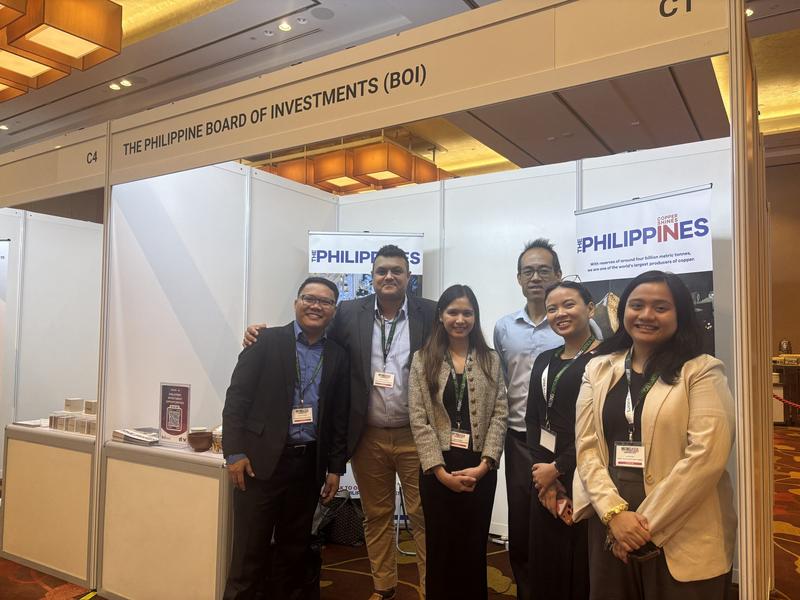
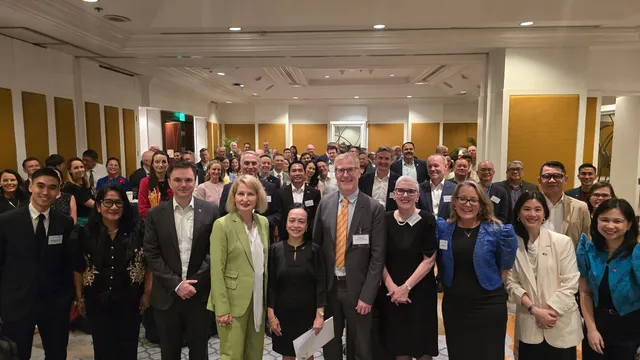
The Department of Trade and Industry, through the Philippine Trade and Investment Center in Singapore and the Board of Investments (BOI), led the country's participation in the June 23-24 conference, where government officials promoted the Philippines as a strategic destination for critical minerals investment.
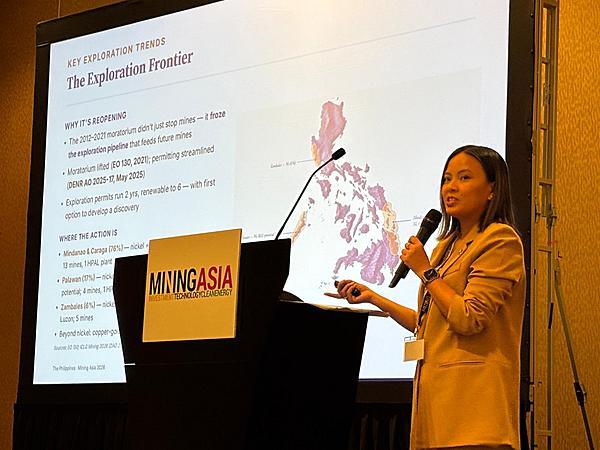
Speaking during the conference, PTIC-Singapore Commercial Counsellor Carla Grepo said the Philippines was well positioned to benefit from growing global demand for critical minerals, citing its abundant resource base, renewed mining investment climate and recently implemented fiscal reforms.
Grepo said the country's greatest opportunity lies in expanding domestic mineral processing, noting that while the Philippines is the world's second-largest nickel producer, about 95% of its nickel ore is still exported in raw form.
She said rising demand for critical minerals, coupled with efforts by governments and manufacturers to diversify supply chains, creates an opportunity for the Philippines to attract investment, technology and long-term industry partners.
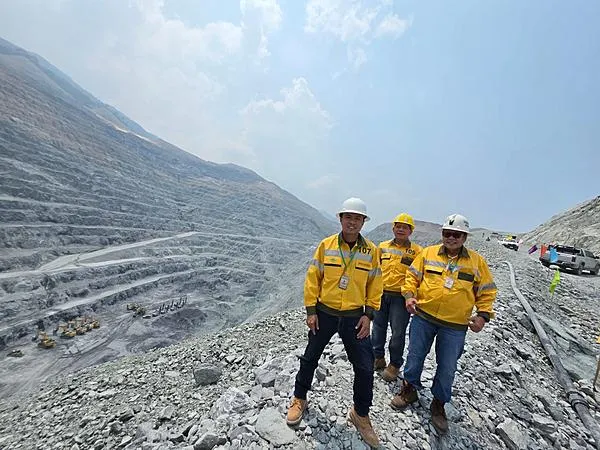
Grepo highlighted several large-scale copper-gold projects nearing development, including the Silangan project in Surigao del Norte, which is expected to begin commercial operations in early 2026; the King-king project in Davao de Oro, which has advanced to the definitive feasibility study stage; and the Tampakan project in South Cotabato, one of the world's largest undeveloped copper-gold deposits.
During a panel discussion on strategic mining investments, Grepo said geopolitical tensions have shifted investor priorities from securing the lowest-cost mineral supplies to ensuring reliable and diversified sources.
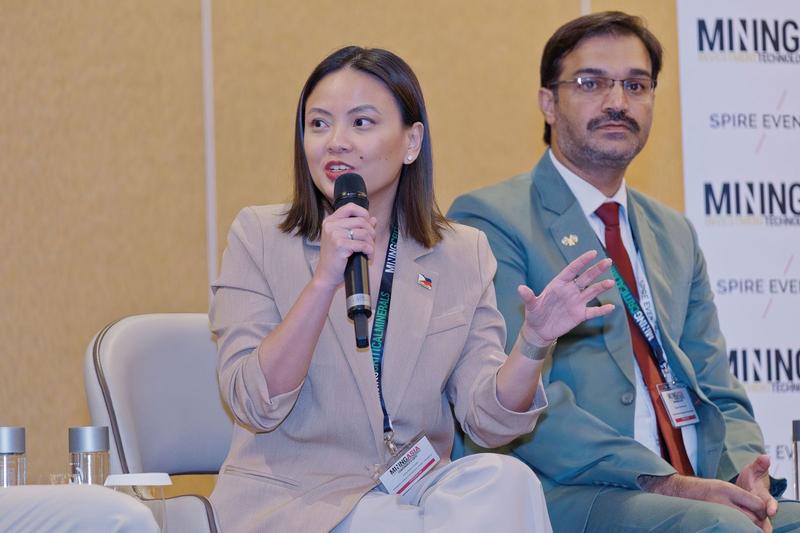
She said investors are increasingly seeking jurisdictions that offer regulatory certainty, supply chain traceability and stable long-term partnerships, presenting an opportunity for the Philippines to strengthen its position in the global critical minerals market.
The Philippine delegation also mounted an exhibition booth that attracted steady investor inquiries throughout the conference, reflecting growing interest in the country's mining sector.
BOI Acting Director for the Resource-Based Industries Service Francis M. Peñaflor said green metals, including critical minerals, have been identified as a national priority sector under the government's industrial development strategy.
He said the BOI's "4Ps" framework — policy, permitting, partnership and projects — aims to develop the country's entire minerals value chain while supporting strategic industries such as renewable energy, electric vehicle batteries, semiconductors, electronics, digital infrastructure and advanced manufacturing.
Peñaflor also highlighted the government's Green Lane for Strategic Investments, which expedites permits and regulatory approvals for priority projects.
He said qualified critical minerals projects may avail themselves of incentives such as income tax holidays, enhanced tax deductions, and duty and value-added tax exemptions on imported capital equipment. Strategic investments worth at least PHP50 billion or generating at least 10,000 direct jobs may qualify for income tax-based incentives for up to 40 years.
The Philippines ranks among the world's top five countries in nickel, copper and cobalt reserves. It was the world's second-largest producer of mined nickel in 2024, accounting for an estimated 9% to 10% of global supply, behind Indonesia. The country's metallic mineral production increased by about 22% year on year in the first half of 2025, driven largely by higher gold prices.
Mining Asia brings together mining executives, government officials, investors and industry experts from more than 30 countries to discuss trends, investment opportunities and challenges facing the regional mining industry.