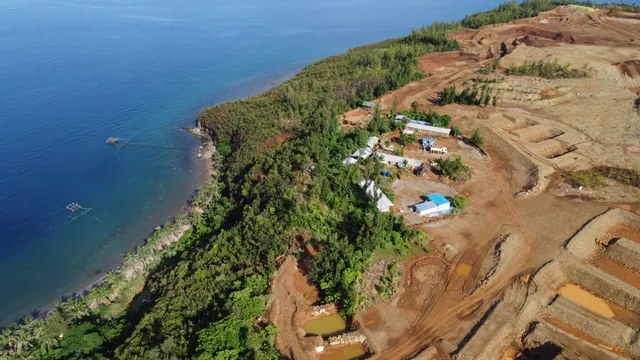
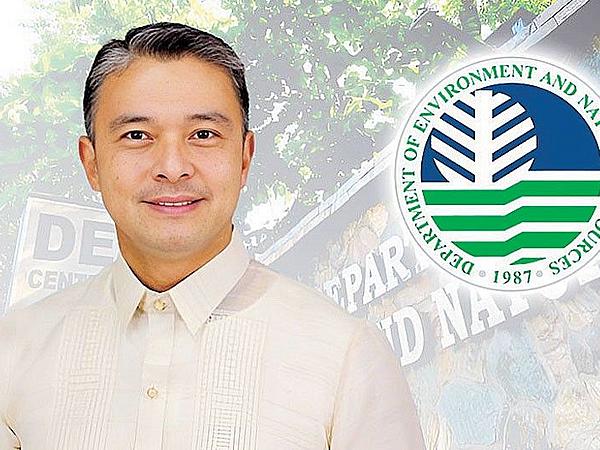
Responsible mining is possible in the Philippines under stricter government oversight and improved monitoring, Environment Secretary Juan Miguel Cuna said as he urged small-scale miners to legalize their operations through a simplified permitting system.
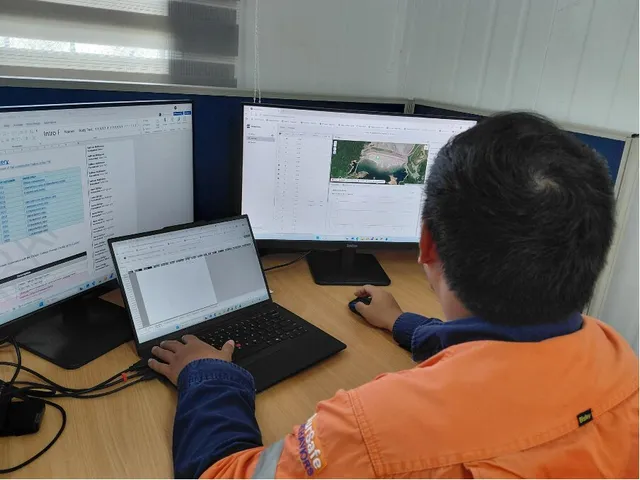
Speaking at the Kapihan sa Manila Hotel forum on July 15, Cuna said advances in technology, including the use of drones, and increased public scrutiny through social media have strengthened the government's ability to monitor mining operations and enforce environmental regulations.
"Responsible mining does exist," Cuna said, noting that environmental violations at mine sites can now be detected and reported more quickly than in the past.
He said the Department of Environment and Natural Resources (DENR), through the Mines and Geosciences Bureau (MGB), has enhanced its monitoring capabilities, making it more difficult for mining companies to disregard environmental standards.
Cuna also pointed out that many of the country's large-scale mining firms are publicly listed Filipino companies with reputations to protect, making compliance with environmental regulations a business imperative.
However, he said illegal small-scale mining remains a major concern because many operators continue to work outside government-designated "minahang bayan" areas due to the complexity of securing permits.
Established under Republic Act 7076, or the People's Small-Scale Mining Act of 1991, minahang bayan refers to government-designated areas where small-scale mining activities may be legally conducted.
To encourage compliance, the DENR has launched Permitting on Wheels, a mobile one-stop shop that brings government services directly to mining communities to help miners secure permits and comply with regulatory requirements.
Cuna said many small-scale miners resort to illegal operations because they find the permitting process difficult to understand or complete.
The mobile permitting initiative also involves other government agencies, including the Department of Labor and Employment and the Bangko Sentral ng Pilipinas (BSP), to educate miners on legal gold trading, occupational safety and other regulatory requirements.
He encouraged small-scale miners to sell their gold through the BSP or its accredited traders, saying legal channels ensure fair compensation while protecting miners from legal sanctions.
The program also promotes environmentally responsible mining practices, including compliance with the country's ban on the use of mercury in small-scale gold mining.
Cuna cited Executive Order 79, issued in 2012, which institutionalized reforms in the mining sector and prohibited mining activities in environmentally critical areas.
Addressing criticism from environmental group Alyansa Tigil Mina, Cuna said the DENR remains open to engaging with organizations opposed to mining and invited them to participate in Multi-Partite Monitoring Teams (MMTs), which oversee environmental compliance at mining operations.
He said allowing civil society groups to join monitoring activities would strengthen transparency and enable them to assess firsthand whether mining companies are operating responsibly.
The DENR has been promoting responsible mining as part of its broader strategy to balance mineral development with environmental protection, while formalizing the country's small-scale mining sector to improve safety, regulatory compliance and government oversight.