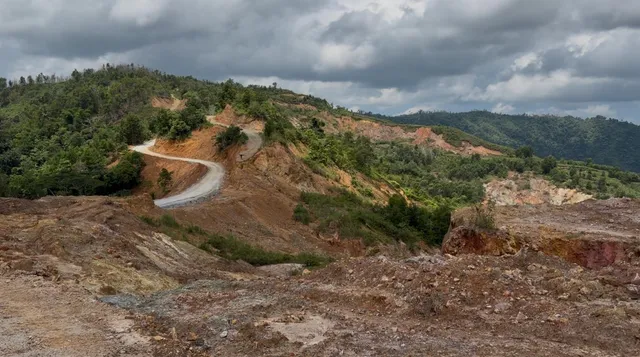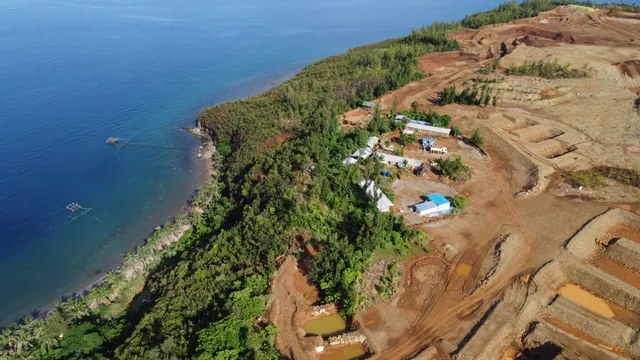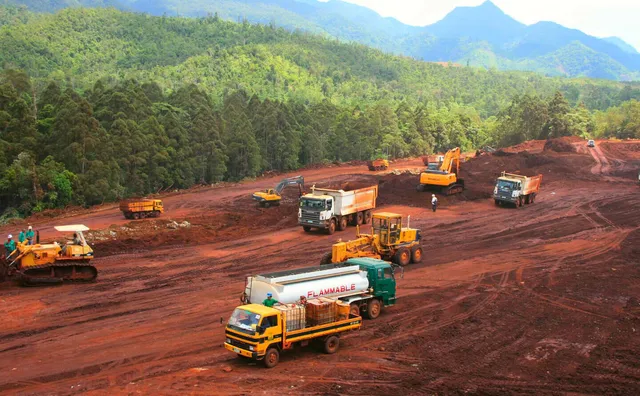
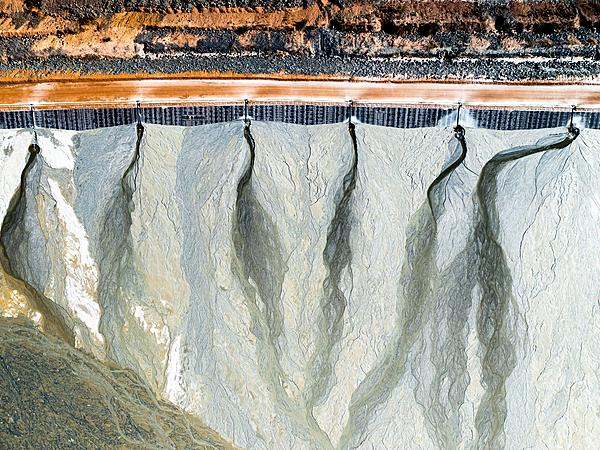
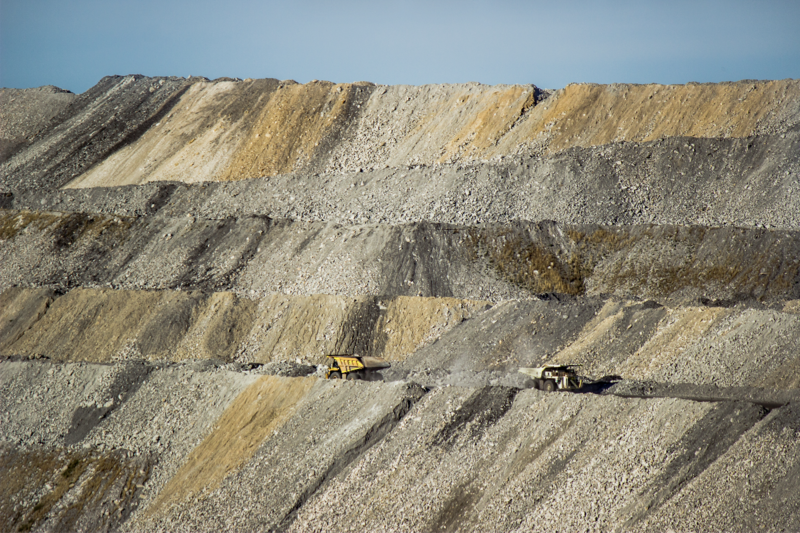
Mining plays a critical role in the Philippine economy, supporting demand for copper, gold and nickel across regional and global markets. However, every operation produces large volumes of waste that must be managed safely over the long term. Globally, more than 100 billion tonnes of mine waste are generated annually, and the Philippines faces its share of this challenge.
In a country shaped by high rainfall, seismic activity and competing land uses, mine waste is more than an operational issue. It carries environmental, social and financial implications that extend well beyond the life of a mine. At GHD, we believe this challenge also presents a powerful opportunity. With the right approach, mine waste can shift from being a long-term liability to becoming a valuable resource that supports economic development, environmental stewardship and sustainable management of precious resources.
Rethinking mine waste as a strategic opportunity
Managing mine waste is increasingly complex. In the Philippines, climate change-driven intensified events and seismic activity, add to the risks of conventional tailings storage, alongside rising costs, regulation and community expectations.
At the same time, demand for minerals continues to grow, putting more pressure on finite resources and exposing the limits of traditional extract-and-dispose models.
Mine waste is often treated only as a liability, yet tailings can hold recoverable metals and mineral content that can be reused once contaminants are removed. In the Philippines, it also opens opportunities to extend economic and community benefits beyond the life of a mine.
Unlocking value through repurposing
Reimagining how tailings are managed can significantly reduce the volume of waste requiring long‑term storage. Whilst reprocessing tailings to extract further metal is not uncommon, ‘repurposing’ has the potential to cut tailings volumes by up to 90%, easing pressure on storage facilities and reducing environmental risk.
The opportunities created by this shift are wide‑ranging. Processed tailings can be transformed into construction materials such as aggregates, sand and cementitious products. These materials can be used in roads, housing and infrastructure projects, many of which are in high demand across the Philippines.
Repurposing also supports more efficient use of existing infrastructure. In many cases, tailings can be processed using facilities already in place, limiting the need for major new investments. This makes repurposing an attractive choice for both operating mines and sites approaching closure.
In addition, tailings often hold substantial amounts of many other valuable metals, beyond the traditional copper, gold, nickel and zinc that is typically produced in the Philippines. By concentrating the metallic fraction of the tailings (approximately 20% by volume), this can then be refined (locally or offshore) to extract other critical minerals and rare earth elements.
Turning tailings into materials that support long‑term development
Construction is one of the most promising pathways for repurposed mine waste. Of the approximately 80% by volume of tailings material, alumino‑silicates commonly found in tailings can be converted into geopolymers and alkaline‑activated concrete.
Low‑carbon, low-cost construction materials present another compelling choice. Precast elements produced near mine sites can reduce transport requirements while supporting local supply chains and employment.
Beyond construction, repurposed mine waste can play a role in land restoration and agriculture. Silicate‑rich materials support soil structure and can be combined with organic matter to rehabilitate degraded land. This approach helps restore ecosystems, supports vegetation growth and contributes to long‑term land stability.
By linking waste repurposing with rehabilitation aims, mining companies can align operational decisions with broader environmental and community outcomes. The result is a more integrated approach to mine planning, operation and closure.
Creating shared value for industry and community
Reducing reliance on large tailings storage facilities lowers long‑term monitoring and maintenance costs for mining operations. These benefits also extend beyond mining companies. Repurposing creates opportunities for collaboration with the construction, manufacturing and agricultural sectors, supporting job creation and skills development. For communities near mine sites, this diversification can reduce dependence on a single industry and support more stable local economies.
Environmental gains are equally significant. Repurposing lowers the volume of material stored in tailings facilities, reducing safety risks in a country exposed to extreme rainfall and seismic events; including Acid Mine Drainage (AMD). It also reduces demand for new quarries.
Social outcomes may be the most enduring. By extending productive activity beyond the operational mine life, repurposing supports long‑term community resilience. Continued production after closure can sustain employment, support infrastructure and provide a foundation for future development.
Overcoming barriers to adoption
Despite its potential, large‑scale mine waste repurposing is still limited by financial, regulatory and technological barriers, as well as the need for public confidence and policy support.
Progress depends on treating waste as a resource and building repurposing into mine planning from the start. Collaboration between mining companies, researchers, recyclers, government and consultants is essential to advance research, refine processes and create supportive frameworks. The good news is that momentum is already gaining, particularly in Canada and Australia, where governments are realising the substantial benefits and starting to adapt policy and process to enable a more streamlined approach to repurposing.
The Philippines is well placed to take advantage of these lessons. With a significant mining sector, growing infrastructure needs and increasing focus on sustainability, the foundations for progress are already in place.
Shaping a more resilient future for Philippine mining
A more sustainable future for mining in the Philippines begins with a simple but powerful shift in perspective. When mine waste is treated as a resource, new pathways open for reducing risk, creating value and supporting communities.
By transforming tailings into useful materials, we can lower environmental impact, strengthen economic performance and leave a more positive legacy at mine closure. Achieving this vision will require innovation, investment and collaboration across multiple disciplines. The opportunity is real, and the benefits extend far beyond the mine gate.
Through thoughtful planning and committed partnerships, repurposing mine waste can help shape a mining industry that supports resilience, sustainability and long‑term prosperity for the Philippines.