


November 25, 2024

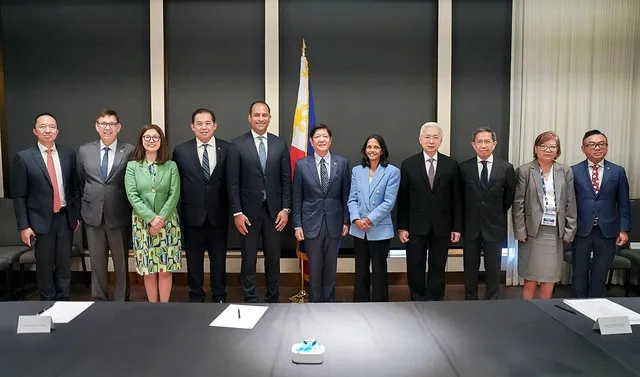
The Philippines and New Zealand signed a joint declaration and areas of cooperation on climate change on November 19 as a demonstration of the two countries’ commitment to the goals of the Paris Agreement and the transition to a low-emissions economy.

Department of Environment and Natural Resources (DENR) Secretary Maria Antonia Yulo Loyzaga and New Zealand Minister of Climate Change Simon Watts signed in parallel the joint declaration at the DENR Central Office in Quezon City and at the ongoing COP29 in Baku, Azerbaijan, respectively.

“Our government and the New Zealand’s are united by a common purpose: to build climate-resilient communities while accelerating the transition to a low-emissions economy,” said Secretary Loyzaga. Given the Philippines’ vulnerability to the impact of climate change, our focus really is to navigate the complexities of driving economic recovery and inclusive growth, balancing the immediate needs of our people with long-term sustainability goals.”

The declaration sets an 18-month timetable to formalize the framework for enhancing the partnership on climate change, focusing on innovation, cooperation and sustainable development in pursuing job creation, investment opportunities, and economic growth.

Reaffirming their commitment to fully implement the Paris Agreement, the two countries acknowledged the importance of aligning financial flows with low-emission and climate-resilient development.

“Aligning our actions with the goals set in the Paris Agreement helped us recognize that transitioning to a low-emissions economy is not merely a policy objective but a moral imperative, which is why in this cooperation, we aim to build a model of inclusive growth that responds to both the urgency of the present and the promise of a sustainable future,” Secretary Loyzaga said.

The joint declaration states a “common aim to reduce the impacts of climate change and prepare for its future impact, through the transition to a net-zero greenhouse gas emissions economy that is cost-effective, using evidence-based policies, while enabling private investment and partnerships, access to the best available science and technology, international engagement and knowledge sharing and competitive markets.

It also affirms that cooperation between governments can enable the sharing of best practices and support the development of innovative and effective solutions to avoid and reduce greenhouse gas emissions and adapt to the impacts of climate change.

The declaration emphasized the importance of carbon pricing and the elimination of harmful subsidies as critical tools for reducing greenhouse gas emissions to limit global average temperature rise to 1.5°C.

The bilateral engagement served as a critical follow-through on the official visit of New Zealand Prime Minister Christopher Luxon to Manila in April 2024 when he met with President Ferdinand Marcos, Jr., and more recently, the technical discussions conducted by climate change officials in October 2024 in Manila.

October 20, 2024

By Wei Wei, Product Manager, and Ricky Chua, Sales Manager, Fluke Calibration, Fluke South East Asia Pte Ltd

Calibration plays a pivotal role in the mining industry, ensuring safety, enhanced productivity, and adherence to regulatory compliance standards. As the Philippines mining sector strives to meet increasing demands, accurate calibration of equipment becomes more critical than ever. This article explores the importance of calibration, the essential tools and maintenance practices required to support calibration, the benefits of digital documentation, and best practices for control systems maintenance, providing expert insights to help mining companies optimize their operations.

Key Benefits of Calibration

Safety is paramount in mines, where workers are often exposed to high-risk environments. Properly calibrated equipment, such as pressure wells and temperature switches, function accurately, thereby safeguarding workers. This is essential in the high pressure and high temperature environments of mines. Regular calibration helps prevent accidents, making the mining environment safer for everyone involved.

Calibration also plays a crucial role in reducing unplanned operation downtime, optimizing operations and lowering costs, which leads to higher productivity and better resource management. Yields rates are significantly boosted as the ability to take accurate measurements improves control over processes such as crushing, grinding, and flotation, essential for maintaining a high production yield.

Mines must comply with predetermined regulatory standards, both in terms of environmental protection and quality. Failure to comply can result in the shutdown of the mine. Environmental compliance requires the accurate monitoring of emissions. The calibration of instruments ensures the reliable reporting of accurate data that supports compliance with industry standards.

This is all important because, with mining being at the top of the supply chain, disruptions in mining operations has a knock-on effect throughout the downstream supply chain, with concerning economic consequences. It is essential that mines optimize processes to minimize downtime, and the key to this is to apply a predictive maintenance framework.

Maintenance Practices for Ensuring Consistent Output

Predictive maintenance is an advanced approach that uses historical data and regular inspections to predict potential equipment failures before they occur. The first step is to schedule regular equipment checks. Over time, data is collected to establish benchmarks and detect patterns that can signal potential equipment failure before any physical signs become evident. This early detection of symptoms allows for the implementation of proactive measures, lowering the cost of repairs and extending the equipment lifecycle. Ultimately, the collection and analysis of this rich pool of data not only prevents unplanned downtime but also optimizes calibration intervals, ensuring equipment is always operated at peak efficiency.

Continuous training and development of the workforce are also essential practices to employ to maintain calibration standards. Regular training sessions keep workers updated on the latest techniques and technologies, enhancing their ability to perform calibration tasks accurately. Cross-training workers in multiple disciplines further increases operational flexibility and ensures continuity during shift changes.

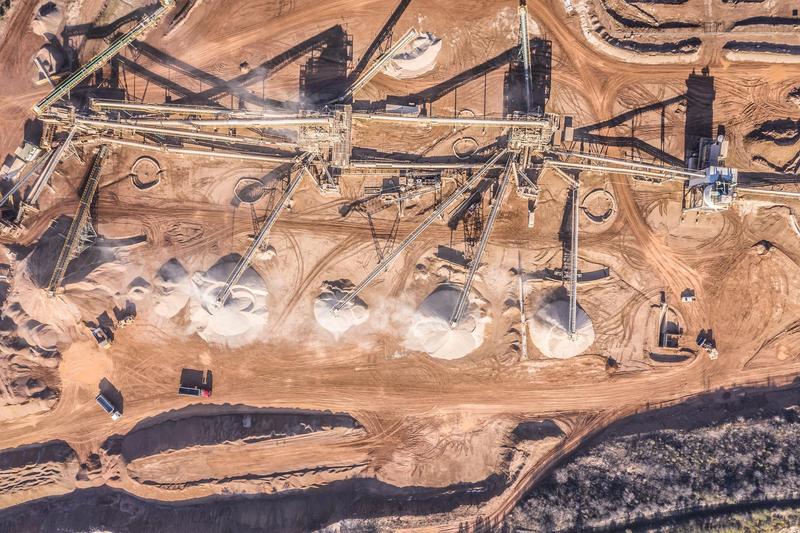
Open pit mining with several processes.


The Move to Digital Documentation

The manual recording of calibration data is impractical as it is highly labour-intensive and involves the collection and physical storage of high volumes of data. Digital documentation has become increasingly important with the rise of automated sensors in mining operations. This method involves electronically recording and storing the information collected within the calibration tool itself. Information captured includes the reading results, date of calibration, operator’s details and records of adjustments made. Digital documentation also removes the risk of human error as data collection is automated.

Digital records also support compliance with industry standards such as ISO 17025, which specifies the requirements for the general competence of testing and calibration. Maintaining a complete calibration history for each instrument across its lifecycle is crucial for traceability and audits, especially when investigating accidents. Being able to audit and identify causation leads to better practices baked into the mining operations moving forward.  

Supporting a "Carry Less, Do More" Mindset

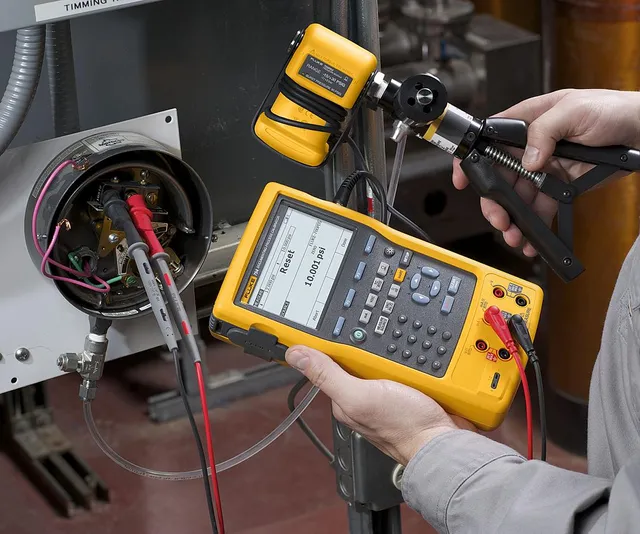
The introduction of multifunction calibrators has revolutionized the calibration process in mining operations. These devices combine the capabilities of several single-function instruments into one, significantly enhancing efficiency and reducing the physical burden on workers. An example is the Fluke 754 Documenting Process Calibrator with HART communication, which can measure pressure, temperature, and electrical signals with a single handheld device weighing only 1.2 kg and can be easily carried in a bag. The battery-powered device with its built-in interface is designed for portable use and actually performs better in its battery-powered mode.

Multifunction calibrators like the Fluke 754 enable workers to perform various calibration tasks with a single device, reducing the need to carry multiple pieces of instruments. This innovation not only enhances efficiency but also improves overall productivity. “In the past, workers had to carry multiple devices, each weighing up to 1 kg,” explains Wei Wei, Regional Product Manager, Fluke Calibration, Fluke South East Asia Pte Ltd. “Now, with multifunction calibrators, they carry just one instrument which can be up to a third of the weight of the multiple devices they had to carry previously. This makes a huge difference when factoring in the time and distance these devices need to be carried.”

Best Practices for Control Systems Maintenance

Routine Testing - Regular testing of control systems, including Programmable Logic Controllers (PLCs) and Supervisory Control and Data Acquisition (SCADA) systems, is vital for smooth operations. These systems act as the brain of mining operations, and their failure can have significant impact. Routine testing is crucial to ensure control systems don’t break down.

Emergency Handling - An up-to-date emergency response plan is essential for handling unexpected system failures. This plan should be in continual development, based on lessons learned, and should include detailed steps for troubleshooting and restoring operations quickly.

The Fluke 773 Milliamp Process Clamp Meter is an example of a tool that aids in both routine testing and emergency handling. It can measure signals without shutting down the control system and acts as a loop power source during troubleshooting.

Calibration is fundamental to the safety, efficiency, and regulatory compliance of mining operations in the Philippines. By investing in modern calibration tools, implementing predictive maintenance practices, and adopting digital documentation, mining companies can optimize their operations and ensure consistent delivery of essential materials. Prioritizing calibration not only enhances productivity but also positions companies as leaders in the industry, ready to meet the demands of a growing market.

September 09, 2024

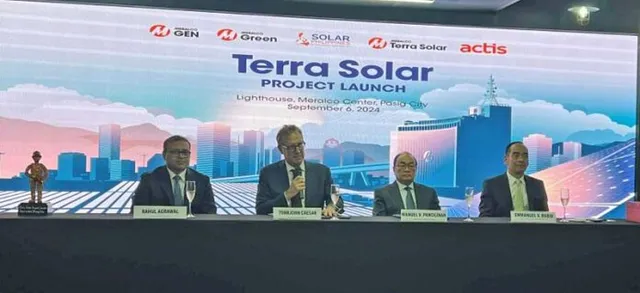
London-based investment house Actis formalized its USD600 million investments in the Philippines for the development of the country’s largest single-site solar power project.

Manila Electric Corp. (Meralco) and SP New Energy Corp (SPNEC) signed an agreement with Actis at Meralco’s headquarters in Pasig City Friday for the Terra Solar project, the largest of its kind in the Philippines and in the world.

“From Actis' side, we're very honored and excited to invest USD600 million into that, which I believe is the largest FDI (foreign direct investment) into the greenfield infrastructure here in the Philippines,” Actis chair and senior partner Torbjorn Caesar said.

The Terra Solar is a 3,500-megawatt solar power project with a 4,500-MW (megawatt) hour battery energy storage system.

The project was recently awarded by the Board of Investments (BOI) with a certificate of green lane endorsement to expedite all permits and licenses related to the project.

Meralco PowerGen Corporation president and chief executive officer Emmanuel Rubio said Actis’ investments support the government’s aspiration for a more sustainable energy sector.

“We expect our strategic partnership will not only put Philippines in the global spotlight, it will also thrust one Meralco into the international stage as a leader in the renewable energy space to its ownership of the world's largest hybrid solar project, which is poised to power more than 2.4 million households in the Philippines, and displace 4 million tons of carbon dioxide every year,” Rubio said. 

June 17, 2024

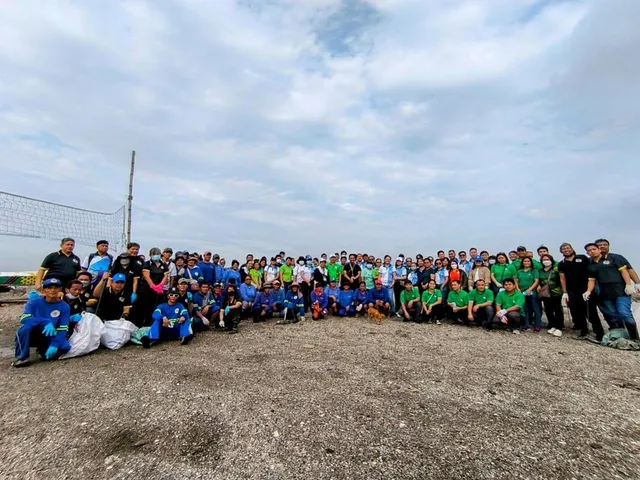
In observation of the celebration of 2024 Philippine Environment Month, the Mines and Geosciences Bureau (MGB) Central Office (CO) participated in a coastal cleanup for World Ocean's Day at BASECO Aplaya, Port Area, Manila on June 07, 2024.

With the theme: "Awaken New Depths,” the simultaneous nationwide coastal cleanup saw the collaboration of 14,000 participants from various sectors, including the Department of Environment and Natural Resources, private organizations, other national government agencies, local government units, youth groups, and community members.

Among the participants, 14 personnel from the MGB CO contributed their efforts to the massive cleanup drive-in.

The campaign aimed to address the alarming amount of waste accumulating along coastlines and riverbanks across the Philippines. In total, the initiative covered around 218 kilometers of coastal and riverbank areas nationwide.

The cleanup drive resulted in the collection of approximately 118,000 kilos of waste, equivalent to over 8,500 sacks filled with various types of litter. Commonly found items included plastic bottles, plastic bags, food wrappers, utensils, straws, sachets, styrofoam, cigarette butts, and discarded fishing gear. This substantial effort underscores the urgent need for continued environmental awareness and action.

World Oceans Day, first proposed in 1992 during the Earth Summit in Rio de Janeiro, is celebrated globally to emphasize the importance of ocean conservation and encourage initiatives that protect marine ecosystems.

This day highlights the vital role the ocean plays in human life and the myriad ways individuals can contribute to its preservation, fostering a deeper personal connection to the sea.

The success of various cleanup efforts underscores the power of community involvement and the positive impact of collaborative action in addressing environmental challenges.

April 14, 2024

The Philippines, the United States and Japan on Friday expressed intent to advance their trilateral cooperation on clean energy.

The commitment was made during the historic trilateral summit of President Ferdinand R. Marcos Jr., US President Joe Biden and Japanese Prime Minister Fumio Kishida at the White House in Washington DC.

In a joint statement, the three leaders acknowledged the existential threat of the climate crisis, and cited the need to take urgent action to reduce greenhouse gas emissions in line with a 1.5 degrees Celsius warming limit, and accelerate efforts to build clean energy economies.

“Our three nations seek to expand trilateral cooperation in the Philippines on the deployment of clean energy technologies, including renewable energy projects such as solar and wind, to support energy requirements in the Philippines and help ensure a just energy transition,” they said.

“Japan, the Philippines, and the United States are working together to expand cooperation for the transition to clean energy and create high-standard, clean energy supply chain jobs across our three nations through the mutually beneficial development of resources in clear, transparent, and fair market competition with strong protections for labor rights and the environment.”

Marcos, Biden and Kishida also sought to expand the three nations’ partnership on safe and secure civil-nuclear capacity building, as they recognized the Philippines’ request for further training and capacity building for nuclear scientists, engineers, and relevant personnel and policymakers.

Under the Foundational Infrastructure for Responsible Use of Small Modular Reactor Technology (FIRST) program, the US and Japan plan to co-host a nuclear energy study tour in Japan for nuclear experts and policy decision-makers from the Philippines and other FIRST partner countries.

“We also plan to deepen trilateral cooperation on civilian nuclear workforce development through a trilateral dialogue this year, to advance the Philippines’ civil nuclear energy program,” the three leaders said.

They welcomed the first Nuclear Energy Summit in Brussels on March 21. Over 35 countries, including Japan, the Philippines, and the United States, will participate in the event.

They also expressed support for critical minerals industries as a way to promote resilient and reliable global supply chains for critical minerals.

“We share the goal of producing and supplying battery materials and batteries for electric vehicles and energy storage systems for the global marketplace. The United States, under the International Visitor Leadership Program, plans to manage a clean energy supply chain training program for select participants from Japan and the Philippines,” they said.

“In addition, the United States and Japan look forward to the Philippines being a founding member of the Minerals Security Partnership Forum, which signifies an important step towards securing and diversifying our collective clean energy supply chains.”

Reduction of nuclear risks

Meantime, Marcos, Biden and Kishida called for the complete denuclearization of the Korean Peninsula, as they condemned the North Korea’s “escalatory threats and unprecedented number of ballistic missile launches, including multiple intercontinental ballistic missile launches, which pose a grave threat to peace and security.”

They said North Korea’s actions have “severe security implications” for the Indo-Pacific and European regions.

“We strongly urge the DPRK to comply with the relevant UN Security Council resolutions, and refrain from continued development, testing, and transfer of ballistic missiles to any country, including Russia, which has used these missiles against Ukraine,” they said.

“As we continue to affirm our commitment to international law, including the United Nations Charter, we reiterate our unwavering support for Ukraine’s sovereignty, independence, and territorial integrity within its internationally recognized borders.”

They said the threats of nuclear weapon use in the context of Russia’s invasion of Ukraine are “unacceptable,” adding that any use of a nuclear weapon “would be completely unjustifiable.”

"To that end, we recall the United Nations General Assembly resolutions stating that no territorial acquisition resulting from the threat or use of force shall be recognized as legal,” they said.

They also urged nuclear weapon states to promote stability and transparency, as well as engage in substantive dialogue on reducing nuclear risks.

“We reaffirm our joint pursuit of a world without nuclear weapons, with the Nuclear Non-Proliferation Treaty as its cornerstone,” the three leaders said.

“As founding members of the ‘FMCT (Fissile Material Cut-Off Treaty) Friends,’ we also call for the immediate commencement of long-overdue negotiations on a treaty banning the production of fissile material for nuclear weapons.”

April 01, 2024

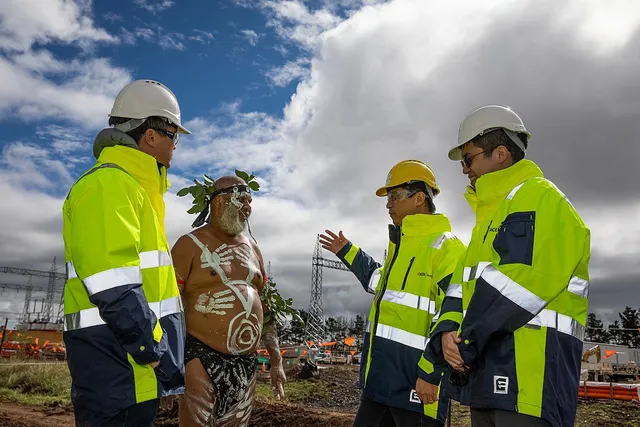
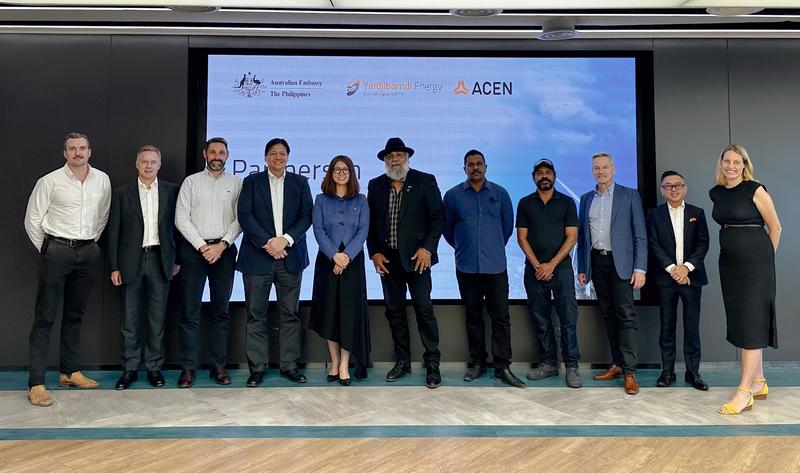
Australia recently launched one of their largest indigenous-led renewable energy project.  Australia’s First Nations Yindjibarndi people have partnered with ACEN, a Philippine renewables company, to develop and operate renewable energy projects in Western Australia.

In the Philippines, ACEN is one of the subsidiaries of the Ayala Corporation and is the Philippine Stock Exchange listed energy platform of the Ayala Group. The company has ~4,800 MW of attributable capacity from owned facilities in the Philippines, Australia, Vietnam, Indonesia, and India with a renewable share of 99%. This percentage is among the highest in the region.

The Yindjibarndi are an Aboriginal Australian people of the Pilbara region in Western Australia. Their traditional lands are located around the Fortescue River.

Her Excellency HK Yu PSM FCPA (Aust), Australian Ambassador to the Philippines stated, “What ACEN and the Yindjibarndi group are doing is fully aligned with the Strategic Partnership between Australia and the Philippines. We are happy to collaborate and work together to ensure that the partnership is mutually beneficial and sustainable.”

The Yindjibarndi people and ACEN will work together on wind, solar, and renewable energy projects on Yindjibarndi Ngurra.  This area is approximately 13,000 km2 within Yindjibarndi’s exclusive native title land in Australia. The partnership will be through Yindjibarndi Energy Corporation (YEC).

YEC is targeting to generate 750 MW of combined wind, solar, and battery storage under construction within the next few years. The investment will be more than PHP 36 billion. The energy that they will produce will be for domestic and export markets. For the next stages of the project, their goal is an additional 2 GW to 3 GW of combined wind, solar, and battery storage.

The leadership of YEC includes Anton Rohner, ACEN-appointed director and chairman, and Craig Ricato, Yindjibarndi-appointed director and CEO of YEC.  

Ricato stated, “This partnership between ACEN and the Yindjibarndi People was built on shared values. ACEN were genuine in their interactions with the Yinjibarndi people – they were honest about their intentions and listened to what the Traditional Owners needed. This made the Yindjibarndi comfortable around ACEN’s people and put them in good standing to negotiate the terms of the partnership agreement.”

ACEN International CEO Patrice Clausse said, “We feel deeply honored by the trust that Australia’s Yindjibarndi community has given us to work collaboratively with them. The Pilbara region is home to some of the largest industrial energy users globally, many of whom have expressed their desire to transition to a carbon-neutral future. We are actively engaged in promising dialogues with potential off-take customers to purchase the renewable energy.”

ACEN has established a solid footprint in Australia’s renewable energy sector, contributing significantly to the country’s clean energy transition and sustainability goals.

The Australian Embassy in the Philippines is supporting ACEN with market information and opportunities.

Clausse also noted, “Australian investment advisors in the Philippines and Australia are helping us keep up to date with developments in Australia’s growing renewable energy sector and sharing information on investment opportunities.”

“They are also pivotal in helping us connect with government representatives at federal and state levels.”

ACEN executives and Australian Ambassador to the Philippines HK Yu PSM, FCPA (Aust) welcome Yindijibarndi delegation on their first visit to the Philippines.


Its partnership with the Yindjibarndi is not its first with First Nations groups on energy projects in Australia. In March 2023, the renewable energy firm launched in New South Wales the first stage of its New England solar project. As part of this project, ACEN has partnered with the local Anaiwan people to ensure culturally significant areas located on the project site are protected for future generations.


Photo source: Courtesy of Australian Embassy in the Philippines

March 18, 2024

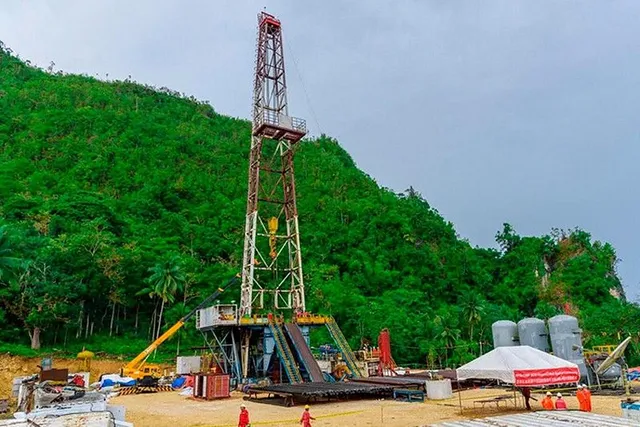
The province of Cebu will partner with private firms to continue oil and natural gas exploration in Alegria town, south of Cebu, Governor Gwendolyn Garcia said Thursday.

Garcia’s decision came as Department of Energy (DOE) Undersecretary Alessandro Sales visited the provincial capitol on Thursday to inform the governor of the agency’s intention to continue the exploration and drilling of the oil reserves in the town’s Barangay Montepeller.

China International Mining Petroleum Co. Ltd. (CIMP) was already producing commercial quantities of oil and natural gas in 2020 following the discovery of an estimated 27.93 million barrels of oil and a possible production recovery of 3.35 million of barrels of crude oil, or a conservative estimate of 12 percent of total oil in place and reserves.

The company also found about 9.42 billion cubic feet of natural gas reserves, with the recoverable resource estimated at 6.6 billion cubic feet, or about 70 percent of total natural gas in place.

However, the DOE terminated the contract with CIMP in 2023 when “they were not able to perform adequately” due to the coronavirus disease 2019 (Covid-19) pandemic.

Garcia hinted at the possibility of entering into a public-private partnership (PPP) in re-exploring the Montpeller oil fields.

“We invite private firms and let them partner with capitol to pursue exploration and drilling efforts to harness the town’s untapped oil and gas resources,” she said.

She cited large-scale projects in Cebu such as the Mactan-Cebu International Airport operations, Cebu–Cordova Link Expressway, and joint venture agreements with Filinvest Land and Manila Water that are successfully undertaken through PPP.

The governor also said that the province is set to sign a joint venture agreement with the consortium of Spanish firm Acciona Energia Global and Freya Renewables Inc. to build a 150-megawatt solar plant in the northern town of Daanbantayan.

According to a statement released by the capitol’s information office, Sales is open to the Garcia’s proposal and willing to facilitate talks between potential investors and the province. By John Rey Saavedra


Article courtesy of the Philippine News Agency

March 18, 2024

Prime Energy Resources Development B.V. said the exploration of new wells on Service Contract (SC) 38 remains on track.

On Friday, Prime Energy announced that it awarded a USD69.9-million (PHP3.88-billion) contract to Noble for the use of its deepwater drillship “Noble Viking" for the Malampaya Phase 4 Project.

The Noble Viking drillship will be involved in drilling deepwater wells in Camago and Malampaya East fields, as well as a third exploration well, Bagong Pagasa, approximately 15 kilometers north of Malampaya.

"We are very proud of the milestones that the hard-working team of Filipinos in Prime Energy achieve month on month to ensure that we are on track for the planned drilling in 2025,” Prime Energy managing director and general manager Donnabel Kuizon Cruz said in a statement.

Cruz said the exploration activities of Prime Energy on SC 38 aims to provide reliable flow and supply of indigenous gas for Filipinos as well as protecting the consumers from the volatile oil and gas prices in the global market.

"Noble is pleased to join together with Prime Energy in this important drilling campaign which will ultimately contribute to improved energy security for the Philippines,” Noble senior vice president for marketing and contracts Blake Denton said.

Noble is one of the world's largest offshore drilling contractors. 

Its Noble Viking drilling rig is state-of-the-art in its deepwater category, with Dual Derricks and integrated Managed Pressure Drilling (MPD) systems on board.

Earlier, Prime Energy awarded two contracts worth USD45 million (PHP2.5 billion) for the supply of Long Lead materials--Offshore Casing and Tubular Goods (OCTG) and Wellhead equipment.

The ongoing activities on Malampaya natural gas field is an offshoot of the extended contract period for SC 38 of another 15 years until February 2039.

March 11, 2024

Australian-based global financial services firm Macquarie Group Ltd. has expressed interest in investing in renewable energy, value-added mining, and digitalization efforts in the Philippines, Malacañang said Tuesday.

The commitment was made during President Ferdinand R. Marcos Jr.’s meeting with Macquarie Group executives on the sidelines of his participation in the Association of Southeast Asian Nations (ASEAN)-Australia Special Summit in Melbourne on Tuesday, Presidential Communications Office (PCO) Secretary Cheloy Garafil said in a statement.

During the meeting, Macquarie Group managing director and chief executive officer Shemara Wikramanayake said the company is keen on operating in the Philippines because of its demographic profile, particularly the “young and growing population” which gives the firm “a bigger opportunity in terms of growth and organization.”

Wikramanayake discussed with Marcos the Macquarie Group’s interests in energy transition, mining and digitalization process, noting that the company provides sufficient funds not only in the United States and Europe but also in Southeast Asia.

“I am excited to talk about what more we can be doing in the Philippines because at the moment we do advisory work in investment bank, we bring our balance sheet to invest in,” she told Marcos, as quoted by the PCO.

“The whole digitization process, we’re excited about. Also, the energy transition we’re excited about… we certainly invest in digitization and we invest in energy transition and in mining and building bigger advisory business,” she added.

Marcos welcomed the Australian company’s investment plan, saying it would be a big help for the Philippines’ development, especially in terms of digitalization process which would benefit both investors and the locals.

“We somehow have fallen behind in that regard, and we’re trying to catch up,” he said, referring to the digitalization efforts in the Philippines.

“Digitization is a very important part of ease of doing business not just for investors, but for locals in their dealings with the government.”

Marcos said the Macquarie Group may also consider exploring other sectors in the Philippines.

“I don’t see any part of what we’ve discussed so far that is not applicable to what our ground plan for the economy of the Philippines. So, again, we’re very open to any insights you might have to improve investment terrain in the Philippines,” he said.

The Macquarie Group is a global financial services group operating in 34 markets, specializing in areas such as resources, agriculture and commodities, energy and infrastructure, with particular knowledge of the Asia-Pacific region.

It has been operating in the Philippines for over 15 years already, with more than 1,000 direct employees through Macquarie Offshore Services, which supports the company’s global business across operations, finance, technology and risk management.

In 2012, Macquarie won a bid to manage the first and largest-ever infrastructure fund for the Philippines at PHP25 billion through the Philippines Investment Alliance for Infrastructure in partnership with the Government Service Insurance System.

A Macquarie Asset Management-led consortium acquired a majority stake in Energy Development Corporation (EDC), the Philippines' largest renewable energy company, from 2017 to 2018.

The EDC manages 1.5 gigawatts of renewable energy generation capacity across geothermal, solar, hydropower, and wind, representing approximately 20 percent of total installed renewable energy in the Philippines. By Ruth Abbey Gita-Carlos


Article courtesy of the Philippine News Agency

March 03, 2024

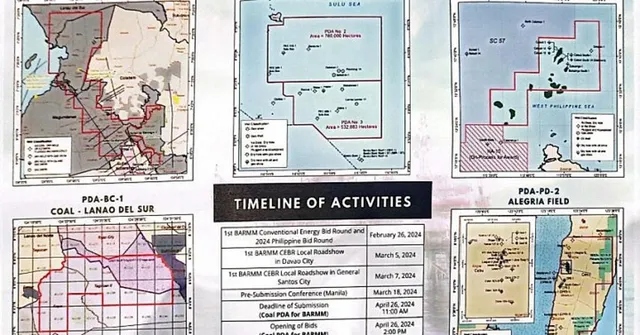
The Department of Energy (DOE) launched on Monday eight predetermined areas (PDAs) for exploration, development, and production of indigenous energy sources across the country.

Four of these are in the Bangsamoro Autonomous Region in Muslim Mindanao (BARMM), three of which are for petroleum and one for coal.

DOE Undersecretary Alessandro Sales, during the launch in Quezon City, said the coal exploration in BARMM, tagged as PDA-BC-1, is in Kapai and Tagoloan, Lanao del Sur, covering 14,856 hectares.

He said bidding is only open for local companies.

For petroleum exploration, these include PDA-BP-1 in the Cotabato Basin that covers Cotabato City and the provinces of Lanao del Sur and Maguindanao del Norte with a total area of 229,240 hectares.

The DOE, in a statement, said 14 wells have been drilled in the area, 10 of which had oil and gas shows.

The other two, PDA-BP-2 and PDA-BP-3, are in the Sulu Sea Basin, it said.

It said six wells have been drilled within the 780,000-hectare PDA-BP-2, where there are three gas discoveries as well as one oil and gas shows; while seven wells were drilled within the 532,083-hectare PDA-BP-3, and four of which had gas shows.

It said explorations in the southern part of the country were halted due to peace and order concerns, but noted that establishment of the BARMM government has addressed security and has helped in building confidence in the area among potential investors.

Meanwhile, four PDAs in Luzon and Visayas under the 2024 Philippine Bid Round 2 were also offered to investors, two of which are for petroleum development and production while the other two are for exploration of native hydrogen sources in the Zambales-Pangasinan area.

The PDA-DP-1 is the Offshore Northern Palawan, a 100,000-hectare area located 60 kilometers from the north coast of Busuanga Island.

“It includes five wells, which led to the discovery of the Calauit and Calauit South oil fields, with an estimated reserve of 5.5 to 6.1 million barrels of oil (MMbbls). Recent studies of the area also revealed additional prospects ranging from 0.1 to 1.8 MMbbls of oil,” the DOE said.

On the other hand, the Visayan Basin, or the PDA-DP-2 in southern Cebu, covers 8,638 hectares with estimated resources of 26.3 to 31.9 MMbbls of oil and favorable amounts of gas appearing in other exploratory wells.

“Recent production from six wells in the block, which produced 19,791.26 barrels of crude oil from 2018 to 2023, is located in the municipality of Alegria,” the DOE said.

The two PDAs for natural hydrogen exploration, the PDA-PH-1 and PDA-PH-2, cover 134,096 and 96,439 hectares, respectively.

Sales said foreign entities can participate 100 percent in petroleum and natural hydrogen explorations in the country.

He said well drilling costs around PHP1.1 billion to PHP5 billion (USD20 million to USD90 million), depending on the depth and the area it covers.

The event attracted local and foreign companies that include Baseline Unlimited Inc., The PhiloDrill Corporation, Helios Aragon PTE Ltd, V1 Countrywide Realty Corp., Asia Axis Inc., PXP Energy Corp., Western Sulu Gulf Oil Corp., Energy China Phils Branch Office, ExxonMobil, Prime Energy, Minsupala Energy and Mineral Resource Devt Corp., Oriental Petroleum and Minerals Corp., Freedom Renewable Energy Corp., and Triangle Energy.

With this data, DOE Secretary Raphael Lotilla encouraged local and foreign companies to tap opportunities in exploring and developing the Philippines’ indigenous energy sources.

“Leveraging on these opportunities, we invite local and foreign investors to be our partners in achieving energy security and self-sufficiency in the region and the entire Philippines,” he said.

“As we go one step forward to harnessing these resources, our aspirations of promoting economic growth, generating employment opportunities, and nurturing a thriving business landscape in the region draw even closer,” he added.

Deadline for submission of bids for coal PDA for BARMM is on Apr. 26 and the submission of bids for native hydrogen and petroleum PDAs is on Aug. 27.

March 03, 2024

The Manila Electric Company (Meralco) has expressed its support to the government’s 2032 nuclear power target by installing 1,200 megawatts capacity using small modular reactor technologies.

Meralco executive vice president and chief operating officer Ronnie Aperocho said in an interview early this week that the company aims to usher this target of the Department of Energy (DOE).

“We'll support the target, definitely, and hopefully we can help the Department of Energy to achieve that target,” Aperocho told reporters.

In November 2023, Meralco and United States-based Ultra Safe Nuclear Corp. (USNC) signed a cooperative agreement to conduct a feasibility study for the potential deployment of micro-modular reactors (MMRs) in the country to provide affordable, reliable, and clean energy, especially to the underserved and off-grid areas.

This, as the Philippines and the US signed a civil nuclear cooperation deal, or the 123 Agreement, that allows the transfer of US-origin nuclear technologies to the Philippines.

“Our partner USNC, they have already submitted the results of our feasibility study. We are reviewing it now, and they will be sending their delegations here few weeks from now to present to the big boss the results,” Aperocho added.

This coming March 11 to 12, US Secretary of Commerce Gina Raimondo will be leading a Presidential Trade and Investment Mission to Manila, with a delegation that includes US companies.

The US Embassy here said their government is still finalizing the members of the delegation. Philippine Ambassador to the US Jose Manuel Romualdez confirmed to PNA that USNC is part of the business delegation of Raimondo here.

Aperocho also mentioned that the feasibility study includes the sites being considered for the MMR deployment.

For his part, Meralco chairman and chief executive officer Manuel Pangilinan said this kind of nuclear technology, which is smaller than the conventional ones, is “good for island provinces” like Cebu and Bohol.

“You don’t have to build a big plant, modular naman ito (this is modular),” Pangilinan said.
March 03, 2024

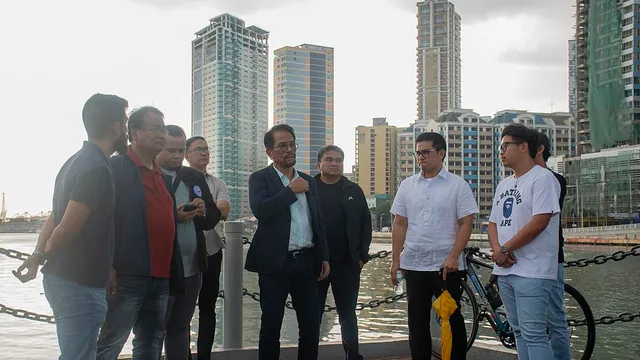
Sustained construction on the next phase of the Pasig River Urban Development Project would interconnect the showcase area at the back of the Manila Central Post Office with the walled city of Intramuros.

The 500-meter showcase area of the Pasig River rehabilitation project, dubbed the “Pasig Bigyan Buhay Muli” (PBBM), was completed on Jan. 17 with the official unveiling led by President Ferdinand R. Marcos Jr. and First Lady Liza Araneta-Marcos.

The next stage of the nine-phase rehabilitation project that stretches to the Intramuros area will be led by the Department of Human Settlements and Urban Development (DHSUD).

“This will greatly contribute to tourism in the city of Manila. Here we are also projecting that there will be commercial shops that will give opportunities to our countrymen which is the vision of President Bongbong Marcos Jr. and First Lady Liza Araneta-Marcos,” DHSUD Secretary Jose Rizalino Acuzar said in a news release.

" We at the Inter-Agency Council for the Pasig River Urban Development Project will continue to work until this project is completed," he added.

Apart from boosting tourism and maximizing the economic potentials of Pasig River, the PBBM Project also aims to promote transportation interconnectivity in Metro Manila as the waterway traverses several major cities across the capital region.

The project envisions to transform the 25-kilometer stretch of the river into people-centered and community-driven park with walk paths and bike lanes.

When completed, it will provide a seamless travel on foot or two wheels from Manila Bay to Laguna de Bay.

The revitalization project stemmed from Executive Order No. 35, issued by the President in July 2023, that created the IAC-PRUD tasked to “transform Pasig River back into historically pristine condition conducive to transport, recreation and tourism.”

The showcase area was completed and opened to the public six months after the issuance of the order.

The project has an estimated completion timeline of three to five years and will be funded solely through donations from the private sector.

Overall, the revitalization project aims to capitalize on the full potential of Pasig River and bring it to the level of other major waterways in the world such as the Thames River in London, the Chao Phraya in Bangkok and the Seine River in Paris.

February 05, 2024

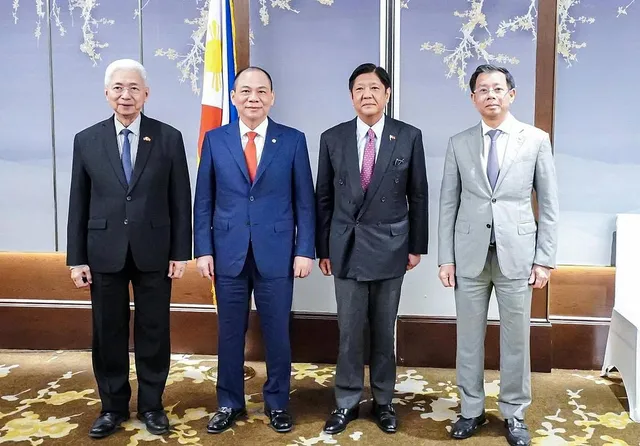
Vietnam’s largest real estate firm Vingroup has expressed interest in investing in the production of electric vehicle (EV) batteries in the Philippines, Malacañang said Tuesday.

The plan was discussed during President Ferdinand R. Marcos Jr.’s meeting with Vingroup executives on the first day of his state visit to Vietnam on Monday, Presidential Communications Operations (PCO) Secretary Cheloy Garafil said in a statement.

Garafil said Marcos is elated by the “timely” offer of Vingroup, given that the country is currently implementing the Public Utility Vehicle Modernization Program (PUVMP).

During the meeting, Marcos acknowledged the importance of Vingroup’s planned investment in the EV battery production, as he stressed that old jeepneys and tricycles will be replaced with modern units.

“I am very happy to note your interest in expanding your operations to the Philippines and you’ve just begun organizing offices there. And I think there is much that you could do,” Marcos told Vingroup’s top executives, as quoted by the PCO.

“The Vingroup is well-known in the Philippines because we are very much aligned [with] what we would like to do in the future in terms of electrical vehicle battery production,” he added.

Marcos told Vingroup officials led by chairperson Pham Nhat Vuong and vice chairperson and chief executive officer (CEO) Nguyen Viet Quang, that the Philippine government is consolidating the PUV operators and drivers into cooperatives and finalizing the vehicles’ specification.

He added that with regard to EVs, there is a proposal to leave the market open to have many suppliers to hasten the full implementation of the PUVMP.

Marcos also touted the ”young, skilled, and educated” Filipino workforce as “one of the [country’s] greatest assets,” noting that providing scholarships, upskilling and reskilling are crucial in empowering them.

“The key to taking the full advantage of that workforce is for the skills… to get them [workers] to acquire the skills that are necessary for cybersecurity, digital banking, digital transfers of money and of course AI (artificial intelligence),” he said.

In a Facebook post after his meeting with Vingroup, Marcos said the government looks forward to its future collaboration with the Vietnamese company on EV production and local mineral processing.

He also thanked the firm for the offer of about 20 scholarships aimed at making the Filipinos “competitive in this digital era.”

Garafil said the Philippines could support Vingroup’s venture, noting that the country has good reserves of nickel, cobalt, and copper.

“Although the Philippines is currently exporting minerals, it would like to increase the value in the Philippines by doing the processing in the country, Marcos said,” she said.

Vingroup is a multi-sector corporation that focuses on technology and industry, trade and services and social enterprise.

Serving as one of Vietnam's leading private enterprises, Vingroup continues to pioneer and lead consumer trends in each of its businesses and has created a respected, well-recognized Vietnamese brand.

Its subsidiary, Vinfast, is registering its subsidiary in the Philippines (Vinfast Philippines) to implement their entry into EV marketing, energy storage and nickel processing partnerships, state-run Radio Television Malacañang said in a statement posted on its official Facebook page.

For his part, Department of Trade and Industry (DTI) Secretary Alfredo Pascual urged VinFast to explore opportunities beyond opening dealership networks in the Philippines.

Pascual, who accompanied President Marcos in Vietnam, said VinFast has more opportunities in the Philippine market beyond selling its EVs through dealership business, which will open by April 2024.

He said the country becomes an attractive EV market with the issuance of Executive Order (EO) 12 which eliminates duty on completely built-up units of certain EVs.

"The Philippines welcomes investments in the EV sector as we position the country as a hub for smart and sustainability-driven manufacturing and services industries in Southeast Asia. Hence, we encourage you to explore other investment opportunities besides EV sales and dealerships," he said in a statement.

The DTI chief also presented the opportunities for the company in mineral processing in the Philippines, which is part of the EV supply chain.

Pascual also said the government provides green lane treatment for strategic investments like mineral processing.

In October 2023, VinFast representatives visited the Philippines where they met local mining companies.

Pascual similarly urged the Vingroup Joint Stock Company to look into opportunities in the tourism and healthcare sectors.

"As we work to increase our FDIs (foreign direct investments) from Vietnam and advance our economic cooperation, we hope that VinFast will make it happen in the Philippines," Pascual said.

The administration targets to be the second highest FDI destination in ASEAN by 2028.

Excluding Singapore, top FDI destinations in the region are Indonesia and Vietnam.

The Philippines net FDI inflows of USD5.88 billion in the third quarter last year already overtook Malaysia's USD4.99 billion and Thailand's USD4.44 billion.

January 29, 2024

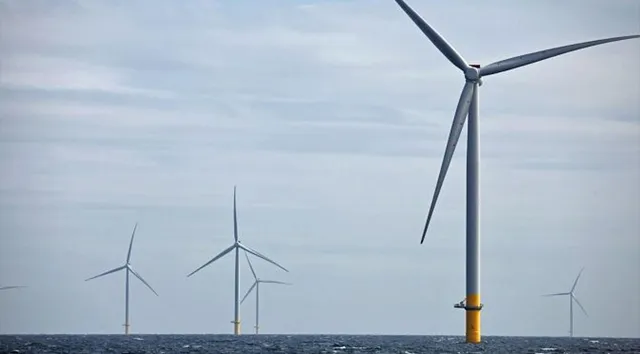
Danish firm Copenhagen Infrastructure Partners (CIP) is investing PHP108 billion to develop the 650 megawatt (MW) offshore wind power project in Northern Samar, the provincial government announced on Friday.

The local government said that Board of Investments (BOI) Assistance Service Director Ernesto de los Reyes confirmed this in a meeting with Governor Edwin Ongchuan and key officials of CIP on January 25.

“The project is currently in the pre-development phase and is expected to commence ground investigations in the first quarter of 2024, which will continue until the end of 2025. These investigations will involve utilizing equipment to measure wind speeds, seabed conditions, and environmental factors,” Northern Samar provincial economic development and investment promotions office chief John Allen Berbon said in a phone interview Friday.

The large-scale offshore wind project will be established in the towns of Bobon, Catarman, Mondragon, San Roque, Pambujan, and Laoang. These areas, according to Berbon, are feasible for wind energy.

The provincial government also reported that the BOI has issued a Certificate of Endorsement for the Green Lane Certificate on January 10, 2024.

The project has also received endorsements from various government agencies, including the Department of Energy.

The company targets delivering these offshore wind projects within the tenure of President Ferdinand R. Marcos Jr., according to the official.

Ensuring grid connection is a top priority for the project, and discussions have already begun with the National Grid Corporation of the Philippines to secure the best options, Berbon added.

This includes potential grid connection points such as the Calbayog 138 kV (kilovolt) substation, the San Isidro 138 kV substation, a potential new station near a 350 kV transmission line, and the Calbayog-Allen 138 kV transmission project.

Other related investments in Northern Samar are the San Isidro On-shore Wind Power Project in San Isidro town by Aboitiz Renewables, Inc., and Vena Energy. (PNA) by: Sarwell Meniano


Article courtesy of the Philippine News Agency

See Our Latest Issue