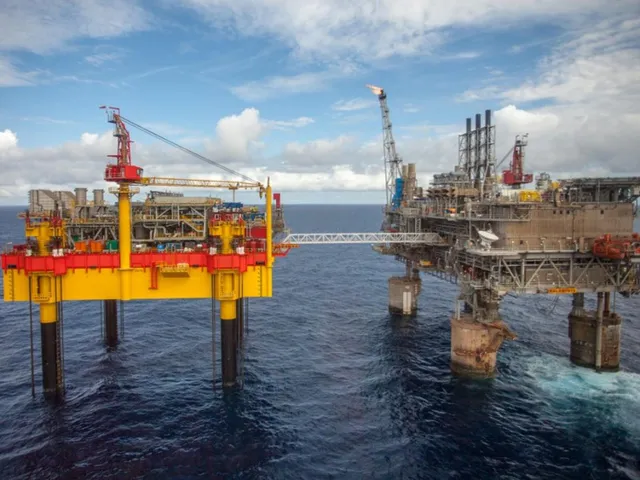
Listed upstream oil and gas company PXP Energy Corp. remains interested in exploration activities for new sources of energy in the country.
“PXP will assess and study other projects in the Philippines,” it disclosed to the Philippine Stocks Exchange on Thursday.
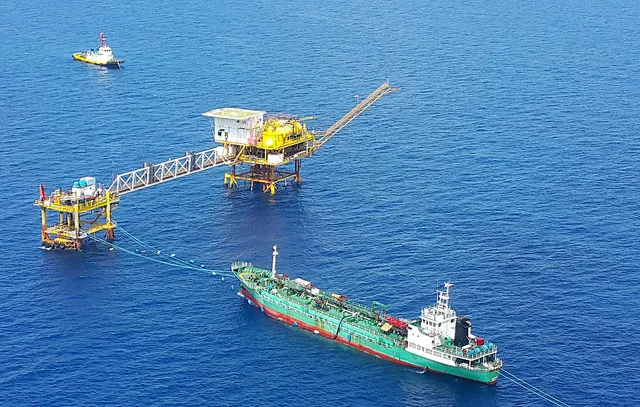
It said the company and its subsidiary, Forum Energy Ltd., would continue to coordinate with the government on the possible resumption of works in Service Contracts (SC) 72 and SC 75 while pursuing exploration activity in SC 40.
On Feb.26, the Department of Energy launched eight pre-determined areas (PDAs) for the exploration, development, and production of coal, petroleum, and natural hydrogen across the country.
PXP attended the launch, signifying its interest in the new offers for energy exploration.
The exploration activities are in line with President Ferdinand R. Marcos Jr.’s focus on expanding and harnessing indigenous resources as the country’s long-term strategy to achieve energy security.
As of end-2023, PXP’s consolidated petroleum revenues declined by 15 percent to PHP63.2 million from PHP74.1 million in 2022 due to lower output at 475,183 barrels and the falling average price of USD80.5 per barrel, compared to 479,955 barrels selling at an average price of USD94.5 per barrel in 2022. By Kris Crismundo
Article courtesy of the Philippine News Authority
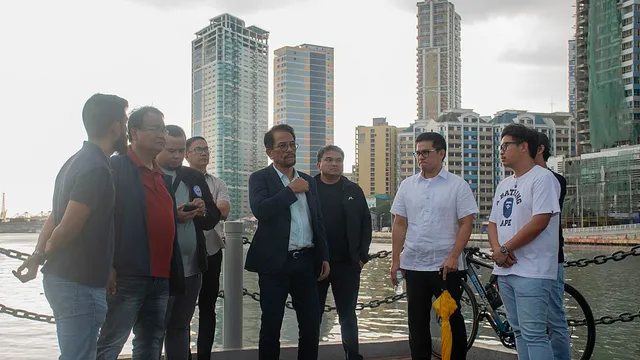
Sustained construction on the next phase of the Pasig River Urban Development Project would interconnect the showcase area at the back of the Manila Central Post Office with the walled city of Intramuros.
The 500-meter showcase area of the Pasig River rehabilitation project, dubbed the “Pasig Bigyan Buhay Muli” (PBBM), was completed on Jan. 17 with the official unveiling led by President Ferdinand R. Marcos Jr. and First Lady Liza Araneta-Marcos.
The next stage of the nine-phase rehabilitation project that stretches to the Intramuros area will be led by the Department of Human Settlements and Urban Development (DHSUD).
“This will greatly contribute to tourism in the city of Manila. Here we are also projecting that there will be commercial shops that will give opportunities to our countrymen which is the vision of President Bongbong Marcos Jr. and First Lady Liza Araneta-Marcos,” DHSUD Secretary Jose Rizalino Acuzar said in a news release.
" We at the Inter-Agency Council for the Pasig River Urban Development Project will continue to work until this project is completed," he added.
Apart from boosting tourism and maximizing the economic potentials of Pasig River, the PBBM Project also aims to promote transportation interconnectivity in Metro Manila as the waterway traverses several major cities across the capital region.
The project envisions to transform the 25-kilometer stretch of the river into people-centered and community-driven park with walk paths and bike lanes.
When completed, it will provide a seamless travel on foot or two wheels from Manila Bay to Laguna de Bay.
The revitalization project stemmed from Executive Order No. 35, issued by the President in July 2023, that created the IAC-PRUD tasked to “transform Pasig River back into historically pristine condition conducive to transport, recreation and tourism.”
The showcase area was completed and opened to the public six months after the issuance of the order.
The project has an estimated completion timeline of three to five years and will be funded solely through donations from the private sector.
Overall, the revitalization project aims to capitalize on the full potential of Pasig River and bring it to the level of other major waterways in the world such as the Thames River in London, the Chao Phraya in Bangkok and the Seine River in Paris.
Vietnam’s largest real estate firm Vingroup has expressed interest in investing in the production of electric vehicle (EV) batteries in the Philippines, Malacañang said Tuesday.
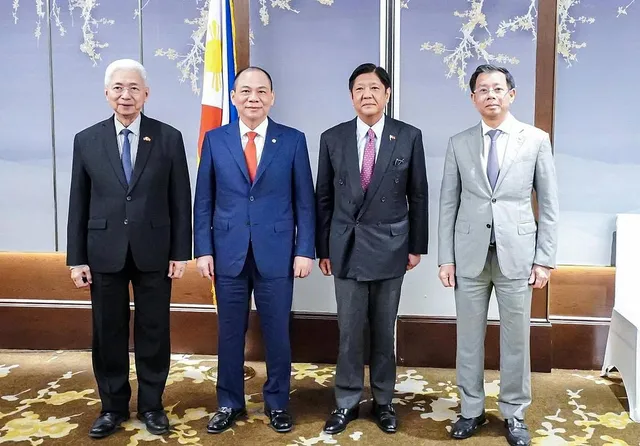
The plan was discussed during President Ferdinand R. Marcos Jr.’s meeting with Vingroup executives on the first day of his state visit to Vietnam on Monday, Presidential Communications Operations (PCO) Secretary Cheloy Garafil said in a statement.
Garafil said Marcos is elated by the “timely” offer of Vingroup, given that the country is currently implementing the Public Utility Vehicle Modernization Program (PUVMP).
During the meeting, Marcos acknowledged the importance of Vingroup’s planned investment in the EV battery production, as he stressed that old jeepneys and tricycles will be replaced with modern units.
“I am very happy to note your interest in expanding your operations to the Philippines and you’ve just begun organizing offices there. And I think there is much that you could do,” Marcos told Vingroup’s top executives, as quoted by the PCO.
“The Vingroup is well-known in the Philippines because we are very much aligned [with] what we would like to do in the future in terms of electrical vehicle battery production,” he added.
Marcos told Vingroup officials led by chairperson Pham Nhat Vuong and vice chairperson and chief executive officer (CEO) Nguyen Viet Quang, that the Philippine government is consolidating the PUV operators and drivers into cooperatives and finalizing the vehicles’ specification.
He added that with regard to EVs, there is a proposal to leave the market open to have many suppliers to hasten the full implementation of the PUVMP.
Marcos also touted the ”young, skilled, and educated” Filipino workforce as “one of the [country’s] greatest assets,” noting that providing scholarships, upskilling and reskilling are crucial in empowering them.
“The key to taking the full advantage of that workforce is for the skills… to get them [workers] to acquire the skills that are necessary for cybersecurity, digital banking, digital transfers of money and of course AI (artificial intelligence),” he said.
In a Facebook post after his meeting with Vingroup, Marcos said the government looks forward to its future collaboration with the Vietnamese company on EV production and local mineral processing.
He also thanked the firm for the offer of about 20 scholarships aimed at making the Filipinos “competitive in this digital era.”
Garafil said the Philippines could support Vingroup’s venture, noting that the country has good reserves of nickel, cobalt, and copper.
“Although the Philippines is currently exporting minerals, it would like to increase the value in the Philippines by doing the processing in the country, Marcos said,” she said.
Vingroup is a multi-sector corporation that focuses on technology and industry, trade and services and social enterprise.
Serving as one of Vietnam's leading private enterprises, Vingroup continues to pioneer and lead consumer trends in each of its businesses and has created a respected, well-recognized Vietnamese brand.
Its subsidiary, Vinfast, is registering its subsidiary in the Philippines (Vinfast Philippines) to implement their entry into EV marketing, energy storage and nickel processing partnerships, state-run Radio Television Malacañang said in a statement posted on its official Facebook page.
For his part, Department of Trade and Industry (DTI) Secretary Alfredo Pascual urged VinFast to explore opportunities beyond opening dealership networks in the Philippines.
Pascual, who accompanied President Marcos in Vietnam, said VinFast has more opportunities in the Philippine market beyond selling its EVs through dealership business, which will open by April 2024.
He said the country becomes an attractive EV market with the issuance of Executive Order (EO) 12 which eliminates duty on completely built-up units of certain EVs.
"The Philippines welcomes investments in the EV sector as we position the country as a hub for smart and sustainability-driven manufacturing and services industries in Southeast Asia. Hence, we encourage you to explore other investment opportunities besides EV sales and dealerships," he said in a statement.
The DTI chief also presented the opportunities for the company in mineral processing in the Philippines, which is part of the EV supply chain.
Pascual also said the government provides green lane treatment for strategic investments like mineral processing.
In October 2023, VinFast representatives visited the Philippines where they met local mining companies.
Pascual similarly urged the Vingroup Joint Stock Company to look into opportunities in the tourism and healthcare sectors.
"As we work to increase our FDIs (foreign direct investments) from Vietnam and advance our economic cooperation, we hope that VinFast will make it happen in the Philippines," Pascual said.
The administration targets to be the second highest FDI destination in ASEAN by 2028.
Excluding Singapore, top FDI destinations in the region are Indonesia and Vietnam.
The Philippines net FDI inflows of USD5.88 billion in the third quarter last year already overtook Malaysia's USD4.99 billion and Thailand's USD4.44 billion.
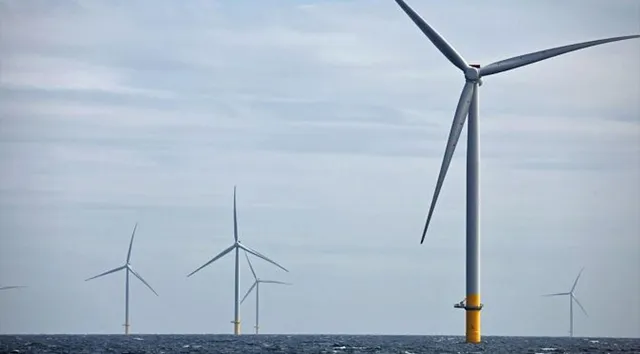
Danish firm Copenhagen Infrastructure Partners (CIP) is investing PHP108 billion to develop the 650 megawatt (MW) offshore wind power project in Northern Samar, the provincial government announced on Friday.
The local government said that Board of Investments (BOI) Assistance Service Director Ernesto de los Reyes confirmed this in a meeting with Governor Edwin Ongchuan and key officials of CIP on January 25.
“The project is currently in the pre-development phase and is expected to commence ground investigations in the first quarter of 2024, which will continue until the end of 2025. These investigations will involve utilizing equipment to measure wind speeds, seabed conditions, and environmental factors,” Northern Samar provincial economic development and investment promotions office chief John Allen Berbon said in a phone interview Friday.
The large-scale offshore wind project will be established in the towns of Bobon, Catarman, Mondragon, San Roque, Pambujan, and Laoang. These areas, according to Berbon, are feasible for wind energy.
The provincial government also reported that the BOI has issued a Certificate of Endorsement for the Green Lane Certificate on January 10, 2024.
The project has also received endorsements from various government agencies, including the Department of Energy.
The company targets delivering these offshore wind projects within the tenure of President Ferdinand R. Marcos Jr., according to the official.
Ensuring grid connection is a top priority for the project, and discussions have already begun with the National Grid Corporation of the Philippines to secure the best options, Berbon added.
This includes potential grid connection points such as the Calbayog 138 kV (kilovolt) substation, the San Isidro 138 kV substation, a potential new station near a 350 kV transmission line, and the Calbayog-Allen 138 kV transmission project.
Other related investments in Northern Samar are the San Isidro On-shore Wind Power Project in San Isidro town by Aboitiz Renewables, Inc., and Vena Energy. (PNA) by: Sarwell Meniano
Article courtesy of the Philippine News Agency
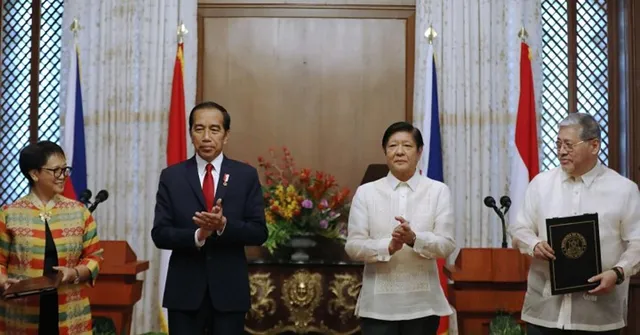
The Philippines and Indonesia on Wednesday signed a memorandum of understanding (MOU) to strengthen their cooperation in the field of energy.
President Ferdinand R. Marcos Jr. and Indonesian President Joko Widodo witnessed the exchange of MOU on energy cooperation between the Department of Energy and Indonesia’s Ministry of Energy and Natural Resources in a ceremony at the President’s Hall of Malacañan Palace in Manila.
In a joint statement delivered after the MOU signing and his bilateral meeting with Widodo, Marcos welcomed the two nations’ bid to strengthen their cooperation on the energy sector.
“Through this MOU, our countries create a new synergy as we cooperate to achieve energy security,” Marcos said.
He also noted that another MOU on science and technology is “nearing the completion phase.”
Marcos added that he and Widodo had also instructed their respective concerned agencies to expedite the signing of relevant MOUs that will help unlock the economic potential of the Bangsamoro Autonomous Region in Muslim Mindanao to spur growth in the region.
“So today, we also recognize Indonesia's contribution to peace and development in the southern Philippines. As Mindanao continues to reap the dividends of peace and democracy, we hope that Indonesia will continue to extend its helping hand to building the institutions of local governments, particularly in the Bangsamoro Autonomous Region,” Marcos said.
He said the Philippines and Indonesia, as immediate neighbors and fellow archipelagic states, also agreed to continue their cooperation on political and security matters, noting the advancements made on several action points in the Joint Commission for Bilateral Cooperation’s plan of action signed in September 2022.
“Our shared historic roots are deep and thank you to our close kinship and our cultural ties that we continue to promote and we continue to allow to prosper,” he said. “The Philippines and Indonesia enjoy this affinity for one another. As such, our exchanges and discussions about ways to deepen our political and economic ties have come naturally.”
Meanwhile, Widodo said he and Marcos also agreed to strengthen the two countries’ border and trade cooperation.
Under the cooperation, both parties agreed to facilitate trade in coal and liquefied natural gas (LNG), especially during periods of supply constraints.
"The signing of the MOU reinforces and updates the long-term energy cooperation between the two countries. On the part of the Philippines, it is an offshoot of our President’s efforts to achieve higher energy security through energy diplomacy," DOE Secretary Raphael Lotilla said.
In 2022, 98 percent of the country's coal imports were from Indonesia.
Lotilla added that the cooperation in LNG with Indonesia will help in the transition to clean energy, which can provide baseload generation, filling in the gap once existing coal-fired power plants start to retire. (with reports from Kris Crismundo/PNA)
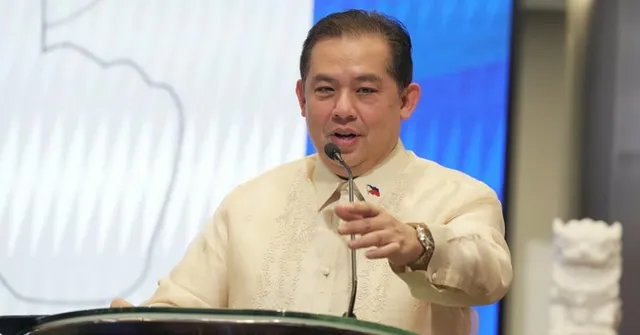
House Speaker Ferdinand Martin G. Romualdez on Thursday said the signing of two agreements on nuclear cooperation constitute a significant stride towards providing Filipinos with cheaper, cleaner and sustainable electricity.
Romualdez made this remark as he witnessed the signing of a groundbreaking cooperative agreement between Meralco and Ultra Safe Nuclear Corporation (USNC) which will pave the way for the deployment of Micro Modular Reactors (MMRs) in the Philippines.
The Philippines is also set to sign with the US government the 123 nuclear deal or the “peaceful nuclear cooperation agreement” on the sidelines of the President Ferdinand R. Marcos Jr.’s participation in the Asia Pacific Economic Cooperation (APEC) Summit in San Francisco.
"The partnership between Meralco and USNC is a game-changer for the Philippines' energy landscape. Micro Modular Reactors represent a paradigm shift in delivering cheap, safe, reliable, and scalable nuclear energy,” Romualdez said.
“This initiative aligns with our President Marcos Jr.’s commitment to diversify our energy sources to fuel economic growth and at the same time address the challenges of climate change," he added.
Under the agreement, a feasibility study will be conducted for the potential deployment of MMRs in Meralco sites aimed at enforcing the sustainable energy agenda and providing affordable and dependable access to power, particularly to the underserved and off-grid areas, for economic empowerment.
The study would enable Meralco to obtain an estimate of the environmental and social impact, capital expenditure and operational costs, among others, related to the siting, construction and operation of one or more MMR energy systems in the Philippines. Romualdez said the Meralco-USNC cooperative agreement will facilitate a comprehensive pre-feasibility study to assess the potential for deploying MMRs in the Philippines.
He said the parallel landmark 123 Nuclear Agreement marks a significant milestone in fostering a strategic partnership to enhance the Philippines' energy capabilities. "Today marks a significant leap forward in our journey towards a sustainable and resilient energy future. These agreements are a testament to our shared commitment to advancing technology and fostering collaborations for the greater good of our nation and the global community," he added.
The “123 Agreement” will provide the legal basis for civil nuclear energy cooperation and allow the export of nuclear fuel, reactors, equipment and special nuclear material from the US to the Philippines.
Romualdez also welcomed the signing of agreement between the Ayala Healthcare Holdings, Inc. and US-based Varian Medical Systems to improve access to quality cancer care in the Philippines by sharing their expertise in establishing and running the Philippines’ first dedicated specialty oncology hospital. “This collaboration between AC Health and Varian Medical Systems is a significant stride towards enhancing cancer care in our country," he said.
Romualdez said the combined strengths of a respected healthcare provider and a global leader in medical technology would create a positive and lasting impact on the lives of many Filipinos affected by cancer.
Under the agreement, the Healthway Cancer Care Hospital of AC Health will serve as the hub of a network of oncology clinics strategically located throughout Metro Manila. This hub-and-spoke model will make it easier for patients to access comprehensive cancer care regardless of their location.
The parties to the agreement will also collaborate on research and innovation to improve the diagnosis, treatment and prevention of cancer, which is among the leading causes of death in the Philippines.
In 2023, cancer became the third leading cause of death in the Philippines, with about 141,021 new cancer cases and 86,337 cancer deaths every year.
“The potential benefits this groundbreaking agreement brings to Filipino cancer patients are aligned with the priorities the House of Representatives, which include initiatives to help victims of this dreaded disease in our country,” Romualdez said.
Romualdez also lauded the joint venture between Lloyd Laboratory and DIFGEN Pharmaceuticals for product development of a sterile solution and marketing of the product for export to the United States.
The partnership aims to position the Philippines as a key player in pharmaceutical products exports.
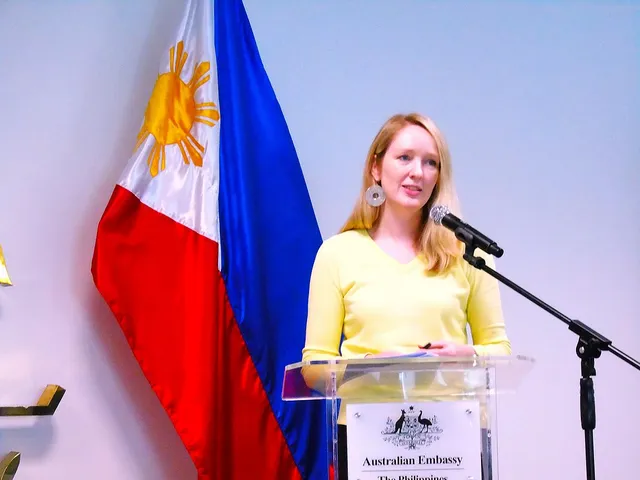
Last September 5, 2023, Australian Embassy in the Philippines Deputy Head of Missions, Dr Moya Collett, led a media briefing at the Australian Embassy to announce the launch of Australia’s Southeast Asia Economic Strategy to 2040. These strategies are intended to improve bilateral trade and investments with Southeast Asia. Australian Embassy’s First Secretary (Economic), Mr Simon Reid, was also present at the media briefing.
Dr Collett is a senior career officer with the Department of Foreign Affairs and Trade (DFAT) and was most recently Assistant Secretary of the Southeast Asia Maritime Branch.
She has held a number of senior roles at DFAT and the Department of the Prime Minister and Cabinet (PM&C), including Head of the Southeast Asia Vaccines Access Taskforce and Assistant Secretary of the Middle East Branch. She has previously served overseas in the Australian Embassy to Thailand. [1]
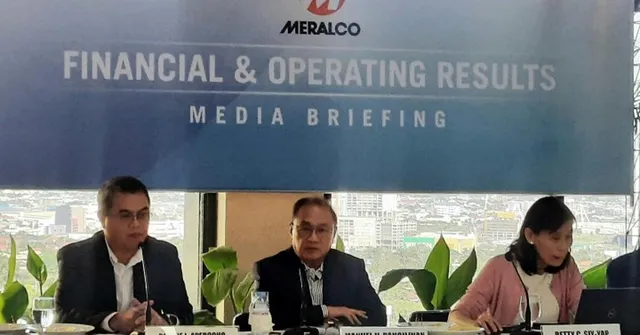
Meralco chairman Manuel V. Pangilinan said the 3,500 megawatts of direct current (MWdc) solar power farm project in Nueva Ecija of SP New Energy Corp. (SPNEC), over which a unit of Meralco will have the majority shares, will need PHP200 billion worth of investments.
In Meralco’s press conference in Ortigas Monday, Pangilinan said the project will also have a 4,000-MW/hour capacity of battery energy storage system.
“There's a battery element for the total project itself. With the batteries, investments estimate for the moment is around PHP200 billion,” he said.
MGen Renewable Energy, Inc. (MGreen), which is the renewables arm of Meralco’s generation unit Meralco PowerGen Corp. (MGen), signed a memorandum of agreement (MOA) with SPNEC last month to secure the rights to subscribe to common and redeemable voting preferred shares of SPNEC amounting to PHP15.9 billion.
“Upon transaction close, MGreen shall have a 50.5 interest in SPNEC,” Meralco said.
Once the transaction is completed, Pangilinan said Meralco aims to lead the development of the largest solar farm not only in Asia but in the entire world.
Meanwhile, for the first nine months of the year, Meralco’s consolidated core net income jumped 53 percent to PHP30 billion from PHP19.6 billion in the same period in 2022.
The company said growth drivers for its performance from January to September period included higher energy volume it distributed, robust performance of its power generation business, turnaround of its Global Business Power Corp. and the completion of the distribution and asset true-up refunds amounting to PHP49.1 billion for the past two years.
On October 10, 2023, the sixth Philippines–Australia Ministerial Meeting (PAMM) was held in Adelaide, South Australia. The dialogue was headed by Trade and Tourism Minister Senator, the Honorable Don Farrell. The event was chaired by the Australian Ambassador to the Philippines, Her Excellency HK Yu PSM, along with other representatives from the private sector from Australia and the Philippines.
According to Minister Farrell, the Philippines is an extremely important economic partner for which a business mission will be sent to the Philippines in 2024. They will also establish an investment deal team in Manila.
During the dialogue, they also discussed the report by Nicholas Moore’s “Invested: Australia’s Southeast Asia Economic Strategy to 2040”. He is Australia’s Special Envoy for Southeast Asia. Looking back, Mr Moore presented this report during his Manila visit last March 24, 2023 for the media launch of the Partners for Infrastructure (P4I) initiative. The event was hosted by the Australian Ambassador to the Philippines, H.E. HK Yu PSM and was held at Conrad Manila Luxury Hotel. During this visit, Mr Moore mentioned that building greater connections between businesses and people is essential to deepening our economic relationships. “Australia is strengthening links with the Philippines and the region by delivering a Southeast Asia Economic Strategy to 2040, which will set out a pathway to help unlock two-way trade and investment opportunities for business for the next two decades.”
During the dialogue in Adelaide, the business delegation presented their topics and discussed how they can support Australia and their investment strategy in the Philippines. The discussion tackled the “Sectors to Watch” from the “Southeast Asia Economic Strategy to 2040” which include Agriculture and Food, Education and Skills, Resources and Green Energy Transition.
The discussion about Agriculture and Food mentioned how the Australian government can be assisted in the increase of Australian dairy product import into the Philippines.
For the topic on Education and Skills, they talked about narrowing the qualification gap and the recommendation of deploying Australian standards into the Philippines for various industries such as aged care, technology and engineering. [1]
For Resources, they discussed how Australian mining companies can be encouraged to explore and invest in the Philippines for mining and mineral processing. They also talked about having a partnership with Philippine universities and colleges for material science and metallurgical engineering.
There was great interest in Green Energy Transition as Fortescue shared their progress on Hydrogen energy, Southern Infrastructure with Thorium energy, and Cyclion who provides a Waste to Energy and Fuel solution using waste material such as plastics. [1]
“To place Southeast Asia Economic Strategy into motion, a Philippine action plan has been created and requires the following tactics: Raising awareness, Remove blockages, Build Capacity, and Deepen investment,” [1] from the post of Australia Philippines Business Council.
“Discussions on Raising Awareness included outward investment mission programs to the Philippines, and how the private sector firms could offer assistance and collaborate to deliver objectives.”
“On Removing Blockages, recognition of qualifications must be enabled, along with building ongoing engagement, providing technical support to Philippine regulators and industry associations, and facilitating commercial education training to match Australian education providers and Philippine institutions and businesses. The deployment of Australian standards to the Philippines was recognised during the dialogue. Further discussions included the funding and guidance to address biosecurity challenges. Information about the recent signing of MOUs between Australian universities and Philippine educational providers was welcomed which includes Murdoch University’s MOU with Ateneo UST and Batangas Tech.” [1]
Moreover, during the dialogue, it was mentioned that Building Capacity in the Philippines comprised of subjects such as the increase cooperation on mining policies – including sharing Australia’s expertise in environmental, social and governance frameworks, work with the Philippine Government to strengthen public-private partnerships, enhance support for relevant high-quality research and analysis to foster stronger links between academic institutions and policymakers, and considerations of aged care vocational training program supported by Australian aged care providers. [1]
It was also recommended for Australia to share their experience and funding with the Philippines for mining and oil and gas projects.
For the fourth required action, Deepening of Investment into the Philippines, some recommendations included extending Partnerships for Infrastructure (P4I) funding for early-stage project preparation support, exploration of a new phase of Australian education and skills assistance to improve standards, and exploration of opportunities for public-private partnerships in digital health.
“These activities could potentially extend to the funding of Feasibility Studies and Project Financing such as EV programs, exploration opportunity for linkages in AI research, and assistance with studies and on-cost for Technology developers in the Philippines.” [1]
It was reported that the Philippines has a Real GDP growth projected to be around 6% annually over the next five years, which is among the highest in Southeast Asia. Other than the recent opening of the economy to foreign investments, there are other important factors that will help sustain the GDP growth of the country. These include the following: better use of capital, labour and technology to increase productivity, and improvements to ease of doing business.
Based on the latest joint statement between Australia and the Philippines, ‘The Ministers and Secretaries reinforced our countries’ commitment to striving for a region that is open, stable and prosperous.’
Atty Dennis Quintero, Chairman of the PABC said, “The Philippines-Australia Business Council (PABC) congratulates the government and private sector representatives from the two countries for the focused and engaging discussions on the identified priority sectors to expand trade and investment between the Philippines and Australia. The PABC is pleased to have provided the Philippine private sector representation in the discussions, working hand-in-hand with our counterpart the Fortescue. Many thanks to our gracious hosts in Adelaide, South Australia!”
The Australian Government Delegation included: Mr Clancy O’Donnell – Trade Adviser to the Minister for Trade and Tourism, Mr Ravi Kewalram – First Assistant Secretary, Free Trade Agreements and Stakeholder Engagement Division DFAT, Mr Jay Meek – General Manager for Trade Austrade, Mr Hugh Robilliard – Assistant Secretary, Southeast Asia Maritime Branch DFAT, Ms Jill Collins – Director DFAT South Australia State Office, Ms Johanna Stratton – Director, Southeast Asia Maritime Branch DFAT and Mr Angus Coverdale – Policy Officer, Philippines Section DFAT.
Business delegation present at the dialogue included: Dr Thomas G. Aquino, Vice Chairman, Philippines Australia Business Council, Mr Sabas “Jun”, Capili – Director Kaizen ANZ Pty Ltd, Ms Carmen Garcia – Founder and CEO Community Corporate, Mr Philip Major – Founder & CEO Cyclion Energy, Dr Simon McKirdy – Pro Vice Chancellor, Harry Butler Institute ; Professor of Biosecurity, Murdoch University, Atty. Dennis A. Quintero – Chairman Philippines Australia Business Council, Mr Christopher Sampson – Conceptual Systems Designer Future Earth Systems, Ms Violy Searby – Treasurer Philippines Australia Business Council, Mr Jeff Pearman – FFI Regional Portfolio Leader Fortescue Metals Group Limited, Mr John Tantoco – Director Australia Philippines Business Council, Mr Rafael Toda – President Australia Philippines Business Council and Mr Paul Watson – Managing Director, Southern Infrastructure Pty Ltd.
---
Reference:
[1] Australia Philippines Business Council (Oct. 10, 2023). “PAMM Dialogue with Minister for Trade and Tourism Senator the Hon Don Farrell” https://apbc.org.au/2023/10/17/pamm-dialogue-with-minister-for-trade-and-tourism-senator-the-hon-don-farrell/
[2] “Invested: Australia’s Southeast Asia Economic Strategy to 2040” by Mr Nicholas Moore AO https://www.dfat.gov.au/sites/default/files/invested-southeast-asia-economic-strategy-2040.pdf?ref=snapshot.bcsda.org.au
MANILA, Philippines – The German Philippine Chamber of Commerce and Industry (GPCCI)
welcomes the announcement by the European Union (EU) regarding their intention to explore the
relaunch of negotiations for a Free Trade Agreement (FTA) with the Philippines. [1]
GPCCI Executive Director, Mr Christopher Zimmer said, "We are glad to see that the EU and the Philippines taking concrete steps in commencing talks of a sustainable Free Trade Agreement.”
“This development reinforces the importance of the Philippines and presents exciting opportunities paving the way for deeper trade ties.”
The decision was made during the visit of European Commission President Ursula von der Leyen to the Philippines from July 31 to August 1. Her visit aims to strengthen the relations and strategic partnership between the EU and the Philippines, and to accelerate these to a higher level with regard to their common fight against climate change, transformation to a digital future, and security cooperation.[2]
Celebrating its 10th anniversary, the Philippine Extractive Industries Transparency Initiative (PH-EITI) epitomizes the nation's undying commitment to transparency and accountability within the realms of oil, gas, and mineral resource management. This beacon of transparency, adhering to the global standards set by the EITI, illuminates the Philippine government's dedication to refining governance in the extractive domain.
Despite initial hesitations regarding the international evaluation metrics of transparency, the resolve of the nation has been unwavering. Department of Finance Secretary Diokno reaffirmed the country's allegiance to the EITI guidelines last year. This affirmation aligns seamlessly with the Philippine Development Plan 2023-2028's aspirations of crafting a precise tax framework for the extractive arena. To cement the progress achieved, PH-EITI is striving to legislate the EITI implementation, promising the persistence of the transformative reforms it has pioneered.
Enhancing Public Perception
Through the years, PH-EITI has established itself as a trusted repository, providing open access to pivotal extractive data via platforms like the PH-EITI Contracts Portal and the PH-EITI Beneficial Ownership Registry. Their annual reports offer an exhaustive overview of the nation's extractive pulse, illuminating the revenue streams and their societal contributions. By democratizing this knowledge, PH-EITI aspires to enrich the public's grasp on the industry's intricacies and the stewardship of our invaluable natural assets. The eagerly anticipated 9th report, expected this year, will spotlight the sector’s resilience amidst pandemic aftershocks and its potential role in sustained economic growth, accentuated by the 2021's progressive mining policy overhauls.
Elevating the Business Landscape
PH-EITI is not just a data repository; it is a catalyst for change. By offering comprehensive revenue insights, it facilitates informed policymaking. The thematic analyses it conducts set the stage for insightful policy suggestions, legislative drafts, and optimal EITI execution. The very act of EITI implementation is a testament to the nation's allegiance to comprehensive, data-driven governance, fostering investor trust and enhancing the entrepreneurial climate.
Empowering Collaborative Governance
The EITI process establishes a harmonious triad, granting the government, the industry, and civil society equal say in steering the nation's extractive endeavors.
This year, PH-EITI is amplifying its commitment to nurturing collaborative spaces. It not only advocates for enhanced multi-stakeholder involvement but is also formulating a blueprint for subnational EITI rollouts. Simultaneously, an interactive feedback channel for extractive governance is on the horizon. Such inclusivity fosters mutual trust, creating a symbiotic environment where every stakeholder thrives and remains accountable.
The country bagged USD50-million worth of funding for renewable energy (RE) projects during the state visit of President Ferdinand R. Marcos Jr. to Malaysia this week.
In a statement Sunday, Philippine-based private equity investor New Wave Strategic Holdings, Inc. and its partner, Emissary Capital Partners Sdn Bhd, said their investments here could generate additional 1,000 megawatts (MW) of RE capacity for the country.
Emissary Capital is a Malaysian investment firm with funds backed by the government.
The USD50-million fund aims to finance companies investing in the Philippines in the RE sector, electric vehicle industry, as well as clean energy and smart grid.
“New Wave and Emissary Capital have identified the early stages of renewable energy projects as the most challenging for companies to raise capital due to the perceived risks,” they said.
The companies said initial projects supported by the funding include solar and wind farms in northern Luzon.
“It is important that the Philippines develops a more mature eco-system with capital providers across various stages of the investment cycle. With Emissary’s entry into the Philippines, we are providing more founders and entrepreneurs access to growth capital as well as a regional network that can help them expand across SEA (Southeast Asia),” New Wave director Enrique Gonzalez said.
The parties added the available funding for the RE sector will help the government achieve its goal of 35 percent RE sources in the energy mix by 2030 and up to 50 percent by 2040.
In 2022, RE accounted for 22.8 percent of the country’s energy mix.
Emissary Capital partner Erman Akinci said the Philippines presents the “most exciting” RE market in the region for the next five to 10 years since the government allowed 100 percent foreign ownership in RE projects last year.
“Clean energy is both a local and regional commitment amongst ASEAN neighbors. We believe cross-border investment and trade will ultimately benefit the entire region and help ASEAN meet its collective goals. We hope our fund can contribute to this goal as well as generate healthy returns,” Akinci said.
Prior to this partnership, the two investment firms tied up to launch a USD50 million fund for tech startups in ASEAN member states.
Earlier, Malacañang said Marcos received USD285 million worth of investment pledges during his July 25 to 27 official trip to Kuala Lumpur. By Kris Crismundo
Leading off-grid electricity generator DMCI Power Corporation (DPC) is set to build a wind power plant in Semirara Island, home of the biggest coal reserve in the Philippines.
DPC intends to finalize the wind power capacity in the coming months, with projections ranging from 8 to 12 MW, and operational implementation expected within 12 to 15 months. The project will be funded and undertaken independently by the company.
“We are also looking at solar energy to augment the supply in the island, but we are prioritizing wind resource development because it has shown the most promise,” said DPC president Antonino E. Gatdula, Jr.
“Current studies suggest that wind power could potentially deliver a 33% plant utilization rate, compared to just 17% for solar. Capital expenditure per megawatt for both wind and solar projects are also roughly the same,” he explained.
In a 2001 wind resource study conducted by the National Renewable Energy Laboratory (NREL), a United States Department of Energy (DOE) laboratory, it was found that Semirara Island has some of the best wind resources in the Philippines.
The wind corridors between Luzon and Panay (including Semirara Islands and extending to the Cuyo Islands) were found to have good-to-excellent wind power density and speed for utility-scale or village power applications.
DPC is in the process of validating these wind resource estimates to determine the final location and capacity of its wind project.
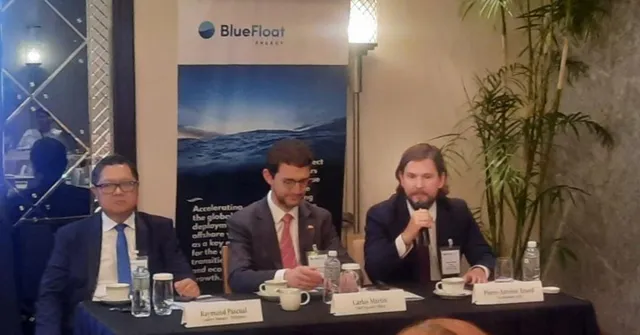
Photo: Madrid-based offshore wind developer BlueFloat Energy announces that its largest planned offshore wind energy project will be located in the Philippines, with a capacity of 7.6 gigawatts. Answering questions from the media are (from left to right) Country Manager for the Philippines Raymund Pascual, Chief Executive Officer Carlos Martin, and Vice President for Business Development Pierre-Antoine Tetard during the press conference at the Manila Peninsula Hotel on June 2, 2023. (PNA photo by Kris Crismundo)
Madrid-based offshore wind developer BlueFloat Energy has chosen the Philippines to locate its largest wind energy project.
In a press conference in Makati City on Friday, BlueFloat Chief Executive Officer Carlos Martin said its planned offshore wind energy capacity in the Philippines is about 7.6 gigawatts (GW), which will be divided into four sites with capacities between 1.5 and 3.5 GW.
“We can expect the first of those projects to be in the execution phase and nearing completion by the end of the decade,” he said.
Martin said the company has a total of 32.4 GW of floating offshore wind projects across the globe, and the biggest capacity is eyed to be established in the Philippines.
In the Asia Pacific, BlueFloat plans to put up 6.6 GW offshore wind power each in Taiwan and Australia, and 1.9 GW in New Zealand.
In an interview with the Philippine News Agency (PNA) at the sidelines of the event, Martin said "there’s a challenge of doubling the production capacity (in the Philippines) within this decade" given the robust growth of the economy.
“In markets like the Philippines, offshore wind can cover new demand. So the growth of the country implies that there is a big growth in the demand of power," he said.
As one of the earliest players to look into the country’s offshore wind potentials, Martin said BlueFloat was able to select sites where there are good wind resources, no impact on environmentally-protected areas, and potential to connect to the grid, both existing and in the pipeline.
BlueFloat Energy Philippines Country Manager Raymund Pascual said the Department of Energy (DOE) has awarded the service contracts (SCs) for the firm's four projects late last year.
Earlier, the DOE said it has issued 65 offshore wind energy SCs as of May 31, 2023.
Relatively, the Board of Investments said it has registered some PHP390 billion investment pledges in this sector from three projects alone in the first quarter of 2023.
Pascual said incentives from the government will encourage offshore wind developers to build integrated facilities here, which could include the port as well as manufacturing of wind turbines and other equipment for putting up an offshore wind energy infrastructure.
President Ferdinand Marcos Jr. on Monday signed the renewal agreement for the Malampaya Service Contract No. 38 (SC 38) that would allow the continued production of the Malampaya gas field for another 15 years until Feb. 22, 2039.
During the ceremonial signing at the Malacañang Palace, Marcos said the renewal of the contract, which was originally set to expire in 2024, is significant to achieve the country's energy security as Malampaya powers 20 percent of Luzon's energy needs.
“This is the key to our drive to energy security and calculated to advance the nation’s energy interest. This project will reduce our dependence on oil imports while ensuring a stable supply of energy,” Marcos said.
The 15-year extension for the Malampaya gas field concession, Marcos said, is consistent with the Constitution, and the state policy of hastening discovery and production of the country’s indigenous petroleum.
He reiterated the administration's commitment to actively pursue the exploration, development, and utilization of the country’s indigenous energy resources, and to optimize the country's energy mix.
“As we renew Service Contract (SC) 38, we optimistically look forward to the continued production and utilization of the remaining reserves of the Malampaya gas field, as well as further exploration and development of its untapped potential,” Marcos said.
The Malampaya Project will reduce the country’s dependence on oil imports and ensure a more stable supply of cleaner energy from an indigenous source.
Marcos urged the Department of Energy (DOE) to oversee the project's implementation through strict monitoring and ensuring that the consortium’s goals are aligned with the country’s national interests.
DOE Secretary Raphael Lotilla welcomed the renewal of SC 38, adding that the department has “meticulously evaluated” the consortium.
Lotilla noted that the assessment encompassed legal, technical, and financial capabilities, and confirmed the consortium’s capacity to sustain the production operations and meet its obligations under the renewal agreement.
"The DOE recommended the renewal of the service contract, anchored on the commitment of the consortium to actively explore and evaluate additional gas resources,” Lotilla said.
“Through the stringent due diligence observed, the government aims to uphold responsible and sustainable energy practices while effectively managing the valuable resource that is the Malampaya gas field,” he added.
This policy was first laid down in 1972 through the landmark Presidential Decree No. 87 issued by the president’s father, former president Ferdinand E. Marcos Sr.
From the discovery of the gas field more than three decades ago, and the project’s commissioning in 2001, the Malampaya Deep Water Gas-to-Power Project has been a boon to the Philippines, providing 20 percent of Luzon’s energy requirement.
The Presidential Communications Office, in a news release, said through the project, the government was able to generate PHP374 billion in revenues.
In 2022 alone, the project yielded about PHP26 billion in government revenues.
Among the officials present during the event were House Speaker Martin Romualdez, Senator Raffy Tulfo, Executive Secretary Lucas Bersamin, Chief Presidential Legal Counsel Juan Ponce Enrile, Presidential Communications Secretary Cheloy Garafil, Defense Officer-in-Charge Undersecretary Carlito Galvez Jr., Prime Infra Chairperson Enrique Razon, and Philippine National Oil Company – Exploration Corporation President and CEO Franz Josef George Alvarez. By Filane Mikee Cervantes
Photo: President Ferdinand R. Marcos Jr. attends one of the meetings with US businessmen in Washington, D.C. on Wednesday (April 3, 2023). Marcos pitched to American businessmen the country’s plan to pursue local battery production with the help of foreign technology and capital to help solve problems in energy supply and other energy-related issues. (Photo courtesy of Bongbong Marcos FB page)
President Ferdinand R. Marcos Jr. recently made a pitch to American businessmen the plan of the Philippines to pursue local battery production, with the help of foreign technology and capital, as a solution for the country’s problems in energy supply and other energy-related issues.
During a fireside chat at the Blair House in Washington with US businessmen, Marcos underscored the great potential of local battery production as the government endeavors to move the Philippines’ energy mix from traditional fossil fuels to renewables.
“And the part that batteries will play in that whole system cannot be overstated. And that is why it would be very good if we could bring the industry into the Philippines,” Marcos said, adding that battery production is an important pivot for the country with the advent of climate change.
He said for the country to go beyond mineral extraction to actual battery production to prop up the local value chain, technology and strong industry participation are needed to see this materialize.
“But to do that we need technology, we need of course the capital and the resources to undertake such activities. They are not small projects and so they require major funding and that again is another part of the situation that we have to deal with," he said.
Marcos said there are many new instruments that encouraged this activity in the last few years such as green bonds and blue bonds and current rules have become very, very clear.
In his talks with big companies, especially mining companies, Marcos said buyers of mineral products insist upon declaration of proof that the products that they are being sold were built using green energy.
“And that I think is going to be an important part in making hopefully the manufacturing of batteries in the Philippines a success,” he said.
Follow on LinkedIn:
Philippine Resources Journal
Be the "First" to get our exclusive Digital Magazine & Weekly Newsletter.