The Mindanao Development Authority (MinDA) is courting China Civil Engineering Construction Corp. (CCECC) and other private investors to help advance the long-delayed Mindanao Railway Project, while exploring potential investments in nickel, copper and gold processing, solar power and other regional infrastructure.
In a press release published on October 21, MinDA said Chairperson and Secretary Leo Tereso A. Magno met with CCECC representatives on October 9 at The Westin Manila in Ortigas to discuss private-sector participation in the railway and investment opportunities in Mindanao.
The meeting focused on identifying railway segments that CCECC could pursue through an unsolicited proposal, as well as potential investments in mineral development and energy projects.
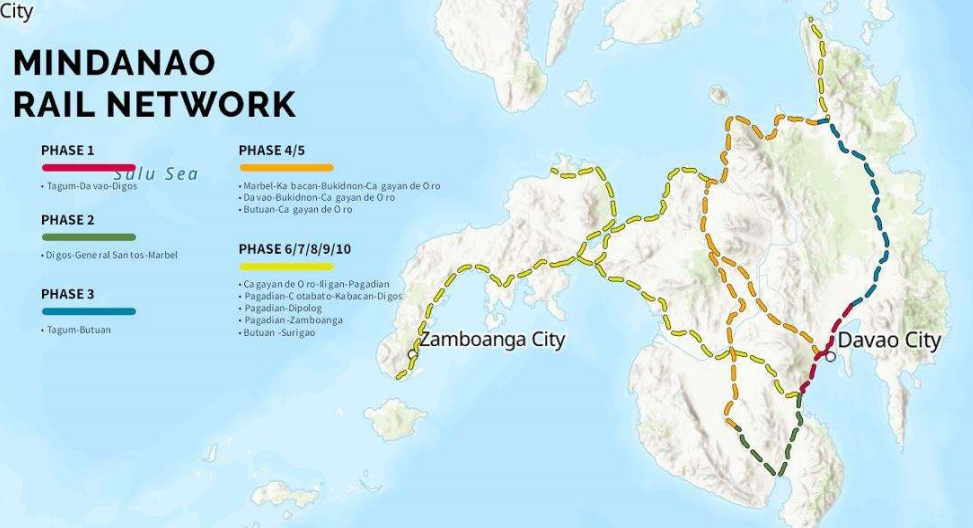
The Department of Transportation (DOTr) has divided the proposed railway into 11 segments, some of which remain open to unsolicited proposals from private investors. Feasibility studies for Segments 1 and 3 are nearing completion, according to MinDA.
Magno encouraged CCECC to identify the segment it would like to pursue and consider submitting a proposal. MinDA offered to coordinate with relevant government agencies, including its railway team in Davao, to facilitate discussions.
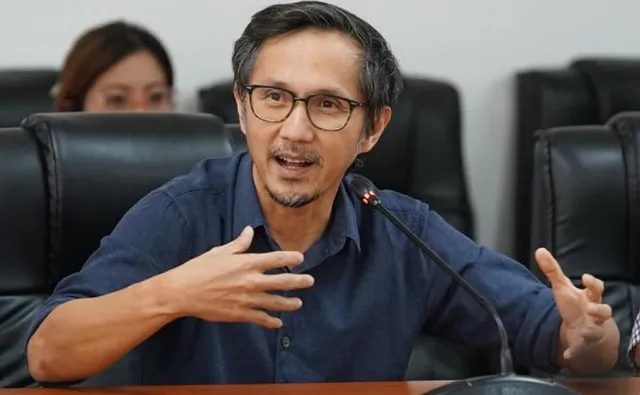
“The Mindanao Railway Project remains a key infrastructure priority for us because of its potential to transform connectivity across the island,” Magno said.
“It can make the movement of people and goods faster and more efficient, strengthen links between economic centers, and open up more opportunities for our communities.”
CCECC was represented at the meeting by Philippine Branch General Manager Li Linjiang and Marketing Head Zhang Enhong. Magno was accompanied by MinDA Assistant Secretary and Deputy Executive Director Romeo M. Montenegro.
Private investment sought for long-delayed railway
The push to attract private investors comes as the government continues to explore alternative financing arrangements for the railway, following the abandonment of the original plan to use Chinese official development assistance.
The railway is intended to connect major economic centers across Mindanao, improving the movement of passengers and freight and linking agricultural production areas with markets, ports and industrial centers.
The proposed Mindanao-wide rail network has been envisioned to cover approximately 1,544 kilometers, connecting cities including Davao, General Santos, Cagayan de Oro, Iligan, Cotabato, Zamboanga, Butuan, Surigao and Malaybalay.
The first phase, known as the Tagum-Davao-Digos segment, is designed to cover about 100 kilometers and connect communities in Davao del Norte and Davao del Sur.
The project has faced financing and preparation challenges. In May, BusinessWorld reported that the DOTr was considering public-private partnerships as an alternative to the original Chinese financing arrangement and was updating feasibility studies and ridership assumptions.
The government has also pursued private participation in the third phase, which is being developed as a public-private partnership project.
The third phase is planned as a 61-kilometer passenger and cargo railway serving the industrial and commercial centers of Cagayan de Oro, including connections to Laguindingan International Airport and the Mindanao Container Port. The Public-Private Partnership Center reported in April that the project's pre-feasibility study had been completed and that further feasibility work was being undertaken.
These preparations remain separate from the discussions with CCECC, and no railway construction or financing commitment by the Chinese company was announced.
Other investors express interest
MinDA has also been approaching other prospective investors as it seeks to broaden private-sector participation in the railway.
In a separate report published by the Mindanao Times on October 21, Magno said the agency had met with seven firms to explore possible partnerships, including companies from India, Canada and the United States.
He said the government was scaling up efforts to attract private partners and move the project forward.
The railway's development has been considered a potential means of improving logistics across Mindanao, particularly for agricultural commodities that must be transported from production areas to processing facilities, warehouses, ports and consumers.
A rail network could provide an additional freight option, strengthen links between regional economic centers and reduce dependence on road transport. However, the extent of these benefits will depend on the railway's final design, financing, construction and operating arrangements.
CCECC explores mineral processing
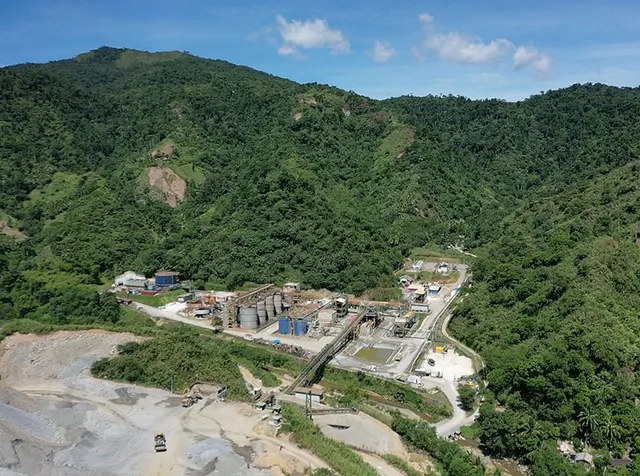
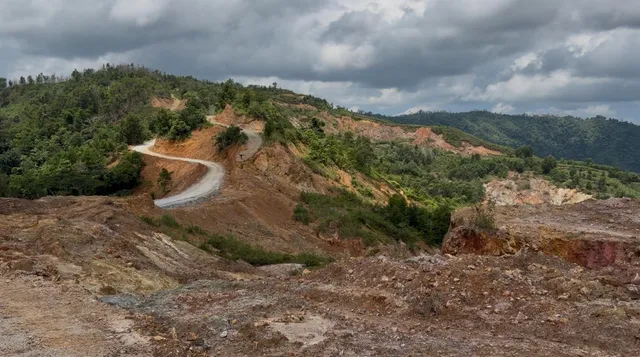
Beyond rail infrastructure, MinDA said CCECC had expressed interest in Mindanao's nickel, copper and gold resources.
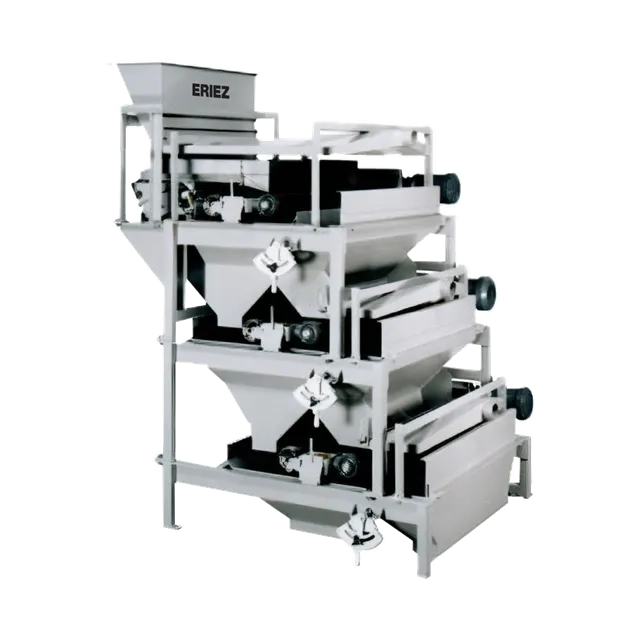
The company is considering potential investments covering construction and operations, as well as the possible establishment of a mineral-processing facility in the Philippines.
MinDA said local processing could allow the country to capture more economic value from its mineral resources rather than exporting them primarily as raw materials.
The discussions come as the government seeks to expand domestic mineral processing and downstream industries. Executive Order No. 122, signed by President Ferdinand Marcos Jr. on August 18, 2026, directs the government to promote local mineral processing, attract investments and develop industries that generate greater value from the country's mineral resources.
For Mindanao, investment in processing facilities could create opportunities to connect mineral extraction with industrial activity, infrastructure development and related services.
However, CCECC's interest remains exploratory. MinDA did not announce a finalized investment agreement, a specific processing facility, a project cost or a construction timetable.
Solar and energy projects also discussed
CCECC is also considering solar and other energy-related projects in Mindanao, according to MinDA.
The agency welcomed the company's interest in sectors beyond railway infrastructure, saying these could attract investment, create economic value and support the region's long-term development.
Potential energy investments would complement the broader infrastructure discussions, although MinDA did not disclose proposed project locations, generating capacities, investment amounts or implementation schedules.
“We welcome CCECC’s interest in exploring opportunities beyond railway infrastructure,” Magno said.
“These areas offer opportunities to attract investments, create economic value, and support Mindanao’s long-term growth.”
MinDA said it would continue engaging prospective investors and coordinating with government agencies to advance projects aligned with the region's development priorities.
The discussions with CCECC mark another step in the agency's effort to draw private capital into Mindanao's transport, mineral development and energy sectors. The next stages will depend on whether prospective investors submit formal proposals and whether the projects meet the government's technical, financial and regulatory requirements.