The Philippines is no stranger to mineral processing. It already refines domestically sourced gold and processes portions of its copper and nickel production. Yet much of its mineral wealth still leaves as raw ore or intermediate products requiring further processing abroad, allowing other economies to capture more of the value from refining, manufacturing, and advanced industrial applications. Executive Order No. 122 offers an opportunity to narrow that gap.
Signed on August 18, 2026, EO 122 establishes a national policy framework for developing the critical minerals industry. Long overdue but welcome, it seeks to expand domestic capacity and move the Philippines further along the value chain.
The policy comes at an opportune moment. Under its Stated Policies Scenario, the International Energy Agency projects that global demand for critical minerals will nearly double by 2040. Lithium demand is expected to more than triple, while demand for nickel, graphite, and magnet rare earths could grow by 50 to 90 percent as economies expand electric vehicles, battery storage, renewable energy, and electricity networks.
EO 122 directs the Department of Environment and Natural Resources, in consultation with the Mining Industry Coordinating Council, to prepare the Philippine Critical Minerals List. The list should reflect the country’s geology, industrial capabilities, import dependencies, recycling capacity, secondary-resource potential, national security requirements, and development goals. It should also complement existing government strategies, including the Philippine Iron and Steel Industry Roadmap 2026–2040 and the Renewable Energy Roadmap 2017–2040.
The government may also consider whether—and how—to distinguish critical minerals from strategic minerals in the Philippine context. Nickel, copper, gold, and iron differ in their uses, markets, supply risks, and value chains. Classification should therefore guide mineral-specific policies for exploration, production, processing, recycling, trade and investment. The list must become an instrument of industrial policy, not simply an inventory of resources.
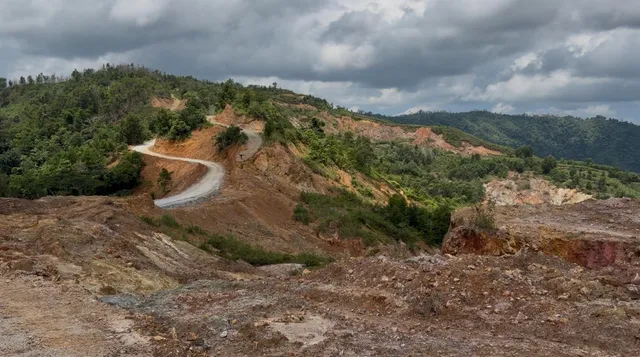
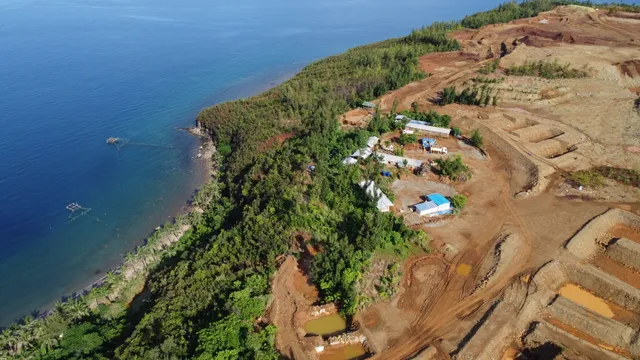
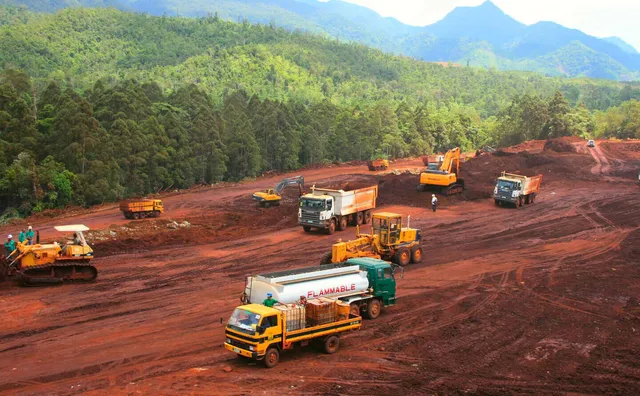
Nickel illustrates the scale of the opportunity. The Philippines remained the world’s second-largest producer of mined nickel in 2025, accounting for approximately 10 percent of global production. Industry data indicate that China received about 66 percent of Philippine nickel-ore exports, down from 78 percent in 2024 as Indonesia increased its purchases.
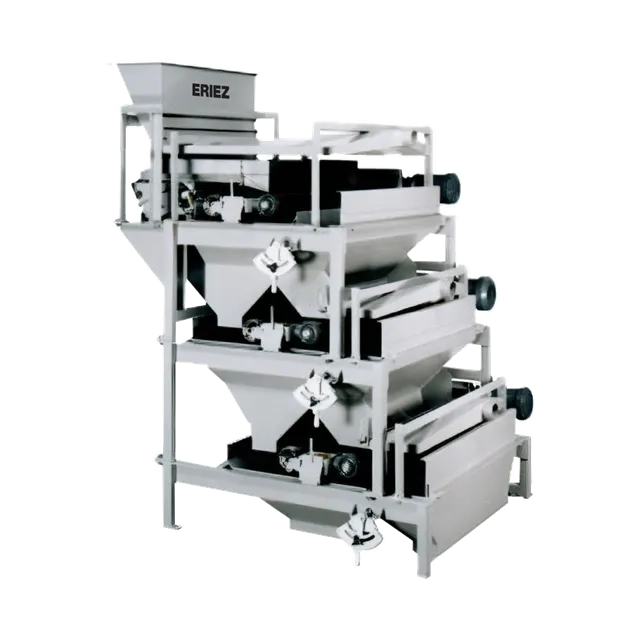
Yet the country has only two operating hydrometallurgical nickel-processing plants and most Philippine nickel ore is exported without substantial domestic processing. Even these plants produce intermediate nickel-cobalt products that undergo further refining abroad.
The Philippine Nickel Industry Association welcomed EO 122 as a pivotal step toward advancing the industry and strengthening the country’s position in an increasingly competitive market. The Chamber of Mines of the Philippines likewise emphasized that attracting long-term capital for exploration, mine development and processing requires policy stability and a predictable investment environment.
Both points are well taken. Mineral processing requires patient capital, reliable ore supplies, affordable electricity, infrastructure, technical expertise, and regulations that investors can expect to remain stable across administrations.
EO 122 directs the Department of Trade and Industry and the Board of Investments to promote value-adding critical-mineral investments. This effort must look beyond processing plants. Processors depend on mines, logistics, power, laboratories, and other supporting industries.
The critical-minerals entry in the 2026 Strategic Investment Priority Plan covers the processing of strategic and critical minerals into higher-value products. Future plans should extend appropriate incentives to qualified upstream and supporting activities directly linked to domestic processing, particularly ore suppliers serving certified critical-minerals projects.
The design of those incentives also matters. In a September 2026 report, the Organisation for Economic Co-operation and Development observed that the Philippines could consider expenditure-based incentives, including accelerated depreciation and enhanced deductions. Such incentives are generally more effective at generating additional investment and can provide better value for forgone government revenue.
These measures are especially suited to mineral-processing projects, which require substantial upfront expenditure and face high energy costs and long payback periods. Improving cash flow during the investment and recovery stages may prove more useful than a tax holiday whose value arises only after a project becomes profitable.
Foreign equity entering the sector nevertheless remains modest. Preliminary Bangko Sentral ng Pilipinas data show that mining and quarrying accounted for 1.49 percent of net foreign direct-investment equity capital other than reinvested earnings from January through July 2026. Although this measure excludes reinvested earnings, intercompany lending and domestic capital, it illustrates the sector’s limited share of new foreign equity.
To attract investment in exploration, processing, and supporting infrastructure, the Philippines must offer more than mineral deposits. It must offer regulatory certainty.
That certainty begins with efficient permitting. EO 122 directs the DENR and the Mines and Geosciences Bureau to streamline procedures, process permits and clearances simultaneously, and establish a fully digital virtual one-stop shop. Digitalization, however, must be accompanied by firm timelines, the elimination of redundant requirements, and a designated lead agency empowered to issue a definitive government determination.
Environmental review, public consultation, and free, prior, and informed consent remain essential but should not become indefinite. Once all legal requirements are satisfied, national-priority projects should not face duplicative or conflicting demands from other government offices.
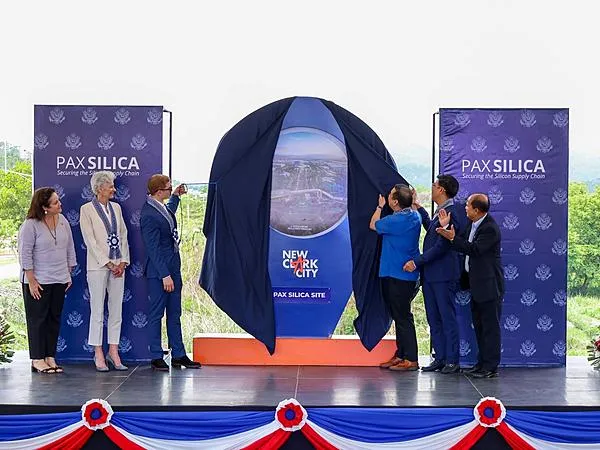
EO 122 also arrives as the Philippines seeks a larger role in secure technology supply chains. The country joined the United States-led Pax Silica initiative in April 2026, covering critical minerals, semiconductors, advanced manufacturing, computing, and data infrastructure. However, the country should avoid anchoring its policy to any single foreign partnership.
China remains the largest market for Philippine nickel ore, while the US, Japan, South Korea, Canada, Australia, and the European Union are seeking more diversified supplies. This competition creates bargaining power only if the Philippines has a coherent strategy. Partnerships should be judged by what they deliver: investment, technology transfer, workforce development, responsible sourcing, domestic processing, and dependable markets—not diplomatic alignment alone.
Mineral development must also retain public legitimacy. Processing more minerals at home is not progress if it merely relocates pollution, displaces communities or leaves host areas with inadequate benefits. Environmental protection, mine rehabilitation, worker safety, Indigenous Peoples’ rights, and meaningful community participation are conditions for a durable industry.
EO 122 is a beginning. Possessing minerals is not the same as possessing a minerals industry. Value comes from combining resources with technology, infrastructure, capital, skilled workers, credible regulation, and strategic patience.
The Philippines has taken the first step. The test is whether it can turn the minerals beneath its soil into industrial capabilities that remain above ground—long after the last shipment of ore has left the mine.