
November 20, 2023

The consolidated gross revenues for the nine months of 2023 (ending September 30) of Apex Mining Co., Inc. and its subsidiaries reached P8.7 billion — 17% higher than the P7.5 billion it reported for the same period in 2022. The consolidated net income, however, was lower by 6% at P2.3 billion compared to P2.5 billion as of 30 September 2022. Its Q3 2023 net income earned grew higher by P129.6 million or 14% versus the third quarter net income in 2022.

Still as of 30 September, the combined operations of Apex Mining’s Maco mine in Davao de Oro and the Sangilo mine in Benguet (operated by its subsidiary Itogon-Suyoc Resources) milled a total of 701,713 tonnes — 2% higher than the same period in 2022. The consolidated gold ounces sold by these two operating mines for the three quarters of this year reached 77,652 (6% higher than the same period in 2022 at 73,219 ounces).

The Maco mine, despite encountering many challenges in Q1 2023, maintained an 87% gold recovery rate in its Maco ore processing plant — practically the same as 2022’s. The higher average realized gold price of $1,913/oz during the year (versus $1,817/oz in 2022) and favorable Philippine Peso to US Dollar exchange rate also helped push the revenues up in 2023.

ISRI’s Sangilo mine milled 104,270 tonnes in the first three quarters of 2023, 15% higher than the tonnes milled in the same period in 2022, at a grade of 3.51 grams per tonne of gold. Gold recovery rate was 86%.

Based on the Mine Reserves and Resource Certifications of 2021, Apex Mining’s Maco Mine has enough reserves and resources to continue at the targeted production rate of 3,000 tonnes per day until 2032. The ongoing exploration program for MPSA 225 and the acquisition of the Asia-Alliance Mining Resources Corp. shores up Apex Mining’s future gold resources as the extensions of existing mining veins in Maco Mine spill over to the tenements of AAMRC.


Article courtesy of the Philippine Stock Exchange

November 19, 2023

Philex Mining Corporation (PSE: PX) (the “Company” or “Philex”), one of the oldest and largest gold and copper producers in Southeast Asia, and a leader in right and principled mining, posted a core net income of Php163 million for 3Q2023, reporting a 9M2023 core net income of Php864 million. Core net income for 3Q2022 was at Php210 million while core net income for 9M2022 was at Php1.543 billion.

EBITDA of Php337 million for 3Q2023 is lower compared to the Php611 million EBITDA for 3Q2022 while the 9M2023 EBITDA of Php1.525 billion was lower compared to Php2.964 billion of 9M2022.

Gold and copper prices remained within similar levels as those of 2Q2023 at USD1,927 per ounce and USD3.73 per pound, respectively, but higher at 13% and 3%, respectively, compared with 3Q2022 prices of USD1,701 per ounce for gold and USD3.61 per pound for copper.

PRODUCTION

The Company milled a total of 1.693 million tonnes during 3Q2023, lower than the 1.873 million tonnes milled in 3Q2022 and the 1.825 million tonnes milled in 2Q2023. Total tonnage milled for 9M2023 was at 5.225 million tonnes, slightly lower than the 5.554 million tonnes in the same period last year. Ore grades for gold and copper for 3Q2023 are opportunistically almost the same when compared with the same period in 3Q2022, as well as with 2Q2023 and even 1Q2023. Gold output for 3Q2023 dipped to 8,775 ounces, lower than the 10,300 ounces of 2Q2023 and the 12,144 ounces of 3Q2022.

Copper output for 3Q2023 at 5.223 million pounds was also lower than the 5.642 million pounds of 2Q2023 and the 6.382 million pounds in 3Q2022.

Total gold output for 9M2023 stood at 29,136 ounces while copper output was at 16.396 million pounds, lower by 22% and 14%, respectively when compared with the same period in 2022.

OPERATING EXPENSES

Operating costs and expenses for 3Q2023 at Php1.634 billion were lower than the same period in 3Q2022 at Php1.800 billion and the Php1.701 billion in 2Q2023. This was due to the lower tonnage milled and continued implementation of efficiency measures in operations which mitigated the increases in the purchase costs of the materials and supplies, as well as equipment parts and repairs. Power costs however continued to raise operating expenses despite lower production level.

Total operating costs and expenses for 9M2023 at Php4.972 billion was lower, as expected, than the Php5.118 billion for the same period in 2022.

SILANGAN PROJECT

Development works continue on the Silangan Copper and Gold Project (“Silangan”) in Surigao del Norte with the ongoing tunneling works, breaching more than 35% of the distance towards the ore body. Clearing works and access road to the tailings storage facility (“TSF”) area are nearing completion with the issuance of the permit by the Municipality of Sison, Surigao del Norte for the construction of the TSF. Management is set to award the general contract works for the tailings storage facility as well as the process plant EPCM or EPC contractor this November 2023. Likewise, the project footprint area had been secured.

On community and Government relations, Silangan has never been more involved with its host and neighboring communities. Close partnerships with local government units started decades ago and will continue to be nurtured.

The Company is set to sign this month the syndicated debt facility that will complete the funding requirements of Silangan. The debt syndication is led by BDO Capital and Investment Corporation and aims to raise a minimum of US$100 million. This new credit facility completes the full funding of Silangan after last year’s stock rights offering (SRO) and the capital infusion from the Company out of its cash reserves.

OUTLOOK

Despite the challenges faced in the first nine months of the year, our outlook still remains positive, given the new mining opportunities ahead of the Company.

Philex President and CEO Eulalio B. Austin Jr. said that, aside from exploring the vicinity of Padcal Mine, the Company is also studying the viability of exhausting reserves in the Padcal under the current drain tunnel, which could again extend Padcal’s mine life beyond 2027. The drain tunnel services all the water from the mine towards the TSF.

“If the study yields positive results, this could further extend Padcal’s mine life beyond 2027. Hopefully, we can have the initial results by the end of the year,” Austin said. “Meanwhile at Silangan, we are progressing with the driving of the decline to access the ore body which we expect to reach by the second half of 2024.”

According to Philex Chairman Manuel V. Pangilinan, the Company is also looking at expanding into nickel mining to meet the increasing demand of the mineral by the electric vehicle industry. “We are prospecting for nickel resources to develop in this country because the future for electric vehicles is bright, so we have to be in well-positioned for this opportunity.” Pangilinan said.

Pangilinan also emphasized that “in many respects, sustainability rests on green technology – and by extension, reliance on mining would continue.”


Article courtesy of the Philippine Stock Exchange 

November 19, 2023

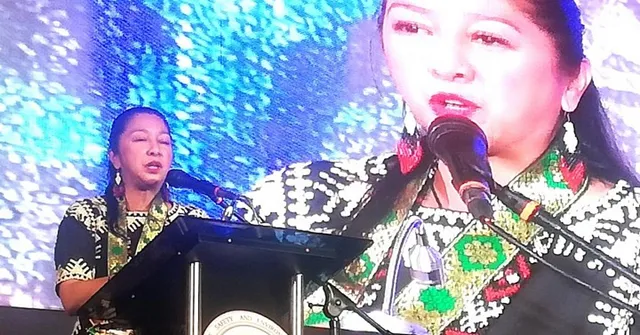
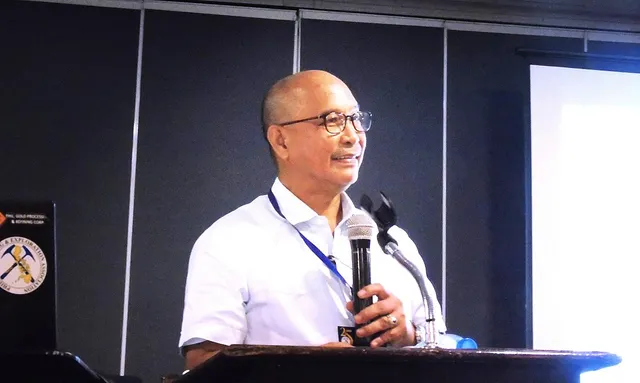
An official of the National Commission on Indigenous Peoples (NCIP) on Wednesday said they are not opposed to mining projects and developments but only want to be consulted on all stages of a project.

NCIP chairperson Jennifer Pia Sibug-Las, during the Community Relations (ComRel) Conference of the four-day Philippine Mine Safety and Environment Association (PMSEA) Conference that started at the Cap Convention and Trade Center in Camp John Hay on Tuesday, said IPs recognize that mining and other development projects can contribute to an improved livelihood and economic stability for the sector.

She said mining companies and other development projects empower communities through sustainable practices, foster self-determination, and enhance the capacity to engage in decision-making processes that affect their lives and resources -- the reason for the need to be consulted because it involves the land and the rights of the IPs.

“We just want to be treated as equals, your co-equal in the development of this country,” she said.

Sibug-Las urged companies to always pay preferential attention and consideration to cultural sustainability, safety, security and stability.

She also mentioned that NCIP has limitations in its task to improve the condition of the IPs and ICCs.

“We cannot on our own help everybody. We recognize you, the industry players, the ComRel officers, as the possible source of a better future, a clearer future for the new Philippines not only for the Filipinos but for the IPs,” asded Sibug-Las, a Manobo princess who is also the commissioner in charge for Central Mindanao.


Article courtesy of the Philippine News Agency

November 10, 2023

The Mines and Geosciences Bureau (MGB) recorded 4,963 jobs generated through the mining industry in Ilocos Region in 2022.

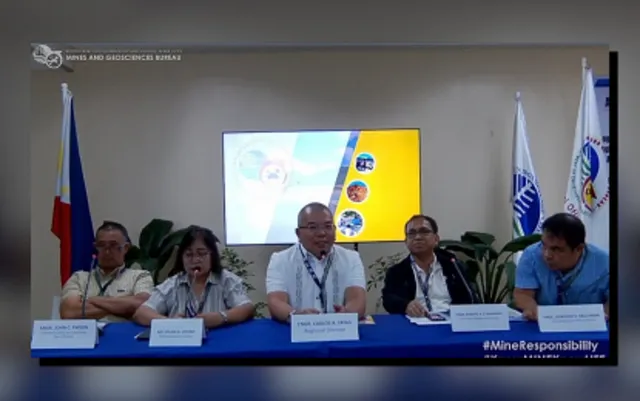
In a virtual press conference on Monday, MGB Regional Office No. 1 Mine Management division chief Engr. Renato Rimando said the industry in the region is robust as it continues to provide jobs and create wealth in terms of payment of taxes to the local governments and the national government.

According to the MGB data, the sector posted gross earnings of PHP2 billion last year, from the value of limestone, pebbles, sand and gravel, shale, silica, calcareous sandstone, zeolite, and bentonite.

The amount of taxes and fees paid and royalties generated amounted to PHP93.7 million.

"Sand and gravel industry are prime mover in the implementation of infra projects," Rimando said.

In terms of environmental protection and rehabilitation programs, mining companies spent PHP8.1 million for environmental and rehabilitation programs and PHP10.2 million for social development and management programs, with 62 barangays as recipients.

Rimando said they have issued 254 mining permits, two for cement plants, and seven for mineral processing.

MGB Ilocos Regional Director Engr. Carlos Tayag, during the same event, said that although mining has negative connotations it has benefited the region.

"Our country is highly mineralized. We have to really develop them as trees and plants in most of the areas being mined cannot live. There are programs on how to rehabilitate the areas," he said.

Meanwhile, Rimando assured the public that while they intend to open more areas for mining they also consider the rules and regulations before potential areas are put into commercial operations. By Hilda Austria


Article courtesy of the Philippine News Agency

November 10, 2023

Global Ferronickel Holdings, Inc. reported financial results for the nine months of 2023 with consolidated revenues of ₱6.8 billion, operating income of ₱1.8 billion, net income attributable to shareholders of ₱1.5 billion, and earnings per share of ₱0.3021.

Consolidated revenues rose 33.1% year-over-year to ₱6.8 billion due mainly to increased volumes from the Palawan mine and its higher-grade nickel ores, offset in part by lower volumes at the Surigao mine that resulted from wet weather, as well as softer prices for low-grade ores.

Total sold volume grew 20.7% to 3.801 million wet metric tons (WMT), of which 2.711 million WMT were from Surigao and 1.090 million WMT were from Palawan. As a result, the sales mix was 68% low-grade ore and 32% medium-grade ore compared to 78% low grade and 22% medium grade in the year-ago period. The average realized nickel ore price was US$31.93/WMT, reflecting a 10.5% improvement driven by the more favorable mix and the stronger prices of higher-grade ores, which were 16.9% more than last year.

Cost of sales increased 37.8% to ₱2.8 billion due to the opening of Palawan mine which increased contract hires, depreciation and depletion, and personnel costs, while operating costs were up 7.0% to ₱1.8 billion primarily related to general and administrative expenses. Finance costs totaled ₱213.9 million, in line with the recognition of interest expenses resulting from the acquisition of an associate company in 2022.

Consolidated net income contracted 14.4% to ₱1.8 billion, which includes the share in net income of China-based associates of ₱310.3 million. After deducting the net income attributable to noncontrolling interests, net income to FNI shareholders decreased 19.7% to ₱1.5 billion, and earnings per share declined 18.7% to ₱0.3021 as the company continued to return cash to shareholders through share repurchases.

“We are focused on strengthening the business and improving asset diversification,” said FNI President Dante R. Bravo. “Notable progress made on the company’s strategic plans were the purchase of five landing craft tanks (LCTs) to drive meaningful operational and cost efficiencies in transporting nickel ores beginning 2024, and the acquisition of additional land in the Freeport Area of Bataan for our business expansion.”


Article courtesy of the Philippine Stock Exchange

November 07, 2023

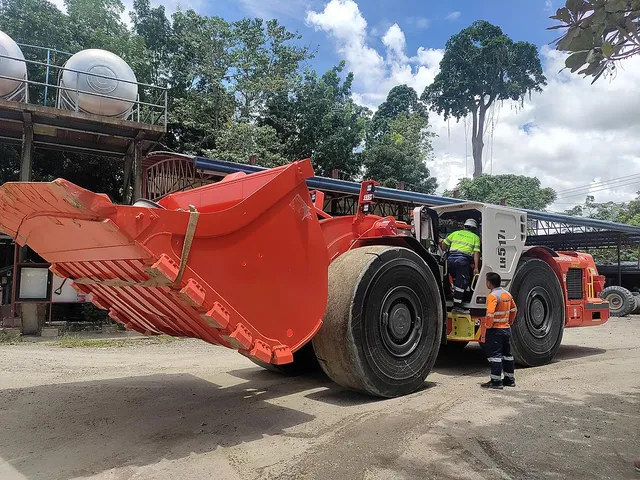
Representatives from Sandvik Mining and Rock Solutions (“Sandvik”) Sales Area South-East Asia (Territory Philippines-Indochina) recently visited Philsaga Mining Corporation (PMC) in Agusan del Sur. They were welcomed and given a tour around the site by Philsaga’s Mechanical Maintenance Engineer, Senior Project Engineer, and Project Manager who were in charge for the development of their Decline project named Tigerway Access. The purpose of Sandvik’s visit was to further enhance their business relations with their client and to have an in-depth study of the activities within the mine site.

Philsaga mine site utilizes Sandvik equipment such as the Sandvik DD421 Development Drill rig and ToroTM LH517i Loader. Just recently, PMC received another ToroTM LH517i to add to its fleet. Meanwhile, Sandvik’s ToroTM TH430 Dump Truck is currently in transit to arrive soon at the mine site.

Sandvik is a global, high-tech engineering group providing solutions that enhance productivity, profitability, and sustainability for the manufacturing, mining, and infrastructure industries. The company operates in the Philippines through its wholly-owned subsidiary, Sandvik Tamrock (Philippines), Inc. (STPI). Through STPI, Sandvik distributes and services the whole range of underground mobile mining equipment and surface drills plus aftermarket spare parts and rock tools.

One of the fast-growing services that Sandvik delivers is offering solutions for automation and remote monitoring of equipment, which increases operational efficiency and process reliability. The mine automation systems called AutomineTM cover all aspects of automation, from single equipment to full fleet control.[1]

During the site visit, PMC expressed that they are highly satisfied with Sandvik Mining and Rock Solutions’ equipment and services. In particular, PMC commended Sandvik’s speed of response and communication, smart advice, and reliability. 

To enhance the experience of customers in availing of Sandvik’s products and services, Sandvik clients can visit online the My Sandvik Portal at https://my.sandvik. This is a useful tool that enables Sandvik customers to request quotations and/or to place orders. The My Sandvik Portal also reports the stages of a transaction and other pertinent information, thus reflecting the excellent level of service that clients receive from their Customer Representatives.

Of note, PMC is highly impressed with the quality of the Sandvik Mining and Rock Solutions equipment and services, in particular, its durability and parts availability. These are important factors and reasons why PMC preferred Sandvik equipment over other OEMs.

Overall, this recent site visit strengthened further the existing robust relationship between PMC and Sandvik. Moving forward, having regular site visits will pave the way for better and closer cooperation, which will result in smoother and more efficient mining operations.

For more information about Sandvik Mining and Rock Solutions, please visit their website at https://www.home.sandvik/en/.

-----

Reference:

[1] https://www.home.Sandvik/en/about-us/business-areas/Sandvik-mining-and-rock-solutions/

November 07, 2023

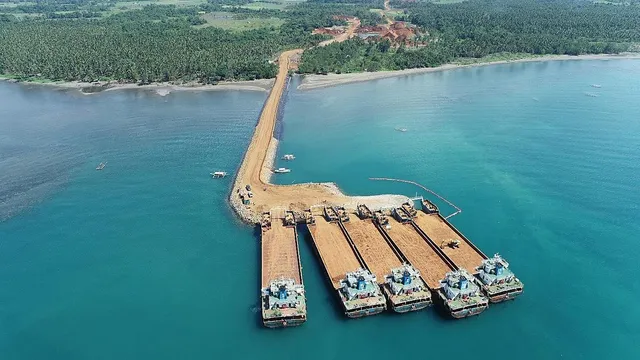
TVIRD’s Agata Nickel Laterite Project marks end of an era after 382 shipments and nine years of operation

Agata Mining Ventures Inc. (AMVI), a joint venture nickel laterite project of TVI Resource Development Philippines Inc. (TVIRD) and MRL Nickel Philippines Inc., recently concluded its 382nd and final shipment of nickel ore onboard MV Haut Brion last August 17.  Beyond business, Agata marks the conclusion of its nickel project with its world-class environment, safety and health and social development programs as well as IEC campaigns that continue to successfully engage its host communities.

“As far as the TVIRD in the Philippines goes, Agata has achieved exactly what it promised – and that is to expand our foothold in the local extractives industry and land our mining group on higher ground,” said Managing Director Michael G. Regino.  “Agata is a landmark project for our group.  It allowed us to achieve our business objectives while fulfilling our social commitments to our host communities.  But most of all, it made us true stewards of Tubay, Santiago and Jabonga Municipalities’ natural environment.”

Environmental excellence and mine safety

The company has been conferred with multiple national and international awards through the years and has maintained a solid reputation – not only as a steady provider of nickel within the global steel value chain – but also as one of the most responsible mining operators in the country, especially in the meticulous implementation of its progressive rehabilitation program to ensure the sustainability of its environment.

“I am deeply thankful for all the efforts everybody spent through the years for making Agata already a name in the [mining] industry”, General Manager Emilio T. Figueroa III, expressed his gratefulness to everyone involved in the Agata project during his speech at the AMVI’s Thanksgiving Celebration. “One of my favorite mottos in Agata is ‘inspiring change’. Agata may be small compared to other mines, but we made a significant change in the industry. We started the best practices that other mining companies are starting to emulate as Agata became their benchmark that sparked a movement in the entire industry —and this is not a small feat, it is a big thing to teach others our best practices, but for other mining companies to follow in our footsteps means that Agata is not only leaving a lesson, but a legacy for the Philippine mining industry.”

After receiving its first Presidential Mineral Industry Environmental Award (PMIEA) recognition as the Safest Exploration Runner-Up in 2014, Agata became one of the youngest mining projects to be awarded the PMIEA Titanium Achievement Award during its first full year of operations in 2015 – the same honor it would also receive the following year.

In the succeeding years, Agata went on to corner the 2017 PMIEA Platinum Achievement Award, and two more successive Presidential Mineral Industry Environment Awards, namely: the PMIEA-Platinum Award in Surface Mining, and Best Mining Forest Award (2nd Runner Up) in Metallic Mining — top honors for advocating the industry’s highest safety and environmental standards.

In 2019, Agata won an ASEAN Mineral Award under the Metallic Minerals Distribution Category – its first international recognition conferred in Thailand.

Finally, Agata ended its last full year of operations in 2022 with a third Presidential Mineral Industry Environmental Award (PMIEA), once again feted with the country’s highest distinction for exceptional environmental performance, and safety & health practices.

Business and social

During its operations, Agata was able to accomplish a solid business track record. Despite market uncertainty, the company has managed to navigate the minerals market quite well, as evidenced by its consistent shipment history even during the global COVID-19 pandemic. From the start of operations in August 2014 until August 2023, over 165 shipments of Limonite ore and 217 shipments of Saprolite ore were exported to its direct Asian markets – all these, without compromising the integrity of its natural environment.

The company also invested heavily in its communities through the establishment of an agroforestry plantation, poultry and livestock facilities, furniture and handicraft production and fishing equipment.  It also has more than 130 TESDA-certified farmers and established over 150 organic vegetable gardens in local households.

The SDMP is likewise aligned to Agata’s engagement through the Community Royalty Development Plan (CRDP) which transformed the Manobo and Mamanwa tribes’ Royalty Share into sustainable livelihood. The CRDP generated locally certified Cacao Trainers who graduated from the Mabakas Techno Demo Farm – the only TESDA-accredited organic farm school managed by a mining company in the region – and which has over 5,000 graduates to date. It also supports more than 300 indigenous students in both high school and elementary.

To date, there are more than 35 hectares planted with Cacao within Agata’s MPSA while more than 20 hectares have also been established by the indigenous Manobo-Mamanwa Tribe for Cacao production.

Right from the start

Agata’s successful conclusion of its mining operations and the commencement of its final rehabilitation program validates that its core philosophy of “starting it right, keeping the end in mind” is the right one.  This same philosophy drove its employees across the ranks to commit themselves to planting close to 600,000 trees as part of the company’s progressive rehabilitation during Agata’s operations.

It is confident that its self-sustaining communities will continue to thrive long after mining is done. 

It is likewise certain that Agata’s natural environment will continue to flourish under its Agricultural and Eco-tourism framework – testament that a project started right will always have a sustainable future.

November 07, 2023

Greenstone Resources Corporation (GRC), a wholly-owned subsidiary of TVI Resource Development Philippines Inc. (TVIRD), received an official visit from His Excellency David Bruce Hartman, Ambassador of Canada to the Philippines at its Siana Gold MIne (Siana) in Tubod Municipality, Surigao del Norte Province.  Upon the invitation of TVIRD Chairman Clifford M. James, Ambassador Hartman was joined by Second Trade Secretary Kayla Slobodnik and Second Political Secretary Peter Wright on the two-day excursion.

The delegation was welcomed on site by GRC General Manager Albert Chan, key company officers and members of the indigenous Mamanwa Tribe who are part of the company’s host community.  They were likewise toured within the 3,289-hectare Siana Mineral Production Sharing Agreement (MPSA) area where they saw first-hand the developments on the company’s processing plant, main pit, tailings storage facilities and other major infrastructures.

The company also hosted a cocktail reception and welcome dinner for the Ambassador.  Invited guests to the soiree include Brigadier General George L. Banzon, Commander of the 901st Infantry Brigade; Police Brigadier General Rod Mariano; Tubod Vice-Mayor Charlito Ignalig; Alegria Municipal Vice Mayor Dominador Esma; Butuan City Councilor Rey Desiata; Regional Director Larry Heradez, head of the Mines and Geosciences Bureau (MGB) Region 13; and Provincial Environment & Natural Resources Office (PENRO) Head, Agapito Patubo.

“It is through projects and investments like [TVI’s Siana Gold], that the mining industry will lead the way in the pursuit of a green economy,“ said Ambassador Hartman during his keynote message.

“In Canada, we see responsible business conduct as an essential element of the mining sector.  The Government of Canada expects Canadian companies active abroad to respect human rights, to operate transparently and in consultation with host governments and local communities; and to work in a socially and environmentally responsible manner, while respecting local applicable laws as well as the OECD`s Guidelines for Multinational Enterprise. “

“We were thrilled to see the Philippines as the first country in the Indo-Pacific to have adopted Canada’s Toward Sustainable Mining (TSM) framework, and we appreciate TVIRD’s commitment to sustainable mining and [its] regular engagement with local civil society and indigenous peoples,“ he concluded.

Canada and the Philippines

At the center of the Ambassador’s appointment to the Philippines is his two-fold task to conduct an economic and cultural mission – and ultimately to strengthen relations between both countries.

Canada considers the Philippines a strategic partner as evidenced by its growing bilateral relationship, the recent visits of several federal cabinet Ministers and the recently held Joint Economic Commission.  Noteworthy is Canada’s recently launched Indo-Pacific strategy, which promotes regional security, trade and investment, skills development, and environmental and resource conservation. 

Plans to commemorate 75 years of Canada-Philippines relationship in 2024 are currently being spearheaded by the Canadian Embassy in Manila. This will highlight Canada’s successful mission to the Philippines over the years, and the mutual progress that both countries have reaped in harnessing common growth areas like mining and technology.

To date, a number of Philippine mining projects have benefitted from Canada’s participation through technical cooperation, knowledge transfer and investments.  On its part, TVIRD is the first Canadian-invested Filipino company to be licensed and reached production stage under the Mining Act of 1995.

Canadian interests in the country also extends to exploration drilling, financial services, IT and communications, engineering and design, food and beverage, and various charitable institutions.

Business expansion

Canada’s TVI Pacific Inc. owns 30.66% of TVIRD together with majority shareholder Prime Asset Ventures Inc.  In October 2021, the company acquired 100 percent outstanding equity of Greenstone Resources Corporation (GRC) – the owner and operator of the Siana Gold Mine and Mapawa Project – which was previously owned by Australia-based listed gold company Red 5 Limited.

Prior to signing the agreement, Red 5 confirmed that GRC had spent over US$200 million in the development of Siana, which has the only modern gold plant in the region.  Meantime, TVIRD confirmed that the cash portion of the purchase price was funded from internal resources. 

The binding agreement is a landmark deal that underscores the restored investor confidence in the Philippine mining and extractives sector, especially for legitimate large-scale mining projects.  The Siana Mine currently holds all the necessary government permits to restart operations, including an Environmental Compliance Certificate and an approved Declaration of Mining Project Feasibility. 

The project includes a modern 1.1 million tonne per annum Outotec mill, gravity and Carbon-in-Leach (CIL) mill facility commissioned in 2012 – which includes a single stage SAG mill and six CIL tanks.

In addition to Siana, the acquisition also covers the 1,482-hectare Mapawa MPSA and the 595-hectare Ferrer APSA claim.  All assets and properties have obtained government approvals and relationships with key stakeholders.

GRC recently obtained a notice to proceed to construct its seventh tailings storage facility at Siana.  And while it is planning to ramp-up into full commercial operations, it is delivering regular shipments of gold and silver dore bars to the Bangko Sentral ng Pilipinas (BSP).

“The recent visit and encouragement of Ambassador Hartman further increases our confidence in the realization of commercial operations at Siana very soon,” according to TVIRD Chairman Cliff James.  “And in addition to the BSP, we likewise plan to tap our direct markets in Asia, Oceania and Europe for the purpose of distributing our production – just like our Balabag Gold-Silver Mine in Zamboanga,” concluded the executive.

With the necessary technology, equipment, and facilities, there also lies the potential to establish Siana as a processing center for other nearby prospects and gold deposits in the region.  The mine also houses the Mabakas Techno Demo Farm – the only organic farm school owned by a mining company in the region – and which potentially can facilitate skills development for communities within and outside its host municipality.
November 06, 2023

Integrated energy company Semirara Mining and Power Corporation (SMPC) recorded a 37-percent drop in net income in the first nine months of the year from P35.9 billion to P22.6 billion. The marked decline was mainly due to lower coal shipments and selling prices.

“The third quarter is always a slow period for us in terms of production and demand because of the rainy season. Last year was an outlier because of high index prices,” said SMPC president and COO Maria Cristina C. Gotianun.

“Our power business really stepped up this year. Their all-time high results offset the sharp earnings drop in our coal business,” she added.

For the third quarter alone, SMPC saw its net income plunge by 66 percent from P10.1 billion to P3.4 billion.

From January to September, average selling price of Semirara coal declined by 23 percent from P5,224/metric ton (MT) to P4,042/MT on stabilizing index prices.

Average Newcastle price during the same period slumped by 48 percent from US$3574 to US$186 while average Indonesian Coal Index 4 slipped by 23 percent from US$84 to US$65.

Nine-month coal production decreased by 14 percent from a record high of 13.7 million metric tons 3 (MMT) to 11.8 MMT due to higher stripping activities in Molave and Narra mines. Coal shipments during the same period dropped by 12 percent from 11.9 MMT to 10.5 MMT.

Meanwhile, the power segment recorded its best-ever overall plant performance over a nine-month period as plant availability improved by 31 percent from 62% to 81%. Consequently, gross generation accelerated by 28 percent from 2,881 gigawatt hours (GWh) to 3,695 GWh while sales volume rose by 24 percent from 2,778 GWh to 3,437 GWh.

Average selling price from January to September posted a 2-percent uptick from P5.62 to P5.75 as higher contract prices offset the impact of receding spot market prices.

Average spot selling price fell by 14 percent from P7.33 to P6.33 largely due to the stabilization of fuel prices and entry of additional capacity into the main grid.

October 30, 2023

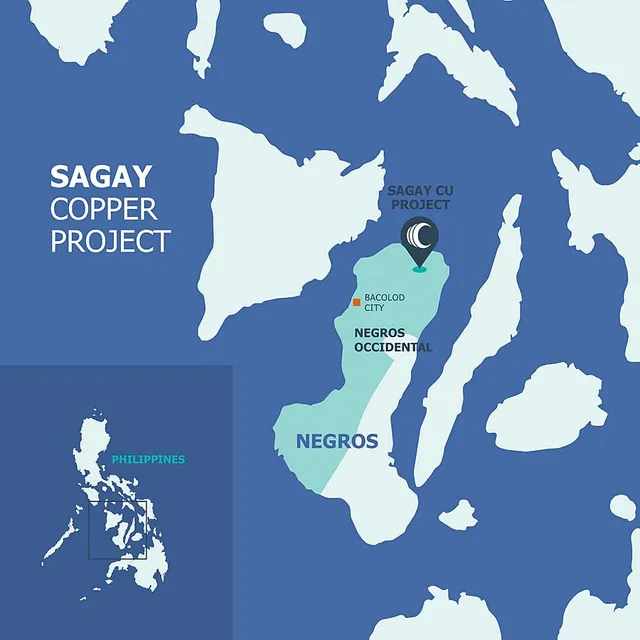
Celsius Resources has completed a program of 12 shallow diamond drill holes to test the extents of oxide copper mineralisation from Nabiga-a Hill at the Sagay Copper-Gold Project.

Highlights from the drilling program include:

  • 69.3m @ 0.56% copper from 10.7m down hole from SGY-040, including
    • 21.3m @ 1.23% copper from 15m down hole.
       
  • 47.0m @ 0.84% copper from 33m down hole from SGY-045, including
    • 35m @ 1% copper from 35m down hole.
       
  • 50.3m @ 0.65% copper from 31.7m down hole from SGY-049, including
    • 30m @ 0.85% copper from 52m down hole.

Celsius Resources is pleased to announce that its Philippine subsidiary, Tambuli Mining Company, Inc. (“TMCI or the “Company”), has concluded the drilling program with positive drilling results for its Sagay Copper-Gold Project in the island of Negros.

Drilling focused on the shallow high-grade copper, or the Secondary Supergene Chalcocite Enrichment zone, to supplement the data gaps and increase confidence in the Mineral Resource1 of this shallow high-grade zone.

Celsius Managing Director, Peter Hume, said:

“The results from the recent drilling confirm the location of copper mineralisation starting from less than 10m beneath the surface. This shallow and relatively flat oxidised zone has potential for a new development to support the phased growth of Sagay. A proposed phased approach for Sagay could deliver project self-reliance towards our goal of ultimately developing the much larger porphyry Cu-Au mineralisation which exists underneath this shallow copper mineralisation and Nabiga-a Hill. This potential mining opportunity is approximately one year behind the Maalinao-Caigutan-Biyog Copper-Gold Project in approvals and has the potential for a rapid start up.” 

To read the full announcement, please click here.
October 15, 2023

The Philippines wants to craft a national strategy that would deal with the exploration and exploitation of deep-sea mineral resources in the future, the Department of Foreign Affairs (DFA) said Monday.

The Philippines, together with Jamaica-based International Seabed Authority (ISA), is hosting a two-day national capacity development workshop on deep-sea-related issues to discuss the framework needed to enable the country to participate in ocean mining.

In his opening remarks Monday, Foreign Affairs Undersecretary Charles Jose noted that resources containing cobalt, manganese, copper, nickel and other rare minerals are believed to be abundant on the seabed ocean floor -- most of which are beyond national jurisdictions.

“The Philippines as an archipelagic state is entirely dependent on the sea and our state's ecosystem is affected by changes in the larger ocean ecology. We are therefore committed to the conservation and sustainable management of the oceans and the seabed,” he said.

“The Philippines encourages a whole-of-society approach to tackle these matters and form a holistic strategy, with regard to the exploration and possible development of the seabed in the future,” he added.

Mario Aurelio, ISA Legal and Technical Commission Commissioner, hoped the workshop would allow stakeholders to look at how the Philippine Mining Act can be revised in accordance with international law.

A country can only participate in activities in the ISA if it has an UNCLOS (United Nations Convention on the Law of the Sea)-compliant deep-sea mining legislation, he said.

The ISA regulates and controls all minerals-resources-related activities in the so-called “The Area” or the seabed beyond a country’s national jurisdiction “for the benefit of mankind as a whole”.

The ISA has already issued at least 31 exploration contracts in the Pacific, Indian and Atlantic Oceans while developing regulations for the mining itself.

“What we know is, from many, many years of research, that the minerals in the seabed contain more metals, more minerals than all the resources that are left on land,” ISA Secretary-General Michael Lodge told reporters in a press conference.

“Obviously, we've been exploiting land-based resources for thousands of years. And the seabed we haven't exploited at all. So it's new territory in that sense,” he added.

Lodge said one part of the abyssal plain -- an underwater plain on the deep ocean floor -- between Hawaii and Mexico alone, also known as the Clarion-Clipperton Zone, contains more copper, cobalt, nickel and manganese than all the remaining terrestrial reserves of those minerals.

“(There’s a) great potential. But so far, we are still at the stage of exploration of understanding the resources and understanding even more how to exploit it in a sustainable way,” he said. By Joyce Ann L. Rocamora


Article courtesy of the Philippine News Agency

October 09, 2023

The Department of Environment and Natural Resources (DENR) is undertaking a series of initiatives to formalize small-scale mining operations, recognizing their vital role in the industry. These initiatives are to be undertaken as the department undertakes a review of laws that cover small-scale mining, with the goal of modernizing industry standards and increased protection for small-scale miners.

DENR Undersecretary Carlos Primo David emphasized that these initiatives underscore the agency's dedication to responsible, inclusive, and globally competitive mining practices, all while ensuring the welfare and protection of small-scale miners. He stressed the importance of a progressive, step-by-step approach to formalization, with the ultimate goal of integrating small-scale miners into the broader mining sector.

“The small-scale miners are there. We have to bring them into the fold of the mining sector. The core of DENR's strategy lies in individually registering these small-scale miners, serving as the basis for a more organized structure,” said David.

“We’re looking to register small scale miners, individually, at first, followed by the establishment of a loose organization as the foundation for a more formal association. Sort of like a cooperative towards a Minahang Bayan registration.”

Legal recognition of small miners, according to David, will help ensure they get adequate support to operate within established standards and safety protocols.

“A properly regulated small-scale mining industry will benefit the community in terms of job creation and livelihood, and the country in terms of mining assets and taxes. More importantly, it will address the violation of environmental laws and mining regulations, and minimize environmental risks and promote mine safety,” David said.

He added that the Department’s newly-created Geospatial Database Office under his helm employs satellite imagery and Geographic Information System or GIS which can potentially monitor mining operations in the country and identify those which are illegally operating.

The DENR is looking to amend Republic Act 7076, also known as the People’s Small-Scale Mining Act of 1991, to provide social assistance, labor protection, and government-backed assistance programs for the benefit of small-scale miners. The DENR is also a staunch advocate of support for small miners, through a “big brother, small brother approach”—encouraging larger companies to help capacitate them to contribute to social and environmental protection efforts, protect small miners, and enhance the resilience of the mining community.

On top of capacity-building for small-scale mining ventures, the DENR is committed to modernizing standards for the mining industry—harnessing capabilities of cutting-edge technologies such as remote sensing and artificial intelligence to enhance industry regulation and law enforcement.

In a meeting with DENR officials last year, President Ferdinand R. Marcos Jr. issued directives to legalize small-scale mining operations. Many of these operations currently operate outside the legal framework, leaving miners without proper protection.

October 03, 2023

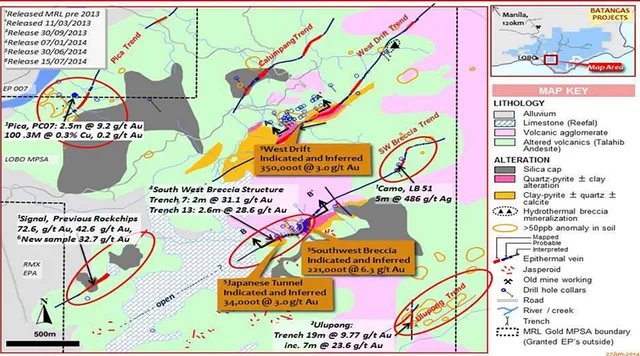
Bluebird Merchant Ventures Ltd, a gold company primarily focused on bringing historic mines back into production, is pleased to announce a fully funded 5,666m drill programme at the Lobo prospect of the Batangas Gold Project in the Philippines (‘Batangas’ or ‘the Project’).  The 34-hole three phase programme is aimed at further delineating the Project’s identified high-grade targets, upgrading the current mining inventory, and providing data to develop an underground mine plan.

Overview

  • Lobo is a high-grade gold mining opportunity within the Batangas project area being developed in tandem with a local highly experienced JV partner in the Philippines.
  • The three-phase drill programme will be initially focused on the South West Breccia (‘SWB’) target, which has not been tested at depth or along known extensions; this is just one of nine targets in the system, which has a current 15km strike.
  • SWB has only been drilled to 80-100m but produced the majority of the initial Probable JORC Compliant Ore Reserves of 171,000 tons at 6.6 g/t for 36,000 oz Au excluding silver credits that can be mined in the first 18 months of any operation – Indicated Resource of 82,000 oz Au.
  • Results at SWB extensions included:
    • 7m at 11.6 g/t Au from 9.3m.
    • 18m at 6.85 g/t Au from 31 m down hole.
    • 6m at 7.16 g/t Au from 43 m including 3m at 11.5 g/t Au.
  • SWB is likely to be the first area to be mined by the JV – drill data will be used for a mine plan and included in the Definitive Feasibility Study (‘DFS’).
  • Lobo licence area is highly prospective with results across the nine identified targets including:
    • 1m @14.4g/t Au and 3m at 12.1g/t at West Drift, which already has an Indicated and Inferred resource of 350,000t at 3 g/t Au.
    • 35m at 18.3 g/t Au and 6.0m at 31.2 g/t Au located immediately west of the SWB Extension.
    • 19m surface channel sample with intersections of 19m grading 9.8 g/t Au at Ulupong.
    • Limestone Target trenching yielded 3.5m at 25.9 g/t Au including 1.5m at 56.8 g/t Au.
  • Batangas is one of three gold projects being developed by Bluebird – the other two, Gubong and Kochang, are in South Korea where encouraging progress is being made regarding the grant of the Temporary Mountain Use Permits the final permit to allow production.

Bluebird CEO Colin Patterson said, “The Batangas Gold Project, one of three high grade gold projects in our portfolio, is being advanced to a production decision by our local JV partners in the Philippines.  The focus is on the development of the Lobo 1,160-hectare area where five parallel running high grade epithermal veins have been identified over a 15km strike. Previous shallow drilling over just 1km delineated a resource primarily at the South West Breccia prospect and included 150,000 tons at 6.4 g/t from just the upper 80m of the mineral resources. To put this into context, it is open at depth and there are nine other identified high-grade gold zones.

“The fully funded three-phase drill programme will test the most prospective and upper parts (below the current identified resource) first and then, if the results are as expected, progressively test deeper extensions and less well-known areas downdip of SWB. There is evidence that mineralisation grade may increase at depth and the aim is to dramatically expand the resource inventory and develop a mine plan for the submission of a DFS and final permitting. 

“Importantly, the wider project potential, which will be further tested in the future to expand mine inventory, is clear to see. Drilling at the SWB extension produced results including 2.1m @14.4g/t Au and 3m @12.1g/t.  At Ulupong, a high-grade epithermal vein was exposed in a 19m surface channel sample with intersections of 19m grading 9.8 g/t gold, while at the Pica Prospect, a series of epithermal quartz-barite veins including 1.5m at 8.5 g/t Au from 29.8m and 13.65m at 2.49 g/t Au from 110m have been identified.  Southwest of Japanese Tunnel, a 500m strike length zone produced 2m at 31.1 g/t Au and 3m at 22.2 g/t Au, while at the Limestone Target, trenching yielded 3.5m at 25.9 g/t Au including 1.5m at 56.8 g/t Au. These are exciting results.

“To provide some value context, Batangas was the original listing asset of the Company in 2016, and when we raised our interest to 25% it was valued at US$6.8 million.  We believe there is huge potential to expand the resource inventory across the wider project so are delighted with the progress being made by our local JV partner, which has extensive in country mining experience and is funding all work including permitting to a production decision in return for 60% of the Project.”

Details

Three-Phase Drill Programme at Lobo

The Lobo licence area covers 1,164-hectare. The mineral resources are associated with a linear, steeply dipping, epithermal lode with high grade ‘shoots’ of mineralisation.  Multiple high grade target areas have been identified and include the South West Breccia (‘SWB’), West Drift, Japanese Tunnel, historic Lobo copper mine, Camo, Acacia, Pica, Balisong and Ulupong prospects. The provisional Lobo underground mining plan is similar to the initial phase of Medusa Mining’s Philippine project.

The drilling programme is an iterative campaign that will commence with an initial 2,000m with further drilling to be determined based on the results.  It has been formulated utilising detailed surface geology mapping, aeromagnetic, radiometric, topographic data, drillhole lithology, and drilling primarily conducted by Mindoro Resources, Goldfields, and Red Mountain Resources. Currently, five major epithermal vein systems have been identified with a total strike length of over 15km. Drilling to date has only tested c.2km of strike and to relatively shallow depths.  It is evident from existing data that there are higher grade gold zones at lower elevations and the mineralisation is open at depth.

The main target is the SWB deposit where 38 holes identified five sub-parallel vein systems developed on northeast trending structures, spaced 500-1,000m apart and covering an area of approximately 3km by 1.5km. A preliminary resource statement based primarily on previous drilling at SWB, to a depth ranging from 80-100m, produced an initial Probable JORC Compliant Ore Reserves of 171,000 tons at 6.6 g/t for 36,000 oz Au excluding silver credits that can be mined in the first 18 months of any operation.  There is an Indicated Resource of 82,000 oz Au that is perceived as easily convertible.  The first 2,000m of the drilling will test the depth of SWB below the initial quantified area, being c.80m to c.200m, as well as the immediate high-grade extensions including West Drift.

The Board and its local JV partner, which has extensive mining experience in the Philippines, believe that there is enormous potential to expand the resource inventory at SWB as well as across the wider project area. For example, diamond drilling and trenching previously tested the northern extent and at depth below the previous SWB resource.  Eight drill holes for 530m were completed and results included 6.7m at 11.6 g/t Au from 9.3m and 18m at 6.85 g/t Au from 31m, and down hole 6m at 7.16 g/t Au from 43m including 3m at 11.5 g/t Au.

The extent of the mineralisation at Lobo has already been tested. 15 diamond drill holes at West Drift totalling 3,111m identified generally increasing gold grades with depth. The vertical extent of a shallow plunging high grade gold shoot, located between 100m and 150m, has been delineated over a 200m strike length within a 400m long target zone.

At Ulupong, a high-grade epithermal vein has been exposed by a continuous 19m surface channel with intersections of 19m grading 9.8 g/t Au. The vein is at the western end of an extensive zone of anomalous gold soil geochemistry at Ulupong-Sawahan, which extends for over 2km in a northeast-southwest direction sub parallel to the SWB and West Drift epithermal gold vein systems.

The Pica Prospect has a series of epithermal quartz-barite veins including 1.5m at 8.5 g/t Au from 29.8m and 13.65m at 2.49 g/t Au from 110m. Regional mapping has located extensions to this mineralised vein structure for more than 3km, again testing high grade extensions to the SWB lode system. Trenching of a 500m strike length zone of intermittently exposed epithermal lode material produced high grade gold mineralisation including 2m at 31.1 g/t Au and 3m at 22.2 g/t Au 100m southwest of Japanese Tunnel, 2.6m at 28.6 g/t Au to the southwestern most lode exposure before the structure passes under younger limestone and 8.35m at 18.3 g/t Au and 6.0m at 31.2 g/t Au located immediately west of the SWB Extension.

At the SWB corridor, an 837m extension to the surface mineralisation was identified and included 3.95m at 4.6 g/t Au from surface trenching and a drill intersection of 0.65m at 18 g/t Au from 10m downhole depth.  The mineralisation is also open to the southwest and Japanese Tunnel where drilling intersected 1.5m at 3.63 g/t Au from 38.7m downhole including 0.5m at 4.73 g/t Au.

Finally trenching at the Tamarind prospect reported 4.5m at 14.8 g/t Au including 1.0m at 44.9 g/t Au, 9m at 28.9 g/t Au and at Limestone Target, 3.5m at 25.9 g/t Au including 1.5m at 56.8 g/t Au.

With the appointment of drilling contractors being finalised, the planned drilling campaign is expected to be completed early Q1 2024.  Post assaying results will be reported as the Company receives them.  Once all results are received the JV will use them to formulate the mine plan for Lobo.

Corporate

The Company has issued 23,000,000 Shares to Momentum Resources in reference to a return of shares that were made from the Pledged Share Pool Agreement that was announced on 20 March 2023 (“Returned Shares”). Momentum Resources is a related party of Bluebird Directors Colin Patterson and Charles Barclay. The transaction was approved by the Non-Executive Chairman, Jonathan Morley-Kirk.  Application will be made for the Returned Shares, which will rank pari passu with the existing Ordinary Shares in issue, to be admitted to trading (“Admission”) on the Standard Listing Segment of the Main Market of the London Stock Exchange. Admission is expected on or around 2 October 2023.

The Company’s total issued and voting share capital upon Admission will be 712,865,042 Ordinary Shares. This figure may be used by shareholders as the denominator for the calculations by which they will determine if they are required to notify their interest in, or a change to their interest in, the securities of the Company.

October 02, 2023

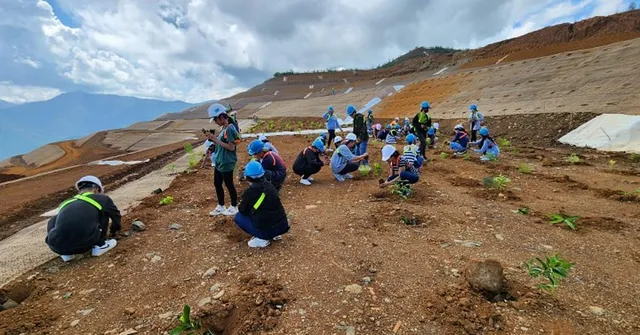
Berong Nickel Corporation (BNC) has completed 88% of its annual land preparation target within just six months, successfully rehabilitating over 30 hectares of the Berong mine. The full-year target was set at 34 hectares.

In addition, BNC accelerated its erosion control and soil stabilization efforts by installing 672 coconets, nearly six times its annual target of 116. The company also laid down 1,721 meters of geo-textiles, significantly enhancing the ecological stability of the areas under rehabilitation.

Land preparation, a critical component of the mine rehabilitation process, includes slope benching and soil matting to avoid landslides, promote vegetation growth and create a more hospitable environment for returning wildlife.

"We are fully committed to addressing our impacts on the environment and to our host communities. In our first year, we were able to exceed many of our rehabilitation targets,” said BNC president Tulsi Das C. Reyes.

“The progress we have made in such a short time is a testament to our team's hard work and dedication," he added.

In line with its goal to fast track the final mine rehabilitation of Berong, BNC topped its seedling production and transplantation targets for 2023.

The company produced 214,052 seedlings, 152% higher than its 85,000 target. From this, it was able to plant 81,709 during the first semester, which is already 96% of its annual target of 85,000 seedlings.

The Berong mine opened in October 2006 and was fully depleted by December 2021. Aside from generating 1,634 direct and indirect jobs, the mining operations yielded 10.3 million wet metric tons (WMT) of nickel ore and P2.6 billion-worth of mining duties, royalties and taxes.

To be conducted over a six-year period starting June 2022, the Berong final rehabilitation program covers 109 hectares of surface mine, 209 hectares of silt control structures and 25 hectares of stockpile area.

After rehabilitation, the disturbed areas could be used for eco-tourism, agro-forestry and inland fish farming by the Department of Environment and Natural Resources (DENR), local government units (LGUs) and host communities.


Article courtesy of BNC

October 02, 2023

Philippine Mines and Geosciences Bureau has issued the approval of the Declaration of Mining Project Feasibility as the last step in the permitting process towards the achievement of the MCB Project’s mining permit.

Celsius Resources is pleased to announce that its Philippine subsidiary, Makilala Mining Company, Inc., has received approval of the Declaration of Mining Project Feasibility (“DMPF”) for its flagship MCB Project.

The DMPF is the written notice submitted by MMCI to the Philippine Mines and Geosciences Bureau proclaiming the feasibility of commercial utilisation of the minerals in the tenement area by internationally accepted sound mining practices, socially acceptable, environmentally safe, and economically sound methods as specified in the Mining Project Feasibility Study and supported by other requirements as prescribed in the Implementing Rules and Regulations of the Philippine Mining Act1

In support of the DMPF application, Celsius has amongst other requirements, received the approval of the MCB Project’s Mining Project Feasibility Study, Environmental Compliance Certificate, Environmental Protection and Enhancement Program, Final Mine Rehabilitation Plan, Social Development and Management Program, and Care and Maintenance Program. (See CLA Announcements dated 3 January, 31 May, 18 July, and 15 August 2023).

The issuance of the DMPF enables the Company to move forward with obtaining a Mineral Production Sharing Agreement (“MPSA”) with the Philippine Government which would allow the Company to develop and operate the MCB Project. The MPSA application has been submitted and the Company envisages receiving the MPSA within the coming weeks.

Celsius Executive Chairman Atty. Julito R. Sarmiento, said: “This is one of the key final milestones in the MCB Project permitting process. Following the approval, we are anticipating the mining permit to be delivered within a short period of time. With investors now showing genuine interest, we are hopeful to move the MCB Project forward to development and operations so that we can create value for shareholders and provide positive impacts for our project stakeholders.”


Article courtesy of Celsius Resources