The Chamber of Mines of the Philippines (COMP) has condemned killings, intimidation and other forms of violence against individuals and groups opposed to mining operations, as the country remains the deadliest in Asia for land and environmental defenders.
“We do not support or endorse any acts of intimidation or direct harm to individuals or groups who disagree with mining operations,” COMP said in a statement.
The mining industry group said respect for human rights, health, safety and security of stakeholders is part of its advocacy for responsible and sustainable mining.
COMP said its members are expected to comply with laws requiring free, prior and informed consent (FPIC) and regular consultations with host communities and government authorities throughout the mining process.
The group said engagement with community leaders and advocates is intended to help ensure mining activities are conducted responsibly and that the benefits of mining are recognised by host communities and the country.
“We guarantee our full support and cooperation with proper authorities on any inquiry related to alleged acts of crime against persons or property,” COMP said.
The statement came after Global Witness reported that the Philippines recorded 12 killings of land and environmental defenders in 2025, the highest number in Asia. The figure also placed the Philippines and Honduras third globally, behind Colombia with 39 cases and Brazil with 26.
Global Witness said six of the 12 victims in the Philippines were Indigenous people, three were small-scale farmers, one was a journalist and two were classified as other environmental defenders. Five of the killings were linked to the suspected involvement of members of the Philippine military, according to the watchdog.
The 2025 figures mark the 13th consecutive year that the Philippines has been identified by Global Witness as the deadliest country in Asia for land and environmental defenders.
Globally, Global Witness documented at least 124 killings of land and environmental defenders in 2025. It said mining and extractive industries were linked to 11 of the recorded killings worldwide, including four in the Philippines.
COMP said it will cooperate with authorities in any investigation involving alleged crimes against persons or property.
Shareholders of Dominion Holdings Inc. have approved the company's proposed merger with Indophil Resources Philippines Inc. and Sonar Holdings Inc., advancing a transaction that will bring control of the Tampakan Copper-Gold Project in South Cotabato into the listed company.
Dominion said the merger was approved during its annual shareholders' meeting on Sept. 14, along with a waiver of the rights or public offer by the majority of minority shareholders for the new Dominion shares to be issued to Indophil and Sonar shareholders.
Indophil and Sonar together hold 100 percent of the voting rights in Sagittarius Mines Inc. (SMI), the holder of the financial and technical assistance agreement covering the Tampakan project.
Under the approved transaction, Dominion will be the surviving entity. Following the merger, it will hold 100 percent of the voting rights and acquire controlling ownership in SMI. The assets, rights and liabilities of Indophil and Sonar will be transferred to Dominion in exchange for newly issued Dominion common shares.
Dominion said the merger is aligned with its previously disclosed strategy of becoming a holding company primarily invested in mining companies.
The company also said the exchange ratio has been fixed at book-to-book value, based on the audited interim financial statements of Dominion, Indophil and Sonar as of Aug. 31, 2026. The number of Dominion shares to be issued to the shareholders of the two companies will be disclosed in due course.
Capital increase
As part of the transaction, Dominion shareholders approved an increase in the company's authorized capital stock to P30 billion from P3.42 billion.
The enlarged capital will consist of 29.75 billion common shares with a par value of P1 each and 2.5 million preferred shares with a par value of P100 each. Shareholders also approved the denial of the pre-emptive right of existing stockholders.
The merger remains subject to approval by the Securities and Exchange Commission (SEC) and other applicable regulatory clearances.
Dominion said the parties will submit the relevant documents to the appropriate government agencies after the shareholder approval, with full implementation of the merger expected in the fourth quarter of 2026.
Tampakan transaction
The development follows the Philippine Stock Exchange's classification of the proposed merger as a backdoor listing because of the substantial change it would bring to Dominion's business.
The PSE has kept Dominion shares suspended while the company completes requirements under the Exchange's revised backdoor-listing rules.
The Tampakan project is one of the Philippines' major undeveloped copper-gold projects. The transaction, however, concerns the corporate ownership and listing structure surrounding SMI and does not by itself constitute approval to begin mining operations at Tampakan.
Dominion had previously disclosed that the merger would support its transition toward a mining-focused investment portfolio.
The company is also separately building its mining portfolio. In August, Dominion disclosed plans involving a 20.43-percent stake in Atlas Consolidated Mining & Development Corp., while SM Investments Corp. has said it plans to transfer its roughly 34-percent Atlas stake to Dominion in 2027.
The immediate next steps for the Tampakan-linked transaction are regulatory approvals and completion of the merger, rather than the commencement of mining operations.
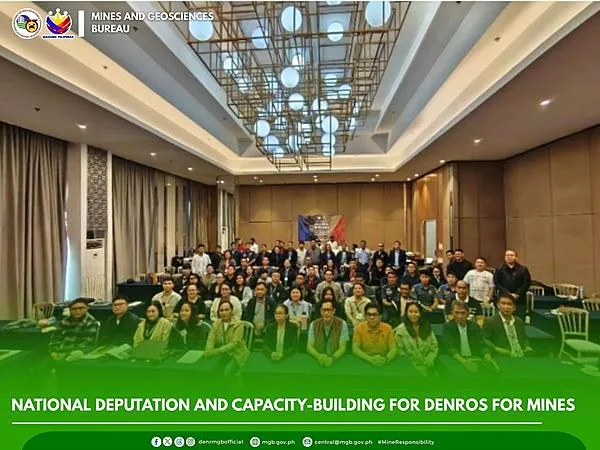
The Mines and Geosciences Bureau (MGB) has completed a three-day national deputation and capacity-building program for 62 candidates for Deputy Environment and Natural Resources Officers (DENROs) for Mines, strengthening the government’s enforcement network against mining-related violations.
The activity concluded on August 27, 2026, at The Hive Hotel in Quezon City after beginning August 25. It brought together personnel from the MGB Central and Regional Offices, selected Department of Environment and Natural Resources (DENR) field offices, the Environmental Law Enforcement and Protection Service (ELEPS), and partner law enforcement agencies.
MGB Director Larry M. Heradez said during the opening that deputation involves not only the granting of authority but also responsibility and accountability.
He stressed that deputized personnel must understand the scope and limitations of their authority and exercise their functions responsibly, while stronger coordination among MGB, DENR field offices and law enforcement agencies is needed to address mining-related violations.
Participants underwent lectures, discussions, open forums and practical exercises covering the legal framework for DENRO for Mines deputation, mining operations and the mineral value chain, mineral and rock identification, mineral processing, mining laws and permitting, small-scale mining, and mining law enforcement procedures.
Training also covered evidence handling, case documentation and interagency coordination, with particular emphasis on the DENR Environmental Law Enforcement Manual of Operations (ELEMO).
Participants conducted practical exercises involving the preparation of seizure receipts and enforcement reports, evidence handling and documentation, and the custody and safekeeping of seized items.
62 candidates evaluated
The activity resulted in 62 candidates undergoing the prescribed training and evaluation in preparation for the issuance of Deputation Orders and Identification Cards.
MGB Assistant Director Karlo L. Queaño said coordinated and consistent enforcement is essential to responsible and sustainable mineral resource development.
Queaño also emphasized accountability in implementing mining laws and the need to help communities pursue formalization where appropriate, while ensuring that individuals remain accountable under the law.
The MGB said the training also allowed participants from different government offices and agencies to exchange operational experiences and improve coordination in mining law enforcement.
The bureau plans to continue strengthening the DENRO for Mines program through further deputation and capacity-building activities at both the MGB Central Office and regional offices.
The efforts will also include closer coordination with DENR field offices and partner law enforcement agencies to expand and sustain a competent, coordinated and accountable mining law enforcement network.
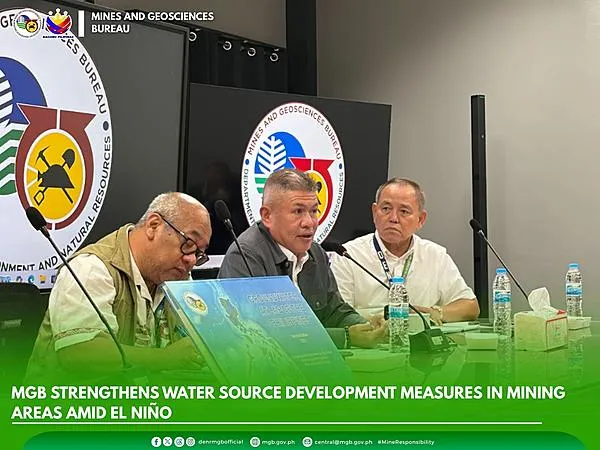
The Mines and Geosciences Bureau (MGB) has directed its regional offices to implement appropriate water source development measures in mining areas as the Philippines prepares for potential water-related impacts from the continuing El Niño phenomenon.
The directive was issued through an MGB memorandum dated September 3, 2026, which provides guidance to regional offices on identifying and implementing water source development measures based on local hydrogeological conditions, groundwater potential and other site-specific characteristics.
The measures are intended to promote sustainable water resource management and strengthen the capacity of mining areas and nearby communities to address potential water shortages and other water-related challenges associated with El Niño.
The Department of Science and Technology-Philippine Atmospheric, Geophysical and Astronomical Services Administration (DOST-PAGASA) has reported that moderate to strong El Niño conditions are prevailing in the Tropical Pacific and are expected to continue through the first half of 2027.
PAGASA has also warned that conditions could reach a very strong state before the end of 2026.
The MGB said regional offices should consider appropriate water source development options according to the hydrological conditions and groundwater potential of each area.
The bureau also advised its regional offices to use spatial information from the National Groundwater Resource and Vulnerability Assessment Program (NGRVAP) and the MGB Mining and Geology Information Portal to support science-based assessments of groundwater resources and determine suitable sites for water source development.
SDMP, CDP funds may be realigned
The MGB has authorized regional offices to allow the realignment of unutilized or unspent Social Development and Management Program (SDMP) and Community Development Program (CDP) funds for appropriate water source development measures in mining areas.
Such realignment must be undertaken in consultation with and with the agreement of affected host and neighboring communities, and must comply with applicable laws, regulations and policies.
The MGB also said voluntary corporate social responsibility (CSR) contributions may be considered to complement the water source development initiatives.
The directive followed a Stakeholders' Forum on the Mining Industry's Contribution to Addressing the Anticipated Water Crisis due to the El Niño Phenomenon held on July 30, 2026.
The forum brought together stakeholders to discuss groundwater resources and the potential role of the mining industry in addressing anticipated water-related challenges.
The MGB said the initiative reflects an industry-led effort to develop sustainable responses to the potential water crisis associated with El Niño.
The memorandum was issued by the MGB's Mine Safety, Environment and Social Development Division.
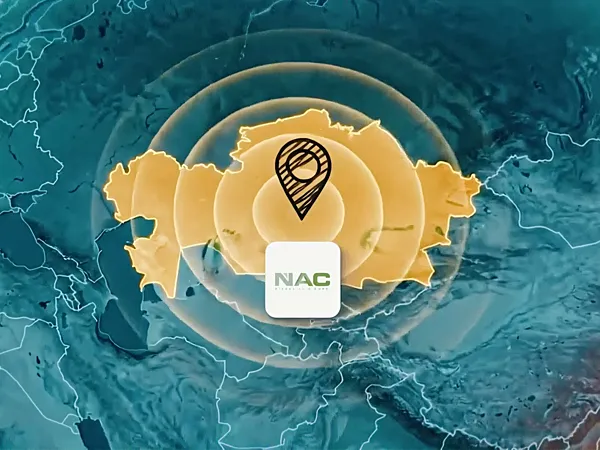
NICKEL Asia Corp. (NAC) has completed the acquisition of a 20-percent stake in Kazakhstan's Karchiga copper mine, giving the Philippine natural resources company immediate exposure to copper production in Central Asia.
NAC said Thursday that its wholly owned Singapore subsidiary, NAC Global Investments Pte. Ltd., completed the acquisition of a 20-percent membership interest in East Copper Production LLP (East Copper) from Silk Road Resources Ltd.
East Copper owns 100 percent of GRK MLD LLP, the Kazakhstan-based entity that holds the subsoil use rights for the Karchiga copper mine. The transaction closed after completion of due diligence and satisfaction of all conditions under the membership interest sale and purchase agreement.
The total consideration was $30 million, with NAC having paid an initial $10 million earlier this year following completion of due diligence. NAC Global paid the remaining $20 million after all closing conditions were satisfied.
The acquisition agreement was signed on April 22, 2026. On August 6, NAC's board approved the transfer of the company's rights and obligations under the agreement to NAC Global, which was established to hold NAC's international investments.
Copper exposure
Karchiga is located within the Central Asian Orogenic Belt, part of the broader Central Asian Copper Belt, a region known for its concentration of copper resources, according to NAC.
GRK MLD generated approximately $70 million in revenue and $40 million in EBITDA during the first half of 2026, based on its unaudited financial results. Copper production reached 5.24 kilotons during the same period.
NAC said the acquisition comes as global copper prices approach record levels, supported by demand from artificial intelligence data centers, electric vehicles and power-grid modernization.
The company said the transaction gives NAC indirect exposure to higher copper prices without the development risks associated with a greenfield project. Management expects the investment to strengthen NAC's earnings base and align the company with the long-term outlook for copper demand.
The acquisition also expands NAC's international footprint beyond its Philippine mining and energy operations. NAC said its Singapore-based NAC Global serves as its offshore investment vehicle for pursuing critical minerals opportunities across the region.
NAC operates six mines in the Philippines and has investments in mineral processing and power generation. The company supplies saprolite and limonite nickel ore for domestic refining and regional export and is also expanding its renewable and flexible power assets through NAC Energy Inc.
DMCI Mining Corp. is supporting the Philippine government's new critical minerals policy framework as the company advances mine rehabilitation in Palawan and expands exploration and production activities.
DMCI Mining president and chief operating officer Tulsi Das Reyes said President Ferdinand R. Marcos Jr.'s issuance of Executive Order No. 122, establishing a National Policy Framework for the Critical Minerals Industry, could further support growth in the country's mining sector.
“That means they find the mining industry important. They find that we can add value to the country. They find that we can add value to other countries,” Reyes said in a recent briefing. He said the company welcomed the government's recognition of mining as an indicator of development.
Issued in August, EO 122 establishes a framework covering the critical minerals value chain, from exploration and utilization to value addition, mineral processing and manufacturing. It also seeks to attract investment by accelerating the privatization of government-owned mining assets, streamlining and digitizing permitting, and providing incentives for critical minerals processing and downstream industries.
The order also provides for a virtual one-stop shop for mining permits, which Reyes said could help address inefficiencies in the permitting process.
“Hopefully those things will streamline processes where they find maybe not gaps, but things that they can help streamline,” he said.
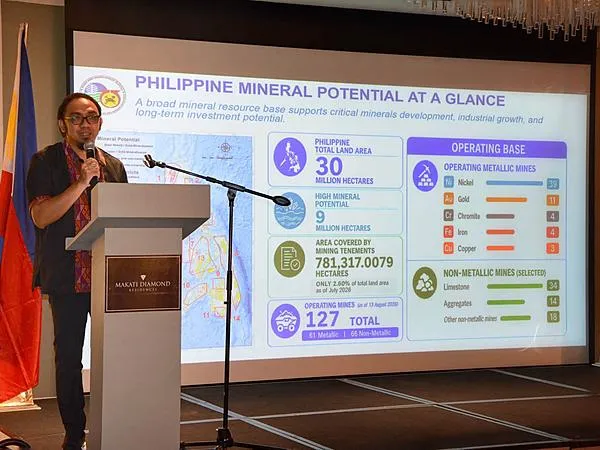
The Department of Environment and Natural Resources, through the Mines and Geosciences Bureau, is tasked with issuing the Philippine Critical Minerals List and leading exploration of prospective areas covering about 9 million hectares of mineralized land to identify and declare Critical Mineral Reservations and expand the country's critical minerals resource inventory.
Reyes said minerals including copper, gold, nickel and iron ore could be prominent under the emerging critical minerals framework, particularly given geopolitical considerations and demand from battery-related industries.
“Anything for the battery space, nickel will have to be on that list, and iron ore,” Reyes said, adding that the Philippines has significant resources that could support greater participation in the global minerals market.
He acknowledged, however, that the Philippines faces stiff competition from Indonesia, which has greater production volumes, higher grades and significantly larger operating scale.
“It's hard to compete with what Indonesia is doing right now,” Reyes said. “But it does not mean to say that the Philippines cannot play more in the space that we have.”
Berong rehabilitation reaches 100 hectares
DMCI's support for the government's policy comes as its Berong Nickel Corp. subsidiary continues rehabilitation of the Berong mine in Quezon, Palawan.
DMCI Mining has spent PHP168.3 million on final mine rehabilitation from June 2022 through August 2026. Of the 137 hectares previously used for mining within the mine's 288-hectare MPSA area, 100 hectares have now been rehabilitated.
BNC began implementing its six-year Final Mine Rehabilitation and Decommissioning Plan in 2022 and expects to complete the program next year, after which the rehabilitated area will be formally turned over to the government.
The company has planted 352,000 seedlings and produced more than 497,000 seedlings in its nurseries, exceeding its rehabilitation targets. At least another 150,000 trees are expected to be planted before the program ends.
Reyes said the company is ahead of schedule and is working closely with the local government and DENR on compliance.
“We want to make sure we do a fantastic job. This will be the first nickel mine site turned over to the government. So we want to excel,” he said.
Production remains on track
DMCI Mining is also approaching its 3 million wet metric ton production target for 2026, supported by shipments from its Palawan and Zambales operations.
Reyes said the company had shipped 1 million tons from Palawan in three months, while its Zambales operations had reached 1.6 million tons for the year as of early September.
DMCI Mining operates two mines in Santa Cruz, Zambales, through Zambales Diversified Metals Corp. and Zambales Chromite Mining Co. In Palawan, BNC also holds a 2,177.34-hectare MPSA for its Long Point mine in Aborlan, granting it exclusive rights to explore, develop and utilize mineral resources within the contract area.
Reyes said DMCI plans to continue exploring its Long Point assets and surrounding areas as it seeks to expand its mining operations.
The International Labour Organization (ILO) has launched a project aimed at strengthening labor governance and promoting responsible and sustainable nickel supply chains in the Philippines.
The ILO, together with government agencies, employers' and workers' organizations, mining companies, industry groups, development partners and civil society organizations, held the inception workshop for the Responsible, Inclusive and Sustainable Nickel Supply Chains (RISSC-Nickel) Project on Sept. 2 in Makati City.
The project brings together stakeholders from the Department of Labor and Employment (DOLE), Department of Environment and Natural Resources-Mines and Geosciences Bureau (DENR-MGB), Department of Trade and Industry-Board of Investments (DTI-BOI) and the Philippine Extractive Industries Transparency Initiative (PH-EITI), along with mining enterprises, labor groups and academia.
Funded by the Government of Japan, the project seeks to strengthen labor governance, promote responsible business conduct and advance decent work across the Philippine nickel industry.
The ILO said the sector is becoming increasingly important to global supply chains and the clean energy transition.
Participants at the workshop identified opportunities to strengthen labor rights, occupational safety and health, human rights due diligence and supply chain transparency.
They also reaffirmed the need to ensure that growth in the nickel industry benefits workers, businesses, communities and the environment.
The event was organized in collaboration with the ILO-Canada FOA-CL Project, ILO-Canada PRIME Project and ILO-EU Trade for Decent Work Project.
The initiative comes as the Philippines seeks to strengthen its role in global mineral supply chains, with responsible production and labor standards becoming increasingly important to international markets and companies seeking secure supplies of critical minerals.
Celsius Resources Ltd. said Equinaire Holdings Ltd. won a public auction for the Australian-listed company's 40-percent interest in Makilala Mining Company Inc. (MMCI), but stressed that the foreclosure sale remains subject to pending arbitration.
In an announcement dated Sept. 9, Celsius said Equinaire, a wholly owned subsidiary of Kiri Industries Ltd., conducted the auction on Sept. 8 for shares in MMCI held by Celsius subsidiary Makilala Holding Ltd. (MHL) and pledged as collateral under an Omnibus Loan and Security Agreement.
Equinaire submitted a $5.01 million credit bid and was declared the winning bidder after no other registered bidders attended and no competing bids were received, Celsius said.
Representatives of MHL attended the auction and put on record that the results of the foreclosure sale remain subject to the final determination of pending arbitration between MHL and Equinaire.
The dispute stems from Equinaire's purported assignment of the OLSA from Maharlika Investment Corp. to Equinaire. Celsius said Equinaire had issued notices alleging several events of default, including MHL's notice of relinquishment involving Sodor Inc., information-security incidents involving MMCI and MHL's efforts to obtain a Temporary Order of Protection from the Regional Trial Court of Makati.
Celsius said it disputes the occurrence and continuance of any event of default under the OLSA, as well as Equinaire's capacity to initiate foreclosure proceedings and sell MHL's interest in MMCI.
The company also maintains that the alleged defaults do not arise from the facts and, in any event, do not meet the contractual conditions required before enforcement rights can be exercised. Celsius said the alleged defaults should be referred to arbitration under the OLSA's dispute-resolution provisions.
The company said Equinaire would need to obtain a Certificate Authorizing Registration, or tax clearance, from the Bureau of Internal Revenue before it could register the transfer of MMCI shares with the Securities and Exchange Commission.
Celsius said the tax-clearance process typically takes at least 27 working days, or about six to eight weeks, giving it additional time to seek legal protection through a motion for reconsideration, a possible appeal to the Court of Appeals and interim arbitration orders.
Celsius said it intends to file a motion for reconsideration with the court. If unsuccessful, it plans to appeal to the Court of Appeals and, if necessary, the Supreme Court.
The company also said it would pursue arbitration to seek an injunction concerning the transfer of MMCI shares, challenge the alleged events of default and pursue damages against Equinaire.
Celsius said it would provide further updates in accordance with its continuous disclosure obligations.
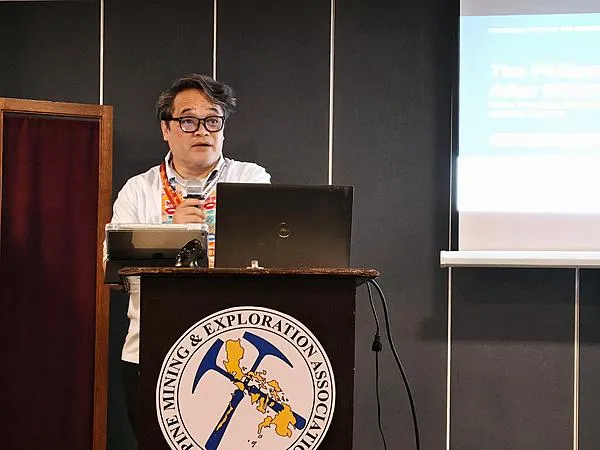
From SONA 2026, to Pax Silica, and global nickel market, the Chamber of Mines shared its viewpoint and recommend solutions for the challenges that the Philippine mining industry are currently facing.
On August 3, 2026, Atty. Ronald Recidoro was the keynote speaker at the Philippine Mining and Exploration Association (PMEA) Monthly Membership Meeting. He is the Executive Director of the Chamber of Mines of the Philippines.
On his presentation titled "The Philippine Mineral Industry After SONA 2026: Policy Direction, Global Market Conditions, and the Case for a National Critical Mineral Strategy", the discussion was divided into four parts, namely:
The Philippines is shifting its mineral strategy from raw ore exports toward domestic processing, value addition and downstream manufacturing under Executive Order No. 122, which establishes a national policy framework for the critical minerals industry.
Issued in August 2026, EO 122 provides a framework covering the critical minerals value chain, from exploration and resource development to mineral processing, value addition and manufacturing. The policy is intended to position the Philippines more deeply in global clean technology and advanced manufacturing supply chains.
The Mines and Geosciences Bureau (MGB), the Department of Environment and Natural Resources’ primary technical and regulatory agency for mineral resources, has been tasked with implementing key provisions of the order.
Under the framework, the DENR through the MGB will issue the Philippine Critical Minerals List, which will guide implementation of the policy. The MGB will also lead the exploration of prospective areas across about 9 million hectares of mineralized land to identify and declare Critical Mineral Reservations and expand the country’s critical minerals resource inventory.
EO 122 also seeks to attract investment by accelerating the privatization of government-owned mining assets, streamlining and digitizing permitting processes, and providing incentives for critical minerals processing and downstream industries.
From extraction to value addition
The policy marks a shift in the government’s approach to mineral resource development, with greater emphasis on retaining more value from the country’s mineral resources through domestic processing and manufacturing.
Rather than focusing primarily on the extraction and export of raw ores, the framework seeks to develop industries further along the value chain. This includes mineral refining, processing and the manufacture of products that can feed into global clean energy and advanced technology supply chains.
For the MGB, the shift will require a more proactive approach to resource management across its central and regional offices, including stronger use of geological data and resource assessments to identify areas with critical mineral potential.
The policy also strengthens the government’s implementation of the “Use It or Lose It” approach to mineral tenements.
The MGB is directed to undertake systematic audits of existing Mineral Production Sharing Agreements and Exploration Permits. Non-performing permits could face administrative cancellation, with areas subsequently assessed for possible declaration as mineral reservations and opened for disposition to other investors.
Stronger ESG requirements
The expansion of critical minerals development will also come with increased environmental and social governance responsibilities.
The MGB is expected to align existing Environmental Protection and Enhancement Programs and Social Development and Management Programs with international standards, while strengthening field monitoring and ESG reporting requirements.
The objective is to ensure that the expansion of downstream mineral industries is accompanied by environmental safeguards and social development measures.
Whole-of-government approach
EO 122 also calls for closer coordination among government agencies through the reorganization of the Mining Industry Coordinating Council.
The council will be tasked with submitting regular production reports to the President, evaluating national valuation frameworks for indigenous consent negotiations, and establishing ESG and responsible sourcing standards for the industry.
The framework therefore places critical minerals development within a broader government strategy rather than treating it solely as a mining-sector initiative.
The policy comes as governments and industries globally seek secure supplies of minerals needed for clean energy, advanced manufacturing and other strategic technologies. For the Philippines, the framework aims to leverage the country’s mineral resource base while developing more domestic economic activity around those resources.
For the MGB, EO 122 expands its role beyond conventional regulatory and permitting functions toward resource assessment, investment facilitation, enforcement, environmental oversight and long-term mineral resource planning.
The government’s implementation of the framework will determine how effectively the Philippines can translate its mineral endowment into domestic processing capacity, manufacturing activity and participation in global critical minerals supply chains.
The value of the Philippines’ metallic mineral production rose 41.4 percent to P202.18 billion in the first half of 2026 from P142.99 billion a year earlier, driven by higher production values across most major mineral commodities, government data showed.
The Department of Environment and Natural Resources data showed that production value increased despite mixed movements in output, with gold, silver, nickel, chromite and copper contributing to the overall performance.
Gold remained a major contributor, with estimated production value increasing 42.4 percent to P114.50 billion from P80.43 billion in the first half of 2025. Gold output, however, declined 12.5 percent to 12,771 kilograms from 14,604 kilograms.
The increase in gold value came as several major operations posted higher estimated production values. The Masbate Gold Project, operated by Filminera Mining Corp. and Philippine Gold Processing & Refining Corp., recorded P28.72 billion, up 68.1 percent from P17.08 billion a year earlier.
Nickel drives growth
Nickel recorded one of the strongest gains in production value during the period, with direct-shipping ore output reaching 19.24 million dry metric tons, up 25.6 percent from 15.32 million DMT in the first half of 2025.
The estimated value of nickel direct-shipping ore increased 47.5 percent to P42.18 billion from P28.59 billion. Nickel content of the ore rose 17.2 percent to 202,983 tons from 173,125 tons.
Among individual operations, the Ipilan Nickel Project in Palawan posted a 202.4-percent increase in ore output to 828,227 DMT, while its production value more than tripled to P3.91 billion. Rio Tuba Nickel Mining's output rose 76.9 percent to 2.49 million DMT, with production value increasing 31.4 percent to P4.95 billion.
In Zambales, the Sta. Cruz mining operations also posted significant increases. Benguet Resources Management Corp.'s nickel ore production more than doubled to 446,863 DMT, while Eramen Minerals Inc. produced 745,856 DMT, up 79 percent from a year earlier.
Silver, copper and chromite
Silver production value rose 77.4 percent to P2.48 billion from P1.40 billion, even as output declined 22.8 percent to 18,607 kilograms.
The Masbate Gold Project recorded silver production of 3,186 kilograms, up 26.2 percent, while its estimated production value increased 206.5 percent to P465.77 million. Apex Mining Co. Inc.'s Maco operation also recorded a 141.1-percent increase in silver production value to P739.53 million.
Copper concentrate production was broadly stable at 120,586 DMT, compared with 120,389 DMT in the first half of 2025. Its estimated production value rose 1.4 percent to P13.85 billion.
Copper content of concentrate, however, fell 6.2 percent to 22,710 metric tons from 24,214 MT. Carmen Copper Corp.'s Lutopan mining area posted a sharp increase in concentrate production, while its Carmen mining area also increased output by 13.2 percent.
Chromite production increased 20.5 percent to 58,614 DMT, while its estimated value rose 44.1 percent to P871.14 million. The increase was led by the Taganito HPAL Project, which reported 39,299 DMT of chromite output, up 55.3 percent.
Iron ore was the notable major commodity to post declines. Production fell 47.5 percent to 40,109 DMT, while estimated production value dropped 46.8 percent to P132.30 million.
Nickel processing expands
Production of mixed nickel-cobalt sulfide reached 37,711 DMT, down 2.1 percent from 38,515 DMT, but its estimated value rose 55.2 percent to P27.96 billion.
The Taganito HPAL Project's mixed sulfide output increased 4.8 percent to 24,819 DMT, with production value rising 77.7 percent to P19.42 billion. Coral Bay Nickel Corp. recorded a 13.1-percent decline in output but a 20.5-percent increase in production value.
Scandium oxalate recorded the largest percentage increase among the commodities listed, with production surging 417 percent to 12,512 dry kilograms from 2,420 dry kilograms. Its estimated production value jumped 448.8 percent to P219.04 million. The entire reported production came from Taganito HPAL.
Overall, the first-half figures indicate that higher mineral prices and changes in the output mix significantly lifted the industry's production value, even where physical production declined. The four-page production report covers gold, silver, copper, chromite, iron ore, mixed nickel-cobalt sulfide, scandium oxalate and nickel direct-shipping ore.
The Mines and Geosciences Bureau (MGB) has launched a three-day national deputation and capacity-building workshop for Deputy Environment and Natural Resources Officers (DENROs) for Mines as part of efforts to strengthen the government's enforcement against illegal mining.
According to a press release from the MGB's Mining Technology Division, the workshop began Aug. 25 at The Hive Hotel in Quezon City and will run until Aug. 27, 2026.
The activity aims to enhance the capabilities of personnel who will be deputized as DENROs for Mines and strengthen coordination among law enforcement agencies, DENR offices and attached agencies involved in mining law enforcement.
The MGB said the workshop covers the enforcement of mining laws and regulations, identification and documentation of illegal mining activities, proper enforcement procedures and inter-agency coordination.
Strengthening enforcement
The training is intended to provide participants with the knowledge and skills needed to support the government's response to illegal mining activities.
The first day was attended by 75 participants in person and 41 online, representing various government agencies and offices involved in enforcing mining and environmental laws, the Mining Technology Division said.
The bureau said the workshop would help improve the government's collective enforcement response by promoting closer coordination among agencies responsible for implementing mining and environmental regulations.
The deputation and capacity-building programme forms part of the MGB's continuing efforts to strengthen enforcement capabilities and inter-agency collaboration in addressing illegal mining.
Responsible mineral development
The MGB said the activity also supports its commitment to promoting responsible and lawful mineral resource development in the Philippines.
By enhancing the capabilities of DENROs for Mines and strengthening coordination among government agencies, the bureau aims to ensure more effective enforcement of mining laws and regulations while supporting the lawful development of the country's mineral resources.
The information was provided in a press release issued by the Mining Technology Division of the Mines and Geosciences Bureau.
The Philippine Nickel Industry Association (PNIA) said President Ferdinand Marcos Jr.’s Executive Order 122 will help advance the country’s critical minerals industry and strengthen its position in the global market.
Marcos signed EO 122 on Aug. 18, establishing a unified national policy framework for the development of the Philippines’ critical minerals industry, according to the PNIA.
The order directs the Department of Environment and Natural Resources to identify and evaluate new critical mineral deposits and calls for the streamlining of mining permits through a virtual one-stop shop.
“PNIA thanks President Ferdinand R. Marcos Jr. for this decisive and forward-looking policy direction,” the industry group said in a statement.
“At a time when countries around the world are competing to secure critical minerals, investments, technologies, and supply chains, the President has sent a clear signal that the Philippines intends not only to participate in this global opportunity, but to compete for it.”
Faster permitting
The PNIA welcomed the directive to establish a virtual one-stop shop and allow mining applications to be processed simultaneously rather than sequentially.
The group said stronger policy direction could improve investor confidence, but consistent implementation would be needed to sustain that confidence.
“For investors, strong policy direction builds confidence, but consistent implementation sustains it,” the PNIA said.
“The task now is to translate that direction into faster, clearer, and more predictable processes on the ground.”
The association said the Philippines has critical mineral resources that are attracting international interest, positioning the country to benefit from growing competition for minerals needed for modern technologies and supply chains.
EO 122 is intended to provide a coordinated policy framework as the government seeks to develop these resources, while improving the efficiency of the regulatory process.
Industry commitment
The PNIA said the Philippine nickel industry was prepared to work with government agencies and local communities to turn the new policy framework into measurable progress.
“The Philippine nickel industry stands ready to do its part, to develop our resources responsibly, uphold the highest environmental and social standards, and work alongside government to ensure that this historic opportunity delivers sustainable and inclusive growth for generations of Filipinos,” it said.
The association's support comes as governments and industries worldwide seek to secure critical mineral supplies, investments, processing capacity and technologies.
For the Philippines, the PNIA said, the new policy could provide an opportunity to strengthen its role in the global critical minerals market while promoting responsible resource development.
As mining operations become increasingly data-driven, reliable geospatial information is essential to sound decision-making, regulatory compliance, and responsible resource management. Recognizing this, company representatives participated in the QGIS Technical Seminar-Workshop for Geospatial Reporting and Compliance organized by the Mines and Geosciences Bureau Regional Office No. XIII (MGB Caraga) on July 1–2, 2026, at the Philippine Gateway Hotel in Surigao City.
The technical workshop focused on strengthening participants’ competencies in geospatial data management, mapping, and digital reporting, with particular emphasis on the reporting requirements for Safety and Health, Environmental Management, and Social Development.
For the mining industry, geospatial technology has become an increasingly important tool for translating field information into accurate and actionable data. Geographic Information Systems (GIS) applications such as QGIS enable mining professionals to visualize spatial information, manage multiple datasets, monitor areas of interest, and support more informed operational and environmental decisions.
The training provided participants with practical knowledge that can help improve the accuracy, consistency, and reliability of geospatial data used in regulatory submissions and internal monitoring. Strengthening these capabilities also supports greater transparency and efficiency in documenting compliance with government requirements.
More importantly, investing in technical capacity demonstrates the mining industry’s recognition that responsible mining requires not only operational excellence but also robust systems for environmental management, safety and health, and social development.
For our company, the seminar-workshop is part of our continuing effort to strengthen professional competencies and adopt appropriate digital tools that support responsible and compliant mining operations. By enhancing our ability to collect, analyze, visualize, and report geospatial information, we are better positioned to support evidence-based decision-making and fulfill our regulatory obligations and environmental commitments.
As the Philippine mining industry continues to embrace digital transformation, developing geospatial expertise will remain vital to promoting greater accountability, informed resource management, and more effective environmental stewardship.
Through knowledge, technology, and continuous improvement, we strengthen not only our operations but also our commitment to responsible mining and sustainable development in Caraga.
For the extractive industry, sustainability extends beyond environmental protection and regulatory compliance. It also means helping host communities build the capacity to create livelihoods, strengthen local enterprises, and become more economically resilient.
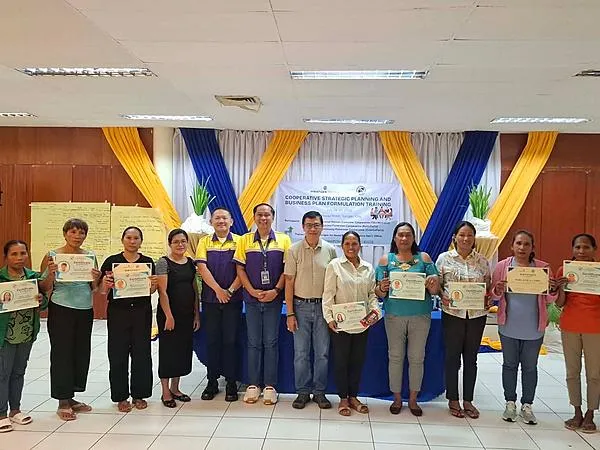
Reaffirming this commitment, Hinatuan Mining Corporation–Tagana-an Nickel Project (HMC-TNP) conducted a three-day Cooperative Strategic Planning and Business Plan Formulation Training from July 28 to 30, 2026, at the Parkway Hotel in Surigao City.
The program brought together members of three HMC-TNP-supported cooperatives for intensive sessions on cooperative governance, strategic planning, and business development. The initiative is part of the company’s broader approach to community development, with the goal of strengthening local enterprises and creating economic opportunities that can endure beyond the mine life.
Building Stronger Cooperatives
The training was conducted in partnership with key government institutions. Ms. Liza Lorine P. Mercader, CDS II of the Cooperative Development Authority (CDA), facilitated a Post-Registration Orientation for Newly Registered Cooperatives, covering legal compliance, statutory responsibilities, and sound organizational governance.
Meanwhile, Ms. Ma. Rebecca E. Bagnol, Provincial Cooperative and Development Officer, led the strategic planning and business plan formulation sessions. Participants were guided in translating community needs and priorities into practical strategies, sustainable business models, and achievable organizational goals.
The program benefited three community-based cooperatives from HMC-TNP’s impact areas: the Bagong Silang United Fishermen Cooperative, Campandan Community Fishermen Cooperative, and Talavera Empowered Women’s Consumer Cooperative.
Through practical exercises on business planning, financial forecasting, and operational management, participants gained tools to improve decision-making, strengthen enterprise operations, explore financing opportunities, and diversify their sources of livelihood.
Investing in Community Resilience
For mining companies operating in resource-rich regions such as Surigao del Norte, strengthening human and institutional capacity is an important dimension of sustainable development. Supporting cooperatives provides communities with opportunities to build enterprises based on local skills, resources, and economic needs.
The initiative also highlights the importance of inclusive community development. By supporting both coastal fishing communities and women-led cooperatives, HMC-TNP is helping expand opportunities for grassroots participation in the local economy.
“Equipped with new skills, clearer strategic direction, and practical business plans, these cooperatives are taking bold steps toward self-reliance and long-term economic growth,” said Antonio Resuera Jr., ComRel Manager.
For HMC-TNP, the training reflects a broader principle of responsible mining: the value generated by resource development should contribute not only to present economic activity but also to lasting opportunities for host communities.
By investing in people, strengthening local institutions, and helping cooperatives build viable enterprises, HMC-TNP continues to support a more resilient local economy—one capable of creating opportunities long after the end of the mine’s life.
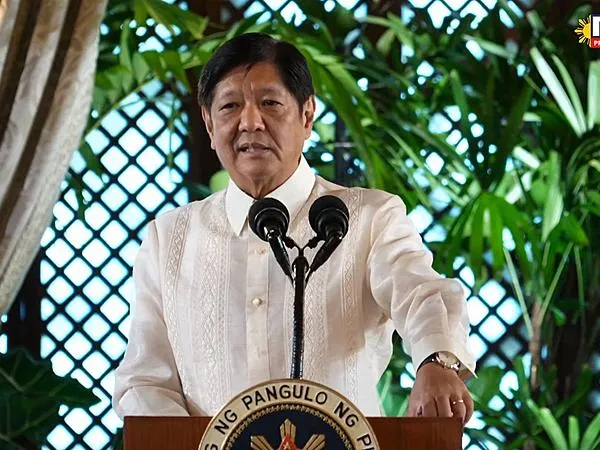
President Ferdinand Marcos Jr. has signed an executive order establishing a unified national policy framework for developing the Philippines' critical minerals industry, as the country seeks to strengthen its role in global supply chains for clean energy and advanced technologies.
Marcos signed Executive Order 122 on Aug. 21, according to the Department of Environment and Natural Resources, which said the order also reorganizes the Mining Industry Coordinating Council to drive strategic growth in the sector.
Mines and Geosciences Bureau Director Larry Heradez said the framework could position the Philippines as a more significant player in the global critical minerals and green technology value chains.
"Worldwide, nations are competing to secure resilient supply chains for essential raw materials like nickel, copper, and processing inputs for renewable energy infrastructure, electric vehicle batteries and defense applications," Heradez said.
The Philippines has identified at least 9 million hectares of highly prospective areas with potential mineral resources, Heradez said.
He said EO 122 shifts the country's strategy beyond exporting raw ore toward developing integrated processing and manufacturing ecosystems.
Under Section 2b of the executive order, the state will promote the responsible development and utilization of critical minerals while supporting value-adding and downstream industries.
The framework recognizes critical minerals as important to national security and economic resilience, with their use extending beyond the global energy transition to digital infrastructure and major public projects.
The Department of Trade and Industry's Board of Investments will provide incentives under the Corporate Recovery and Tax Incentives for Enterprises Act for downstream refining, battery production and side-stream industries, according to the order.
Domestic processing plants will also be given priority access to mineral ores at fair market prices.
Environmental safeguards
EO 122 also establishes environmental, social and cultural safeguards for the development of the industry.
Section 2c requires the government to enforce sustainable mining practices and strengthen the industry's ability to manage environmental impacts.
Mining operations must also prioritize the social, cultural and economic well-being of host and neighboring communities, with community development efforts aligned with the United Nations Sustainable Development Goals.
The order directs the government to enforce a "Use It or Lose It" policy, under which noncompliant or dormant mining tenements may be canceled and the resulting mineral areas reallocated into declared reservations.
The Department of Environment and Natural Resources and the Mines and Geosciences Bureau are directed to streamline permit processing within six months and establish a fully digital Virtual One-Stop Shop platform within one year.
Mining council reorganized
EO 122 also reorganizes the Mining Industry Coordinating Council, which will be co-chaired by the secretaries of the Department of Environment and Natural Resources and the Department of Finance.
The reorganized council will include additional Cabinet officials, local authorities and Indigenous representatives.
Within 90 days, the council is required to submit a comprehensive industry work plan to the Office of the President.
The plan will establish international sourcing standards, environmental safeguards and valuation frameworks intended to ensure that development of the country's mineral resources contributes to long-term national economic development.
Mining industry backs order
The Chamber of Mines of the Philippines, which represents the country's large-scale metallic mining and exploration companies and allied industries, expressed full support for EO 122.
The chamber said the order's emphasis on policy stability, regulatory consistency and transparency would help create a predictable environment for investment in exploration, mine development and mineral processing.
"Securing long-term capital for exploration, mine development, and mineral processing requires a predictable environment that builds investor confidence," the chamber said.
The group also welcomed the order's focus on value-added processing, refining and downstream manufacturing, saying these measures could help the Philippines capture greater value from its mineral resources, attract new investment, create quality jobs and strengthen local supply chains.
The chamber said economic growth must be accompanied by environmental stewardship and social responsibility.
It supported EO 122's emphasis on the rights, welfare and culture of host communities and Indigenous Peoples, adding that industry expansion should remain anchored in environmental, social and governance standards, rigorous environmental management and meaningful community partnerships.
The group also welcomed the focus on interagency coordination and digitalization of regulatory processes.
"Streamlining regulatory requirements eliminates unnecessary delays while preserving vital safeguards, positioning the Philippines as a globally competitive investment hub without compromising environmental or social standards," the chamber said.
The chamber said EO 122 recognizes critical minerals as essential to national industrialization, energy security, economic resilience and the global green transition.
"Unlocking this potential requires active, sustained collaboration among government, industry, host communities, and broader society," it said.
The Chamber of Mines said it was ready to work with stakeholders on implementing EO 122 and developing a competitive, responsible and sustainable critical minerals sector that creates lasting value, protects local ecosystems and supports inclusive national development.
Follow on LinkedIn:
Philippine Resources Journal
Be the "First" to get our exclusive Digital Magazine & Weekly Newsletter.