The Department of Science and Technology–Philippine Council for Industry, Energy and Emerging Technology Research and Development (DOST-PCIEERD) has updated its research and development (R&D) roadmaps for the mining and minerals sector, placing greater emphasis on critical minerals following the issuance of Executive Order No. 122.
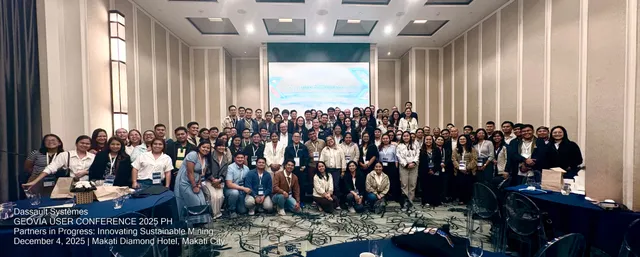
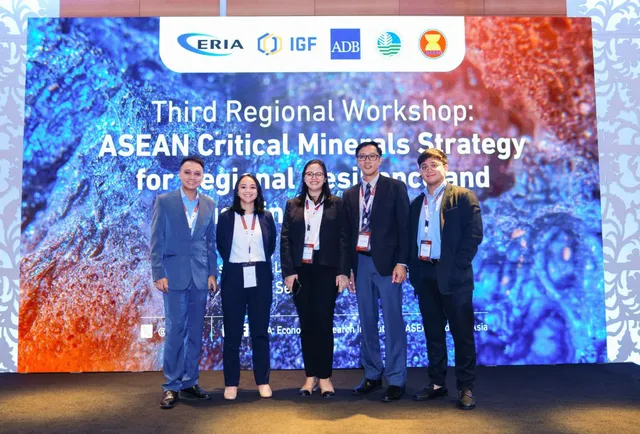
More than 100 representatives from government agencies, academic institutions and industry research organizations participated in a workshop on Sept. 28–29 at the Sequoia Hotel to identify research priorities, technology gaps and policy requirements for the sector.
The exercise was conducted in line with EO 122, signed in 2026, which establishes a national policy framework for developing the Philippine critical minerals industry.
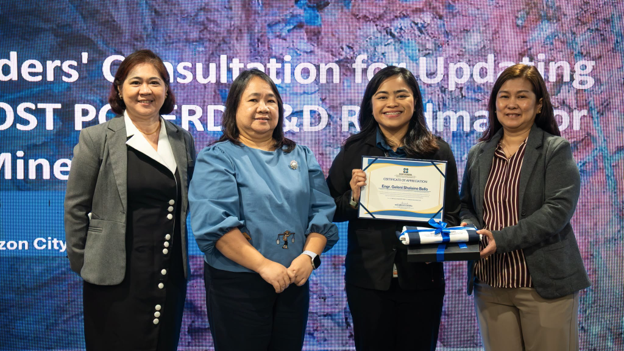
Engr. Geleni Shalaine P. Bello of the Mines and Geosciences Bureau's Metallurgical Technology Division delivered a keynote presentation on the order's provisions and the bureau's Critical Minerals Technical Working Group outputs.
Her presentation covered the framework for assessing mineral criticality, the status of the country's critical minerals mining and processing industry, and government initiatives on exploration, development, utilization and value addition.
Bello's presentation also highlighted the importance of developing domestic capabilities to process critical minerals and move beyond extraction toward higher-value industrial applications.
Three research priorities
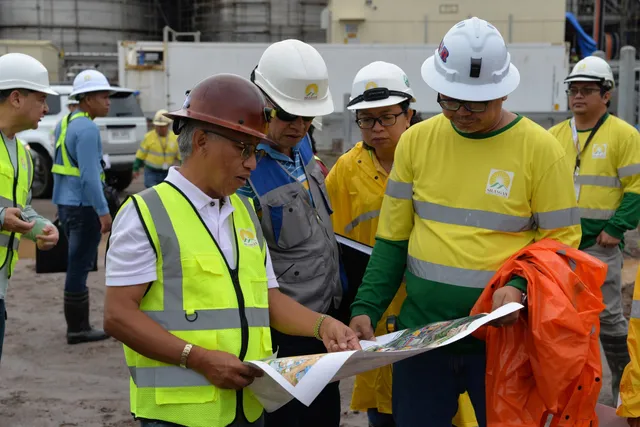
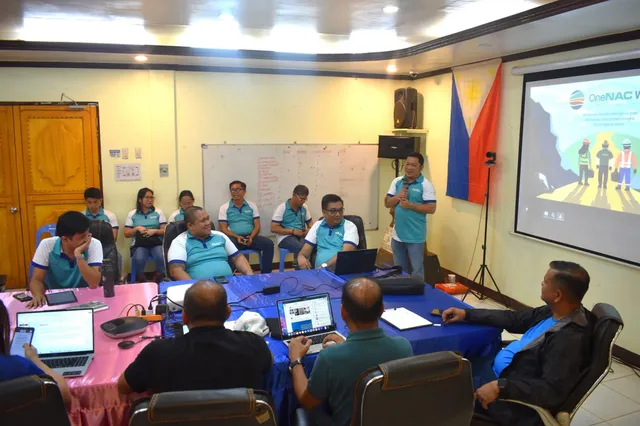
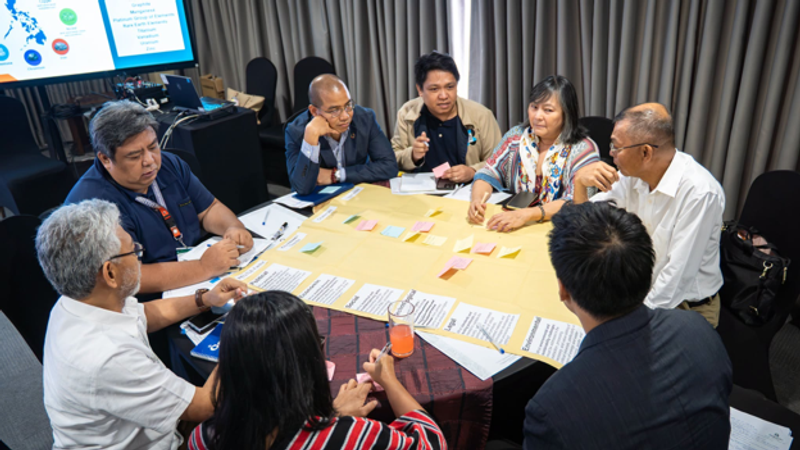
MeTD engineers Chris G. Arnejo and Marco Paolo G. Viloria joined industry representatives in technical workshops examining technology gaps, facility readiness, workforce skills and policy support across three R&D roadmaps.
The first focuses on critical minerals used in emerging and clean energy technologies, covering extraction and processing from primary mineral sources as well as recovery from secondary sources through circular economy approaches.
The second addresses value addition and advanced processing of metallic and nonmetallic minerals, emphasizing sustainable technologies and the processing of secondary resources.
The third covers environmental assessment, mine remediation and resource circularity, including environmental monitoring, mine waste and tailings management, and the rehabilitation of contaminated, legacy and abandoned mine sites.
The updated roadmaps are intended to help align research priorities with the requirements of the country's mining and minerals industry, particularly the development and processing of critical minerals under the national policy framework.
Source: Mines and Geosciences Bureau