By Patricia A. O. Bunye
I have written frequently about the journey of our “Solar Lolas”, seven Aeta women who trained at the Barefoot College in Tilonia, India under the “Tanging Tanglaw: Turning IP Grandmothers into Solar Engineers” project of Diwata-Women in Resource Development, Inc. and its project partners, the Land Rover Club of the Philippines and the Philippine Mine Safety and Environment Association.
Five years after we first launched this project in 2014, we remain as excited and committed as we see the Solar Lolas making great strides.
At the Barefoot College, where rheir training was made possible by the support of the Government of India through its Indian Technical and Economic Program, they learned how to assemble, repair and maintain solar panels for installation in their respective communities in Bamban, Tarlac and Gala, Zambales.
The first batch trained from September 2014 to March 2015, while the second batch trained from April to September 2018.
The first installation of solar panels in Bamban took place in 2016, with the installation in Gala following soon after. Rural Electrification Workshops (REW) where the Solar Lolas do their work, and which serve as community activity centers, have also been constructed. During typhoons, these REW have served as emergency shelters as well.
In each community, “Lupong Solar”, or committees composed of 7 members
(3 IP chieftains, 2 Solar Lolas, a lupon secretary and a collector) have been organized.
The Lupong Solar is tasked with managing the funds collected from the users of the solar panels for future use when the panels would need to be repaired or replaced. The Solar Lolas who undertake the installation, maintenance and repair of these panels are also paid a modest stipend from these funds.
One major milestone is that the Lupong Solar of Bamban has opened, with the assistance of Diwata, its own bank account with Chinabank’s Bamban Branch, in which they are now depositing their monthly collections. The whole process of opening their accounts took more than half a day, but it was an accomplishment that the Solar Lolas can be proud of.
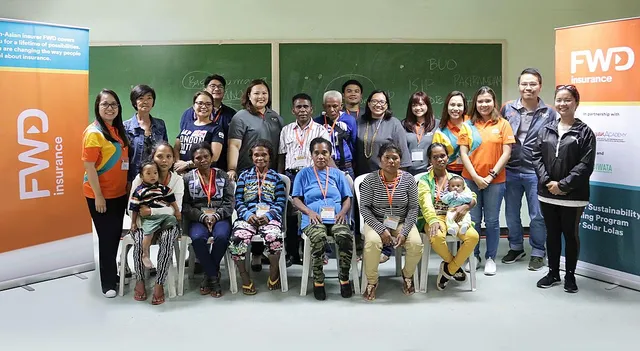
The Tanging Tanglaw Project also receives tremendous support from FWD Insurance which has designed a Financial Sustainability Training Program for Solar Lolas.
The first formal training session, which was facilitated by trainors from Bayan Academy, was held on 04 December 2018 at Diwata’s training room at the Clark Skills and Training Center (formerly known as the “Clark Polytechnic College”).
[Pursuant to a Memorandum of Agreement with the Bases Conversion Development Authority and the Clark Development Corporation, the Tanging Tanglaw Project is allowed the use of a training room formally known as the “BCDA Group Women’s Center” and a storage facility for its solar equipment.
One activity during the training session was to construct a model community by using pictures, drawings and cut outs.
Although the participants were divided into different groups, their envisioned model communities contained the same features: water, schools and concrete homes.
In this regard, Diwata has been looking into how it may assist the Bamban community in improving its water supply. Volunteers from the UP National Institute of Geological Sciences have conducted the necessary studies, but the actual funding and implementation of the water project will have to be deferred.
Although the training session was conducted informally, a number of more sensitive or serious concerns were elicited from the discussions, including the participants’ thoughts on family, government and even discrimination.
They also expressed the desire to implement culturally appropriate conservation and development programs.
The discussions were a good starting point for further engagement with them, particularly on short, medium and long term developmental interventions.
To make the program more meaningful and impactful, there is a need to calibrate their expectations versus the actual programs that can be delivered.
Moving forward, we will have to focus on the need for livelihood projects for the communities. Currently, majority of the community members are farmers. They produce root crops, vegetables and raise poultry. Other sources of income come from charcoal production and wild animal hunting. Other tribe members also work in the lowlands as construction workers.
While Diwata has been engaged with these communities for five years now, there is still so much to learn about them, particularly their dynamics and cultural norms.
It is a continuing lesson in being open and patient, and most importantly, not imposing our ways on them.
It never ceases to amaze me how far our Solar Lolas have come and how they have been transformed by the Tanging Tanglaw Project. It will certainly be exciting to accompany them further on this journey to financial self sufficiency.
Patricia A. O. Bunye is a senior partner at Cruz Marcelo & Tenefrancia and head of its mining and energy practice. She is also President of Diwata-Women in Resource Development, Inc. Questions and comments are welcome at po.bunye@cruzmarcelo.com.
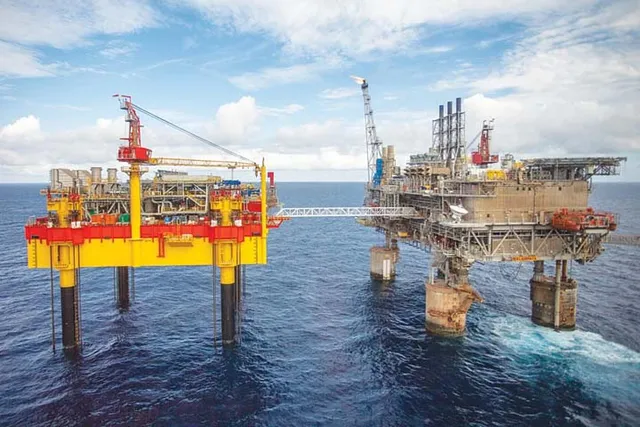
The Malampaya Deepwater Gas-to-Power project (“Malampaya”) located in Northwest Palawan, employs deepwater technology to draw natural gas that fuels three gas-fired power plants and provides 30% of Luzon's power generation requirements. Operating under Service Contract (“SC”) No. 39, the project is a joint undertaking by the Department of Energy (“DOE”) and Shell Philippines Exploration B.V. on behalf of joint venture partners Chevron Malampaya LLC and the Philippine National Oil Corporation Exploration Corporation.
Malampaya delivers through six (6) Gas Sales and Purchase Agreements and fuels 2,700 MW of power stations as baseload plants and an additional 500+ MW operating as mid-merit and peaking plants.
It produces an average of 380 million standard cubic feet per day. Data from the DOE indicated that given the present production level and continuous decrease in reservoir pressure, drop in supply is expected by 2022. Recoverable reserves at the end of field life is 3.08 to 3.29 trillion cubic feet. SC 39 will expire in 2024 with no certainty in an extension and while it may have enough gas, this may not be sufficient to last beyond five years. This comes as domestic electricity consumption is likely to reach 50 million kilowatts in 2040.
The Philippines in 2017 produced half its power from coal, a quarter from renewable energy and 22% from natural gas. It is imperative then that the country urgently finds a replacement through new petroleum discoveries once the Malampaya gas field is depleted.
Liquified Natural Gas
There are currently no sufficient remaining resources from the Malampaya field or other potential upstream developments to justify new natural gas infrastructure development. The only reliable source of new gas would be imported liquefied natural gas (“LNG”) ensuring supply security and sustainability. As there are no existing infrastructure for importing LNG, the Philippines cannot access the gas market for industrial, commercial, and transportation. In anticipation of the Malampaya field depletion, the government is pursuing LNG projects and several foreign companies in partnership with domestic entities have committed investments in LNG importation facilities.
Leading the pack is Energy World Corporation (“EWC”), which reported that the DOE has issued to affiliate, Energy World Gas Operations Philippines, Inc. a permit to construct, own and operate an LNG import terminal and re-gasification facility in Pagbilao Grande island in Quezon province. EWC said the permit would enable the completion date for the first tank of the LNG hub to be aligned to the commercial operation date of the associated 650 MW power plant and the National Grid Corporation of the Philippines switchyard expansion, and the construction of the second tank. The 650 MW plant has been recognized as the anchor off-taker of the LNG project which consists of two 130,000 bcm LNG tanks, a dedicated jetty and marine infrastructure as well as re-gasification and other ancillary facilities. Fitch Solutions earlier reported that the start up of LNG import terminal has been delayed due to difficulty in obtaining access to existing local transmission infrastructure, most of which is dominated by coal-fired power generators.
The state-owned Philippine National Oil Company (“PNOC”) is developing a USD 600 million facility to be used to receive, store, re-gasify and distribute LNG. PNOC announced that it will start its tendering process for its LNG import facility. PNOC will be assuming minority stake in the project – as referenced on the joint venture rules set forth by the National Economic and Development Authority, in which the company can assume equity of not more than 50-percent. The technology preference will be a floating storage re-gasification unit and its capacity will be initially at 3.0 million tons per annum. PNOC has requested the DOE to declare the project as an Energy Project of National Significance under Executive Order (“EO”) No. 30.
Meanwhile, the Philippines has become a new front in China and Japan's infrastructure rivalry as companies from both countries bid to build the country's first LNG terminal. Both Tokyo Gas and the state-owned China National Offshore Oil Corp. (“CNOOC”) have partnered with domestic companies.
FGEN LNG Corp, a wholly-owned unit of First Gen Corp. of the Lopez conglomerate, signed a Joint Development Agreement with Tokyo Gas to build LNG terminals. The project will be located in Batangas Province, where First Gen operates four (4) gas-fired power plants that have a total capacity of 2,000 megawatts. The plan calls for building a terminal that will re-gasify and supply 3 to 5 million tons of LNG imports annually to the power facilities. The project is expected to cost more than $700 million, with First Gen taking an 80% stake in the operating company. FGEN recently filed with the DOE a notice to proceed with the construction of its proposed Batangas LNG terminal project in the First Gen Clean Energy Complex in Batangas City. The Japan Bank for International Cooperation is likely to fund the Tokyo Gas project if it is approved. It would be the first Japanese-built LNG terminal overseas, a core part of Japan's effort to boost infrastructure exports.
On the other hand, CNOOC, a pioneer of China's LNG industry having built its country's first terminal in 2006, formed a consortium with Phoenix Petroleum Philippines and submitted a proposal for an LNG facility on November 2018. Phoenix Petroleum recently announced that the DOE granted Tanglawan Philippines LNG Inc. the notice to proceed to build the facility. Tanglawan plans to break ground by 2019 and aims to start commercial operations by 2023. The CNOOC consortium is thought to have the political edge since Phoenix Petroleum is owned by Dennis Uy who is perceived to be close to President Rodrigo Duterte.
Petroleum Geopolitics in the South China Sea
Due to the geologic fact that most of the Philippines’ most prospective petroleum acreage lie in Northwest Palawan and the disputed waters in the South China Sea, improving bilateral relations with China remains key for the Philippines to improve its hydrocarbon reserves and production growth outlook.
According to The Diplomat, China’s assertion of sovereignty over the disputed areas and entering into joint oil and gas exploration with other claimant states in the latter’s exclusive economic zones somewhat legitimizes China’s nine-dash line claim. China is adopting a carrot and stick approach in addressing this diplomatic issue. On one hand, Vietnam was threatened with force over its unilateral exploration activities in waters claimed by China. Conversely, offers of joint exploration with Brunei and the Philippines, which opted for pragmatism and seem willing to skirt contentious sovereignty issues, are framed as partnership with promises of technical support, capital, and wider investment.
Prof. Jay Batongbacal, a maritime law expert postulates that to make any joint exploration deal work, the Philippines must overcome two major legal problems: 1) internationally, how to justify its acceptance that China contingently shares the petroleum resources within its continental shelf after an international arbitration award clearly declared that no plausible claim exists; and (2) domestically, how to accommodate any petroleum development not under its sole jurisdiction, control, and supervision but rather on a shared, co-equal basis with another state.
MOU Between the Philippines and China
In pursuit of an acceptable legal framework, the Philippines signed a Memorandum of Understanding (“MOU”) with China against the backdrop of brewing energy security concerns, years of negligible offshore exploration, declining upstream investment, and depleting resources in the Malampaya gas field.
The MOU on oil and gas development in the West Philippine Sea signed during President Xi Jinping’s visit to Manila, creates a body that will study how the two countries can pursue joint exploration and development. The MOU does not mean the immediate conduct of joint exploration or joint development of marine resources. However, it paves the way for the crafting of a program on how such joint ventures can happen in the future.
Department of Foreign Affairs (“DFA”) Secretary Teodoro Locsin, Jr. described the MOU as a "non-legally binding framework.” As to the geographic coverage of the framework, Locsin states that the agreement is designed to "govern an area once that area has been agreed upon according to the framework.”
Supreme Court Senior Associate Justice Antonio Carpio, the leading advocate of Philippine rights in the West Philippine Sea, believes that the MOU allows only “cooperation in oil and gas activities” and is not violative of the Constitution. Carpio also assumed that the service contracts to be entered by CNOOC will exactly follow the model service contract of the DOE where the natural resources covered by the contract belong to the Philippines and the contractor must comply with Philippine laws, rules, and regulations. If such regulations are followed, CNOOC would be merely a subcontractor of the Philippine service contractor or an equity holder of the Philippine service contractor. “Clearly, under the signed MOU, there is compliance with the Philippine Constitution and there is no waiver of Philippine sovereign rights under the arbitral ruling,” said Carpio.
The real test according to Carpio will be if the “cooperation agreements” to be finalized in twelve months, will involve service contracts in which Philippine law will govern the oil and gas activities with China. The answer lies with the working group and intergovernmental committee formed by the MOU composed of officials from the DFA, Chinese Foreign Ministry, DOE, and Chinese Energy Ministry, which will work out a program of cooperation that could lead to joint exploration.
Unlocking the Petroleum Potential of the Disputed Areas
Following these developments, the DOE has indicated that it is recommending to the DFA the lifting of the force majeure imposed in 2014 on Service Contract 72 in Recto Bank (Reed Bank) in response to the request of PXP Energy Corp./Forum Energy.
SC 72’s Sampaguita Gas Field holds substantial volume of potential gas reserves, according to PXP, citing verified data from seismic surveys originally conducted in 2011. “The interpretation of these surveys was carried out by Weatherford Petroleum Consultants in 2012. The report indicated the Sampaguita Gas Field to contain contingent resources of 2.6 trillion cubic feet (TCF) of gas in place,” the company said. “The 2D seismic data were reprocessed in 2013 and were subsequently interpreted, aided by gravity-magnetics data by Fugro (2012) and Cosine Ltd. (2015). In 2015, Arex Energy produced a report on the north bank area and estimated prospective resources to be 3.1 trillion cubic feet.”
PXP cautioned however, that the development of SC 72 must commence not later than 2027 as it would take at least six years from start to first gas. The contractor is committed to spend at least $80 to $100 million to fully appraise the Sampaguita gas field and other identified prospects within its contract area. The Philippines began exploring the area in 1970 and discovered natural gas in 1976. U.K.-based Forum Energy acquired the concession in 2005 and became its operator. PXP holds a 78.98 percent interest in Forum Energy, which in turn has a 70 percent stake in SC 72.
In October 2018, PXP announced that Dennison Holdings, another company owned by Dennis Uy, would subscribe to 340,000,000 PXP shares bringing its stake to 14.78% of PXP after the transaction. PXP, which is also negotiating with CNOOC for another potential joint exploration in the South China Sea, will use the proceeds from the share sale to fund its exploration activities and other oil assets within the Philippines. Manuel V. Pangilinan, Chair of PXP remarked that the company is "interested to participate" in Dennis Uy's Tanglawan LNG project with CNOOC.
The US Energy Information Administration (2013) estimates the region around the Spratly Islands to have virtually no proved or probable oil reserves. Industry sources suggest less than 100 billion cubic feet in currently economically-viable natural gas reserves exist in surrounding fields. However, the Spratly Island territory may contain significant deposits of undiscovered hydrocarbons. US Geological Survey assessments estimate anywhere between 0.8 and 5.4 (mean 2.5) billion barrels of oil and between 7.6 and 55.1 (mean 25.5) trillion cubic feet of natural gas in undiscovered resources.
Expiring Coal Operating Contracts
Compounding the Malampaya depletion are expiring coal operating contracts (“COC“) under Presidential Decree No. 972 known as “Promulgating an Act to Promote an Accelerated Exploration, Development, Exploitation, Production of Coal” (1976), that currently are producing and with existing proven reserves lasting beyond expiration. The fifty-year term limit for contracts involving coal exploration and production is enshrined in the Constitution.
The Philippine Conventional Energy Contracting Program (“PCECP”) for coal established under DOE Department Circular (“DC”) No. 2017-09-0010 mandates the issuance of new COCs over these “open” areas upon expiration of the 50-year term. Under the current guidelines, the COC contractors will be required to prematurely cease production operations, relinquish the COC area to be qualified for re-application and/or nomination, and hope that they will be awarded with new COCs over their previously-held contract area. However, the COC contractors if they have to undergo the present PCECP process, do not have the certainty of getting the COC awarded to them. This will result in the premature cessation of continued profitable production operations.
Some COC contractors have existing proven reserves lasting beyond the expiration of their COCs, and from a technical and economic perspective, they recognize the feasibility and the potential need to continue and extend operations of their COCs beyond the 50-year term limit. The extended period of operation on these COCs will allow continued coal production and maximum utilization of existing production assets and facilities giving rise to uninterrupted revenue to both COC contractors and government. Further, since the present COC contractors have a good understanding of the geological conditions and mining processes involved in their operations, these proprietary information will generate additional reserves and potential resources as determined from advance exploration, a clear advantage over a new COC contractor.
The cessation in production operations will certainly result in premature mine abandonment and rehabilitation as there will be no subsisting contract with the government that will allow COC contractors to continue its operations. While the COC contractors are undergoing the process set by present guidelines, they will be hesitant in allocating funds and resources for the care and maintenance of idle facilities without commercial confidence that there will be an award of a new contract over the same COC area.
Consequently, for areas with plan of developments that will exceed the 50-year term limit, aggressive production strategies within the remaining term of the COC will need to be adopted to ensure the recoupment of investment costs, as opposed to a deliberate and well-planned production operations strategy to better manage coal reserves that would ultimately yield a fully optimized coal production.
More importantly, coal mines are major suppliers of downstream power facilities. Off-taking power plants need stability of supply from coal mines. Off-takers will not enter into long-term fuel supply agreements from COC contractors whose COCs are expiring. Also, in the absence of stable coal supply agreements, project and loan financing of new power plants are difficult to obtain. Coal mines are potential energy projects of national significance under EO 30 in light of the expected depletion of the Malampaya natural gas field.
Nuclear Energy Option
Nuclear energy can also be a viable alternative power source as a substitute for Malampaya with the proper legal and regulatory framework in place. In January of this year, the House of Representatives has approved on third and final reading a bill that provides for a comprehensive regulatory framework in harnessing the peaceful uses of nuclear energy.
Consolidating eight related administrative proposals, House Bill No. 8733 provides for the creation of the Philippine Nuclear Regulatory Commission (“PNRC”) as an independent central nuclear regulatory body. The measure aims among others to harness the peaceful and beneficial uses of nuclear energy in power generation establishing a legal and regulatory framework for the regulation and control of the peaceful uses of nuclear resources; manage radioactive waste; and establish a legal and regulatory framework to prevent, detect, and respond to unauthorized activities involving nuclear materials. PNRC will ensure consistency with the nation’s obligations under relevant international instruments and modernize the nuclear civil liability and compensation regime in line with internationally-accepted standards.
Among PNRC’s other functions are to: (a) issue regulations on financial capability of operators to cover liability for nuclear damage; (b) inspect, assess, and monitor activities to ensure compliance; (c) coordinate with other agencies on health and safety, environmental protection, security, and transportation of nuclear and related dangerous goods; and (d) act as the national authority on nuclear safety, security, and regulatory matters relative to the International Atomic Energy Agency. PNRC will also establish a Nuclear Waste Management Fund and set aside a portion of the payment for the electricity generated from the nuclear energy use which shall only be utilized for the safe disposal of nuclear waste, to include site research, transport, and final geological disposal.
PNRC shall be headed by a Commissioner, appointed by the President and shall be assisted by four Deputy Commissioners and an Executive Director who will assist them in the discharge of executive, administrative and planning functions of the body. PNRC shall likewise have an Advisory Board chaired by the Department of Science and Technology Secretary, with the Secretary of the Department of Health as vice chair, and the Secretaries of the Departments of Energy, of Environment and Natural Resources, of National Defense, of Trade and Industry, and of Agriculture as members, as well as some five members from the academe or non-government organizations. All powers, duties, records, files, and assets pertaining to nuclear and radioactive materials and facilities of the Philippine Nuclear Research Institute shall be transferred to PNRC.
Geothermal Energy
Another viable alternative is putting on stream the untapped geothermal fields in the country. Recently the Philippines has dropped down to number three in the global ranking of geothermal energy producers. Based on the report of Climate Policy Initiative (2015), 45% of all renewable energy projects in Asia are either marginally bankable or not bankable at all due in part, to the lengthy process of securing required permits, licences and land access agreements. Another issue is grid connectivity. The amount of effort required for all the different aspects of the process means it can take years to achieve a bankable solution. Geothermal development’s high costs of field development, coupled with the high risks associated with resource exploration and drilling, pose a significant barrier to private sector financing.
Despite the ambitious deployment targets set by the DOE that recognize the potential of geothermal to contribute to the energy mix, there is a need to balance the need to reduce private sector risks and incentivize investment while minimizing costs to the public sector. Needless to say, streamlining the permit process by government regulators will have an impact on geothermal development, as shorter project periods would reduce uncertainty for policy and market dynamics when modeling economic returns. Geothermal projects are characterized by significant upfront capital investment for exploration, well drilling, and the installation of plant and equipment. But once the geothermal projects are placed in commercial operation the fuel source is secure for the tens of years of expected lifetime with a steady revenue stream.
Investment Opportunities and Challenges
Investment opportunities abound in the power sector as there is a need to supply the natural gas requirement of the existing gas-fired plants when the Malampaya field shuts down. According to the Philippine Energy Plan prepared by the DOE, the country will need 43,765 MW by 2040; 14,500 MW will be for mid-merit and 4,000 MW for peaking. Renewable energy capacity is poised to increase from its 2010 level of 5,000 MW to 2030 level of 15,000 MW and due to its intermittent nature, natural gas-fired power plants can complement when these plants will not be running. Additional potential demand for LNG will come from off-grid or missionary islands in replacement of existing diesel-fired power plants. LNG will primarily be consumed in the power sector, but will soon cover non-power applications such as in the industrial processes, transportation, commercial and residential sectors.
More incentives should be given to upstream natural gas exploration so as to have a viable and stable replacement to the Malampaya gas field and enhance the economic feasibility of marginal deposits. While the backbone of the upstream natural gas industry is now in place, it was brought about by a lack of a comprehensive regulatory framework to guide natural gas industry operations in the Philippines. This gap was addressed through contractual agreements in service contracts and ad hoc arrangements between the regulators and service contractors.
The Philippines does not have a separate Natural Gas Act that establishes administrative authority and accountability for the gas sector in a single agency. Although the DOE has legislative authority to promulgate regulations, broader issues regarding access and pricing have not gone beyond expressions of policy intent. The DOE has addressed issues affecting Malampaya through amendments or interpretation of service contracts. As a result, gas sector policy is largely driven by upstream considerations according to issues on which the service contractors have sought clarification as amendments to the original contract.
In reality, the present regulatory regime for gas exploration and development is seen to limit the competitiveness of gas to replace oil products except for high cost products such as liquefied petroleum gas and diesel in industry and even residential electricity. This may not necessarily apply to other lower cost gas field developments than Malampaya, which has a deepwater occurrence. Royalty and taxes account for about half of the gas price. Reducing these components will transfer the benefits of developing natural gas directly from the government to the consumers through lower electricity prices. Increased use of natural gas will, in turn, provide economic benefits through foreign exchange savings from foregone oil importation and reduced environmental impact of the country’s overall energy balance.
Conclusion
There is an urgent need for more energy sources with the depletion of the Malampaya field. Unless the government acts with dispatch, the power situation does not look good as the import facilities for LNG to replace the indigenous gas must be operational by 2024. Fortunately, Philippine energy regulators have taken a technology-neutral stand on possible solutions to the country’s growing demand for energy by looking at all available options.
Investments in energy infrastructure will always be driven by the combination of a strong energy supply imperative, increasingly liberalized energy sector, ambitious capacity targets and a relatively stable off-take mechanism. Petroleum exploration and development resources particularly in the Northwest Palawan basin and disputed areas of the West Philippine Sea are fraught with technical operational complexities, cost enormous sums of money, and certainly dictated by externalities arising from the country’s relation with China. The two countries’ cooperation has taken a broader energy partnership narrative in light of the present administration’s more conciliatory stance toward China.
Fernando “Ronnie” S. Penarroyo specializes in Energy and Resources Law, Project Finance and Business Development. He may be contacted at fspenarroyo@gmail.com for any matters or inquiries in relation to the Philippine resources industry. Feel free to follow Atty. Penarroyo on LinkedIn (https://www.linkedin.com/in/fernando-s-penarroyo-2b8a7312/)
References:
Batongbacal, Jay, Philippine-ChinaJoint Development Talks Still at an Impasse, Despite Green Light, 13 April 2018, https://amti.csis.org/philippine-china-joint-development-impasse/
DOE Now Amenable to Lifting Reed Bank Oil Exploration Ban, 04 December 2018, https://www.doe.gov.ph/energist/doe-now-amenable-lifting-reed-bank-oil-exploration-ban
Endo, Jun; Tabeta, Shunsuke; Sugiura, Yuta, Philippines’ First LNG terminal Sought by China and Japan, Nikkei Asian Review, 18 December 2018, https://asia.nikkei.com/Business/Business-Trends/Philippines-first-LNG-terminal-sought-by-China-and-Japan
Jacob, Don Honor, Development Plans in the Emerging Downstream Natural Gas Industry, Department of Energy, Prepared for the E-POWER MO! Communicating Efficiency Across Energy Sector, 24 April 2018, https://www.doe.gov.ph/e-power-mo-communicating-efficiency-across-energy-sector-baguio-city
Kuo, Mercy A., The Geopolitics of Oil and Gas in the South China Sea, Insights from Eufracia Taylor and Hugo Brennan of Risk Consultancy Verisk Maplecroft, The Diplomat, 12 December 2018, https://thediplomat.com/2018/12/the-geopolitics-of-oil-and-gas-in-the-south-china-sea/
Philippines Oil and Gas Report, Fitch Solutions, 01 January 2018
Ranada, Pia, Oil Deal with China May Be Solution to Sea Dispute – Carpio, Rappler, 07 December 2018, https://www.rappler.com/nation/218431-carpio-says-oil-deal-with-china-may-be-solution-west-philippine-sea-dispute
Ranada, Pia, PH-China Deal on Oil, Gas Dev't Creates Body to Study Joint Exploration, 21 November 2018, https://www.rappler.com/nation/217185-philippines-china-deal-oil-gas-development-creates-body-study-joint-exploration
Rosario, Ben, House OKs on Third and Final Reading Bill on Use and Regulation of Nuclear Energy, Manila Bulletin, 18 January 2019, https://news.mb.com.ph/2019/01/18/house-oks-on-third-and-final-reading-bill-on-use-and-regulation-of-nuclear-energy/
South China Sea - International - Analysis; U.S. Energy Information Administration, 07 February 2013, https://www.eia.gov/beta/international/regions-topics.php?RegionTopicID=SCS
Valerio Micale; Padraig Oliver, Lessons on the Role of Public Finance in Deploying
Geothermal Energy in Developing Countries, Climate Policy Initiatives, August 2015, https://climatepolicyinitiative.org/publication/lessons-role-public-finance-deploying-geothermal-energy-developing-countries/
Velasco, M. M., PNOC Kicks Off Tender Process for $600-M LNG Terminal, Manila Bulletin, 10 September 2018, https://business.mb.com.ph/2018/09/10/pnoc-kicks-off-tender-process-for-600-m-lng-terminal/
Whenever flowsheets are considered for treatment of silver ores, the conventional approach is in favor of a Merrill-Crowe processing circuit rather than CIL/CIP. This is understandable when the historical development of CIP is considered. What has been disregarded is the fact that for the last 30 years there have been ClP plants successfully treating ore with high silver/gold ratios. The paper presented addresses the continuing debate on the use of carbon for silver recovery and seeks to explain the origin of the Silver Coconut 'myth'.
Since many major gold projects contain large amounts of silver, this discussion is of particular interest to the region.
During the 1970’s and 1980's significant advances in gold processing technology centered around CIP. Many of these developments occurred almost in isolation on three different continents. Cross-pollination of ideas was slow despite the excellent work done by international conferences.
Prior to the commercial application of CIP both North America and South Africa had well proven Merrill-Crowe processes for most gold operations. CIP was initially developed in North America but further refined in South Africa where it became the major process for gold recovery.
Its popularity quickly grew internationally, in particular for the treatment of low grade oxide deposits. The high clay content in many oxide ores proved a challenge for the liquid/solid separation step with Merrill Crowe. Although South Africa made major advances in CIP technology, there was no need to address the treatment of silver ores since South African ores do not contain any significant amount of silver.
Australasia saw the development of several operations having high silver levels designed with CIP circuits. Several of these plants encountered processing problems due to the high silver content. In nearly all cases this was caused by an under-sized elution plant. The operations that were more successful such as the Martha Hill Project in New Zealand were those using the AARL elution system, which is more flexible than other elution systems owing to its ability to treat higher carbon flows. However, the publicity generated by the unsuccessful projects overshadowed the successful ones. The resultant confusion concerning CIP and silver has persisted to the present day.
Flowsheet Options
The basic flowsheet choice is between zinc precipitation (Merrill-Crowe) (Figure 1) and carbon adsorption (CIP) (Figure 2). Various hybrid combinations of these two options are also considered as a compromise. A detailed description of the processes is not provided here as this is well described elsewhere. (Ref 1). The hybrid options are worthy of some discussion as they attempt to overcome some of the perceived problems with the two basic flowsheets when applied to high silver ores.
The first hybrid option is to treat thickener overflow by Merrill-Crowe to reduce the grade of solution in the thickener underflow reporting to a subsequent CIP plant. It is believed that this proportionally reduces the carbon treatment rate. In fact, as the solution grade decreases, due to thickener feed dilution so does the carbon loading. Halving the solution grade does not halve the carbon treatment rate. Gold and Silver loading onto carbon is an equilibrium process, therefore, the lower the solution grade, the lower the carbon loading.
The second hybrid option is the replacement of the electrowinning step by zinc precipitation. However, there are hidden cost implications in this route, which are not always considered. Treatment of high silver grade ores usually involves very large masses of recovered metal, up to several hundred times the weight of the gold recovered.
In practice the electrowinning step becomes easier with high silver because a stainless steel wool cathode can be used. The deposited silver/gold slime is simply washed off the wool, filtered, dried and directly smelted with minimum flux usage. New cell designs also allow metal sludge removal without taking the cathode out of the electrowinning cell, thus reducing labour input.
The final flowsheet selection is made through the economic comparison of capital and operating costs for the various options. The factors included in the assessment have previously depended very much on the degree of understanding of the metallurgical process.
The following sections describe the testwork and modelling required to make a comprehensive assessment of the f!owsheet options.
Testwork & Modelling
A comprehensive computer model has been developed to study and optimise the CIP flowsheet. (Ref 2). The model includes the leach, adsorption and elution processes using data generated in specifically designed testwork. Leach and carbon design parameters are derived from the testwork which are fed directly into the process model. Capital and operating information is contained within the model which then allows a full optimisation study to be carried out for the cyanidation and metal recovery areas.
Variables examined are Leach time (number and size of leach tanks); Adsorption stage (number and size of tanks); Degree of integration between CIP and CIL; Carbon concentrations and loadings and Elution plant size.
The specific testwork techniques to derive the appropriate model parameters are now well established. The laboratory scale test equipment has proven scaleup factors which have been successfully demonstrated on numerous plants, with both high and low silver values.
A bulk leach test is first undertaken to produce sufficient sample for the adsorption testwork. The leach curve derived from this test is described by an equation which demonstrates the fast and slow leaching and unleachable components of the ore.
The adsorption testwork examines the carbon kinetics, equilibrium loadings and fouling factors for both gold and silver. The derived data is then used along with the leach parameters to optimise the circuit design.
Gold and silver are examined independently. The silver flowsheet is first optimised as this tends to determine the size of the plant. The gold parameters are then checked to ensure acceptable performance.
The Merrill-Crowe flowsheet is not modelled in the same ways since its' performance is fairly well fixed by a zinc consumption rate and metal recovery percentage. Testwork is carried out to confirm the precipitation parameters and to check for problem elements, such as copper.
Process Selection
The carbon option is often eliminated because of high capital and operating costs. Two major misconceptions have significant effects on the final costings and therefore the final flowsheet selection. These refer to carbon loadings and plant sizing.
Carbon Loading
The size of the elution plant is determined by the silver loading assumed for the loaded carbon. For conservative reasons, design silver loadings on carbon have traditionally been kept below 7500g/t, whereas in practice levels of two or three times that are achieved. If higher loadings are used for design, then the plant size can be proportionally reduced, thus reducing the plant and operating costs.
Plant Sizing
The capital and operating costs for the recovery plant are made up of a contribution from several areas: Acid wash, Elution, Electro-winning, Smelting and Regeneration.
Traditionally it has been the practice to size each individual area to match the carbon elution rate. This, however, is not logical since different factors affect different areas, especially when related to high metal values.
Acid Washing removes inorganic fouling of the carbon. The level of fouling decreases as the turnaround time increases at the higher carbon treatment rates. In many cases the inorganic fouling is minimal and the requirement for acid treatment of the carbon is reduced to as low as 20 per cent of the overall elution rate.
Elution. The old debate of Zadra versus AARL is hopefully over. The use of Zadra systems was a significant contributor to the negative view of using carbon for silver recovery. The AARL elution process has the advantage of a short elution time (3 hours) compared with the 12-24 hours for Zadra. Clearly the AARL can easily accommodate much higher treatment rates with a smaller column compared to Zadra. Further advances, such as the split elution, have significantly reduced operating costs, thereby making the carbon route more competitive for silver recovery.
Electrowinning. This has always been labour intensive and any increase in the size of the electrowinning plant was not favored, especially the size of plant required for high silver recovery. In practice, however, the high silver level actually becomes an advantage as it produces a non-coherent deposit that can simply be washed off the stainless-steel wool, filtered, dried and smelted. The usual problems of acid treating steel wool or calcining large quantities of iron are overcome.
Modern electro-winning plant designs incorporate low cost, single pass, high efficiency cells with in-situ cleaning. The new designs are no longer labour intensive.
Smelting. The use of stainless-steel cathodes to produce a silver/gold slime results in far less flux requirement and therefore reduced metal loss. The smelting furnace size is also reduced because of the smaller volumetric requirements. The bullion product gives a high quality silver/gold bar.
Regeneration. It is generally assumed that carbon regeneration is a high capital and operating cost area of the carbon plant. Again, no cognisance has been taken of the process fundamentals of this step. Comparative cost estimates are frequently made on the basis of regeneration of 100 percent of eluted carbon. What is so often forgotten is that the organic fouling is more a function of ore treatment rate and not the contained metal values. Typically, a 1mtpa gold plant would treat 1000tpa of carbon. If silver were present, say at 50g/t (soluble), then the carbon treatment rate through elution would increase to say, 3000tpa ie three times.
However, the carbon regeneration capacity could stay close to the original 1000tpa because this is tied to the ore treatment rate, not the silver levels, with some minor adjustment because of a slightly higher carbon inventory.
Cost Considerations
The economic model takes into account the various factors considered above to give more realistic values to the capital and operating costs for the carbon circuit. In a conventional gold plant, the process selected is usually CIP for reasons of lower capital and operating costs and reduced soluble losses. Additional advantages apply when treating ores with difficult liquid:solid separation steps. eg. Clays. When treating ores with high silver content a substantial increase in the size of the carbon plant is usually predicted by some designers.
This results in a substantial increase in capital and operating costs which can reverse the economic advantages of the CIP flowsheet. Other concerns are the displacement of gold by silver on the carbon, causing soluble gold losses and poor silver adsorption kinetics. In well designed plants these factors are not material.
Capital Costs
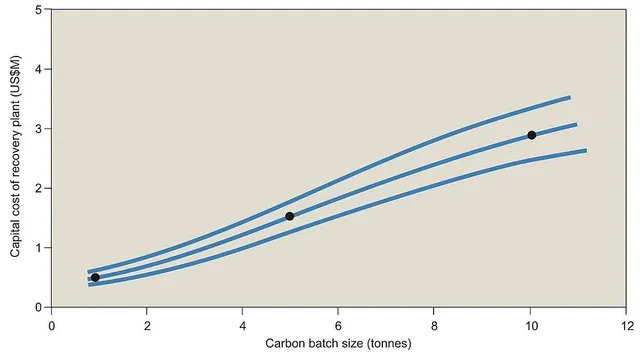
For a gold ore, the size of the carbon circuit increases more or less proportionally to the ore treatment rate, not the metal grade. A plant treating 1mtpa of ore would typically treat 1000tpa of carbon through the acid wash, elution and regeneration stages. The indicative capital cost relationship for varying plant sizes is shown graphically in Figure 3. The range of capital costs for a particular size are indicated to reflect differing project-specific detail requirements such as for various climatic conditions.
The treatment of a high silver gold ore results in an increase in the size of the carbon circuit when compared to a 'gold' plant with the same ore treatment rate. This is due to the lower loading ratio of silver compared to gold.
Using the above example of 1mtpa ore treatment rate the increase in carbon treatment rate with a 30glt soluble silver ore would typically be three times that of the gold ore i.e. 3000tpa. However, it is not the total recovery plant that increases in proportion, only the elution stage increases to this level. As previously noted, the acid wash and regeneration stages do not require to be matched to the elution rate. The capital cost therefore increases by only 60 per cent instead of doubling, as might perhaps be expected from simple application of the relative cost data given in Figure 3.
Operating Costs
The differences which apply to operating costs are more significant than those for capital costs and benefit the CIP treatment route for high silver ore. Figure 4 and Figure 5 illustrate the operating cost distribution for the two cases of treating gold ore and high silver ore at the same ore treatment rate. These results translate to 60 per cent increase in the annual operating cost for the high silver ore recovery plant instead of a pro-rata 200 per cent increase. This obviously has a major influence on any cost comparison study.
There are many other factors that need to be considered when undertaking a comparative study of two processes and this paper does not address what are often case-specific factors. The intention is simply to point out some additional major factors that should be addressed when designing plants for high silver ores.
Conclusions
The above assessment does not give a specific comparison of Merrill-Crowe versus CIP but instead indicates the fundamental considerations when assessing the applicability of a carbon system for the treatment of high silver ores.
Testwork must be specifically designed to measure the carbon parameters for silver.
Each process area for the carbon plant should be assessed separately and not simply matched to the elution rate.
The latest process system should be included, such as the AARL elution system and in·situ cleaning, high efficiency electrowinning cells.
There is no limiting silver/gold ratio that naturally precludes the use of carbon, and many more high silver ore projects would select the carbon route if the methods described above are given due consideration in the technical and economic evaluations.
By carrying out appropriate testwork and using a proven modelling technique it can be demonstrated that CIP is more often a preferable option for high silver ores than Merrill-Crowe.
GreenGold have recently been involved in the conversion of a hybrid Merrill-Crowe plant to a full CIL circuit simply with the addition of electro-winning capacity. Silver grades for this plant range up to 150g/t.
References
1. S.A.I.M.M. monograph series M.T. The Extractive Metallurgy of Gold in South Africa. Editor G.G. Stanley: 1987.
2. Menne D.M., Predicting and assessing Carbon-in-Pulp circuit performance: XIV International Mineral Processing Conference, 1982.
Hino Motors Philippines (HMP), exclusive distributor of Hino trucks and buses in the Philippines, shores up its Total Support initiative further, launching heavy-duty trucks and modern jeepneys that are also environment-friendly, expanding its range of vehicles, and training manpower and dealers, all to meet the logistics and transportation requirements of the market.
Seeing the growing demand in the country’s trucking industry as a result of the increasing number of development and infrastructure projects, Hino is investing in Euro 4 heavy-duty trucks. Its new jeepneys, meanwhile, address the need for a modernized and more comfortable transport system aligned with government goals. The company supports the call to care for the environment and is, thus, using Euro 4 engines.
“Hino’s Total Support aims to maximize operation and minimize lifetime cost for our business partners. We strongly believe that by providing good products and total support we are able to support our customers’ business and contribute to society and grow with them at the same time,” shared Hino Motors, Ltd. Chairman Yasuhiko Ichihashi.
Addressing growing logistics requirements
Hino’s 700 series of heavy-duty trucks is designed to meet the diverse needs of the country’s thriving logistics industry. With these trucks, the company hopes to provide businesses all over the Philippines with more options for fleet upgrade or expansion and be better equipped in catering to the different logistical requirements of their clients.
The 700 series of heavy-duty trucks from Hino consists of the SS2P, SH2P, FS2P and FY2P models. All models are designed for optimum performance and can be used for different applications and logistics needs.
The SS2P is a 10-wheeler tractor head truck with high roof and 16-speed transmission while the SH2P is a 6-wheeler tractor head truck, also with high roof and 12-speed transmission. The SS2P supports 60-ton gross combined mass and 40 to 45 tons pulling capacity. On the other hand, the SH2P features 45.5-ton gross combined mass and 30 to 35 tons pulling capacity.
The FS2P comes in two models – the FS2P Mixer Truck and the FS2P Dump Truck. Both are 10-wheeler trucks with 12-speed transmission and standard roof. The FS2P Mixer Truck comes with a 9m³ mixer body and features 32.3-ton gross vehicle weight while the FS2P Dump Truck is made to support dump body and 34-ton gross vehicle weight.
The FY2P comes in three variants – the FY2P Mixer Truck, FY2P Dump Truck and FY2P Cargo Truck. All are 12-wheeler trucks with 12-speed transmission and 39.4-ton gross vehicle weight.
The FY2P Mixer and FY2P Dump Trucks have standard roofs while the FY2P Cargo has a high roof. The FY2P Cargo comes with 11.8-meter overall chassis length for cargo body requirements.
Supporting shift to modern transport units
Heeding the government’s call to modernize the public transport system, Hino is one of the first to develop modern jeepney prototypes aligned with the PUV Modernization Program (PUVMP) and the Office of Transport Cooperatives (OTC) theme, “Arangkada sa Pagbabago.”
Hino’s modern jeepneys use a more efficient engine and adopt green technology to reduce harm to the environment. The Euro 4-powered Class II jeepneys meet the requirements of the Bureau of Philippine Standards. They have a seating capacity of 19 passengers. Seats are side facing, resembling those of the conventional jeepney. 7 additional standing passengers can also be accommodated in the middle to maximize the vehicle’s capacity.
The modern jeepneys are air-conditioned for greater commuter comfort. They are equipped with a Beep Card system, speed limiter, GPS, CCTV and a dashboard camera.
Hino has turned over some of these modern jeepneys to the Pateros-Fort Bonifacio Transport Service and Multi-Purpose Cooperative (TSMC) and Taguig Transport Service Cooperative (TSC). These two are among the three preselected by the OTC to be the first to adopt the PUVMP because of their good standing, financial capability and established management structure.
The Pateros-Fort Bonifacio TSMC will receive 137 Hino modern jeepney units while the Taguig TSC will get 279 units. The approved routes include Gate III of Fort Bonifacio to Guadalupe Market and Bagumbayan, Taguig to Pasig. These include the 13 air-conditioned jeepneys given to Pateros-Fort Bonifacio TSMC and 20 non-air-conditioned units given to Taguig TSC during the second turnover ceremony held late 2018.
These modern jeepneys, which have been plying the roads for some months now, involve the assistance of a passenger assistance officer (PAO) in place of the Beep Card system, which has yet to be operational. PAOs collect passengers’ fares and inform the driver passengers need to get off.
Broadening vehicle range, training manpower
Keen to grow its market in the Philippines, Hino will continue to broaden its line of trucks and buses to cater to the different industries. The heavy-duty trucks target businesses with heavier logistics and transport requirements. They are also ideal for businesses engaged in development projects, which are expected to increase in number on the back of the government’s Build Build Build program. The modern jeepneys are for public transport while the trucks with P11C Engine launched much earlier were aimed at boosting Hino’s position in the Heavy-Duty Truck segment.
To support vehicle development efforts, Hino broke ground for a new office building and technical service training center last year. This new facility, which is expected to be completed by mid-2019, will be used to strengthen the skill set of the company’s manpower. Through this, Hino hopes to provide the best kind of training and preparation for its staff and dealers to enable them to handle different situations as truck service providers.
HMP Chairman Vicente T. Mills, Jr. reaffirms the company’s commitment to offer only good-quality products and services that meet the requirements of its customers and partners. “We at Hino believe the Filipinos deserve better transportation and infrastructure. Through our Total Support principle, we hope to advance this vision further and continue to deliver only high-quality trucks and buses that Filipinos can rely on,” Mills said.
“The Philippines is primed for growth, and it is during these times of changes that it is more important to have a secure, reliable and efficient logistics partner for businesses to survive. Hino will continue to develop and deliver technologies and upgrade its products to meet the country’s truck and bus requirements,” said HMP President Mr. Mitsuharu Tabata.
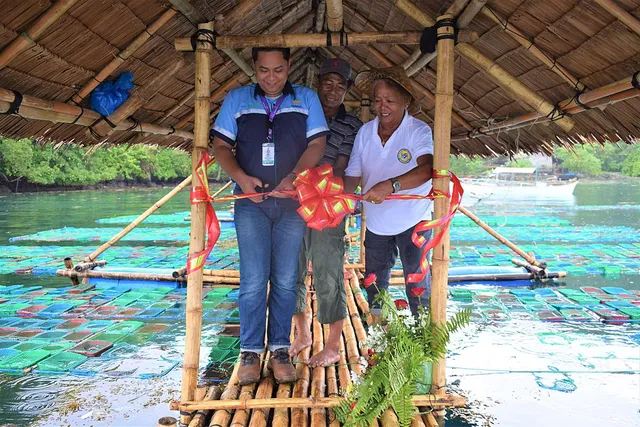
Nickel Asia Corporation - Hinatuan Mining Corporation (NAC-HMC), represented by ComRel Manager Antonio B. Resuera Jr., has turned over soft-shell crab project to three (3) indigent families of its host community last November 27, 2018.
The project location is at Looc, Sitio Bagong Silang, Barangay Talavera, Tagana-an, Surigao del Norte. Beneficiaries of the said project are Rosita G. Sandico, Cristine C. Baguinaon and Arnulfo C. Copag Sr. They were selected as beneficiaries of the project based on the Local Socio-Economic Profile conducted earlier as part of the commitment of NAC-HMC to contribute to a brighter future for its people and its communities.
The beneficiaries are also not part of any People’s Organization (POs) in the host community. Rosita G. Sandico and Cristine C. Baguinaon reside in Looc, Sitio Bagong Silang while Arnulfo C. Copag Sr. lives at Brgy. Talavera.
“Nagpasalamat kami sa amoa nadawat na proyekto gikan sa livelihood program sa NAC-HMC. Daku namo na kalipay ug kinasing-kasing namo nga pagadawaton kining proyekto nga soft-shell crab project”, (we are thankful for receiving this project from the livelihood program of NAC-HMC. We are very happy and are wholeheartedly accepting the soft-shell crab project awarded to us) said Rosita G. Sandico.
She further added that, “daku kini na katabang alang kanamo, ilabi na sa among panginabuhian, ilabi na sa akoa na senior citizen na man. Nalipay kaau ko kay isa ako sa nakadawat ani na proyekto. Amo gajud kani ampingan ug palambuan aron aduna kami mapanginuhaan alang sa among panginabuhi. Sa maka usab, daghan salamat sa inyo tabang kanamo NAC-HMC” (This is a big help to us, especially on our livelihood, especially to me who is already a senior citizen. I am very happy to be selected as one of the project recipients. In return, we will try our best to take care and develop the project in order for it to be sustainable and become a steady source of income for our livelihood. Once again, I am very thankful for the help you have given us NAC-HMC).
Representative of Host and Neighboring Communities (RHNC) Chairwoman and Brgy. Talavera Councilor Eulita C. Borja who was also present during the turn-over ceremony reminded the project recipients to not take for granted the project provided by NAC-HMC, saying that, “to the project recipients, please take care of the project provided by NAC-HMC as it will be helpful to your livelihood.”
She was also thankful to NAC-HMC for the support it provided the residents of the host community particularly in livelihood, “Thank you for the help and for the care you have shown to the residents by helping them with livelihood projects such as this, thank you NAC-HMC for the support.”
Additional supplies for the care and maintenance of the soft-shell crab project were also provided by NAC-HMC to project beneficiaries to help ensure the success and sustainability of the project.
As part of the commitment of NAC-HMC to assist its host community, technical experts from the City Agriculturists Office (CAGRO) of Tagum City were also tapped for the project’s implementation. They were also the ones who helped in establishing the soft-shell and crab fattening pilot projects in the mine site of NAC-HMC.
For the second year in a row, I had the privilege of participating in the Women in Mining Day at Mining Investment Asia, which was held on 26- 28 March 2018 in Singapore.
This year, I moderated the panel which focused on what should be done to attract more women to mining as a genderless industry.
The members of my panel were: (1) Tim Duffy, the President Director and Managing Director of PT Agincourt Resources; (2) Dr Gaomai Trench, Acting Assistant Director and Senior Manager for Mineral Promotion of the Department of Mines, Government of Western Australia; (3) Jade Devenish, Director and Managing Director of Geomysore Services India; and (4) Kash Sirinanda, a mining futurist, mathematician, engineer and a “serial entrepreneur”.
Gender parity is a goal for the mining industry considering that several studies have shown that, by improving women’s participation in the labor force, the world economy could add US$12 trillion in growth over the next 10 years.
Corollary to this, companies with more female directors tend to outperform those with less.
Fortune 500 companies with three or more women as directors had an average return on equity of 15.3% for the five years ended 2008 as compared to 10.5% for companies with no female board members.
Gender diversity is also 5th among the 17 Sustainable Development Goals (“SDG”) adopted by the United Nations in 2015.
Since gender diversity underpins the other 16 SDGs, it is by achieving gender equality and women’s empowerment that we, in turn, hope to achieve justice and inclusion, economies that work for all, and sustaining our shared environment now and for future generations.
Notwithstanding this, based on the World Economic Forum’s 10th Global Gender Gap Report in 2016, at the current rate of change, it will still take 170 years to achieve gender parity.
The panel identified several ways to address the current gap, including, but not limited to: (1) helping women acquire the education and develop the skills to encourage them to go into science and technology jobs; (2) mentoring/providing good role models; and (3) “blind” recruitment and hiring the person with the right skills for the job.
Jade Devenish opined that, even having a proper dialogue about the subject of gender parity is difficult since many people remain uncomfortable talking about it.
According to her, we must realize that, although men and women are both equally capable, they are also very different in terms of their skills and attributes, and necessarily have different roles.
One obvious difference is that women bear children and, in many societies, are still expected to be primarily responsible for child-rearing.
In this regard, the panel acknowledged that mining companies must institute policies, particularly for women who work onsite and who need to be away from their families, which recognize and respect the role of women in the home, while ensuring that the same policies do not discriminate against men.
Among these policies, according to Kash Sirinanda, would be allowing flexible shift hours for women to allow them to come to work and still do other things.
Among the objectives for improving gender diversity in the industry is to have a bigger pool of talent to draw upon and benefit from the unique qualities and attributes that women bring to the table.
The panel agreed that women are typically a lot more empathetic, which gives women in leadership roles the ability, from a strategic point of view, to see many sides of the same situation.
According to Jade Devenish, because women have a natural ability to put themselves in other people’s shoes, this helps with better decision making in terms of understanding a collective solution.
Tim Duffy shared that, based on his own experience, in more senior roles where supervision and management are involved, women are more participatory and more collaborative, whereas men by nature tend to be “more directive and a bit more controlling.”
He has also observed that women pay greater attention to detail.
He also gave the example of women truck drivers, who unlike their male counterparts who would “have the macho-testosterone cowboy attitude and treat the gear disrespectfully,” would be more concerned about conserving company resources and maintaining the trucks properly.
Gaomai Trench expressed that the very fact that women and men are different by nature, even in terms of teamwork and group decision, dictates that a healthy organization should have room for different points of view.
The panel likewise agreed that gender diversity does not only entail increasing the number of women in mining, but also enabling them to advance through the ranks.
Tim Duffy explained that it is critical that anyone promoted to leadership positions, whether men or women, should be followed up, mentored, and encouraged so that management would know how they’re progressing and provide the required support.
Nevertheless, while there are many studies about how the general performance of a company increases with the number of women on their boards, the panel was not keen on the idea of setting minimum percentages of women on boards.
Since the companies themselves are different, i.e.
large, small, publicly-listed non-profit, Tim Duffy says that minimum percentages would be aspirational, but would be difficult to implement.
Jade Devenish concurs that the focus should not be on numbers, but always making informed decisions about filling positions, whether or the board or operations, with the people who have the right skills set.
Gaomai Trench seconded this and warned about the possibility of discriminating against men as the goal would always be the select the best people for the job.
The problem, says Tim Duffy, is who determines the criteria for “the best.”
In his experience, if the person recruiting for the job is male, the “best person for the job” would be a male, owing to the recruiter’s reference point.
He says the challenge is to keep challenging people to constantly ask “why,” and it is in this constant challenging and questioning that old opinions or biases would fall away.
It has been most interesting keeping this conversation on gender diversity running for two years in a row, and I look forward to seeing how the discussion evolves in the years to come.
Patricia A. O. Bunye is a senior partner at Cruz Marcelo & Tenefrancia and head of its mining and energy practice. She is also President of Diwata-Women in Resource Development, Inc.
Questions and comments are welcome at po.bunye@cruzmarcelo.com.
As the largest consumer of metals, China dominates the global supply and demand of metals, and Asia is at the very centre of the debate on the future of the international mining industry.
Urbanisation continues to increase across the continent, with new housing and increased wealth triggering higher consumption of copper and steel in particular. Asia is also at the centre of the emerging market for electric vehicles. This will drive demand for batteries and their important major constituent metals of cobalt, copper and nickel, plus graphite, lithium and manganese.
The developing nations of South East Asia, especially the booming economies of Vietnam, Indonesia and the Philippines, have become important participants in the global supply and demand of metals. In addition to the region’s burgeoning consumption, these nations are also seeing sharply higher metals output with, for example, crude steel production in the region, outside of China, expected to grow at an annualised rate of 14%.
With many metals declining in value last year, the battery metals have been amongst the better-performing extracted commodities recently. Cobalt averaged US$25.32/lb in 2017 and US$33.08 in 2018, nickel US$4.88/lb and US$6.12, and copper US$2.81/lb and US$2.93, respectively. These important metals are expected to hold their value this year; according to S&P Global Market Intelligence, the consensus amongst analysts at the end of 2018 for average prices this year was US$33.48/lb for cobalt, US$2.99/lb for copper and US$6.32/lb for nickel.
These forecasted price increases make Hong Kong, one of Asia’s key financial centres, the ideal location for the Mines and Money Asia conference and exhibition, which will welcome over 500 investors to compare projects across the commodity spectrum.
Indonesian copper projects Merdeka Copper Gold and Asiamet Resources are among the 80 participating mining companies looking to meet new investors. Cobalt and nickel explorer, Deep Green, and graphite developer, Ceylon Graphite will also be in attendance.
Over 150 mining and investment leaders will come together from 2-4 April 2019 to discuss the global mining investment landscape, China’s commodity consumption and the political and macroeconomic influences on the price of base, precious, bulk and battery metals.
About: Mines and Money Asia is Asia’s largest mining investment forum, now in its 12th year, it has helped to generate billions of dollars in new business deals and opportunities and helped to finance hundreds of junior miners. Over 1500 key global decision makers, mining executives, investors, commodity buyers and policy makers from over 40 countries will converge in Hong Kong from 2-4 April for three days of learning, deal making and unparalleled networking.
https://asia.minesandmoney.com/
Follow on LinkedIn:
Philippine Resources Journal
Be the "First" to get our exclusive Digital Magazine & Weekly Newsletter.