The Philippines is urging US companies to expand investments in semiconductors, electronics and critical minerals as the government seeks to strengthen the country’s role in strategic global supply chains.
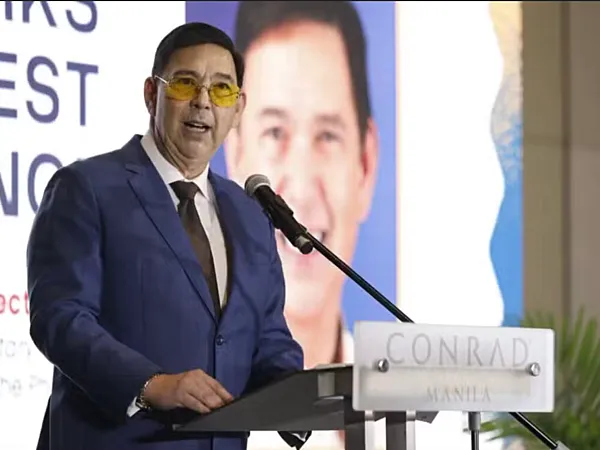
Executive Secretary Ralph Recto made the pitch to American business leaders, highlighting opportunities in sectors considered important to the Philippines’ economic and industrial development.
Recto encouraged US companies to expand their presence in the Philippines, particularly in semiconductors and critical minerals, as Manila seeks to attract more investments into higher-value industries.
The semiconductor and electronics sector is already a major component of the Philippine economy and export base. The government is seeking to move further up the value chain by attracting investments that can expand manufacturing capacity, develop more advanced capabilities and create higher-value jobs.
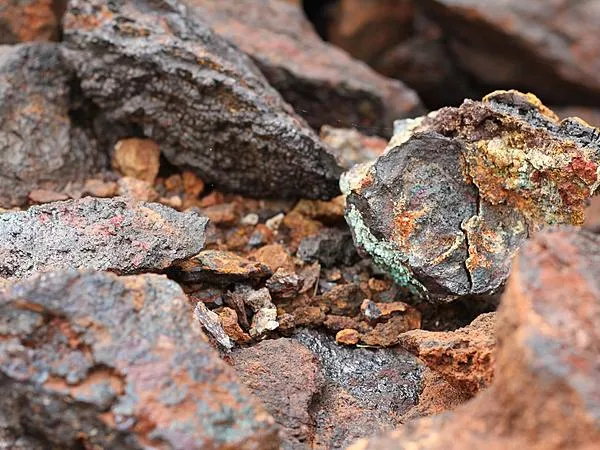
Critical minerals are another area of growing interest as countries seek to diversify supply chains for materials used in electronics, advanced manufacturing, renewable energy and other strategic industries.
The Philippines is seeking to position its mineral resources as an investment opportunity while encouraging greater value creation through processing and other downstream activities.
The investment push comes amid growing efforts by the United States and its partners to build more resilient supply chains for semiconductors and critical minerals and reduce dependence on concentrated sources of supply.
For the Philippines, deeper US investment could provide opportunities for technology transfer, workforce development and stronger participation by local companies in global supply chains.
The government is also seeking to leverage the Philippines’ existing electronics manufacturing base, skilled workforce and mineral resources to attract US companies looking for alternative production and investment locations.
Recto’s pitch underscores Manila’s broader effort to strengthen economic ties with Washington by turning strategic cooperation into concrete investments in Philippine industries.
The government faces the challenge of converting investment interest into actual projects and ensuring that new investments generate broader domestic benefits through employment, local suppliers, technology transfer and downstream processing.
Attracting investment into semiconductors and critical minerals is also expected to intensify competition among countries seeking to secure a greater share of strategic supply chains.
For the Philippines, maintaining a competitive investment environment, improving infrastructure and developing a skilled workforce will be critical to turning its strategic advantages into long-term industrial growth.
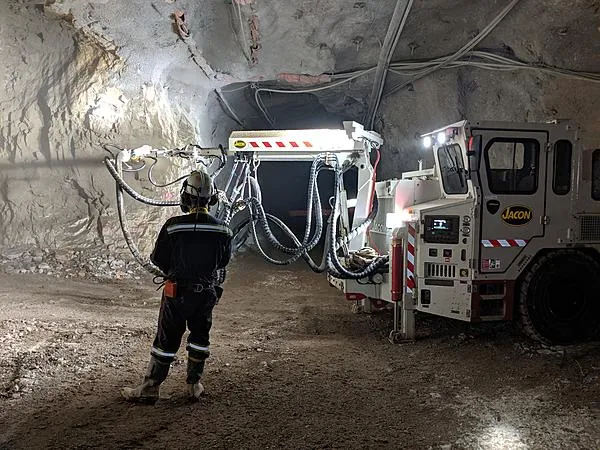
Australian underground mining equipment manufacturer Jacon Equipment is preparing to expand its presence in the Philippine market, targeting medium- to large-scale underground mining operations and positioning its regional support network as a key advantage for local customers.
Henry Ge, Jacon's sales director for Asia, said the company had proven its equipment and after-sales service model in Indonesia and was now ready to support mining projects outside its home market.
"We have proved the concept of equipment and after-sales service in Indonesia, which we consider to have similar characteristics — workers' wage levels, style of operations, proximity — and now we are ready to support new mining projects outside of our home," Ge said.
Jacon's products and services are designed for medium- to large-scale underground mining operations, Ge said.
The company is looking to support Philippine underground mines with a range of specialized equipment, including shotcrete sprayers, underground mixer trucks, explosive charging carriers, water cannons and maintenance service trucks.
Jacon's strategy in the Philippine market will focus not only on equipment supply but also on regional technical and after-sales support.
Regional support network
Jacon's support team is spread across Vietnam, Indonesia and Australia, allowing the company to deploy personnel and parts to Philippine mine sites relatively quickly.
Ge said the company's proximity to the Philippines and the similar time zones across its regional operations would allow it to provide physical support, spare parts and responses to customer inquiries in a timely manner.
The company estimates that it can respond to Philippine customers within 2 to 6 hours, depending on the requirement. That response could include an emergency visit to a mine site as well as phone, email or text-based customer support, Ge said.
He said the model could give Jacon an advantage over some international competitors whose headquarters are based in Europe, resulting in significant time-zone differences when serving Philippine customers.
Jacon also operates a manufacturing facility in Vietnam, which Ge said would help reduce transport times and costs for Philippine customers.
"This cuts transport time (and cost) significantly because the Philippines and Vietnam are neighbors," he said.
The proximity of the factory is also expected to support spare-parts availability and shorten equipment lead times when parts are not available in the Philippines.
Experience in Indonesia
Jacon is seeking to apply lessons from its operations in Indonesia, where it has supported three of the country's largest underground mines.
Ge said Jacon had been praised for its responsiveness in helping customers resolve problems at mine sites, including through short delivery times for parts and equipment.
"Jacon can replicate the level of service and capability that has been proven before in a similar environment," he said.
The company sees that experience as a basis for developing its Philippine business, although details of its longer-term market strategy are still being finalized.
Over the next three to five years, Jacon plans to improve its presence and connectivity with relevant stakeholders in the Philippine underground mining community, Ge said.
Further details of the company's plans are still being developed.
Equipment and support
Jacon's equipment portfolio covers several applications and support requirements associated with underground mining.
Among the products the company sees as having potential in the Philippine market are shotcrete sprayers, underground mixer trucks, explosive charging carriers, water cannons and maintenance service trucks.
The equipment is intended for demanding underground mining environments, with Jacon also emphasizing technical support, response times and cost efficiency as part of its value proposition.
Ge said Jacon ultimately wants Philippine miners to associate the company with equipment reliability, technical support, response time and cost efficiency.
Its positioning is summed up in the company's statement: "Equipment That Keeps Up With Your Hard Work. Team That Has Your Back."
Jacon's planned expansion comes as it seeks to build on its experience supporting underground mining operations in Indonesia and establish stronger connections with stakeholders in the Philippine mining industry.
For Jacon, the strategy is to combine its Australian brand and regional support network with a manufacturing base in Vietnam that is geographically close to the Philippines.
The company said this regional footprint would allow it to provide equipment, spare parts and technical support with shorter response times as it develops its presence in the Philippine underground mining market.
ATLAS Consolidated Mining and Development Corp. returned to profitability in the second quarter, posting a net income of P3.97 billion as higher gold and copper prices boosted the company's financial performance.
The mining company reversed a net loss of P249.56 million recorded in the same quarter last year.
The latest quarterly result builds on Atlas Mining's return to profitability in the first half of 2026, when it recorded P4.6 billion in net income, compared with a P653 million net loss a year earlier.
Consolidated revenues for the six months rose 46% year on year to P24.7 billion, driven by stronger commodity prices and improved earnings from its mining operations.
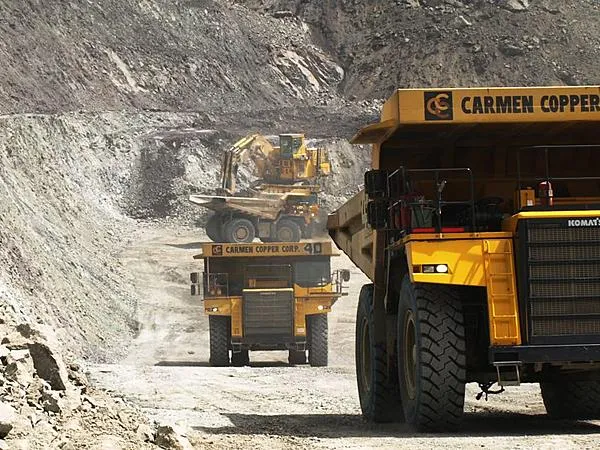
Atlas Mining's flagship Carmen Copper Corp. operation in Cebu produced 37.2 million pounds of copper and 17,795 ounces of gold in the first half. Production was lower year on year as mining progressed deeper into the pit, resulting in declining ore grades.
The decline in output was more than offset by higher realized metal prices. Gold prices averaged $4,622 per ounce in the first half, up 49% from a year earlier, while copper prices increased 38% to an average of $5.57 per pound.
The company has been implementing a mine redevelopment program aimed at accessing higher-grade ore and extending the operating life of the Carmen mine.
Atlas Mining's earnings performance comes as mining companies benefit from elevated precious and base metal prices, supported by supply constraints, resilient demand and geopolitical uncertainty.
The company remains exposed to commodity-price volatility, however, with gold and copper prices likely to remain a key driver of earnings and cash flow in the second half of the year.
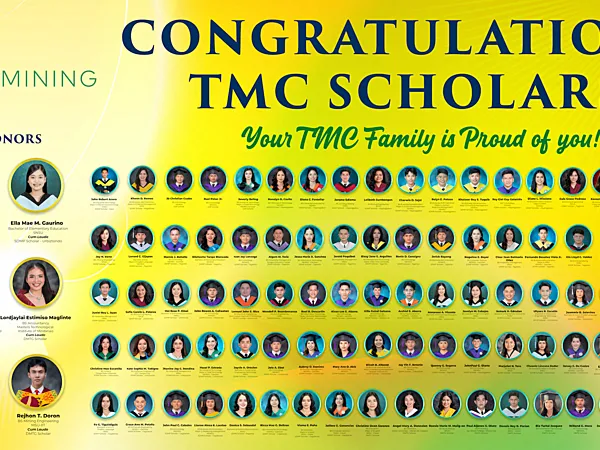
A total of 109 scholars graduated from colleges and universities in 2026, marking another milestone in Taganito Mining Corporation’s (TMC) continuing support for education through its Social Development and Management Program (SDMP).
The graduates include scholars from the four mining barangays, neighboring non-mining barangays, as well as scholars under the Development of Mining Technology and Geosciences program. They earned degrees in various fields, including education, criminology, hospitality management, engineering, marine transportation, and other disciplines that prepare them to pursue careers and contribute to their communities.
Adding distinction to this year’s achievement, two graduates earned Magna Cum Laude honors, while seven graduated Cum Laude, reflecting their dedication and academic excellence throughout their college journeys.
For the graduates, the milestone represents more than academic success. It is the culmination of years of hard work and perseverance, made possible through the support of their families, schools, communities, and scholarship partners.
Among the graduates is Kristian Jade G. Arnigo, a Bachelor of Science in Marine Transportation graduate from St. Joseph Institute of Technology.
“I sincerely thank you for your generous support and for giving me the chance to continue my education. Your assistance has been a great help in achieving my goals and pursuing my dreams,” Arnigo said.
He expressed his commitment to making the most of the opportunity and honoring the trust placed in him.
For Gin Lloyd C. Valdez, a Bachelor of Science in Civil Engineering graduate from Surigao del Norte State University, graduation marked the close of a challenging chapter filled with late nights, countless coffee runs, and moments of uncertainty.
“I couldn't have made it this far without the sacrifices of my family and the incredible opportunity provided by the TMC scholarship,” Valdez said.
He added that the scholarship eased the financial burden of pursuing his degree, allowing him to focus on his studies and future.
Meanwhile, Rejhon T. Doron, a Cum Laude graduate of the Bachelor of Science in Mining Engineering program at Mindanao State University–Iligan Institute of Technology, credited the scholarship with helping ease the financial burden on his family, particularly during his thesis.
“The scholarship I had was greatly appreciated as it lessened the financial burden on my parents, especially during my thesis. Your support has led me to where I am now,” Doron said.
He added, “I am beyond grateful and proud to be one of your scholars. Maraming salamat, TMC!”
Engr. Artemio Valeroso, TMC Senior Vice President and Chief Operating Officer–Resident Mine Manager, emphasized the broader significance of the graduates’ achievement.
“These 109 graduates are a testament to what can be achieved when young people are given the opportunity to pursue their dreams. We hope they will use their knowledge and skills to build meaningful careers, contribute to their communities, and inspire others to value education as a pathway to a better future.”
TMC is a subsidiary of Nickel Asia Corporation with operations in Claver, Surigao del Norte.
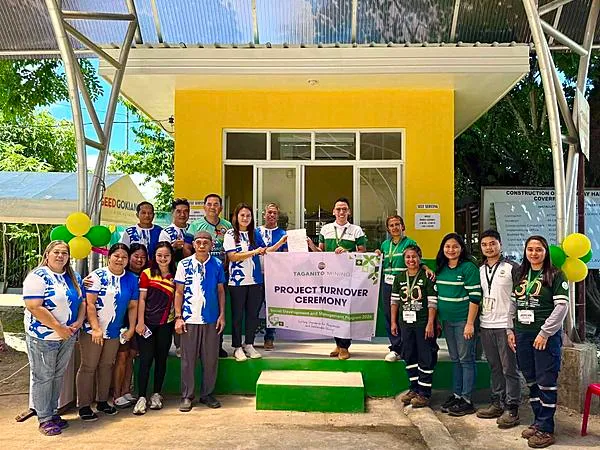
Residents of Bagakay now have greater access to safe and affordable drinking water following the turnover of a newly installed water distillation facility by Taganito Mining Corporation (TMC) to the Barangay Local Government Unit (BLGU) of Bagakay.
Funded through TMC’s Social Development and Management Program (SDMP), the ₱600,000 facility was established to address the community’s need for a reliable source of potable water without the added cost of regularly purchasing water from commercial refilling stations.
The facility is expected to benefit households across the seven puroks of Barangay Bagakay. At the time of turnover, water was being provided free of charge to residents, while the barangay was also considering measures to support the facility’s long-term maintenance and sustainability.
The turnover ceremony was led by TMC Community Relations Manager Mark Vincent Junel Felias. The facility was received by the BLGU of Bagakay, led by Punong Barangay Sarlyn Roble, which will oversee its management and operation.
For Bagakay families, the project is expected to help reduce household expenses associated with buying drinking water while providing a more accessible source of safe water for their daily needs.
“Salamat sa makadaghan sa TMC. This is another flagship project nan barangay Bagakay. Salamat sa tinooray na serbisyo nan barangay councils, labi na sa tanan Bagakaynon, diin tubag namo kini sa hugot ninyo na supporta sa tanang kalihukan niining Barangay,” said Roble.
(Many thanks to TMC. This is another flagship project for Barangay Bagakay. We also thank the barangay councils for their sincere service, especially all Bagakaynon residents. This project is our response to your strong support for the various activities and initiatives in our barangay.)
The project reflects the joint efforts of TMC and the BLGU to address practical community needs and improve access to essential services.
By bringing potable water closer to households, the facility is expected to support the well-being of residents while helping ease the cost of securing drinking water for their families.
The project is also aligned with Sustainable Development Goal 6, which promotes access to clean water and sanitation for all.
The ever-growing demand for higher-purity industrial minerals, fueled by emerging global applications, poses a challenge for producers dedicated to delivering quality products. Yesterday's production runs are no longer sufficient to meet evolving requirements. To stay ahead, companies must embrace technological advancements, exploring state-of-the-art equipment that opens doors to new applications in dynamic markets.
In this context, magnetic separation emerges as a crucial technology, offering substantial enhancements in product and mineral quality through increased recovery. Magnetic separation equipment manufacturers actively pursue improvements and efficiency gains across processes to stay competitive and innovative.
A pivotal tool in this pursuit is the Dry High-Intensity Rare Earth (RE) Roll Magnetic Separator. This article delves into current trends and highlights the technological advancements shaping this essential piece of equipment.
Next-Generation Rare Earth Roll Separator (High-Intensity Magnetic Separator)
Rare earth roll separators effectively replaced induced magnetic roll separators (IMRs) because of their simple, compact design and low power consumption. Their performance was as good as or better than that of IMRs.
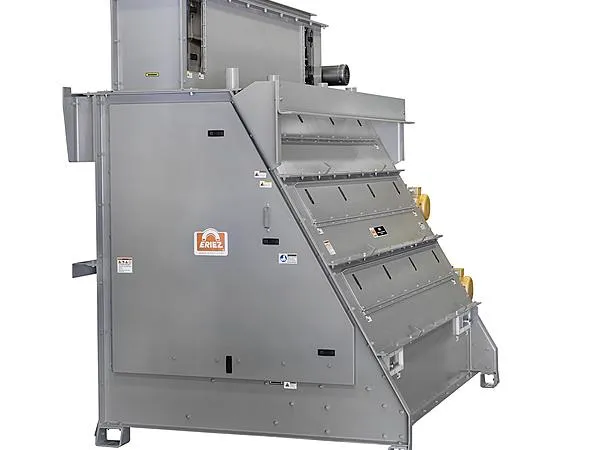
Early models were manufactured with samarium-cobalt rare earth magnets, and the maximum roll width at the time was 40 inches (1 m). Those units evolved into 60-inch (1.5 m) models. Now, Eriez has announced the development of an 80-inch (2 m) wide RE Roll.
The completely redesigned 80-inch-wide RE Roll features a state-of-the-art design. The housing has been upgraded from conventional welded construction to an innovative “bolt-on” design. The cantilever assembly has also been updated and now incorporates fewer components. These improvements enable the 80-inch RE Roll to provide improved durability and extended service life.
Bearing replacement has been simplified so operators do not have to struggle with the weight of a magnetic roll that will be magnetically attracted to any metallic part on or near the machine. The belt-tracking mechanism has been simplified to make the belt-replacement procedure even faster than with previous models, while Kevlar belts remain the longest-lasting option. Belts with diagonal splices, as well as finger splices, are also available.
The Rare Earth Roll, generating peak magnetic field strengths approaching 24,000 Gauss, is highly effective for concentrating or removing weakly magnetic minerals from a dry process stream. The Rare Earth Roll magnetic separator is designed to provide peak separation efficiency and is typically used when a high-purity product is required. The roll is constructed of discs of neodymium-boron-iron permanent magnets sandwiched between steel pole pieces. The steel poles are magnetically induced to a saturation point of approximately 24,000 Gauss.
Magnetic roll diameters are typically 3, 4, and 6 inches, although separators with diameters of up to 12 inches are available. The separator is configured as a head pulley. A thin belt, usually 5 to 20 mils thick, conveys the feed material through the magnetic field.
When feed material enters the magnetic field, the nonmagnetic particles are discharged from the roll in their natural trajectory. The paramagnetic, or weakly magnetic, particles are attracted to the roll and deflected out of the nonmagnetic particle stream. A splitter arrangement is used to segregate the two particle streams.
Performance Exceeds Expectations
Eriez built and commissioned the world’s first 80-inch Dry High-Intensity Rare Earth Roll Magnetic Separator to satisfy the unique requirements of a minerals-processing application. The supersized Rare Earth Roll Magnetic Separator was successfully installed at the customer’s site, and the results from upgrading the industrial mineral with the equipment have exceeded the expectations of both Eriez and its customer, even at feed rates higher than the design rate.
The Eriez Rare Earth Roll Magnetic Separator provides maximum efficiency in separating weakly magnetic particles for product-purification applications. Eriez applied sophisticated finite element analysis in its magnetic circuit design to produce an energy-free separator capable of generating the exceptionally high field strength needed to remove unwanted fine iron contaminants.
All Eriez Rare Earth Roll Magnetic Separators incorporate the highest-strength and best-quality magnet materials. They combine the best engineering and operational features to provide excellent performance with hassle-free operation, inspection, and maintenance.
Predictive Maintenance
Eriez offers predictive and preventive maintenance service programs to keep equipment functioning at optimum efficiency with minimal downtime. The Eriez Service team provides world-class support throughout the life of the equipment. Ongoing product testing and maintenance are essential, especially when equipment is operating in harsh environments with elevated temperatures or wet conditions.
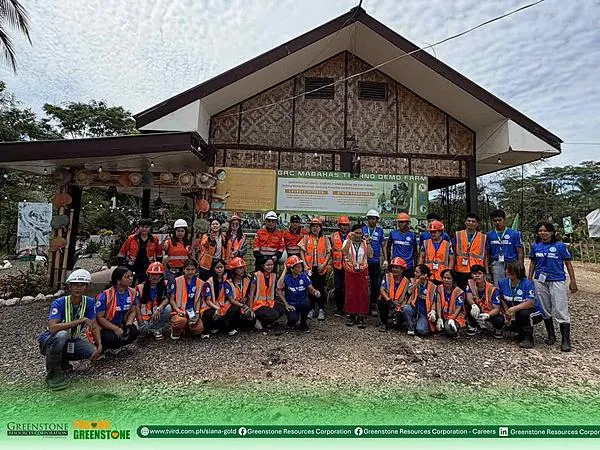
Greenstone Resources Corp. (GRC), operator of the Siana Gold Project in Surigao del Norte, has successfully passed a General Enterprise-Based Education and Training (EBET) inspection conducted by the Technical Education and Skills Development Authority (TESDA)-Surigao Provincial Office.
The inspection was conducted on July 15, 2026, marking a step forward in GRC's efforts to expand structured and industry-relevant skills development for its workforce and host communities.
GRC operates the Siana Gold Project in Surigao del Norte through its wholly owned subsidiary, TVI Resource Development Philippines Inc. (TVIRD). The project is covered by Mineral Production Sharing Agreement No. 184-2002-XIII and is located in the municipalities of Tubod, Mainit, Alegria and Bacuag.
The Siana operation was commissioned by TVIRD through GRC in 2022 and produces gold and silver, with the company maintaining partnerships with host communities in Alegria, Tubod and Mainit.
The TESDA inspection reinforces GRC's commitment to developing skills within the communities where it operates, including through initiatives such as the Mabakas Farm School.
Following the inspection, GRC will implement its Upskilling EBET Program to further strengthen employee competencies and support continuous professional development.
The program is intended to provide employees with opportunities to develop skills relevant to their roles and the operational requirements of the mining industry, while supporting the company's broader workforce development efforts.
GRC said the initiative builds on its partnership with TESDA and the support of its management and Human Resources-Learning and Development Team.
The company thanked the TESDA-Surigao Provincial Office, its management and the Human Resources-Learning and Development Team for their support and partnership in advancing skills development.
The move comes as GRC continues to emphasize workforce capability alongside its mining operations. The Siana Gold Project has also been subject to government environmental, safety, health and social development oversight, including a 2026 Tenement Safety, Health, Environment and Social Development audit conducted by the Mines and Geosciences Bureau.
For GRC, the EBET program provides a mechanism to connect the company's workforce development efforts with formal technical and vocational training, while potentially expanding access to skills development within its host communities.
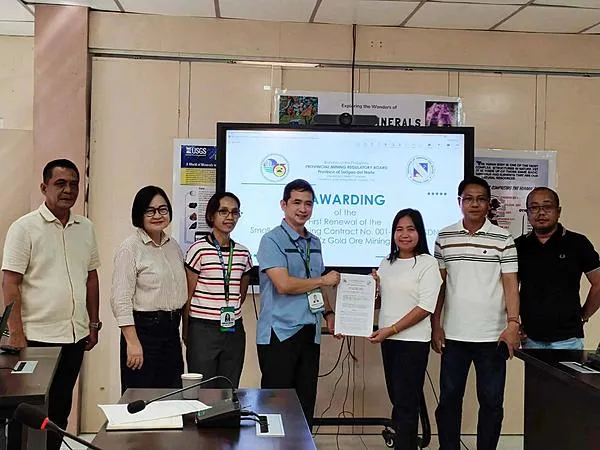
The Provincial Mining Regulatory Board (PMRB) of Surigao del Norte has granted the first renewal of a Small-Scale Mining Contract (SSMC) to Jul’z Gold Ore Mining, allowing the contractor to continue small-scale mining activities within its approved contract area.
The renewal of SSMC No. 001-2024-XIII-SDN was approved during the PMRB’s monthly regular meeting on Aug. 13, 2026, at the Mines and Geosciences Bureau Regional Office XIII Training Center in Surigao City, according to a Facebook post by the Mines and Geosciences Bureau (MGB) Caraga.
The renewal was the first item on the board’s agenda, the MGB Caraga said.
The contract was renewed pursuant to Republic Act No. 7076, or the People’s Small-Scale Mining Act of 1991, and its revised implementing rules and regulations under DENR Administrative Order No. 2022-03, which provide the regulatory framework for the administration and development of small-scale mining activities.
The renewed SSMC remains subject to compliance with applicable laws, rules, regulations and contractual obligations, particularly those covering environmental protection, mine safety and health, and responsible mining practices, according to the MGB Caraga.
The PMRB said the exercise of its regulatory functions is intended to promote the orderly, responsible and sustainable development of mineral resources while safeguarding the environment and the welfare of mining communities.
The renewal allows Jul’z Gold Ore Mining to continue its small-scale mining activities under the terms of its approved contract and applicable regulatory requirements.
Celsius Resources Ltd. said it plans to initiate arbitration to protect its 40% interest in Makilala Mining Company Inc. (MMCI), as a Philippine court considers whether to allow Equinaire Holdings Ltd. to proceed with foreclosure and the auction of the stake.
In an Aug. 12 announcement to the Australian Securities Exchange and AIM, the Australian-listed mining company said it intends to commence arbitration ahead of the Aug. 25 expiry of a temporary order of protection (TOP) issued by the Regional Trial Court of Makati City.
The dispute stems from the purported assignment of the Omnibus Loan and Security Agreement (OLSA) between MMCI and Equinaire.
Following the purported assignment of the OLSA from Maharlika Investment Corp. to Equinaire, a wholly owned subsidiary of India's Kiri Industries Ltd., Equinaire issued several notices against Celsius.
These included a notice of event of default, a notice of commencement of foreclosure proceedings and a notice of disposition seeking to initiate a public auction for Celsius' 40% interest in MMCI.
Equinaire's claimed event of default was based on a notice of relinquishment issued to Sodor Inc., according to Celsius.
The company disputes both the occurrence and continuance of an event of default and Equinaire's capacity to initiate foreclosure proceedings and sell Celsius' interest in MMCI.
The Makati Regional Trial Court subsequently granted a TOP preventing Equinaire from proceeding with the foreclosure, disposition or auction of Celsius' interest in MMCI.
Equinaire has since applied to the court to lift the protection order, which would allow it to proceed with the proposed auction and sale.
Celsius said it has filed its opposition and presented verbal arguments before the Regional Trial Court against the lifting of the TOP.
The court has yet to resolve the matter. In the meantime, it has directed both parties to maintain the status quo while Equinaire's motion to lift the TOP is being assessed.
Celsius said it plans to initiate arbitration in accordance with the provisions of the OLSA to protect its interests before the current court protection expires.
The dispute could affect Celsius' interest in MMCI, which is developing the Makilala copper-gold project in the Philippines.
Celsius said it would provide further updates as appropriate in accordance with its continuous disclosure obligations.
Oriental Petroleum and Minerals Corp. has confirmed nickel mineralization at its Libjo Nickel Laterite Project in Dinagat Islands, but said it is too early to determine whether the property can support a commercially viable mine.
In a technical report submitted to the Philippine Stock Exchange, the company said exploration had confirmed nickel-bearing laterite horizons across the 357.72-hectare property.
However, the report said the available exploration data were insufficient to estimate a mineral resource or determine the project's economic potential.
"There is no Mineral Resource to declare. The available data collected from Test-pit and Auger Drilling are insufficient to estimate mineral resource," the report said.
It also said there was "no exploration target to declare" because the existing drilling was inadequate to establish the property's tonnage and grade.
Oriental Petroleum was granted an exploration permit for the Libjo property in June 2024, with fieldwork beginning three months later.
The company collected 371 soil samples through geological mapping, test pits and auger drilling. The technical report said the exploration was conducted under a quality assurance program that produced reliable exploration data.
Testing showed average nickel grades of 0.50 percent in the upper limonite layer and 0.64 percent in the deeper saprolite layer.
The limonite and saprolite zones had average thicknesses of about 2 meters and 1.6 meters, respectively.
The company, however, cautioned against treating these results as evidence of a mineable deposit.
Many of the test pits and auger holes did not reach bedrock, leaving the true thickness and continuity of the mineralized zones uncertain.
The report recommended deeper rotary drilling, geodetic surveys and bulk density measurements before an estimate of mineral resources can be prepared.
"The Exploration Results should be regarded as an initial geological assessment of the property rather than evidence of an economically viable Mineral Resource," it said.
The Libjo project represents Oriental Petroleum's entry into nickel exploration in Dinagat Islands, one of the country's established laterite nickel districts.
Several mining properties in the surrounding area are already operating or have reported mineral resources, providing a prospective setting for further exploration.
Oriental Petroleum is primarily an oil and gas exploration company.
The Gokongwei and Coyiuto groups jointly control about 38.5 percent of the company. The JG Summit group holds 20.01 percent, while the Coyiuto group owns 18.51 percent.
The company said further exploration will be needed to establish the extent, grade and continuity of the nickel mineralization before the project's potential can be properly assessed.
Lepanto Consolidated Mining Co. more than doubled its net income in the first half of 2026 on the back of higher gold and silver prices, despite lower production levels and a weaker peso.
Net income rose to P1.59 billion from P771 million in the same period last year, while consolidated gross revenues increased 47 percent to P3.24 billion from P2.20 billion.
Lepanto said the sharp increase in precious metals prices was a major driver of the improved financial results.
The average gold price climbed to $4,684.40 per ounce from $3,084.80 per ounce a year earlier. The average silver price more than doubled to $80.66 per ounce from $32.94 per ounce.
The peso also weakened against the US dollar, averaging P59.97 to the dollar during the period, compared with P57.06 last year.
For the first six months, Lepanto produced 10,931 ounces of gold and 21,346 ounces of silver.
The company continued production from its Victoria and Teresa orebodies, while pursuing initiatives to improve productivity and metal recoveries through equipment upgrades and rehabilitation.
Lepanto said five active drilling rigs are currently being used for grade-control and exploration activities, with encouraging results.
The company is also moving forward with the renewal of its Mineral Production Sharing Agreement, or MPSA 001-90-CAR, covering its operations in Mankayan, Benguet.
On July 30, Lepanto and subsidiary Far Southeast Gold Resources Inc., or FSGRI, signed a memorandum of agreement with the Indigenous Peoples of the Mankayan Ancestral Domain, formally signifying the grant of free, prior and informed consent, or FPIC, for the renewal of the MPSA.
The agreement has a 25-year term and was signed with Mankayan Mayor and the duly elected elders and leaders of the municipality's 12 barangays.
Officials from the local government unit, the National Commission on Indigenous Peoples, or NCIP, and the Mines and Geosciences Bureau, or MGB, witnessed the signing.
The agreement will be submitted to the NCIP for approval. The approval will take the form of a Certification Precondition, which will then be submitted to the MGB as part of the process for renewing MPSA 001.
Lepanto's improved first-half performance comes amid a sharp rally in precious metals prices, providing a significant boost to the company's revenues and profitability.
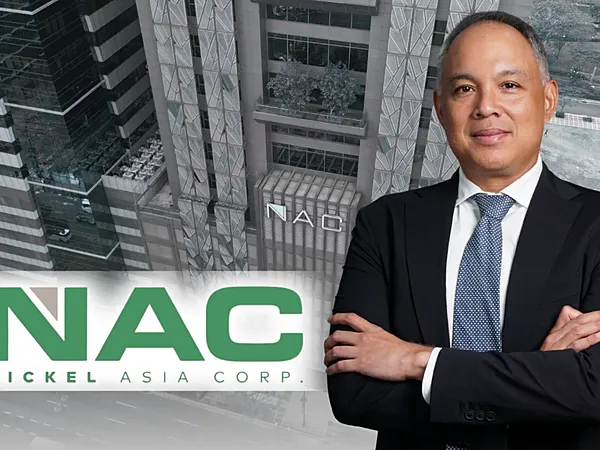
Listed natural resources company Nickel Asia Corp. (NAC) has launched a company-wide artificial intelligence initiative aimed at equipping its workforce with digital tools as it expands its regional operations.
Called “Project APEX – AI & Productivity Excellence,” the initiative was launched alongside NAC’s 18th anniversary, with the initial phase focused on training executives and officers on the responsible use of AI and establishing a common framework for technology adoption across the organization.
The program is anchored on NAC’s “Nurturing AI Competency” philosophy and forms part of a broader digital transformation strategy that began last year with the creation of the company’s Technology Management and Transformation department.
NAC Vice President for Technology Management and Transformation Joselito G. Calpito said AI would change how employees perform tasks and workflows.
“AI will change tasks and workflows. Something you do today will be done differently, or faster, tomorrow,” Calpito said.
“This is not about replacing our people with technology. It is about giving our employees the right tools and training so they can work smarter, make better decisions, and focus on higher-value tasks.”
Calpito said starting the transformation at the leadership level would help ensure employees were guided responsibly through the transition.
Project APEX is intended to serve as a framework for reducing manual tasks, improving data connectivity among departments and increasing operational efficiency.
Following the executive training, NAC plans to roll out the program across the organization through a dedicated internal AI team, with support from the OneNAC Academy, legal and cybersecurity experts.
The company will also establish a network of “AI Ambassadors” in various departments to help employees adapt to new digital tools.
NAC President and CEO Martin Antonio G. Zamora said the company’s approach would prioritize employee development rather than headcount reduction.
The company said no personnel decisions related to the digital transformation would be made without first providing affected employees with training, skills updates and clear reassignment of workflows.
The leadership alignment sessions were completed earlier this month, with the next phase focusing on departmental AI ambassadors.
The final phase will extend the digital systems across the company, with NAC aiming to use AI to improve mining operations, strengthen risk management and enhance the tracking of environmental sustainability targets.
The initiative comes as NAC pursues a broader expansion strategy through 2030 covering responsible mining, power generation and opportunities in critical minerals across Southeast Asia.
NAC operates six mines in the Philippines and has investments in mineral processing, renewable and flexible power generation through NAC Energy Inc. and regional critical minerals opportunities through its Singapore-based subsidiary, NAC Global Investments Pte. Ltd.
The group employs more than 2,000 people and has an expanding regional footprint.
OceanaGold (Philippines) Inc. reported second-quarter net income of $32.7 million as the Didipio gold-copper mine remained on track to meet its 2026 production, cost and capital guidance, and declared a quarterly cash dividend of $17 million.
The listed miner said revenue for the April-to-June period reached $126.9 million, while earnings per share stood at $0.014. Gold production totaled 21,400 ounces and copper output reached 2,700 metric tons during the quarter.
For the first six months of the year, OceanaGold Philippines generated revenue of $285.3 million and net income of $67.4 million, with free cash flow amounting to $62.3 million. Gold production reached 41,800 ounces, while copper production totaled 5,900 metric tons.
The company said higher production and lower costs are expected in the second half of the year, keeping it on track to achieve its full-year guidance.
"We maintained safe and responsible production of gold and copper in line with our guidance," OceanaGold Philippines President Joan Adaci-Cattiling said.
"With today's gold prices and another solid quarter of operating performance, we announced another healthy quarterly dividend for our shareholders. Pleasingly, we also continue to advance our organic growth projects including the ramp of underground mining rates and the acceleration of drilling both our underground and near-mine regional targets such as True Blue," she added.
The board declared a second-quarter dividend of $0.0075 per common share, equivalent to about P0.4628 per share based on an assumed exchange rate of P61.713 to the U.S. dollar. Shareholders of record as of Aug. 20, 2026, will receive the dividend on Sept. 17, 2026. Payments will be made in Philippine pesos using the prevailing exchange rate on the payment date.
Semirara Mining and Power Corp. (SMPC) posted a 17-percent increase in second-quarter net income to P4.8 billion as stronger earnings from its power business offset weaker coal operations.
The integrated energy company said first-half consolidated net income rose 2 percent to P8.6 billion from P8.4 billion a year earlier, with gains from power compensating for the decline in coal earnings.
The power segment accounted for P4.6 billion, or 96 percent, of second-quarter earnings, supported by improved plant availability, record electricity generation and higher selling prices.
Power sales increased 9 percent to a record 1,563 gigawatt-hours (GWh) from 1,435 GWh a year earlier as plant performance improved across the company's generating facilities. Of total electricity sold during the quarter, 53 percent went to the spot market while the remaining 47 percent was supplied through bilateral contracts.
SMPC said the average selling price of electricity rose 29 percent to P5.81 per kilowatt-hour from P4.51 per kWh, reflecting higher spot market prices. As of June 30, 52 percent of the company's 860-megawatt dependable generating capacity was under contract, leaving 339.8 MW available for spot market sales after accounting for station service requirements.
The coal segment contributed P191 million, or 4 percent, of second-quarter earnings, as lower production and shipments, coupled with higher fuel costs, outweighed the recovery in coal selling prices.
Coal production fell 55 percent to 2.5 million metric tons (MMT) from 5.6 MMT, while shipments declined 13 percent to 4.0 MMT from 4.6 MMT. The company attributed the lower output to stripping activities at the new Narra block and limited production from the Acacia mine.
Despite the production decline, the average selling price of Semirara coal increased 27 percent to P2,833 per metric ton from P2,223 per metric ton, supported by stronger global coal benchmark prices.
Listed OceanaGold (Philippines) Inc. (OGP) has allocated P768.43 million for the rehabilitation and eventual closure of its Didipio gold-copper mine, with P551.4 million already deposited in its rehabilitation trust fund as it advances closure preparations years before the mine's end of operations.
The company said the fund, established under its Final Mine Rehabilitation and Decommissioning Plan (FMRDP), will continue to grow through annual provisions while the mine remains operational.
"Responsible mining means planning for rehabilitation throughout the life of the mine and closure long before operations eventually conclude," OGP President and General Manager for External Affairs and Social Performance Joan D. Adaci-Cattiling said.
"By progressively rehabilitating our operating areas and steadily building the rehabilitation fund while operations continue, we are ensuring the resources, systems and plans are in place to support a safe, responsible and sustainable transition beyond mining," she added.
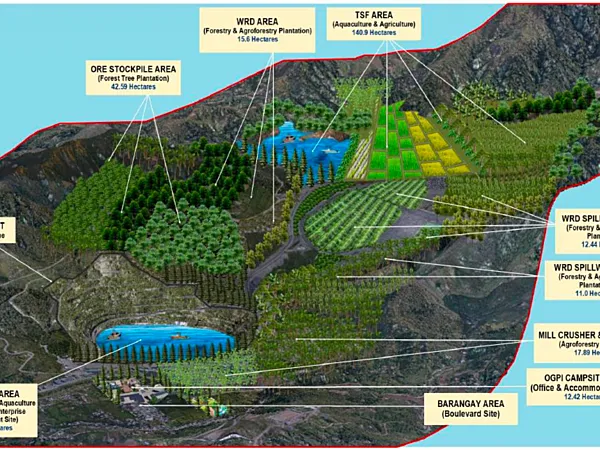
The Didipio mine has an approved mining permit area of 975 hectares, although only about 340 hectares are currently used for operations.
The company said 100 hectares have been identified for progressive rehabilitation during the mine's operating life. More than 55 hectares had already been rehabilitated as of the end of 2025, with the remaining areas to be restored in phases.
At the end of mining operations, about 221 hectares are expected to undergo final rehabilitation, while 58 hectares — including the open pit and selected camp facilities — have been identified for potential post-mining community use instead of conventional revegetation.
According to OGP, previous consultations with host communities identified agriculture, forestry, a freshwater lake and an enterprise tourism development area as possible future uses of the site. The company said these proposals will undergo further technical assessments to ensure they are safe, suitable and sustainable.
The FMRDP is reviewed every two years to reflect rehabilitation progress, changes in the mine plan, new technical information, stakeholder feedback and government requirements. The next review is scheduled for the third quarter of 2026.
"We have been part of the Didipio community for 20 years, building enduring partnerships founded on mutual respect and shared progress," Adaci-Cattiling said.
"As our operations continue in the years to come, we are already investing in rehabilitation and closure planning to help ensure positive and sustainable outcomes for the environment and our host communities well into the future," she added.
OceanaGold (Philippines), listed on the Philippine Stock Exchange under the ticker OGP, operates the Didipio gold-copper mine in Luzon under a Financial or Technical Assistance Agreement.
Emerging Power Inc. (EPI) has officially rebranded as NAC Energy Inc., a move that aligns the renewable energy business with parent company Nickel Asia Corp.'s strategy to build a diversified natural resources and energy platform by 2030.
The company said the rebranding reflects its evolution from a solar power developer into a multi-technology power generation platform as it expands beyond renewable energy to include flexible power solutions that support grid stability.
NAC Energy President and CEO Martin Antonio G. Zamora said the new brand represents more than a corporate name change.
"This rebranding is far more than a name change—it is a clear statement of who we are today and where we are heading. We are no longer just an emerging player; we have proven our capacity to execute, scale, and deliver reliable power," Zamora said.
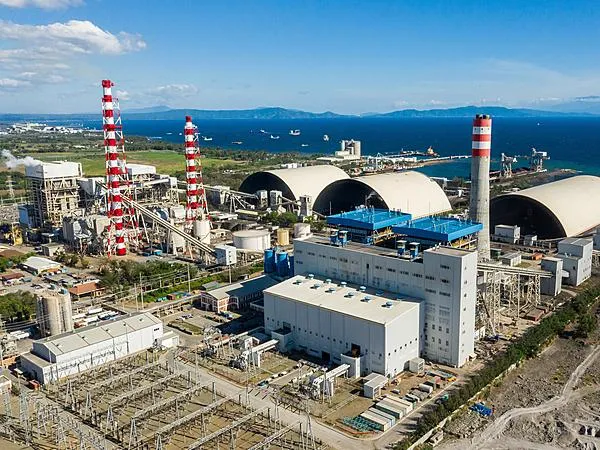
As of July 2026, NAC Energy has an operating capacity of 293 megawatt-peak (MWp), supported by the completion and energization of several utility-scale solar projects.
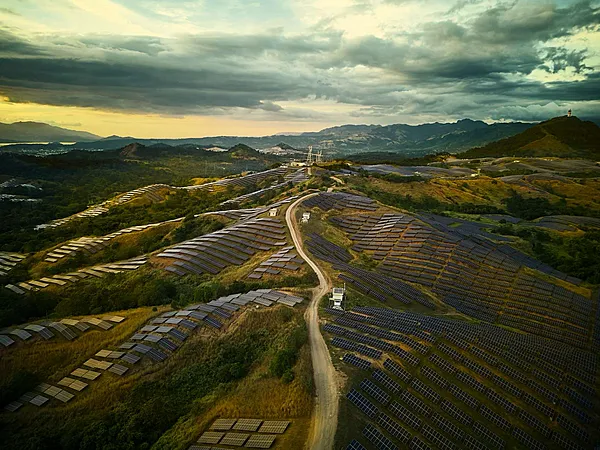
The company is developing an additional 374 MWp of solar capacity, including the 120-MWp second phase of the San Isidro Solar Power project in Leyte, the 145-MWp Subic Solar Project in Zambales, the 50-MWp Nazareno Solar Project in Bataan, and the 59-MWp Botolan Solar Project in Zambales.
Nickel Asia said the expansion of NAC Energy is a key component of its long-term strategy to diversify beyond mining while supporting the country's clean energy transition.
Although solar power remains its core business, the company said it plans to broaden its portfolio to include technologies capable of providing flexible baseload and mid-merit generation, particularly for off-grid and island communities.
"Our non-negotiable standard is simple: to deliver secure and cheaper power to the Filipino people without sacrificing our sustainability imperatives," Zamora said.
"Clean energy must walk hand-in-hand with energy security and accessibility," he added.
Nickel Asia Corp. (NAC) nearly doubled its attributable net income in the first half of 2026, driven by higher nickel ore prices, increased sales volumes and a stronger peso-dollar exchange rate.
The listed mining and natural resources company said Friday that attributable net income rose 93 percent to P4.06 billion in the January-to-June period from P2.10 billion a year earlier. Earnings before interest, taxes, depreciation and amortization (EBITDA) climbed 67 percent to P8.68 billion from P5.20 billion.
The company attributed the stronger performance to higher average ore selling prices, increased shipments from its operating mines and a favorable foreign exchange rate.
Revenue from saprolite and limonite ore sales increased 45 percent to P15.39 billion from P10.59 billion in the comparable period last year.
Nickel Asia's six operating mines sold a combined 8.65 million wet metric tons (WMT) of nickel ore in the first half, up 10 percent from 7.85 million WMT a year earlier.
The weighted average ore price rose 23 percent to $29.25 per WMT from $23.87 per WMT, while the average realized exchange rate improved 8 percent to P60.85 per US dollar from P56.47.
Ore exports reached 4.76 million WMT at an average price of $42.86 per WMT, compared with 3.92 million WMT at $38.31 per WMT in the first half of 2025.
Deliveries of limonite ore to the company's affiliated high-pressure acid leach (HPAL) plants totaled 3.88 million WMT. The average realized price increased to $8.07 per pound of payable nickel, equivalent to $12.57 per WMT, from $6.96 per pound or $9.43 per WMT a year earlier.
Meanwhile, NAC Energy Inc., the company's renewable energy unit, posted a 68-percent increase in power generation to 213,186 megawatt-hours (MWh) from 127,030 MWh after the energization of the 120-megawatt-peak (MWp) first phase of its San Isidro, Leyte solar project.
EBITDA from the renewable energy business rose 83 percent to P628 million from P343 million.
Nickel Asia said the second 120-MWp phase of the Leyte project began energization in July. Other solar developments include the Botolan, Zambales project, where testing and commissioning of the first 45-MWp phase is scheduled in the fourth quarter, and a 145-MWp solar facility in Subic, whose first phase is targeted for commissioning in the first half of 2027.
The company is also advancing a 50-MWp solar project in Nazareno, Bataan, while evaluating battery energy storage system integration for both the Subic and Bataan projects.
In mineral exploration, Cordillera Exploration Co. Inc., Nickel Asia's joint venture with Sumitomo Metal Mining Co. Ltd., completed eight drill holes totaling 3,339 meters during the second quarter at the Cordon copper-gold project in Isabela.
The company said drilling results continue to define a broad porphyry copper-gold mineralization zone at the San Luis prospect. Drilling will continue through 2026 as the venture works toward declaring mineral reserves by 2027.
Nickel Asia also said it had completed due diligence for its planned acquisition of a 20-percent interest in Kazakhstan-based East Copper Production LLP from Silk Road Resources Ltd.
The $30-million acquisition will be carried out through Singapore-based NAC Global Investments Pte. Ltd., the company's wholly owned subsidiary established to hold its overseas investments. An initial payment of $10 million has been made, with the remaining $20 million subject to closing conditions and regulatory approvals.
"The nickel supply chain has held up well despite the lingering Middle East conflict, and that resilience helped us grow even against higher oil and input costs," Nickel Asia President and CEO Martin Antonio G. Zamora said.
"We remain bullish on nickel prices. Class 1 production is slowing substantially as input costs rise, while Class 2 demand keeps growing steadily under a tightly regulated quota policy," he added.
Zamora said the company expects its renewable energy business to reach nearly 600 MW of gross operating capacity by the end of 2027 while continuing to expand its international critical minerals portfolio through NAC Global.
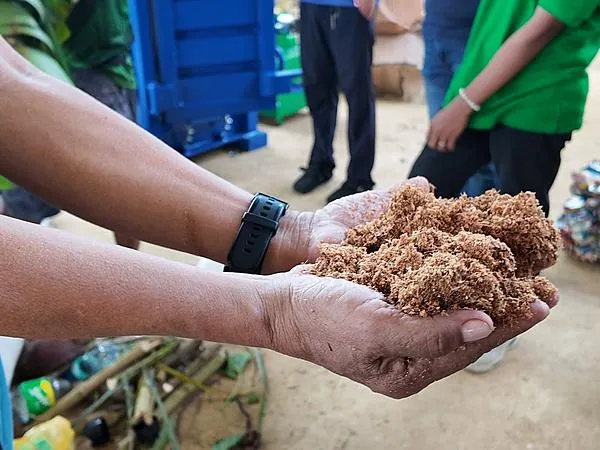
The NAC Foundation has advanced its PHP 25 million investment in sustainable waste management in Guiuan, Eastern Samar, with the delivery and successful testing of the first equipment for the Guiuan Resource Ecocycling and Extraction Network (GREEN) Facility.
The project, which covers the Municipality of Guiuan and Barangay Banaag, marks a key milestone in establishing a community-based solid waste management system designed to reduce landfill waste while creating economic opportunities through resource recovery.
Once operational, the GREEN Facility will process biodegradable waste into compost and organic fertilizer, while recyclable and non-biodegradable materials will be converted into eco-bricks and other reusable products. The initiative aims to promote a circular economy by recovering and repurposing waste materials instead of sending them to landfills.
The project is funded by the NAC Foundation, the corporate social responsibility arm of Nickel Asia Corp., one of the Philippines' largest nickel producers. The foundation supports programs focused on environmental protection, climate resilience, education, health, sustainable livelihoods and community development, with environmental initiatives ranging from watershed rehabilitation and biodiversity conservation to coastal resource management and solid waste management.
The foundation said the investment goes beyond providing infrastructure and equipment by equipping communities with practical solutions to transform waste into valuable resources. The facility is expected to reduce the volume of waste disposed of in landfills while generating livelihood opportunities through the production of compost, organic fertilizer, eco-bricks and other recycled products.
According to the foundation, the project reflects its commitment to helping local governments build cleaner and more resilient communities through sustainable, community-driven environmental solutions. By treating waste as a resource rather than a disposal problem, the initiative seeks to improve environmental outcomes while supporting local economic development.
The GREEN Facility is expected to strengthen Guiuan's solid waste management program by promoting recycling, composting and resource recovery, while encouraging more responsible consumption and waste disposal practices. The project also supports broader efforts to advance the circular economy, where materials are recovered, reused and given new value instead of being discarded.
The Mines and Geosciences Bureau (MGB) has called on the mining industry to play a greater role in helping the country prepare for the anticipated water shortages associated with the El Niño phenomenon by supporting groundwater resource development and community-based water initiatives.
The MGB, through its Mine Safety, Environment, and Social Development Division (MSESDD) and Mineral Economics, Information and Publication Division (MEIPD), in partnership with the Department of Environment and Natural Resources (DENR), held a stakeholders' forum on July 30 at the MGB Compound in Quezon City to discuss how groundwater assessment and responsible mining practices can contribute to water security during prolonged dry periods.
The forum brought together representatives from the DENR, mining companies and other stakeholders to examine strategies for improving the country's preparedness for El Niño and mitigating its impact on vulnerable communities.
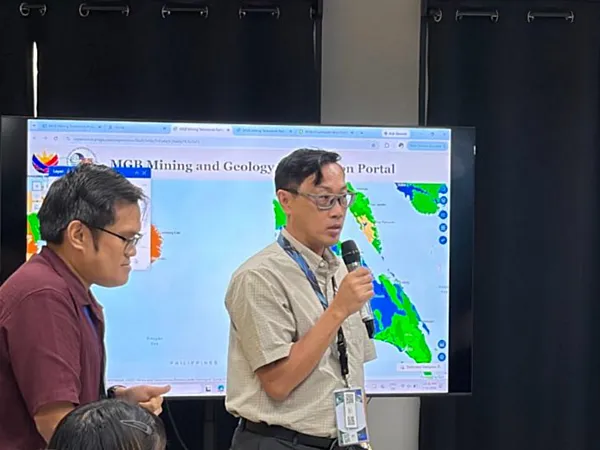
Dr. Kevin Garas, officer-in-charge of the Land Geological Survey Division and concurrent chief of the Geohazard and Engineering Geology Division, presented the MGB's National Groundwater Resource and Vulnerability Assessment Program, highlighting groundwater as a strategic alternative water source during drought conditions.
Garas cited forecasts from the Philippine Atmospheric, Geophysical and Astronomical Services Administration (PAGASA), warning that reduced rainfall associated with El Niño could adversely affect agriculture, water supply, public health and other socioeconomic sectors.
He said groundwater, when properly assessed, developed and managed, could supplement water supplies in areas facing shortages.
Garas also outlined the accomplishments of the groundwater assessment project conducted from 2015 to 2018, which involved regional-scale mapping of provinces, regions and watersheds to evaluate the country's groundwater resources. He highlighted the publication of the Groundwater Atlas of the Philippines and demonstrated the use of the MGB Mining and Geology Information Portal, which provides scientific groundwater data to national government agencies, local government units, researchers and the private sector.
The presentation was followed by discussions on groundwater sustainability, recharge capacity, water quality, permitting requirements and the potential effects of mining activities on groundwater resources.
MGB Assistant Director Dr. Karlo Queaño emphasized the importance of scientific assessments in ensuring the sustainable management and utilization of groundwater resources, providing additional insights on groundwater quality in mineralized areas and hydrogeological considerations.
DENR Undersecretary for Field Operations and Line Bureaus Joselin Marcus E. Fragada urged mining companies to become more proactive partners in disaster preparedness by implementing sustainable, community-centered initiatives that extend beyond their host communities.
Fragada also encouraged mining companies to work together to promote the industry's positive contributions through a unified communications strategy and stressed that such initiatives should deliver lasting benefits while reinforcing responsible and sustainable mining practices.
He likewise called for continued collaboration among the DENR, MGB and the mining industry to monitor progress, share best practices and strengthen partnerships.
In his closing remarks, MGB Director Larry M. Heradez thanked participants and reaffirmed the bureau's commitment to providing scientific information and technical expertise to support evidence-based policymaking and sustainable resource management.
The MGB said the forum underscores its commitment to advancing practical and science-based solutions through stronger collaboration between government and industry to promote the responsible and sustainable use of the country's geological resources.
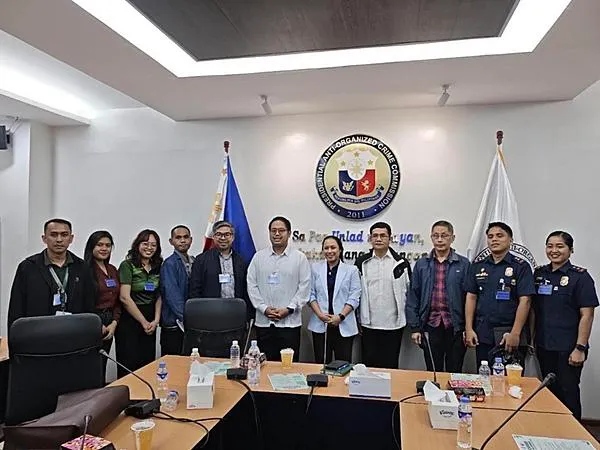
The Mines and Geosciences Bureau (MGB) has strengthened its campaign against illegal mining by enhancing coordination with law enforcement and prosecution agencies through a series of inter-agency meetings aimed at improving enforcement and intelligence-sharing.
On July 21, the MGB met with the Presidential Anti-Organized Crime Commission (PAOCC) and the National Bureau of Investigation–Environmental Crime Division (NBI-EnCD) at the PAOCC headquarters in Camp Crame, Quezon City, to discuss strategies for improving coordination in the fight against illegal mining.
The bureau held a second coordination meeting on July 23 at the same venue with representatives from the PAOCC, Philippine National Police–Criminal Investigation and Detection Group (PNP-CIDG), Department of Justice–National Prosecution Service (DOJ-NPS) and the Environmental Law Enforcement and Protection Service (ELEPS) to further strengthen inter-agency collaboration in support of the government's anti-illegal mining campaign.
The meetings focused on improving coordination among participating agencies, promoting information sharing and enhancing enforcement strategies to support the implementation of mining and environmental laws.
The agencies also reaffirmed their commitment to a whole-of-government approach through sustained cooperation in combating illegal mining and protecting the country's mineral resources.
The MGB said the initiative reflects its continuing commitment to working closely with law enforcement agencies and other government partners to uphold environmental laws, curb illegal mining activities and promote responsible and sustainable mineral development.
The Department of Environment and Natural Resources (DENR) has reassigned regional directors of the Mines and Geosciences Bureau (MGB) and designated new officers-in-charge in the agency's regional and central offices under two special orders that took effect immediately.
Under DENR Special Order No. 2026-481, Director II Glenn Marcelo Noble, formerly regional director of MGB Regional Office No. 8 (Eastern Visayas), has been reassigned as regional director of MGB Regional Office No. 3 (Central Luzon) following the mandatory retirement of Noel B. Lacadin.
Meanwhile, DENR Special Order No. 2026-480 designated Chief Science Research Specialist Marcial H. Mateo of the MGB Central Office as officer-in-charge regional director of MGB Regional Office No. 8 (Eastern Visayas), replacing Noble.
The reshuffle also resulted in changes at the MGB Central Office.
Forester Teodorico L. Marquez, formerly head of the Mine Rehabilitation Section, was designated officer-in-charge chief of the Mine Safety, Environment, and Social Development Division (MSESDD).
Meanwhile, Forester Glaiza B. Del Rosario was named officer-in-charge chief of the Mine Rehabilitation Section under the MSESDD.
The DENR said the appointments and reassignments took effect immediately under Special Order Nos. 2026-480 and 2026-481, both dated July 15, 2026.
Philex Mining Corp. returned to profitability in the second quarter of 2026, posting a consolidated net income of P392.1 million as operations at its Padcal mine normalized following the rehabilitation of its crushing facilities, while the company continued the progressive commissioning of the Silangan process plant.
The second-quarter profit marked a sharp turnaround from the P592.5-million net loss recorded in the first quarter and was more than double the P171-million net income reported in the same period last year. Core net income also improved to P492.4 million, reversing a P280.5-million core net loss in the previous quarter and exceeding the P65 million recorded a year earlier.
The listed miner attributed the improved performance to the normalization of operations at the Padcal Mill after completing the rehabilitation of its secondary and tertiary crushing plant, coupled with sustained high realized prices for gold and copper.
Net revenues more than doubled quarter on quarter to P2.42 billion from P1.08 billion, while earnings before interest, taxes, depreciation and amortization (EBITDA) reached P973.6 million, reversing from a negative P129.1 million in the first quarter. Compared with the second quarter of 2025, revenues increased 30 percent from P1.86 billion, while EBITDA nearly tripled from P325 million.
Operationally, Padcal milled 1.56 million metric tons of ore during the quarter, up 68 percent from 931,000 metric tons in the first quarter. Gold production climbed 80 percent to 4,011 ounces from 2,227 ounces, while copper output increased 81 percent to 3.388 million pounds.
Gold prices remained elevated despite easing from record levels. The company realized an average gold price of $4,136 per ounce during the quarter, down from $4,960 per ounce in the first quarter but still 65 percent higher than the $2,504 per ounce recorded in the second quarter of 2025. Average realized copper prices also strengthened to $6.23 per pound, compared with $4.53 per pound in the preceding quarter and $4.09 per pound a year earlier.
For the first six months of 2026, Philex reported a net loss of P200.4 million, reversing from a P301.4-million net income in the same period last year. The company said the loss was primarily due to unrealized foreign exchange losses arising from the revaluation of U.S. dollar-denominated loans at both the parent company and the Silangan Project following a higher exchange rate.
Despite the reported loss, core net income for the first half increased 56 percent to P211.9 million from P136.1 million a year earlier, while EBITDA rose 29 percent to P844.5 million, reflecting stronger underlying operating performance.
Looking ahead, Philex said it expects the operational momentum at Padcal to continue through the remainder of the year following the completion of the crushing plant rehabilitation, supported by elevated gold and copper prices.
The company also said the Silangan Project remains on schedule, with contractor EEI Corp. progressively turning over completed sections of the process plant to Silangan Mindanao Mining Co. Inc. (SMMCI). Together with lead consultant Ausenco Pty. Ltd., SMMCI is carrying out progressive commissioning of the facility, with completion targeted in the fourth quarter of 2026.
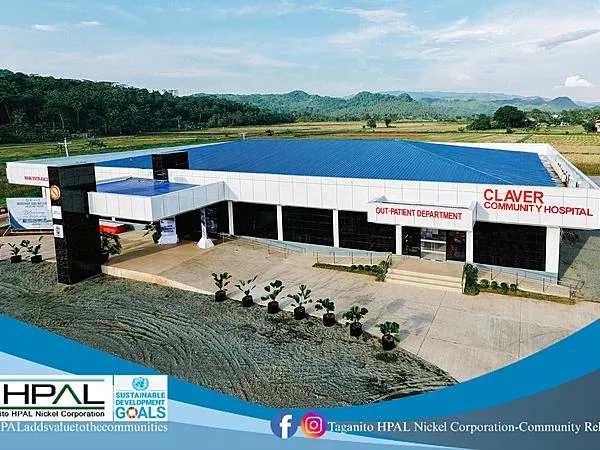
Taganito HPAL Nickel Corp. (THPAL) has turned over a P127-million community hospital to the local government of Claver, Surigao del Norte, reinforcing its investment in healthcare infrastructure for its host communities.
The Claver Community Hospital, located in Barangay Ladgaron, was formally handed over during a turnover and blessing ceremony on July 30.
THPAL President Naoki Kawai, together with Taganito Mining Corp. (TMC) Senior Vice President and Chief Operating Officer Artemio E. Valeroso, turned over the facility to Claver Mayor Georgia D. Gokiangkee.
The project was funded through THPAL's corporate social responsibility (CSR) program, which contributed P117 million, and an additional P10 million from the company's Social Development and Management Program (SDMP), bringing the total investment to P127 million.
According to THPAL, the hospital aims to strengthen healthcare services and improve access to medical care for residents of Claver and neighboring communities.
The turnover ceremony was attended by Surigao del Norte Gov. Robert Lyndon S. Barbers, Vice Gov. Geed Gokiangkee, Doreen Barbers representing Rep. Bernadette S. Barbers, Department of Health-Caraga Regional Director Dr. Anna Marie Celina G. Garfin, Mines and Geosciences Bureau-Caraga Regional Director Engr. Francis Glenn N. Suante, Police Col. Warren E. Dablo, representatives from the Department of Labor and Employment, Vice Mayor Leah D. Patan, members of the Sangguniang Bayan and Sangguniang Panlalawigan, Liga ng mga Barangay officials, barangay leaders and other stakeholders.
THPAL said the new hospital represents a long-term investment in community welfare and demonstrates the value of collaboration between the private sector and government in expanding public health services.
The company said it remains committed to supporting programs and infrastructure that improve the well-being of its host communities as the hospital prepares for full operations.
Lepanto Consolidated Mining Co. and its subsidiary Far Southeast Gold Resources Inc. (FSGRI) have signed a memorandum of agreement (MOA) with the Indigenous Cultural Communities/Indigenous Peoples (ICCs/IPs) of the Mankayan Ancestral Domain, marking a key step toward the renewal of Mineral Production Sharing Agreement (MPSA) No. 001-90-CAR.
The agreement signifies the granting of the Free and Prior Informed Consent (FPIC) by the host ICCs/IPs for the renewal of MPSA 001, which covers the companies' mining operations in Mankayan, Benguet.
The MOA will take effect upon the issuance of a Certification Precondition by the National Commission on Indigenous Peoples (NCIP), a requirement before the renewal application can proceed with the Mines and Geosciences Bureau (MGB).
According to Lepanto, the agreement reflects the parties' longstanding relationship, the expected duration of the Far Southeast Project's development phase, and the host communities' intention to maximize benefits from the mining operations.
The agreement will remain in force for 25 years.
Under the MOA, the host ICCs/IPs will receive a monthly royalty equivalent to 1 percent of the mine's gross output, in accordance with existing laws. The companies also committed a one-time P110-million payment for community development projects, including the construction of an indigenous peoples' building.
The signed agreement will be submitted to the NCIP for approval. Once the agency issues the required Certification Precondition, the document will be forwarded to the MGB as part of the MPSA renewal process.
Lepanto was represented in the signing by Vice President for Human Resources, Training and Administration Knestor Jose Y. Godino and Finance Group Manager Charisma S. Pascua.
FSGRI was represented by Vice President Pablo T. Ayson Jr. and Assistant Corporate Secretary Odette A. Javier.
Representing the host ICCs/IPs were Chief Spokespersons Cesar R. Pasiwen, incumbent mayor of Mankayan, Benguet, and former mayor Atty. Frenzel A. Ayong, together with elected elders and leaders from the municipality's barangays.
The signing ceremony was witnessed by local government officials from Mankayan, the NCIP FPIC team headed by Engr. Allan Allatis, and Mines and Geosciences Bureau–Cordillera Administrative Region officials led by Engr. Virginia Briones.
The renewal of MPSA 001 is considered a significant milestone for Lepanto and FSGRI as they advance the Far Southeast Project, one of the country's major undeveloped copper-gold prospects, while maintaining compliance with indigenous peoples' rights and regulatory requirements.
Follow on LinkedIn:
Philippine Resources Journal
Be the "First" to get our exclusive Digital Magazine & Weekly Newsletter.