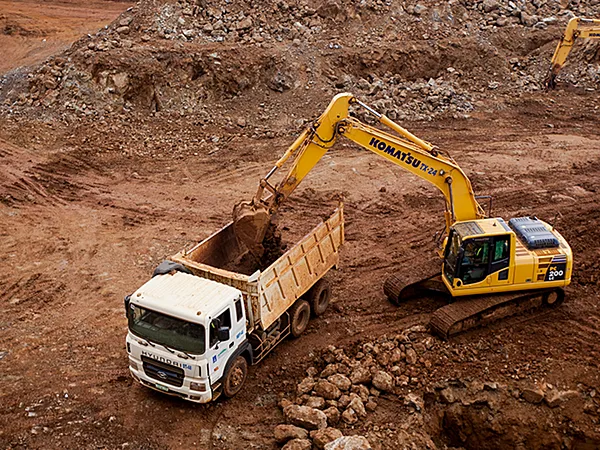
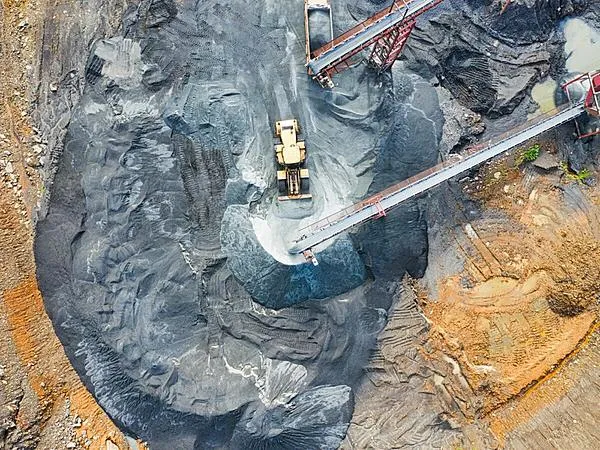
DMCI Mining Corp. is supporting the Philippine government's new critical minerals policy framework as the company advances mine rehabilitation in Palawan and expands exploration and production activities.
DMCI Mining president and chief operating officer Tulsi Das Reyes said President Ferdinand R. Marcos Jr.'s issuance of Executive Order No. 122, establishing a National Policy Framework for the Critical Minerals Industry, could further support growth in the country's mining sector.
“That means they find the mining industry important. They find that we can add value to the country. They find that we can add value to other countries,” Reyes said in a recent briefing. He said the company welcomed the government's recognition of mining as an indicator of development.
Issued in August, EO 122 establishes a framework covering the critical minerals value chain, from exploration and utilization to value addition, mineral processing and manufacturing. It also seeks to attract investment by accelerating the privatization of government-owned mining assets, streamlining and digitizing permitting, and providing incentives for critical minerals processing and downstream industries.
The order also provides for a virtual one-stop shop for mining permits, which Reyes said could help address inefficiencies in the permitting process.
“Hopefully those things will streamline processes where they find maybe not gaps, but things that they can help streamline,” he said.
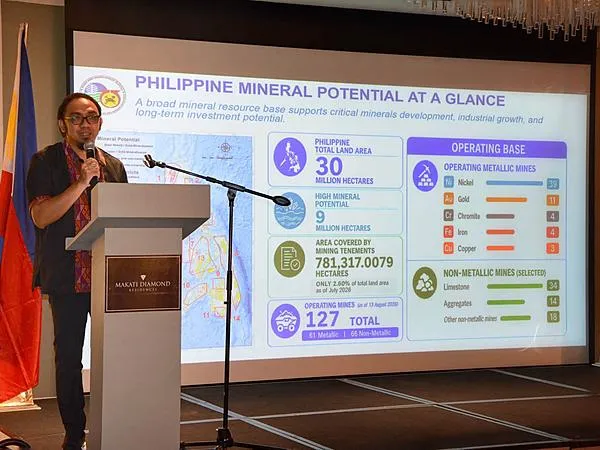
The Department of Environment and Natural Resources, through the Mines and Geosciences Bureau, is tasked with issuing the Philippine Critical Minerals List and leading exploration of prospective areas covering about 9 million hectares of mineralized land to identify and declare Critical Mineral Reservations and expand the country's critical minerals resource inventory.
Reyes said minerals including copper, gold, nickel and iron ore could be prominent under the emerging critical minerals framework, particularly given geopolitical considerations and demand from battery-related industries.
“Anything for the battery space, nickel will have to be on that list, and iron ore,” Reyes said, adding that the Philippines has significant resources that could support greater participation in the global minerals market.
He acknowledged, however, that the Philippines faces stiff competition from Indonesia, which has greater production volumes, higher grades and significantly larger operating scale.
“It's hard to compete with what Indonesia is doing right now,” Reyes said. “But it does not mean to say that the Philippines cannot play more in the space that we have.”
Berong rehabilitation reaches 100 hectares
DMCI's support for the government's policy comes as its Berong Nickel Corp. subsidiary continues rehabilitation of the Berong mine in Quezon, Palawan.
DMCI Mining has spent PHP168.3 million on final mine rehabilitation from June 2022 through August 2026. Of the 137 hectares previously used for mining within the mine's 288-hectare MPSA area, 100 hectares have now been rehabilitated.
BNC began implementing its six-year Final Mine Rehabilitation and Decommissioning Plan in 2022 and expects to complete the program next year, after which the rehabilitated area will be formally turned over to the government.
The company has planted 352,000 seedlings and produced more than 497,000 seedlings in its nurseries, exceeding its rehabilitation targets. At least another 150,000 trees are expected to be planted before the program ends.
Reyes said the company is ahead of schedule and is working closely with the local government and DENR on compliance.
“We want to make sure we do a fantastic job. This will be the first nickel mine site turned over to the government. So we want to excel,” he said.
Production remains on track
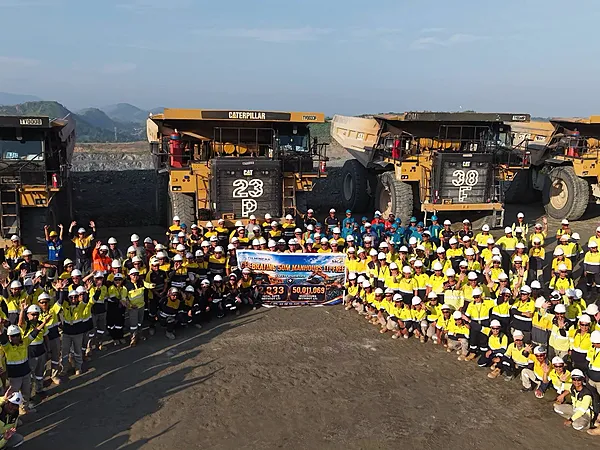
DMCI Mining is also approaching its 3 million wet metric ton production target for 2026, supported by shipments from its Palawan and Zambales operations.
Reyes said the company had shipped 1 million tons from Palawan in three months, while its Zambales operations had reached 1.6 million tons for the year as of early September.
DMCI Mining operates two mines in Santa Cruz, Zambales, through Zambales Diversified Metals Corp. and Zambales Chromite Mining Co. In Palawan, BNC also holds a 2,177.34-hectare MPSA for its Long Point mine in Aborlan, granting it exclusive rights to explore, develop and utilize mineral resources within the contract area.
Reyes said DMCI plans to continue exploring its Long Point assets and surrounding areas as it seeks to expand its mining operations.
The International Labour Organization (ILO) has launched a project aimed at strengthening labor governance and promoting responsible and sustainable nickel supply chains in the Philippines.
The ILO, together with government agencies, employers' and workers' organizations, mining companies, industry groups, development partners and civil society organizations, held the inception workshop for the Responsible, Inclusive and Sustainable Nickel Supply Chains (RISSC-Nickel) Project on Sept. 2 in Makati City.
The project brings together stakeholders from the Department of Labor and Employment (DOLE), Department of Environment and Natural Resources-Mines and Geosciences Bureau (DENR-MGB), Department of Trade and Industry-Board of Investments (DTI-BOI) and the Philippine Extractive Industries Transparency Initiative (PH-EITI), along with mining enterprises, labor groups and academia.
Funded by the Government of Japan, the project seeks to strengthen labor governance, promote responsible business conduct and advance decent work across the Philippine nickel industry.
The ILO said the sector is becoming increasingly important to global supply chains and the clean energy transition.
Participants at the workshop identified opportunities to strengthen labor rights, occupational safety and health, human rights due diligence and supply chain transparency.
They also reaffirmed the need to ensure that growth in the nickel industry benefits workers, businesses, communities and the environment.
The event was organized in collaboration with the ILO-Canada FOA-CL Project, ILO-Canada PRIME Project and ILO-EU Trade for Decent Work Project.
The initiative comes as the Philippines seeks to strengthen its role in global mineral supply chains, with responsible production and labor standards becoming increasingly important to international markets and companies seeking secure supplies of critical minerals.
Celsius Resources Ltd. said Equinaire Holdings Ltd. won a public auction for the Australian-listed company's 40-percent interest in Makilala Mining Company Inc. (MMCI), but stressed that the foreclosure sale remains subject to pending arbitration.
In an announcement dated Sept. 9, Celsius said Equinaire, a wholly owned subsidiary of Kiri Industries Ltd., conducted the auction on Sept. 8 for shares in MMCI held by Celsius subsidiary Makilala Holding Ltd. (MHL) and pledged as collateral under an Omnibus Loan and Security Agreement.
Equinaire submitted a $5.01 million credit bid and was declared the winning bidder after no other registered bidders attended and no competing bids were received, Celsius said.
Representatives of MHL attended the auction and put on record that the results of the foreclosure sale remain subject to the final determination of pending arbitration between MHL and Equinaire.
The dispute stems from Equinaire's purported assignment of the OLSA from Maharlika Investment Corp. to Equinaire. Celsius said Equinaire had issued notices alleging several events of default, including MHL's notice of relinquishment involving Sodor Inc., information-security incidents involving MMCI and MHL's efforts to obtain a Temporary Order of Protection from the Regional Trial Court of Makati.
Celsius said it disputes the occurrence and continuance of any event of default under the OLSA, as well as Equinaire's capacity to initiate foreclosure proceedings and sell MHL's interest in MMCI.
The company also maintains that the alleged defaults do not arise from the facts and, in any event, do not meet the contractual conditions required before enforcement rights can be exercised. Celsius said the alleged defaults should be referred to arbitration under the OLSA's dispute-resolution provisions.
The company said Equinaire would need to obtain a Certificate Authorizing Registration, or tax clearance, from the Bureau of Internal Revenue before it could register the transfer of MMCI shares with the Securities and Exchange Commission.
Celsius said the tax-clearance process typically takes at least 27 working days, or about six to eight weeks, giving it additional time to seek legal protection through a motion for reconsideration, a possible appeal to the Court of Appeals and interim arbitration orders.
Celsius said it intends to file a motion for reconsideration with the court. If unsuccessful, it plans to appeal to the Court of Appeals and, if necessary, the Supreme Court.
The company also said it would pursue arbitration to seek an injunction concerning the transfer of MMCI shares, challenge the alleged events of default and pursue damages against Equinaire.
Celsius said it would provide further updates in accordance with its continuous disclosure obligations.
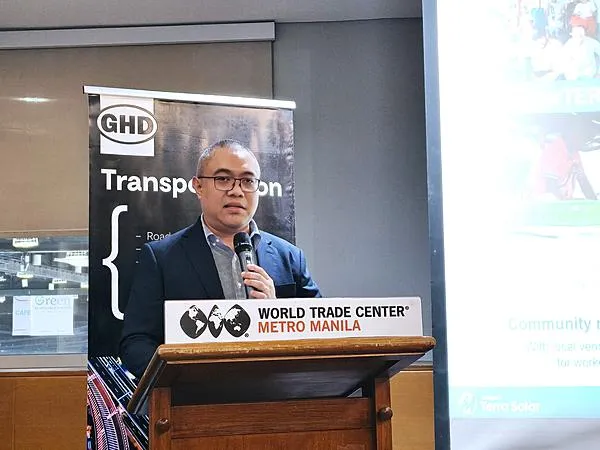
During the PhilEnergy Expo 2026, Meralco’s Head of Sustainability and Coms, Atty. Christer A. Gaudiano, introduced Meralco PowerGen Corporation (MGEN)’s Terra Solar and discussed the milestones of the project.
He was one of the five guest speakers at The PICC Energy Leadership Forum on June 26, 2026, held at World Trade Center, Pasay City. The forum was hosted by Philippine Infrastructure & Construction Club (PICC) in partnership with PhilEnergy. The forum’s theme is “Accelerating Green Resilience: Powering the Next Decade of Philippine Energy Security”.
The PICC Energy Leadership Forum was held on the final day of the PhilEnergy Expo 2026--a comprehensive 3-day energy trade event that centers on advancing clean energy, sustainable power technologies, and national energy security.
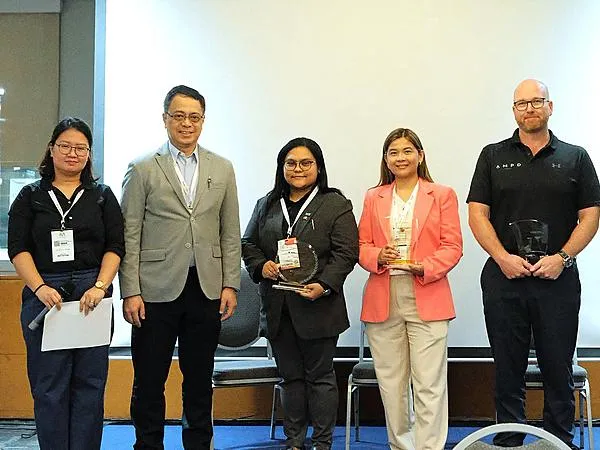
During the PMEA Monthly Membership Meeting on July 6, 2026, the winner of the First PMEA Best Undergraduate Thesis Award was honored. The 2026 Best Undergraduate Thesis Award Winner is Moreen Ashlei Lacsamana for her thesis "Ore and Alteration Paragenesis of the Guinaoang Porphyry Copper-Gold Stockwork Mineralization” at Mankayan Mineral District, Benguet, Philippines. Her Thesis Adviser is Dr. Jill Gabo-Ratio.
The Philippine mining industry continues to play a vital role in the country’s economic growth by supplying nickel, copper, gold, limestone, and other essential minerals for domestic manufacturing and export markets.
However, the harsh operating conditions inside mines and mineral processing plants subject equipment to continuous abrasion, corrosion, impact, and chemical attack. Without effective maintenance strategies, these conditions lead to premature equipment failure, costly production interruptions, and escalating maintenance costs.
Belzona has been providing advanced composite repair materials and protective coatings to the global mining industry since the 1950s. Its cold-applied polymer technologies enable mining companies to repair, rebuild, and protect critical assets in situ without welding or equipment replacement, helping reduce downtime while extending equipment service life.
Long-Term Abrasion Protection for Pumps, Hoppers, Chutes
One of the most common maintenance problems in mineral processing plants is abrasion caused by the continuous movement of highly abrasive ores and slurries. Slurry pumps, hoppers, chutes, hydrocyclones, pipe elbows, and transfer points experience constant wear that gradually reduces wall thickness, decreases efficiency, and eventually causes equipment failure.
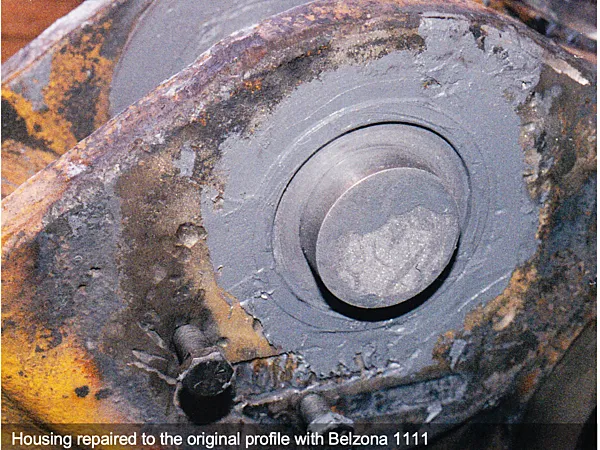
Belzona’s abrasion-resistant ceramic lining systems, particularly Belzona 1812 (Ceramic Carbide FP), are specifically designed to combat these severe wear conditions. The material forms a seamless, cold-applied protective lining that absorbs the effects of abrasion while eliminating the need for welding or hot work. Ceramic-filled composite systems can also be combined with alumina tile linings to provide even greater resistance in high-impact applications such as ore chutes, hoppers, and transfer points.
For mining companies, the benefits extend beyond equipment protection. Longer service intervals, reduced replacement costs, fewer shutdowns, and safer maintenance practices translate directly into improved plant reliability and lower lifecycle costs.
Rapid Emergency Repair of Conveyor Belts
Conveyor systems are the lifeline of every mining operation, transporting thousands of tonnes of ore every day. Damage caused by impact, tears, cuts, or punctures can immediately disrupt production and result in substantial financial losses.
Belzona’s rapid-curing elastomer technology, including Belzona 2311, allows damaged conveyor belts to be repaired quickly on-site without dismantling or hot vulcanisation. The elastomer bonds strongly to rubber while maintaining excellent flexibility, tear resistance, and abrasion resistance under demanding operating conditions. These same materials are also used for repairing heavy-duty mining tyres, rubber linings, and other elastomeric components.
The ability to complete emergency repairs within hours instead of waiting days for replacement belts helps maintenance teams minimise downtime and maintain production schedules, particularly at remote mining operations where replacement parts may not be immediately available.
Corrosion Protection for Mineral Processing Facilities
While abrasion dominates solids handling, corrosion presents another major maintenance challenge throughout mineral processing plants. Flotation cells, thickeners, process tanks, containment areas, and steel structures are continuously exposed to water, acids, alkalis, and aggressive process chemicals that accelerate deterioration.
Belzona’s range of epoxy repair composites and corrosion-resistant coatings provides long-term protection for both steel and concrete assets. These solvent-free coatings create seamless protective barriers that resist chemical attack while preventing under-film corrosion. By protecting flotation cells, process tanks, sumps, and containment structures from aggressive process environments, Belzona helps extend equipment life, improve plant reliability, and reduce maintenance frequency.
Investing in Reliability
As Philippine mining companies continue to improve productivity while controlling operating costs, maintenance strategies increasingly focus on extending asset life rather than replacing equipment. Belzona’s integrated approach—combining abrasion-resistant linings, rapid rubber repair systems, and advanced corrosion protection—provides practical solutions that reduce downtime, improve safety, and maximise the return on maintenance investment.
With local technical support provided by Wise Industrial Systems, Inc., the authorised Belzona distributor in the Philippines, mining companies have access to globally proven technologies backed by local engineering expertise. By protecting critical equipment from abrasion, wear, and corrosion, Belzona enables mining operations to maintain reliable production and achieve more sustainable long-term asset performance.
The Best Work Often Happens Beneath the Surface
When people see a mine, a dam, a renewable energy project, or major infrastructure taking shape, they see the finished result. What they often don't see is the groundwork that made it possible. Long before construction begins, critical decisions are guided by the information gathered beneath the surface, helping project teams understand risks, plan effectively, and build with confidence.
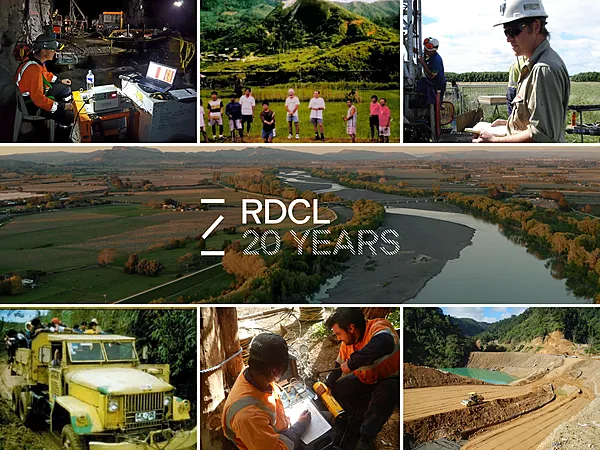
For the past 20 years, RDCL has been doing that groundwork, helping clients better understand the land they work on while providing the technical expertise and reliable data needed to support safer and more successful projects. At its core, RDCL's work has always been about more than investigations and drilling. It has been about building trusted partnerships, respecting the communities and environments in which we operate, and helping create positive outcomes for future generations.
Growing with the Philippine Mining Industry
RDCL's journey began through the involvement of Australian and New Zealand specialists supporting the growth of the Philippine mining industry. Through participation in some of the country's early mining developments, the company gained valuable experience and built a reputation for delivering reliable geotechnical solutions in challenging environments. These early projects laid the foundation for RDCL's commitment to quality, innovation, and providing clients with the information needed to make confident decisions.
As the industry evolved, RDCL grew alongside it. Establishing a strong local presence in the Philippines allowed the company to expand its team, strengthen client relationships, and develop capabilities that addressed increasingly complex project requirements. Over the past two decades, RDCL has remained a trusted partner to the mining sector, adapting to changing industry needs while continuing to deliver practical solutions, dependable data, and technical expertise that contribute to safer and more successful projects.
Taking on Bigger Challenges
How RDCL Reduces Tailings Risk - Turning Ground Data into Certainty
Tailings dam failures remain one of the mining industry's most serious risks - engineered structures are exposed to catastrophic failure when subsurface conditions aren't fully understood. In seismically active regions like the Philippines, the stakes are even higher, with dams needing to stay stable for decades after mine closure.
In one project, the client was investigating the residual seismic risk for their tailings structure, to decide whether further lifts were feasible. RDCL undertook deep CPT to 70m to understand the construction history and residual risk of the structure. This baseline data was used in conjunction with pressuremeter and MASW data to allow the client to make and risk informed decision on future expansion.
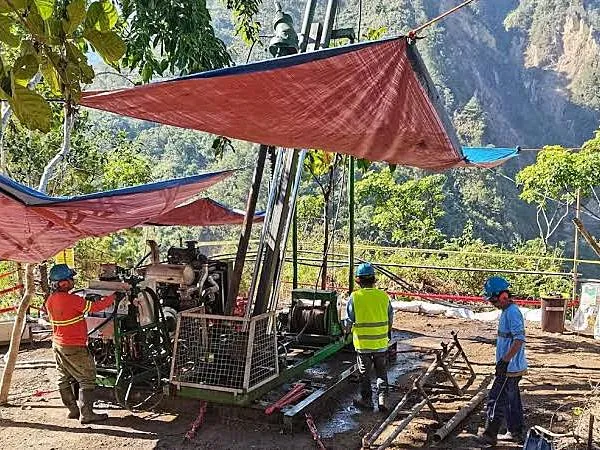
In a recent project, RDCL supported the Client’s geotechnical investigation of an existing and proposed TSF site. By integrating more than 8 kilometres of surface geophysics (SRT, MASW and ERT) with 20 CPTs, 30 undisturbed samples and 40 field vane tests, RDCL established a comprehensive understanding of subsurface conditions across the site. This integrated approach helped reduce uncertainty in the ground and provided critical evidence to support the Client in evaluating options, and make informed decisions on the best path forward, ultimately minimising project risk.
The overall impact: reducing ground uncertainty, giving the Client greater confidence in managing critical geotechnical risks, and helping protect people, the environment, and operations.
Lessons from 20 Years
Twenty years in the field have taught us that industries never stand still. Expectations around safety, environmental responsibility, and project performance continue to evolve, while projects have become increasingly complex. Through these changes, RDCL has adapted by embracing new technologies, refining investigation methods, and continuously developing the expertise of its people. Perhaps the most important lesson learned is that good decisions begin with good information. Whether supporting mining operations, infrastructure developments, or future renewable energy projects, RDCL remains committed to providing reliable insights that help clients manage risk, make informed decisions, and build with confidence.
RDCL's success has been built on teamwork, strong relationships, and a culture that values safety, accountability, and care for both people and the environment. These principles continue to guide how the company works with clients, partners, suppliers, and communities.
Continuing the Groundwork for Future Generations
As industries continue to evolve, RDCL remains committed to the same purpose that has guided the company for the last twenty years: helping clients understand what lies beneath the surface so they can confidently build what comes next.
We work in partnership with you - identifying risks early, delivering practical geotechnical and geophysical solutions, and providing the reliable subsurface data that supports better-informed decisions at every stage of your project's life cycle.
Don't leave your next project's success to chance. Talk to RDCL today. We look forward to continuing the groundwork for future generations, together.
Supportive government policy has lifted confidence across the Philippine mining sector with the industry now entering a growth phase. With momentum building across the industry, operators have the certainty to invest in new projects and upgrade existing infrastructure. This means equipment suppliers need to have stock and parts to back the uptick in mining needs.
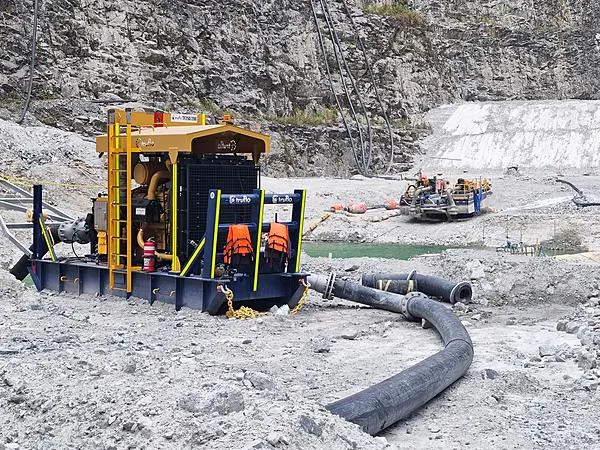
Truflo Pumps has supplied dewatering pumps to Philippine mine sites for more than ten years. That history matters. Dewatering is an ongoing challenge that changes with every metre a mine goes deeper, or every wet season that tests a site's water management plan. Longevity in a market like the Philippines has been earned through pumps that keep running no matter how harsh the conditions.
While Truflo Pumps has over a decade of experience in the Philippines, this has been strengthened by the recent appointment of Power Systems Inc. as an official agent. This has given Philippine mining operators a direct line to sales, after-market support and critical parts, without the delays that come with sourcing internationally. Power Systems Inc stocks the parts that matter most, so a pump issue on site doesn’t turn into a production delay while components make their way from overseas suppliers.
The result has been a steady rise in Truflo Pumps units across both open cut and underground operations, with the brand fast becoming a preferred supplier for dewatering across the Philippine mining sector.
Behind that growth is a genuinely hands-on relationship. Truflo Pumps' international business development manager, Paul Power, works alongside the Power Systems Inc team on regular site visits, commissioning new pumps, training operators and troubleshooting dewatering challenges as they arise. It is this combination of local stock and international engineering support that operators have responded to.
Power says: “Truflo Pumps’ years of experience in dewatering systems really sets us apart. Between the extreme weather and the rugged terrain here, off-the-shelf solutions rarely cut it. We focus on engineering solutions that work out in the field, not just in a shiny brochure. This is backed up by our network of local distributors, like Power Systems.”
For mine planners managing dewatering across open cut and underground operations, the combination of proven equipment, local parts availability and direct manufacturer support is increasingly the deciding factor when choosing a supplier. Truflo Pumps' growing footprint in the Philippines reflects a broader pattern across its international agent network, where the same model, local stock, local service, backed by Australian engineering, is being replicated in global markets including South America, Africa, Oceania and the Middle East.
As the Philippine mining sector continues to grow, Truflo Pumps and Power Systems Inc are ready to grow with it, backed by more than a decade of pumps proving themselves on Philippine sites, and a local partner able to keep them serviced, up and running.
Truflo Pumps. Dewatering around the world.
From SONA 2026, to Pax Silica, and global nickel market, the Chamber of Mines shared its viewpoint and recommend solutions for the challenges that the Philippine mining industry are currently facing.
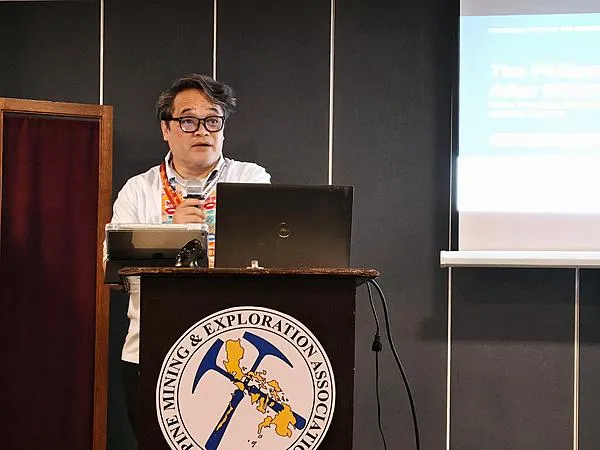
On August 3, 2026, Atty. Ronald Recidoro was the keynote speaker at the Philippine Mining and Exploration Association (PMEA) Monthly Membership Meeting. He is the Executive Director of the Chamber of Mines of the Philippines.
On his presentation titled "The Philippine Mineral Industry After SONA 2026: Policy Direction, Global Market Conditions, and the Case for a National Critical Mineral Strategy", the discussion was divided into four parts, namely:
The Philippines is shifting its mineral strategy from raw ore exports toward domestic processing, value addition and downstream manufacturing under Executive Order No. 122, which establishes a national policy framework for the critical minerals industry.
Issued in August 2026, EO 122 provides a framework covering the critical minerals value chain, from exploration and resource development to mineral processing, value addition and manufacturing. The policy is intended to position the Philippines more deeply in global clean technology and advanced manufacturing supply chains.
The Mines and Geosciences Bureau (MGB), the Department of Environment and Natural Resources’ primary technical and regulatory agency for mineral resources, has been tasked with implementing key provisions of the order.
Under the framework, the DENR through the MGB will issue the Philippine Critical Minerals List, which will guide implementation of the policy. The MGB will also lead the exploration of prospective areas across about 9 million hectares of mineralized land to identify and declare Critical Mineral Reservations and expand the country’s critical minerals resource inventory.
EO 122 also seeks to attract investment by accelerating the privatization of government-owned mining assets, streamlining and digitizing permitting processes, and providing incentives for critical minerals processing and downstream industries.
From extraction to value addition
The policy marks a shift in the government’s approach to mineral resource development, with greater emphasis on retaining more value from the country’s mineral resources through domestic processing and manufacturing.
Rather than focusing primarily on the extraction and export of raw ores, the framework seeks to develop industries further along the value chain. This includes mineral refining, processing and the manufacture of products that can feed into global clean energy and advanced technology supply chains.
For the MGB, the shift will require a more proactive approach to resource management across its central and regional offices, including stronger use of geological data and resource assessments to identify areas with critical mineral potential.
The policy also strengthens the government’s implementation of the “Use It or Lose It” approach to mineral tenements.
The MGB is directed to undertake systematic audits of existing Mineral Production Sharing Agreements and Exploration Permits. Non-performing permits could face administrative cancellation, with areas subsequently assessed for possible declaration as mineral reservations and opened for disposition to other investors.
Stronger ESG requirements
The expansion of critical minerals development will also come with increased environmental and social governance responsibilities.
The MGB is expected to align existing Environmental Protection and Enhancement Programs and Social Development and Management Programs with international standards, while strengthening field monitoring and ESG reporting requirements.
The objective is to ensure that the expansion of downstream mineral industries is accompanied by environmental safeguards and social development measures.
Whole-of-government approach
EO 122 also calls for closer coordination among government agencies through the reorganization of the Mining Industry Coordinating Council.
The council will be tasked with submitting regular production reports to the President, evaluating national valuation frameworks for indigenous consent negotiations, and establishing ESG and responsible sourcing standards for the industry.
The framework therefore places critical minerals development within a broader government strategy rather than treating it solely as a mining-sector initiative.
The policy comes as governments and industries globally seek secure supplies of minerals needed for clean energy, advanced manufacturing and other strategic technologies. For the Philippines, the framework aims to leverage the country’s mineral resource base while developing more domestic economic activity around those resources.
For the MGB, EO 122 expands its role beyond conventional regulatory and permitting functions toward resource assessment, investment facilitation, enforcement, environmental oversight and long-term mineral resource planning.
The government’s implementation of the framework will determine how effectively the Philippines can translate its mineral endowment into domestic processing capacity, manufacturing activity and participation in global critical minerals supply chains.
The value of the Philippines’ metallic mineral production rose 41.4 percent to P202.18 billion in the first half of 2026 from P142.99 billion a year earlier, driven by higher production values across most major mineral commodities, government data showed.
The Department of Environment and Natural Resources data showed that production value increased despite mixed movements in output, with gold, silver, nickel, chromite and copper contributing to the overall performance.
Gold remained a major contributor, with estimated production value increasing 42.4 percent to P114.50 billion from P80.43 billion in the first half of 2025. Gold output, however, declined 12.5 percent to 12,771 kilograms from 14,604 kilograms.
The increase in gold value came as several major operations posted higher estimated production values. The Masbate Gold Project, operated by Filminera Mining Corp. and Philippine Gold Processing & Refining Corp., recorded P28.72 billion, up 68.1 percent from P17.08 billion a year earlier.
Nickel drives growth
Nickel recorded one of the strongest gains in production value during the period, with direct-shipping ore output reaching 19.24 million dry metric tons, up 25.6 percent from 15.32 million DMT in the first half of 2025.
The estimated value of nickel direct-shipping ore increased 47.5 percent to P42.18 billion from P28.59 billion. Nickel content of the ore rose 17.2 percent to 202,983 tons from 173,125 tons.
Among individual operations, the Ipilan Nickel Project in Palawan posted a 202.4-percent increase in ore output to 828,227 DMT, while its production value more than tripled to P3.91 billion. Rio Tuba Nickel Mining's output rose 76.9 percent to 2.49 million DMT, with production value increasing 31.4 percent to P4.95 billion.
In Zambales, the Sta. Cruz mining operations also posted significant increases. Benguet Resources Management Corp.'s nickel ore production more than doubled to 446,863 DMT, while Eramen Minerals Inc. produced 745,856 DMT, up 79 percent from a year earlier.
Silver, copper and chromite
Silver production value rose 77.4 percent to P2.48 billion from P1.40 billion, even as output declined 22.8 percent to 18,607 kilograms.
The Masbate Gold Project recorded silver production of 3,186 kilograms, up 26.2 percent, while its estimated production value increased 206.5 percent to P465.77 million. Apex Mining Co. Inc.'s Maco operation also recorded a 141.1-percent increase in silver production value to P739.53 million.
Copper concentrate production was broadly stable at 120,586 DMT, compared with 120,389 DMT in the first half of 2025. Its estimated production value rose 1.4 percent to P13.85 billion.
Copper content of concentrate, however, fell 6.2 percent to 22,710 metric tons from 24,214 MT. Carmen Copper Corp.'s Lutopan mining area posted a sharp increase in concentrate production, while its Carmen mining area also increased output by 13.2 percent.
Chromite production increased 20.5 percent to 58,614 DMT, while its estimated value rose 44.1 percent to P871.14 million. The increase was led by the Taganito HPAL Project, which reported 39,299 DMT of chromite output, up 55.3 percent.
Iron ore was the notable major commodity to post declines. Production fell 47.5 percent to 40,109 DMT, while estimated production value dropped 46.8 percent to P132.30 million.
Nickel processing expands
Production of mixed nickel-cobalt sulfide reached 37,711 DMT, down 2.1 percent from 38,515 DMT, but its estimated value rose 55.2 percent to P27.96 billion.
The Taganito HPAL Project's mixed sulfide output increased 4.8 percent to 24,819 DMT, with production value rising 77.7 percent to P19.42 billion. Coral Bay Nickel Corp. recorded a 13.1-percent decline in output but a 20.5-percent increase in production value.
Scandium oxalate recorded the largest percentage increase among the commodities listed, with production surging 417 percent to 12,512 dry kilograms from 2,420 dry kilograms. Its estimated production value jumped 448.8 percent to P219.04 million. The entire reported production came from Taganito HPAL.
Overall, the first-half figures indicate that higher mineral prices and changes in the output mix significantly lifted the industry's production value, even where physical production declined. The four-page production report covers gold, silver, copper, chromite, iron ore, mixed nickel-cobalt sulfide, scandium oxalate and nickel direct-shipping ore.
PhilEnergy Expo 2026, a comprehensive 3-day energy trade event, was held from June 24 to 26, 2026 at the World Trade Center, Pasay City. The event focused on advancing clean energy, sustainable power technologies, and national energy security, with the theme “Shaping the Philippine Energy Sector for a Sustainable Future”.
The Mines and Geosciences Bureau (MGB) has launched a three-day national deputation and capacity-building workshop for Deputy Environment and Natural Resources Officers (DENROs) for Mines as part of efforts to strengthen the government's enforcement against illegal mining.
According to a press release from the MGB's Mining Technology Division, the workshop began Aug. 25 at The Hive Hotel in Quezon City and will run until Aug. 27, 2026.
The activity aims to enhance the capabilities of personnel who will be deputized as DENROs for Mines and strengthen coordination among law enforcement agencies, DENR offices and attached agencies involved in mining law enforcement.
The MGB said the workshop covers the enforcement of mining laws and regulations, identification and documentation of illegal mining activities, proper enforcement procedures and inter-agency coordination.
Strengthening enforcement
The training is intended to provide participants with the knowledge and skills needed to support the government's response to illegal mining activities.
The first day was attended by 75 participants in person and 41 online, representing various government agencies and offices involved in enforcing mining and environmental laws, the Mining Technology Division said.
The bureau said the workshop would help improve the government's collective enforcement response by promoting closer coordination among agencies responsible for implementing mining and environmental regulations.
The deputation and capacity-building programme forms part of the MGB's continuing efforts to strengthen enforcement capabilities and inter-agency collaboration in addressing illegal mining.
Responsible mineral development
The MGB said the activity also supports its commitment to promoting responsible and lawful mineral resource development in the Philippines.
By enhancing the capabilities of DENROs for Mines and strengthening coordination among government agencies, the bureau aims to ensure more effective enforcement of mining laws and regulations while supporting the lawful development of the country's mineral resources.
The information was provided in a press release issued by the Mining Technology Division of the Mines and Geosciences Bureau.
The Philippine Nickel Industry Association (PNIA) said President Ferdinand Marcos Jr.’s Executive Order 122 will help advance the country’s critical minerals industry and strengthen its position in the global market.
Marcos signed EO 122 on Aug. 18, establishing a unified national policy framework for the development of the Philippines’ critical minerals industry, according to the PNIA.
The order directs the Department of Environment and Natural Resources to identify and evaluate new critical mineral deposits and calls for the streamlining of mining permits through a virtual one-stop shop.
“PNIA thanks President Ferdinand R. Marcos Jr. for this decisive and forward-looking policy direction,” the industry group said in a statement.
“At a time when countries around the world are competing to secure critical minerals, investments, technologies, and supply chains, the President has sent a clear signal that the Philippines intends not only to participate in this global opportunity, but to compete for it.”
Faster permitting
The PNIA welcomed the directive to establish a virtual one-stop shop and allow mining applications to be processed simultaneously rather than sequentially.
The group said stronger policy direction could improve investor confidence, but consistent implementation would be needed to sustain that confidence.
“For investors, strong policy direction builds confidence, but consistent implementation sustains it,” the PNIA said.
“The task now is to translate that direction into faster, clearer, and more predictable processes on the ground.”
The association said the Philippines has critical mineral resources that are attracting international interest, positioning the country to benefit from growing competition for minerals needed for modern technologies and supply chains.
EO 122 is intended to provide a coordinated policy framework as the government seeks to develop these resources, while improving the efficiency of the regulatory process.
Industry commitment
The PNIA said the Philippine nickel industry was prepared to work with government agencies and local communities to turn the new policy framework into measurable progress.
“The Philippine nickel industry stands ready to do its part, to develop our resources responsibly, uphold the highest environmental and social standards, and work alongside government to ensure that this historic opportunity delivers sustainable and inclusive growth for generations of Filipinos,” it said.
The association's support comes as governments and industries worldwide seek to secure critical mineral supplies, investments, processing capacity and technologies.
For the Philippines, the PNIA said, the new policy could provide an opportunity to strengthen its role in the global critical minerals market while promoting responsible resource development.
President Ferdinand Marcos Jr. delivered his fifth State of the Nation Address (SONA) on July 27, 2026, at the House of Representatives in Quezon City.
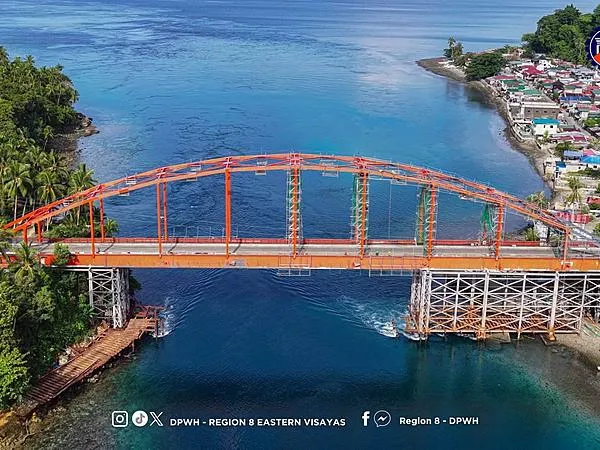
During his 2026 SONA, President Marcos Jr. emphasized the administration's aggressive infrastructure initiatives, focusing on the rehabilitation and reopening of vital bridges, namely: the San Juanico Bridge, Liloan Bridge, and Calbiga Bridge. The three bridges are part of the Maharlika Highway (Pan-Philippine Highway) which is the country’s principal land transportation pathway that connects Luzon to Mindanao.
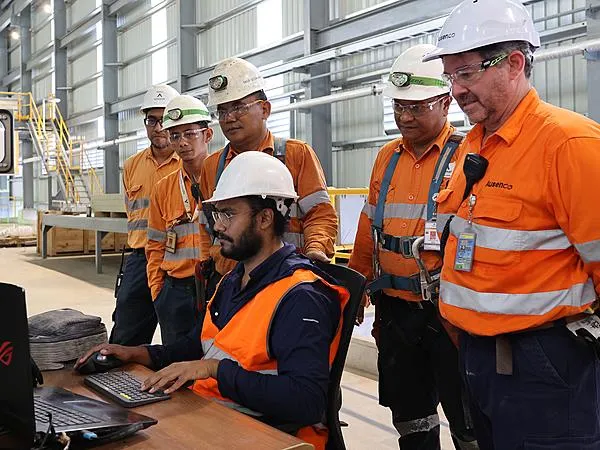
By Anthony Chaytors, Director of Operations, Ausenco
Successful mining projects are measured by more than the asset that is delivered. Cost, schedule, safety and performance remain critical, but so does the legacy left behind: a skilled local workforce, contractors that build capability in the region, and communities that engage with and see lasting value from the mine.
That legacy does not happen by accident. It’s a choice, shaped by how the project delivery partner chooses to work. Partners committed to building local capability create opportunities for local people by promoting skills development, engaging and supporting communities, and transferring knowledge with purpose. When done well, the project impact goes far beyond construction. The skills, careers and trusted relationships it creates remain in the region, supporting future projects and contributing long-term community growth.
Since the rebranding of Antrak Philippines to FLS Group Philippines, Inc. in December 2024, the company has been involved in major projects for the country and is geared to accomplish more in the months ahead. This year, The FLS Group partnered with partnered with Miescor (Meralco Industrial Engineering Corporation) who was the EPC for the Meralco PowerGen Corporation (MGEN), MTerra Solar Project to transport 20 heavy-duty power transformers for the massive MTerra Solar project--the world's largest integrated solar power and battery storage facility.
Engineering the impossible, FLS Group navigated NLEX and reinforced 27 bridges for world’s largest solar project. Planning and executing the successful crossing of a 260 MVA power transformer weighing 136.48 tons in NLEX San Fernando is a historic transport operation, as it was the first time such a heavy and oversized load was granted passage on the North Luzon Expressway.
Among other things, FLS Group also won the “Sustainable Excellence in Logistics” award on June 16, 2026, for 'Drive the Change' at the Breakbulk Green World 2026 Awards. This was held at Rotterdam, Netherlands. Breakbulk Green World Awards is an international award that celebrates leading companies, innovative projects, and individuals in the project cargo and breakbulk logistics industry who drive sustainable solutions and a greener future.
Looking back in February 2024, the Company's current local principals successfully acquired full ownership by purchasing all shares previously held by Antrak Logistics (Australia), a former foreign stakeholder and subsidiary of a French Logistics Company. This landmark transaction marked a significant step toward local governance, strengthening the Company's operational independence and positioning it for greater agility and growth in the Philippine market.
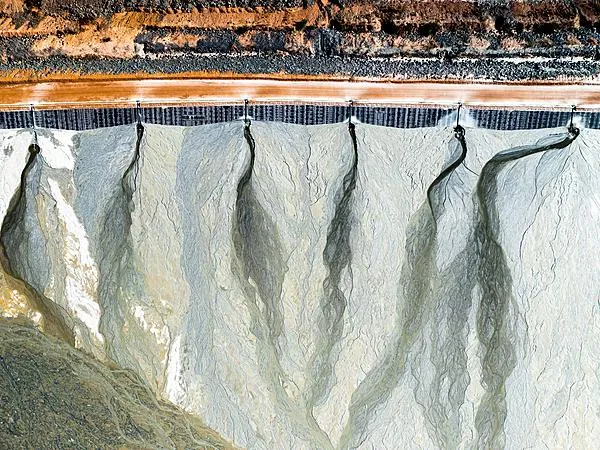
Mining plays a critical role in the Philippine economy, supporting demand for copper, gold and nickel across regional and global markets. However, every operation produces large volumes of waste that must be managed safely over the long term. Globally, more than 100 billion tonnes of mine waste are generated annually, and the Philippines faces its share of this challenge.
In a country shaped by high rainfall, seismic activity and competing land uses, mine waste is more than an operational issue. It carries environmental, social and financial implications that extend well beyond the life of a mine. At GHD, we believe this challenge also presents a powerful opportunity. With the right approach, mine waste can shift from being a long-term liability to becoming a valuable resource that supports economic development, environmental stewardship and sustainable management of precious resources.
Rethinking mine waste as a strategic opportunity
Managing mine waste is increasingly complex. In the Philippines, climate change-driven intensified events and seismic activity, add to the risks of conventional tailings storage, alongside rising costs, regulation and community expectations.
At the same time, demand for minerals continues to grow, putting more pressure on finite resources and exposing the limits of traditional extract-and-dispose models.
Mine waste is often treated only as a liability, yet tailings can hold recoverable metals and mineral content that can be reused once contaminants are removed. In the Philippines, it also opens opportunities to extend economic and community benefits beyond the life of a mine.
Unlocking value through repurposing
Reimagining how tailings are managed can significantly reduce the volume of waste requiring long‑term storage. Whilst reprocessing tailings to extract further metal is not uncommon, ‘repurposing’ has the potential to cut tailings volumes by up to 90%, easing pressure on storage facilities and reducing environmental risk.
The opportunities created by this shift are wide‑ranging. Processed tailings can be transformed into construction materials such as aggregates, sand and cementitious products. These materials can be used in roads, housing and infrastructure projects, many of which are in high demand across the Philippines.
Repurposing also supports more efficient use of existing infrastructure. In many cases, tailings can be processed using facilities already in place, limiting the need for major new investments. This makes repurposing an attractive choice for both operating mines and sites approaching closure.
In addition, tailings often hold substantial amounts of many other valuable metals, beyond the traditional copper, gold, nickel and zinc that is typically produced in the Philippines. By concentrating the metallic fraction of the tailings (approximately 20% by volume), this can then be refined (locally or offshore) to extract other critical minerals and rare earth elements.
Turning tailings into materials that support long‑term development
Construction is one of the most promising pathways for repurposed mine waste. Of the approximately 80% by volume of tailings material, alumino‑silicates commonly found in tailings can be converted into geopolymers and alkaline‑activated concrete.
Low‑carbon, low-cost construction materials present another compelling choice. Precast elements produced near mine sites can reduce transport requirements while supporting local supply chains and employment.
Beyond construction, repurposed mine waste can play a role in land restoration and agriculture. Silicate‑rich materials support soil structure and can be combined with organic matter to rehabilitate degraded land. This approach helps restore ecosystems, supports vegetation growth and contributes to long‑term land stability.
By linking waste repurposing with rehabilitation aims, mining companies can align operational decisions with broader environmental and community outcomes. The result is a more integrated approach to mine planning, operation and closure.
Creating shared value for industry and community
Reducing reliance on large tailings storage facilities lowers long‑term monitoring and maintenance costs for mining operations. These benefits also extend beyond mining companies. Repurposing creates opportunities for collaboration with the construction, manufacturing and agricultural sectors, supporting job creation and skills development. For communities near mine sites, this diversification can reduce dependence on a single industry and support more stable local economies.
Environmental gains are equally significant. Repurposing lowers the volume of material stored in tailings facilities, reducing safety risks in a country exposed to extreme rainfall and seismic events; including Acid Mine Drainage (AMD). It also reduces demand for new quarries.
Social outcomes may be the most enduring. By extending productive activity beyond the operational mine life, repurposing supports long‑term community resilience. Continued production after closure can sustain employment, support infrastructure and provide a foundation for future development.
Overcoming barriers to adoption
Despite its potential, large‑scale mine waste repurposing is still limited by financial, regulatory and technological barriers, as well as the need for public confidence and policy support.
Progress depends on treating waste as a resource and building repurposing into mine planning from the start. Collaboration between mining companies, researchers, recyclers, government and consultants is essential to advance research, refine processes and create supportive frameworks. The good news is that momentum is already gaining, particularly in Canada and Australia, where governments are realising the substantial benefits and starting to adapt policy and process to enable a more streamlined approach to repurposing.
The Philippines is well placed to take advantage of these lessons. With a significant mining sector, growing infrastructure needs and increasing focus on sustainability, the foundations for progress are already in place.
Shaping a more resilient future for Philippine mining
A more sustainable future for mining in the Philippines begins with a simple but powerful shift in perspective. When mine waste is treated as a resource, new pathways open for reducing risk, creating value and supporting communities.
By transforming tailings into useful materials, we can lower environmental impact, strengthen economic performance and leave a more positive legacy at mine closure. Achieving this vision will require innovation, investment and collaboration across multiple disciplines. The opportunity is real, and the benefits extend far beyond the mine gate.
Through thoughtful planning and committed partnerships, repurposing mine waste can help shape a mining industry that supports resilience, sustainability and long‑term prosperity for the Philippines.
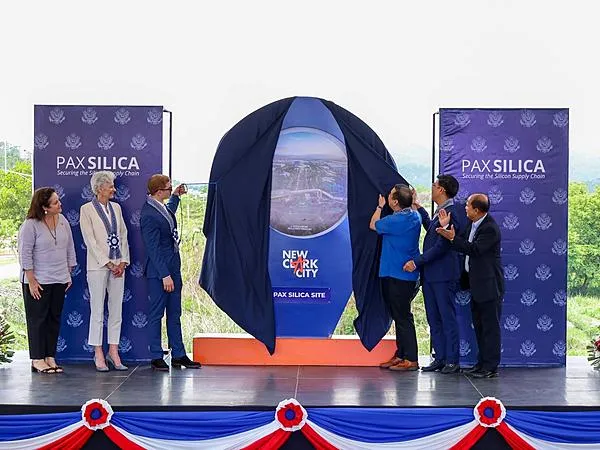
Pax Silica is a U.S.-led initiative launched in late 2025 to establish a trusted network of partner countries across the artificial intelligence (AI) and semiconductor value chain, from critical mineral extraction and energy infrastructure to semiconductor manufacturing, data centers, and AI technologies. Named from the Latin word pax ("peace" or "stable order") and silica (silicon dioxide, the primary source of silicon used in semiconductor chips), the initiative envisions a stable international economic order built on secure and resilient technology supply chains. Designed to strengthen resilient technology supply chains and reduce dependence on geographically concentrated production—particularly in China—it seeks to secure critical minerals, ensure reliable energy, expand trusted semiconductor manufacturing, strengthen AI infrastructure, diversify supply chains, and coordinate strategic investments among partner economies.
Pax Silica has also emerged as one of the more controversial policy initiatives following President Ferdinand R. Marcos Jr.'s endorsement of the project in his 2026 State of the Nation Address. While the administration has presented the initiative as a transformative opportunity to position the Philippines as a regional hub for artificial intelligence, semiconductors, and advanced manufacturing, it has also sparked public debate over its long-term implications. Supporters view Pax Silica as a strategic pathway to attract high-value investments, accelerate industrialization, and strengthen the country's role in global technology supply chains. Critics, however, question whether the initiative could deepen foreign influence over the Philippines' strategic minerals, energy resources, and critical infrastructure, while raising concerns about environmental impacts, indigenous communities, national security, and whether Filipinos will capture a fair share of the economic value created. These competing perspectives underscore that the success of Pax Silica will depend not only on the scale of investment it attracts but also on the legal, regulatory, and governance frameworks that ensure the country's natural resources and strategic industries advance long-term national interests.
The Philippines has emerged as a key prospective participant in the initiative. The Philippine and U.S. governments are working toward a framework agreement, with Foxconn expected to become the first locator at the AI and semiconductor hub in New Clark City. The initiative has also attracted support from the U.S. International Development Finance Corporation, Amazon Web Services, and the U.S. Millennium Challenge Corporation through proposed investments in digital infrastructure, energy security, and the Luzon Economic Corridor. These developments reinforce the country's ambition to become a regional hub for AI, semiconductor manufacturing, and advanced digital infrastructure.
For the Philippines, Pax Silica has profound implications for the mining and energy sectors, which supply the critical minerals and reliable power required by the digital economy. The country's abundant nickel, copper, gold, chromite, and renewable energy resources—particularly geothermal energy—position it to become an important participant in global technology supply chains. However, realizing these opportunities will require policies that promote domestic value addition, responsible resource management, environmental sustainability, and long-term national development rather than simply facilitating foreign investment.
The Strategic Importance of Philippine Mining
Mining has traditionally been viewed as an extractive industry supplying raw materials to foreign manufacturers. Under Pax Silica, however, mining assumes a strategic dimension because critical minerals have become essential inputs to the global digital economy.
Nickel, for example, is no longer merely an industrial metal. It is now fundamental to battery technology, data center energy storage systems, semiconductor manufacturing equipment, and electric vehicles. Likewise, copper is indispensable for electrical transmission, semiconductor fabrication equipment, renewable energy systems, and AI infrastructure. As demand for these technologies expands, so too does the strategic importance of countries capable of supplying these resources.
For decades, the Philippines has largely exported raw nickel ore, much of which is processed overseas before being incorporated into higher-value products. Consequently, the country captures only a small fraction of the total value generated throughout the technology supply chain. Pax Silica presents an opportunity to reverse this historical pattern by encouraging domestic mineral processing, refining, precursor chemical production, and integration into semiconductor manufacturing.
Instead of remaining merely an exporter of mineral resources, the Philippines could participate in multiple stages of the technology value chain. Such industrial upgrading would generate higher incomes, increase technological capabilities, and reduce dependence on commodity exports whose prices fluctuate significantly in global markets.
Industrial Transformation Rather Than Resource Extraction
Perhaps the greatest opportunity presented by Pax Silica lies in shifting Philippine mining policy from extraction toward industrialization. Historically, many developing economies have experienced what economists describe as the "resource curse," wherein abundant natural resources generate export revenues without fostering sustainable industrial development. The Philippines risks repeating this pattern if mining expansion merely increases exports of unprocessed ore.
Participation in Pax Silica should therefore be conditioned upon policies that require greater domestic value addition. Mineral processing facilities, battery precursor plants, high-value semiconductor material manufacturing, and advanced metallurgical industries should accompany expanded mining activities. These downstream industries create significantly more employment, generate higher tax revenues, stimulate research and development, and encourage technology transfer.
Without such industrial policies, Pax Silica could merely reinforce existing patterns in which foreign firms extract Philippine resources while capturing most of the economic value through overseas manufacturing and intellectual property ownership.
The Energy Sector as the Foundation of Pax Silica
While mining supplies the raw materials, energy provides the foundation upon which the entire Pax Silica ecosystem depends. Modern semiconductor fabrication plants require uninterrupted electricity twenty-four hours a day with exceptionally high-power quality. Voltage fluctuations lasting only milliseconds may destroy millions of dollars' worth of semiconductor wafers. Likewise, AI data centers consume extraordinary quantities of electricity for computing and cooling systems.
This presents both opportunities and challenges for the Philippine energy sector. The country's substantial geothermal resources offer a significant competitive advantage. Unlike solar and wind generation, geothermal energy provides stable baseload electricity independent of weather conditions. Such reliability is particularly attractive for semiconductor manufacturing and AI facilities that cannot tolerate interruptions in power supply.
Consequently, Pax Silica could substantially increase demand for geothermal development, creating opportunities for additional steam fields, power plants, and associated transmission infrastructure. Long-term electricity requirements may also increase demand for sophisticated steam supply agreements and project implementation arrangements that provide investors with contractual certainty over several decades.
While geothermal energy offers a natural competitive advantage, nuclear energy may also become an important component of the long-term energy mix required to support Pax Silica. Semiconductor fabrication plants and hyperscale AI data centers require continuous, high-capacity baseload electricity that intermittent renewable sources alone may not consistently provide. The Philippine government's renewed interest in nuclear energy—including the possible deployment of small modular reactors (SMRs)—could therefore complement geothermal generation by providing reliable, carbon-free electricity capable of supporting energy-intensive industries. If implemented under robust safety, environmental, and regulatory frameworks, nuclear power could strengthen the country's energy security while reducing dependence on imported fossil fuels and helping achieve its decarbonization objectives.
Hydrogen, particularly white (natural) hydrogen, also represents a potentially transformative energy resource for the future Pax Silica ecosystem. Unlike green hydrogen, which is produced through electrolysis using renewable electricity, white hydrogen occurs naturally in geological formations and can potentially be extracted directly from the subsurface with significantly lower production costs and carbon emissions. Although commercial development remains at an early stage globally and the existence of economically recoverable deposits in the Philippines has yet to be established, ongoing exploration suggests that naturally occurring hydrogen could emerge as a strategic energy resource. If viable deposits are identified, white hydrogen could provide low-carbon fuel for industrial processes, backup power generation, hydrogen fuel cells, and future clean manufacturing applications associated with semiconductor production and AI infrastructure. Given the Philippines' active tectonic setting and extensive geothermal systems, the country may warrant further geological assessment to evaluate the potential occurrence of natural hydrogen resources.
Risks of Rising Energy Costs
Despite these opportunities, significant risks remain. The Philippines already has some of the highest electricity prices in Southeast Asia. Energy-intensive industries such as semiconductor manufacturing require globally competitive electricity prices to remain economically viable. If generation capacity does not expand sufficiently, increasing industrial demand could place additional pressure on electricity prices for households and other industries.
Moreover, the substantial public investment required for transmission networks, substations, industrial parks, and power generation may impose significant fiscal burdens if not carefully planned. Policymakers must therefore ensure that investments serving strategic industries also strengthen the broader national electricity system rather than creating isolated infrastructure benefiting only a limited number of multinational corporations.
Environmental Sustainability and Responsible Mining
Any expansion of mining inevitably raises environmental concerns. Critical mineral extraction can generate deforestation, biodiversity loss, watershed degradation, sedimentation, acid mine drainage, and increased greenhouse gas emissions if environmental safeguards are inadequately enforced. Many mineral deposits are located within environmentally sensitive regions and indigenous ancestral domains, further complicating project development.
Consequently, environmental governance must become an integral component of any Philippine participation in Pax Silica. Mining companies should be required to implement internationally recognized environmental management systems, progressive rehabilitation programs, transparent monitoring mechanisms, and comprehensive mine closure plans. Likewise, the principles of Free and Prior Informed Consent (FPIC) should be rigorously observed whenever projects affect indigenous communities.
Semiconductor fabrication plants and hyperscale data centers are also among the most water-intensive industrial facilities in the world. Semiconductor manufacturing requires ultra-pure water (UPW) for wafer cleaning, chemical processing, and contamination control, with a single fabrication plant consuming millions of liters of water daily. Likewise, large data centers require substantial volumes of water for cooling systems, particularly in facilities that rely on evaporative cooling technologies. As Pax Silica encourages the development of semiconductor manufacturing and AI infrastructure in the Philippines, policymakers must recognize that water security will become as strategically important as energy security. Industrial expansion should therefore be accompanied by integrated water resource management, including sustainable groundwater regulation, watershed protection, wastewater recycling, rainwater harvesting, and investments in advanced water treatment and reuse technologies. Without careful planning, increased industrial demand could intensify competition for water among households, agriculture, and industry, particularly during periods of drought or in water-stressed regions. Ensuring reliable and sustainable water supplies will thus be essential not only for maintaining industrial competitiveness but also for protecting environmental sustainability and safeguarding the country's long-term water security.
Failure to maintain high environmental standards risks undermining the social legitimacy of Pax Silica while imposing long-term ecological costs that exceed short-term economic gains.
Legal and Regulatory Challenges
Successful participation in Pax Silica will require significant reforms across multiple legal sectors. Mining legislation may need revision to encourage downstream processing while maintaining environmental safeguards. Investment regulations must balance foreign participation with protection of strategic national assets. Energy regulation must facilitate long-term infrastructure investments while preserving affordability and reliability.
Equally important are legal frameworks governing data protection, cybersecurity, competition policy, indigenous peoples' rights, and environmental compliance. Since AI infrastructure and semiconductor facilities constitute critical national infrastructure, regulatory agencies must coordinate economic development objectives with national security considerations.
Contractual arrangements will likewise become increasingly important. Long-term mineral supply agreements, power purchase agreements, steam supply contracts, infrastructure concessions, and investment agreements must allocate commercial risks fairly while protecting the public interest. Excessively generous incentives or inflexible stabilization clauses may constrain future governments and reduce policy flexibility.
Economic Governance and Technology Transfer
One of the greatest concerns surrounding Pax Silica is the possibility that the Philippines may remain confined to lower-value activities while advanced manufacturing, intellectual property, and AI innovation remain concentrated abroad. To avoid this outcome, government policy should prioritize technology transfer, workforce development, domestic research, and local supplier participation.
Investment agreements should include measurable commitments to develop Filipino human capital and domestic industrial capabilities through the training of local engineers and geoscientists, collaboration with Philippine universities, research partnerships, procurement from domestic suppliers, support for small and medium enterprises, and, where appropriate, technology licensing and transfer. These commitments help ensure that foreign investment strengthens national capabilities and long-term industrial competitiveness rather than merely utilizing Philippine labor and natural resources.
Conclusion
Pax Silica offers a rare opportunity to reshape the Philippine economy—advancing industrialization, strengthening energy security, reinforcing semiconductor supply chains, creating high-value employment, and positioning the country at the forefront of the global digital economy. Yet these benefits are far from inevitable and will require deliberate policy choices and strong institutional governance to be realized. Without sound policy and effective governance, the country risks remaining primarily a supplier of critical minerals and low-cost labor while foreign firms capture the greatest value through advanced manufacturing, technology ownership, and intellectual property. Expanding industrial activity also brings challenges, including greater geopolitical exposure, environmental pressures, rising energy and water demand, and substantial infrastructure and fiscal requirements.
The issue, therefore, is not whether the Philippines should participate in Pax Silica, but how it can do so on terms that promote long-term national development. Achieving this objective will require strong institutions, clear legal and regulatory frameworks, responsible environmental stewardship, competitive and reliable energy systems, meaningful technology transfer, and a coherent industrial policy that fosters domestic value addition. If these conditions are met, Pax Silica could transform the Philippine mining and energy sectors from traditional resource industries into strategic foundations of the country's digital and industrial future.
Fernando “Ronnie” S. Penarroyo specializes in Energy and Resources Law, Project Finance and Business Development. He is also currently the Chair of the Professional Regulatory Board of Geology, the government agency mandated under law to regulate and develop the geology profession. For any matters or inquiries in relation to the Philippine resources industry and suggested topics for commentaries, he may be contacted at fspenarroyo@penpalaw.com. Atty. Penarroyo’s commentaries are also archived at his professional blogsite at www.penarroyo.com
Diwata-Women in Resource Development, Inc. marked its 14th anniversary not by looking inward, but by reaching outward, bringing together communities, institutions, and partners in the spirit of compassion and solidarity.
On 17 July 2026, in partnership with the South African Embassy, Diwata commemorated Nelson Mandela Day through a community outreach at Magata-Manggahan Elementary School in Sitio Manggahan, Barangay Daraitan, Tanay, Rizal. The initiative reflected the values that defined Mandela’s life and legacy of compassion, equality, dignity, and service to others.
Nelson Mandela Day is of profound significance for both South Africa and Diwata. Nelson Mandela was the first democratically-elected President of South Africa and is regarded as a hero and a symbol of freedom, peace, and equality. He put an end to discrimination based on race or skin color in South Africa. This is why we chose to establish Diwata on 18 July 2012, Nelson Mandela Day: because we believe in, and want to live out and uphold, the ideals he fought for.
In her opening remarks, South Africa Ambassador Bartinah Ntombizodwa Radebe-Netshitenzhe said that more than a celebration of his life, Nelson Mandela Day is a global call to action and a reminder to all that we have the power and responsibility to make a positive change or difference in the lives of others.
In South Africa, people mark the occasion by performing 67 minutes of service, representing the 67 years that Nelson Mandela dedicated to public service, human rights, and the fight against apartheid. Even simple acts of kindness like mentoring a young person, visiting the elderly, or supporting a neighbor count toward the 67 minutes.
Set against this backdrop, the outreach at Barangay Daraitan on Nelson Mandela Day became a living expression of what can happen when government, the diplomatic corps, private institutions, development organizations, and civil society come together.
The event was graced by Rizal Governor Nina Ynares and Tanay Mayor Rex C. Tanjuatco, whose presence underscored the importance of partnerships between local leadership and civic initiatives. We were also joined by representatives from the Embassy of Angola, the Embassy of the People’s Republic of China, and the Consulate of the Democratic Socialist Republic of Sri Lanka in Davao, bringing a strong sense of international solidarity.
Diwata also received invaluable support from the administrators and faculty of Magata-Manggahan Elementary School, the National Commission on Indigenous Peoples (NCIP), local government volunteers, and many other collaborators on the ground.
The South African Embassy rallied together an extraordinary network of donors and supporters. Through the South African Embassy’s leadership and commitment to Nelson Mandela’s enduring ideals, assistance poured in from a wide range of institutions, including ICTSI Foundation, Reel Steel Corporation, DigiPlus Foundation, GoTyme Bank, Ethiopian Airlines, Food Access PH, RCBC Realty Corporation, the Department of Foreign Affairs-Office of Middle East and African Affairs, Aspen Philippines, the Philippine Mine Safety and Environment Association, Federated Distributors, Incorporated, Fly Ace Corporation, Liwayway Marketing Corporation, SM Retail, and the United Nations Development Programme.
Diwata’s leaders based in Rizal, led by Annie Dee and Lita Lee, provided vehicles, manpower and a venue to pack the donated goods.
These contributions benefitted more than 700 individuals, including Dumagat-Remontado families and schoolchildren of Magata-Manggahan Elementary School. More than providing material support, the project partners expressed care and solidarity, reminding us that development is not only measured in infrastructure, investment, or policy, but also in the strength of human connections.
For Diwata, the anniversary celebration was not simply about marking another year. It was about affirming what it stands for: empowering indigenous communities, fostering partnerships, and advancing inclusive, sustainable, and people-centered development.
In an era that calls for deeper collaboration and more purposeful leadership, Diwata’s anniversary outreach is just one example of how compassion, partnership, and shared responsibility can create lasting impact.
Photo 1:
Photo 2: Diwata’s trustees with South African Ambassador to the Philippines Bartinah Ntombizodwa Radebe-Netshitenzhe, Rizal Governor Nina Ynares and other project partners.
As mining operations become increasingly data-driven, reliable geospatial information is essential to sound decision-making, regulatory compliance, and responsible resource management. Recognizing this, company representatives participated in the QGIS Technical Seminar-Workshop for Geospatial Reporting and Compliance organized by the Mines and Geosciences Bureau Regional Office No. XIII (MGB Caraga) on July 1–2, 2026, at the Philippine Gateway Hotel in Surigao City.
The technical workshop focused on strengthening participants’ competencies in geospatial data management, mapping, and digital reporting, with particular emphasis on the reporting requirements for Safety and Health, Environmental Management, and Social Development.
For the mining industry, geospatial technology has become an increasingly important tool for translating field information into accurate and actionable data. Geographic Information Systems (GIS) applications such as QGIS enable mining professionals to visualize spatial information, manage multiple datasets, monitor areas of interest, and support more informed operational and environmental decisions.
The training provided participants with practical knowledge that can help improve the accuracy, consistency, and reliability of geospatial data used in regulatory submissions and internal monitoring. Strengthening these capabilities also supports greater transparency and efficiency in documenting compliance with government requirements.
More importantly, investing in technical capacity demonstrates the mining industry’s recognition that responsible mining requires not only operational excellence but also robust systems for environmental management, safety and health, and social development.
For our company, the seminar-workshop is part of our continuing effort to strengthen professional competencies and adopt appropriate digital tools that support responsible and compliant mining operations. By enhancing our ability to collect, analyze, visualize, and report geospatial information, we are better positioned to support evidence-based decision-making and fulfill our regulatory obligations and environmental commitments.
As the Philippine mining industry continues to embrace digital transformation, developing geospatial expertise will remain vital to promoting greater accountability, informed resource management, and more effective environmental stewardship.
Through knowledge, technology, and continuous improvement, we strengthen not only our operations but also our commitment to responsible mining and sustainable development in Caraga.
For the extractive industry, sustainability extends beyond environmental protection and regulatory compliance. It also means helping host communities build the capacity to create livelihoods, strengthen local enterprises, and become more economically resilient.
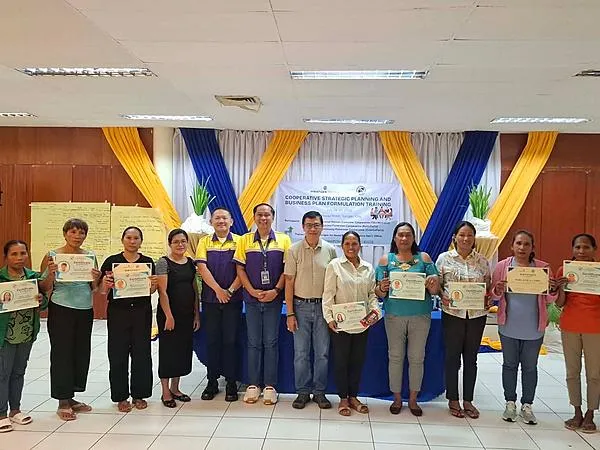
Reaffirming this commitment, Hinatuan Mining Corporation–Tagana-an Nickel Project (HMC-TNP) conducted a three-day Cooperative Strategic Planning and Business Plan Formulation Training from July 28 to 30, 2026, at the Parkway Hotel in Surigao City.
The program brought together members of three HMC-TNP-supported cooperatives for intensive sessions on cooperative governance, strategic planning, and business development. The initiative is part of the company’s broader approach to community development, with the goal of strengthening local enterprises and creating economic opportunities that can endure beyond the mine life.
Building Stronger Cooperatives
The training was conducted in partnership with key government institutions. Ms. Liza Lorine P. Mercader, CDS II of the Cooperative Development Authority (CDA), facilitated a Post-Registration Orientation for Newly Registered Cooperatives, covering legal compliance, statutory responsibilities, and sound organizational governance.
Meanwhile, Ms. Ma. Rebecca E. Bagnol, Provincial Cooperative and Development Officer, led the strategic planning and business plan formulation sessions. Participants were guided in translating community needs and priorities into practical strategies, sustainable business models, and achievable organizational goals.
The program benefited three community-based cooperatives from HMC-TNP’s impact areas: the Bagong Silang United Fishermen Cooperative, Campandan Community Fishermen Cooperative, and Talavera Empowered Women’s Consumer Cooperative.
Through practical exercises on business planning, financial forecasting, and operational management, participants gained tools to improve decision-making, strengthen enterprise operations, explore financing opportunities, and diversify their sources of livelihood.
Investing in Community Resilience
For mining companies operating in resource-rich regions such as Surigao del Norte, strengthening human and institutional capacity is an important dimension of sustainable development. Supporting cooperatives provides communities with opportunities to build enterprises based on local skills, resources, and economic needs.
The initiative also highlights the importance of inclusive community development. By supporting both coastal fishing communities and women-led cooperatives, HMC-TNP is helping expand opportunities for grassroots participation in the local economy.
“Equipped with new skills, clearer strategic direction, and practical business plans, these cooperatives are taking bold steps toward self-reliance and long-term economic growth,” said Antonio Resuera Jr., ComRel Manager.
For HMC-TNP, the training reflects a broader principle of responsible mining: the value generated by resource development should contribute not only to present economic activity but also to lasting opportunities for host communities.
By investing in people, strengthening local institutions, and helping cooperatives build viable enterprises, HMC-TNP continues to support a more resilient local economy—one capable of creating opportunities long after the end of the mine’s life.
President Ferdinand Marcos Jr. has signed an executive order establishing a unified national policy framework for developing the Philippines' critical minerals industry, as the country seeks to strengthen its role in global supply chains for clean energy and advanced technologies.
Marcos signed Executive Order 122 on Aug. 21, according to the Department of Environment and Natural Resources, which said the order also reorganizes the Mining Industry Coordinating Council to drive strategic growth in the sector.
Mines and Geosciences Bureau Director Larry Heradez said the framework could position the Philippines as a more significant player in the global critical minerals and green technology value chains.
"Worldwide, nations are competing to secure resilient supply chains for essential raw materials like nickel, copper, and processing inputs for renewable energy infrastructure, electric vehicle batteries and defense applications," Heradez said.
The Philippines has identified at least 9 million hectares of highly prospective areas with potential mineral resources, Heradez said.
He said EO 122 shifts the country's strategy beyond exporting raw ore toward developing integrated processing and manufacturing ecosystems.
Under Section 2b of the executive order, the state will promote the responsible development and utilization of critical minerals while supporting value-adding and downstream industries.
The framework recognizes critical minerals as important to national security and economic resilience, with their use extending beyond the global energy transition to digital infrastructure and major public projects.
The Department of Trade and Industry's Board of Investments will provide incentives under the Corporate Recovery and Tax Incentives for Enterprises Act for downstream refining, battery production and side-stream industries, according to the order.
Domestic processing plants will also be given priority access to mineral ores at fair market prices.
Environmental safeguards
EO 122 also establishes environmental, social and cultural safeguards for the development of the industry.
Section 2c requires the government to enforce sustainable mining practices and strengthen the industry's ability to manage environmental impacts.
Mining operations must also prioritize the social, cultural and economic well-being of host and neighboring communities, with community development efforts aligned with the United Nations Sustainable Development Goals.
The order directs the government to enforce a "Use It or Lose It" policy, under which noncompliant or dormant mining tenements may be canceled and the resulting mineral areas reallocated into declared reservations.
The Department of Environment and Natural Resources and the Mines and Geosciences Bureau are directed to streamline permit processing within six months and establish a fully digital Virtual One-Stop Shop platform within one year.
Mining council reorganized
EO 122 also reorganizes the Mining Industry Coordinating Council, which will be co-chaired by the secretaries of the Department of Environment and Natural Resources and the Department of Finance.
The reorganized council will include additional Cabinet officials, local authorities and Indigenous representatives.
Within 90 days, the council is required to submit a comprehensive industry work plan to the Office of the President.
The plan will establish international sourcing standards, environmental safeguards and valuation frameworks intended to ensure that development of the country's mineral resources contributes to long-term national economic development.
Mining industry backs order
The Chamber of Mines of the Philippines, which represents the country's large-scale metallic mining and exploration companies and allied industries, expressed full support for EO 122.
The chamber said the order's emphasis on policy stability, regulatory consistency and transparency would help create a predictable environment for investment in exploration, mine development and mineral processing.
"Securing long-term capital for exploration, mine development, and mineral processing requires a predictable environment that builds investor confidence," the chamber said.
The group also welcomed the order's focus on value-added processing, refining and downstream manufacturing, saying these measures could help the Philippines capture greater value from its mineral resources, attract new investment, create quality jobs and strengthen local supply chains.
The chamber said economic growth must be accompanied by environmental stewardship and social responsibility.
It supported EO 122's emphasis on the rights, welfare and culture of host communities and Indigenous Peoples, adding that industry expansion should remain anchored in environmental, social and governance standards, rigorous environmental management and meaningful community partnerships.
The group also welcomed the focus on interagency coordination and digitalization of regulatory processes.
"Streamlining regulatory requirements eliminates unnecessary delays while preserving vital safeguards, positioning the Philippines as a globally competitive investment hub without compromising environmental or social standards," the chamber said.
The chamber said EO 122 recognizes critical minerals as essential to national industrialization, energy security, economic resilience and the global green transition.
"Unlocking this potential requires active, sustained collaboration among government, industry, host communities, and broader society," it said.
The Chamber of Mines said it was ready to work with stakeholders on implementing EO 122 and developing a competitive, responsible and sustainable critical minerals sector that creates lasting value, protects local ecosystems and supports inclusive national development.
B2Gold’s Masbate Gold Project (MGP) has reached 50 million work hours without a lost-time injury, marking a major safety milestone for the Philippine mining operation.
The milestone places the Masbate operation among a select group of industrial sites worldwide to achieve such a record, according to B2Gold. The achievement covers an operation involving large-scale mining equipment, processing facilities and demanding working conditions.
B2Gold said the result reflects years of commitment to safety and risk management across the operation, involving employees, supervisors, contractors and management.
The company said the achievement was built on a safety culture centered on caring for oneself and others, with thousands of daily actions focused on identifying and managing workplace risks.
Among the safety activities recorded across MGP are 38,878 SLAM — Stop, Look, Assess and Manage — pre-start risk assessments; 30,112 health, safety and environmental inspections; and 28,288 health and safety meetings.
The site also recorded 12,892 Job Safety and Environmental Analysis developments and reviews, 12,326 supervisor task observations, 1,988 individual fatigue assessments and 1,838 audits.
B2Gold said the figures represent recorded activities across departments and work areas, with individual records often involving multiple employees and contractors. As a result, the actual number of safety interactions is significantly higher.
The milestone is also expected to precede another significant safety achievement. MGP is expected to mark eight consecutive years without a lost-time injury in November.
B2Gold President and CEO Mike Cinnamond is expected to join employees in the Philippines later this year to recognize both milestones and the teamwork behind them.
The company said the 50 million work-hour milestone represents more than a numerical achievement, reflecting sustained safety conversations, proactive risk assessments, leadership and the commitment of employees and contractors to making safety a priority.
B2Gold said the achievement demonstrates what can be accomplished when an entire operation shares responsibility for protecting workers and maintaining a strong safety culture.
Follow on LinkedIn:
Philippine Resources Journal
Be the "First" to get our exclusive Digital Magazine & Weekly Newsletter.