The International Labour Organization (ILO) has launched a project aimed at strengthening labor governance and promoting responsible and sustainable nickel supply chains in the Philippines.
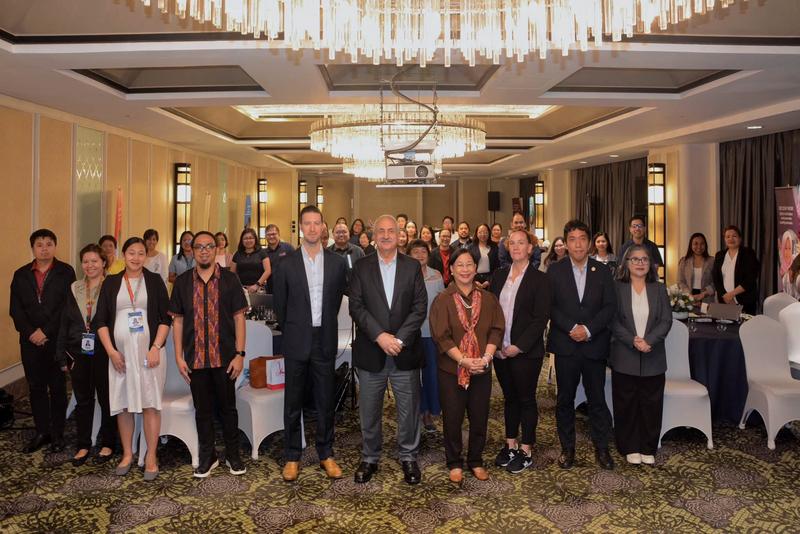
The ILO, together with government agencies, employers' and workers' organizations, mining companies, industry groups, development partners and civil society organizations, held the inception workshop for the Responsible, Inclusive and Sustainable Nickel Supply Chains (RISSC-Nickel) Project on Sept. 2 in Makati City.
The project brings together stakeholders from the Department of Labor and Employment (DOLE), Department of Environment and Natural Resources-Mines and Geosciences Bureau (DENR-MGB), Department of Trade and Industry-Board of Investments (DTI-BOI) and the Philippine Extractive Industries Transparency Initiative (PH-EITI), along with mining enterprises, labor groups and academia.
Funded by the Government of Japan, the project seeks to strengthen labor governance, promote responsible business conduct and advance decent work across the Philippine nickel industry.
The ILO said the sector is becoming increasingly important to global supply chains and the clean energy transition.
Participants at the workshop identified opportunities to strengthen labor rights, occupational safety and health, human rights due diligence and supply chain transparency.
They also reaffirmed the need to ensure that growth in the nickel industry benefits workers, businesses, communities and the environment.
The event was organized in collaboration with the ILO-Canada FOA-CL Project, ILO-Canada PRIME Project and ILO-EU Trade for Decent Work Project.
The initiative comes as the Philippines seeks to strengthen its role in global mineral supply chains, with responsible production and labor standards becoming increasingly important to international markets and companies seeking secure supplies of critical minerals.