Australian electrical infrastructure partner CE Group is expanding its regional focus into the Indo-Pacific, building on its established operations and project delivery experience across the Pacific.
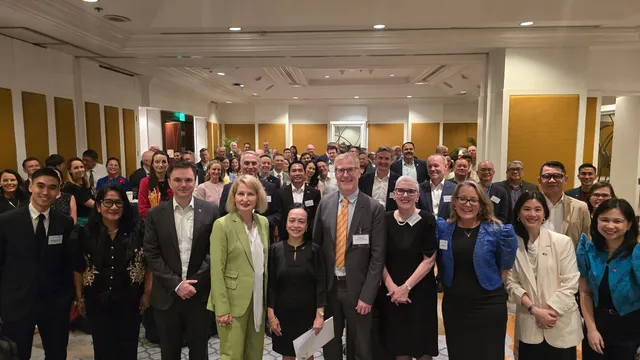
CE Group has taken another step in its regional growth strategy, joining the Australian delegation at the Asian Development Bank Business Opportunities Fair 2026 in Manila and contributing to discussions around the future of sustainable infrastructure across Asia and the Pacific.
The move reflects a broader direction for the Australian electrical engineering and infrastructure business: taking the experience developed across Australia, Papua New Guinea, Solomon Islands and Fiji into the wider Indo-Pacific market.
For CE Group, that expansion is closely connected to the infrastructure challenges already familiar across the Pacific-energy security, resilient infrastructure, remote delivery, local capability and the need for stronger partnerships between government, development institutions, industry and communities.
Infrastructure investment is moving
The scale of planned investment across the Pacific demonstrates the opportunity ahead. At the Manila forum, ADB outlined a US$3.652 billion active Pacific portfolio, a further US$3.686 billion program for 2026–2029, and a US$469 million procurement pipeline for 2026–2027.
Transport, energy, water and urban infrastructure represent some of the largest areas of current ADB investment in the Pacific. But the regional conversation is increasingly extending beyond the infrastructure asset itself.
Climate resilience, local participation, workforce capability, supply chains and long-term economic value are becoming central considerations in how infrastructure is planned and delivered.
These are areas where CE Group sees a direct connection between its Pacific experience and the wider Indo-Pacific market.
Pacific experience provides the foundation
Delivering infrastructure in the Pacific requires a different operating model. Distance, logistics, workforce availability, local supply chains and the capacity to operate in remote environments can influence every stage of delivery.
For CE Group, regional growth has therefore been built around developing capability on the ground rather than approaching the Pacific as an extension of the Australian market.
Its regional footprint now includes operations across Papua New Guinea, Solomon Islands and Fiji, supported by its Australian engineering, design, manufacturing and construction capability.
That experience is shaping the company's approach to the Indo-Pacific.
CE Group's focus is not simply entering new countries. It is building the relationships, local capability and delivery networks required to operate responsibly and effectively within them.
Joining the infrastructure conversation earlier
Participation in the ADB Business Opportunities Fair also placed CE Group within a much broader conversation about where regional infrastructure investment is heading and how industry participates.
ADB's Pacific program specifically examined development priorities for the next three to five years, emerging investment areas and where greater industry capability and innovation will be required.
For CE Group, engagement at this level represents an important evolution.
The business is moving beyond responding to individual project opportunities and engaging earlier with the governments, development institutions, delivery partners and industry networks influencing the region's infrastructure pipeline.
That includes understanding where investment is being directed, the infrastructure priorities of individual countries and the role Australian capability can play alongside local and regional partners.
Beyond Borders
CE Group's Indo-Pacific direction builds on a straightforward principle: infrastructure should create value beyond the asset being constructed.
Local employment, skills development, stronger supply chains and enduring in-country capability are increasingly important measures of successful regional delivery.
As investment in energy and critical infrastructure continues across the Indo-Pacific, CE Group intends to bring its electrical infrastructure capability and practical Pacific delivery experience into those conversations.
The geography may be expanding, but the approach remains consistent-work with local people, understand the operating environment and build partnerships capable of delivering infrastructure that lasts.
Beyond Borders. Progress Through Partnership.
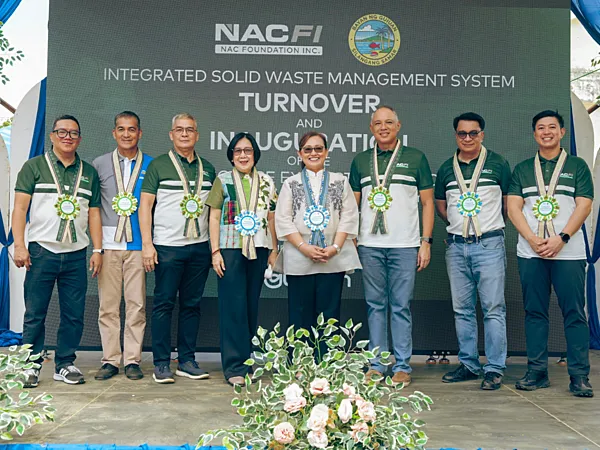
The NAC Foundation Inc. has donated a P25-million solid waste management facility to the Municipality of Guiuan as the local government seeks to reduce landfill waste and address limited options for waste disposal.
The Guiuan Resources Ecocycling, Extraction, and Neutralization (GREEN) Facility, located within the Guiuan Eco-Waste Management Center and Park, is now operational and equipped to recover recyclable materials, process organic waste and convert discarded materials into usable products.
The facility, donated through the NAC Foundation and Hinatuan Mining Corp.-Manicani, includes a conveyor system for waste segregation, a multipurpose shredder, glass crusher and pulverizer, concrete mixer and eco-brick maker.
“Through the NAC Foundation and Hinatuan Mining Corporation-Manicani, we hope that this new waste management infrastructure would help Guiuan turn waste into useful resources: rich compost for farm soils and sturdy eco-bricks and pavers that can help build local projects,” Nickel Asia Corp. President and CEO Martin Antonio G. Zamora said.
NAC Foundation also provided the electrical line required to operate the machinery after the existing capacity of the Guiuan Eco-Waste Management Center and Park was found insufficient to support the equipment.
Guiuan generates an estimated 15,824 kilograms of waste daily, based on the Department of Environment and Natural Resources’ waste generation rate of 0.3 kilograms per person per day.
Mayor Analiz Kwan-Gonzales said the municipality faces not only growing waste volumes but also limited options for final disposal.
“Guiuan has transformed significantly. We have become one of the emerging business and economic centers of the province, and we have been recognized among the top 10 fastest-growing economies in the region. More progress, more people, more businesses, more industries, more tourists, all equal to more waste,” Gonzales-Kwan said.
She said the municipality’s geology presents an additional challenge because much of Guiuan is characterized by sinkhole-prone areas.
As a result, the DENR’s Environmental Management Bureau has not recommended establishing a conventional sanitary landfill in the municipality, she said.
“This integrated solid waste management system is designed to address solid waste management at a larger scale,” Gonzales-Kwan said.
The facility is also intended to help Guiuan implement Republic Act No. 9003, or the Ecological Solid Waste Management Act of 2000, which requires local governments to establish systems for waste reduction, segregation, collection, recycling and disposal.
The municipal government is urging households, businesses, institutions and barangay local government units to comply with waste segregation requirements and its “no segregation, no collection” policy to ensure the facility operates effectively.
The waste management initiative comes as Guiuan also strengthens community clean-up and dengue prevention efforts.
Gonzales-Kwan issued Executive Order No. 07-94-2026 directing the municipality’s 60 barangays to intensify clean-up activities and dengue prevention measures following reported dengue cases in July.
“Real, lasting change happens at the LGU level, but to sustain it requires a village. That is all of us,” Zamora said.
“Through this partnership, we hope to empower Guiuan to not only envision a resilient future, but to take decisive, actionable steps toward building a truly sustainable community,” he said.
Professional services company GHD has appointed Patricia Tirados as Director, Energy & Resources, expanding its leadership capability in response to growing demand across key infrastructure sectors in the Philippines.
In her expanded role, Tirados will lead multidisciplinary teams supporting clients throughout the project lifecycle, from planning and design through project delivery. Her appointment reflects the increasing need for integrated approaches to energy and resources projects as clients navigate changing infrastructure investment and sustainability priorities.
Tirados brings almost two decades of experience spanning resource development, power generation and electricity supply, working with leading local and international organizations. Her multidisciplinary background includes client leadership, regulatory, project management, technical, commercial and digital disciplines, enabling her to help clients solve complex challenges and create lasting value for communities.
Tirados also serves as Energy Co-Chair of the American Chamber of Commerce of the Philippines and as a Board Trustee of the PhilHydro Association. In these roles, she helps shape the industry, support policy development, and forge cross-sector and regional partnerships that advance economic growth and industry progress.
“The energy and resources sector stands at a defining moment that will shape the future for decades to come. Asia is at the heart of this transformation, accounting for more than half of the world’s energy consumption and leading the clean energy manufacturing and critical minerals supply chain. Within this dynamic region, the Philippines plays a pivotal role, home to some of the world’s largest critical mineral reserves, rising energy demand, and growing appetite for energy investments. I look forward to working with our clients and partners to deliver practical and sustainable outcomes across energy, resources and infrastructure projects,” Tirados said.
Simon Terry, General Manager – Philippines, said: “Patricia’s appointment strengthens our leadership capability in the energy and resources sector at a time of rapid transformation and significant investment. Her strategic leadership, proven growth track record, client success focus and broad industry experience will enable us to deliver greater value to clients as they navigate emerging opportunities and evolving challenges in a rapidly changing market.”
GHD is a leading professional services company operating in transportation, water, energy and resources, environment, property and buildings. Committed to making water, energy and communities sustainable for generations to come, GHD delivers advisory, digital, engineering, design, environmental and construction solutions to public and private sector clients.
Established in 1928 and privately owned by its people, GHD’s network of more than 12,000 professionals spans 160 offices across five continents.
Mining projects face numerous challenges, including difficult terrain, strict safety requirements, environmental monitoring, and the need for accurate operational reporting. To address these challenges, mining companies are increasingly adopting advanced geospatial technologies that enable them to collect high-quality data faster and more safely than ever before.
As the Philippine mining industry continues to evolve, companies are increasingly seeking technologies that can improve productivity, enhance safety, and provide accurate data for critical decision-making. Modern mining operations require more than traditional survey methods. They demand intelligent solutions that can capture, process, and deliver reliable information quickly and efficiently.
Recognizing these industry needs, QES Technology Philippines Inc. has strengthened its position as a trusted provider of geospatial and mining solutions through its partnership with CHCNAV, one of the world's leading manufacturers of surveying, mapping, positioning, and monitoring technologies. As an authorized distributor of CHCNAV products in the Philippines, QES provides mining companies with access to world-class solutions designed to support every stage of mining operations.
Founded in 2003, CHC Navigation (CHCNAV) is a global leader in geospatial, positioning, and navigation technologies. Headquartered in Shanghai, China, CHCNAV develops innovative solutions for surveying, mapping, mining, construction, marine, and agriculture industries. With operations in more than 140 countries and a reputation for delivering high-precision and cost-effective technologies, CHCNAV continues to support organizations worldwide in improving efficiency, safety, and data-driven decision-making.
As an authorized CHCNAV distributor in the Philippines, QES Technology Philippines Inc. provides local industries with access to CHCNAV's advanced portfolio of GNSS, LiDAR, UAV, laser scanning, hydrographic, and monitoring solutions, backed by professional technical support and after-sales service.
Through QES Technology Philippines, mining organizations can leverage CHCNAV's comprehensive portfolio of innovative solutions, ranging from drone-based LiDAR mapping systems and GNSS receivers to laser scanners, hydrographic survey equipment, and ground monitoring technologies. These solutions help improve operational efficiency while reducing time spent in the field.
One of the most powerful technologies available for mining applications today is drone-based LiDAR mapping.
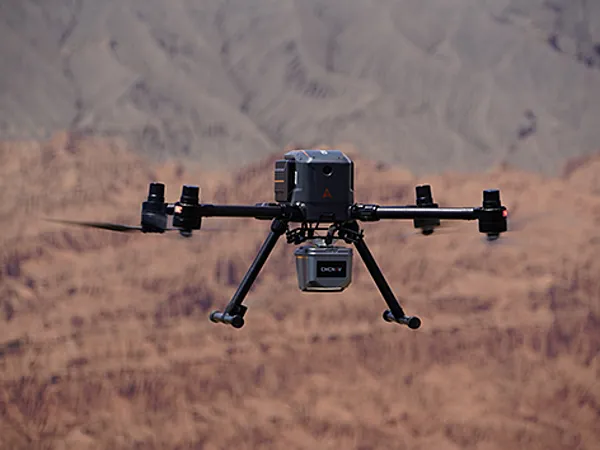
The CHCNAV X500 UAV combined with the AlphaAir 9 LiDAR system enables rapid collection of highly accurate terrain data over large mining sites.
The system captures dense three-dimensional point clouds, allowing surveyors to generate detailed topographic maps, monitor excavation progress, calculate stockpile volumes, and support mine planning activities with greater efficiency. Even in heavily vegetated or rugged terrain, LiDAR technology provides accurate terrain information that supports better operational decisions.
As mining facilities become larger and more complex, the need for accurate digital documentation continues to grow.
The CHCNAV RS10 Mobile Laser Scanner combines SLAM technology with GNSS RTK positioning to deliver seamless indoor and outdoor 3D mapping.
Whether documenting stockpiles, processing plants, tunnels, or infrastructure, the RS10 allows users to rapidly capture georeferenced point cloud data with minimal setup requirements. The result is faster data collection, reduced field time, and enhanced operational planning capabilities.
Accurate positioning remains essential in mining operations.
The CHCNAV i85 GNSS RTK receiver delivers centimeter-level accuracy while incorporating advanced IMU technology and laser measurement capabilities.
For mining surveyors, this means faster data collection and the ability to safely measure difficult or inaccessible points without compromising accuracy. From mine planning and volumetric surveys to engineering layout and ground control establishment, the i85 provides the precision required by modern mining operations.
Effective water management is critical in mining. Tailings ponds, settling basins, and reservoirs require regular monitoring to support environmental compliance and operational efficiency.
The CHCNAV Apache 3 Pro Unmanned Surface Vessel (USV) enables autonomous hydrographic surveys while minimizing personnel exposure to water-related risks.
Equipped with GNSS RTK positioning and bathymetric survey capabilities, the system provides accurate underwater terrain and depth data for a wide range of mining applications.
Slope monitoring has become one of the most important aspects of modern mining safety programs.
The CHCNAV PS2000 Ground-Based Radar is designed to continuously monitor slopes, highwalls, and critical mining infrastructure for signs of ground movement.
By providing real-time deformation monitoring and early warning capabilities, the PS2000 helps mining operators proactively identify potential hazards before they become critical safety issues. This contributes to safer mining operations and improved risk management strategies.
Technology is most effective when supported by expertise and reliable service. Beyond supplying industry-leading CHCNAV products, QES Technology Philippines provides technical consultation, product demonstrations, training, and after-sales support to ensure clients maximize their investment.
With a commitment to delivering innovative geospatial solutions for the mining industry, QES continues to help organizations improve productivity, increase operational efficiency, and strengthen workplace safety through advanced CHCNAV technologies.
As mining companies embrace digital transformation, QES Technology Philippines remains dedicated to serving as a trusted partner in providing the tools, knowledge, and support necessary to achieve long-term success. Through CHCNAV's world-class solutions and QES' customer-focused approach, mining organizations are empowered to make smarter decisions and build a more efficient and sustainable future.
CHCNAV products are readily available through QES Technology Philippines, Inc. Customers may contact us by phone or email for product inquiries, demonstrations, technical consultation, and purchasing assistance. Our team is committed to providing reliable support and fast access to CHCNAV solutions.
As underground mines continue to push deeper, ground stresses rise, and so do the safety challenges that come with them. Operators are increasingly looking for monitoring solutions that are not only accurate and dependable but also simple to deploy and safe to operate in demanding environments.
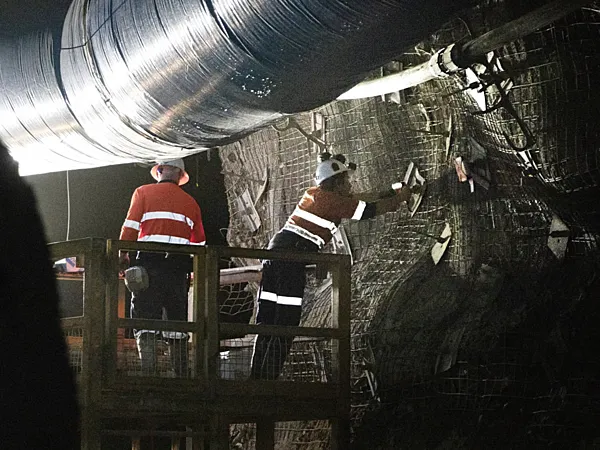
At Agnico Eagle's Fosterville Gold Mine in Victoria, Australia, this need is particularly acute. The mine is known for its challenging geological conditions, where the rock mass can experience significant shear deformation, often leading to buckling or bulking of the excavation.
To stay ahead of these deformation trends, Fosterville Gold Mine trialed Sandvik's xCell Cyclops — a compact, laser-based monitoring system that provides automated and continuous convergence measurements. The solution replaces manual and episodic monitoring with real-time insights streamed wirelessly to the surface, giving engineers immediate visibility into changing ground conditions.
Seamlessly integrated into underground operations
Three xCell Cyclops sensors were installed in an area known for elevated convergence activity. Mounted directly to existing MD bolts, the sensors were straightforward to install and were set up within minutes without disrupting production or requiring specialist equipment. Configured to take measurements at one-hour intervals, the sensors automatically transferred their data to the cloud via the xCell Professor vehicle-mounted gateway, eliminating the need for manual downloads or cable access in the drive.
Within the first month, the mine team was already seeing value. The sensors captured a consistent convergence trend and later detected a sharp deformation spike following a stope blast just 20 metres away. This post-blast movement was immediately visible on the dashboard, helping engineers understand how the ground was reacting in near real time. After several days, the convergence rate stabilized — a clear indication that the excavation had reached a new state of equilibrium, confirming the effectiveness of the installed ground support.
Complementing LiDAR with continuous early warning
To validate the trial, Fosterville Gold Mine compared xCell Cyclops data with LiDAR scans taken over the same period. The results aligned closely: both methods recorded deformation in the range of 10–30 mm. However, while LiDAR remains the gold standard for detailed spatial analysis, it is resource-intensive and typically performed only once a month. By contrast, xCell Cyclops provided a live data feed, acting as a real-time trigger for when detailed scanning should be prioritized.
A step toward safer, data-driven operations
The trial at Fosterville Gold Mine proved how continuous convergence monitoring can enhance both safety and decision-making underground. With xCell Cyclops, engineers gain round-the-clock context without sending personnel repeatedly into high-risk areas.
By closing the gap between observation and action, xCell Cyclops is helping mining teams work smarter, respond sooner and operate more safely — even in the most challenging geological conditions.
Over three decades, Paramina International, Inc. has built its capabilities in underground mine development and production, delivering mining services in the Philippines and overseas. Through projects in Papua New Guinea, Vietnam, India, Burkina Faso, Tanzania, Hong Kong, and other mining jurisdictions, the company has demonstrated the capability of Filipino mining professionals to operate in diverse and technically demanding environments.
This year, Paramina reached another major milestone after securing the underground development and production contract for the Vang Tat Gold Mine in Attapeu Province, Lao PDR. Awarded by Vang Tat Gold Mine Sole Company, Ltd. under the Vang Tat Mining Group (VMG), the project represents one of Paramina’s most significant international underground mining engagements to date and another important step in the company’s continuing regional growth.
Building the Partnership
The relationship was established in September 2025, when members of the VMG Board of Directors visited the Philippines. The delegation toured Paramina’s Equipment Rebuild Workshop in Silang, Cavite, as well as underground gold mining operations in Davao de Oro, providing VMG with an opportunity to directly assess Paramina’s underground mine development, equipment and operating capabilities.
Paramina’s previous underground mining experience in Vietnam also provided an important connection with VMG. VMG’s Underground Mining Director was familiar with Paramina’s earlier work in the country, including its involvement at the Ban Phuc Nickel Mine and the Bong Mieu and Phuoc Son gold operations. This established track record contributed to Vang Tat Gold Mine’s interest in evaluating Paramina’s capabilities for the underground mine development project.
Following the VMG Board’s visit to the Philippines, Paramina was invited to visit the Vang Tat Gold Mine in Lao PDR. The Paramina delegation comprised senior management and technical personnel, allowing the team to gain a first-hand appreciation of the proposed underground mining works.
After the Vang Tat Gold Mine visit, Paramina was invited to tender for the development and production of VMG’s underground gold mine. Paramina’s engineering team prepared a proposal supported by technical evaluations, production planning, equipment requirements and cost estimates, applying recognised mining-industry practices together with mine-planning and engineering tools.
Post-several site visits and rounds of technical and commercial discussions, Paramina submitted its final bid in early January 2026 and was subsequently selected as VMG’s preferred underground mining contractor. The contract was signed on 4 February 2026.
The Contractor Selection Process
Paramina’s proposal was developed around the client’s stated requirements and demonstrated the company’s understanding of the technical, operational, equipment, and manpower demands associated with establishing an underground mining operation.
According to Paramina’s President and Chief Executive Officer, the company believes its proposal clearly addressed the project requirements and demonstrated the depth of its underground mining experience.
More than three decades of mine development and production contracting gave Paramina a strong foundation for taking on a project of this scale.
Backed by experience from several international mining projects, Paramina continues to demonstrate its ability to mobilize experienced personnel and operate across diverse mining environments. Its Filipino engineers, supervisors, miners, equipment operators, mechanics and technical specialists bring together practical underground experience, adaptability and the ability to work effectively within multinational project teams.
Transitioning from Open Pit to Underground
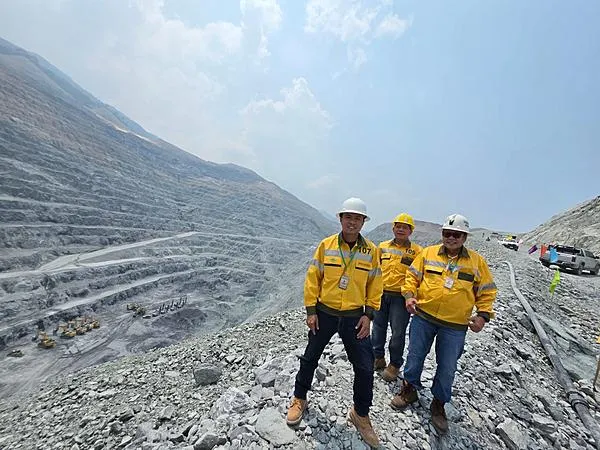
The Vang Tat Gold Mine has historically been developed through open-pit mining. As mining progresses to deeper areas, the project is transitioning toward underground development to provide access to mineral reserves below the practical limits of the existing open-pit operation.
Paramina’s contracted scope covers underground mine development and production activities, including drilling and blasting, mucking and hauling, ground-support installation, long-hole production drilling, backfilling, and the provision and maintenance of specified underground mining equipment.
Engineering Challenges and Early Progress
Like many underground mining projects, Vang Tat has presented conditions that have required continuing geological, geotechnical and operational assessment as development has progressed. Ground conditions encountered underground have reinforced the importance of maintaining responsive ground-control systems and ensuring that support requirements are reviewed against actual conditions observed at each development heading.
Paramina has been working with Vang Tat’s technical team to respond to the conditions encountered underground and to strengthen the systems supporting safe mine development. This has included continuing review of ground-support requirements, geological and geotechnical observations, operating procedures, quality controls and formal technical interfaces between the owner and contractor.
Groundbreaking activities for the two main portals of the underground development commenced on 15 April 2026, only a few months after contract signing. As the project advances, the joint focus remains on establishing the underground infrastructure, operating systems and technical controls required to support safe, consistent and sustainable mine development and, ultimately, production.
Building a Team for the Future
The project is led and supported by a management and technical team with more than 100 years of combined experience in underground mining project start-ups, mine development and the transition to production, applying recognised global mining practices and standards. Paramina’s presence in Lao PDR is supported through its locally registered operating entity, Paramina Lao Sole Company, Ltd.
At peak operations, the project is expected to employ a substantial multidisciplinary workforce, with Filipino mining professionals working alongside Lao, Vietnamese and other project personnel while supporting their development through training and knowledge transfer.
The project provides an opportunity to demonstrate not only Filipino underground mining capability, but also the ability of Philippine mining professionals to transfer knowledge, develop local capability and work effectively within a multicultural operating environment.
In support of its establishment and operations in Lao PDR, Paramina has also engaged with relevant Lao and Philippine government and diplomatic representatives, including the Philippine Embassy in Lao PDR
and appropriate Lao government agencies in Vientiane. Worthy of note, the Lao Embassy in the Philippines has also provided valuable assistance to Paramina.
Looking Ahead
For Paramina, the Vang Tat Gold Mine project represents more than a significant commercial achievement. It is an important milestone in the company’s development as an international underground mining contractor and an opportunity to demonstrate how more than three decades of Philippine underground mining experience can be applied in an increasingly competitive regional mining industry.
As underground development progresses, Paramina remains focused on delivering safe, technically disciplined and high-quality mining services.
Having been awarded the contract was an important achievement, but the company’s success will ultimately be measured by its ability to deliver on its commitments, work constructively with Vang Tat and contribute to the safe and sustainable development of the Vang Tat Gold Mine.
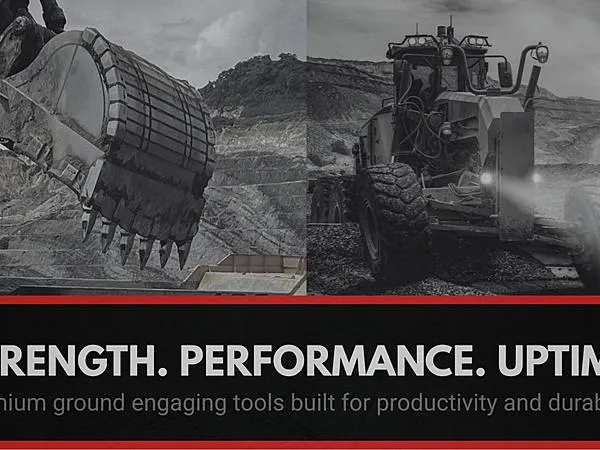
Strength. Performance. Uptime.
In mining and heavy construction, downtime is more than an inconvenience — it’s a cost. Productivity, efficiency, and safety all depend on the performance of the ground engaging tools working at the front line of every machine. From extreme abrasion to high-impact loading conditions, equipment components must perform under constant pressure.
That’s where Valley Blades Limited delivers.
For decades, Valley Blades has been engineering and manufacturing high-performance wear parts designed specifically for demanding environments. With advanced heat treatment capabilities, precision manufacturing processes, and strict quality control standards, every component is built with durability and longevity in mind.
Our mining teeth are designed to withstand the harshest digging conditions. In high-impact, high-abrasion applications, consistent penetration and extended wear life are critical. By combining premium alloy materials with controlled heat treatment processes, we deliver superior strength and structural integrity — maximizing uptime and reducing changeout frequency.
Grader blades and links require a balance of toughness and edge retention. Precision cutting performance is essential for maintaining grade accuracy while minimizing wear. Our blades are engineered for consistent hardness throughout the working surface, ensuring reliable performance even in challenging terrain.
Construction teeth demand versatility. Whether in infrastructure development, site preparation, or heavy civil work, dependable wear parts keep machines productive. Our construction tooth systems are designed to optimize penetration, reduce fuel consumption, and maintain structural strength in daily applications.
Dozer edges must handle continuous pushing forces and abrasive materials. Built from high-strength steel and manufactured to exacting tolerances, our dozer edges provide exceptional wear resistance and impact durability — delivering performance operators can rely on shift after shift.
At Valley Blades, manufacturing is not just about producing parts — it’s about producing confidence. Every product is designed to help contractors and mining operators extend service life, lower cost per hour, and improve overall equipment efficiency.
We understand that performance on paper means nothing without performance in the field. That’s why our products are trusted across North America and international markets where operating conditions are among the toughest in the world.
Now, through our exclusive partnership with Uptime in the Philippines, mining and construction companies throughout the region have direct access to premium wear parts backed by responsive local support. Uptime brings industry knowledge, service expertise, and a commitment to helping customers maintain productivity in even the most demanding projects.
Together, Valley Blades and Uptime are committed to delivering strength, precision, and reliability where it matters most — at the cutting edge.
Because in mining and construction, durability drives productivity. And productivity drives success.
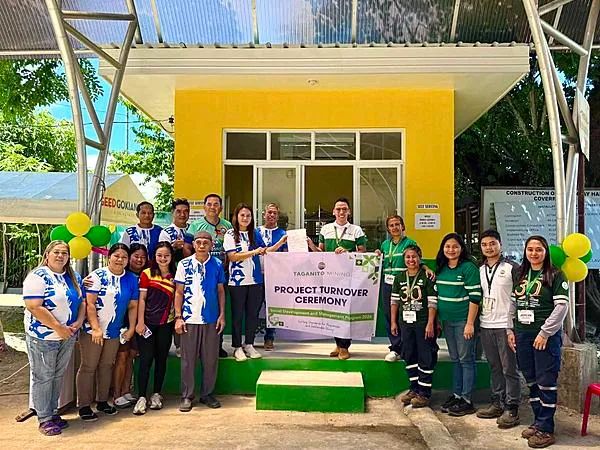
Residents of Bagakay now have greater access to safe and affordable drinking water following the turnover of a newly installed Water Distillation Facility by Taganito Mining Corporation (TMC) to the Barangay Local Government Unit (BLGU) of Bagakay.
Funded through TMC’s Social Development and Management Program (SDMP), the ₱600,000 facility was established to address one of the community’s needs for a reliable source of potable water without the added cost of regularly purchasing water from commercial refilling stations.
The facility is expected to benefit households across the seven puroks of Barangay Bagakay. At the time of turnover, the water was being provided free of charge to residents, while the barangay was also considering measures to support the facility’s long-term maintenance and sustainability.
The turnover ceremony was led by TMC Community Relations Manager Mark Vincent Junel Felias. The facility was received by the BLGU of Bagakay, led by Punong Barangay Sarlyn Roble, which will oversee its management and operation.
For Bagakay families, the project is expected to help reduce household expenses associated with buying drinking water while providing a more accessible source of safe water for their daily needs.
“Salamat sa makadaghan sa TMC. This is another flagship project nan barangay Bagakay. Salamat sa tinooray na serbisyo nan barangay councils, labi na sa tanan Bagakaynon, diin tubag namo kini sa hugot ninyo na supporta sa tanang kalihukan niining Barangay,” said Roble.
(Many thanks to TMC. This is another flagship project for Barangay Bagakay. We also thank the barangay councils for their sincere service, especially all Bagakaynon residents. This project is our response to your strong support for the various activities and initiatives in our barangay.)
The project reflects the joint efforts of TMC and the BLGU to address practical community needs and improve access to essential services.
By bringing potable water closer to households, the facility is expected to support the well-being of residents while helping ease the cost of securing drinking water for their families.
The project is also aligned with Sustainable Development Goal 6, which promotes access to clean water and sanitation for all.
For more than three decades, Dela Torre & Co., Inc. has been helping Philippine industries keep their operations moving through dependable rubber products, FRP (Fiberglass-Reinforced Plastic) solutions, and specialized rubber lining services.
In industrial environments, reliability is rarely determined by one major piece of equipment alone. Often, it is the smaller components—hoses, seals, expansion joints, linings, marine fenders, gaskets, and other engineered products—that help keep an entire operation running safely and efficiently.
When these components fail, the consequences can extend far beyond a single replacement. Production may be interrupted, maintenance costs can increase, and equipment may be exposed to unnecessary wear or damage.
This is where Dela Torre & Co., Inc. (DCI) has established its role as a trusted industrial solutions provider.
Established in 1992, DCI began as a rubber manufacturing company and has steadily developed its capabilities to meet the evolving requirements of industries across the Philippines. Today, the company provides a wide range of industrial rubber and fiberglass-reinforced plastic (FRP) products and rubber lining services, combining manufacturing expertise with application-focused solutions.
Makers of Quality Rubber and FRP Products: Quality Built into Every Solution
Industrial components are expected to perform under demanding conditions. Depending on the application, they may be exposed to pressure, vibration, abrasion, chemicals, temperature variations, moisture, and continuous mechanical stress.
DCI approaches these challenges by focusing not only on the product itself but also on how and where the product will be used.
Its range of industrial rubber products includes hoses, expansion joints, flexible connectors, gaskets, seals, vibration isolators, molded rubber components, and specialized fabricated products. These solutions are designed to support a variety of industrial applications where durability and dependable performance are essential.
The company's rubber lining and fabrication services further strengthen its capabilities. Rubber lining can provide a protective barrier for equipment exposed to abrasive materials, corrosive substances, and demanding operating environments, helping protect surfaces and contribute to longer equipment service life.
Solutions Designed Around the Application
One of DCI's key strengths is its ability to accommodate customized requirements.
Industrial facilities do not always operate with standard conditions, and a component that works for one application may not necessarily be suitable for another. Dimensions, materials, pressure, temperature, chemical exposure, and operating environment can all influence the appropriate solution.
DCI works with customer requirements to develop products suited to specific applications and equipment.
This customized approach allows the company to go beyond simply supplying a standard component. Instead, it focuses on understanding the requirements behind the request and providing a practical solution for the operating environment.
Expanding Through FRP Technology
While rubber remains at the heart of DCI's expertise, the company has expanded its capabilities through FRP technology.
Through its FRP operations, DCI provides solutions such as FRP pipes and spools, floater assemblies, tank repairs, and rehabilitation of FRP-coated systems.
FRP is valued across numerous industrial applications for its combination of strength, durability, and resistance to challenging environments. By offering both rubber and FRP solutions, DCI can address a broader range of requirements and provide customers with alternative material solutions based on their specific applications.
This expanded capability reflects an important principle behind DCI's approach: effective industrial engineering is not simply about supplying a product, it is about selecting the right solution for the job.
Serving Industries That Keep the Philippines Moving
DCI's products and services support a diverse range of industries, including mining, cement, power and energy, marine and shipping, construction, manufacturing, agriculture, and water and wastewater.
These industries share a common requirement: equipment must perform reliably, often under some of the most demanding operating conditions.
Whether protecting equipment with rubber lining, supplying industrial hoses and molded components, supporting marine applications with fenders, or providing FRP solutions for specialized systems, DCI's goal remains centered on helping customers maintain reliable operations.
Built on Experience, Driven by Quality
More than 30 years after its establishment, DCI continues to build on the manufacturing experience and technical capabilities that have shaped the company since 1992.
Its evolution from a rubber manufacturer into a broader industrial solutions provider demonstrates its commitment to adapting to customer needs and changing industry requirements.
From customized rubber products to specialized lining and fabrication work and FRP solutions, DCI brings together experience, material expertise, manufacturing capability, and application knowledge to serve industries throughout the Philippines.
In industrial operations, quality is more than a specification on a product sheet. It is the confidence that a component is built for its intended application and the assurance that equipment can continue to perform when conditions become demanding.
Mining and agriculture rarely share the same conversation. One follows the geology beneath the ground; the other follows the seasons above it. One works with extraction, while the other depends on cultivation. Yet at TVI Resource Development Philippines Inc. (TVIRD), these seemingly separate worlds meet where rehabilitated land is being put to productive use.
At the company’s Agata and Balabag sites, areas dedicated to rehabilitation and agricultural development are producing fruits, vegetables, root crops, and spices alongside mining operations. This August, as harvest season takes center stage, these crops offer a glimpse into how environmental rehabilitation can create opportunities for another kind of productivity. They also serve as proof that mining and agriculture can go hand in hand, complementing and supporting one another.
At Agata’s Mabakas Techno Demo Farm in Agusan del Norte, the company has recorded a total harvest of 1,236 kilograms of fruits, vegetables, root crops, and spices. Bananas account for 572 kilograms of the harvest, while dragon fruit contributes another 349 kilograms. Other high-value crops, including apples, grapes, cacao, coffee, and avocados, are also being cultivated as the farm continues to develop.
From harvest to table
Beyond the volume produced, the agricultural initiatives demonstrate how harvests can become part of everyday operations. Trial lettuce production at Agata was served as a vegetable salad in the mess hall, while mulberries were also harvested and shared with guests.
“Currently, the company produces mulberries, some of which are made into wine and others into fruit shakes for our visitors,” said Mabakas Administrator Sheilah Mae Arcala.
The initial harvest has also opened opportunities for further production. “Lettuce production will be expanded soon,” she added.
Behind this output is the Final Mine Rehabilitation and Decommissioning Phase (FMRDP) team, led by Agata General Manager Jesalyn Guingguing, EnP., and supported by agriculturists, environmental aides, and the Mabakas People’s Organization—the company’s livelihood partner. Soil amelioration and microbial inoculation are carried out before planting, followed by brushing, weeding, pruning, and integrated pest management to maintain crop health.
A land of many yields
At the Balabag Gold-Silver Project in Zamboanga del Sur, the convergence of mining and agriculture can be seen in an area that once served an entirely different purpose.
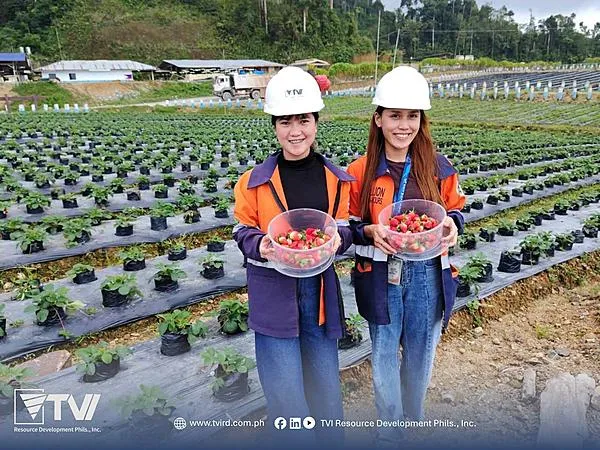
Established in 2024, the Thubig Dleyagen Berries Farm and Permaculture Area was developed within the company’s former Waste Rock Dump 2 as part of Balabag’s progressive rehabilitation efforts. Initially focused on berry production, the site has since evolved into a productive agricultural area, with various crops cultivated alongside ongoing rehabilitation activities. Strawberry harvesting began in August, marking another milestone in the area’s transformation from a former mine waste rock area into a productive and sustainable agricultural space.
The produce also finds its way beyond the farm. Through the Pick-and-Pay Program, employees, contractors, and visitors can purchase freshly harvested strawberries for personal consumption. A portion of the harvest is also supplied to the Clubhouse, where the strawberries are transformed into refreshing fruit shakes, allowing the farm’s produce to be enjoyed by the community.
For Mines Environmental Protection and Enhancement Manager Jjam Cutillas, EnP., the transformation of the former Balabag waste rock dump into a productive agricultural area demonstrates how rehabilitation can go beyond restoring the land. It can also create opportunities for sustainable food production, employee engagement, and community value, turning a once-disturbed area into a space where both the environment and people can benefit.
“From its original purpose of rehabilitating a disturbed area, the initiative has developed the area into a productive and environmentally managed site that demonstrates the potential for sustainable agricultural use,” Cutillas said.
Growing beyond the seasons
The strawberry farm is only one part of the agricultural landscape at Balabag. Mulberries and vegetables such as pechay, sitaw, cucumber, and radish are also being cultivated at the farm and Permaculture Area.
Sustaining the site requires work well beyond harvest season. The Land Resource Management team oversees land preparation, planting and replanting, watering, weeding, pruning, harvesting, and pest and disease monitoring. Mulberry pruning, for instance, encourages continuous fruit production while generating cuttings for propagation and expansion.
The farm also uses company-produced organic fertilizers and soil amendments, including Bokashi, vermicast, Mycovam, and Bio-N, to improve soil fertility and promote healthy crop growth.
These activities form part of Balabag’s broader agroforestry and environmental rehabilitation program under the FMRDP. Fruit-bearing crops are grown alongside native and forest species to support soil stability, vegetation recovery, and biodiversity. The initiative also creates opportunities for employees to participate in planting and site maintenance and complements community programs through seedling donations, planting materials, and the sharing of practical knowledge on sustainable livelihood development.
Mining and agriculture may begin with different purposes, but at Agata and Balabag, they share something fundamental: the land.
One draws mineral resources from beneath it; the other draws nourishment from its soil. In the spaces where the two meet, TVIRD is demonstrating that rehabilitation can do more than restore a landscape—it can give it another way to grow.
The Philippine mining industry continues to play a vital role in the country’s economic growth by supplying nickel, copper, gold, limestone, and other essential minerals for domestic manufacturing and export markets.
However, the harsh operating conditions inside mines and mineral processing plants subject equipment to continuous abrasion, corrosion, impact, and chemical attack. Without effective maintenance strategies, these conditions lead to premature equipment failure, costly production interruptions, and escalating maintenance costs.
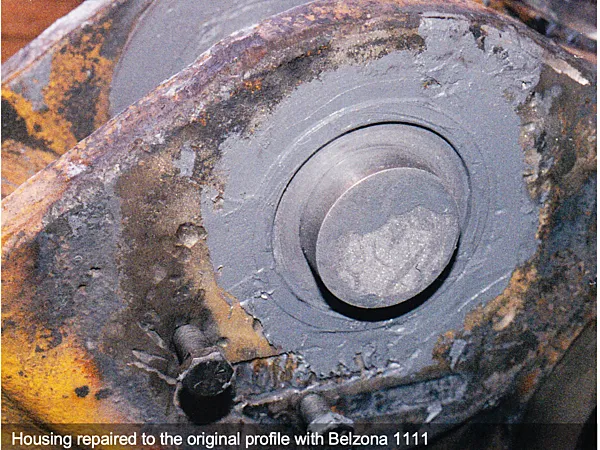
Belzona has been providing advanced composite repair materials and protective coatings to the global mining industry since the 1950s. Its cold-applied polymer technologies enable mining companies to repair, rebuild, and protect critical assets in situ without welding or equipment replacement, helping reduce downtime while extending equipment service life.
Long-Term Abrasion Protection for Pumps, Hoppers, Chutes
One of the most common maintenance problems in mineral processing plants is abrasion caused by the continuous movement of highly abrasive ores and slurries. Slurry pumps, hoppers, chutes, hydrocyclones, pipe elbows, and transfer points experience constant wear that gradually reduces wall thickness, decreases efficiency, and eventually causes equipment failure.
Belzona’s abrasion-resistant ceramic lining systems, particularly Belzona 1812 (Ceramic Carbide FP), are specifically designed to combat these severe wear conditions. The material forms a seamless, cold-applied protective lining that absorbs the effects of abrasion while eliminating the need for welding or hot work. Ceramic-filled composite systems can also be combined with alumina tile linings to provide even greater resistance in high-impact applications such as ore chutes, hoppers, and transfer points.
For mining companies, the benefits extend beyond equipment protection. Longer service intervals, reduced replacement costs, fewer shutdowns, and safer maintenance practices translate directly into improved plant reliability and lower lifecycle costs.
Rapid Emergency Repair of Conveyor Belts
Conveyor systems are the lifeline of every mining operation, transporting thousands of tonnes of ore every day. Damage caused by impact, tears, cuts, or punctures can immediately disrupt production and result in substantial financial losses.
Belzona’s rapid-curing elastomer technology, including Belzona 2311, allows damaged conveyor belts to be repaired quickly on-site without dismantling or hot vulcanisation. The elastomer bonds strongly to rubber while maintaining excellent flexibility, tear resistance, and abrasion resistance under demanding operating conditions. These same materials are also used for repairing heavy-duty mining tyres, rubber linings, and other elastomeric components.
The ability to complete emergency repairs within hours instead of waiting days for replacement belts helps maintenance teams minimise downtime and maintain production schedules, particularly at remote mining operations where replacement parts may not be immediately available.
Corrosion Protection for Mineral Processing Facilities
While abrasion dominates solids handling, corrosion presents another major maintenance challenge throughout mineral processing plants. Flotation cells, thickeners, process tanks, containment areas, and steel structures are continuously exposed to water, acids, alkalis, and aggressive process chemicals that accelerate deterioration.
Belzona’s range of epoxy repair composites and corrosion-resistant coatings provides long-term protection for both steel and concrete assets. These solvent-free coatings create seamless protective barriers that resist chemical attack while preventing under-film corrosion. By protecting flotation cells, process tanks, sumps, and containment structures from aggressive process environments, Belzona helps extend equipment life, improve plant reliability, and reduce maintenance frequency.
Investing in Reliability
As Philippine mining companies continue to improve productivity while controlling operating costs, maintenance strategies increasingly focus on extending asset life rather than replacing equipment. Belzona’s integrated approach—combining abrasion-resistant linings, rapid rubber repair systems, and advanced corrosion protection—provides practical solutions that reduce downtime, improve safety, and maximise the return on maintenance investment.
With local technical support provided by Wise Industrial Systems, Inc., the authorised Belzona distributor in the Philippines, mining companies have access to globally proven technologies backed by local engineering expertise. By protecting critical equipment from abrasion, wear, and corrosion, Belzona enables mining operations to maintain reliable production and achieve more sustainable long-term asset performance.
The Best Work Often Happens Beneath the Surface
When people see a mine, a dam, a renewable energy project, or major infrastructure taking shape, they see the finished result. What they often don't see is the groundwork that made it possible. Long before construction begins, critical decisions are guided by the information gathered beneath the surface, helping project teams understand risks, plan effectively, and build with confidence.
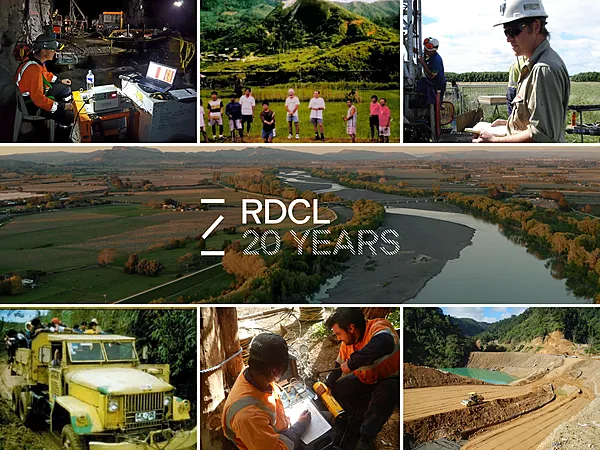
For the past 20 years, RDCL has been doing that groundwork, helping clients better understand the land they work on while providing the technical expertise and reliable data needed to support safer and more successful projects. At its core, RDCL's work has always been about more than investigations and drilling. It has been about building trusted partnerships, respecting the communities and environments in which we operate, and helping create positive outcomes for future generations.
Growing with the Philippine Mining Industry
RDCL's journey began through the involvement of Australian and New Zealand specialists supporting the growth of the Philippine mining industry. Through participation in some of the country's early mining developments, the company gained valuable experience and built a reputation for delivering reliable geotechnical solutions in challenging environments. These early projects laid the foundation for RDCL's commitment to quality, innovation, and providing clients with the information needed to make confident decisions.
As the industry evolved, RDCL grew alongside it. Establishing a strong local presence in the Philippines allowed the company to expand its team, strengthen client relationships, and develop capabilities that addressed increasingly complex project requirements. Over the past two decades, RDCL has remained a trusted partner to the mining sector, adapting to changing industry needs while continuing to deliver practical solutions, dependable data, and technical expertise that contribute to safer and more successful projects.
Taking on Bigger Challenges
How RDCL Reduces Tailings Risk - Turning Ground Data into Certainty
Tailings dam failures remain one of the mining industry's most serious risks - engineered structures are exposed to catastrophic failure when subsurface conditions aren't fully understood. In seismically active regions like the Philippines, the stakes are even higher, with dams needing to stay stable for decades after mine closure.
In one project, the client was investigating the residual seismic risk for their tailings structure, to decide whether further lifts were feasible. RDCL undertook deep CPT to 70m to understand the construction history and residual risk of the structure. This baseline data was used in conjunction with pressuremeter and MASW data to allow the client to make and risk informed decision on future expansion.
In a recent project, RDCL supported the Client’s geotechnical investigation of an existing and proposed TSF site. By integrating more than 8 kilometres of surface geophysics (SRT, MASW and ERT) with 20 CPTs, 30 undisturbed samples and 40 field vane tests, RDCL established a comprehensive understanding of subsurface conditions across the site. This integrated approach helped reduce uncertainty in the ground and provided critical evidence to support the Client in evaluating options, and make informed decisions on the best path forward, ultimately minimising project risk.
The overall impact: reducing ground uncertainty, giving the Client greater confidence in managing critical geotechnical risks, and helping protect people, the environment, and operations.
Lessons from 20 Years
Twenty years in the field have taught us that industries never stand still. Expectations around safety, environmental responsibility, and project performance continue to evolve, while projects have become increasingly complex. Through these changes, RDCL has adapted by embracing new technologies, refining investigation methods, and continuously developing the expertise of its people. Perhaps the most important lesson learned is that good decisions begin with good information. Whether supporting mining operations, infrastructure developments, or future renewable energy projects, RDCL remains committed to providing reliable insights that help clients manage risk, make informed decisions, and build with confidence.
RDCL's success has been built on teamwork, strong relationships, and a culture that values safety, accountability, and care for both people and the environment. These principles continue to guide how the company works with clients, partners, suppliers, and communities.
Continuing the Groundwork for Future Generations
As industries continue to evolve, RDCL remains committed to the same purpose that has guided the company for the last twenty years: helping clients understand what lies beneath the surface so they can confidently build what comes next.
We work in partnership with you - identifying risks early, delivering practical geotechnical and geophysical solutions, and providing the reliable subsurface data that supports better-informed decisions at every stage of your project's life cycle.
Don't leave your next project's success to chance. Talk to RDCL today. We look forward to continuing the groundwork for future generations, together.
Supportive government policy has lifted confidence across the Philippine mining sector with the industry now entering a growth phase. With momentum building across the industry, operators have the certainty to invest in new projects and upgrade existing infrastructure. This means equipment suppliers need to have stock and parts to back the uptick in mining needs.
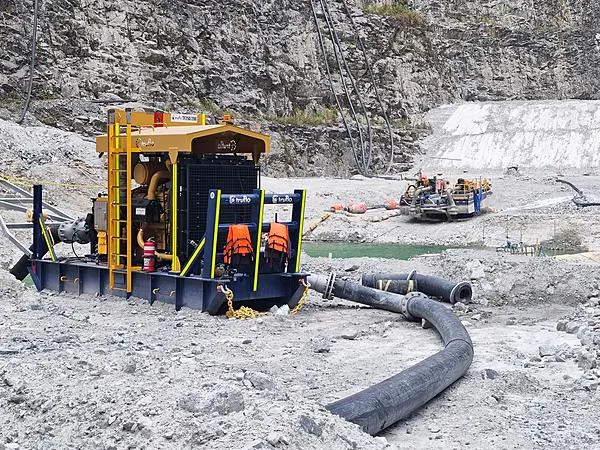
Truflo Pumps has supplied dewatering pumps to Philippine mine sites for more than ten years. That history matters. Dewatering is an ongoing challenge that changes with every metre a mine goes deeper, or every wet season that tests a site's water management plan. Longevity in a market like the Philippines has been earned through pumps that keep running no matter how harsh the conditions.
While Truflo Pumps has over a decade of experience in the Philippines, this has been strengthened by the recent appointment of Power Systems Inc. as an official agent. This has given Philippine mining operators a direct line to sales, after-market support and critical parts, without the delays that come with sourcing internationally. Power Systems Inc stocks the parts that matter most, so a pump issue on site doesn’t turn into a production delay while components make their way from overseas suppliers.
The result has been a steady rise in Truflo Pumps units across both open cut and underground operations, with the brand fast becoming a preferred supplier for dewatering across the Philippine mining sector.
Behind that growth is a genuinely hands-on relationship. Truflo Pumps' international business development manager, Paul Power, works alongside the Power Systems Inc team on regular site visits, commissioning new pumps, training operators and troubleshooting dewatering challenges as they arise. It is this combination of local stock and international engineering support that operators have responded to.
Power says: “Truflo Pumps’ years of experience in dewatering systems really sets us apart. Between the extreme weather and the rugged terrain here, off-the-shelf solutions rarely cut it. We focus on engineering solutions that work out in the field, not just in a shiny brochure. This is backed up by our network of local distributors, like Power Systems.”
For mine planners managing dewatering across open cut and underground operations, the combination of proven equipment, local parts availability and direct manufacturer support is increasingly the deciding factor when choosing a supplier. Truflo Pumps' growing footprint in the Philippines reflects a broader pattern across its international agent network, where the same model, local stock, local service, backed by Australian engineering, is being replicated in global markets including South America, Africa, Oceania and the Middle East.
As the Philippine mining sector continues to grow, Truflo Pumps and Power Systems Inc are ready to grow with it, backed by more than a decade of pumps proving themselves on Philippine sites, and a local partner able to keep them serviced, up and running.
Truflo Pumps. Dewatering around the world.
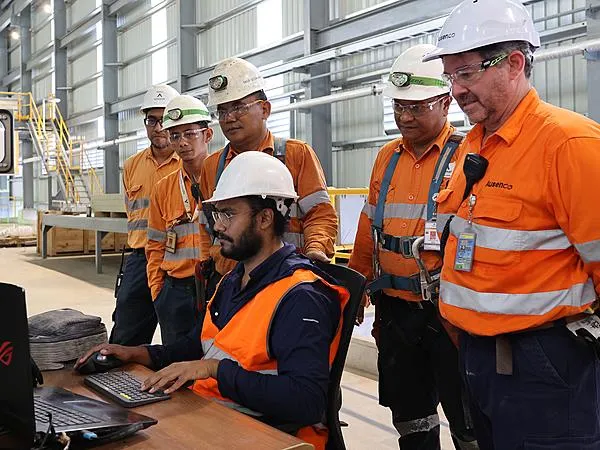
By Anthony Chaytors, Director of Operations, Ausenco
Successful mining projects are measured by more than the asset that is delivered. Cost, schedule, safety and performance remain critical, but so does the legacy left behind: a skilled local workforce, contractors that build capability in the region, and communities that engage with and see lasting value from the mine.
That legacy does not happen by accident. It’s a choice, shaped by how the project delivery partner chooses to work. Partners committed to building local capability create opportunities for local people by promoting skills development, engaging and supporting communities, and transferring knowledge with purpose. When done well, the project impact goes far beyond construction. The skills, careers and trusted relationships it creates remain in the region, supporting future projects and contributing long-term community growth.
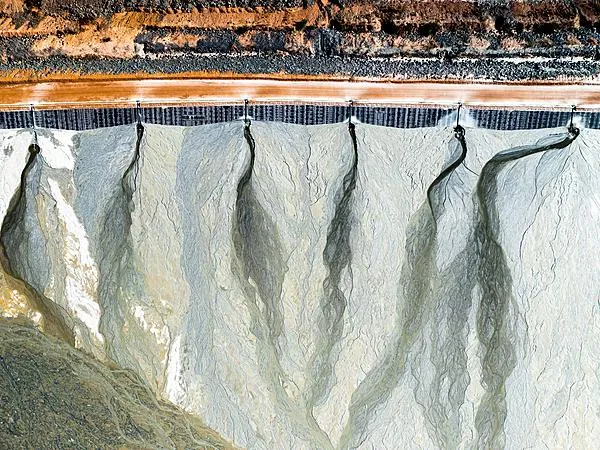
Mining plays a critical role in the Philippine economy, supporting demand for copper, gold and nickel across regional and global markets. However, every operation produces large volumes of waste that must be managed safely over the long term. Globally, more than 100 billion tonnes of mine waste are generated annually, and the Philippines faces its share of this challenge.
In a country shaped by high rainfall, seismic activity and competing land uses, mine waste is more than an operational issue. It carries environmental, social and financial implications that extend well beyond the life of a mine. At GHD, we believe this challenge also presents a powerful opportunity. With the right approach, mine waste can shift from being a long-term liability to becoming a valuable resource that supports economic development, environmental stewardship and sustainable management of precious resources.
Rethinking mine waste as a strategic opportunity
Managing mine waste is increasingly complex. In the Philippines, climate change-driven intensified events and seismic activity, add to the risks of conventional tailings storage, alongside rising costs, regulation and community expectations.
At the same time, demand for minerals continues to grow, putting more pressure on finite resources and exposing the limits of traditional extract-and-dispose models.
Mine waste is often treated only as a liability, yet tailings can hold recoverable metals and mineral content that can be reused once contaminants are removed. In the Philippines, it also opens opportunities to extend economic and community benefits beyond the life of a mine.
Unlocking value through repurposing
Reimagining how tailings are managed can significantly reduce the volume of waste requiring long‑term storage. Whilst reprocessing tailings to extract further metal is not uncommon, ‘repurposing’ has the potential to cut tailings volumes by up to 90%, easing pressure on storage facilities and reducing environmental risk.
The opportunities created by this shift are wide‑ranging. Processed tailings can be transformed into construction materials such as aggregates, sand and cementitious products. These materials can be used in roads, housing and infrastructure projects, many of which are in high demand across the Philippines.
Repurposing also supports more efficient use of existing infrastructure. In many cases, tailings can be processed using facilities already in place, limiting the need for major new investments. This makes repurposing an attractive choice for both operating mines and sites approaching closure.
In addition, tailings often hold substantial amounts of many other valuable metals, beyond the traditional copper, gold, nickel and zinc that is typically produced in the Philippines. By concentrating the metallic fraction of the tailings (approximately 20% by volume), this can then be refined (locally or offshore) to extract other critical minerals and rare earth elements.
Turning tailings into materials that support long‑term development
Construction is one of the most promising pathways for repurposed mine waste. Of the approximately 80% by volume of tailings material, alumino‑silicates commonly found in tailings can be converted into geopolymers and alkaline‑activated concrete.
Low‑carbon, low-cost construction materials present another compelling choice. Precast elements produced near mine sites can reduce transport requirements while supporting local supply chains and employment.
Beyond construction, repurposed mine waste can play a role in land restoration and agriculture. Silicate‑rich materials support soil structure and can be combined with organic matter to rehabilitate degraded land. This approach helps restore ecosystems, supports vegetation growth and contributes to long‑term land stability.
By linking waste repurposing with rehabilitation aims, mining companies can align operational decisions with broader environmental and community outcomes. The result is a more integrated approach to mine planning, operation and closure.
Creating shared value for industry and community
Reducing reliance on large tailings storage facilities lowers long‑term monitoring and maintenance costs for mining operations. These benefits also extend beyond mining companies. Repurposing creates opportunities for collaboration with the construction, manufacturing and agricultural sectors, supporting job creation and skills development. For communities near mine sites, this diversification can reduce dependence on a single industry and support more stable local economies.
Environmental gains are equally significant. Repurposing lowers the volume of material stored in tailings facilities, reducing safety risks in a country exposed to extreme rainfall and seismic events; including Acid Mine Drainage (AMD). It also reduces demand for new quarries.
Social outcomes may be the most enduring. By extending productive activity beyond the operational mine life, repurposing supports long‑term community resilience. Continued production after closure can sustain employment, support infrastructure and provide a foundation for future development.
Overcoming barriers to adoption
Despite its potential, large‑scale mine waste repurposing is still limited by financial, regulatory and technological barriers, as well as the need for public confidence and policy support.
Progress depends on treating waste as a resource and building repurposing into mine planning from the start. Collaboration between mining companies, researchers, recyclers, government and consultants is essential to advance research, refine processes and create supportive frameworks. The good news is that momentum is already gaining, particularly in Canada and Australia, where governments are realising the substantial benefits and starting to adapt policy and process to enable a more streamlined approach to repurposing.
The Philippines is well placed to take advantage of these lessons. With a significant mining sector, growing infrastructure needs and increasing focus on sustainability, the foundations for progress are already in place.
Shaping a more resilient future for Philippine mining
A more sustainable future for mining in the Philippines begins with a simple but powerful shift in perspective. When mine waste is treated as a resource, new pathways open for reducing risk, creating value and supporting communities.
By transforming tailings into useful materials, we can lower environmental impact, strengthen economic performance and leave a more positive legacy at mine closure. Achieving this vision will require innovation, investment and collaboration across multiple disciplines. The opportunity is real, and the benefits extend far beyond the mine gate.
Through thoughtful planning and committed partnerships, repurposing mine waste can help shape a mining industry that supports resilience, sustainability and long‑term prosperity for the Philippines.
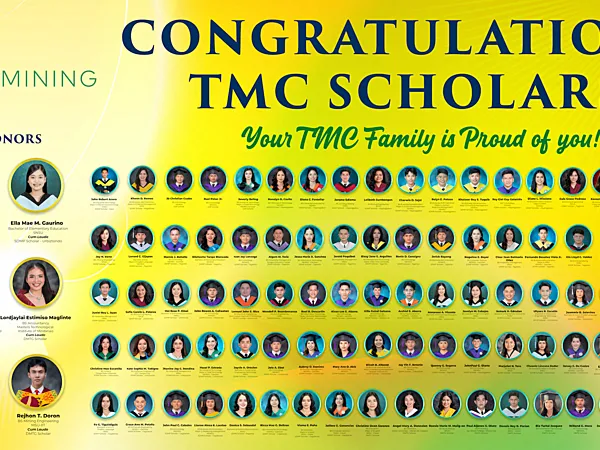
A total of 109 scholars graduated from colleges and universities in 2026, marking another milestone in Taganito Mining Corporation’s (TMC) continuing support for education through its Social Development and Management Program (SDMP).
The graduates include scholars from the four mining barangays, neighboring non-mining barangays, as well as scholars under the Development of Mining Technology and Geosciences program. They earned degrees in various fields, including education, criminology, hospitality management, engineering, marine transportation, and other disciplines that prepare them to pursue careers and contribute to their communities.
Adding distinction to this year’s achievement, two graduates earned Magna Cum Laude honors, while seven graduated Cum Laude, reflecting their dedication and academic excellence throughout their college journeys.
For the graduates, the milestone represents more than academic success. It is the culmination of years of hard work and perseverance, made possible through the support of their families, schools, communities, and scholarship partners.
Among the graduates is Kristian Jade G. Arnigo, a Bachelor of Science in Marine Transportation graduate from St. Joseph Institute of Technology.
“I sincerely thank you for your generous support and for giving me the chance to continue my education. Your assistance has been a great help in achieving my goals and pursuing my dreams,” Arnigo said.
He expressed his commitment to making the most of the opportunity and honoring the trust placed in him.
For Gin Lloyd C. Valdez, a Bachelor of Science in Civil Engineering graduate from Surigao del Norte State University, graduation marked the close of a challenging chapter filled with late nights, countless coffee runs, and moments of uncertainty.
“I couldn't have made it this far without the sacrifices of my family and the incredible opportunity provided by the TMC scholarship,” Valdez said.
He added that the scholarship eased the financial burden of pursuing his degree, allowing him to focus on his studies and future.
Meanwhile, Rejhon T. Doron, a Cum Laude graduate of the Bachelor of Science in Mining Engineering program at Mindanao State University–Iligan Institute of Technology, credited the scholarship with helping ease the financial burden on his family, particularly during his thesis.
“The scholarship I had was greatly appreciated as it lessened the financial burden on my parents, especially during my thesis. Your support has led me to where I am now,” Doron said.
He added, “I am beyond grateful and proud to be one of your scholars. Maraming salamat, TMC!”
Engr. Artemio Valeroso, TMC Senior Vice President and Chief Operating Officer–Resident Mine Manager, emphasized the broader significance of the graduates’ achievement.
“These 109 graduates are a testament to what can be achieved when young people are given the opportunity to pursue their dreams. We hope they will use their knowledge and skills to build meaningful careers, contribute to their communities, and inspire others to value education as a pathway to a better future.”
TMC is a subsidiary of Nickel Asia Corporation with operations in Claver, Surigao del Norte.
Follow on LinkedIn:
Philippine Resources Journal
Be the "First" to get our exclusive Digital Magazine & Weekly Newsletter.