Category:
Beyond Borders: The Strength of a Connected RDCL Across Australasia
At RDCL, we believe that true strength lies in connection — in bringing together people, expertise, and perspectives across regions to create something greater than the sum of its parts.
As a business that operates across the Asia-Pacific, with teams in New Zealand and the Philippines, RDCL’s success is built on the power of collaboration and shared purpose. Each regional office brings unique capability and character — and together, they form a network that is agile, resilient, and deeply connected.
A Network That Works as One
Operating across countries means more than working in different time zones. It means working in different contexts — different markets, regulatory landscapes, and cultural environments. For RDCL, this diversity is a strength.
Our presence across the Asia-Pacific allows us to combine strategic insight from New Zealand, delivery capability from Australia, and technical excellence from the Philippines. Each part of the network plays a distinct role, but all operate with a single purpose: to deliver quality, consistency, and value for our clients and partners.
This integrated model allows RDCL to be both local and regional at once — maintaining close relationships on the ground while drawing on the depth and diversity of expertise across the business.
The Role of the Philippines in RDCL’s Success
The Philippines has become an essential pillar of RDCL’s growth and capability. Our Philippines office is where we see our large-scale work — a key driver of innovation, efficiency, and performance across the company.
From technical design and data analytics to systems development and project delivery, the Philippines team contributes skills and perspectives that strengthen every aspect of our work. Their agility and attention to detail enable RDCL to operate with precision and pace, while their culture of collaboration embodies the spirit of partnership that defines our company.
Equally important is the sense of shared purpose that connects our Philippines team with colleagues in New Zealand. Communication is seamless, trust is strong, and the results speak for themselves — projects delivered across borders with cohesion and confidence.
Mutual Value Across the Region
Every region within RDCL’s network brings its own strengths — and, importantly, learns from the others.
New Zealand provides the foundation of RDCL’s strategic leadership and client partnerships, setting the tone for quality, culture, and long-term vision.
The Philippines delivers technical excellence and systemised capability, ensuring that innovation, efficiency, and attention to detail remain at the heart of everything we do.
Together, these pillars form a balanced and complementary network. Knowledge flows freely between teams, lessons are shared, and ideas travel quickly — creating a business that is continually evolving, learning, and improving.
Connected by Culture and Purpose
Beyond the operational benefits, RDCL’s regional model has fostered something even more powerful: a shared culture.
Across time zones and borders, our people are united by a common set of values — collaboration, quality, and care. No matter where we are, RDCL team members know they are part of something larger — a company that values their contribution and invests in their growth.
This culture of connection underpins everything we do. It drives innovation, strengthens relationships, and ensures that every client engagement, wherever it takes place, reflects the same commitment to excellence that defines RDCL.
A Future Built on Shared Strength
As RDCL looks ahead, the role of the Philippines — and the broader Australasian network — will continue to expand. The world of work is increasingly connected, and the ability to operate seamlessly across regions is no longer a competitive advantage; it is an expectation.
RDCL’s integrated model positions us to meet that challenge with confidence. By harnessing the strengths of each region — and the commitment of our people everywhere — we are able to deliver outcomes that are both globally informed and locally grounded.
The Philippines team is central to that story. Their expertise, innovation, and dedication continue to elevate RDCL’s capability and ensure that our clients receive the best of what the whole business has to offer.
Acknowledging a Shared Success
RDCL’s success is a collective achievement — one built on the talent and hard work of people across the Asia-Pacific.
Every milestone, every project, and every partnership is the result of collaboration that crosses borders and unites diverse teams under a single vision.
To our colleagues in the Philippines: thank you for your contribution, your professionalism, and your partnership. You are an integral part of RDCL’s past, present, and future — and your work continues to shape what RDCL stands for across the region.
At RDCL, we are more than a company that operates across countries. We are one connected team — committed to excellence, united by purpose, and stronger together.
Contact us today: info@rdcl.asia
Cam Wylie, Director, RDCL
Cam Wylie is the Managing Director, CEO and Principal Engineer at RDCL Limited. With 30 years in the industry, Cam is a Chartered Professional Engineer working on major projects in the Philippines, Indonesia, Africa, Australia, and New Zealand. His expertise includes geotechnical engineering for mines, dams, roads, and infrastructure.
Polymeric Shimming and Chocking Systems Protect Assets Against Corrosion
Polymeric Shimming and Chocking Systems Protect Assets Against Corrosion
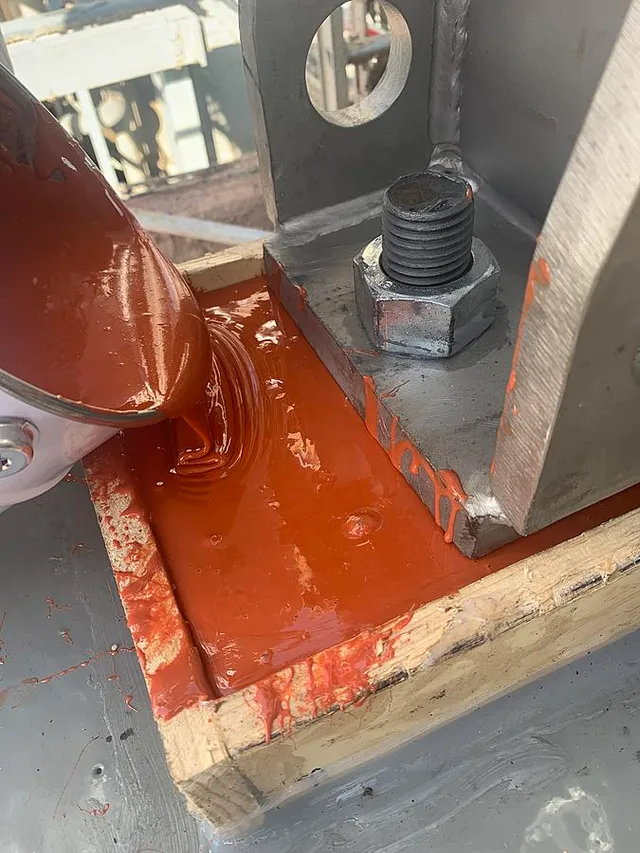
Pourable shimming and chocking systems are used worldwide in marine, offshore, and many other industrial environments. They provide reliable alignment, reduced vibration, and long-term corrosion protection.
Avoid Asset Failures with Effective Precision Alignment
Within heavy-duty industries, precision alignment is essential for ensuring safe and efficient operation. Shimming provides fine adjustments to correct uneven interfaces and achieve precise alignment, while chocking fills larger gaps and creates a continuous, load-bearing contact surface capable of supporting engines, propulsion systems, compressors, generators, gearboxes, and other critical assets. When executed correctly, these processes help prevent costly failures caused by mechanical stress, misalignment, and vibration.
Drawbacks of Conventional Solutions
Conventional solutions such as steel plates, metal wedges, or cementitious grouts have notable limitations. Metallic bearing shims and load-bearing shims are vulnerable to corrosion and distortion, while cement-based products can shrink, crack, or degrade under repeated thermal or dynamic loads. Over time, these weaknesses can compromise structural integrity, cause vibration issues, or accelerate wear.
Benefits of Polymeric Technology
Polymeric alternatives have proven to be highly effective in overcoming these challenges. Designed for resilience in demanding industrial environments, they offer excellent dimensional stability, high compressive strength, and long-term protection against corrosion.
Shimming System for Demanding Conditions
The shimming material Belzona 7111 is widely used across the marine and industrial sectors. This 100% solids, two-component system is formulated for high-load, precision chocking applications. Its self-levelling, pourable properties allow it to flow easily into complex geometries, ensuring uniform contact between equipment and its foundation.
Once cured, Belzona 7111 forms a solid, monolithic block that resists deformation under static and dynamic loads. Because it is non-metallic and corrosion-resistant, it avoids the long-term deterioration seen with metal-based shims and wedges. This stability helps maintain proper alignment, reduce vibration, and protect mounting hardware throughout the equipment’s operational life.
Belzona 7111 is approved by:
-
American Bureau of Shipping (ABS)
-
Bureau Veritas (BV)
-
Det Norske Veritas (DNV)
-
Lloyd’s Register (LR)
Deep-Pour Capabilities for Complex Shimming Scenarios
For installations requiring large-volume pours or deep fills, Belzona 7211 can be used to create strong, void-free chocks in demanding applications. This system is frequently selected when traditional load-bearing shims or high-impact load-bearing shims cannot provide the continuous support needed for heavy-duty equipment.
With its self-levelling characteristics and excellent performance on uneven or irregular foundations, Belzona 7211 ensures consistent load distribution—reducing the risk of mechanical fatigue, vibration-related failures, and alignment drift.
Long-Term Corrosion Protection and Dimensional Stability
A key advantage of polymeric shimming and chocking solutions is their ability to prevent corrosion at the equipment interface. Metal-based bearing shims and cementitious grouts can trap moisture, leading to crevice corrosion or cracking. Polymeric materials eliminate these vulnerabilities by being non-porous and maintaining dimensional stability in aggressive environments, including marine atmospheres, offshore platforms, and high-moisture industrial settings.
By maintaining stable geometry and resisting corrosion, polymeric systems—such as Belzona 7111 and Belzona 7211—help extend equipment life, reduce maintenance frequency, and prevent costly unplanned downtime.
About Belzona:
-
Established in 1952, Belzona has pioneered innovative polymer technology that has revolutionised industrial repair and maintenance procedures.
-
Belzona is a leading company in the design and manufacture of polymer repair composites and industrial protective coatings for the repair, protection, and improvement of machinery, equipment, buildings, and structures.
-
At Harrogate, the full Belzona product range is manufactured to stringent quality and environmental control guidelines, complying with the requirements of ISO 9001:2015 and ISO 14001:2015.
-
Belzona has over 159 distributors in more than 120 countries, ensuring not only the availability of Belzona materials but also specification support, project management, application, and supervision services. Distributorships and their teams are supported by Belzona Corporate offices in Europe, North America, and Asia.
For more information, please visit: www.Belzona.com
CHC Navigation: Integrated Geospatial Systems for Enhanced Efficiency, Risk Mitigation in Modern Mining Operations
From the vast open pits to the sediment-filled settling ponds, a mining operation is a landscape in constant, measured motion.
For the Philippine mining industry, mastering this motion—the movement of earth, water, and infrastructure—is the key to unlocking new levels of efficiency, safety, and environmental responsibility.
At the heart of this transformation is a comprehensive technological approach that builds a single, unified digital reality of the entire site.
Imagine a mining manager who no longer must rely on fragmented reports. Instead, they view a living digital twin of their operation, where data from drones, autonomous boats, and ground sensors flows into one coherent picture.
This is the integrated ecosystem that CHC Navigation (CHCNAV) is bringing to the field, weaving together marine, terrestrial, and monitoring technologies into a seamless workflow.
The journey often begins at the water's edge. Siltation in tailing ponds and reservoirs is more than an operational headache; it's an environmental imperative.
Here, CHCNAV’s Apache series Unmanned Surface Vessels (USVs), like the Apache 4 and Apache 6, are taking on the task. These fully autonomous vessels navigate pre-programmed routes, using advanced echo sounders to map the underwater terrain.
For particularly challenging areas, the HQ400 multibeam echo sounder can be deployed, painting a high-resolution, three-dimensional picture of the sediment buildup. This isn't just a map; it's a precise volumetric calculation that tells engineers exactly how much silt has accumulated, enabling proactive dredging and preventing compliance issues before they start.
But a mine is more than its reservoirs. The material dredged from the water is tracked as it moves to stockpiles, and then as ore is extracted from the pit.
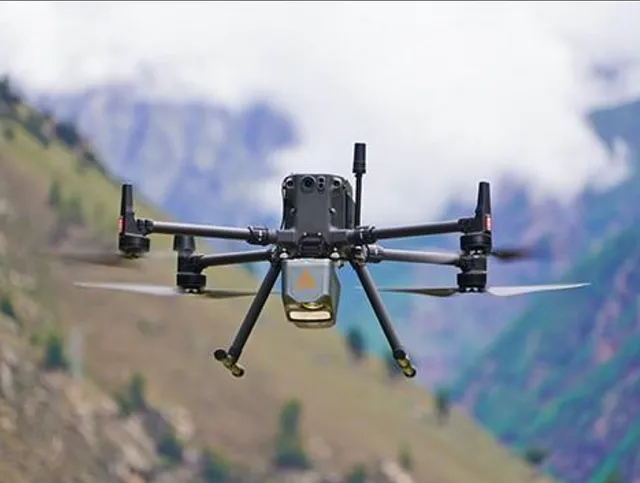
This is where CHCNAV’s mapping solutions create the next layer of intelligence. In the air, the X500 UAV conducts aerial surveys, capturing the vast, changing topography of the site through photogrammetry and LiDAR.
On the ground, the workhorse RS10 measurement system provides centimetre-level accuracy for the details of daily operations. It’s used to validate the volume of a truckload, perform a final check on a stockpile calculation, and ensure that what was moved matches what was planned.
This seamless data handoff from the UAV to the RS10 closes the loop on material tracking, eliminating discrepancies and giving management a trustworthy, real-time view of production efficiency.
Yet, a mine is a dynamic and sometimes unstable environment. The final, critical layer of this digital twin is real-time vigilance. The same high walls being mapped from the air and the massive stockpiles being measured from the ground need to be monitored for the slightest sign of movement.
This is the domain of CHCNAV’s monitoring solutions. Strategically placed around the site, the PS-2000 radar and H3 GNSS receiver act as a silent sentinel network. They continuously track points, feeding data to a platform.
If a slope begins to deform beyond safe parameters, the system doesn’t just record it; it alerts site managers instantly, allowing them to evacuate an area or initiate corrective action before a minor shift becomes a major incident.
What makes this approach revolutionary is not just the power of each tool, but their synergy. The bathymetric data from the Apache USV informs the sediment volume added to a stockpile, which is measured by the RS10 and monitored for stability by the PS-2000. It’s a continuous, closed loop of geospatial intelligence.
For the Philippine mining industry, this integrated, end-to-end solution marks a pivotal shift. It moves beyond reactive problem-solving to proactive, data-driven management.
By building a single, undeniable truth about the mining operations—from the bottom of the tailing pond to the crest of the open pit—mining companies are now empowered to achieve the highest standards of productivity, safety, and sustainability.
About CHC Navigation
CHC Navigation (CHCNAV) develops advanced mapping, navigation, and positioning solutions designed to increase productivity and efficiency.
Serving industries such as geospatial, agriculture, construction, and autonomy, CHCNAV delivers innovative technologies that empower professionals and drive industry advancement.
With a global presence spanning over 140 countries and a team of more than 2,000 professionals, CHC Navigation is recognized as a leader in the geospatial industry and beyond.
For those interested, QES Technology Philippines invites mining companies to schedule a demonstration onsite.
QES offices are located at Metro Manila Unit 507, Page 1 Building, Acacia Avenue, Madrigal Business Park, Ayala Alabang, Muntinlupa, 1780 and Mindanao National Highway, KM. 4, Brgy. Luna, Surigao City.
Consultations, demo scheduling, and quotation requests are available through +632 8771 1248, via email at qtpmarketing@qesnet.com, or by visiting www.qesnet.com.
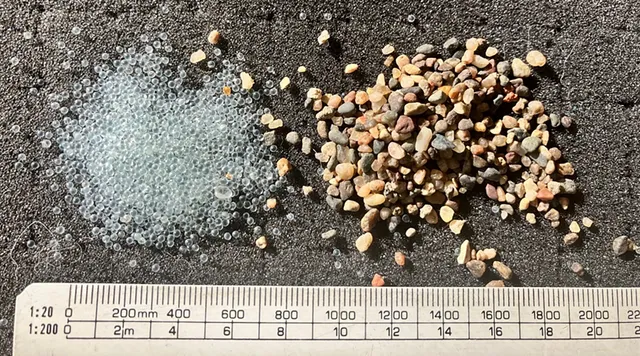
Comparison of Filter Packs in Well Design: Gravel vs. Glass Beads
By Thomas Hanna, PG, Technical Director – Johnson Screens
The use of Shur-Pak glass beads is becoming a better choice for the long-term operational costs of wells.
This article compares the performance of two nearby wells—RWD 2004-6 and RWD 2024-6—constructed in the Quaternary High Plains aquifer near Lancaster, Nebraska, USA.
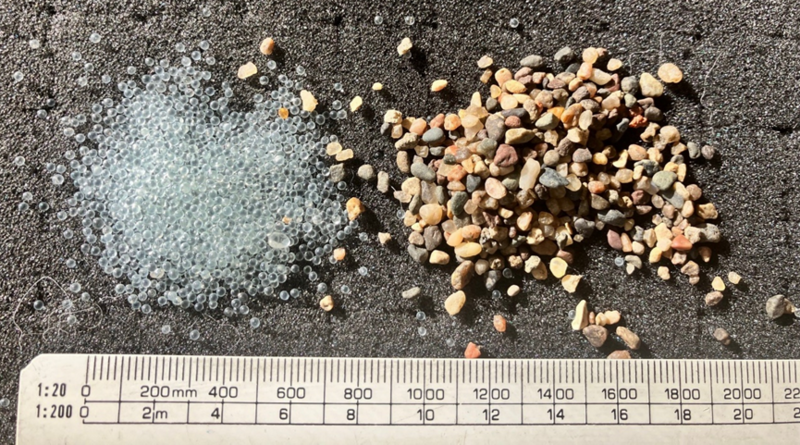
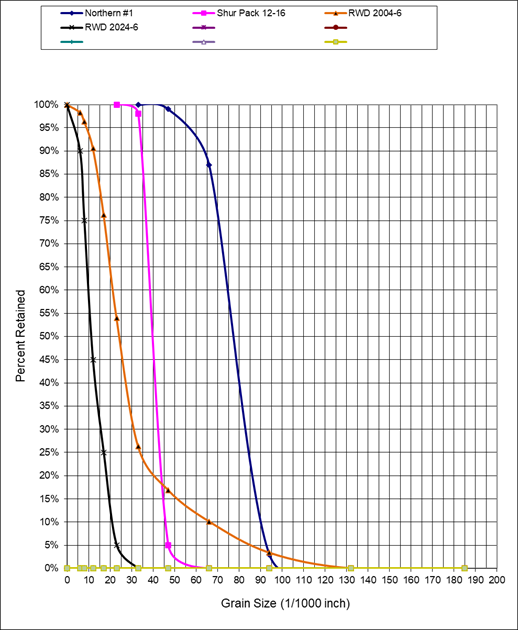
These municipal supply wells were drilled approximately 600 feet apart and constructed using similar methods, materials, and dimensions, with one key difference: RWD 2004-6 was completed in 2004 using #1 Northern gravel as a filter pack, while RWD 2024-6, drilled in 2024, used Shur-Pak 12-16 glass beads.
Glass beads are increasingly favored in well construction due to their uniform size, smooth surface, and chemical inertness.
Compared to natural gravel, which varies in shape and composition, glass beads offer consistent porosity, enhanced hydraulic conductivity, and reduced biofouling risk, resulting in lower well ownership costs.
Well Design and Construction
The general geology of the site, based on geologic well logs, shows the upper 80–150 ft of the aquifer consisted of silt and clay consistent with loess and glacial deposits. Below this, fine to coarse sands of the aquifer were deposited over shale.
Sand thickness ranged from approximately 80–266 ft below ground surface (bgs) in RWD 2004-6 and from 149–248 ft bgs in RWD 2024-6. Static water levels ranged from 70–80 ft bgs.
The wells were drilled using reverse circulation mud rotary. Bentonite- and polymer-based drilling fluids were used, and viscosities were thinned with Nu-Well 220 clay dispersant before development.
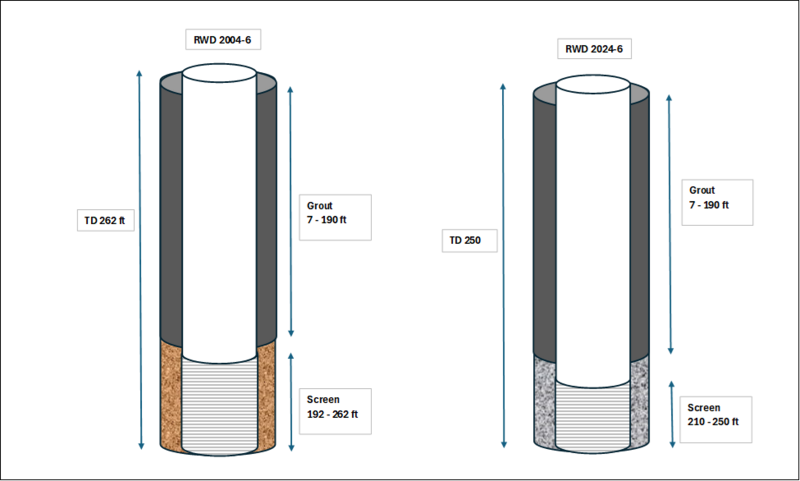
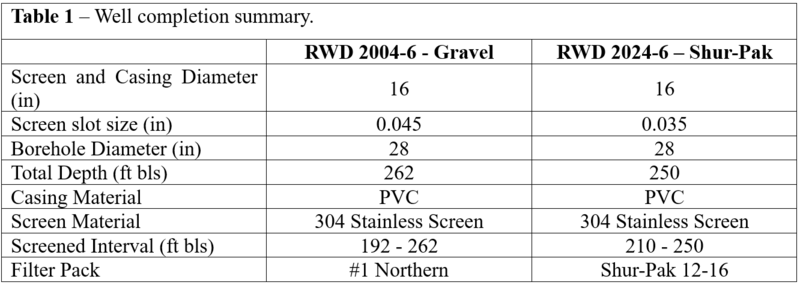
Both wells were completed with 16-inch 304SS wire-wrapped screens and PVC risers:
-
RWD 2004-6 (Gravel): 70 ft of screen, 0.045-in slot, #1 Northern gravel
-
RWD 2024-6 (Glass): 40 ft of screen, 0.035-in slot, Shur-Pak 12-16
Filter packs were installed by the tremie method, and the annular space was grouted from approximately 190 ft bgs to 17 ft bgs with 3/8-inch bentonite chips. The upper 10 ft were sealed with neat cement to complete the sanitary seal (Table 1).
Well Development
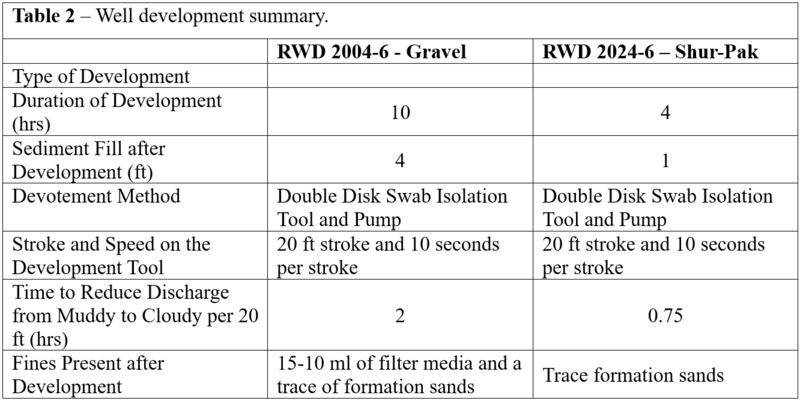
Both wells were developed using a double surge block tool, operated at a 20-ft stroke and 10-second interval, while pumping at approximately 400 gpm.
The results presented in Table 2 show that RWD 2004-6 (Gravel) took approximately 2 hours per 20-ft interval to reduce water from muddy to cloudy, and an additional 30 minutes to clear completely.
Fines present at the end of each interval were about 10–15 mg/L. RWD 2024-6 (Shur-Pak) took 45 minutes to go from muddy to cloudy per interval, and 10 more minutes to clear. No fines were observed post-development.
Test Pumping
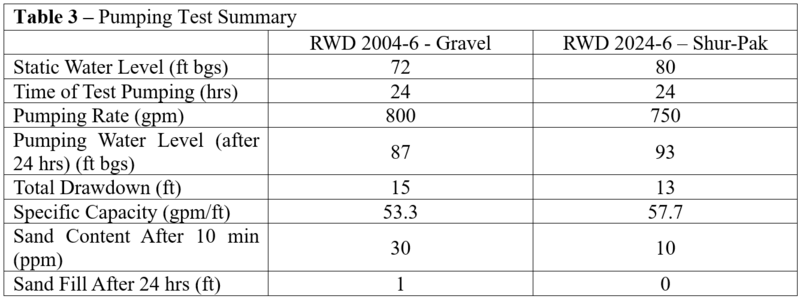
Both wells underwent a 24-hour pumping test.
RWD 2004-6 (Gravel) was pumped at 800 gpm with 15 ft of drawdown, resulting in a specific capacity of 53.3 gpm/ft. The sand content during pumping was 30 ppm, and the fill noted at the bottom of the well was 1 ft.
RWD 2024-6 (Shur-Pak) was pumped at 750 gpm with 13 ft of drawdown, resulting in a specific capacity of 57.7 gpm/ft. The sand content at the end of pumping was 10 ppm, and no fill was noted at the bottom of the well. The pumping test summary is presented in Table 3.
Conclusion
The well completed with glass beads (RWD 2024-6) demonstrated significantly faster development, requiring less than half the time needed for the gravel-packed well. Additionally, it produced cleaner water with no fines or sediment accumulation following development or pumping.
Despite having a shorter screened interval and a finer screen slot, it achieved a slightly higher specific capacity, indicating improved hydraulic efficiency and supporting the performance advantages of glass bead filter packs in well design and construction.
Shur-Pak glass beads are a good solution for constructing higher-capacity wells that are more economical to own compared to wells completed with gravel filter packs.
For further questions, contact Thom Hanna at: thom.hanna@johnsonscreens.com.
Drive Smarter, Work Safer: Tips to Boost Mining Productivity
Mining is a tough industry where every minute counts. To stay efficient and safe, operators must follow best practices that reduce downtime and extend equipment life. Here are three simple but powerful tips every mine site should follow—plus how Higantis can help you get the most out of them.
1. Operate Haul Trucks Properly
Haul trucks are the backbone of mining transport. Poor operating habits can cause unnecessary wear, increase fuel consumption, and compromise safety.
Operators should avoid abrupt starts and stops, sudden braking, excessive speed, sharp turns, and steering while stationary. Overloading should also be avoided, as it strains components and damages tyres.
Consistent, smooth driving not only extends equipment life—it also keeps everyone on site safer.
2. Maintain Good Road Conditions
Good haul roads make a big difference. Keep routes clean, dry, and free from oil, rocks, and puddles to prevent tyre damage and accidents.
How Higantis can help: Our team conducts on-site tyre and road assessments to identify issues that cause early wear and to recommend improvements for safer, smoother operations.
3. Inspect Tyres Regularly
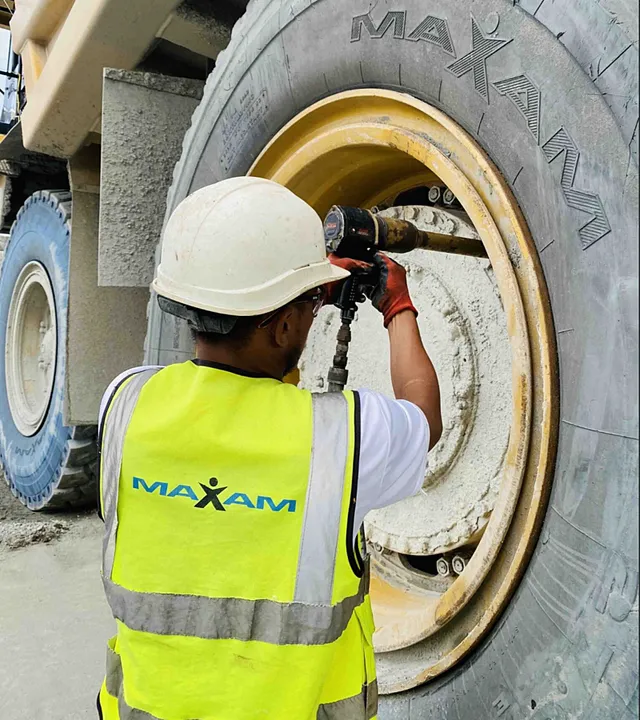
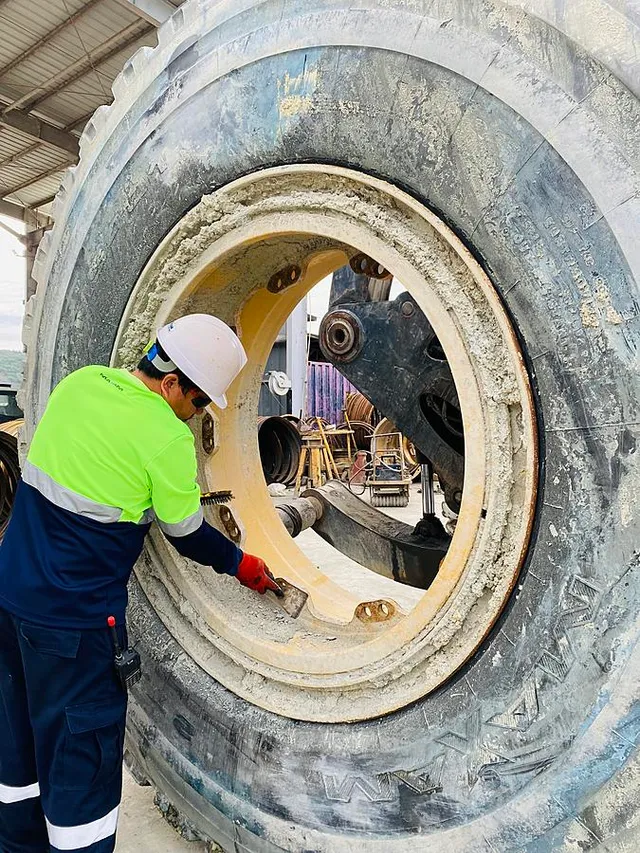
Check tyres before and after every shift. Look for cuts, tears, missing lugs, and ensure proper inflation. Don’t forget valve stems—make sure they’re tight and properly seated.
How Higantis can help: Through our OTR tyre management programme, we monitor tyre pressure, inspect for damage, and design maintenance plans that maximise tyre life while minimising downtime.
By following these tips, you can reduce costs, boost productivity, and keep your mining operations running safely and efficiently.
For more tyre care tips, visit higantis.com or contact us directly at inquiry@higantis.com.
Weir launches new report to drive sustainable water practices in mining
Weir, a global leader in mining technology, today announces the launch of its latest report, Untapped: Mining’s opportunity to unlock value through strategic water management and innovative technology. The report highlights the critical role of water in mining and sets out a strategic vision for elevating water stewardship across the industry.
As the world accelerates towards a low-carbon future, demand for metals and minerals is surging. Yet, mining operations are increasingly located in water-stressed regions, intensifying the need for innovative water management. Weir’s new research, based on insights from industry experts, champions the untapped potential for the mining sector to improve water use, future-proof operations, and build trust with stakeholders.
Key findings from the report include:
- Water is under pressure: 16% of the world’s critical mineral mines are in highly water-stressed areas, with copper particularly exposed.
- Integrated, end-to-end management is essential: Every mine is unique, but there is an opportunity to move from localised fixes to holistic solutions by combining geological and geographical data to evaluate best-available technology and drive strategic, systems-based change.
- Innovative technologies exist today: From advanced ore sorting and comminution to tailings dewatering, proven solutions can reduce water use and improve efficiency.
- Holistic frameworks are emerging: Industry bodies such as ICMM and CEEC are driving alignment on metrics and best practices, enabling better decision-making and transparency.
Jon Stanton, CEO of Weir, said that Untapped brings together insights from across the mining sector to highlight both the challenges and opportunities in water management.
"I want to thank the many industry professionals who contributed their expertise to this important resource. By working together and embracing new approaches and technologies, we can unlock greater value from water, strengthen trust with our stakeholders, and help secure a more sustainable future for mining," Stanton said.
The report invites discussion to shift from process-specific problem-solving to strategic water stewardship, urging collaboration between industry leaders, technology innovators, communities, financiers, and governments. By elevating water to a central corporate priority, mining can scale up sustainably, reduce risks, and drive the net zero transition.
Founded in 1871, The Weir Group PLC is one of the world’s leading engineering businesses, with a purpose to make its mining and infrastructure customers’ operations more sustainable and efficient. Weir’s highly engineered technology and digital solutions enable critical resources to be produced using less energy, water, and waste while reducing customers’ total cost of ownership. The Group is ideally positioned to benefit from structural trends that support long-term demand for its technology, including the need for essential metals to support economic development and the carbon transition.
The Group has approximately 12,000 employees operating in over 50 countries, with a presence in every major mining region worldwide. Find out more at www.global.weir.

Cutting Costs and Reducing Risks: The Digital Road to Operational Excellence (Part 1)
By: Paramina Earth Technologies Inc. / Thea Samantha C. Go, EM
Profitability in the mining industry depends increasingly on using digital tools as leverage to optimise resource extraction, manage risks, and align operations with strict regulations.
GEOVIA demonstrates how the use of digital solutions in the planning of modern mines transforms operations from cost centres into strategic profit drivers. Surpac enables higher ore recovery through precise 3D modelling and efficient mine designs, while Whittle-driven pit optimisations deliver improvements in project net present value (NPV).
When combined with MineSched’s gains in fleet utilisation and target achievement, and the 3DEXPERIENCE platform’s acceleration in decision-making, these tools are proving indispensable for achieving responsible, sustainable, and economically viable operations — especially in challenging environments such as the Philippines, where mining faces some of the world’s most restrictive regulations.
Precision in Resource Estimation with Surpac
GEOVIA Surpac has modernised resource estimation by replacing manual estimation methods with reliable precision. Where geologists once relied on approximations and paper maps, the software allows the creation of 3D geological models that truly reflect the geologist’s understanding of the deposit.
Mines using Surpac report better planning outcomes — clearer understanding of their reserves, fewer surprises during extraction, and more efficient use of equipment. By transforming guesswork into confidence, mines using Surpac ensure every ton extracted maximises value while minimising environmental impact. Intelligent features such as constraint-based design matter even more in places like the Philippines, where the complex geology of ore bodies and strict local regulations leave little room for error.
What makes Surpac indispensable to mine sites is having their own block models show exactly where high-grade materials sit, and adaptable plans whenever new drill data comes in — making every technical decision based on fact. For Philippine mines facing operational limits and environmental scrutiny, this means extracting maximum value from each deposit while staying compliant — turning geological challenges into manageable opportunities.
Optimised Scheduling Through MineSched
Many mines struggle with poor coordination between teams. Equipment, workers, engineers, and geologists often plan separately, leading to wasted time and missed targets. MineSched fixes this by bringing all scheduling work into one system, synchronising workflows to achieve one goal.
In places like the Philippines, where sudden storms or permit issues can stop work, this helps mines adjust quickly. Global mines adopting MineSched demonstrate measurable improvements in operational efficiency, where the real benefit is making operations simpler:
No more guessing about which equipment goes where, less waiting between tasks, and faster responses when problems arise — with built-in project management tools to help mines stay on track and on schedule. That means steadier output despite tough working conditions — fewer delays, less wasted money, and better compliance.
Strategic Pit Optimisation with Whittle
Whittle transforms how mines plan their operations by using advanced algorithms to optimise pit designs, quickly becoming the gold standard for those looking to maximise their project economics. Where mining engineers once relied on experience and trial and error, the software now provides data-backed solutions that extract maximum value while respecting environmental limits.
What makes Whittle work for challenging operations is that it creates pit designs that maximise recoverable ore, minimise unnecessary land disturbance, and adapt mine plans as market conditions or regulations change.
For Philippine mines facing tight margins, community expectations, and a volatile metals market, this means developing pits that are both profitable and sustainable — turning difficult trade-offs into manageable solutions.
To be continued in Part 2, where we'll explore how the 3DEXPERIENCE platform unifies these tools into a seamless workflow, examine their combined impact on Philippine operations, and reveal how Paramina helps mines implement these solutions for maximum benefit.
📞 Contact our team for a free consultation at paramina_solutions@paramina.com