September 25, 2025

Fleets in the Philippines are navigating a rapidly changing landscape. Congestion in major cities causes long delays; drivers lose an average of 127 hours a year to traffic in the capital alone. Fuel costs remain one of the largest expenses for both logistics and mining operators.

Safety is also a concern, with the Highway Patrol Group reporting that up to 87% of road crashes are linked to reckless driving. In this environment, operators are expected to improve efficiency, strengthen safety, and manage costs, all while meeting increasing sustainability expectations.

Telematics has already proven to be an essential tool in achieving these goals. By connecting vehicles and equipment to the cloud, telematics provides real-time visibility into asset location, utilization, fuel consumption, and driver performance.

For mining operators, this means tracking engine hours to reduce idle time and unnecessary fuel burn, even at remote sites where satellite connectivity is essential. For transport providers, it means identifying traffic hotspots, planning more efficient routes, and reducing wasted time and fuel.

The benefits are tangible. Telematics enables preventive maintenance by detecting issues early and helps improve safety by highlighting risky behaviors such as speeding or harsh braking.

Globally, Geotab connects over 4 million vehicles and processes more than 80 billion data points daily—an experience that enables Philippine operators to benefit from proven solutions used across diverse industries worldwide.

The next step is extending this intelligence beyond vehicles to the cargo itself. In Southeast Asia, up to 90% of food loss occurs during transportation because of weak cold chain infrastructure.

For the Philippines, a tropical, archipelagic nation where agricultural products, fisheries, and pharmaceuticals must move long distances across challenging conditions, building a smarter, more reliable cold chain is essential.

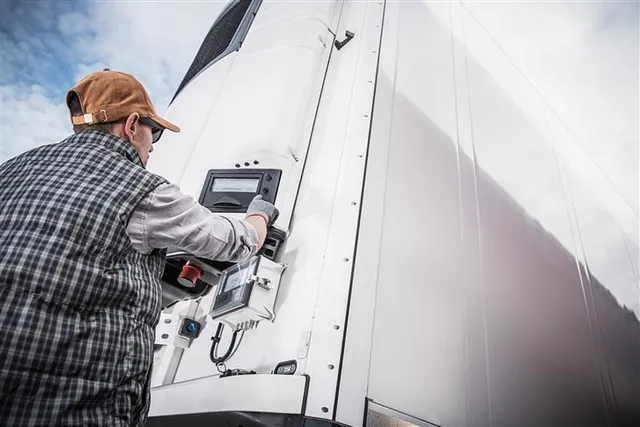
Geotab’s enhanced Cold Chain solution addresses this need. With near real-time monitoring, operators gain up-to-the-minute visibility of cargo conditions. Multi-zone temperature support ensures the integrity of mixed loads—from fresh produce to vaccines—often without the need for additional sensors. Direct integration with refrigeration units improves accuracy and reduces installation complexity, while advanced alerts and remote commands enable immediate action if conditions deviate. Historical data further helps operators identify recurring issues, optimize logistics, and strengthen compliance reporting.

For the Philippines, these capabilities have clear applications. Fisheries exporters can help ensure seafood shipments maintain quality for international markets. Banana and pineapple producers can reduce post-harvest losses as products move through the supply chain. Pharmaceutical distributors can safeguard vaccine and medicine integrity across inter-island routes.

The future of fleet management in the Philippines is not only about moving vehicles efficiently but also about protecting the goods they carry. By extending telematics into cold chain operations, fleets can reduce waste, strengthen compliance, and safeguard essential resources. This will enable operators to build greater resilience, operate more sustainably, and remain competitive in the years ahead.

By Ezanne Soh, Senior Regional Manager, APAC, Geotab

September 25, 2025


Over 90% of Philippine nickel mining laboratories can’t be wrong. In nickel ore mining, speed and accuracy in laboratory analysis are not just optional — they are essential to profitable and reliable operations. Every result influences critical decisions, from ore grading to export compliance.

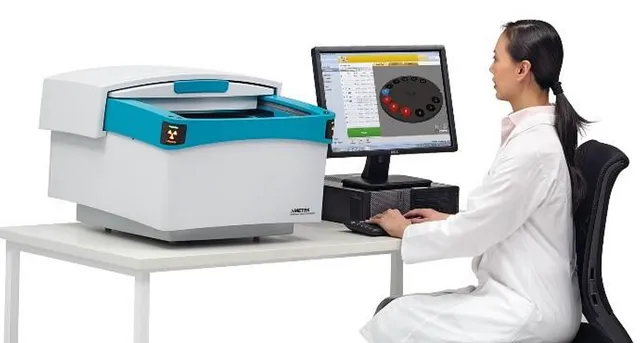
That is why more than 90% of assay laboratories in the Philippine nickel laterite sector have chosen one analyser as their benchmark for trust and performance: the Spectro Xepos ED-XRF, distributed exclusively by QES Technology Philippines, Inc.

With over 145 installations nationwide, the Spectro Xepos has established itself as the instrument of choice for laboratories that demand precision, efficiency, and consistency. Its overwhelming adoption goes far beyond popularity — it reflects proven performance.

The Spectro Xepos is recognised for delivering results that rival those of wavelength-dispersive XRF systems, which are typically more expensive and complex. It is designed to measure key elements in nickel laterite ore such as Ni, Co, and Fe₂O₃, along with other important elements including Mg, Al, Si, Cr, Mn, and up to uranium on the periodic table. Its robust hardware stability and 12-position sample tray ensure dependable accuracy while accommodating high sample throughput.

By contrast, traditional wet chemistry methods are tedious, time-consuming, and costly. Constant procurement of chemicals, coupled with the need for special permits, slows operations and increases expenses. The Spectro Xepos streamlines the process with minimal sample preparation and rapid turnaround times, significantly reducing operating costs.

For laboratories aiming to elevate accuracy even further, QES also offers the Environmental Express Katanax Fusion Machine, available in both 3-placer and 6-placer models. Fusion technology prepares samples as fused beads, eliminating mineralogical effects and producing highly reliable results that align with ISO 18227 standards. By combining the Spectro Xepos with Katanax Fusion, laboratories can achieve ultra-precise analysis.

Behind every Spectro Xepos installation in the Philippines is the full support of the QES Technology Philippines technical team. With service hubs strategically located in Pampanga, Manila, Cebu, and Surigao City, QES provides clients with fast and expert assistance. From installation and training to calibration and preventive maintenance, customers are assured of responsive and professional support.

The widespread adoption of the Spectro Xepos ED-XRF across the Philippine nickel ore mining industry underscores its status as the standard for accuracy, efficiency, and reliability. And with the option to integrate Katanax Fusion technology, laboratories can meet international benchmarks while maximising profitability.

In nickel ore analysis, downtime is costly — that’s why Philippine assay labs choose Spectro Xepos.

Contact QES Technology Philippines.

For demonstrations and consultations, visit QES Technology Philippines at:

  • Metro Manila: Unit 507, Page 1 Building, Acacia Avenue, Madrigal Business Park, Ayala Alabang, Muntinlupa, 1780
  • Mindanao: National Highway, KM. 4, Brgy. Luna, Surigao City

To schedule a demo or request a quotation, call +632 8771 1248, email qtpmarketing@qesnet.com, or visit www.qesnet.com.
September 25, 2025

The Philippine mining and quarrying industry is central to the country’s infrastructure and manufacturing sectors, providing raw materials for construction, power generation, and industrial applications.

However, mining operations face constant challenges—abrasion, corrosion, chemical attack, and equipment deterioration—all of which reduce productivity and increase operational costs.

Belzona, a global leader in polymeric repair and protection systems, has been working with the mining sector since the 1950s. Its cold-curing composite materials and protective coatings are designed to extend the life of critical assets while minimizing downtime. For Philippine mining companies, these solutions present an opportunity to improve safety, efficiency, and profitability.

Combating Abrasion in Grinding and Material Handling

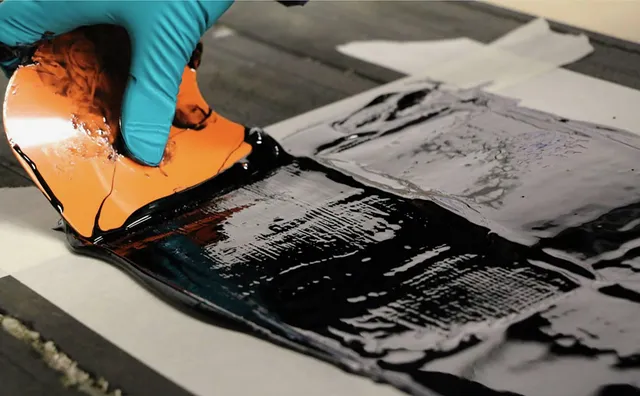
One of the greatest challenges in mining is abrasion, caused by the constant movement of hard materials through crushers, mills, hoppers, and chutes. Traditional repair methods often require hot work, welding, or costly replacement. Belzona’s abrasion-resistant ceramic composites provide in-situ, cold-applied protection that minimizes downtime while extending service life.

For example, grinding mills—including liners, trunnions, and trommel screens—are prone to rapid wear. Belzona systems rebuild worn surfaces and create durable linings that withstand impact and erosion. Similarly, transfer points such as hoppers and chutes benefit from Belzona’s abrasion-resistant linings, which use alumina tiles and epoxy polymers to handle aggressive ore flow (see Figure 1).

Conveyor Belt and Elastomer Repairs

Conveyor systems, essential for transporting ore and aggregates, are exposed to constant wear, tears, and slippages. Belzona’s elastomeric repair materials restore ripped belts and damaged rollers without dismantling equipment, saving both time and money. The company’s positive grip solutions improve roller performance, reducing belt slippage and enhancing operational reliability (see Figure 2).

In addition, Belzona elastomers extend the life of heavy-duty tires and slurry pumps, reducing waste and preventing unplanned shutdowns. By providing flexible yet durable repairs, these solutions reduce the need for costly replacement parts.

Protection Against Chemical Attack

Ore processing plants in the Philippines frequently operate under harsh chemical conditions, especially during flotation, thickening, and solvent extraction processes. Belzona’s magma polymer coatings provide long-term protection against highly aggressive substances, including sulfuric acid, caustics, and other corrosive chemicals.

Flotation cells, SX/EW tankhouses, thickeners, and containment areas can all be lined with Belzona systems, creating seamless barriers that resist both corrosion and abrasion. This protection not only extends equipment life but also minimizes environmental risks from leaks and spills (see Figure 3).

Local Support, Global Expertise

Belzona products are supported by a worldwide network of over 140 distributors in more than 120 countries. In the Philippines, Wise Industrial Systems, Inc. provides mining companies access to both high-performance materials and trained technical consultants who provide specifications, application, and on-site support.

By addressing abrasion, corrosion, and chemical attack, Belzona helps Philippine mining companies safeguard their assets, reduce downtime, and ensure operational continuity. As the industry continues to play a vital role in the nation’s economic growth, adopting innovative repair and protection technologies will be key to sustaining long-term success.

September 18, 2025

In today’s mining landscape, success is no longer measured by output alone. Clients worldwide are being asked to demonstrate environmental responsibility, meet increasingly stringent regulatory frameworks, and secure their social license to operate while improving operational efficiency.  

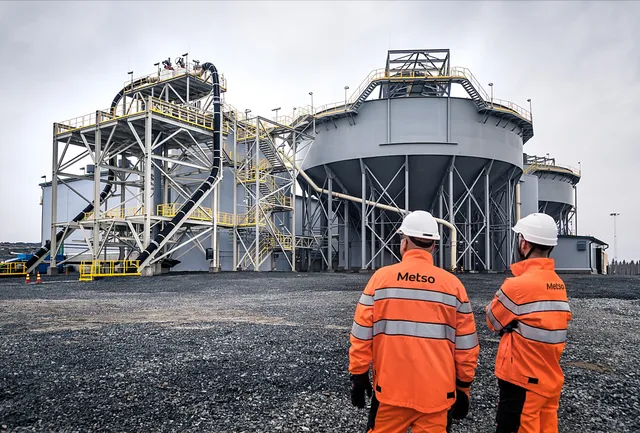
In regions with high rainfall or limited tailings storage areas, these challenges are even greater. For mining companies ready to answer that challenge, Metso offers a compelling and proven solution: dry stacked tailings. 

A smarter, safer approach to tailings 

Tailings management has long been one of the mining industry’s most persistent and visible challenges. Conventional slurry-based storage systems, reliant on high water volumes and large tailings dams, come with known environmental, operational and safety risks. Catastrophic failures in recent history have only accelerated the shift toward alternatives that reduce these risks. 

Metso’s dry stacked tailings technology is more than just a safer option; it’s a strategic investment into the long-term resilience of your operation. By removing water from tailings through high-efficiency filtration and stacking the material dry, the tailings dam is eliminated, water recovery is significantly increased, and the site’s environmental footprint is lowered. 

Sustainability at the core of innovation 

For Metso, sustainability isn’t an add-on—it’s engineered into every solution. Their dry stacked tailings systems use cutting-edge pressure filtration, such as the Larox® FFP (Fully Automated Filter Press) and the VPA (Vertical Plate Pressure Filter – Airblow) filter, to achieve up to 90% water recovery. These systems are modular, energy-efficient, and scalable to fit the needs of both greenfield and brownfield operations. 

From Chile’s high-altitude Salares Norte gold mine to the Skouries project in Greece, Metso’s dry stacking solutions are already proving their value in demanding, water-scarce environments. Part of Metso’s Metso Plus portfolio of equipment, parts, and services designed to deliver enhanced performance and proven sustainability benefits, helping customers operate more efficiently, profitably, and responsibly. 

End-to-end solutions for real-world impact 

What sets Metso apart is not just its technology, but its deep commitment to helping clients through the entire tailings lifecycle. Metso offers: 

  • Tailings test work and feasibility studies 

  • Customized filtration and thickening solutions 

  • Process water recovery and closed-loop systems 

  • Digital simulation tools like Geminex™ for performance optimization 

  • Life Cycle Services (LCS), including installation, training, spare part plate pack maintenance, and performance audits, based on needs. 

This end-to-end approach ensures that tailings management is not just compliant but optimized, maximizing throughput, minimizing downtime, and creating new opportunities for value recovery from waste. 

Turning Responsibility into Results 

For future-focused mine operators, dry stacking is more than a compliance measure; it’s a way to build trust with regulators, investors, and surrounding communities. It’s a way to show the world that sustainable mining is not only possible, but also profitable. 

With Metso as your partner, you don’t need to compromise between performance and responsibility—you get both. Let’s move tailings from liability to legacy. 

 Talk to Metso today about how dry stacked tailings can transform your operation for good. For local support, please contact Lawrence Lazaro or Raz Raullo, at orderdesk.asia@metso.com, or visit our office in Manila. Visit our tailings management solution here 
September 18, 2025

By Wei Wei, Regional Fluke Calibration Product Manager, Fluke South East Asia Pte Ltd  

The Philippine mining industry continues to balance rising demand with the pressing need for safety, accuracy and operational resilience. From hazardous underground environments to remote exploration sites, mining operations face unique challenges that demand robust and reliable equipment. Fluke’s innovative safety devices and calibration solutions are helping miners across Southeast Asia, including the Philippines, mitigate risks, improve productivity and remain compliant with international standards. 

Meeting Safety Demands in Hazardous Environments 

Mining is inherently high-risk, with workers exposed to dust, extreme temperatures and potentially explosive gases. This makes the use of intrinsically safe devices critical. Fluke has responded with specialised products designed to withstand harsh conditions without compromising measurement accuracy. 

Recent deployments in Southeast Asia have included more than 100 intrinsically safe thermometers in active mining operations in Indonesia alone. These devices deliver consistent accuracy while protecting workers in hazardous zones. 

The Fluke 1551A and 1552A “Stik” thermometers exemplify this safety-first approach. Built for rugged field use, these handheld devices offer an extended temperature range from -80°C to 300°C, delivering laboratory-level accuracy in the field. Their lightweight, battery-powered design provides up to 300 hours of operation on standard AAA batteries, a vital advantage in remote mining sites where access to charging facilities is limited. 

Mining Success Stories in the Philippines 

Mining operators in the Philippines are increasingly adopting Fluke devices where safety and uptime are non-negotiable. By deploying Fluke intrinsically safe thermometers across their operations, they overcome the challenges of charging and maintaining devices in the field. 

The advantages of using Fluke 1551A and 1552A are clear: 

  • Ease of use – simple, intuitive controls that minimise operator training. 
  • Data logging - effortlessly capture and store temperature trends 
  • Long battery life – up to 300 hours on AAA batteries, removing reliance on AC power. 
  • Lightweight portability – handheld devices that reduce fatigue in the field. 

With these solutions in place, operators have improved safety confidence, reduced downtime and maintained critical accuracy in harsh conditions. 

Calibration Solutions That Keep Operations Flowing 

Accurate pressure calibration is another area of growing concern in mining, particularly when it comes to hydraulic systems. Remote operations often rely on oil-based systems, which can complicate calibration and slow down productivity. 

Calibrating pressure using a manual pump can be a time-consuming task, but the Fluke 729 Pro Automatic Pressure Calibrator makes it easier with an internal electric pump that provides automatic pressure generation and regulation in an easy-to-use, rugged, portable package. Fluke 729 Pro extends the family of 729 Automatic Pressure Calibrators to 1,000 psi, and streamlines testing for both pneumatic and hydraulic systems, removing the inefficiencies associated with oil-based hydraulic pumping processes. For operations requiring higher pressures, a manual pump option, Fluke 700HPPK Pneumatic Test Pump Kit, generates up to 3,000 psi, offering a simple-to-use, safe and portable pressure source for challenging environments.  

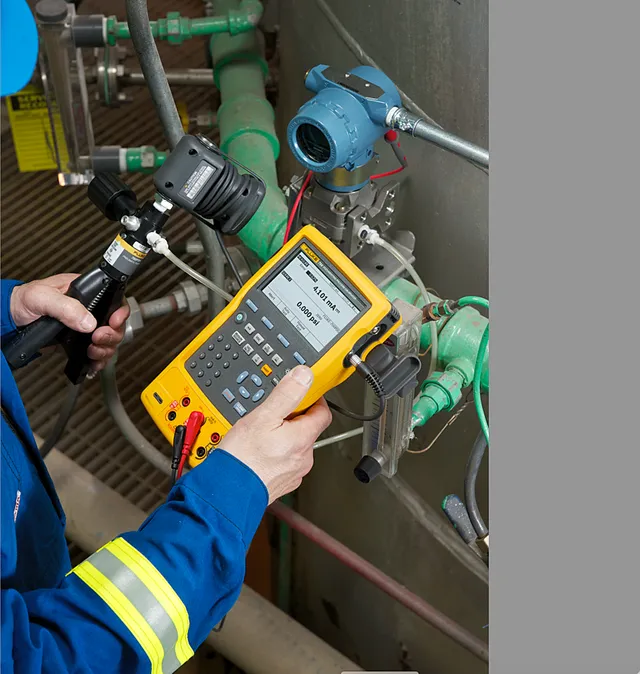
Carrying multiple single function tools can be a trouble for field workers. Fluke 754 Documenting Process Calibrator does the work of several tools, sourcing, simulating and measuring pressure, temperature and electrical signals in one rugged, hand-held device. For documentation, the Fluke 754 automates calibration procedures and captures data and also helps mining companies meet rigorous standards like ISO 9000, EPA and OSHA regulations. The new improved graphical screen, Li-Ion battery for longer life, USB port and accessories help technicians work smarter and faster in the field. 

Both solutions are designed to be portable, easy to operate and effective in the field, helping mining companies maintain accurate measurements and avoid costly downtime. 

Raising Standards for Safety and Productivity 

As the Philippines mining sector prepares for the future, the integration of intrinsically safe tools and advanced calibration systems is essential. By leveraging rugged, accurate and portable devices like the Fluke 1551A and 1552A, and by adopting smarter calibration practices with devices such as Fluke 729 Pro and Fluke 754, mining companies are better equipped to protect their people, maximise uptime and deliver consistent yields. 

Mining may be unpredictable, but safety and accuracy should never be. With the right solutions in hand, mining companies can achieve both. 

To learn more about solutions for mining from Fluke, contact us at fsea.info@fluke.com or scan the QR code to explore our full range of safety and monitoring solutions. 

September 18, 2025

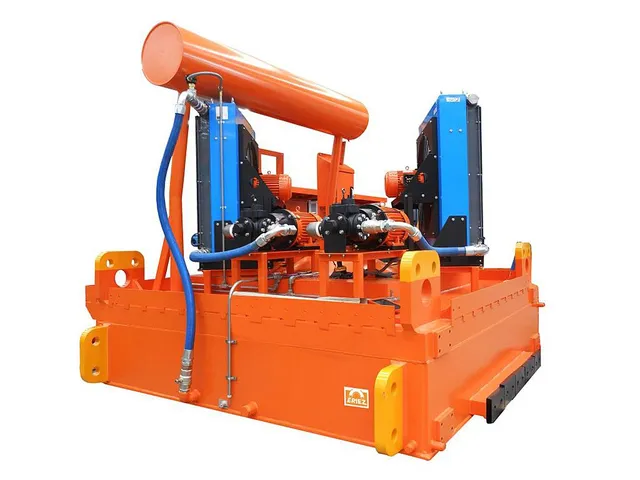
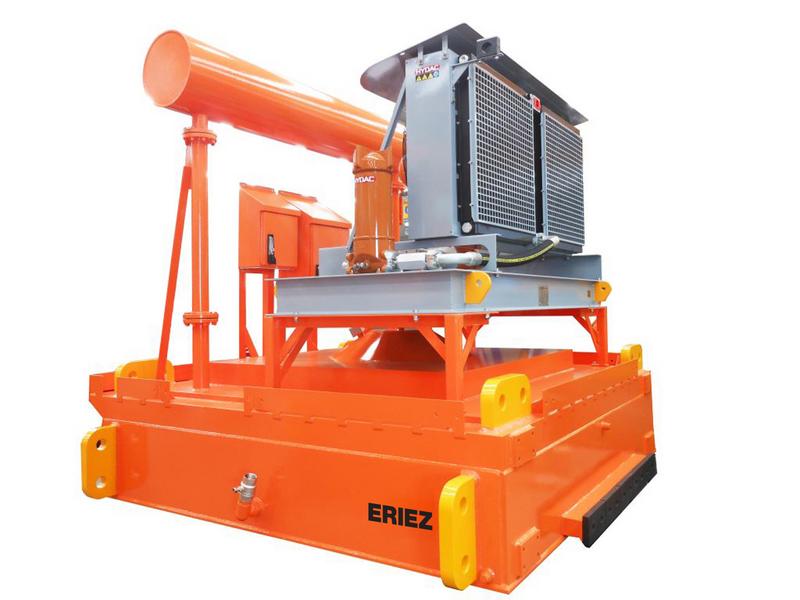
Eriez’ force-cooled suspended magnets balance strength, efficiency, and adaptability. 

Tramp metal is one of the most persistent—and costly—hazards in mining and bulk material handling. Even a single fragment of iron can damage crushers, conveyors, or downstream equipment, triggering downtime and safety risks. Preventing these incidents before they reach critical systems is essential. But, as plants expand in scale and throughput, keeping tramp metal in check becomes more complicated. Traditional suspended magnets are often large and heavy, demanding extensive support structures that raise capital expenses and exacerbate installation challenges. 

That’s where Eriez Compact Force-Cooled Suspended Electromagnets prove their value. By combining active cooling and a reduced footprint, they deliver the same powerful separation as bulkier units—without the same infrastructure needs. The payoff is clear: dependable tramp metal protection that matches the needs of modern, high-capacity plants. 

Balancing Strength, Size, and Reliability 

Developed by Eriez, a global authority in separation technologies, these magnets achieve exceptional performance through active cooling. Circulating oil through a heat exchanger dissipates heat more efficiently, enabling higher magnetic field strengths at lower operating temperatures. This innovation allows operators to install smaller, lighter units while maintaining the protection once possible only with traditional heavy designs. 

Built for demanding environments, the magnets feature tightly wound VEOX anodised aluminum strip coils, rugged manganese bottom plates, and sealed oil expansion tanks for long service life. They are suited to applications ranging from coal and aggregates to limestone, cement, recycled materials, and municipal waste. Plants can choose self-cleaning models for uninterrupted operation or manual-cleaning units for simpler, more economical setups. Added monitoring tools, such as oil temperature sensors and conveyor speed switches, help ensure consistent performance and strengthen peace of mind. 

Supporting Regional Industries 

For resource-rich nations such as the Philippines, a compact design is more than a convenience; it’s a necessity. Many mining and aggregates sites operate in remote terrain where infrastructure is limited, and downtime carries a massive cost. Compact Force-Cooled Suspended Electromagnets address this reality by bringing together high-strength separation with easier installation, allowing operators to protect equipment without overbuilding structural supports. 

A Longstanding Focus on Separation Technologies 

This compact, force-cooled approach is just one example of Eriez’ decades of innovation in magnetic separation. Having pioneered oil-cooled suspended electromagnets, the company continues to refine designs that meet the evolving demands of global resource industries. Eriez’ vast equipment portfolio, including metal detectors, vibratory feeders, flotation systems, recycling technologies, and more, is engineered to promote safety, efficiency, and sustainability. 

For operators in the Philippines and beyond, compact force-cooled suspended magnets illustrate how Eriez innovation delivers practical solutions: protecting critical equipment, upholding throughput, and controlling costs—all while fitting the tighter footprints of advanced processing plants. As the global resource sector strives to do more with less, compact solutions will define the future of tramp metal protection—and Eriez is driving that future forward. 

By: Dave Heubel, Global Product Manager-Magnetic Separation, Eriez 

August 15, 2025

Weir is pleased to announce the appointment of Mick Henderson as Regional Managing Director for the Minerals Division in the Asia-Pacific (APAC) region, effective immediately.

Mick brings a wealth of experience and a proven track record of delivering results across Eastern Australia and the Pacific Islands. His deep regional insight and customer-first mindset underscore Weir’s commitment to supporting mining and resources customers with innovative solutions, responsive service, and operational excellence.

Since joining Weir in 2017, Mick has led teams across Queensland, Papua New Guinea, New South Wales and the Pacific Islands. Most recently, as Director – East, he focused on delivering value to mining and resource customers in the region through tailored service and support.

In his new role, Mick will focus on expanding Weir’s regional presence, strengthening customer partnerships and ensuring consistent delivery of high-performance solutions across the full product portfolio.

“I am dedicated to driving Weir’s mission by working collaboratively to deliver innovative, sustainable solutions and superior service. With our talented team, I am inspired to build on our strong foundation and reach new heights together,” said Mick Henderson.

Founded in 1871, The Weir Group PLC is one of the world’s leading engineering businesses, with a purpose to make its mining and infrastructure customers’ operations more sustainable and efficient. Weir’s highly engineered technology enables critical resources to be produced using less energy, water and waste, while reducing customers’ total cost of ownership.

Weir is ideally positioned to benefit from structural trends that support long-term demand for its technology, including the need for more essential metals to support economic development and carbon transition. The Group has approximately 12,000 employees operating in over 50 countries, with a presence in every major mining region of the world. Find out more at www.global.weir.
July 29, 2025

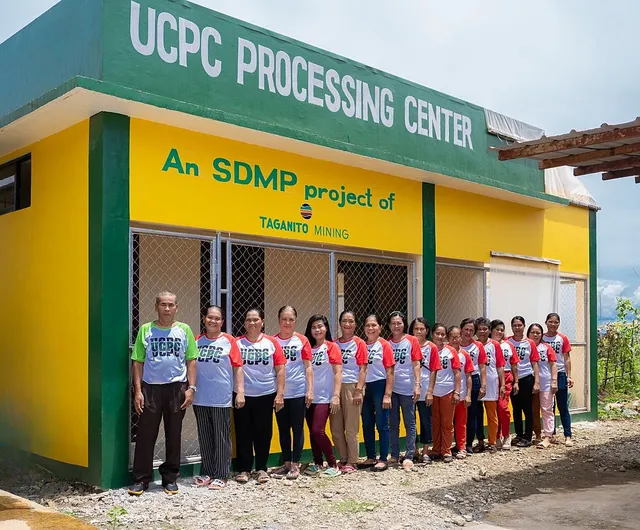
From humble beginnings in Barangay Urbiztondo, Claver, Surigao del Norte, to securing a License to Operate as a food manufacturer from the Food and Drug Administration (FDA), the Urbiztondo Crop Producers’ Cooperative (UCPC) is making a name for itself, one cassava chip at a time.

On March 12, 2025, the cooperative, composed of 21 women, officially received its FDA certification following a rigorous inspection and compliance process.

This milestone now allows UCPC to formally scale up its food production and expand its market, paving the way for greater opportunities for its members and the community.

Best known for their “Crunchy Krunch” Cassava Chips, UCPC also produces a variety of traditional Filipino root crop delicacies such as cassava cake, pichi-pichi, biko, and kutsinta.

Situated near the Urbiztondo public market, their processing facility and display center serve as a hub of activity for these women-entrepreneurs who have transformed their skills into sustainable income sources.

The cooperative’s journey was made possible through the steadfast support of Taganito Mining Corporation (TMC) through its Social Development and Management Program (SDMP).

Recognizing the economic potential of cassava and the livelihood opportunity for the women, TMC initiated a series of interventions for the group starting in 2014. These included trainings on cassava farming, food processing and value-adding, customer relations, and Good Manufacturing Practices (GMP).

In 2017, TMC turned over a production building and display center to the group complete with equipment to help boost their product sales and visibility.

As the cooperative’s operations grew, so did the need for better facilities. In 2024, TMC again extended its support by turning over a processing facility, enabling the group to meet increasing demand and improve food safety standards — a key step in their journey toward FDA compliance.

“We are filled with gratitude and pride to reach this milestone as we can now display our products inside groceries and malls. From participating in exhibits and trade fairs within and outside Caraga region, to catering orders for TMC’s visitors, this is indeed a blessing to us members. Thank you so much to TMC for the unwavering support and guidance,” shared Lorna Arguelles, UCPC production manager.

With their newly acquired FDA license and continued support from TMC, the women of UCPC are ready to bring their products — and their dreams — to even greater heights.

July 29, 2025

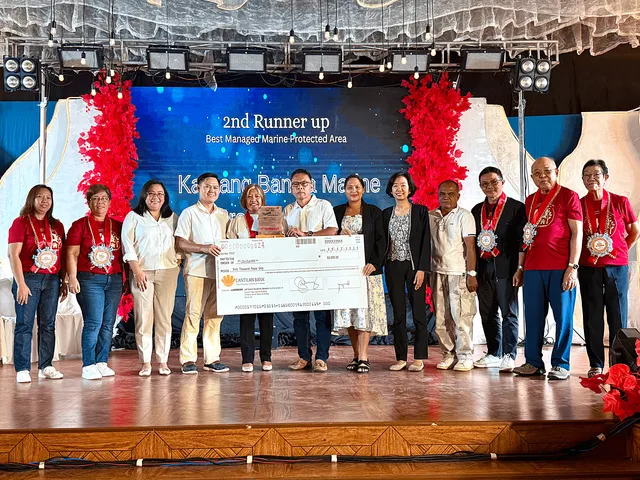
The Karaang Banwa Marine Protected Area in Barangay Urbiztondo was recognized as 2nd Runner-Up for Best Managed Marine Protected Area in the 2025 HIPADA Siganid Awards, honoring its outstanding marine conservation efforts and strong multi-sectoral collaboration.

Karaang Banwa, a thriving marine sanctuary, is an area adopted and actively protected by Taganito Mining Corporation (TMC) under its Social Development and Management Program (SDMP).

TMC’s support includes providing honorarium for Bantay Dagat personnel, construction of the Bantay Dagat outpost, and the establishment of the Karaang Banwa Marine Education Center — a shell-shaped museum that highlights the sanctuary’s rich marine biodiversity.

The center also features colorful murals portraying the harmonious coexistence between mining operations and marine conservation efforts.

In her message during the awarding ceremony, Claver Mayor Georgia Gokiangkee emphasized the importance of Karaang Banwa’s recognition.

“In Claver, we are often known for our land — rich in minerals, marked by development, and shaped by industry. But today, we are recognized for our waters — ang among kadagatan, our living heritage.”

“The Karaang Banwa Marine Protected Area proves that beneath the waves lies not just beauty but resilience, not just coral and fish but a community’s commitment to panaghiusa, to shared responsibility, and to the belief that the sea belongs to all and must be guarded by all,” Gokiangee said.

“This recognition was not won overnight. It was earned day by day by our fisherfolk, municipal and barangay officials, and the TMC enforcement teams and advocates who believed that marine protection is a way of life.”

In his message of gratitude, TMC Community Relations Manager Mark Vincent Junel E. Felias said: “This recognition is a testament to what we can achieve when communities, local governments, and the private sector work together.”

“Karaang Banwa is more than a protected area — it is living testament that environmental stewardship and responsible mining can go hand in hand. And we, at TMC,  remain committed to protecting our marine ecosystems and supporting initiatives that benefit both people and the community.”

Karaang Banwa’s success is part of TMC’s broader ridge-to-reef approach in environmental management.

Beyond marine protection, the company has adopted the Taganito River in Claver and Sabang River in Surigao City, organizes Scubasurero (underwater clean-up) dives, and leads coral propagation and planting activities. It also implements various water protection measures such as establishing settling ponds, river desilting, and regular water quality monitoring.

The award, conferred by the Hinatuan Passage Development Alliance (HIPADA) in partnership with the Surigao Economic Development and Microfinance Foundation, Inc. (SEDMFI), acknowledges exemplary local initiatives in coastal resource management across the region.

It also aims to inspire communities and local government units (LGUs) to continue preserving marine ecosystems through inclusive and sustainable practices.

July 19, 2025

As mining operations intensify across the Philippines, operators are continually challenged to safeguard their equipment and maintain high productivity under demanding conditions.
One persistent issue is the presence of tramp metal—unwanted ferrous debris such as broken tools, bolts, or machine parts—that can enter the ore stream during extraction and processing.

Left unchecked, tramp metal can cause severe damage to crushers, grinders, and conveyors, leading to unplanned downtime, costly repairs, and safety risks.

Addressing Tramp Metal Hazards

Tramp metal is an unavoidable byproduct of mining and mineral processing.

Its presence is especially problematic in high-throughput operations typical of Philippine mines, where even a single piece of metal can halt production and damage expensive machinery. The industry has responded to this challenge with various solutions, among which suspended electromagnets have proven to be both practical and dependable.

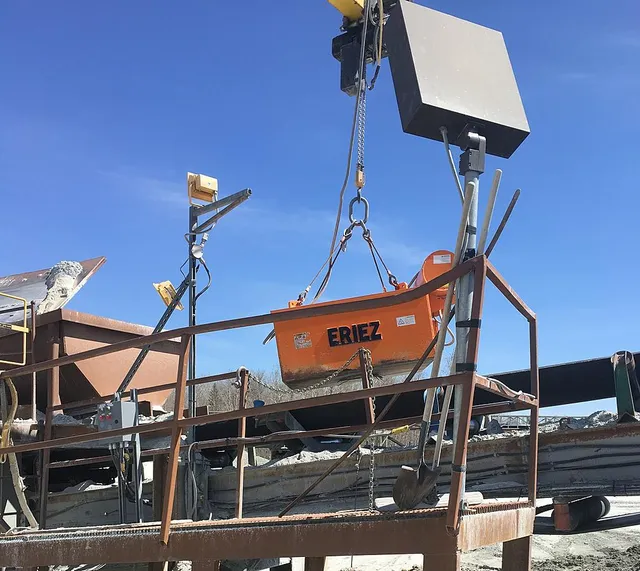
Suspended electromagnets are installed above conveyor belts, where they create a strong magnetic field that attracts and removes ferrous contaminants from the moving material. This non-contact method enables continuous operation, reducing the risk of equipment damage and ensuring consistent product flow.

Designed for Mining Environments

Modern suspended electromagnets are engineered to withstand the harsh conditions of mining. Features such as oil expansion tanks help manage coil temperatures and reduce internal condensation, supporting long-term reliability.

Force-Cooled Eriez Suspended Electromagnet


Heavy-duty coil assemblies, often built with insulated windings and robust spacers, are designed to minimize electrical faults and maintain performance, even in rugged environments. Flexible mounting options allow these units to be adapted to a range of conveyor widths and installation angles.

Operators can select from manual cleaning models, suitable for sites where tramp metal is encountered infrequently, or self-cleaning models, which utilize a moving belt to discharge collected metal automatically. The latter is beneficial for operations requiring minimal interruptions and continuous throughput.

Practical Benefits for Philippine Mines

For Philippine mining companies, the adoption of suspended electromagnets offers several practical advantages:

  • Reduced Downtime: By removing tramp metal before it reaches critical equipment, mines can avoid unexpected stoppages and maintain steady production.
  • Lower Maintenance Costs: Protecting crushers and grinders from metal damage extends equipment life and reduces repair expenses.
  • Improved Safety: Minimizing the risk of metal-related equipment failures contributes to a safer working environment for personnel.

Additionally, many suppliers, including Eriez, offer technical support and warranties, enabling mines to maximize the value and lifespan of their investments.

Conclusion

As the Philippine mining sector continues to grow, the need for durable and reliable solutions to common operational challenges becomes increasingly pressing.

Suspended electromagnets serve as a practical tool for managing tramp metal, protecting equipment, and facilitating efficient and safe mineral processing. Their proven record in the field makes them a valuable addition to any modern mining operation.

July 19, 2025

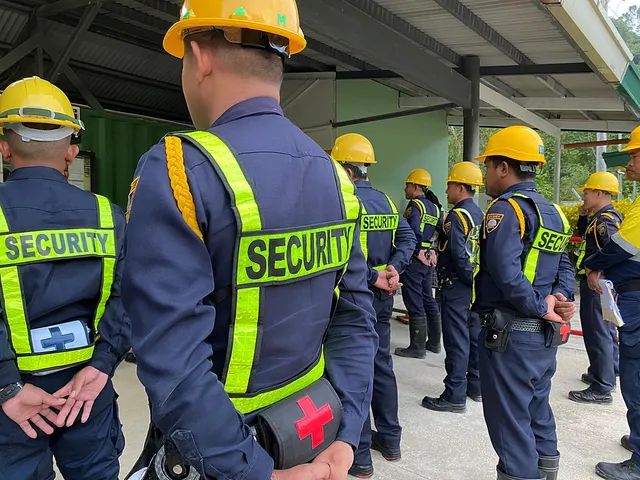
At Lockforce, we understand that true security is not one-size-fits-all. That’s why we offer a comprehensive suite of services tailored to the unique needs of each client. Our methodology begins with a thorough, risk-based security assessment—laying the groundwork for a robust, customized protection strategy.

Professional Guarding Services and Rigorous Oversight

Lockforce takes pride in delivering more than just personnel—we provide peace of mind. Every client engagement is supported by a strong management framework that includes regular audits, transparent reporting, and a culture of accountability. Our structured approach ensures that every guard’s performance aligns with service expectations, backed by consistent supervision.

Reliable Capability, Built on Training and Integrity

Central to our service is a team of highly trained, licensed security personnel. Carefully selected for their professionalism and dedication, our guards are deployed across diverse environments—from commercial offices and industrial facilities to remote and high-risk locations.

What sets Lockforce apart is not only the caliber of our people but the system that supports them. We emphasize continuous training, operational discipline, and unwavering compliance with national standards and client-specific requirements. Our operations fully adhere to government mandates, including SSS, PhilHealth, PAGIBIG, and labor regulations—underscoring our commitment to lawful and capable service delivery.

With Lockforce, clients gain a trusted partner in security—where expertise meets accountability, and every detail is managed with precision.

Proactive Security Through Expert Assessment

Lockforce's Security Risk and Threat Assessment Services empower clients with actionable insights and strategic protection. Built around international standards such as ISO 31000, our assessments are tailored to each operational context.

Core Offerings:

  • Penetration Testing & Vulnerability Analysis
  • Crisis & Emergency Response Planning
  • Executive Protection
  • Security System Consultation
  • Ground-Level Security Operations.

Key Capabilities:

  • Asset Identification & Mapping
  • Threat Detection & Risk Prioritization
  • Control Planning & Security Awareness Training.

We turn intelligence into actionable resilience—ensuring your people, assets, and operations are protected.

Driving Training: Field-Ready Capability

Lockforce's 4-Wheel Drive Training Programs are tailored to the demands of your specific site and operational conditions. These practical, hands-on sessions equip teams with real-world skills essential for safety and performance.

Training Highlights:

  • Pre-start vehicle inspections
  • Safe and defensive driving techniques
  • Vehicle recovery in challenging conditions
  • Basic maintenance and field repairs
  • Post-operation checks and protocols

Led by instructors with backgrounds in military, police, and high-risk environments, our training builds confident, capable drivers who are prepared for any terrain.

July 15, 2025

Johnson Screens, a brand of Aqseptence Group, is the leading global provider of screening and auxiliary solutions. We are the inventors of vee-shaped Vee-Wire® wedge wire screens, which are used to create the most diverse filtration media with great strength, long service life, and a uniquely high level of adaptability for high-efficiency liquid/solid separation. With 120 years of experience providing innovative screening solutions in more than 100 countries around the world, almost every product and object around you has touched one of our screens.  

We are present on every continent, and our facilities in Brisbane, Australia, and Ahmedabad, India, handle direct support for the Philippine and Southeast Asian markets.  

Our location in Australia has enjoyed over 70 years of operations, with the new facility boasting a footprint of over 4,500 m2 and a workforce of 140 employees. Working with experts from the other brands of the Aqseptence Group, Jonhson Screens Australia has supported many industries in Oceania by providing solutions for water wells, food & beverage, mining, energy & chemical processing, industrial & municipal water/wastewater treatment, and architectural applications. In addition, our Australian location relies on applying emerging and cutting-edge manufacturing technologies and strategic partnerships. For example, the company partnered with the global printing firm HP to explore the possibilities of leveraging additive manufacturing processes and 3D printing technologies to fabricate components of Johnson Screens solutions. 

Meanwhile, our Indian facility has over 20,000 m2 of manufacturing space, soon to be augmented with an additional 11,000 m2 expansion and many new positions to support the existing workforce of more than 250 workers. Besides providing capacity to our regional and global manufacturing, Johnson Screens India fulfils our vision of protecting lives and our precious natural resources by providing key products and solutions for government and private projects to supply clean water to large populations and improve their quality of life. 

Johnson Screens Water Well Solutions 

Johnson Screens has been a leader in the water well industry since the company’s inception in 1904. Our continuous-slot profile wire technology and Vee-Wire well screens revolutionized the water wells industry and quickly became the industry standard around the world. Johnson Screens’ experts led the development of the industry by creating innovative solutions and became a reference with the publication of our Groundwater and Wells book in 1966. After three editions, that book continues to be a staple of water wells education. Today, we are recognized as the complete solutions provider for water wells with an extensive portfolio of well screens, casing, pump pipe and accessories in stainless steel and PVC, and well treatment chemicals and filter packs.  

Our Vee-Wire technology was further developed and improved over the years, and it still today ensures high open areas to flow, optimal performance, and resilience to plugging as seen in the large Stainless Steel Screens portfolio. Available in 304 and 316 stainless steel and a wide range of specialty materials, our stainless-steel well screens are suitable for usual and the most demanding applications.  

Some examples of demanding applications where the robustness of our products is fundamental are Managed Aquifer Recharge (MAR) and Aquifer Storage and Recovery (ASR) wells. The components of those wells are submitted to hash conditions or taken to their limits, which requires comprehensive solutions to provide reliable wells while balancing expenses. By combining the tradition and knowledge with which we have led the water wells industry for 120 years with innovative equipment specially designed for these applications, Johnson Screens provides complete solutions for MAR and ASR wells. Those solutions are supported by technical and construction experience in some of the most demanding projects in the world and the most reliable water well equipment in the industry.  

Some products used in those applications, which are also suitable for mining water and dewatering wells, are the Shur-Pak™ Glass Bead Filter Pack and the Muni-Pak™ Pre-Packed Screens. Easier to install than traditional filter packs, our Shur-Pak glass beads for filter packs are stronger, chemically inert, and are almost perfect spheres – virtually eliminating bridging during installation that can be an issue in traditional filter packs.  

Meanwhile, Muni-Pak offer a unique solution that combines the advantages of pre-pack screens and glass filter packs for mining applications. Using Shur-Pak glass beads as the filter media reduces the likelihood of filter pack damage by biofilm and encrustation, lowering overall well-maintenance costs. Additionally, Muni-Pak’s dual-screen construction is four times stronger than standard rod-based screens, and filter pack placement is not required, reducing costs and enhancing well efficiency. By eliminating the need for a larger borehole, the Muni-Pak shortens the time required to drill a well, and accelerates overall development time.  

Johnson Screens Complete Screening Solutions for Mining 

Johnson Screens has innovative screening solutions for mineral processing applications. With a century of design innovation, industry experience, and technological know-how behind the brand, Johnson Screens has the in-house capabilities to optimize your mineral beneficiation processes. 

Our mining screen systems are simple, resilient, and effective. Our products’ design maximizes production yield and maintenance efficiency. Our panel designs include a variety of aperture and fixing systems, available in Vee-Wire, polyurethane, perforated plate, and/or rubber. Our global network of sales personnel and process engineers with vast mining experience supports all our products and services. 

The dewatering capability of a screen is determined by the percentage of open area. Our screens have the capability to provide up to 50% more open area, because of our greater range of narrower wire profiles. The wires can be as narrow as 0.5 mm (0.020 in.) and up in 0.25 mm (0.010 in.) increments. With increasing mine site safety awareness, Johnson Screens has developed an innovative split sieve concept for our Sieve Bend Screens. This concept affords easier handling of the larger width sieve bends, particularly those 1500 mm (59.06 in) and over. This is a major benefit because of the reduced size and weight of the screens. 

Additionally, Johnson Screens offers a comprehensive range of Polyurethane Screening Systems that provide value every day in the processing of coal, iron ore, gold, phosphate, copper, lead and zinc, bauxite, sand and gravel and many other minerals. Our polyurethane panels have the ability to incorporate other surface media with the lateral engaging clip design. The ability to combine differing materials and modules allows for plant managers to manage the screen as desired. This “configured deck” concept is another way Johnson Screens can help get the most out of any operation. 

Our ability to offer a variety of wire shapes and configurations make it possible for our engineers to design the most efficient screen for any industry, including those of precious mineral mining. Johnson Screens’ stainless steel CIP/CIL Interstage Screens are used to recover mined ore in the slurry separation process. For additional support for particle separation and classification, we also offer Elution Column Screens and Drain and Septa Screens. All screens are designed to meet each customer’s specification for open area, flow, and loads.  

Lastly, Johnson Screens offers a wide array of scalable intratank screens that are compatible with resin exchange processing including Header Lateral Systems, Support Grids, Distributor Trays, Scale Traps, Outlet Baskets, and more. 

More Information 

Learn more about our water well and screening solutions for the mining industry by visiting our website, johnsonscreens.com/mining, or contact us at info.au@johnsonscreens.com.  

July 15, 2025

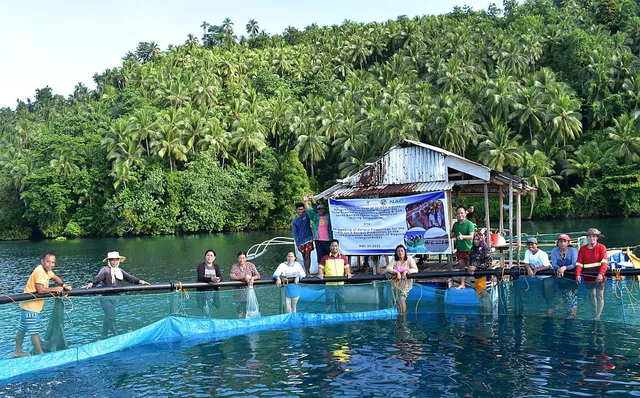
The United Fisherfolks Association of Bagong Silang (UFAOBS) reached a new milestone in sustainable aquaculture as it officially launched its 5th cycle of Bangus (milkfish) production.

This initiative is powered by a collaborative effort among Hinatuan Mining Corporation – Tagana-an Nickel Project (HMC-TNP), the Provincial Agriculture Office of Surigao del Norte (PAO-SDN), and the Bureau of Fisheries and Aquatic Resources (BFAR) – Region XIII.

In a ceremonial turnover, UFAOBS received 10,000 Bangus fingerlings from PAO-SDN and 400 sacks of Bangus feeds from HMC-TNP—essential resources that lay a solid foundation for the continued success of the association’s aquaculture venture.

A Collective Push Toward Sustainable Livelihood

Lilibeth G. Becera, President of UFAOBS, expressed deep gratitude for the continued support from HMC.

“We are very thankful to HMC. Without them, it would be very hard to continue. Their help gives us hope,” said Becera.

The importance of this support was echoed by Lindon O. Garay, Aquaculturist II at PAO-SDN, who highlighted the significant role feed subsidies play in the success of Bangus farming.

“Feeds account for 60% to 70% of the total production cost,” Garay noted. “Without HMC’s assistance, sustaining this livelihood would be a major challenge.”

Garay emphasized the value of collaboration between the government and the private sector. He commended HMC’s Community Relations team—led by ComRel Manager Antonio B. Resuera, Jr. and Supervisor Romen John G. Libaste—for proactively seeking technical assistance to support the fisherfolk.

“Our office may have limited funds, but we contribute technical expertise and provide fingerlings. While we can’t guarantee a 100% survival rate due to uncontrollable factors, we work closely with the association to increase the chances of project success to about 90%,” he added.

Garay also encouraged UFAOBS to evolve from a People’s Organization (PO) into a registered cooperative to unlock broader access to government support.

“As a cooperative, they can tap into more programs and funding from agencies like DA, DOLE, and DTI. But it all depends on their drive and commitment.”

Empowerment Through Education and Training

BFAR Region XIII has also played a key role in the program’s sustainability. Ian D. Batitang, Technical Staff from BFAR, shared how the agency responded to challenges during UFAOBS’s earlier harvests by conducting targeted training sessions in partnership with the provincial government.

“We addressed incorrect practices during the first cycle by providing technical training before restocking fingerlings. We’re optimistic the improved practices will lead to better outcomes,” Batitang said.

He affirmed BFAR’s commitment to ongoing support, even in the face of limited local resources.

“We are happy to help in any way we can. If LGU assistance falls short, BFAR is ready to step in. With the community’s dedication and cooperation, we believe this project can uplift their socio-economic conditions.”

Building a Model for Community Empowerment

With aligned efforts from both the public and private sectors, UFAOBS’s 5th cycle Bangus production is more than just a livelihood—it is a testament to community empowerment, resilience, and the promise of sustainable development.

This initiative stands as a model for effective collaboration, where productive aquaculture is matched by a commitment to long-term self-reliance for fisherfolk in Surigao del Norte.

July 15, 2025

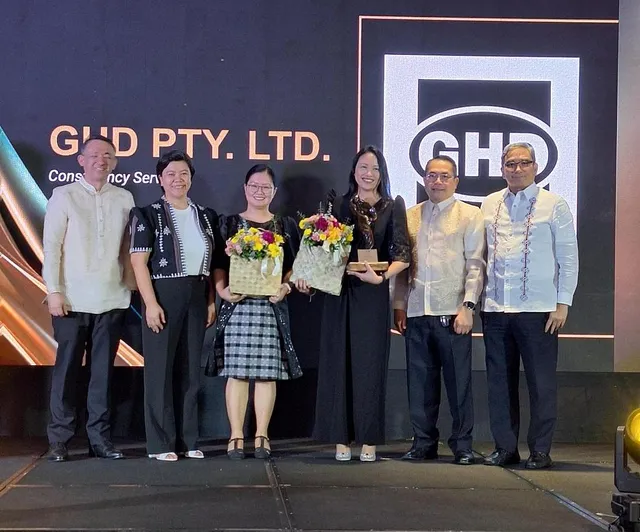
GHD, a global professional services company, is honored to be recognized as Maynilad's Top Achievement for Partners (TAP) awardee for Outstanding Consultancy Services.

This prestigious recognition celebrates the dedication, innovation, and reliability of Maynilad’s valued partners who play a crucial role in advancing its mission to provide clean, reliable, and sustainable water solutions.

Through its longstanding partnership with Maynilad, GHD plays a vital role in advancing water accessibility, strengthening infrastructure, and pioneering sustainable solutions to improve the lives of millions of Filipinos.

Beyond addressing today’s challenges, GHD empowers Maynilad to shape the future of the water—setting new standards for innovation, resilience, and lasting community benefits.

GHD is a leading professional services company operating in the global markets of water, energy and resources, environment, property and buildings, and transportation.

Committed to a vision to make water, energy, and communities sustainable for generations to come, GHD delivers advisory, digital, engineering, architecture, environmental and construction solutions to public and private sector clients.

Established in 1928 and privately owned by its people, GHD’s network of 12,000+ professionals are connected across 160 offices located on five continents.

In the Philippines, GHD has been operating continuously since 1998, with a team of over 1,200 professionals strategically based in offices across Metro Manila and Cebu.

July 15, 2025

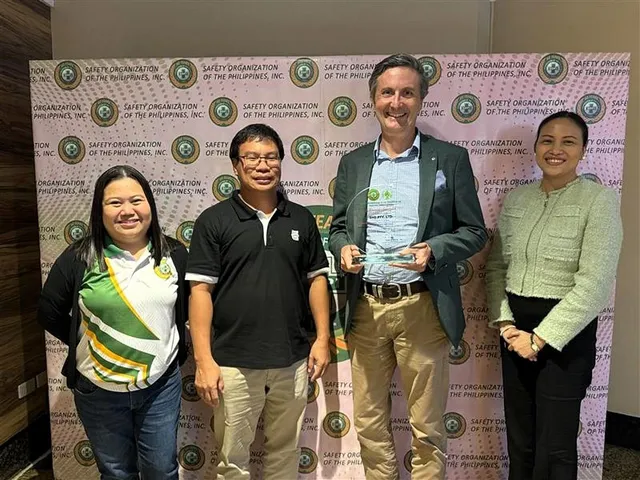
GHD, a global professional services company, receives the Award of Excellence for achieving over eight million safe people-hours without lost time accidents in a span of five years (January 2019 to August 2024).

This prestigious recognition, conferred by the Safety Organization of the Philippines, Inc. (SOPI), underscores GHD’s commitment to prioritizing safety and health in the workplace.

The SOPI Industrial Safety Awards celebrate organizations that maintain outstanding safety practices, resulting in zero lost-time accidents or significantly reduced accident and injury rates.

This year, around 40 companies were also recognized for their exceptional safety achievements during the awards ceremony held at SOPI's 56th National Industrial Safety Conference and General Assembly at Century Park Hotel, Manila.

GHD is a leading professional services company operating in the global markets of water, energy and resources, environment, property and buildings, and transportation.

Committed to a vision to make water, energy, and communities sustainable for generations to come, GHD delivers advisory, digital, engineering, architecture, environmental and construction solutions to public and private sector clients. Established in 1928 and privately owned by its people, GHD’s network of 12,000+ professionals are connected across 160 offices located on five continents.

In the Philippines, GHD has been operating continuously since 1998, with a team of over 1,200 professionals strategically based in offices across Metro Manila and Cebu.