March 17, 2025

A planned toll road extending South Luzon Expressway (SLEX) to the Bicol Region is expected to reduce transport costs, improve supply chains, and create thousands of jobs, a House leader said Monday.

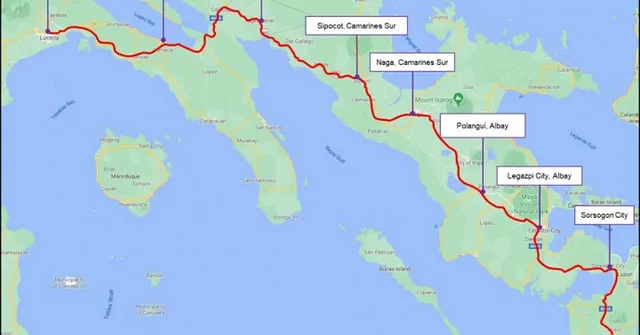
In a statement, House Committee on Ways and Means chair and Albay Rep. Joey Salceda said the Toll Regulatory Board's (TRB) impending approval of the final engineering design for the first segment of the South Luzon Expressway (SLEX) Toll Road 5 (TR5) would address long-standing transport bottlenecks in the region.

The TRB recently disclosed that the final engineering design encompasses the initial segment stretching from Lucena to Gumaca in Quezon province.

"Along with ongoing works for TR4, the Lucena-Gumaca segment will bring much-needed relief to commuters and truckers alike, and will reduce the cost of bringing goods to Bicol significantly," Salceda said.

He added that the project would help alleviate the region's reliance on costly and unreliable transport links.

"The lack of strong land transport links to Calabarzon effectively makes Bicol an island, which makes us vulnerable to stress on food and supply of other essential goods during emergencies. It also makes our supply chains with Manila very expensive to maintain," Salceda said.

The lawmaker said the toll road would strengthen links to the Bicol Ecozone in Libon, Albay, an economic zone recently approved by the Philippine Economic Zone Authority.

He noted that the zone, combined with an agricultural superport planned by the Department of Agriculture, could create up to 8,000 new manufacturing jobs and lower food prices in Albay.

"We will definitely pursue arterials from SLEX to Libon," Salceda said, adding that unlike government-maintained highways, toll roads provide a steady source of funding for maintenance.

Naga-Legazpi segment

Salceda said he would push for the simultaneous construction of the Naga-Legazpi segment of TR5 to speed up benefits to Bicol's key cities.

"The Naga-Legazpi portion has a catchment area of around 2.2 million people, including the two largest cities in South Luzon. I think RSA (San Miguel Corp. President and CEO Ramon Ang) can pursue and operate that segment in advance so that we don't have to wait for completion of the emptier parts between Gumaca and Sipocot," he said.

Salceda also said the toll road would also improve access to Bicol International Airport, which would boost tourism and business in the region.

He vowed to collaborate with the government to explore options for accelerating the project.

"I will be asking [Transportation] Secretary Vince Dizon to explore this option, that we pursue this as soon as possible. It's good for both cities, and I think it will move the needle positively for SLEX revenues as well," he said.

March 17, 2025

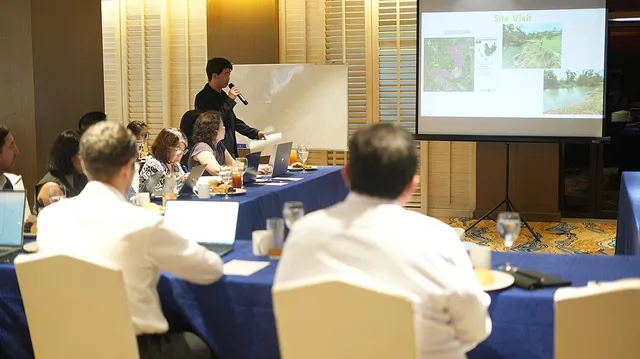
Officials from the Department of Public Works and Highways (DPWH) and the Asian Development Bank (ADB) officially launched on Thursday, March 13, 2025 the consultative meeting for the proposed Central Luzon-Pampanga River Floodway Project and the Integrated Flood Resilience and Adaptation 2 (InFRA 2) Project that focuses on three (3) major river basins in Luzon, Visayas, and Mindanao.

The kick-off meeting, led by DPWH Unified Project Management Office – Flood Control Management Cluster (UPMO-FCMC) Project Director Ramon A. Arriola III and ADB Principal Water Resources Specialist Eric Quincieu, covered discussion on key project features, financing, and recommendations ensuring alignment of the proposed programs and activities during the consultation mission to be facilitated by ADB Study Team.

The ADB Mission aims to confirm the project scope, outputs, and ensure alignment with overall government priorities following the project preparation activities under the InFRA 2 Project which covers the Apayao-Abulug River Basin in Apayao and Cagayan; Jalaur River Basin in Iloilo; and Buayan-Malungon River Basin in Sarangani and South Cotabato and the Central Luzon-Pampanga River Floodway Project, incorporating comprehensive and advanced Flood Risk Management Plan (FRM) and Integrated Water Resources Management (IWRM), optimizing applicable nature-based solutions in the Detailed Engineering Design (DED).

Key officials and representatives from DPWH Bureaus and Services were also present at the meeting, as well as participants from identified regional offices such as CAR, Region 2, Region 6, and Region 12, and partner agencies including the Department of Interior and Local Government (DILG), Philippine Space Agency (PhilSa), and the Department of Environment and Natural Resources (DENR).

According to UPMO-FCMC Project Director Ramon A. Arriola III, this ADB Mission further reinforces the extensive and continuous flood control efforts of the DPWH, in line with President Ferdinand R. Marcos Jr. instruction to Secretary Manuel M. Bonoan to expedite vital flood mitigation projects across the country, integrating comprehensive water management and improving water impounding facilities, to combat recurring flooding and help foster community resilience.

The InFRA 2 project with a total cost of P800-Million through the Infrastructure Preparation and Innovation Facility (IPIF) financing aims to provide improved strategic flood risk management planning on the three (3) major river basins by constructing flood control infrastructure and strengthening community-based flood risk management, benefitting more than 145,700 people.

Meanwhile, the Central Luzon-Pampanga River Floodway Project is focused on reinforcing the climate adaptation of the Pampanga River Basin and disaster risk reduction at the local levels, to aid approximately 356,000 residents, particularly in Pampanga and Bulacan through the development of a 100-year floodway channel, utilizing the San Antonio Swamp as a returning pond. Further, the project will include structural interventions complemented by nonstructural measures such as the improvement of hydrometeorological data acquisition for better planning and early warning measures.

In his briefing, UPMO-FCMC Project Manager Michael T. Alpasan said that the 16-month Detailed Engineering Design (DED) of the InFRA 2 Project under the ADB Loan No.4424-PHI is targeted to start in May 2025 under the consultancy services of Saman Corporation in joint venture with ISAN Corporation, KCIEng Co., Ltd., and Kyong-ho Engineering & Architects Co., Ltd. and in association with DCCD Engineering Corporation and Engineering and Development Corporation of the Philippines.

A separate comprehensive water management plans and strategies for each of the three (3) river basins by conducting study review of secondary information, multi-stakeholders consultations, site visits, initial geologic and water resources assessments to be incorporated in the Flood Risk Management Master Plan is also on-going under consultancy services of Egis, INCLAMM and KECC.

Additionally, with the Notice of Award (NOA) recently issued on March 5, 2025, the Central Luzon-Pampanga River Floodway Project is in the final stage of contract preparations for the DED phase under the CTI Engineering International in JV with Nippon Koei Co., Ltd. and in association with Philkoei International, Inc., Woodfields Consultants, Inc. and Kyong-Ho Engineering and Architects Co. Ltd., and CTI Pilipinas, Inc.

DPWH reiterates the importance of strengthening collaboration and coordination with its partner agencies including PAGASA, DENR, NIA, PhilSA, and DOE, among others, in the overall implementation of these projects that play a crucial importance in addressing the flooding problem across the country and ultimately, foster a climate resilient nation.
March 17, 2025

By: Paula Angeline Bacani

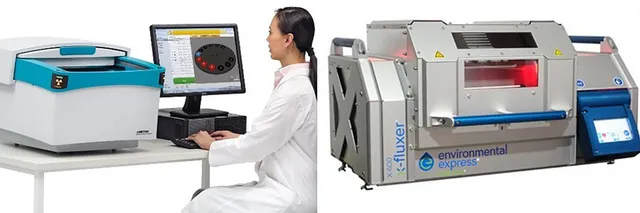
For mining operations, precision in elemental analysis is not just a requirement—it’s the key to efficiency and profitability. The ability to conduct rapid, non-destructive analysis of ore samples directly impacts decision-making in the field and in laboratories. That’s where the SPECTRO XEPOS ED-XRF, distributed exclusively in the Philippines by QES Technology Philippines, Inc., is making a real difference. With nearly 90% of assay laboratories in the country’s nickel ore mining sector relying on ED-XRF advanced technology, it’s clear that the SPECTRO XEPOS is setting a new industry standard. Now, with the combination of this with the Environmental Express Katanax sample preparation Electric Fusion Machine, the game is changing once again.

The SPECTRO XEPOS XEP05 ED-XRF isn’t just another instrument—it’s a powerhouse of precision and accuracy. This ED-XRF delivers performance comparable to the more complex WD-XRF. Even using pressed powder pellets for sample preparation, it ensures accurate, repeatable results. Its stability and sophisticated spectral analysis allow for high-precision readings of nickel, cobalt, and iron oxide, among other essential elements.

But accuracy starts with preparation. The Environmental Express Katanax Sample Preparation Electric Fusion Machine takes sample consistency to the next level. By eliminating interfering matrices and producing more homogeneous samples, the fusion process enhances the reliability of analytical results. To meet varying laboratory needs, users can choose between the Katanax 3-placer or the Katanax 6-placer, depending on their sample throughput requirements. This flexibility ensures efficiency, whether handling lower or higher volumes of samples, ultimately leading to better decision-making and fewer costly errors for mining operations.

Speed, Efficiency, and Cost Savings

The SPECTRO XEPOS XEP05 ED-XRF delivers fast, reliable results without the lengthy and labor-intensive procedures required by traditional methods. Unlike wet chemistry techniques that demand extensive sample preparation and prolonged waiting periods, it delivers precise and accurate readings in minutes.

The addition of the Environmental Express Katanax fusion machine further optimizes efficiency. Pressed pellet sample preparation, while effective, has its limitations. Fusion preparation eliminates matrices inconsistencies, reducing the risk of inaccurate readings and ensuring every test is as reliable as the last. This translates to higher throughput, increased productivity, and lower operational costs for assay laboratories.

Local After-Sales Support from QES Technology Philippines, Inc.

Powerful equipment are only as good as the support behind it. QES Technology Philippines, Inc. has been a trusted partner to the Philippine nickel mining industry, ensuring that SPECTRO XEPOS users receive world-class services. With strategically located service centers and offices in Pampanga, Manila, Cebu, and Surigao City, QES guarantees expert installation, training, calibration, and maintenance support.

This commitment to after-sales service is a major factor why mining companies continue to invest in the SPECTRO XEPOS. Having a knowledgeable local team available for troubleshooting and technical assistance anytime ensures maximum uptime and optimal performance for every unit in operation.

The Future of Ni Ore Analysis

The adaption of the SPECTRO XEPOS XEP05 ED-XRF in the Philippine nickel ore mining industry speaks volumes about its reliability and accuracy, especially when almost 90% of the Ni Ore Industry are users. When paired with the Environmental Express Katanax fusion machine, it provides an unparalleled level of efficiency and cost-effectiveness.

With the support of QES Technology Philippines, Inc. (Authorized representative of SPECTRO Analytical Instruments GmbH), the assay department of mining companies can be confident that they’re using the best technology available to maintain compliance, improve profitability, and streamline operations. Investing in advanced and known-brand analytical equipment isn’t just a smart decision—it’s a necessity for any mining operation looking to stay ahead in an increasingly competitive industry.

To see the SPECTRO XEPOS XEP05 in action, #QESInAction, schedule a visit at QES head office at Unit 507, Page 1 Building, Acacia Avenue, Madrigal Business Park, Ayala Alabang, Muntinlupa, Metro Manila, or at National Highway, KM. 4, Brgy. Luna, Surigao City as ED-XRF demo units are available on both locations. For consultations and quotation requests, contact QES at +632 8771 1248, via email at qtpmarketing@qesnet.com, or explore their offerings at www.qesnet.com.
March 17, 2025

The recent positive Philippine Government support and industry's adoption of community engagement, sustainability and safety practices is signalling a a new chapter of growth for the Philippine’s mining sector. These developments are reinvigorating interest from the Australian mining sector to develop trade and investment partnerships with the Philippines mining industry.

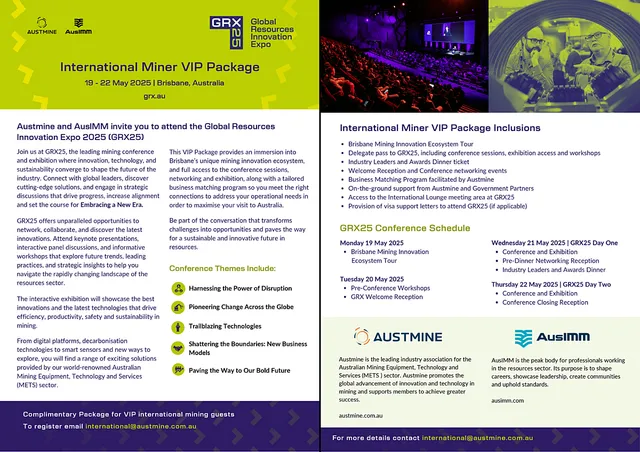
We have the honour to invite you to the Global Resources Innovation Expo (GRX25) in Brisbane, Australia from 20-22 May 2025. The theme “Embracing a New Era” reflect the dynamic changes and the transformative journey that the global resources industry experience. There will be discussions on next-generation energy and decarbonization, digital mining, and mining tech market. The exhibition will feature Australia’s worldleading Mining Equipment, Technology and services (METS) in digitisation, innovations in mineral processing, and supply value chain. It is anticipated that there will be over 1500 attendees, industry leaders, technology experts and innovation, both in the conference and exhibition.

Austmine will provide complimentary delegate passes for senior management and executives of mining operations in the Philippines.

Prior to GRX25, the organisers, Austmine and AusIMM, will host a Brisbane Mining Innovation Ecosystem Tour on 19 May 2025.

In addition to GRX25, Austrade is supporting an Australia Philippines Business Council (APBC) Mining Resource Forum on 20 May 2025. This forum will serve as a strategic platform to showcase the Philippines’ mining policies and investment potential for Australia, particularly in areas of sustainable and responsible mining.

Your participation at these events will allow you to understand the trends and sustainable practices of Australian mining and identify METS providers that are open to partnerships with Philippine mining companies and local agents/distributors.

Delegate numbers are limited so please advise your interest by 21 March 2025.

This Mission will be accompanied and supported by my colleague and Mission Project Manager, Tata Corpuz. Please feel free to email Tata thru tata.corpuz@austrade.gov.au and/or call +63 917 534 8844 for more details.

March 10, 2025

The inaugural APAC Earth Observation Forum, to be held on 10th April in Singapore, brings together policymakers, solutions providers, risk assessment experts, corporate and vulnerable communities to address pressing issues relating to climate change, and how to respond.

With the theme Managing risk, enhancing resilience & shaping a climate-secure future, speakers include:

  • Salote Viti, Chair, Pacific GIS & Remote Sensing User Council (PGRSC), Fiji
  • Dr. Will Cavendish, Global Digital Services Leader, Arup, United Kingdom
  • Sebastian Robertson, President, Earth Observation Australia, Australia
  • Mansi Kalra, Managing Director, JBA Risk Management Pte Ltd, Singapore
  • Aleksander Buczkowski, Director, Drone Powered Solutions & Geospatial Hub, PwC, Poland
  • Prof. Dr. Muh Aris Marfai, Head, Indonesian Geospatial Information Agency (BIG), Indonesia
  • Saiful Nizam Mustafa, Head of Geomatics, Petronas Carigali, Malaysia
  • Prof. Huang Xianfeng, Ph.D. advisor, Wuhan University, China
  • Prof. Fuan Tsai, Professor, Center for Space and Remote Sensing Research, National Central University, Taiwan
  • Gerry Ong, Honorary President, ASEANFLAG, Climate Change & Sustainability Work Group Leader, Singapore
  • Dr. Peeranan Towashiraporn, Director, Risk Analytics and Climate Services, Asian Disaster Preparedness Centre, Thailand
  • Dr. Satya Patnaikuni, Property Treaty Underwriter, Nat Cat Exp, Munich Re, Switzerland
  • Sonia Rawal, Client Manager, Allianz Reinsurance, Singapore

Powered by GeoAwesome, the Forum is an integral component of Geo Connect Asia, the region’s leading geospatial and location intelligence solutions event. In addition to hosting ASEAN mapping agencies, Geo Connect Asia hosts and an exhibition of more than 100 companies and multiple cross industry conference platforms.

Commenting on his participation in the Forum, Sebastian Robertson, CEO & CoFounder President, Earth Observation Australia comments “Earth Observation Australia (EOA) is focused on broadening our engagement with industry, government and research partners across the region to explore collaborative and promotional opportunities in EOrelated activities. Geo Connect Asia provides a key platform for connecting with regional partners, sharing insights, and advancing the role of Earth observation in supporting informed decision-making. I look forward to contributing to the EO Summit and strengthening ties between EOA and the region.”

Register for the conference pass to gain access to valuable industry insights. Visit www.geoconnectasia.com/visiting/registration-information to secure your preferred pass. Early Bird Discounts for conference registration are available until 21st March 2025, offering a limited-time opportunity to register at a reduced rate. CPD points are available upon application.

March 09, 2025

Senate President Francis Escudero on Thursday said the announced joint venture between Nickel Asia Corporation and DMCI Mining Corporation to develop a nickel processing plant in the Philippines is a “monumental stride” in enhancing the country’s mineral value chain.

In a statement, Escudero said the initiative is a significant step in advancing the local mineral processing industry, creating jobs, and strengthening the country’s position as a global player in the sector.

“This partnership is a monumental stride in our journey to add greater value to our mineral resources,” he said.

“Not only does this align perfectly with our vision of reducing raw mineral exports, but it also paves the way for economic growth and job generation for our people,” he added.

The announcement follows last month’s Senate approval of Senate Bill No. 2826, or the Enhanced Fiscal Regime for Large-Scale Metallic Mining bill, which prohibits the export of locally extracted raw minerals five years after its enactment.

Escudero, who introduced key amendments to the bill, said the legislation aims to reshape the regulatory framework of the mining industry and ensure more value is added to locally sourced minerals.

He expressed optimism that the Nickel Asia-DMCI Mining partnership would align with the bill’s objectives, highlighting the industry’s willingness to invest in local mineral processing.

“Initiatives like this will empower us to harness our natural resources responsibly and sustainably while unlocking immense potential for the Filipino people and local economy,” he said.

The two companies signed on March 4 a memorandum of understanding to explore the feasibility of developing a nickel processing plant in the Philippines, aiming to leverage Nickel Asia's expertise in nickel processing and exploration alongside DMCI Mining’s construction and engineering strengths.

Both agreed on selecting the plant’s technology, site location, and securing a stable nickel ore supply through joint exploration over the next two to three years, pending permit approvals.

They also plan to discuss the equity structure for a potential joint entity to develop and operate the facility.

March 09, 2025

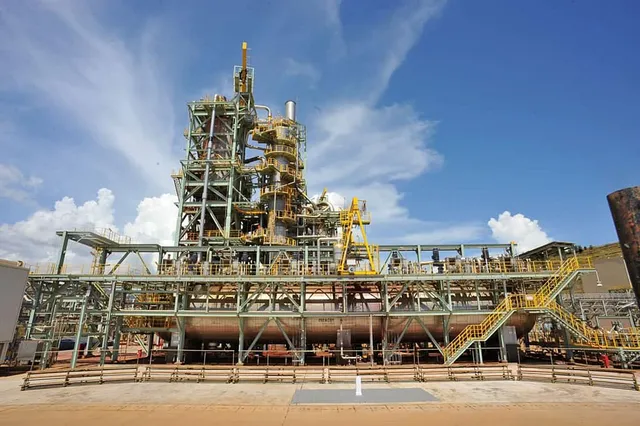
DMCI Mining Corp. and Nickel Asia Corp. (NAC) on Wednesday said they are exploring the possibility of putting up a new nickel processing plant in the country.

This was after the two mining giants signed on Tuesday a memorandum of understanding (MOU) to conduct a feasibility study on developing and operating a nickel processing plant.

The two firms said the planned facility would process low-grade nickel ore that is currently not viable for exports to maximize the country's natural resources, generate new investments and jobs, as well as boost the mineral processing industry.

"After extensive discussions, we are now ready to move forward with this strategic initiative," DMCI Mining president Tulsi Das Reyes said in a statement.

"This project is more than just a business —it's a step toward creating jobs and ensuring the sustainable use of our mineral resources."

Reyes said by laying the groundwork early, "we can help position the Philippines as a key player in the global nickel supply chain."

For his part, NAC president Martin Antonio Zamora said the increasing demand for nickel from electric vehicle manufacturers and stainless steel makers are driving the future growth of the nickel sector.

"Establishing an economically viable nickel processing plant in the Philippines requires several factors to align, including clear government policy directions and regulations, but proactive preparation is crucial," he said. "With the significant nickel resources needed and complex logistical challenges to navigate, early planning is essential for long-term success."

Under the MOU, NAC will offer its expertise in nickel processing technology and exploration while DMCI Mining will provide new assets, along with its strength in construction and engineering.

The exploration will be conducted within two to three years to assess the suitable technology, select an optimal site for the plant, and secure a steady supply of nickel ore through joint exploration, subject to approval of necessary permits. 

March 09, 2025

The Philippine Nickel Industry Association (PNIA) strongly opposes the recent resolution passed by the Palawan Sangguniang Panlalawigan calling for a 50-year mining moratorium.

PNIA acknowledges the vital importance of environmental protection, but it is equally crucial to recognize that economic growth and environmental sustainability can coexist. Responsible mining practices can safeguard the environment while simultaneously fostering economic development. The nickel industry, for example, has made invaluable contributions to the local economy, creating thousands of jobs and generating substantial revenue for both local and national governments. Moreover, mining projects in Palawan support key sectors such as infrastructure, logistics, and small businesses, while adhering to stringent environmental standards.

Further, the Palawan Sangguniang Panlalawigan’s resolution conflicts with national law and the Constitution, particularly regarding the limitations on local government units’ authority over national resources. By imposing such a blanket ban without sufficient legal foundation or consultation with national stakeholders, it undermines the balance between local autonomy and national oversight, which is an essential element for sustainable and equitable development. Additionally, this resolution represents an overreach of local police power, as it seeks to impose restrictions beyond the jurisdiction granted to local governments under the Constitution, without proper legal and regulatory basis.

A 50-year moratorium sends a damaging signal to both local and international investors that will stall economic opportunities in Palawan. It also weakens the Philippines’ competitiveness in the global nickel market, particularly as demand rises for nickel in renewable energy and electric vehicle manufacturing. Such a drastic policy adds unnecessary uncertainty to the sector, undermining the industry’s consistent advocacy for predictable, stable policies that support long-term investments and competitiveness.

Rather than pursuing an impractical and far-reaching moratorium, PNIA calls for strengthening the regulatory framework to ensure responsible mining operations. This includes harmonizing national and local policies for a unified approach to resource management, creating a transparent policy framework to encourage investment in sustainable mining technologies, and reinforcing the enforcement of strict environmental standards to protect natural resources.

PNIA is firmly committed to a balanced, sustainable approach where mining, environmental protection, and community development thrive together. We advocate for constructive dialogue between the government, local communities, and industry players to create policies that promote both economic growth and environmental sustainability. We stand ready to work with the Provincial Government of Palawan to craft policies that ensure long-term benefits for the province and the nation.

March 06, 2025

Weir has entered into a binding agreement to acquire Mining Software Holdings Pty Ltd (“Micromine”), a company based in Perth, Australia, for a sterling equivalent enterprise value of £657m1 (A$1,310m). Micromine is a top-tier global software provider to the mining industry, with comprehensive solutions across the upstream mining value chain. It supports critical mining operations from exploration through mine design and planning, operational scheduling and mining operations in hard ore, soft ore and underground applications.

A digital optimisation platform to deliver productivity and sustainability in mining

  • Micromine brings a proven suite of mission-critical digital solutions from exploration through mine operations
  • Significant opportunity to leverage Weir’s direct global distribution channels to accelerate growth
  • Creates the platform to integrate domain knowledge to optimise the end-to-end mining value chain

An established top-tier business of scale

  • Micromine has a record of delivering consistently high growth, with a revenue CAGR of c. 25%2
  • Industry leading recurring software-as-a-service (SaaS) subscription income c.90% of revenue
  • Sector-leading operating margins and cash generation is additive to Weir’s aftermarket-focused model

A compelling value creation opportunity, immediately accretive to Weir’s growth and margins

  • Enterprise value (EV) of £657m1 (A$1,310m), to be paid in cash; expected to close in Q2 2025
  • c.10x December 2025 EV / revenue and c.20x December 2025 EV / EBITDA excluding synergies
  • EPS expected to be accretive in the first full year of ownership3 and ROIC >WACC in 2028

Funding includes a combination of existing cash resources and new debt facilities

  • Weir’s net debt at 31 December 2024 was £535m, reflecting free operating cash conversion of 102%
  • Net debt to EBITDA4 of 0.7x at 31 December 2024
  • Post acquisition, net debt to EBITDA4 expected to be <2.0x at December 2025 and <1.5x by year end 2026

Jon Stanton, Chief Executive Officer said:

“The acquisition of Micromine is a significant step in our strategy of investing in technology to accelerate smart, efficient and sustainable mining. The combined force of Micromine and Weir will create a sector-leading globally scaled platform to optimise performance across the mining process.

In Micromine, we are adding an established, high-quality business and proven performer that is complementary to Weir’s aftermarket-focused business model and current digital solutions. This acquisition provides a compelling opportunity for strong value creation in the immediate and longer term.

The Micromine team are experts in their field and share Weir’s innovative mindset and customer focus. We look forward to welcoming them to Weir and working with them to provide customers with unparalleled technology and insights to enhance their operations.

Today is an important and exciting day. Combining Weir’s engineering technology expertise and customer networks with Micromine’s leading software solutions and diversified customer base will allow us to further harness digital technology to drive productivity and sustainability for the global mining industry.”

Andrew Gray, Managing Partner of Potentia Capital, said:

“We are thrilled that Micromine will be joining the Weir family of businesses which we think is the perfect home for the business. I feel the addition of Micromine’s solutions, in particular its suite of AI offerings, will allow Weir’s customers to rapidly capitalise on their digital futures.”

Micromine - A high quality, high growth and highly profitable business

Micromine is a leading software provider to the mining industry with comprehensive solutions across the upstream mining value chain from exploration through mine design and planning, operational scheduling and mining operations in hard ore, soft ore and underground applications.

The business is established and highly successful to date. It’s calendar 2025 revenues are expected to be c. £68m, having grown at 25% CAGR2 over the past few years, and largely arise from recurring SaaS subscription income. Micromine is achieving sector-leading operating margins and is highly cash generative.

Accelerating Weir’s strategy for sustainable digital mining

Micromine is regarded as one of the most comprehensive dedicated software businesses in the mining industry and brings complementary domain expertise to Weir. Under Weir’s ownership, Micromine will leverage the Company's global direct distribution channels in mining to further accelerate its growth.

The acquisition will ultimately combine with Weir’s MOTION METRICSTM and NEXT intelligent solutions and accelerate its vision for a digital platform using data from across the mining value chain to optimise resource planning, mine design and operations, and processing activities. With this acquisition, Weir’s strategy is to become an end-to-end software segment leader in the mining industry with solutions for process optimisation and clear competitive differentiation in line with Weir’s existing business model.

Value creation opportunity for Weir

A sterling equivalent enterprise value of £657m1 (A$1,310m), implies a revenue multiple of c.10x at December 2025, and EBITDA multiple of c.20x at December 2025, excluding the impact of synergies. The deal is accretive to Weir’s revenue growth and operating margin profile.

The deal is expected to be EPS accretive in the first full year of ownership3 with ROIC expected to exceed WACC in 2028.

Post acquisition, net debt to EBITDA4 is expected to be below 2.0x at December 2025 and below 1.5x by year end 2026, in line with our capital allocation policy. The acquisition debt is underwritten for 24 months from the announcement date and will be refinanced in due course.

Integration and leadership

The transaction is expected to complete in Q2 2025, subject to clearance by the Foreign Investment Review Board of Australia (FIRB).

Post completion, Weir intends to initially run Micromine independently, while reporting externally under the ESCO Division. In due course, we intend to integrate the business with MOTION METRICSTM and NEXT intelligent solutions, to create a combined digital optimisation platform.

This business will be led by Kristen Walsh, currently Managing Director of Minerals Division APAC region, who will join the Group Executive reporting to Jon Stanton. Andrew Birch, the current CEO of Micromine, will remain with Weir for up to 12 months supporting Kristen in an advisory capacity.

March 03, 2025

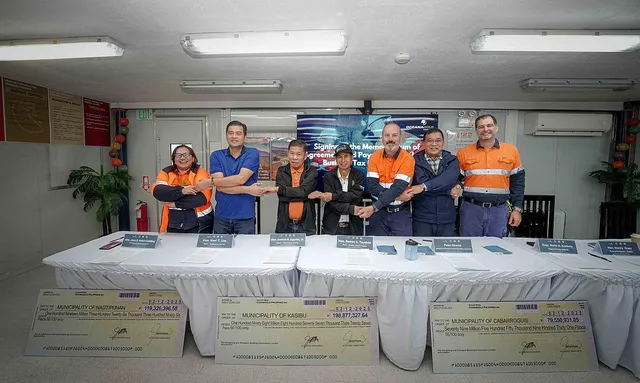
OceanaGold (Philippines), Inc. (OGP), a publicly listed company, has paid a total of PHP397.7 million in local business tax (LBT) to three municipalities in the provinces of Nueva Vizcaya and Quirino for 2025.

OGP remitted an LBT of PHP198.9M to Kasibu town in Nueva Vizcaya, and paid PHP119.3M and PHP79.6M to the municipalities of Nagtipunan and Cabarroguis in Quirino, respectively.

This year, Kasibu and Cabarroguis joined Nagtipunan as first-class municipalities based on their respective average annual incomes for the last three years. First class municipalities are those earning an average of PHP200 million or more annually, based on Republic Act number 11964 or the Automatic Income Classification of Local Government Units Act.

Atty. Joan Adaci-Cattiling, OGP President and General Manager of External Affairs and Social Performance, expressed her appreciation to the officials for their support of the Company’s Didipio Mine.

“We are all working for the continuing operations of the mine so that we are able to continue giving benefits to our communities, agyaman kami (thank you),” she said.

Peter Sharpe, OGP Chairman of the Board, said that the Company is sharing its success with local communities through its taxes and other benefits.

“We are a part of the community and it is pleasing to share our success with the broader community. This is a partnership, a relationship…this is an example where we are giving back as much as we can,” he said.

OGP paid a total LBT of PHP421.9M and PHP326.2M to the three municipalities in 2024 and 2023, respectively. 

Kasibu Mayor Romeo Tayaban acknowledged the impact of OGP’s tax contributions on local development.

“We, the people of Kasibu, are grateful for OceanaGold’s tax payments, which have significantly helped improve the lives of our residents. Our local government is focused on enhancing infrastructure, particularly road networks, to facilitate economic activities in various barangays,” he stated in Ilocano

Similarly, Cabarroguis Vice Mayor Francisco Dulnuan, Jr., speaking on behalf of Mayor Avelino Agustin, Jr., emphasized the importance of OGP’s continued operations.

“We hope that the mine continues its operations, as it enables us to extend further support to our constituents,” he remarked in Ilocano.

Nagtipunan Mayor Noel Lim noted that the municipality successfully completed its public market and funded various social and environmental projects through the 2024 LBT payment from OGP.

“The local business tax payments from Didipio Mine have been a tremendous help to every municipality,” he said.

The municipalities also pledged, through their respective memorandum of agreement (MOA) with OGP, to allocate no less than PHP5 million from their own LBT share to fund projects, programs and activities in support of environmental management, protection, and conservation in their respective jurisdictions.

Mines and Geosciences Bureau (MGB) Region 2 Director Engr. Mario Ancheta highlighted the broader economic benefits of mining-related revenues, emphasizing that local communities gain from these development initiatives.  

OGP operates the Didipio Mine, an underground gold-copper mine that straddles the provinces of Nueva Vizcaya and Quirino in the island of Luzon, Philippines. The company entered into a Financial and Technical Assistance Agreement (FTAA) with the Republic of the Philippines in June 1994. The FTAA’s initial term ended in June 2019 and was confirmed renewed in July 2021 by the Philippine Government with the execution of the FTAA Addendum and Renewal Agreement.

OGP is a subsidiary of OceanaGold Corporation (OGC), which also operates the Waihi and Macraes mines in New Zealand and the Haile mine in the United States of America.


1 USD = PHP58.1190 (from the Bangko Sentral ng Pilipinas February 11, 2025 Daily Reference Exchange Rate Bulletin)

March 03, 2025

Celsius Resources is pleased to announce that its Philippine affiliate, Makilala Mining Company, Inc., has signed a binding term sheet with Maharlika Investment Corporation which outlines the key terms of a bridge loan facility of up to USD 76.4 million, to fund the Company’s flagship MCB Project.

The Facility is intended to fully finance the updating of the Company’s feasibility study (“FS”) and Front-End Engineering Design (“FEED”), and partially funding early development activities, including main access road construction in coordination with the Kalinga Provincial Government and skills-based training for the Balatoc community. The binding term sheet is also intended to enable MMCI to comply with the financial capability requirements under its Mineral Production Sharing Agreement with the Philippine Government.

MIC is a Philippine Government owned and controlled corporation mandated to manage the sovereign wealth fund of the Philippines. Its mission includes driving long-term national development by fostering job creation, accelerating poverty reduction, and promoting economic growth while achieving optimal investment returns.

The MIC Board’s approval follows an extensive due diligence process, which assessed technical, legal, financial, and socio-economic aspects of the Project. Initial results highlight promising technical and economic feasibility, environmental compliance, and social license.

The proceeds of the Facility mark a critical milestone in the Project’s funding, enabling immediate commencement of work with the initial funding amount of USD10 Million. Consequently, these works will no longer require direct funding from CLA.

Discussions on the additional equity funding required are ongoing, given total estimated capital expenditure of the Project. We look forward to updating investors once binding equity agreements have been finalised.


MIC’s Chief Executive Officer, Rafael D. Consing, Jr. said:


“Our investment decision reflects a shared commitment to the sustainable, inclusive, and regenerative development of the MCB Project. We envision the MCB Project as a benchmark for the Philippine Government's call for ‘beyond responsible mining,’ setting a new standard for resource development in the Philippines.”


Celsius Executive Chairman Atty. Julito R. Sarmiento, said:


“The Maharlika Investment Corporation’s decision to invest in the MCB Project underscores the Philippine Government’s strong commitment to advancing the critical metals sector and fostering a responsible mining industry that delivers meaningful benefits to host communities. In this case, we are particularly grateful for the support extended to the Balatoc Indigenous Cultural Community, which stands to gain from this partnership.

In return, we pledge to fulfill our role as responsible stewards, ensuring the MCB Project's success while upholding environmental and social responsibilities. Immense credit goes to the dedicated MMCI team in the Philippines, whose efforts, alongside the unwavering support of the CLA Board, have brought the MCB Project to this pivotal stage of construction and development. Achieving full permitting and securing substantial funding within just four years despite the challenges of the pandemic is a testament to their hard work and commitment, and we express our heartfelt gratitude to them for their achievements.”

March 03, 2025

Philex Mining Corporation, added Php136 million core net income and Php 564 million EBITDA in 4Q2024 to the Php610 million core net income and Php1.418 billion EBITDA of the first nine months ended September 30, 2024. Full year 2024 reached core income at Php746 million and EBITDA at Php1.981 billion. Gold and copper prices were at relative higher levels throughout the year, compared with 2023, while foreign exchange rate continued to improve through 4Q2024.

Operating revenues increased to Php8.183 billion in 2024 from Php7.726 billion in 2023. Operating revenues in 4Q2024 at Php2.084 billion were also higher compared with Php1.768 billion in 4Q2023. However, operating costs and expenses inched up by 9% to Php7.299 billion for the year 2024 as a result of elevated prices of materials and supplies.

Realized Gold prices reached $2,419 per ounce in the fourth quarter, while Copper peaked at $4.57 per pound in the third quarter before settling to an average $4.32 per pound for the remainder of the year.

Tonnage milled for 4Q2024 was at 1.767 million tonnes, higher than the 1.628 million tonnes in 4Q2023. Total tonnage milled in 2024 reached 6.809 million tonnes, slightly lower than the 6.853 million tonnes for 2023. Gold ore grades declined by 16% towards the end of the year and Copper ore grades reduced by 7% as we continue to mine the peripherals of the ore body. Gold output in 4Q2024 reached 7,136 ounces, adding to the 23,566 ounces for the three quarters ended September 2024, ending the year with 30,702 ounces-lower by 19% than the 37,784 ounces gold output for 2023. Copper output for 4Q2024 was 5.027 million pounds;the full year Copper output was at 19.780 million pounds, lower than the 21.298 million pounds output for 2023.

The performance in 2024 allowed the Board to declare a cash dividend of 2 centavos (Php0.02) per common share aggregating to Php116 million, to shareholders on record as of March 12, 2025, which will be paid on March 24, 2025.

THE SILANGAN PROJECT AND OUTLOOK

The development of the Silangan Project in Surigao del Norte registered a major milestone with the underground main access decline reaching the Santa Barbara 1 ore body ( formerly Boyongan ore body), and marking 7.5 million uninterrupted manhours without LTA ( Loss Time Accident) as of January 18, 2025. Major components of long lead equipment packages for the Process Plant such as SAG Mill, Atmospheric Leach Feed Thickeners and HAB Feeder and Primary Sizers were delivered on site ready for installation. All the equipment packages had been awarded and are in different stages of manufacturing by various mining industry suppliers located in several countries. The construction of the Tailings Storage Facility (TSF) is in full swing passing the 50% completion mark. Underground production tunnels and the TSF are on track to be completed by 3Q2025, while the Process Plant will be ready for commissioning in 4Q2025.

“In 2025, we will navigate the challenges of operating an old yet viable mine like Padcal and commissioning a new mine like Silangan,” according to Eulalio B. Austin Jr., Philex president and CEO. “Padcal still has the potential, and we are looking at pulling out all the stops, so to speak, to ensure its survival in its projected 2028 mine life and even beyond.”

“For Silangan, we will protect the showstoppers to avoid any further delay in the commissioning of the project, and we are thankful to our shareholders, lenders, suppliers, consultants, and the national and local government units for their confidence and continued support to make Silangan Project operational by 1Q2026, marking a new era for Philex and the Philippine mining industry” Austin added. “It is imperative that Silangan be ushered into production before the expected mine life of Padcal comes to a close.”

March 03, 2025

Listed natural resources development company Nickel Asia Corporation has announced its audited financial and operating results for the twelve-month period ended Dec. 31, 2024.

NAC reported an attributable net income (net of minority interest) of P1.52 billion, including a P1.55 billion provision for its geothermal investment in Naujan, Oriental Mindoro. This investment, made through its subsidiary, Mindoro Geothermal Power Corporation (MGPC), was primarily used for drilling exploration wells between 2015 and 2017. Excluding the provision, the attributable net income was P3.07 billion, a decrease from P3.75 billion the previous year.

2024 Performance Highlights

  • Revenue from ore sales decreased by 8.5 percent year-on-year to P19.56 billion from P21.38 billion, which marks a significant improvement compared to the 16 percent year-on-year drop in the first half of 2024. The rebound in the second semester can be attributed to the Indonesian market purchasing one-third of the ore exports of NAC. The continued demand from Indonesia presents a positive outlook for ore prices.
  • Earnings before interest, taxes, depreciation, and amortization (EBITDA) totalled P8.79 billion compared to P10.90 billion in 2023.
  • The weighted average nickel ore price dropped 14 percent to $20.04 per Wet Metric Tonne (WMT) from $23.30 per WMT in the previous year. The Company realized P57.36 per US dollar from ore sales, reflecting a 2.8 percent increase from P55.78 last year.
  • Operating mines sold 17.02 million WMT of nickel ore, a 3.5 percent increase from last year’s 16.45 million WMT. Breaking this down, the Company exported 9.64 million WMT of saprolite and limonite ore at an average price of $27.34 per WMT from 8.92 million WMT at $30.59 per WMT in the same period last year. The remaining 7.38 million WMT of limonite ore were delivered to the Coral Bay and Taganito high-pressure acid leach (HPAL) plants, the prices of which are linked to the London Metal Exchange (LME). These deliveries realized an average price of $10.50 per WMT equivalent to 9.3 percent of LME. This compares to last year’s 7.53 million WMT at $14.66 per WMT equivalent to 9.7 percent of LME.
  • NAC reported losses from its equity share in the two HPAL plants in the amount of P897.93 million against losses in the prior year at P1.04 billion.

Renewable Energy and Mining Expansion

NAC’s renewable energy subsidiary, Emerging Power, Inc. (EPI), continues to grow its portfolio and is on track to achieving its 1-GW target by 2028.

  • Jobin SQM, Inc. (JSI) expanded its generation capacity by 56 percent, reaching 224,179 megawatt-hours, and recorded EBITDA of P938.79 million and EBITDA margin of 83 percent.
  • The 145-MWp Subic-Cawag solar project is underway, with both phases expected to begin operations by year-end.
  • Greenlight Renewables Holdings, Inc., EPI’s joint venture with Shell Overseas B.V., is progressing on Phase 1 (120-MWp) of its solar project in Leyte, which is expected to be completed by Q3 2025.
  • Pre-development activities for a 45-MWp solar project in Botolan, Zambales, are also progressing, with the Notice to Proceed expected to be issued soon.

By the end of 2025, EPI aims to achieve a gross capacity of over 400-MWp, with projections of over 800-MWp by the end of 2026.

In the nickel mining sector, the Company recently commenced shipments from its Manicani mine in Eastern Samar and South Upper Guintalunan mine in Palawan, while continuing to ramp up operations at its Dinapigue mine in Isabela. These three projects are expected to significantly contribute to the growth of NAC's upstream nickel mining business in the coming years.

Additionally, through its subsidiary, Cordillera Exploration Co. Inc. (CEXCI), NAC has also begun exploratory drilling at the Marian Project, with plans to establish a copper-gold mine.

Divestment of Minority Stake in CBNC

On Jan. 31, 2025, NAC completed the sale of its 15.625 percent minority stake in Coral Bay Nickel Corporation, at the investment’s carrying value as of Sept. 30, 2024. This strategic move is expected to strengthen NAC’s financial position and refocus resources on its core projects in solar and upstream mining.

Outlook and Remarks

“The increasing demand for nickel and other critical minerals, as well as the global shift towards cleaner forms of energy, place us in a unique position to support both agendas. As we continue to grow, it is imperative for us to continuously enhance our processes and improve our operational efficiency,” said NAC President and CEO Martin Antonio G. Zamora.

“Our focus on solar and upstream mining is a critical part of that optimization, and it reflects the dynamic leadership at NAC,” he added.

Regular and Special Dividend

The Board of Directors declared a cash dividend of P0.11 per share of common stock, including a special dividend of P0.04 per share. The dividend is payable on March 26, 2025, to shareholders of record as of March 13, 2025.

March 03, 2025

Integrated energy company Semirara Mining and Power Corporation (SMPC) posted P19.6 billion in full year 2024 earnings, a 30-percent decline from P27.9 billion in 2023, as energy markets continued to normalize.

“Despite price corrections, we focused on key factors within our control—maximizing production, achieving record-high coal shipments and power generation. Our disciplined strategy and dedicated team played a crucial role in navigating energy market shifts,” said SMPC President, Chief Operating Officer and Chief Sustainability Officer Maria Cristina C. Gotianun.

In 2024, SMPC set new records, with total shipments reaching 16.5 million metric tons (MMT), coal production hitting 16 MMT for the third consecutive year, and gross power generation totaling 5,358 GWh.

From October to December, SMPC generated P3.9 billion in net income, down 26% from P5.3 billion in the same period last year, due to weaker contribution from the coal segment, while the power segment remained relatively stable.

Q4 Average Newcastle Index (NEWC) edged up by 2% from US$135.6 to US$137.7, while the Indonesian Coal Index 4 (ICI4) dropped 12% from US$58.9 to US$51.8.

Overall average selling price (ASP) of electricity slid 3% from P4.29/kWh to P4.16/kWh, on the combined effect of a decline in spot ASP, higher bilateral contract (BCQ) ASP and improved sales volume.

Quarter-over-quarter (Q4 2024 vs. Q3 2024), SMPC’s net income grew 26% from P3.1 billion, driven by better contributions from the coal segment.

Coal Operating Results

For the fourth quarter, total shipments contracted 19% from 5.3 MMT to 4.3 MMT on lower production and limited inventory of commercial-grade coal.

During the same period, Semirara coal ASP dropped 15%, from P3,305 per metric ton (MT) to P2,821 per MT, on stabilizing market prices and higher proportion of lower-grade coal shipments.

Total production decreased 31%, from 4.2 MMT to 2.9 MMT, following pre-stripping of two new blocks in Narra mine.

Power Operating Results

Total gross generation rose by 8%, from 1,195 GWh to 1,290 GWh, on expanded average capacity of SEM-Calaca Power Corporation (SCPC) following restoration of SCPC Unit 2’s dependable capacity to 300 MW on May 27.

As a result, total power sales rose by 13%, from 1,078 GWh to1,223 GWh, with the majority (56%) of generated electricity sold to the spot market.

BCQ ASP jumped 15% from P4.09/KWh to P4.70/KWh, while spot ASP fell by 15% from P4.38/KWh to P3.73/KWh.

At the end of the year, 30% of the 840MW dependable capacity of the power segment is contracted. Net of station service, which fluctuates periodically, SMPC has 504.10MW available for sale to the spot market.


Article courtesy of the Philippine Stock Exchange

March 03, 2025

Department of Transportation (DOTr) Secretary Vince Dizon on Monday assured to continue and expedite existing transportation projects.

In a statement, Dizon said continuity is “key” to completing transport projects that will benefit the public.

“Kailangan habang pinapasa ang baton, imbes na bumabagal, kailangan pang pinapabilis. Kailangan natin magtrabaho ng mas maigi, kailangan natin pabilisin ito (With the passing of the baton, we need to expedite instead of slowing down. We need to work even harder so we can finish this quicker),” he said.

Dizon cited big-ticket projects such as the North-South Commuter Railway (NSCR), Metro Manila Subway, privatization of regional airports, as well as the EDSA Busway and construction of the EDSA Greenways Project, among others.

“Let's roll up our sleeves and let's get to work to get things done,” he said.

Dizon further said the privatization or seeking more public-private partnerships (PPP) for critical transport infrastructure is critical to improving the country’s transportation system.

“We will really push that forward because [privatization] to my mind, and especially to the mind of our President [Ferdinand R. Marcos Jr.], is the way to go to make transport services more efficient,” he said.

Dizon lauded former DOTr Secretary Jaime Bautista’s efforts in the privatization of several transport projects, including the Ninoy Aquino International Airport (NAIA), Laguindingan Airport, and Bohol-Panglao International Airport.

“The biggest contribution of Sec. Jimmy in such as short span of time is really the massive privatization effort beginning obviously with the NAIA privatization,” he said.

In addition to these airport projects, Dizon said the operations and maintenance of the EDSA Busway and the Metro Rail Transit Line 3 (MRT-3) are both up for privatization.

In particular, he said the feasibility study for the EDSA Busway is set to be completed in a few months and its contract is expected to be awarded by the end of 2026.

On the other hand, the terms of reference for the MRT-3, for both its solicited and unsolicited proposals, are being ironed out by the DOTr, the PPP Center, and the Asian Development Bank. 

March 03, 2025

The Japan Organization for Metals and Energy Security (JOGMEC) organized the ASEAN-JAPAN Mining Investment Seminar and Site Visit held last February 19-20, 2025 in Tokyo, Japan.

The 2-day event aims to provide up-to-date information regarding ASEAN Member States’ legislations, regulations, including tax system and incentives, and promising projects from upstream to midstream minerals to Japanese private companies that will lead to the promotion of mineral resources investment in ASEAN Member States and the ASEAN region.

The seminar started when Mr. Yuzo YAMAGUCHI, Director of the Ministry of Economy, Trade and Industry (METI)-Mineral Resources Division and Mr. Ichiro TAKAHARA, Chairman and CEO of JOGMEC, delivered their opening remarks

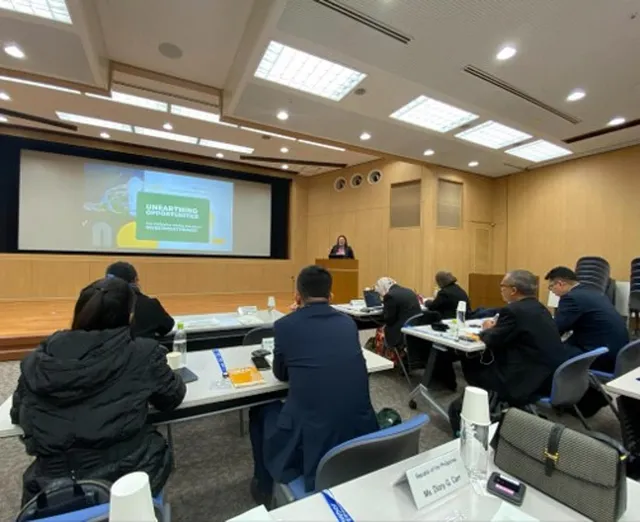
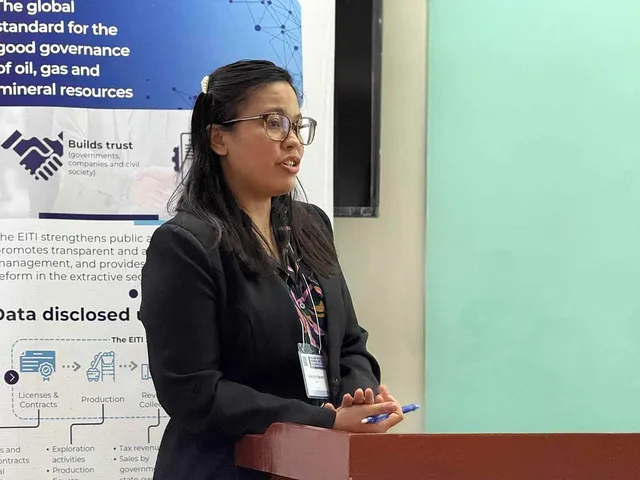
Ms. Diory G. Carr from the Mineral Economics, Information, and Publication Division of the Mines and Geosciences Bureau was among the presenters from the ASEAN-member delegates. She represented the Philippines and discussed “Unearthing Opportunities: The Philippine Mining Industry’s Investment Primer.” The presentation focused on key investment highlights in the Philippines, a resource-rich country with significant untapped mineral resources, making it a perfect destination for investors seeking to capitalize on the global demand for mineral commodities.

Other delegates who also presented include representatives from: Ministry of Energy and Mines, Department of Mining Management of Lao PDR; Ministry of Development, Investment and Legal Division of Brunei Darussalam; Ministry of Natural Resources and Environment – Vietnam; Geological Survey of Viet Nam; Ministry of Natural Resources and Environmental Sustainability, Minerals and Geoscience Division of Malaysia; Ministry of Natural Resources and Environmental Conservation of Myanmar; Ministry of Industry, Department of Primary Industries and Mines of Thailand; Ministry of Mines and Energy, Department of Geology and Minerals of Cambodia; and Ministry of Energy and Mineral Resources, Directorate General of Mineral and Coal of Indonesia.

Mr. Hiroshi Kubota, Executive Vice President, Metals Unit of JOGMEC then delivered his closing remarks. Day 1 concluded with a reception and networking led by JOGMEC President, Mr. Michio Daito.

For Day 2, the delegates visited the Nippon Steel Corporation (NSC) and Kashima Steel Works at Kashima City. NSC, headquartered in Tokyo, Japan, is the largest steel producer in Japan and ranks fourth globally in crude steel production with an output of approximately 44.4 million tons in Year 2022.

Meanwhile, Kashima Steelworks, one of NSC’s core facilities with approximately 10M㎡, is located in Kashima City, Ibaraki Prefecture. The steelworks prioritize sustainability and operate under ISO 14001-certified environmental management systems. They are a cornerstone of Nippon Steel's global operations, supporting industries worldwide with their high-quality steel products and sustainable practices.

This two-day event was made possible through the ASEAN-JAPAN Friendship and Cooperation, with the guidance of the ASEAN Plus Three Minerals Cooperation Work Plan (ASOMM+3 Work Plan).

March 03, 2025

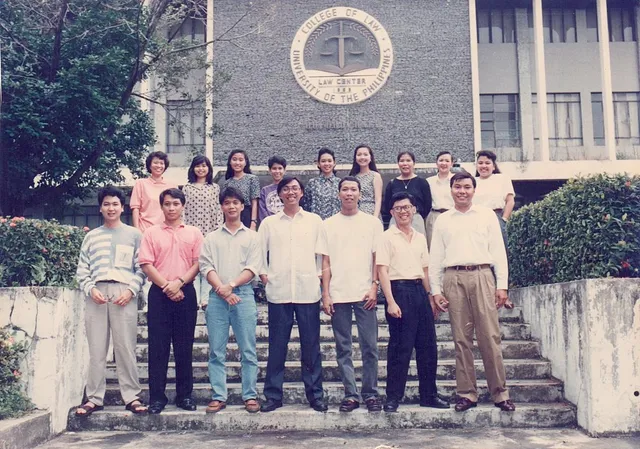
The Philippine Extractive Industries Transparency Initiative (PH-EITI) spearheaded a side event at the 2025 Open Government Partnership (OGP) Asia-Pacific Regional Meeting, focusing on data interoperability and transparency in the extractive sector. Held on February 4-5, 2025, at the UP College of Law in Bonifacio Global City, Taguig, the event brought together key stakeholders from government agencies, civil society, and the mining industry to discuss strategies for improving data accessibility and governance.

With the theme: “Bridging Data for Better Governance: Interoperability and Transparency in the Extractive Sector,” the session underscored the importance of linking datasets to enhance accountability, mitigate corruption risks, and support evidence-based policymaking.

Engr. Romualdo D. Aguilos, Chief of the Mineral Economics, Information, and Publication Division (MEIPD) of the Mines and Geosciences Bureau (MGB), delivered the opening remarks for the event. Mr. Mark Carlo C. Cruz, Systems Analyst II from the MGB-MEIPD, presented the MGB website, highlighting its features and functionalities designed to enhance access to mining-related data and transparency initiatives.

On the second day, discussions expanded to “Towards Justice in Climate Equity & the Energy Transition,” a session co-hosted by PH-EITI and Publish What You Pay Philippines-Bantay Kita. Ms. Anne Karla Navarro, Geologist of the Lands Geological Survey Division, MGB, highlighted the significance of critical minerals, addressing key sectoral challenges such as high energy costs and logistical constraints. She also emphasized the need for local mineral processing and MGB’s ongoing efforts to streamline permitting and identify mineral-rich areas for sustainable development.

The session also featured presentations from government, industry, and civil society representatives, including the Department of Energy, the Philippine Nickel Industry Association, and Oxfam Pilipinas, focusing on the role of transition minerals in achieving a just energy transition. The panel discussion emphasized the balance between resource extraction, environmental sustainability, and community benefits, ensuring that climate action aligns with equity and transparency.

Key discussions highlighted Local Government Units' challenges in tracking national wealth shares and the need for a centralized extractive data repository. Participants stressed interagency collaboration for standardized reporting and timely data access. PH-EITI and its partners aim to develop a unified data system to improve transparency and resource management.

February 24, 2025

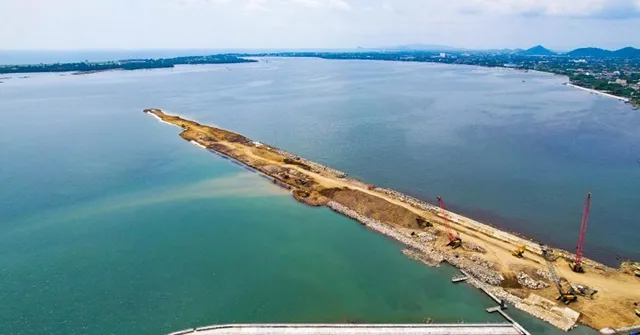
The national government has already allotted PHP3.97 billion for the construction of the Tacloban causeway project that will provide a shorter route from the city’s downtown to the airport, the Department of Public Works and Highways (DPWH) reported on Monday.

DPWH-Eastern Visayas Director Edgar Tabacon said majority of the PHP4.77-billion budget requirement has been allotted under the 2022, 2024, and 2025 national budgets.

He said PHP880 million was allocated in 2022, PHP1.92 billion in 2024, and PHP1.17 billion this year.

Some PHP2.68 billion of the allotted budget has been obligated while only PHP528.6 million have been disbursed, based on documents shared by DWPH.

The project’s civil works have an accomplishment rate of 20.42 percent as of this month using the appropriations in 2022 and 2024.

The structure will stretch from the city’s Magsaysay Boulevard to the airport complex, crossing the Cancabato Bay.

The first of its kind in Eastern Visayas, the causeway will serve as an alternate route for motorists from the city’s commercial district going to the airport, reducing distance, travel time, and vehicle operating costs.

It involves the construction of a four-lane road embankment that spans about 2.56 kms., with a bridge at the center. It will also feature separate bike lanes, concrete canals, sidewalks, as well as wave deflectors on both sides.

It will complement the future new airport terminal building designed to accommodate international flights.

Aside from being an alternative highway, the causeway will also shield communities from destructive waves.

“This project aims to reduce travel time from the city proper to the airport from approximately 45 minutes to 10 minutes. The vision is not just to build infrastructure, but to build structures that will draw tourists and investments to the city,” Tabacon said in a statement. By Sarwell Meniano


Article courtesy of the Philippine News Agency

February 24, 2025

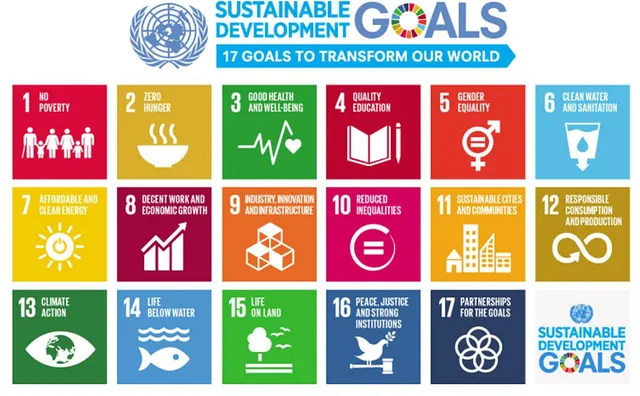
Department of Environment and Natural Resources (DENR) Secretary Maria Antonia Yulo Loyzaga has signed a new department administrative order mandating mining companies to incorporate the United Nations’ 17 Sustainable Development Goals (UN SDGs) into their Social Development and Management Programs (SDMPs).

SDMP is the five-year comprehensive plan required from mining companies for the sustained improvement of the living standards of their host and neighboring communities in their areas of operation. Unlike in the past, they must now include programs for enhancing biodiversity conservation and protection, and institutionalizing climate action of host and impact communities, among others.

“We’re also looking at labor practices, gender equity, social services, along with reforestation, rehabilitation, restoration of ecosystems to address biodiversity loss,” Secretary Loyzaga disclosed.

The environment chief added that this initiative supports the call of President Ferdinand Marcos, Jr. to utilize the nation’s natural resources for sustainable development. “The goal is to ensure that the wealth generated from mineral extraction is shared equitably, that ecosystems are protected, and that local communities gain empowerment,” she said.

Mining contractors and permit holders will have the responsibility in ensuring that SDGs are achieved within their host and neighboring communities.

The 17-point UN SDGs include no poverty; zero hunger; good health and well-being; quality education; gender equality, clean water and sanitation; affordable and clean energy; decent work and economic growth; industry, innovation and infrastructure; reduced inequalities; sustainable cities and communities; responsible consumption and production; climate action; life below water; life on land; peace, justice and strong institutions; and partnership for the goals. These interlinked goals were adopted by all United Nations Member States in 2015. Comprised of 169 specific targets, the SDG serves as a global blueprint to end extreme poverty, reduce inequality, and protect the planet by 2030.

Under Republic Act 7942, otherwise known as the “Philippine Mining Act of 1995”, which is implemented through DENR Administrative Order (DAO) No. 2010-21 or the Revised Implementing Rules and Regulations of the Philippine Mining Act of 1995, mining contractors and permit holders are mandated to designate 1.5 percent of their operating expenses towards the SDMP.

The SDMP allocation is directed towards the host communities of the mining projects and is utilized by LGUs in the form of community development projects. Specifically, 10 percent is reserved for information, education, and communication efforts, 15 percent is allocated for the advancement of mining technology and geosciences, and 75 percent is designated for projects directly implemented by the LGUs such as roads, water supply, health centers, school buildings and scholarships, and livelihood projects, to name a few.

From 2002 to 2027, the total approved SDMP commitment reached P28 billion, with P17.7 billion allotted for 2002-2022. SDMP activities include livelihood programs, educational support, health and medical assistance, public infrastructure, and socio-cultural and religious support.

February 24, 2025

The Department of Environment and Natural Resources (DENR), through the Mines and Geosciences Bureau (MGB), successfully conducted a “Stakeholders’ Consultation on the Proposed Amendments to DENR Administrative Order (DAO) No. 2010-21” on January 30, 2025, at SEDA Vertis North, Quezon City. The event gathered key stakeholders from the mining industry, government agencies, local government units, media, academe, and civil society organizations to discuss the proposed streamlined procedures for processing mining permits.

The consultation aimed to refine and enhance the processing of applications for Exploration Permits, Mineral Agreements, and Financial or Technical Assistance Agreements (FTAA) through revisions to DAO No. 2010-21.

The event opened with welcome remarks from Engr. Michael V. Cabalda, DENR Assistant Secretary for Mining Concerns and concurrent MGB OIC Director, emphasizes the need for efficient and transparent regulatory processes in the mining sector.

In his address, Engr. Cabalda introduced GROWTH, a strategic framework to strengthen governance, promote resilience, foster local economic opportunities, ensure community well-being, leverage technology, and balance industry growth with environmental sustainability. He emphasized that these principles would guide the industry’s transformation into a more transparent, accountable, and globally competitive sector.

Following this, Engr. Teodorico A. Sandoval, OIC-Assistant Director of MGB, presented the objectives and rationale of the consultation, while Atty. Josephine V. Sescon, OIC-Chief of the MGB Legal Service Division, outlined the proposed amendments.

A breakout session divided the stakeholders into five key groups:

  • Mining Industry
  • National Government
  • Local Government Units
  • Media & Academe
  • CSOs, NGOs, and Religious Sectors

Each sector deliberated on the proposed amendments and provided feedback, which was later presented in the Plenary Session to consolidate insights and recommendations.

Engr. Marcial H. Mateo, Chief of the Mine Safety, Environment, and Social Development Division, concluded the consultation and discussed the next steps in refining the amendments before final approval and implementation.

“Together, let’s make GROWTH a reality. Let’s transform our mining sector, not just for today, but for generations to come,” Engr. Cabalda concluded.

February 24, 2025

The Department of Environment and Natural Resources (DENR) has issued a new directive mandating mining companies to strengthen their community development programs while addressing biodiversity loss.

The administrative order issued by DENR Secretary Maria Antonia Yulo Loyzaga specifically mandates the mining sector to align the United Nations' 17 Sustainable Development Goals (UN SDGs) into their Social Development and Management Programs (SDMPs), according to a news release Monday.

This move aims to enhance the well-being of host communities while ensuring stronger environmental safeguards.

Loyzaga said the directive supports President Ferdinand Marcos Jr.'s vision of utilizing the country’s natural resources for inclusive and sustainable development.

“The goal is to ensure that the wealth generated from mineral extraction is shared equitably, that ecosystems are protected and that local communities gain empowerment,” she said.

SDMP is the five-year comprehensive plan required from mining companies for the sustained improvement of the living standards of their host and neighboring communities in their areas of operation.

The 17-point UN SDGs are no poverty; zero hunger; good health and well-being; quality education; gender equality, clean water and sanitation; affordable and clean energy; decent work and economic growth; industry, innovation and infrastructure; reduced inequalities; sustainable cities and communities; responsible consumption and production; climate action; life below water; life on land; peace, justice and strong institutions; and partnership for the goals.

All UN member states adopted the interlinked goals in 2015.

Comprised of 169 specific targets, the SDG serves as a global blueprint to end extreme poverty, reduce inequality and protect the planet by 2030.

The new administrative order underscores the inclusion of programs that would help enhance biodiversity conservation and protection, and institutionalize climate action of host and impact communities, among others.

The SDMP allocation is directed towards the host communities of the mining projects and is utilized by local government units (LGUs) in the form of community development projects.

Specifically, 10 percent is reserved for information, education, and communication efforts; 15 percent for the advancement of mining technology and geosciences; and 75 percent for projects directly implemented by the LGUs, such as roads, water supply, health centers, school buildings and scholarships, and livelihood projects.

Loyzaga said mining firms must incorporate biodiversity conservation, climate action, labor rights, gender equity, and social services into their community programs.

“We’re also looking at reforestation, rehabilitation, and restoration of ecosystem to address biodiversity loss,” she said.

Under Republic Act 7942 or the Philippine Mining Act implemented through the DENR, mining firms must allocate 1.5 percent of their operating expenses to SDMPs, with funding directed toward education, technology advancement, and essential infrastructure such as roads, water supply, and health services.

From 2002 to 2027, SDMP commitments are projected to reach PHP28 billion, with PHP17.7 billion allotted from 2002 to 2022 on livelihood programs, scholarships, medical aid, and public works. 

February 24, 2025

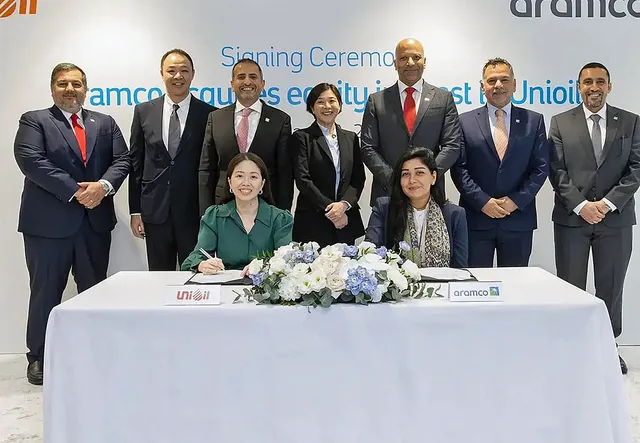
One of the world’s largest integrated energy and chemicals companies, Aramco, is re-entering the Philippine market by acquiring a 25 percent stake in Unioil Petroleum Philippines, Inc.

The companies announced Wednesday that they signed an agreement for the partnership, led by Aramco Asia Singapore managing director Fai Aldossary and Unioil chief executive officer Janice Co Roxas-Chua.

The planned acquisition is subject to customary closing conditions, including regulatory approvals.

Aramco, which is 90 percent owned by the government of Saudi Arabia, is making a comeback in the Philippines as it aims to take advantage of the increasing demand for high-value fuels in the country.

“This investment represents another step forward in our global strategy to expand Aramco’s retail network, and we look forward to introducing Aramco’s high-quality products and services to customers in the Philippines,” Aramco executive vice president of products and customers Yasser Mufti said in a statement.

“Our international expansion aims to capture additional value and enhance our participation in vibrant economies, in collaboration with established partners.”

Co Roxas-Chua welcomed the strategic investment of Aramco as it will equip Unioil in accelerating its growth, development, and innovation to strengthen its position as a leader in the wholesale and retail fuels market.

“The strategic investment by Aramco is fully in line with our ambition to be the fuel retailer of choice and support our customers with top-tier fuel solutions,” Unioil president Kenneth Pundanera said.

In 2008, Aramco exited the Philippines by selling its 40 percent stake in Petron Corp. to British firm Ashmore Group for USD550 million. By Kris Crismundo


Article courtesy of the Philippine News Agency

February 17, 2025

In the dynamic landscape of the Philippine mining industry, Genluiching Mining Corporation (GMC) has emerged as a significant player since its inception. Founded on June 2012 by Mr. Jet P. Tupas, GMC has swiftly positioned itself as a robust contender within the sector, focusing on sustainable mining practices and community development. With interests spanning iron ore, nickel, copper, gold, and various non-metallic minerals, GMC aims to harness the rich mineral resources of the Philippines, particularly in its current tenement locations at Mati City, Davao Oriental, and Ayungon, Negros Oriental. This article will explore the impressive growth of GMC, its operational strategies, and impactful community engagements that highlight its commitment to responsible mining.

The Vision Behind GMC

Founded with a mission to lead responsibly within the mining sector, Mr. Jet P. Tupas, President and CEO of GMC, emphasizes sustainability and community development. His vision for GMC is not solely focused on profit generation but rather on creating a legacy that benefits both the environment and local communities. Mr. Tupas stated:

"At Genluiching Mining Corporation, our overarching goal is to integrate mining operations with community well-being. We strive to ensure that our extraction activities positively impact the surrounding areas while adhering to the highest standards of environmental stewardship. Our mission reflects our commitment to sustainable practices that leave a lasting positive impact beyond mere commercial success."

This holistic approach underscores the company's dedication to responsible mining and sets the foundation for GMC’s continued growth.

Mineral Interests of Genluiching Mining Corporation

Diverse Mineral Portfolio

GMC's interest in a broad range of minerals significantly enhances its position in the market. The company primarily focuses on:

  • Iron Ore: A critical raw material for steel production, the iron ore market continues to thrive with ongoing global industrialization. GMC aims to tap into this demand by ensuring a steady supply of high-grade iron ore.
  • Nickel and Copper: Both of these metals have surged in demand, particularly due to their fundamental roles in electric vehicle manufacturing and renewable energy technologies. As countries push towards greener initiatives, GMC is strategically well-positioned to capture these emerging markets.
  • Gold: Continues to be a hedge against inflation and economic uncertainty. GMC's expansion into gold mining complements its portfolio and increases its revenue potential amid fluctuating market conditions.
  • Non-Metallic Minerals: This category includes crucial materials such as limestone, silica sand, silica quartz, and pozzolan that are essential for construction and infrastructure projects. By diversifying its mineral interests, GMC can cater to various industries and capitalize on multiple revenue streams.

These diverse focus areas not only bolster GMC’s market competitiveness but also reinforce its stability against market volatility. Efforts to explore new mining opportunities in non-metallic minerals exhibit GMC's adaptability in the face of changing economic landscapes.

GMC’s Operational Landscape

Current Tenements and Resource Management

GMC's operational tenements are strategically located in Davao Oriental, and Negros Oriental—regions known for their wealth of natural resources. These locations provide GMC access to various minerals while facilitating logistical efficiency in transporting materials. Additionally, they are situated near vital infrastructure, enabling effective management of mining operations.

Commitment to Environmental Compliance

Under the leadership of Mr. Leo Belarmino Jr., COO and Vice President of GMC, the corporation emphasizes rigorous operational compliance and environmental sustainability. He remarks:

"Our operations are built upon a foundation of safety, regulatory compliance, and best practices. We recognize that adherence to legal requirements is non-negotiable; however, we also go beyond compliance by actively promoting initiatives to protect the environment. At GMC, we strive to harmonize our business endeavors with ecological balance to contribute positively to the regions we operate in."

This commitment to environmental management encompasses comprehensive measures including waste management protocols, restoration plans for mined lands, and biodiversity conservation to mitigate the impact of mining activities. GMC whole heartedly embraces its responsibility to maintain an environmentally friendly operational footprint.

Engaging Local Communities

A key component of GMC’s strategy revolves around fostering strong ties with local communities, recognizing that mining operations cannot thrive in isolation. GMC takes pride in its investment in community development through various initiatives:

  • Healthcare Programs: GMC engages in health outreach campaigns, providing medical assistance to local residents and improving health care access in underserved areas.
  • Education Initiatives: The company supports educational programs, creating scholarships for deserving students, facilitating supplies for schools, and investing in facilities. This fosters local talent development and equips future generations to contribute positively to their communities.
  • Infrastructure Development: Contributions towards local infrastructure projects enhance living conditions, demonstrating GMC's commitment to meaningful engagement with the areas it impacts.

Through these comprehensive efforts, GMC cultivates trust and goodwill, fostering collaborative relationships while simultaneously strengthening its community framework.

Future Prospects and Growth

As the mining landscape continues to evolve, Genluiching Mining Corporation remains committed to strategic expansion and innovation. Future prospects for GMC include:

  • Exploration Activities: Ongoing exploratory efforts aimed at identifying new mineral deposits will further enrich GMC’s portfolio and bolster its resource base.
  • Broadening Market Reach: Expanding operations into adjacent regions and tapping into both local and international markets will enhance GMC’s competitive advantage. Developing partnerships with domestic and international entities can facilitate knowledge sharing and elevate operational efficiencies.
  • Innovation in Mining Technology: GMC is also exploring innovative technologies that align with sustainable practices. Integrating advancements such as automation and data analytics can increase operational effectiveness while minimizing environmental concerns.

These expansions and innovations position GMC well within a rapidly changing mining industry, affirming its stance as a forward-thinking organization committed to sustainable practices.

Genluiching Mining Corporation’s meteoric rise in the Philippine mining industry serves as an inspiring testament to what can be achieved through visionary leadership and a commitment to sustainable practices. Under the guidance of Mr. Jet P. Tupas and the operational stewardship of Mr. Leo Belarmino Jr., GMC is actively reshaping the narrative around mining, marrying economic viability with corporate responsibility.

By strategically diversifying its mineral interests—including iron ore, nickel, copper, gold, and non-metallic minerals—GMC is poised for long-term growth. Its dedication to fostering community development, alongside its stringent compliance to environmental regulations, positions GMC as a true role model. As GMC continues to cement its place within the Philippine mining landscape, its legacy of social responsibility and sustainable development will undoubtedly impact future generations positively. The partnership between mining operations and community wellbeing stands as a cornerstone of GMC's mission, ensuring that all stakeholders benefit from the resources extracted from the earth.

Through its ongoing efforts in responsible extraction and community engagement, GMC is set to flourish as a rising star in the industry, paving the way for others to follow.