The Department of Public Works and Highways (DPWH) is intensifying its efforts to advance the “Build Better More” agenda of President Ferdinand R. Marcos Jr. administration to accelerate infrastructure development, with continued support from the Asian Development Bank (ADB).
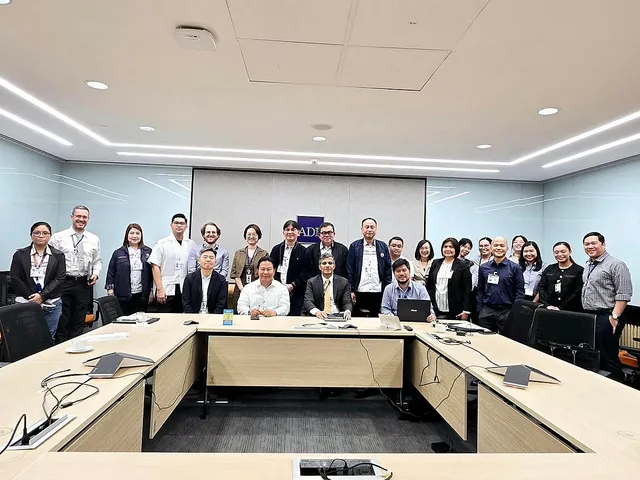
During a consultation meeting held on August 15, 2024, at ADB Headquarters in Mandaluyong City, DPWH Senior Undersecretary Emil K. Sadain and ADB Country Director Pavit Ramachandran led discussions focused on key infrastructure projects designed to drive the Philippines economic growth and development.
The primary agenda of the meeting was to fast-track the implementation of priority infrastructure projects, ensuring alignment with the country’s long-term economic objectives. Key topics included funding strategies, project timelines, and addressing potential challenges through coordinated efforts.
Senior Undersecretary Sadain acknowledged ADB’s steadfast support, emphasizing its crucial role in advancing Philippine infrastructure development.
“On behalf of DPWH Secretary Manuel M. Bonoan, we are deeply grateful for ADB’s consistent support, which is instrumental in delivering critical projects, particularly in highly prioritized regions across Luzon, Visayas, and Mindanao. Their assistance ensures that these infrastructures meet the highest standards of quality, safety, and efficiency,” said Senior Undersecretary Sadain.
Among the discussed projects is the multi-tranche financing facility for the Laguna Lakeshore Road Network (LLRN) Project Phase 1. This project will create a new expressway connecting Laguna Province to Metro Manila via Laguna Lake.
The LLRN Phase I covers a 37.5-kilometer mainline, featuring seven interchanges located in Lower Bicutan (Taguig), Sucat, Alabang, and Tunasan (Muntinlupa City), as well as San Pedro/Biñan, Cabuyao, and Calamba (Laguna Province).
The meeting also covered other significant projects supported by the ADB Infrastructure Preparation and Innovation Facility (IPIF) including the Bataan-Cavite Interlink Bridge (BCIB) Project.
The construction of the BCIB project is structured into seven (7) contract packages, with procurement currently underway for the first tranche, focusing on the on-land components under packages 1 and 2. Tranche 1 includes the 5-kilometer Bataan Land Approach under package 1, the 1.35-kilometer Cavite Land Approach under package 2, and component of other remaining five (5) packages to be procured starting this fourth quarter.
Meanwhile, Tranche 2 in the 2026 budget program and other subsequent tranches will cover the 20.65-kilometer Marine Viaducts in the North and South under packages 3 and 4; the 2.15-kilometer North Channel Bridge under package 5, and the 3.15-kilometer South Channel Bridge under package 6. The 7th package encompasses project-wide ancillary works, with a separate package 8 planned for Operations and Maintenance.
Other projects include the Integrated Flood Resilience and Adaptation Project, Phase 2 (InFRA2) for feasibility study (FS) and detailed engineering design (DED) including technical assistance on land acquisition between 2024 to 2026 to be followed with civil works implementation; and Central Mindanao High-Standard Highway Construction Project for DED and construction in 2027.
Also tackled are the 62 kilometer Central Luzon-Pampanga River Flood Control with DED to start in 2025 and construction in 2027; Urgent Bridges Construction Project for Rural Development for FS in 2025, DED in 2026 towards 2028 construction; and the 300 kilometer Samar and Agusan Daang Maharlika Road Improvement Project for 2026 to 2028 FS and DED with right of way to civil works implementation by 2028 and beyond.
The Central Luzon-Pampanga River Flood Control Project is a crucial initiative designed to provide lasting protection against severe flooding in the region. Engineered to handle a 100-year flood event, this project will deliver significant benefits to the provinces of Pampanga, Bulacan, and Nueva Ecija.
The flood control system will span from the foothills of Mount Arayat, directing floodwaters from the Upper Pampanga River catchment area straight into Manila Bay.
By efficiently managing these floodwaters, the project aims to safeguard communities, protect agricultural lands, and preserve essential infrastructure, offering a robust and sustainable defense against future floods.
Senior Undersecretary Sadain stressed the importance of these projects in realizing “Bagong Pilipinas” vision. He noted that successful completion relies on close collaboration with key agencies like the National Economic and Development Authority (NEDA), the Department of Finance (DOF), and ADB.
DPWH officials present at the meeting included Project Directors Teresita V. Bauzon, Ramon A. Arriola III, Benjamin A. Bautista, and Rodrigo I. Delos Reyes. The NEDA delegation was led by OIC Director Joseph Norley Y. Capistrano, with OIC Assistant Director Calixto M. Mangilin, Jr. The DOF was represented by Atty. Ryan Omar Ching, Ms. Jenevive Lontok, Ms. Joanna Marie Torres, and Ms. Cindy Nuguit.
ADB Country Director Ramachandran reaffirmed ADB’s commitment to supporting the Philippines’ infrastructure goals, emphasizing the importance of sustainable and resilient development.
NEDA and DOF officials echoed this sentiment, underscoring the necessity for timely project execution and proper resource allocation.
The meeting concluded with a collective commitment to continue working closely to ensure that these critical infrastructure projects are completed on time, contributing to the nation’s economic recovery and growth.
The Philippines is undergoing a rail infrastructure revival. Once a cornerstone of transportation, the rail infrastructure suffered decades of neglect. The government is now aggressively investing to modernize rail transport, addressing urban congestion and boosting economic growth.
Bricsa Consulting is honoured to announce Philippines Rail 2024, a pivotal two-day event scheduled for October 21st & 22nd, at the Hilton Manila Hotel. This closed door gathering signifies the Philippine’s commitment to transformative rail infrastructure development.
The Philippines, poised for economic growth, is investing heavily in rail infrastructure through the "Build Better More" initiative. Philippines Rail 2024 offers a platform to explore and advance rail development, focusing on digital integration, urban connectivity, and attracting investments to transform transportation and drive economic progress in Asia region.
Philippines Rail 2024 brings together industry leaders to explore comprehensive rail development, from planning to execution. This conference focuses on creating smart cities and fostering regional connectivity, translating ambitious visions into tangible projects through investment attraction.
About Bricsa Consulting
Bricsa Consulting, a leading organiser of International conferences, brings extensive experience in infrastructure and transportation sectors across emerging markets. Philippines Rail 2024 promises to be a leading global meeting place for the Rail Infrastructure and Investment community.
Key Highlights:
Who Should Attend:
Join us in shaping the future of Philippine rail infrastructure!
For further information, please contact:
Nitisha Sawant
Social Media Marketing
Bricsa Consulting
nitisha@bricsaconsulting.com
Article by: Jake Tan, Product Manager, Fluke South East Asia Pte Ltd
The Philippine mining industry, while rich with potential, faces ongoing challenges in operational safety and efficiency. With the landscape of mining continuously evolving through technological innovation, there is a significant shift towards enhancing not only productivity but also environmental stewardship and worker safety. This article explores the proactive steps mining companies can take, with the support of companies like Fluke, to enhance safety and reduce operational downtime while reducing their impact on the environment.
Embracing evolving technologies
A prominent trend in the mining industry in recent years is the electrification of assets. The gradual shift from diesel to electric vehicles within mining operations is an example. This transition not only promises to reduce greenhouse gas emissions but also enhances operational efficiency. While new technologies are more easily embraced in new mine set-ups, the implementation in remote and old mines is hampered by the substantial investment and logistical considerations required for the introduction of new infrastructure to support electrification. Automation, powered by artificial intelligence tools, further complements this shift, enabling more precise control over mining operations and increasing safety by reducing human exposure to dangerous conditions.
Evolving the workforce
As technologies evolve, so too must the mining workforce. Upskilling is essential not only for operating new electric and automated equipment but also for prolonging the lifespan of machines, avoiding unplanned downtime and maintaining safety standards. Training programs are vital to ensure that workers are proficient in the use of the latest technologies to manage safety during mining operations.
Ensuring that all personnel are well-trained and aware of safety protocols is non-negotiable. The use of tools and machinery with the correct safety ratings, particularly in environments with electrical hazards, is crucial. Furthermore, continuous training and a strong safety culture within the organization play important roles in preventing accidents and ensuring operational efficiency.
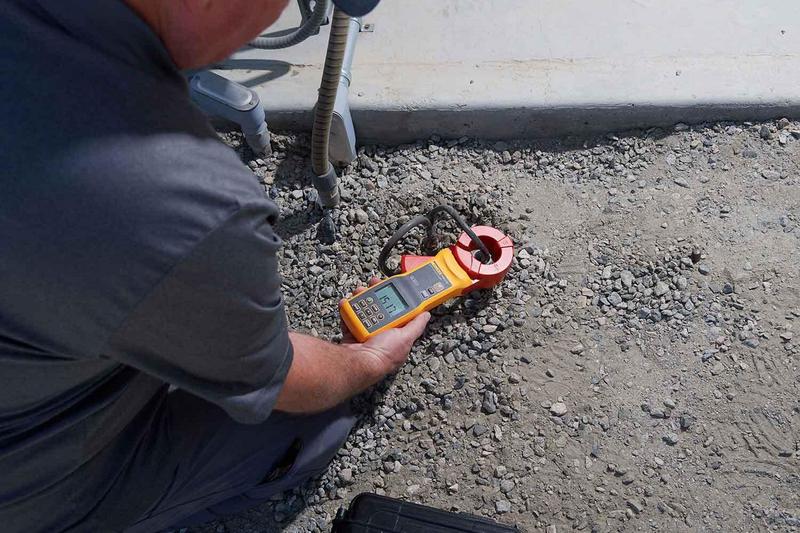
In addition to providing professional electronic test tools and software for measuring and condition monitoring for the mining industry, Fluke supports their use with comprehensive, customized training. This ensures that all involved personnel know how to use the tools and operate them safely. While mining companies provide the necessary tools and training, the onus is equally on individual operators to understand and implement safety standards. Knowledge and vigilance are key defenses against potential dangers in the field.
Adopting proactive maintenance procedures
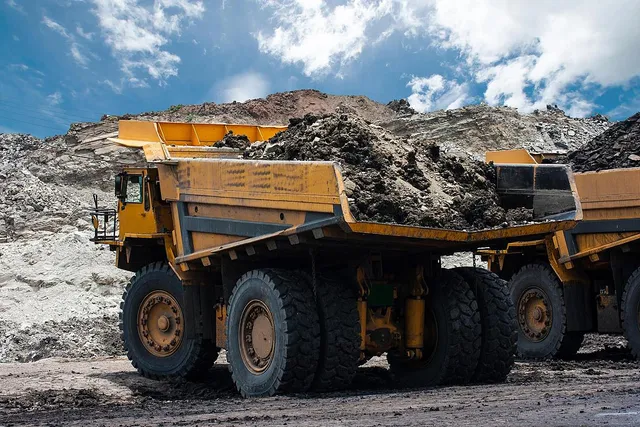
Equally important is the implementation of best practices to maintain operational efficiency and reduce downtime. Predictive Maintenance stands out as a forward-thinking approach to manage this goal. Predictive maintenance supports the identification of potential problems before they cause operational disruptions and allows for timely interventions that can prevent costly downtime. For example, a mining dump truck tyre cost can range 5k to 20kUSD. Early signs of air leaks from the mining dump truck tyre or pneumatic system can be spotted with the acoustic imaging solution Fluke-ii910 to prevent the costly breakdown. This process involves screening for abnormalities, diagnosing the root cause to avoid repeated failures, and undertaking the necessary repairs in the field to ensure continuous operation and safety. Fluke supports its mining clients with a range of condition-based measurement solutions to help identify invisible conditions that can compromise safety in the mine such as air leaks, mechanical bearing misalignments, power interruptions and electrical partial discharges.
Establishing a routine preventive maintenance schedule helps reduce unplanned downtime, which is often more costly and hazardous than planned time-outs. Scheduled maintenance is not just a cost-saving measure, it is a critical safety practice. Adopting a maintenance schedule can not only significantly extend the lifespan of fixed operational assets but can prevent the severe wear and tear that leads to unexpected failures, safeguarding both the machinery and the miners.
Fluke also adds value by consulting on ways to prolong machine life with the quality of the energy source powering equipment through its Power Quality Analyzer solutions. The cleaner the electricity powering the equipment, the lesser stress is placed on the machine, maximizing its lifespan. Use the unique energy loss calculator in the power quality analyzer Fluke-1777 to help you identify your energy wastes. The benefits to the environment are a natural by-product.
With New Practices Comes Great Responsibility
No business today is exempt from incorporating sustainable practices into their operations, including those in the mining industry. New technologies facilitate eco-friendly operations, significantly reducing the environmental impact of an industry that has traditionally been reliant on fossil fuels. For instance, adopting renewable energy sources and optimizing resources use are critical steps towards sustainable mining.
The industry can enhance sustainability by investing in solutions like clean-energy-powered microgrids. These not only provide clean energy but also reduce operational costs, showcasing a commitment to both environmental and economic sustainability.
The integration of advanced technologies and adherence to rigorous maintenance and safety standards are imperative for the future of mining in the Philippines. These practices not only enhance operational efficiency but also ensure the safety of the workforce and reduce environmental impact.
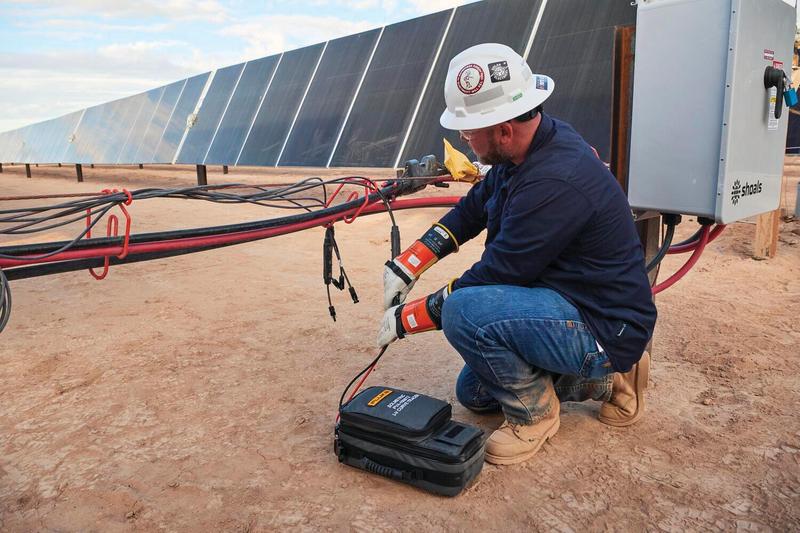
As the mining industry moves forward, it is crucial to invest in technologies and predictive maintenance plans that safeguard operations, workplace safety and the environment. This added small investment in the short-term pays dividends in the long run. We encourage you to explore Fluke’s professional electronic test tools for measuring and condition monitoring, including Fluke’s solar solution toolbelt, designed to support your journey towards sustainable and efficient mining practices. These tools not only meet the stringent requirements of the mining industry but also align with global sustainability goals, which we “predict” will empower your operations well into the future.
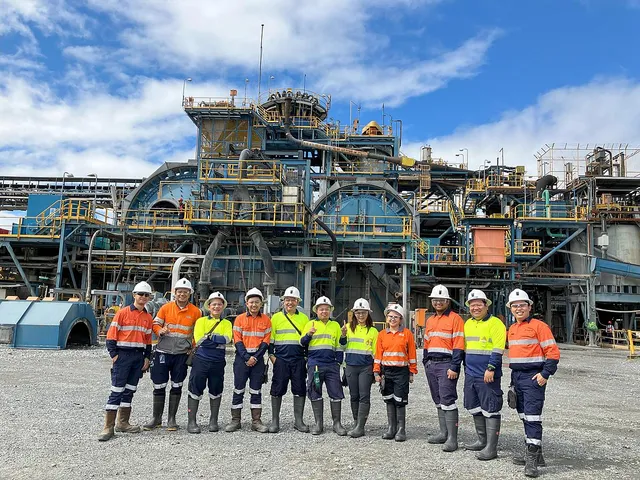
In a significant development for the mining industry, the Philsaga Mining Corporation's Project Management and Mine Engineering Team recently conducted a site visit to the OceanaGold Didipio Mine. This visit, which took place last May 2024, was part of an initiative to enhance knowledge of international mining standards and best practices. The team, with specific expertise in various fields, focused on learning about environmental aspects, equipment maintenance, and mine operations. A highlight of the visit was Sandvik's latest underground equipment technology, aiming to assess the support and services offered. The insights gained are expected to contribute to the advancement of the Tigerway Decline Project, particularly in mine planning, ventilation systems, and dewatering setups.
Philsaga Mining Corporation observed that OceanaGold Didipio Mine has recently made a significant shift in its mining operations, moving from open pit to underground methods. This strategic transition is aimed at achieving more economical and efficient ore extraction. OceanaGold Didipio Mine is at the forefront of technological innovation, employing advanced equipment from Sandvik, such as remote-controlled loaders, to enhance the safety and efficiency of their operations. Real-time monitoring systems for essential equipment like ventilation fans and dewatering pumps have also been implemented, showcasing OceanaGold's commitment to operational excellence and safety.
During a recent site visit, the integration of cutting-edge technology was evident, contributing to improved productivity, cost reduction, and a safer working environment that also prioritizes environmental conservation. Especially OceanaGold's use of larger underground machinery enables the handling of substantial ore volumes while maintaining a focus on gender equality, with a significant number of female employees in roles such as truck driving and equipment operation. This approach reflects the company's dedication to inclusive growth and sustainable mining practices.
The strong and mutually beneficial connection between Sandvik and OceanaGold is demonstrated by Sandvik's provision of modern technology and research that improve OceanaGold's operational performance and cost-effectiveness. This partnership has been necessary to OceanaGold's growth, production optimization, and the effective use of innovative techniques. Furthermore, Sandvik minimizes any potential operational downtime by providing full technical support and maintenance services that guarantee the excellent performance and dependability of their equipment.
The Philsaga Tigerway Project Management team is exploring the adoption of OceanaGold Didipio's traffic management system for their Tigerway Decline to streamline operations and enhance safety during ore hauling. They're also considering implementing Didipio Mine's ventilation, dewatering, and maintenance practices, which are supported by advanced Raise Boring Machines. A standout practice from OceanaGold is the use of breath analyzers to ensure a moderate workforce, contributing to a safer work environment.
All things considered, this mine visit has been extremely beneficial to the Philsaga Tigerway Project Management team's future planning.
Listed natural resources development company Nickel Asia Corporation announced its unaudited financial and operating results for the six-month period ended June 30, 2024, with an attributable net income (net of minority interest) of P1.12 billion, lower than the P1.75 billion reported during the same period last year.
Earnings before interest, taxes, depreciation, and amortization (EBITDA) amounted to P2.96 billion against P4.79 billion in the prior year
Revenues from ore sales declined by 16 percent year-on-year to P7.79 billion from P9.29 billion due to lower ore prices resulting from the nickel oversupply. Meanwhile, the Company’s operating mines sold a combined 8.16 million wet metric tons (WMT) of nickel ore during the period, higher by 8.5% than last year’s 7.52 million WMT.
The weighted average nickel ore sales price during the period decreased by 26 percent to $16.60 per WMT against $22.32 per WMT in the same period last year. The company realized P57.50 per US dollar from these nickel ore sales, a 4-percent increase from P55.33 last year.
Breaking down the ore sales, the Company exported 4.23 million WMT of saprolite and limonite ore at an average price of $21.95 per WMT during the period from 3.66 million WMT at $28.22 per WMT in the same period last year.
Likewise, the Company delivered 3.93 million WMT of limonite ore to the Coral Bay and Taganito high-pressure acid leach (HPAL) plants, the prices of which are linked to the London Metal Exchange (LME) and realized an average price of $7.94 per pound of payable nickel, equivalent to $10.84 per WMT. This compares to 3.86 million WMT at $11.03 per pound equivalent to $16.72 per WMT last year.
NAC also recognized losses from its combined equity share in investments in the two HPAL plants in the amount of P388.20 million against P77.07 million losses in the prior year.
Renewable Energy
For the first half of 2024, Emerging Power, Inc.’s (EPI) subsidiary Jobin SQM, Inc. (JSI) increased generation by 54 percent to 117,935 megawatt hours due to a significant increase in overall capacity. Last Feb. 28, 2024, JSI successfully opened an additional 72- MWp in Sta. Rita, Subic, expanding capacity to 172-MWp.
Higher revenues and effective cost management kept the EBITDA margin at 85 percent and resulted in a 58-percent increase in EBITDA to P524.3 million.
EPI expansion continues
The construction of the 145-MWp Subic-Cawag solar project is expected to begin by the fourth quarter of this year, while commercial operations are scheduled to start by the fourth quarter of 2025.
Likewise, Greenlight Renewables Holdings, Inc., EPI’s joint venture with Shell Overseas Investments B.V., is constructing its solar project in Leyte, with an initial 120-MWp slated to be completed by the first quarter of 2025.
Pre-development activities for a 45-MWp solar project in Botolan, Zambales is also ongoing.
“Our three new nickel projects, namely Dinapigue, Bulanjao, and Manicani will supplement our annual nickel ore production volumes to help supply the ever-growing demand for nickel ore driven by both the stainless-steel and EV markets. Furthermore, our diversification into renewable energy continues with three more projects in the immediate pipeline, which brings us closer to our 1-GW goal by 2028,” said NAC President and CEO Martin Antonio G. Zamora.
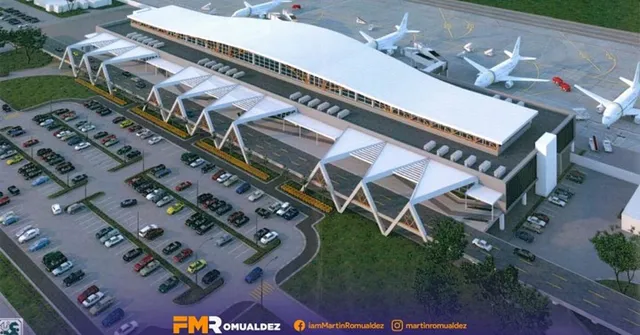
The Department of Public Works and Highways (DPWH) is preparing to implement the PHP1.5 billion third phase of the Daniel Z. Romualdez Airport's passenger terminal building construction here.
The third phase covers the provision of public toilets, ticketing booths, waiting areas and waiting sheds.
Other components are rescue and firefighting facilities, guardhouses, motor pool and maintenance buildings, pump rooms, fuel stations, and material recovery facilities.
The DPWH will bid out the project within the month and start construction later this year or early next year.
DPWH Eastern Visayas Director Edgar Tabacon said they are finalizing the detailed engineering design while waiting for the completion of the first and second phases.
“Building an airport terminal building is not our regular activity. This is challenging and that is why we asked for assistance from the Department of Transportation and contractors for the first two phases,” Tabacon said in an interview on Friday.
The construction of the terminal building is already 79 percent complete as of May, the supposed target completion month.
The ongoing works for the PHP761-million project focus on the main bridge, electrical and mechanical aspects, fire protection, and masonry.
The Regional Development Council said that although the project experienced delays, the Civil Aviation Authority of the Philippine project management office closely monitors the catch-up plan of the contractor.
The second phase of the new passenger terminal building, with a PHP1.05 billion budget, started on Jan. 26 and is up for completion early 2026. Ongoing works include roofing and architectural works.
The airport was the seventh busiest in 2022 with 1,489,803 inbound and outbound passengers.
President Ferdinand R. Marcos Jr. on Friday vowed that his administration would continue pursuing job-generating initiatives that could help in further transforming the Philippine economy.
Marcos made the pledge, as he attributed the 6.3-percent economic growth in the second quarter of 2024 to the increase in investments and construction under the Build Better More program.
“Inuulit ko, balewala lahat ng ating ginagawa kung walang pagbabago sa buhay ng mga Pilipino (I repeat, everything we do is meaningless if there are no changes in the lives of Filipinos),” he said in a video message uploaded on the Presidential Communications Office’s official Facebook page.
“So I assure you, this government will continue to invest in job-generating infrastructure, social protection programs, health and education for all Filipinos. We will not rest on our laurels but use them to propel us forward into social and economic transformation,” he added.
The country’s economic growth accelerated to 6.3 percent in the second quarter of 2024, higher than the 4.3 percent during the same period last year and the 5.8 percent in the first quarter of this year.
He said the government is doing everything to give Filipinos “decent and formal” jobs to elevate them to middle class.
“Kaya patuloy ang ating pagbibigay ng sapat at kalidad na trabaho (That’s why we continue to provide adequate and quality jobs). This June, the unemployment rate dropped to 3.1 percent, one of the lowest on record for the last two decades. Over 50.3 million Filipinos are now employed, with 63.8 percent of them in the formal sector,” Marcos said.
Marcos assured Filipinos of his administration’s commitment to combat poverty, saying the goal is already “within its reach” as the latest poverty rate also dropped to 15.5 percent.
“[That] means we have lifted two and a half million Filipinos out of poverty and only 10.9 percent of Filipino families remain poor. Our goal is to further reduce this rate to 9 percent by 2028, and improve the lives of eight million Filipinos,” Marcos said.
Part 1
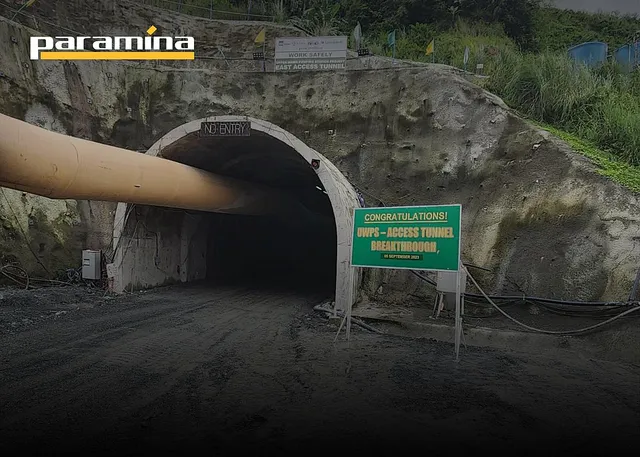
A group of an all-Filipino Mining Engineers worked under the auspices of Paramina Earth Technologies, Inc. (PARAMINA) for a civil construction tunnel project. These Mining Engineers developed and excavated an 8m wide x 7m high x 1,011m long tunnel safely, without a single lost time accident (LTA) accident and or rockfall incident as a Subcontractor and without the help of a Civil Engineer. The project applied the NATM following international tunnel design, plans and standards. Completion of the tunnel project was remarkably ahead of the adjusted timeline including the remediation works.
The project is the Upper Wawa Pumping Station Water Access Tunnel owned by WawaJVCo, a joint venture company of Prime Infrastructure Capital, Inc. an Enrique Razon corporation and the San Lorenzo Builders and Developers Group, the grantee of the water rights of the project. The joint venture company is developing the Wawa Bulk Water Supply Project, “an infrastructure project of the Philippine Government and will address the growing concern of water scarcity and is expected to minimize the risk of flooding in the capital region and in the nearby province of Rizal. It will be the biggest water source built since 1967 and will supply at least 518 million liters per day through Manila Water Company. CTTO ” The main beneficiary of the bulk water supply project will be the eastern communities of Metro Manila and Rizal.
The water access tunnel project is part of the second of two water supply infrastructures of WawaJVCo. The tunnel designed by Lombardi SA was constructed to ensure that it will last for a minimum period of 100-years, therefore, the group of all-Filipino Mining Engineers who built the tunnel had to pass through very stringent QA/QC requirements which had to be followed and implemented to the minute detail.
The all-Filipino Mining Engineers who developed and excavated the tunnel were Mining Engineers who used to occupy and manage senior positions in various mining and tunneling projects in the Philippines and overseas; supported by a group of experienced junior Mining Engineers who supervised the shift operations. At least fifty Filipino multi-skilled tunnel equipment operators were at the forefront of the tunnel excavation operations.
Another group of at least forty Mechanical and Electrical Engineers and technicians formed the equipment maintenance and support group.
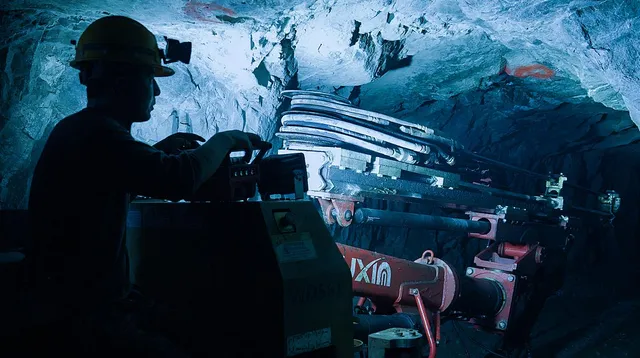
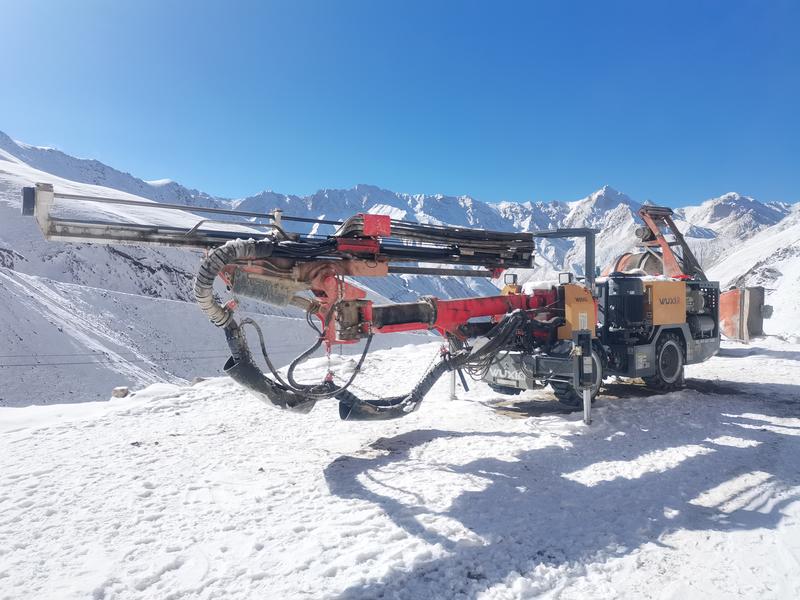
Two twin boom and one single boom electro-hydraulic jumbo drill rigs were the main drilling equipment. Two side dump loaders, three 20-tonne underground trucks and three dump trucks were used for mucking, loading and hauling. Blasting was designed using a computerized shot-plan and varied according to the rock and ground condition. Two robotic shotcrete machines and two high-and-low-pressure grouting machines were used for mechanized shotcreting and grouting respectively.
The tunnel support design was the greatest challenge of the project because there was limited geotechnical information provided. Every advance or blast was closely monitored as the crown and side supports and the blasthole drilling depths depended on the rock structure which was defined by the RMR of the active face.
Water is life. The Filipino Mining Engineers who built the tunnel are proud to be part of the commitment of WawaJVCo, the owners of the project to provide a new source of potable water, sustainable in the next 100 years.
Purpose and Magnitude of the Project
The “Upper Wawa Pumping Station,” is one crucial component of a Mega-Infrastructure Project better known as the “Wawa Bulk Water Supply Project,” is considered the largest potable water source to be constructed in the country since 1967. It comprises of four (4) major integral components or sub-projects of the Mega Infrastructure, namely, the Upper Wawa Dam and Spillway, Reservoir, Pumping Station and Transmission or Water Conveyance Pipeline. The Water Access Tunnel forms part of the Transmission or Water Conveyance Pipeline component of the Mega-Project.
The primary objective of the Wawa Bulk Water Supply Project is to address the perennial water scarcity issue in Metro Manila. This challenge has been exacerbated by population growth driven by migration, rapid urbanization, and economic opportunities. Once completed, this ambitious undertaking will establish a reliable source of potable water supply for Eastern Metro Manila, specifically serving the so-called East Zone Concession managed by Manila Water Co.
The Upper Wawa Pumping Station plays a pivotal role in achieving this goal. It is designed to supply a minimum of 518 million liters of water daily (MLD), with an additional standby capacity of 259 MLD, resulting in a total pumping capacity of 777 MLD. The Tayabasan River, situated in Barangay Calawis, Sitio Apia, Antipolo, within the Upper Marikina Watershed, serves as the primary raw water source. This river is further supported by several smaller tributaries spread across the Marikina watershed. Through this comprehensive project, the region will gain access to a sustainable and essential water supply, quenching the thirst of East Metro Manila’s residents in the next 100-years.
Scope of Tunnel Project and Technical Description
The scope of work for the Main Access Tunnel, a critical component of the Water Conveyance Pipeline within the larger mega-project, mandates that the tunnel Subcontractor undertake the excavation work by drilling and blasting, as well as the transportation and disposal of the muck through synchronized activities utilizing specialized equipment such as Furukawa, hydraulic twin boom jumbo drill rigs with man basket, Dali, 20-tonne low profile trucks, SDLG, side dump, 3cu.m. loaders and XCMG, robotic shotcrete machine among the capital equipment used in the project.
As the excavation advanced, the project required the installation of galvanized self-drilling anchor and all threaded rock bolts which were grouted to stabilize the newly exposed tunnel surfaces so that drilling and blasting can immediately commence after the newly excavated ground was fully shotcreted. A vast part of the process entailed the application of 50mm shotcrete immediately after scaling using a Komatsu excavator equipped with a hydraulic breaker, then 100mm thick shotcrete applied thereafter and before the start of drilling. The shotcrete mix is a special concrete mixed with additives and synthetic and or steel fibers and applied using the XCMG mechanized robotic shotcrete machine.
To ensure that ground water is drained and will not accumulate at the crown and sides of the tunnel, drilling of drainage and or weep holes using the MTI Single boom hydraulic jumbo drill was essential. Each weep hole is inserted with perforated drainpipes wrapped with non-woven geotextile.
Additionally, it was also necessary to execute variation works on an as-needed basis. The provision of essential support services is also part of the Bill of Quantities (BOQ), including the supply of adequate ventilation, water, power, and compressed air.
Temporary field offices, equipment maintenance workshop and personnel accommodations, ensuring a comprehensive and supportive environment for the project’s successful completion was also constructed.
Technical Requirements
The tunnel which was required to be driven was 8m wide and 7m high, extending over a total length of 1,011 meters. The specific dimensions for excavation and reinforcement are determined based on the rock mass rating (RMR) for each tunnel segment, as assessed and evaluated by Geologists and Geotechnical Engineers. Depending on the RMR of the tunnel’s face which is evaluated every after blasting, the tunnel designer and the Geotechnical and Geological Engineers considered six distinct support types. The support type spectrum ranged from Support Type P (for Portal), Support Type 5, down to Support Type 1, each tailored to reinforce the crown and sides of the tunnel as the excavation progresses, resisting the impact of drilling and blasting and to maintain the structural integrity of the tunnel to be able to last for 100years.
Support Type P is required to support the tunnel Portal which had Rock Mass Rating (RMR) between 0 and 20 and was intended for the excavation of the East and West portals of the Main Access Tunnel. The dimensions of Support Type P are 8.38meters wide by 6.74meters high allowing for the installation of Steel Rib Supports (SRS). This support system integrates the installation of Steel Rib Support (SRS) made from 200mm x 200mm H-beams using a specially designed “hook” attached to an excavator; a protective “umbrella” of grouted galvanized Self Drilling Anchor (SDA) rock bolts; a Shotcrete lining, 400mm thick enough to cover the whole SRS. Additionally, the structure is equipped with weep holes, into which eight 50mm diameter perforated drainage pipes wrapped in non-woven geotextiles are installed. As it was difficult to apply shotcrete at the back of the SRS, the sides of the SRS were drilled with holes in regular distances and were in-fill grouted using high-pressure automatic cement grout machines.
Conversely, Support Type 1 was designed for tunnel sections 7.78m wide by 6.44m high, intended for RMR ranging from 81-100. The support in these areas consists of sporadically placed grouted Dywidag split-set type rock bolts, 46mm diameter and 4 meters long, along with 8-pieces of 50mm diameter perforated drainpipes wrapped with non-woven geotextile. Due to the inherently stable nature of the rock mass, no shotcrete lining is applied in these sections.
Support Type 2 was designed for RMR 61-80 with tunnel dimensions 7.88m wide x 6.49m high. The support consists of 11pcs fully grouted Dywidag hollow all-threaded galvanized rock bolts, 25mm diameter x 4 meters long. Shotcrete thickness was 150mm including the initial 50mm after scaling, after which 50mm drainage holes were drilled and inserted with 50mm diameter perforated drainpipes wrapped in non-woven geotextiles.
Support Type 3 had similar excavation dimension as Support Type 2 but is designed for RMR equivalent to 41-60. The main difference is that the number of rock bolts is 15pcs fully grouted Dywidag hollow all-threaded galvanized rock bolts, 25mm diameter x 4 meters long. The number of drainpipes is the same as Support Type 2, but the shotcrete thickness is 300mm.
Support Type 4 required an excavation dimension of 8.28m wide by 6.69m high, designed for RMR equivalent to 21-40. This category when encountered was supported by a combination of the installation of 200mm x 200mm SRS, grouted galvanized SDA rock bolts, R38 x 4 meters long complete with plates and nuts, 350mm thick shotcrete covering the entire SRS and installed with 50mm diameter x 2m long perforated drainpipes wrapped in non-woven geotextile.
Finally Support Type 5 required an excavation dimension of 8.38 m wide x 6.74 m high for RMR ranging from 0-20. This support type consisted of a combination of the installation of 200mm x 200mm SRS, SDA galvanized rock bolts, R38 x 4m, 400mm thick shotcrete enough to cover the SRS and 8-pieces x 50mm perforated drainpipes wrapped with non-woven geotextile.
The various designs of Support Types ensure the stability and integrity of the tunnel, adapting to the varying rock conditions which were encountered during the actual excavation and were designed for the tunnel to last for 100years.
<to be continued> In Part 2 of this article, we will discuss the challenges encountered, the innovations and the milestones achieved.
In today's globalized society, businesses are expected to do more than just to make a profit. They are increasingly seen as catalysts for a positive change all over the world, supporting the growth and well-being of local communities is a keyway for businesses to make a positive impact in the areas they operate in.
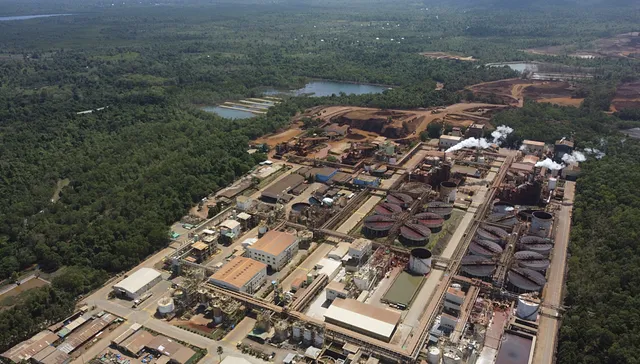
In the municipality of Claver, province of Surigao Del Norte. Taganito HPAL Nickel Corporation (THPAL) has been consistently involved in making positive contributions to the local communities. In Claver municipality, located in Surigao Del Norte province, Taganito HPAL Nickel Corporation (THPAL) has consistently been making positive impacts on the local communities. The company plays a significant role in driving economic growth, creating job opportunities, and enhancing the overall well-being of the residents in the area. THPAL actively participates in various projects and programs aimed at ensuring the sustainability of the community. By offering tangible benefits such as education, healthcare services, livelihood projects, and financial support for educational pursuits of the youth, the company contributes to improving the lives of the local people. These initiatives are specifically tailored to address the immediate needs of the community and to fulfill its commitment to community development.
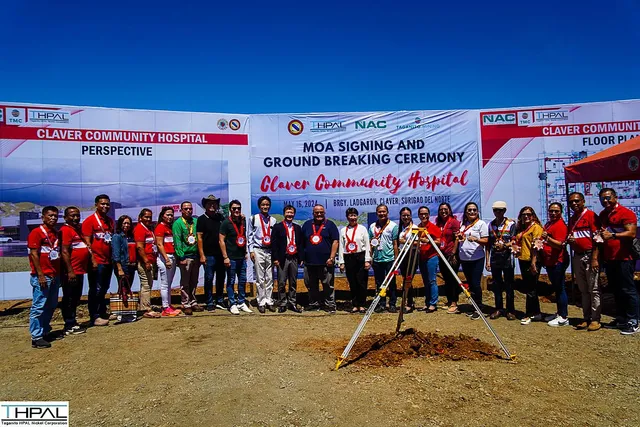
On May 16, 2024, Taganito HPAL Nickel Corporation (THPAL), in collaboration with Taganito Mining Corporation (TMC) and the Local Government Unit of Claver, proudly inaugurated the groundbreaking ceremony and signed the MOA for the Claver Community Hospital situated in Barangay Ladgaron, Claver, Surigao del Norte. This joint effort between the private and public sectors aims to address the healthcare needs of the Clavernons by establishing a single-story Infirmary Health Facility. With a total budget of PhP130M allocated for the construction and other essential requirements, this project is set to enhance the healthcare system in Claver municipality and improve the town's capacity to deliver quality medical services, ultimately contributing to saving lives.
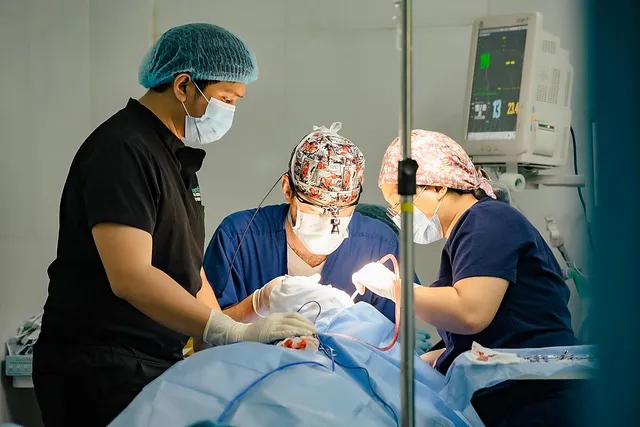
Another endeavor was being continuously initiated which is the Annual Medical-Surgical Mission and now being called as Intensive Surgical Services. This program is initiated by Taganito HPAL Nickel Corporation (THPAL), and Nickel Asia Corporation (NAC) group of companies in partnership with the Province of Surigao del Norte. The annual intensive surgical mission has been serving locals for more than ten (10) years in the province of Surigao del Norte and has been accommodating patients with different medical needs. This initiative offers free access to medical essentials; healthcare services such as medical consultation, screening, and medical services. For the year 2012 to 2024 the intensive surgical mission accommodated 11,120 total patients combined with major and minor cases. With its rising numbers, it only indicates the positive outcomes of the program.
Furthermore, Taganito HPAL Nickel Corporation (THPAL) has also provided assistance to the medical needs of the three Mamanwa communities in Claver, which consist of over two hundred families. This program is called "Panambay sa Tribong Mamanwa," which is conducted on a quarterly basis. This health program prioritizes essential medical services such as health consultations, eye check-ups with complimentary eyeglasses, circumcisions, dental services, and the provision of free medicines and vitamins according to the patient's needs. In addition to these initiatives, THPAL has supported the Mamanwa communities in registering for the Philhealth Konsulta Package offered by the government, enabling them to access free services and healthcare benefits.
In conclusion, THPAL has consistently provided support to the local community through its significant projects and programs, leaving behind a lasting impact for a brighter future. The company's unwavering dedication has instilled hope and empowered the well-being of the community. Looking ahead, it is crucial for THPAL to maintain its commitment to the community by prioritizing sustainable partnerships and addressing the healthcare needs of the most vulnerable individuals in society.
Listed natural resources Nickel Asia Corporation (NAC), in partnership with Taganito HPAL Nickel Corporation, the Provincial Government of Surigao del Norte, and volunteer teams from Medical Mission to Heaven Foundation and Adventist Manila Medical Center, provided surgical care to over 500 patients, significantly enhancing access to quality healthcare across the province.
The mission's first leg took place in the Province of Dinagat Islands from June 1-3, 2024, offering free medical consultations and minor operations. Prescreening for major surgeries in Surigao was conducted by the Surigao del Norte Provincial Hospital from May 14-31, 2024.
"We are in the middle of fully equipping our health sector but after the pandemic and typhoon Odette, we cannot do it all," Gov. Robert Lyndon Z. Barbers said. "To our funding partners, Nickel Asia Corporation and other mining companies under NAC, thank you for choosing to serve your communities well."
Major surgery cases included herniotomy, herniorrhaphy, thyroidectomy, cholecystectomy, total abdominal hysterectomy with bilateral salpingo-oophorectomy (TAHBSO), lobectomy, excision of mass, cleft lip and palate repair, and hemorrhoidectomy. The event provided surgical care to 581 beneficiaries, including 148 major surgeries and 433 minor surgeries.
Among the beneficiaries was Jeric Escropolo, 30, from Surigao City, who found relief from years of suffering due to hernia. "It's painful, and I'm not able to lift heavy objects because it would worsen the pain and the hernia itself," Escropolo shared.
Since 2012, NAC's missions have served 11,120 patient beneficiaries, including 1,350 major surgery patients, 1,891 minor surgery patients, 7,825 consultations, and 54 ophthalmic cases from across Surigao del Norte and Dinagat Islands where its affiliate companies – Taganito Mining Corp., Hinatuan Mining Corp., and Cagdianao Mining Corp. operate.
"We feel more fulfilled if we do so much for the community. Even if it meant having to do operations until midnight, it would be no problem because we are serving our purpose," said Dr. Archie Lamadrid team leader for Adventist Medical Center Manila.
The annual NAC medical and surgical mission is part of the company’s Corporate Social Responsibility (CSR) initiatives, encompassing health, livelihood, and infrastructure support to foster positive impacts in mining communities and beyond.
Integrated energy company Semirara Mining and Power Corporation (SMPC) posted a 41-percent drop in second-quarter earnings to slightly over P6.0 billion from P10.2 billion the previous year, as coal and electricity prices continued to subside from historic levels.
“Despite our efforts to manage costs and improve operational efficiencies, the persistent decline in global coal and electricity prices has significantly impacted our financial performance,” said SMPC president and COO Maria Cristina C. Gotianun.
From April to June, average Newcastle Index (NEWC) and Indonesian Coal Index 4 (ICI4) both declined by 16 percent. Average NEWC fell from US$160.7 to US$135.6, while ICI4 dropped from US$65.1 to US$55.0.
Overall average selling price (ASP) of electricity decreased by 10 percent, from P6.22/kWh to P5.58/kWh, due to lower spot market prices and fuel costs for baseload plants.
Quarter-over-quarter (Q1 2024 vs Q2 2024), SMPC net income contracted by 8 percent from P6.5 billion owing to lower coal and electricity sales volume and average selling prices.
From January to June, the company’s earnings dropped by 34 percent from P19.2 billion to P12.6 billion due to the combined effect of weaker selling prices, higher total coal production costs and increased coal and electricity sales volume.
“The second half of the year should be more of the same for us in terms of coal prices. We also expect coal production, electricity demand and spot prices to taper because of the rainy season,” Gotianun added.
Coal Operating Results
For the second quarter alone, total shipments rose by 2 percent from 4.5 million metric tons (MMT) to 4.6 MMT on stronger domestic demand.
Domestic shipments accelerated by 16 percent, from 1.9 MMT to 2.2 MMT, primarily driven by higher sales to subsidiaries SEM-Calaca Power Corporation (SCPC) and Southwest Luzon Power Generation Corporation (SLPGC).
During the same period, Semirara coal ASP slumped by 33 percent, from P4,151 per metric ton (MT) to P2,780 per MT. This decrease was due to stabilizing coal indices and an increased demand for non-commercial grade coal, which is sold at a lower price.
Total production surged by 73 percent, from 3.0 MMT to 5.2 MMT, primarily due to lower rainfall levels and the near depletion of Molave mine last year, which created a low base effect.
Power Operating Results
Overall plant availability slightly improved from 80% to 81%, as fewer outage days of SLPGC offset the 77-day planned maintenance outage of SCPC Unit 2.
Total average capacity during running days increased by 17 percent, from 685 MW to 801 MW, due to the restoration of SCPC Unit 2’s dependable capacity to 300 MW on May 27, along with reduced deration in SLPGC plants.
Total gross generation improved by 12 percent, from 1,212 GWh to 1,352 GWh, driven by higher SLPGC plant availability and average capacity, along with the restored capacity of SCPC Unit 2.
Higher gross generation led to a 12-percent increase in total power sales, rising from 1,097 GWh to 1,228 GWh. Majority (59%) of the generated electricity was sold to the spot market, with the remainder sold through bilateral contract quantities (BCQ).
Spot market ASP fell by 12 percent from P7.11/kWh to P6.25/kWh, while BCQ ASP increased by 2 percent, from P4.52/kWh to P4.62/kWh.
At the end of the second quarter, only 33 percent of the 840MW dependable capacity of SCPC and SLPGC are contracted. Net of station service, which varies from time to time, SMPC has 481.6MW available for sale to the spot market.
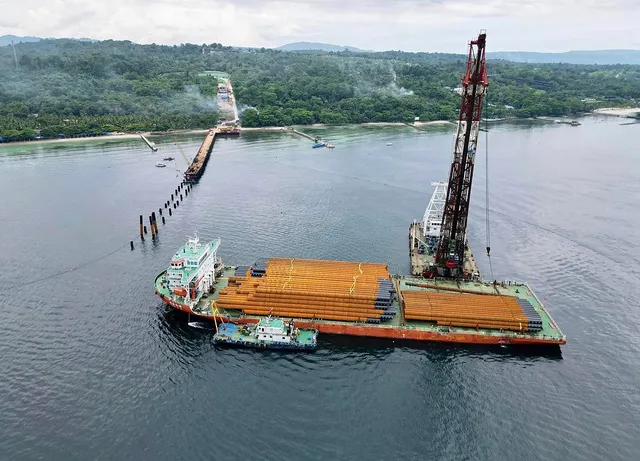
The Department of Public Works and Highways (DPWH) is making significant headway in the Province of Tawi-Tawi, part of the Bangsamoro Autonomous Region in Muslim Mindanao (BARMM), with the construction of key bridges which are visibly progressing aimed at improving regional connectivity and boosting economic growth.
DPWH Senior Undersecretary Emil K. Sadain, in his inspection report to Secretary Manuel M. Bonoan, highlighted the ongoing progress of the Nalil-Sikkiat Bridge No. 1 and Malassa Lupa Pula Bridge No. 3.
These bridges, located in the southwestern tip of the Sulu archipelago, are steadily transforming from their foundations to functional structures that will soon link various islands in the province.
On July 26, 2024, Senior Undersecretary Sadain, along with Project Director Teresita V. Bauzon and Project Managers Emmanuel M. Supe and Evangeline L. Carabal of the DPWH Unified Project Management Office - Roads Management Cluster II (Multilateral), inspected these projects.
Funded by the Asian Development Bank (ADB) under the Improving Growth Corridors in Mindanao Road Sector Project (IGCMRSP), these bridges demonstrate the DPWH commitment to advancing infrastructure projects that not only connect communities but also foster economic growth and development across the Philippines.
The bridges are set to ease congestion on Bongao Island, Tawi-Tawi’s capital, by enhancing connectivity among the province’s islands and municipalities.
These government-initiated projects support BARMM’s economic development and leverage Tawi-Tawi’s strategic location within the Brunei, Indonesia, Malaysia, Philippines-East ASEAN Growth Area (BIMP-EAGA).
“By enhancing local and regional market connectivity, these bridges are expected to attract more investors, stimulate economic activities, and improve the quality of life for the people of Tawi-Tawi,” said Senior Undersecretary Sadain.
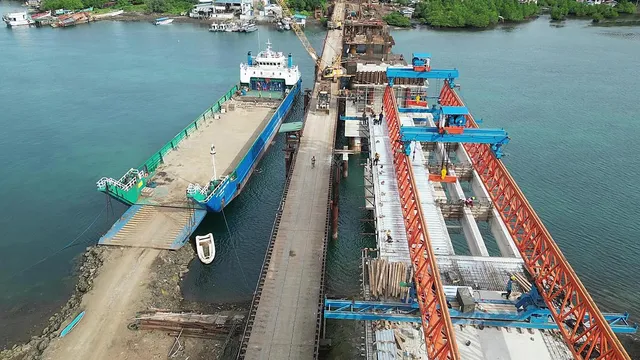
The 541-meter Nalil-Sikkiat Bridge No. 1, which spans the Bongao Channel, will connect Bongao Island to Sanga-Sanga Island is set for completion by July 2025.
Awarded to China Wuyi Co., Ltd. with a contract amount of ₱893 million, the project is 64 percent complete, with significant milestones such as the completion of pile caps, backwalls, wingwalls for abutment B, and other key structures.
DPWH UPMO Project Manager Ernante S. Antonio explained that ongoing work includes rebar installation, approach railing and sidewalk construction at abutment B, drilling for pier 9, and pile cap installation at pier 6.
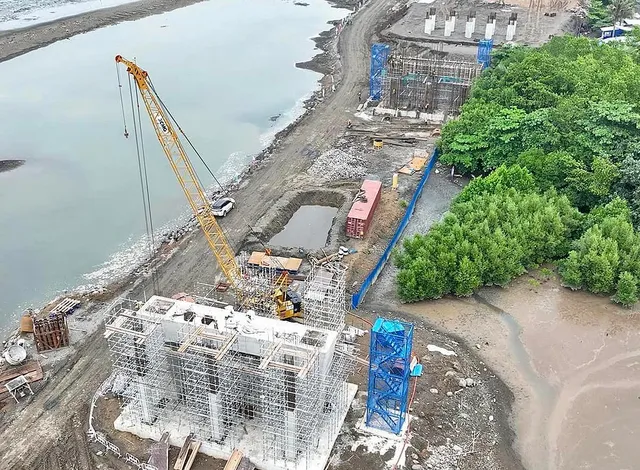
Meanwhile, the on-going 681-meter Malassa Lupa Pula Bridge No. 3 across the Manalik Channel, will link Sanga-Sanga to mainland Tawi-Tawi.
This project, contracted to a consortium of V.T. Lao Construction and China Wuyi Co., Ltd. for ₱1.25 billion, is 32.9 percent complete and expected to be finished by September 2025.
Key accomplishments include the completion of over half of the 99 bored piles and the construction of foundations and initial structures from the channel.
Additionally, the 569-meter Tongsinah–Paniongan Bridge, connecting Pababag Island to Sanga-Sanga Island, has begun civil works after receiving a notice to proceed on July 16, 2024, to the China Wuyi Co., Ltd./ Vicente T. Lao joint venture.
This bridge will provide a direct route between Bongao, a major growth center, and future growth centers in Panglima Sugala and Pababag Island.
Development plans for Pababag Island include a large-scale seaweed processing plant and housing projects, significantly boosting the local economy.
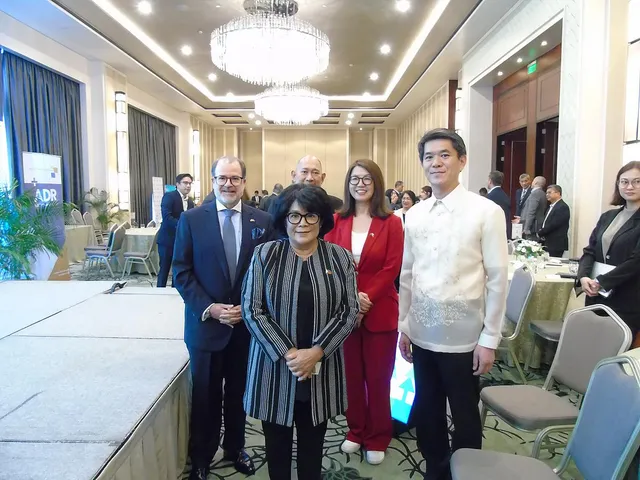
Countries like the US, Australia, Britain, Canada, China, and the EU Nations have expressed interest in nickel ore mining in the Philippines. This was mentioned by Environment Secretary Maria Antonia Yulo-Loyzaga in her speech during a mining conference organized by the Stratbase ADR Institute, in partnership with the Department of Environment and Natural Resources (DENR).
The conference is titled “Revitalizing the Philippine Mining Industry: A Pillar for Inclusive and Resilient Economic Growth and Development”. This was held on May 10, 2024 at Manila Diamond Residences in Makati.
The Secretary said, “In the 2nd quarter of last year, a volume of 1.9 billion metric tons was reported as the country’s total nickel resource. With this, given the increasing demand for electric vehicles, the Philippines should enhance its current nickel processing capacity as this is a key component in e-vehicle batteries and stainless-steel production.
Philex Mining Corporation generated Php305 million core net income and an EBITDA of Php617 million for 2Q2024 compared with the Php314 million core net income and EBITDA of Php553 million for the same period in 2023. This brings a total of Php410 million core net income and a total EBITDA of Php912 million for the first half of 2024.
Average realized gold prices in 2Q2024 were higher at US$2,008 per ounce compared with the US$1,937 per ounce in 2Q2023, but slightly lower than the US$2,061 of 1Q2024. On the other hand, realized copper prices for the second quarter was at US$4.45 per pound, slightly higher than the US$4.00 in 1Q2024 and the US$3.82 per pound in 2Q2023.
Tonnage milled for 2Q2024 was at 1.687 million tonnes, higher than the 1.585 million tonnes in 1Q2024. Gold output for 2Q2024 was also higher at 7,962 ounces compared with the 7,803 ounces of the first quarter. On the other hand, Copper output for 2Q2024 was at 5.133 million pounds compared to the 4.669 million pounds in 1Q2024. Total tonnes milled for 1H2024 was 3.272 million tonnes, with gold output at 15,765 ounces and copper output at 9.802 million pounds.
Silangan Project Development Works in Progress
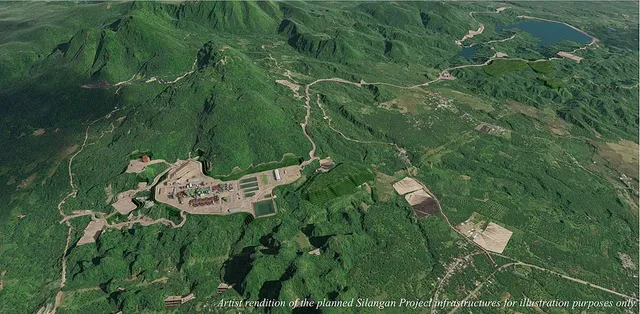
Outlook still remains positive with the continued development works at the Silangan Copper and Gold Project in Surigao Del Norte. Mine development including the tunnel leading to the Boyongan Ore body is entering its final stages while construction of the tailings storage facility is in full swing. The earthworks for the construction of the Process Plant are in progress while the procurement of the major and long lead equipment packages had been completed. The general contractor is set to commence the design and construction phase of the Process Plant.
“Acceleration to commercial operations of the Silangan Project will be foremost of our priorities, and we are targeting to have our first metal output before the end of 2025 ” says Eulalio Austin Jr., Philex President and CEO. “As soon as we reach the Boyongan Ore body during the end of this 3rd quarter, we will start the block development works of the first production level, and thereafter, we will be seeing the first ore coming from the Boyongan Ore body. Construction works on other ancillary facilities such a ventilation shaft at the underground mine had been awarded to a mining contractor and are in progress.”
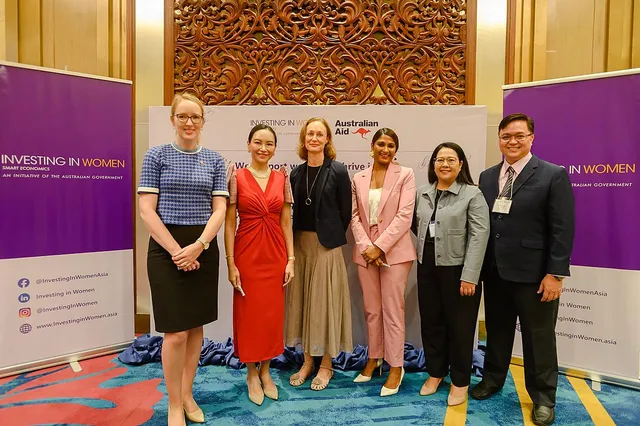
In the male-dominated industries like mining and construction, how is it possible to promote workplace gender equality and women empowerment? “Investing in Women” offers solutions and opportunities for discussion to address gender-related issues.
The Australian Government recently launched the new phase of its “Investing in Women” program in the Philippines. The event was held at Dusit Thani Hotel, Makati City. It was well attended by gender equality advocates from the Philippine Government, private sector, civil society, and members of the press.
“Investing in Women” is a multi-country initiative of the Australian Government that seeks to accelerate women’s economic empowerment through increased and equitable opportunities in the private sector, contributing to inclusive, sustainable economic recovery and growth in targeted countries across Southeast Asia.
It was an exciting Monday morning at the Ayala Greenfield in Calamba, Laguna during the 11th Annual PMEA Invitational Golf Tournament. The much-awaited, annual sporting event among members of the Philippine Mining and Exploration Association was held on April 22, 2024.
President Ferdinand Marcos Jr. received resounding rounds of applause several times during his third State of the Nation Address 2024 (SONA), particularly on the final part of his speech when he announced the ban on Philippine Offshore Gaming Operators (POGO).
The SONA 2024 was held on Monday, July 22, 2024, at the Batasang Pambansa Complex in Quezon City.
Among other things, his State of the Nation Address covered various significant national issues from education, agriculture, defense, cybersecurity, tourism, and more.
“As we enter the mid-term, our infrastructure development remains sustained, strategic, and on schedule,” the President said.
“Aside from agriculture and disaster risk, our other vital sectors and pillars — such as education, health, energy, low-cost housing, transport, information technology — they all stand to benefit from our aggressive infrastructure development, as befitting our upper middle-income economic target.”
He mentioned that despite the challenges during the past two years into this Administration, there has been a steady progress towards the targets in the medium-term.
“Our power and internet services are continuously being upgraded in both capacity and connectivity.”
Unified Philippine Grid
The President mentioned that the energy sector looks bright and promising with completion of projects and new investments. With that, he expected that the nation’s power supply will increase steadily to meet the growing demands in the future.
He also mentioned that government is urgently addressing power shortages and the systemic causes of blackouts in unserved and underserved areas.
Through microgrids, off-grid systems, and missionary small power utilities that supports solar power, the President said these will provide solutions to places that need a steady supply of electricity.
“Running through Bataan, Pampanga, and Bulacan, the newly inaugurated Mariveles-Hermosa-San Jose transmission line will further strengthen the reliability of the Luzon power grid.”
He announced that in the Visayas, all stages of the Cebu-Negros-Panay backbone project have been completed.
“This project shall serve to stabilize the power situation in Western and Central Visayas, and avert recurrences of power outages experienced in the past,” he noted.
He said that because of these projects, blackouts at Panay Island were prevented from April until June despite the yellow and red alerts in the region.
The President noted that the Dumanjug-Corella Line of the Cebu-Bohol Interconnection Project was energized, enabling the transfer of power between Cebu and Bohol.
“With these systems currently operating at capacity, these major power lines shall contribute to the efficient power exchanges not only between Luzon and the Visayas, but also involving Mindanao. Energy sharing and transfers between, among, and within the three island groups have now been made possible with the energization last January of the Mindanao-Visayas Interconnection.”
“The energization of the Mindanao-Visayas Interconnection is a defining moment not only for the power sector but for the entire country. Finally, we have connected the power grids of all three major island groups.”
“The ‘unified Philippine Grid’ is a fulfillment of the dream, whose seeds were planted in the 80s, through a vision bolstered by R&D, which we accomplished by applying typical Filipino persistence and dedication,” he stated.
Addressing the high cost of electricity, President Marcos Jr. gave assurance that government will continue to add power infrastructure that will contribute to the lowering the electricity rates and providing fair charges to consumers.
Roads and Railway Renaissance
President Marcos Jr. reported that as of May of this year, 12,000 kilometers worth of roads and more than 1,200 bridges have been completed and upgraded across the country.
“Of note, we have provided the budget to upgrade 367 bridges and almost 1,600 kilometers of road along our country’s longest thoroughfare — the Maharlika Highway — from Luzon all the way to Mindanao.”
“Moreover, significant segments of major expressways, which are part of the Luzon Spine Expressway Network, have now been opened to the public.”
By the end of this year, he announced that the C-LEX, NLEX-SLEX Connector, and the Plaridel Bypass will be fully completed, while the CALAX and the C5 South Link will be fully operational by next year.
“Under our Inter-Island Linkage Bridge Program, we expect two major bridges to be opened to motorists this year. One is the Panguil Bay Bridge — touted as the longest water-spanning bridge in Northern Mindanao.”
“This bridge will connect Lanao del Norte to Misamis Occidental. The other is the Guicam Bridge in Zamboanga Sibugay, which shall connect Olutanga Island to the mainland of Mindanao.”
“In addition, travel to and from Clark Airport is now much faster and more convenient, with the inauguration of the 20-kilometer Airport-New Clark City Access Road in Pampanga.”
“We are in the midst as well of a ‘railway renaissance’. The Metro Manila Subway Project has logged significant accomplishments in its tunneling works.”
Additionally, other railway projects such as the MRT-7 and the North-South Commuter Railway are in progress.
He mentioned that government will make sure that the right of way issues are resolved in the most equitable, efficient, and expeditious manner, so that these will not get in the way of the infrastructure development.
As part of the LRT 1 Cavite Extension project, the route of LRT Line 1 in Metro Manila will be extended from Baclaran to Sucat in Paranaque City. This is expected to be open to the public within the year. After a few years, the route will further extent to Bacoor in Cavite.
He also reported that LRT 1 had an additional 76 new and modern trains. This upgrade will provide a faster and more comfortable commuting experience for passengers.
The recent reopening of the PNR Bicol Line is also a milestone achievement in the list of railway projects. This railway spans out to 100 kilometers from Naga to Legazpi.
President Marcos Jr. also talked about the improvement of the country’s airports and harbors for the benefit of travelers.
With the help of the private sector, the Ninoy Aquino International Airport is expected to improve and provide better services in the years to come.
“Soon, it will be capable of accommodating 48 flights per hour, servicing our ever-increasing local and international flight routes, and catering to more than 62 million passengers per year.”
“More than 70 airport and seaport development projects across the country have been completed, and another 350 ongoing projects are set to be completed by 2028.”
“Notably, the capacities of the Passenger Terminal Buildings of the General Santos Airport and the Bicol International Airport have been expanded by 300 and 500 percent, now catering to 2,000 and 1,600 passengers, respectively. Meanwhile, the Batangas Port PTB, our popular marine gateway to MIMAROPA, the Visayas and to Mindanao, can now accommodate 8,000 travelers at any given time.”
“Thanks to Congress, the Public-Private Partnership, as a crucial funding mechanism for big-ticket projects, is now institutionalized by force of law. PPP is seen to facilitate strategic investments and the timely development of projects under our Build Better More program, especially since around one-fourth of our flagship projects have been envisioned to be funded through this modality.”
He emphasized that the NAIA PPP will go down in history as being the largest and fastest approved PPP, as well as setting the standard in terms of transparency and competitiveness of the process.
“Through this partnership, our foremost aerial gateway is now primed for a revitalization. Once considered among the worst and most stressful airports in the world, it will soon be a world-class international airport that we can be proud of.”
Reference:
https://pco.gov.ph/presidential-speech/3rd-state-of-the-nation-address-of-his-excellency-ferdinand-r-marcos-jr-president-of-the-philippines-to-the-congress-of-the-philippines/
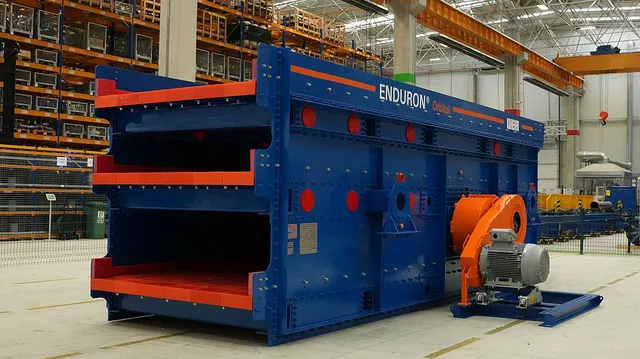
Weir, a global leader in innovative mining technology, has launched the all-new ENDURON® Orbital range of vibrating screens. Engineered for sand and aggregate, construction, and small tonnage mining operations, the new screens are designed to meet the most demanding of applications.
Featuring an all-bolted construction, the screens significantly improve reliability by eliminating welding in high-stress areas, removing the leading mode of failure in vibrating screens. Locking bolts ensure structural integrity and durability, facilitating easy maintenance with quick replacement of individual components without the need for extensive downtime.
The ENDURON® Orbital range is available in two screen types: the E series: Elliptical Motion Horizontal Screens and the C series: Circular Motion Inclined Screens. Both screen types are designed with a commitment to innovation and quality, incorporating the latest technologies to deliver exceptional performance in a broad range of sand and aggregate and mining duties.
A wide operating window provides flexibility to adjust screen settings in line with changing applications or feed conditions, without compromising the equipment’s structural integrity and minimising the risk of structural failure related to harmonic resonance.
The modular screen construction ensures that individual components can be easily replaced. Common interchangeable screen parts reduce inventory overflow and simplify maintenance. Both screens are digitally enabled, including our modular exciter technology, which senses and reports on the condition of the exciter. The exciter itself features a bolt-on/bolt-off design, meaning they can be easily changed on site and refurbished in a mechanical workshop.
All ENDURON® products are fully supported by the Weir service network, offering unrivalled service, support, and local expertise across the globe. Weir continues to lead the industry in providing cutting-edge, high performance solutions that are tailored to meet the unique requirements of our customers.
Corné Kleyn, Global Product Manager for Vibrating Screens said:
“We at Weir are excited to bring this revolutionary new screening technology to the market. The team has worked hard for the past two years to bring our customers a product that is reliable with the lowest total cost of ownership. Our first screen has been successfully installed and commissioned at a large global customer and we are gaining momentum with more units planned for both the European and North-America markets”.
Progress continues to surge forward on the Davao River (Bucana) Bridge Project of the Department of Public Works and Highways (DPWH) in Davao City.
In his inspection report to DPWH Secretary Manuel M. Bonoan, Senior Undersecretary Emil K. Sadain said that the construction of the 1.34-kilometer, four (4)-lane, six (6)-span extradosed bridge and its approach roads over the Davao River which started in November 2023 has made significant strides, with completion now reaching 32.13%.
Senior Undersecretary Sadain, in charge of DPWH infrastructure flagship projects alongside Unified Project Management Office - Bridges Management Cluster (UPMO-BMC) Project Director Rodrigo I. Delos Reyes conducted a site inspection on July 19, 2024.
Their project visit together with UPMO - Roads Management Cluster I Project Director Benjamin A. Bautista highlighted substantial advancements in the ₱3.126 billion construction of the bridge funded by the Philippine government and a China Aid Grant.
"With active project supervision and management by UPMO-BMC Bucana Bridge Project Team headed by Acting Project Manager Norifel Teddie G. Cadiang and Project Engineer John Christian T. Gaden and the dedication of our partners at China Road and Bridge Corporation (CRBC), we are confident in meeting our target to open the bridge to traffic by end of 2025”, Senior Undersecretary Sadain added.
The bridge project that will complement the Davao City Coastal Road upon completion promises enhanced mobility, connectivity, and economic opportunities for Davao Region.
This project under the “Build Better More” agenda of the administration of President Ferdinand R. Marcos Jr. is an essential transportation infrastructure, providing faster and more efficient roadway to large volume of vehicles and in alleviating the east-west traffic congestion in the coastal areas of Davao City.
Currently, civil works for the bridge include the installation of rebars for pier columns and crossbeams, simultaneous with placement of scaffoldings in preparation for deck construction. Activities such as steel sheet pile driving for cofferdamming and bored piling are also progressing as planned.
The highly anticipated modern scenic bridge project, implemented by the Department of Public Works and Highways (DPWH), connecting the Island Garden City of Samal (IGaCoS) and Davao City, has made significant strides in both design and construction.
In his inspection report to DPWH Secretary Manuel M. Bonoan, Senior Undersecretary Emil K. Sadain highlighted that the ongoing bored piling works for the land viaduct structure of the Samal Island-Davao City Connector (SIDC) Project, which began in May 2024, are progressing well.
To date, 42 out of the 72 bored piles in Samal side have been completed, while in Davao City side, 23 out of 72 were finished.
Meanwhile, the Detailed Engineering Design (DED) phase is nearing completion at 94.41%, which comprise the approval of the design plans for substructure and superstructure of the land viaduct, marine viaduct, and navigation bridge.
According to Senior Undersecretary Sadain, despite encountered challenges and legal issues in the project implementation, the DPWH is taking proactive measures to ensure that issues are promptly addressed. This approach aims to keep civil works on schedule, avoiding delays and adhering to the project timeline.
“We are closely coordinating and monitoring every detail of progress in this project, as we aim to open this bridge to traffic within the term of President Ferdinand R. Marcos, Jr. This bridge will serve as one of the pioneering modern transportation infrastructures in Mindanao, enhancing economic growth, connectivity, and access to essential services and activities in IGaCoS and the Davao Region,” said Senior Undersecretary Sadain.
Also present at the site inspection on July 19, 2024 were DPWH Unified Project Management Office - Bridges Management Cluster (UPMO - BMC) Project Director Rodrigo I. Delos Reyes, UPMO Roads Management Cluster I Project Director Benjamin A. Bautista, Project Manager Joweto V. Tulaylay, and Project Engineer John Christian T. Gaden.
With an estimated total cost of ₱23.52 billion, the SIDC Project is funded through Official Development Assistance (ODA) under the Government of China’s concessional loan.
The SIDC Project features a four-lane (two lanes each direction) extradosed bridge with a total length of 4.01 kilometers, a main span of 275 meters, and a vertical navigation clearance of 47 meters across the Pakiputan Strait. The marine crossing is approximately 1.62 kilometers long with a seabed depth of 40 meters, supported by two pylons standing 73 meters above sea level.
Once completed, this iconic bridge will provide a resilient and reliable transportation link between IGaCoS and Davao City, instrumental in spurring economic growth and development in the Southern Philippines.
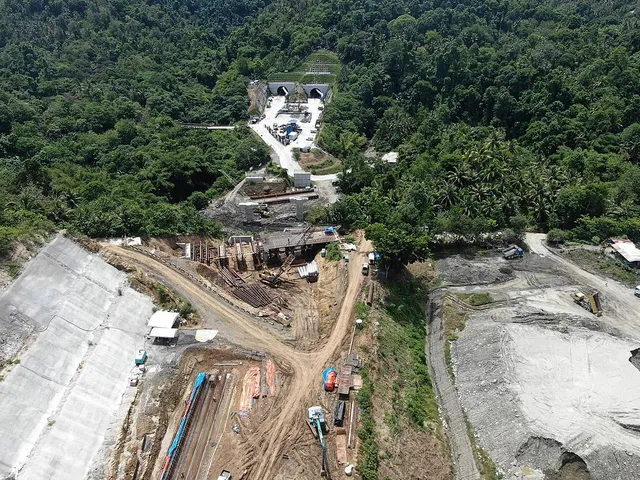
The Department of Public Works and Highways (DPWH) is advancing steadily on the Davao City Bypass Construction Project (DCBCP), with ongoing efforts in tunnel waterproofing and the construction of concrete arch and invert linings for the two (2)-lane northbound and southbound tunnels.
Senior Undersecretary Emil K. Sadain, in-charge of DPWH infrastructure flagship projects, explained that these crucial activities are part of the effort to ensure structural integrity and durability. This is essential to provide a safe and reliable passage for motorists through the 2.3-kilometer twin tube tunnel component of the DCBCP.
The road mountain tunnel is a key part of the ₱13.23 billion DCBCP Contract Package I-1, financed through a Special Terms for Economic Partnership (STEP) Loan from the Japan International Cooperation Agency (JICA).
In his report to Secretary Manuel M. Bonoan, Senior Undersecretary Sadain emphasized that Japan’s engineering expertise and advanced technology are being utilized in the construction of what will soon be the longest road mountain tunnel in Mindanao.
This project also promotes technological transfer between Japan and the Philippines, with provisions for technical assistance and capacity building to ensure successful implementation and sustainability.
During a site inspection on July 19, 2024, Senior Undersecretary Sadain, along with Project Director Benjamin A. Bautista of the Unified Project Management Office (UPMO) - Roads Management Cluster I (Bilateral) and Project Director Rodrigo I. Delos Reyes of the UPMO Bridges Management Cluster, observed the meticulous work on waterproofing and subsequent concrete pouring for the invert arch lining.
The waterproofing efforts, which have covered 1.130-kilometer northbound and 1.135-kilometer southbound, are crucial for preventing water ingress, preserving the tunnel’s longevity, and ensuring operational efficiency.
Meanwhile, 978 meters northbound and 967 meters southbound have already been fitted with invert arch lining concrete, which will reinforce the tunnel structure and improve its ability to withstand various loads and environmental conditions.
The entire Contract Package I-1 involves the construction of a 10.7-kilometer two (2)-lane carriageway for both northbound and southbound roads, divided by a median, from the Mintal Road Intersection at Sta. 12+800 to the Mandug Road Intersection at Sta. 23+500. The package also includes three (3) pairs of river bridges with a total length of 0.5 kilometers and two (2) underpasses.
With an overall accomplishment of 51.5%, Contract Package I-1 also covers the construction of access roads to the bridges and tunnel portals, two (2) Engineer’s offices with laboratories, and main and sub-offices at the north and south portal sides, respectively, for construction supervision and management.
The Engineer’s Offices were designed to meet the standards of a typical school building and are planned for future turnover to the Department of Education as additional learning facilities.
Under contract with the Shimizu - Ulticon - Takenaka joint venture, DPWH field supervision for Contract Package I-1 is managed by Project Manager Joselito B. Reyes, Project Engineer Juan M. Diña Jr., and Engineer Earl Nicholas F. Rada of the UPMO - Roads Management Cluster I (Bilateral).
The MMD Group has a rich history in innovation and design, having designed, manufactured and installed the first unique Twin Roll SIZER™ more than 4 decades years ago. Since then, MMD have maintained leadership in the industry through constant development and innovation of the original Sizer concept. The company was formed to address the National Coal Board's (NCB) need to prevent large lumps of coal from blocking belt conveyor transfer points. Many methods were tried, but the installation of a low height, and lightweight MMD SIZER™ at the first convenient transfer point in the system was almost universally adopted in NCB mines. This success led to further developments and the company's expansion into other areas of underground and surface mining and quarrying in the U.K. and eventually around the world.
Since the inception of the MMD Twin shaft MINERAL SIZERSTM, MMD has thrived on a culture of innovation and continuous improvement, setting new standards in material handling and providing tailored mining solutions. Initially developed for processing coal, a softer and more brittle material, the range of Sizers has evolved to handle higher capacities as well as more abrasive, harder materials. This exceptional capability has resulted in the successful deployment of over 3,500 installations worldwide, serving small and large mining companies, who have some of the most challenging conditions and materials.
The basic design concept behind Sizer technology involve the use of two rotors with large teeth, on small-diameter shafts, driven at a low speed by a high torque drive system via a MMD reduction gearbox. Mineral Sizers exploit the inherent weaknesses in rocks. Sizers stand out from traditional crushing methods, because the unique tooth geometry breaks material by bending, tension, and shear forces. This approach delivers more efficient breaking action than alternative crushing methods, resulting in substantial savings in electrical power and overall operating costs.
An adjustable breaker bar, which is usually located beneath and between the twin shafts, provides the final stage of breaking. This maximises size reduction ratio, increases wear component life and provides complete control of the finished product size in all three dimensions.
The Sizer can accept minerals without the need for pre-screening. The scroll pattern of the teeth moves and re-orientates the larger lumps along the shafts for improved breaking. This creates space for undersized material to pass through freely without further wear or degradation. Additionally the scroll pattern can also be used to eject excessively oversize material from the machine.
The agitating action of its twin shafts also makes it ideal wet and sticky materials as well as ideal for blending scenarios, whilst minimising the generation of dust and fine material in primary, secondary or tertiary applications.
Innovation has always been part of MMD’s culture, and the dedicated in-house technical development teams has provided consistent research and development since the Sizer’s inception in 1980, and enabled MMD’s machines to process a wide range of material including some materials rated at over 300MPa. One key factor in maintaining our position as leaders is the ability to introduce the latest developments in the fields of design and production.
To ensure machines are designed to the highest standards our in house R&D teams bring a wide variety of experience in many fields of expertise. This diversity and experience are combined with some of the latest technology, from 3D design to material flow modelling. We use tools and methods such as:
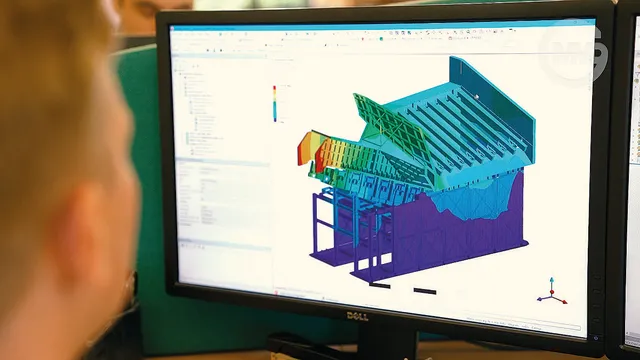
Finite Element Analysis (FEA) - Finite Element Analysis is a way to simulate and analyse stress and deformation on a design. This provides the optimum design that is both efficient and effective.
Discrete Element Method (DEM) - DEM is particularly useful for modelling the behaviour of materials encountered in mining operations. By using DEM, we can analyse how these materials interact with various equipment and environments. This helps us design more efficient and durable machinery, reduce wear and tear, and improve overall operational efficiency.
Simulation - Simulation technology creates detailed models of our projects before they are built. By simulating different scenarios, we can predict potential issues and optimize designs for better performance and efficiency. This proactive approach helps in minimizing risks and reducing costs, ensuring that our projects are completed on time and within budget.
VR/AR - these immersive technologies provide 1:1 scale visualisations that can mimic real-world hypothetical scenarios. This helps virtual prototyping, HAZOP analysis and operative training. In addition these technologies also provide interactive project visualisations, providing clients with a better understanding of the equipment and the final outcome.
We also use physical prototyping and rigorous testing to validate the designs. Also, our close relationships with our customers provides us with continuous feedback loops to be able to incorporate practical insights and improvements.
Our continuous drive for delivering high standards is evident not only in the design but also through our five global state-of-the-art manufacturing plants in UK, Africa, China, Australia, and India. Each location has attained internationally recognized standards, and is ISO 9001 QMS certified. Environmental responsibility is also a priority; many of our global offices also hold ISO 14001 and ISO 45001 certifications.
Through our expertise, consistent investment in innovation and commitment to delivering high quality solutions through close partnerships, we can assist mines to achieve their efficiency and productivity goals whilst delivering a greener approach to mining.
This year’s Earth Day celebration emphasizes the need for a collective action towards our ecosystems. Hinatuan has joined the opening ceremony of this year’s Earth Month celebration with the theme: “Planet Vs. Plastics” held in Brgy. Panatao, Claver, Surigao del Norte last April 22, 2024.
This event was spearheaded by DENR-Mines Geosciences Bureau XIII and was organized by THPAL Nickel Corporation.
Hinatuan Mining Corporation has supported this event and pledged to help not only on that particular day but to make Earth Day an everyday event.
Effective and stringent implementation of the company’s solid waste management and reducing or possibly eradicating plastic wastes, has been one of the many aspects of the company in fulfilling our ESG goals.
Truly, HMC anchors its way in setting the bar for standards in sustainability and environmental protection.
Uniroc focuses on the research and development, manufacturing, and sales of complete sets of intelligent equipment for drilling and blasting tunnel construction and mining. Its business covers railway tunnels, highway tunnels, underground mines, water conservancy and hydropower, pumped storage power stations, underground caverns, and other fields. We serve over 4000 projects worldwide and have established deep cooperative relationships with numerous enterprises. Our products are exported to nearly 20 countries and regions including Europe, South America, Africa, Southeast Asia, South Asia, Central Asia, and the Central East.
Since its establishment, we have been constantly focusing on the field of special-purpose equipment, specializing in the research, development, production and sales of complete sets of intelligent equipment for tunneling and mining. Many of the tunnels or hydraulic projects we have participated in are the ‘world's largest’, such as the world's first tunnel in Qinling Tiantai Mountain Tunnel, the world's longest highway tunnel project Wuwei Highway, Indonesia’s Jakarta-Bandung High-Speed Railway, the world's super-projects Sichuan-Tibet Railway, etc., as well as the world-class hydropower stations, such as Baihetan, Wudongde, Xiangjiaba, Xiluodu, etc. ......
The face drill rig WD561 we are promoting is a compact and adaptable drilling equipment, with its height of 1.6 meters, width of 1.3 meters, and can meet the minimum working section of 1.9m×1.9m. The drilling speed is fast, the highest drilling speed can reach 2.5m/min; the personnel adaptability is strong, the first remote control operation, the operation is simple and easy to learn. Face drill rig WD561 shows excellent performance in Zijin Mining gold mine, in the roadway section size of 2.6m×2.6m, rock hardness coefficient reaches the bad environment of F10-12, WD561 with φ45mm hole diameter, realized 2.8m drilling depth, and the whole drilling process can meet the minimum working section of 1.9m×1.9m, and it can meet the requirements of 2.8m drilling depth, and it can meet the requirements of 2.8m drilling depth. The drilling depth of WD561 is 2.8m with a hole diameter of φ45mm, and the whole drilling process takes only 75 seconds. The blasting footage in a single day stably stays above 5m, which fully proves its high efficiency and stability. Another star product, WD581, is suitable for drilling and anchor holes in mine roadways, pumped storage power stations, hydropower stations and reservoir irrigation holes, with a minimum working section of 2.4m×2.9m. It adopts electro-proportional hydraulic control, which makes the operation easier and the drilling positioning more accurate. Meanwhile, it has the functions of automatic drilling, automatic retraction, automatic anti-jamming and automatic stopping of impact, which effectively improves the service life of drilling tools and drilling depth. It is equipped with self-diagnosis and safety voice alarm system, which realizes real-time monitoring and fault detection on the construction site.
From the manual mining operations in the pitch-black mine shafts to the intelligent unmanned mining, we are assisting small and medium-sized mines in moving towards intelligence. In the future, we will continue to focus on research and innovation, ensuring the ‘technical key’ for the construction of smart mines, promoting the application of intelligent mining technology, and contributing to the global mining industry’s intelligent transformation and upgrading.
Follow on LinkedIn:
Philippine Resources Journal
Be the "First" to get our exclusive Digital Magazine & Weekly Newsletter.