


October 04, 2022

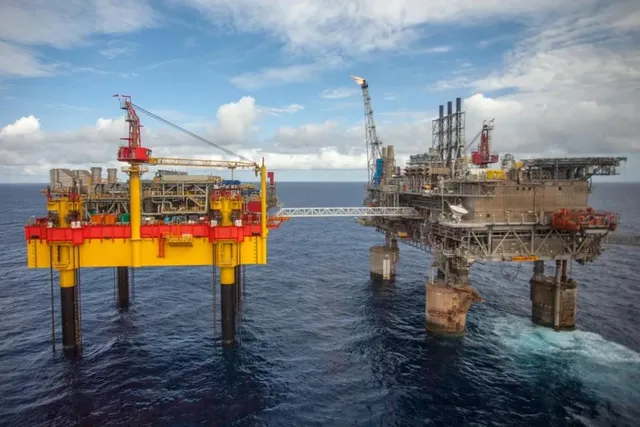
The Department of Energy (DOE) has approved the acquisition deal between Prime Infrastructure Capital, Inc. and Shell Philippines Exploration B.V. (SPEX) on the latter’s 45-percent stake in the Malampaya Service Contract (SC) 38.

This, after the DOE completed the review of the transaction in accordance with Presidential Decree 87 and Department Circular No. 2007-04-003 for the transfer of rights and obligations in petroleum service contracts.

“Prime Infra was found to be technically, financially, and legally qualified as a transferee and a successor to Shell as operator of Malampaya natural gas project,” the DOE said in a statement Monday.

With the approval of the transaction, SPEX will now be a wholly owned unit of Prime Infra and will continue to operate the Malampaya natural gas field.

“The DOE’s approval is conditioned on SPEX remaining to be a subsidiary of Prime Infra, and on the continuing validity of Prime Infra’s commitments and undertakings to the DOE in respect of SPEX’s obligations as operator of Malampaya Service Contract 38,” it added.

In a separate statement, Prime Infra chairman Enrique Razon Jr. has welcomed the decision of the DOE as this would allow the company to further explore the natural gas field.

“We will contribute by doing all that can be done to produce as much gas as possible to sustain production in support of the power demand in Luzon,” Razon said.

Prime Infra said it is committed to deliver “outstanding operational performance and further the potential of SC38 covering the Malampaya deep-water gas-to-power project to ensure continuity of production as long as the reserves support it”.

“Prime Infra’s energy portfolio has always been aligned with the national government’s objective towards attaining energy independence and security, while reducing the country’s reliance on fossil fuels. Prime Infra is well-positioned to carry on the world-renowned track record of the Malampaya asset and therefore, the next urgent step for the company is to sustain and expand gas production while we promptly address the license extension for SC38,” Prime Infra president and chief executive officer Guillaume Lucci added.

The Malampaya natural gas field is one of the country’s most crucial power assets as it supplies 20 percent of Luzon’s power requirements.

The gas field began its operation in 2001, with its license set to expire in 2024. By Kris Crismundo


Article courtesy of the Philippine News Agency

October 04, 2022

Photo credit: Philippine News Agency

President Ferdinand “Bongbong” Marcos Jr. on Monday said his administration is eyeing to pursue “grander” and “more ambitious” infrastructure projects to create jobs, improve connectivity, and provide convenience to Filipino commuters.

Marcos made this remark during the groundbreaking rites for the construction of the Ortigas and Shaw Boulevard stations of the Metro Manila Subway Project (MMSP) at Metrowalk Commercial Complex in Pasig City.

“Let the breaking ground of this subway system signal our intention to the world to pursue even grander dreams and more ambitious endeavors that will bring comfort and progress to our people all over the country,” Marcos said in his speech.

He reassured the public of his administration’s commitment to not only continue but also expand the government’s infrastructure program.

“Be assured that this administration will take the lead in identifying, pursuing, and implementing projects as part of the Build Better More Infrastructure Agenda that we have laid out,” he added.

Marcos also expressed hope that Filipinos’ aspirations for a “better, brighter, and more prosperous” country enkindle their purpose to work for the nation’s advancement.

‘Small inconveniences’

Meanwhile, Marcos said he looked forward to “brighter days” once the construction of the MMSP’s two stations is completed.

“Although it is a given that the construction of these structures will take time and cause disruption, let us be optimistic and just count these small inconveniences as a small price to pay for the fruitful results that this program, this project will yield,” he said.

He expressed hope that the project would be completed as scheduled so that the public may soon enjoy its benefits.

With the MMSP, Marcos said his administration anticipates helping people “skip long lines of traffic” and spare themselves from the “perils of commuting.”

He said the government also sees more business opportunities for entrepreneurs and investors, as well as additional economic activity with the improved linkages of key areas and business districts in the Metro and the availability of stalls and other stores in the stations and nearby markets.

“As our people gain more time by cutting long hours of travel, they can now engage in more worthwhile and productive endeavors, making time for greater self-improvement or equally important spending quality time with their families,” he said.

Joining Marcos at the event were Japanese Ambassador to the Philippines Ambassador Kazuhiko Koshikawa; Japan International Cooperation Agency (JICA) chief representative Takema Sakamoto; Senators Grace Poe, JV Ejercito, and Mark Villar; and Pasig City Mayor Vico Sotto

The MMSP is a foreign-assisted project under the Official Development Assistance program and funded by the JICA.


Article courtesy of the Philippine News Agency

October 04, 2022

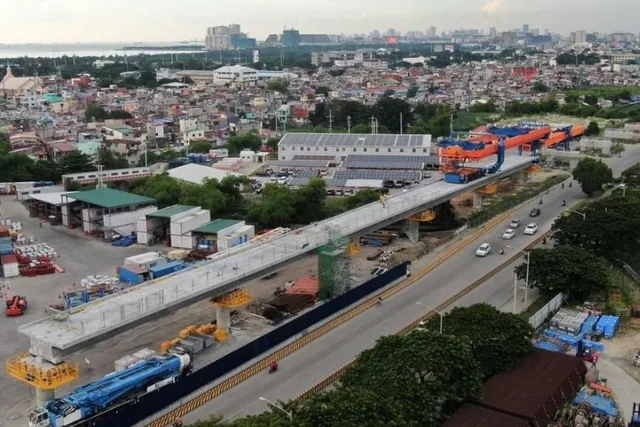
Photo: President Ferdinand "Bongbong" Marcos Jr. (2nd from left) and Transportation Secretary Jaime Bautista (2nd from right) lead the groundbreaking of the Ortigas and Shaw Boulevard stations of the Metro Manila Subway Project on Monday (Oct. 3, 2022). During the event, Bautista said the project is expected to create over 18,000 jobs during its construction in addition to spurring economic activity in nearby areas once complete. (PNA photo by Robinson Niñal Jr.)

The Metro Manila Subway Project (MMSP) is seen to create thousands of jobs during its construction and boost economic activity in nearby areas once finished, Department of Transportation (DOTr) Secretary Jaime Bautista said Monday.

During the groundbreaking of the MMSP’s Contract Package 104 (CP104) in Pasig City, Bautista said the MMSP is the country’s “crown jewel” in the mass transport system and will be completed “at full speed.”

“Construction is estimated to create more than 18,000 jobs,” Bautista said.

He said the MMSP will provide a “comfortable, convenient, safe, and affordable” transportation option to the public once completed.

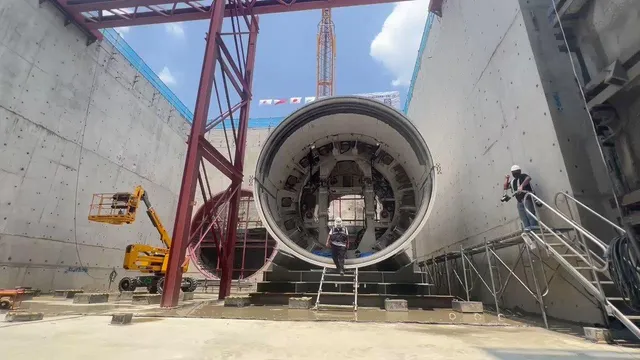
The MMSP’s CP104 is one of seven civil work contracts for the project and covers the construction of the Ortigas and Shaw Boulevard stations and tunnels spanning 3.397 kilometers.

It has a total contract price of PHP20.4 billion inclusive of VAT.

The MMSP, once completed, will have a total length of 33 kilometers and 17 stations -- cutting across eight localities from Valenzuela City to the FTI-Bicutan in Parañaque City with a line to the Ninoy Aquino International Airport (NAIA) Terminal 3 in Pasay City.

Funded by the Japanese government, the MMSP will be the country’s first underground mass transit system, will have a daily passenger capacity of 519,000, and aims to cut travel time between Quezon City to NAIA from the present 70 minutes to 35 minutes.

Earlier, President Ferdinand “Bongbong” Marcos Jr. led the groundbreaking of the MMSP’s CP104 and highlighted its potential to stir up economic activity in key areas covered by the project and provide opportunities for businesses.

The project, he said, is also seen to improve transportation efficiency through less travel time and provide the public with more time for personal endeavors. By Raymond Carl Dela Cruz


Article courtesy of the Philippine News Agency

October 04, 2022

Photo

Global Ferronickel Holdings, Inc. (FNI), a diversified Filipino company with interests in nickel ore mining, logistics, cement and steel production, and port operations, on Friday signed the definitive agreement giving it a pivotal 20% stake in Guangdong Century Tsingshan Nickel Industry Co., Ltd. (GCTN) through the purchase of shares in GHGC Holdings, Ltd. (GHL). GHL owns 90% of the GCTN stock portfolio.

GCTN is a nickel alloy enterprise in China operating one of the world’s advanced smelters with RKEF technology in a 33-hectare facility employing over 600 employees. The plant uses a rotary kiln technology that produces about 28,000 tons of pure nickel annually. GCTN caters to customers in Guangdong’s Economic and Technological Development Zones and abroad.

“The acquisition is expected to create reliable and consistent synergies between FNI as a nickel ore supplier and GCTN as a value-added processor, and support our ongoing diversification projects to boost profitability,” said FNI President Dante R. Bravo.

This initiative will help manage risks, optimize value to stakeholders, and develop downstream integration of the value chain.

To complement its expansion targets, the Company continues to pursue investments in high-growth firms and industries that can enhance operational and cost efficiencies.

FNI counts Platinum Group Metals Corporation (PGMC) as a subsidiary and Ipilan Nickel Corporation (INC) as an affiliate. PGMC is a leading nickel ore producer, while INC has just conducted its maiden shipment of nickel ore to China.


Article courtesy of the Philippine Stock Exchange

October 04, 2022

Premier contractor D.M. Consunji, Inc. (DMCI) is set to build its first subway project after its joint venture with Nishimatsu Construction Co., Ltd.(NCC) of Japan received the Notice of Award for the Quezon Avenue and East Avenue underground stations and tunnels for the Metro Manila Subway Project (Contract Package 102).

“We are very excited to be part of this historic project. Once completed, the subway will help address urban mobility issues in our nation’s capital,” said DMCI President and CEO Jorge A. Consunji.

To be funded through a loan from the Japan International Cooperation Agency (JICA), the multi-currency denominated infrastructure project is valued at PHP17.37 billion, USD 31.77 million, EUR5.49 million and JPY4.39 billion, roughly equivalent to PHP 21.21 billion as of November 11, 2021 exchange rates and exclusive of value added tax.

Scope of work for Contract Package 102 includes design (to the extent required), supply, installation, construction, testing, commissioning and training. The project will take around 67 months to complete.

The contract is still subject to concurrence by JICA and compliance with the documentary requirements as provided under the April 2012 guidelines for procurement under Japanese official development assistance loans.

As of June 30, 2022, DMCI had an order book of PHP43.7 billion, which was mostly from other joint venture projects and building contracts.

Founded in 1874, Nishimatsu Construction Co., Ltd. is the leading tunnel contractor in Japan, having worked on more than 1,000 tunnels. Its portfolio includes Singapore's National Library Board Building, London's Channel Tunnel Rail Link, Hong Kong's Lap Kok Airport.


Article courtesy of the Philippine Stock Exchange 

October 04, 2022

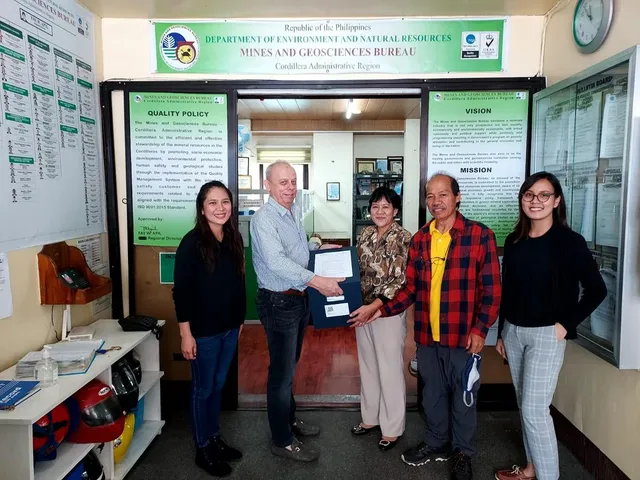
Photo: Ceremonial turn-over of DMPF requirements to the Mines and Geosciences Bureau-Cordillera Administrative Region (MGB-CAR). In photo, left to right: MMCI Monitoring and Evaluation Supervisor Anne Zee Luz Laguerder; CLA Executive Director and MMCI Country Operations Director Peter Hume; MGB-CAR Regional Director Fay W. Apil; MGB Mine Management Division Chief Alfredo J. Genetiano; and MMCI Project Mining Engineer Patrique Jane Duran. Credit: Celsius Resources

Celsius Resources is pleased to announce it has submitted all the required documents for the Declaration of Mining Project Feasibility (DMPF) for its flagship Maalinao-Caigutan-Biyog (MCB) copper-gold project, which is held by its Philippine subsidiary Makilala Mining Company, Inc. (“MMCI”).

Following the completion of the scoping study, all the major documents to support the application for DMPF were developed and completed in time for submission to the Mines and Geosciences Bureau-Cordillera Administrative Region (MGB-CAR) before the end of September 2022.

This includes the Mining Project Feasibility Study Report, Final Exploration Report, Environmental Impact Statement Report, Environmental Protection and Enhancement Program, Final Mine Rehabilitation and/or Decommissioning Plan, Social Development and Management Program, Care and Maintenance Program, and LGU Project Endorsements, amongst others.

Prior to the submission, the environmental, social and mine closure plans went through a rigorous consultation process with the host community and local government stakeholders to ensure local content integration. These plans are part of the Philippine Government mining policy reforms whereby social and environmental safeguards are integrated into the overall mine development and operations plan.

“With the submission of the DMPF, we are inching closer to harnessing the potential of the MCB Project to bring about significant economic value to both our shareholders and stakeholders in an ethical and sustainable manner,” said Celsius Resources Country Operations Director Peter Hume.

A technical presentation is underway during the first week of October as part of the MGB review and evaluation process. The DMPF approval will trigger the next stage of obtaining a Mineral Agreement with the National Government which is anticipated by the end of 2022 and pave the way through to construction and operations.

Being a priority project of the government, MGB has been very supportive in fast-tracking the permitting and projects approvals (see CLA Announcement dated 24 February 2022).

Meanwhile, results from drill hole MCB-040 have been received, which continue to identify new positions of shallow mineralisation in line with other recent drilling results (see CLA announcements dated 13 December 2021, 23 May 2022, 04 July 2022, and 03 August 2022) confirming the presence of an extensive shallow higher-grade position.

The results provide a much better definition now on the various high-grade zones, which is important for the optimisation of the MCB mine plan prior to commencement of mine operations. Excellent high-grade intersections are coming together to expand on the earlier understanding of these high-grade zones. 

It appears multiple high-grade zones are stacked on top of each other, which can achieve outstanding results as recently announced from hole MCB-038, which intersected 611.4m @ 1.39% copper and 0.75g/t gold from 32.5m. These results are a continuation of the shallow high-grade zones.


Article courtesy of Celsius Resources. View the full press release HERE
October 03, 2022

Photo credit: Reurasia

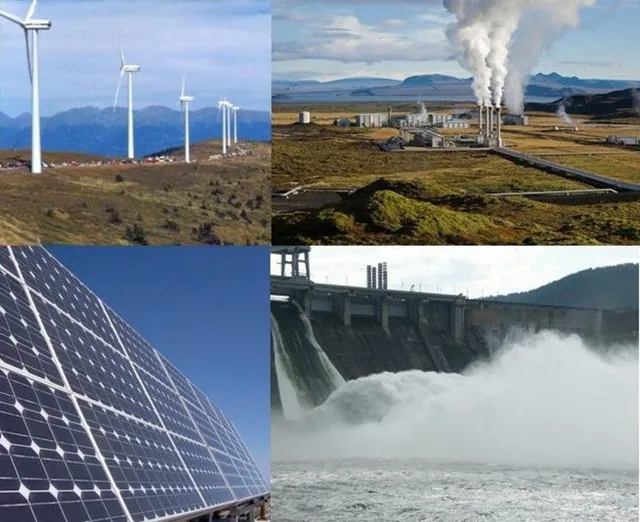
The Department of Energy (DOE) reported it awarded a total of 998 renewable energy (RE) contracts as of June 2022, with investments amounting to PHP270.8 billion.

In a statement Wednesday, DOE said the RE contracts have a total installed capacity of 5,460.59 megawatts and a potential capacity of 61,613.81 MW.

The biggest investments were in solar energy, which amounted to PHP130.44 billion. This is followed by wind RE technology at PHP52.91 billion, hydropower at PHP38.73 billion, biomass at PHP38.16 billion, and investments in geothermal energy at PHP10.54 billion.

To attract more investments in the RE sector, DOE Secretary Raphael Lotilla signed Department Circular No. 2022-09-0030 last Sept. 23 increasing the utilization of RE for on-grid areas from 1 percent to 2.52 percent.

“The increase in the utilization of renewable energy in our power generation mix would encourage more investors and end-users to develop and utilize domestic energy sources,” Lotilla said.

The increase in RE utilization in areas connected to the grid will take effect next year.

The DOE said the newly signed department circular “requires or encourages electricity suppliers, particularly the distribution utilities, to source or produce a specified fraction of their power supply from eligible renewable energy resources”.

Lotilla added that increasing the RE utilization for on-grid areas will drive the country towards energy sustainability.

“Private sector investments are central in achieving our renewable energy targets and vision. To date, the share of renewable energy in the power generation mix is 22 percent. Our target share is 35 percent by 2030 and 50 percent by 2040,” he added. By Kris Crismundo


Article courtesy of the Philippine News Agency

October 03, 2022

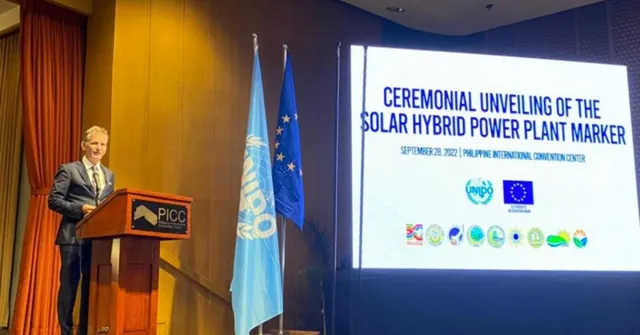
A solar hybrid power plant, expected to provide 24/7 electricity to two municipalities in Mindanao, was launched this week, the European Union (EU) Delegation in Manila said Thursday.

The initiative is part of the Renewable Energy Technology for Seaweeds Value-Added (RETS) project between the EU, the Mindanao Development Authority, the United Nations Industrial Development Organization (UNIDO), and local stakeholders, and is set to benefit the island municipalities of Sibutu and Sitangkai in Tawi-Tawi.

“Supporting a seaweed value chain in a remote location in Tawi-Tawi by increasing the supply of renewable energy, strengthening the power grid, securing a steady water supply, and enhancing community services in health, education, nutrition, and sanitation, is not an easy feat. It is impressive," the EU Delegation to the Philippines’ Head of Cooperation Christoph Wagner said at the launch in Pasay City on Sept. 28.

"The European Union is proud to have been part of the partnership that made it possible. This project embodies the EU’s global commitment to fight climate change through environmentally sustainable development while leaving no one behind," he added.

Through renewable hybridization of the local grids, RETS has helped extend the supply of electricity services in Sibutu and Sitangkai, which are home to about 15,000 seaweed farmers.

The project, the EU said, would also integrate efforts to improve livelihoods by enhancing the quality and value of seaweeds produced by the communities.

"Coupled with solar home systems, this will help provide electricity to remote seaweed farming communities and power their livelihoods," it said.

RETS has a total investment of over PHP225.5 million, of which PHP168.5 million have been provided by the EU under its larger Access to Sustainable Energy Program.

“The EU Delegation has long been MinDA’s partner for peace and development. We are grateful to have the same support from them in our pursuit of a balanced and sustainable energy mix for Mindanao, especially in the off-grid communities,” MinDA Secretary Maria Belen Acosta said.

“When we provide more income-generating activities, we are also improving the households’ ability to pay for the energy service, which contributes to the sustainability of the project,” Acosta added. By Joyce Ann L. Rocamora


Article courtesy of the Philippine News Agency

October 03, 2022

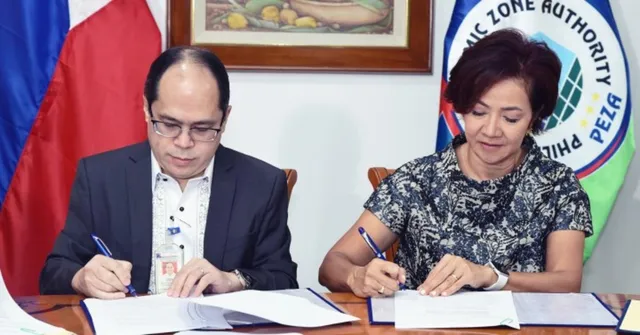
Photo: Philippine Economic Zone Authority (PEZA) officer-in-charge Tereso Panga and Upgrade Energy Philippines, Inc. (UGEP) president and CEO Ruth Yu-Owen sign a memorandum of understanding on Sept. 22, 2022. PEZA and UGEP are partnering to develop renewable energy projects within economic zones. (Photo courtesy of PEZA)

The Philippine Economic Zone Authority (PEZA) has partnered with the Upgrade Energy Philippines, Inc. (UGEP) to develop solar energy projects within economic zones.

In a statement Thursday, the investment promotion agency said PEZA officer-in-charge Tereso Panga and UGEP president and chief executive officer Ruth Yu-Owen signed a memorandum of understanding (MOU) last Sept. 22 to put up solar energy projects inside PEZA zones.

“PEZA welcomes partnerships like this which promote the goal of environment-friendly industrialization,” Panga said.

The first phase of the partnership involves the conduct of feasibility studies in Cavite Economic Zone (CEZ) and Baguio City Economic Zones (BCEZ) to determine the viability of putting up solar projects in these ecozones.

This, as UGEP aims to build a 10-megawatt solar project for CEZ and BCEZ to generate and sell solar power to the end consumers through the distribution utilities inside the ecozones.

“Promoting the use of renewable energy is extremely paramount in our country so we can save billions of pesos in energy and electricity consumption, generate more jobs and at the same time, reduce our country’s share of carbon emissions, therefore, fighting the adverse effects of the global climate change,” Panga added.

On the other hand, PEZA will be providing necessary assistance to UGEP for the conduct of the studies, identification of land for the solar projects, and the registration of its projects under PEZA pursuant to the Corporate Recovery and Tax Incentives for Enterprises (CREATE) Law and the Renewable Energy Act of 2008.

“These efforts will also contribute to the country’s overall efforts to attaining our pledge to move ahead with urgency and cut greenhouse gas emissions through localized climate change interventions and transition from coal to clean energy. Let us also do our part in implementing a collective approach to both revive the economy and at the same time protect our environment,” Panga said. 


Article courtesy of the Philippine News Agency

October 03, 2022

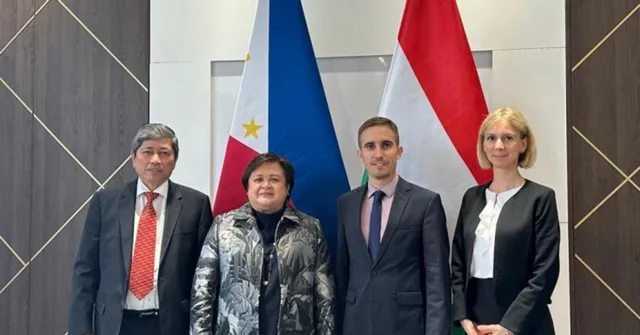
Hungary is enticing Filipinos to study nuclear engineering to help provide possible energy solutions for the Philippines in the future.

During the 7th political consultations between the Philippines and Hungary in Budapest this week, officials encouraged interested Filipinos to avail of a scholarship once the application opens again.

"The Philippines thanked Hungary for continuing to provide educational opportunities for Filipino scholars to study in Hungarian universities via the Stipendium Hungaricum program, which annually allocates 35 slots for qualified Filipinos," a Department of Foreign Affairs (DFA) readout dated September 30 said. "Looking into possible energy solutions for the Philippines in the future, Hungary encouraged Filipinos to study nuclear engineering under the scholarship program."

Application for the Hungarian scholarship was last opened in November 2021 for Academic Year 2022-2023.

Aside from education, also discussed was the possibility of a bilateral labor agreement in response to the fast-growing number of Filipinos deployed to Hungary.

In addition, the two countries reviewed the status of pending deals on financial cooperation and transportation while looking into further utilizing existing agreements on agriculture and science and technology.

The DFA said the meeting provided an opportunity to exchange views on regional issues, including security situations in Southeast Asia, the South China Sea, and Europe.

Foreign Affairs Undersecretary Ma. Theresa Lazaro and Hungary's Deputy State Secretary for Development of Eastern Relations Adam Stifter led the meeting held on September 26.

They were joined by Philippine Ambassador to Hungary Frank Cimafranca and officials of the Department of Fastest Growing Economies of the Ministry of Foreign Affairs and Trade. By Joyce Ann L. Rocamora


Article courtesy of the Philippine News Agency

October 03, 2022

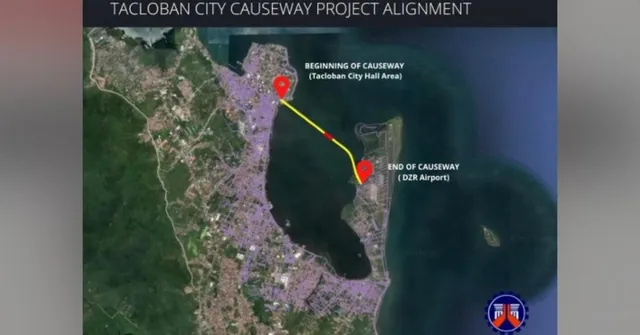
Photo: The Tacloban causeway project. (DPWH photo)

The causeway project that will connect the city hall to the airport here will start before the end of the year with an initial PHP1 billion funding.

The first phase of the project is currently advertised, and bidding will go in early October.

Civil works will begin within the fourth quarter of the year, according to Noel Nadera, senior engineer of the Department of Public Works and Highways (DPWH) regional planning and design division, on Tuesday.

“Our target is to finish the project within three years since there are no issues on right of way acquisitions. We will still come up with work schedule in the next years since our focus was on the scope of work for the PHP1 billion allocation,” Nadera said in an interview.

The 2022 allotment will finance the construction of 586 meters stretch of the causeway.

Funding for the entire PHP3.46 billion project will be included in future appropriations.

The first of its kind in Eastern Visayas, the causeway will serve as an alternate route for motorists from the city’s commercial district going to the airport, reducing distance, travel time, and vehicle operation costs.

This project involves the construction of a four-lane road embankment that spans approximately up to 2.55 kilometers with a bridge that stretches to 180 meters. It will also feature separate bike lanes, concrete canals, sidewalks, as well as wave deflectors on both sides.

Environmental group Save Kankabatok Advocacy has expressed opposition to the project saying the causeway would block the passage of seawater from and to Cancabato Bay affecting the ecosystem.

The group refuted the claims of DPWH and other officials that Cancabato Bay is no longer a rich fishing ground due to massive pollution.

“We have been raising awareness to the public on the effects of the causeway project to the Cancabato bay ecosystem and to the communities around it. The bay is not dead (as opposed to the claim in the Comprehensive Land Use Plans) and that it is much alive and is giving various ecosystem services direct or indirectly to the communities around it or far from it,” the advocacy group said.

Nadera said the180-meter bridge and five box culverts with three meters in width and height each would allow free water flow.

“There are no more hindrances since the project has been endorsed by the local government and concerned national government agencies,” the DPWH officials added.

The DPWH assured that the project was designed to withstand strong typhoons and high humidity and protect nearby communities from big waves.

The main core of the structure is common borrow (filling materials) reinforced with high strength geotextile laid at every two-meter fill.

The hydraulic geotextile tubes will be placed on both sides to contain the embankment and to add stability to the structure.

The toe and side slopes of the embankment are protected by layers of armored rocks.

Aside from being an alternative highway, the causeway will also shield communities from destructive waves.

The original plan was to build a tide embankment structure, but it was discontinued due to strong opposition by several property owners in the city’s populated coastal communities. By Sarwell Meniano


Article courtesy of the Philippine News Agency

October 03, 2022

Photo credit: Where in Bacolod

The construction of another airport in Kabankalan City, Negros Occidental is underway soon with additional national government funding to complete the more than PHP1-billion project.

Sixth District Provincial Board Member Jeffrey Tubola, a former city councilor, said on Tuesday the Department of Transportation (DOTr) has proposed the inclusion of PHP855 million in the 2023 national budget for the completion of the project, including the passenger terminal.

“Light planes can now land there with the construction of the 1.32-kilometer runway,” Tubola said over the Provincial Capitol’s Radyo Negrense.

The development of the airport, situated on a 104-hectare lot in Barangay Hilamonan, began in 2007.

Previously, the DOTr allocated PHP90 million for the airport project aside from the PHP120 million budget by the city government and the PHP30 million financial assistance from the provincial government.

“Kabankalan is a progressive city, it's in the center of Negros Island which is a strategic location,” Tubola said.

It is a border city of Negros Occidental in the south alongside Mabinay town in Negros Oriental.

“The Dumaguete City airport is a bit far while the Bacolod airport has already transferred to Silay City,” Tubola said.

He said Kabankalan would also become one of the regional centers in the proposed creation of the Negros Island Region.

Last March, the DOTr and the Civil Aviation Authority of the Philippines listed the Kabankalan Airport as among those with completed projects under the “Build, Build, Build” program. 


Article courtesy of the Philippine News Agency

October 03, 2022

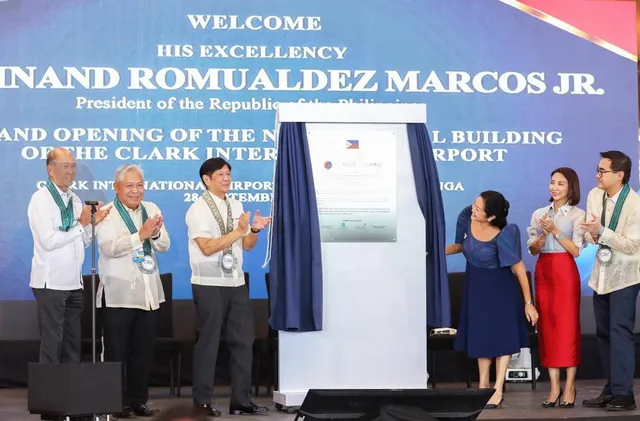
Photo: President Ferdinand R. Marcos Jr. graces the grand opening of the new terminal building of Clark International Airport in Mabalacat, Pampanga, Sept. 28, 2022. (Photo courtesy of President Marcos Jr./Facebook)

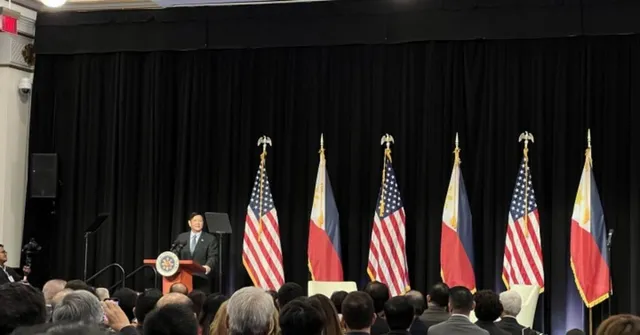
The Clark International Airport’s (CRK) new passenger terminal building is a “strong signal” to the world that the Philippines is open for business, President Ferdinand “Bongbong” Marcos Jr. said Wednesday.

Marcos made this remark during the grand opening of the CRK’s new passenger terminal building where he led the unveiling of the building marker and toured around what has been described as a state-of-the-art facility envisioned to be Asia's next premier gateway.

“...This facility is essentially a very strong signal that yes, indeed, we are open for business. We just opened a new terminal. It is state-of-the-art and this is one of the things that we will continue to do in the future to bring you all to come and be partners with the Philippines to help the lives of our people to help the Philippine economy and para pagandahin ang buhay ng Pilipino, para pagandahin naman natin ang Pilipinas (and to improve the lives of Filipinos, make the country more beautiful),” he said in his speech.

He expressed confidence that the CRK’s new passenger terminal building and other public-private partnership (PPP) projects encourage investors to do business in the Philippines.

He also renewed his commitment to ensuring that the government would do everything so that partnerships are to the advantage of both the public sector, the private sector, and the people.

“...This is a perfect example of what government and the private sector can do. And makikita mo kung private sector lang ang gumawa nito, hindi nila kinaya. Kung gobyerno lang ang gumawa, hindi rin kinaya ito (And you can see that if it’s only the private sector, they wouldn’t be able to accomplish this. If it’s only the government, they wouldn’t be able to do it either). And that is why this is a perfect example of that. And I think it will serve to encourage other people to enter into this kind of arrangements,” he added.

Citing his working visit to the US last week, Marcos recalled how he invited American investors to take part in the Philippines’ economic resurgence.

“This is also the kind of activity that we were actively endorsing when we were in New York and talking to possible investors, in companies who are already in the Philippines but would like to increase their investment. And this is exactly the kind of partnership that we need to encourage,” he said.

He also acknowledged how some businesses and investments had to be put on hold due to the Covid-19 health crisis, but noted that the country is now slowly recovering from the impact of the pandemic.

“Ngayon na mukha naman na gumagaan ang problema ng pandemya ay siguro naman panahon na na balikan natin ang ating mga pinaplano tungkol nga sa ganitong klaseng mga project na PPP (Now that the problem of the pandemic seems to be easing, maybe it's time to go back to our plans regarding this kind of PPP projects),” he said.

Logistics center of Asia

Marcos is optimistic about the new facility serving as a “building block” to the government’s goal of turning the Philippines into the “logistics center of Asia.”

“The general idea that [Tourism] Secretary Christina [Garcia-Frasco] and the Cabinet and I have come to is that habang hindi pa natin naaayos ang airport sa Maynila, habang hindi pa naitatayo at nag-operate ‘yung airport sa Bulacan, hindi pa nag-operate ‘yung airport sa Sangley — ito ‘yung mga proposal ngayon eh — ay kailangan natin buksan ang mga airports sa regional (while we have not yet improved our airport in Manila, while we have not yet started operations in our airport in Bulacan and Sangley, our proposal is to open our regional airports),” he said.

He also emphasized the importance of terminal building operations in providing opportunities in the areas of employment, investment, and tourism.

“We need this, we need more, we have many plans for the airport in Manila, we have many plans for the airport surrounding Manila para naman dumami at mas madali ang pagpasok ng ating mga magiging bisita (so that more tourists would find it easier to enter the country),” he added.

Meanwhile, Marcos lauded both concerned national and local government agencies for spearheading the new facility’s construction.

“We have to give credit to the government agencies, the local government, BCDA [Bases Conversion and Development Authority], the Department of Transport (DOTr), of course, for all that they had done,” he said.

He clarified that he was not “taking credit” for the project, but recognizing the importance of its contribution to the Philippine economy.

“This is a good day and let us keep going. We know that this is a good direction for us to take. Let us continue to go down that road and we will see. Dahan-dahan, makikita natin na paganda nang paganda (Slowly, we will start seeing improvements),” he added.

Joining the President during the event were First Lady Liza Araneta-Marcos, Garcia-Frasco, Transport Secretary Jaime Bautista, BCDA chairperson Delfin Lorenzana, Luzon International Premier Airport Development (LIPAD) chairperson Frederick Go, and other LIPAD officials.

The CRK’s 10,000 square-meter passenger terminal building, which can accommodate around eight million passengers, aims to decongest the Ninoy Aquino International Airport in Metro Manila.

It is the first hybrid PPP project under the “Build, Build, Build” infrastructure program of the Duterte administration.

In January 2021, the DOTr and the BCDA turned over the new airport terminal to LIPAD Corporation, its operations, and maintenance partner. By Azer Parrocha


Article courtesy of the Philippine News Agency

September 27, 2022

Photo credit: PH-EITI

The Philippine Extractive Industries Transparency Initiative (PH-EITI) convened its first Multi-Stakeholder Group (MSG) meeting under the Marcos administration on Friday (September 16), two weeks after the country reaffirmed its commitment to implement the EITI.

EITI is the global standard for transparency and accountability in the oil, gas, and mining sectors. The MSG – the body that governs EITI implementation in the country – is chaired by the Department of Finance (DOF) and composed of representatives from government, industry, and civil society.

The government began implementing the EITI in 2013 pursuant to Section 14 of Executive Order No. 79, s. 2012 and Executive Order No. 147, s. 2013 that created the PH-EITI.

“This meeting demonstrates the government’s continuing commitment to improve transparency and accountability in the extractive industries,” said Finance Undersecretary and PH-EITI Focal Person and Chair Cielo Magno.

To improve resource governance, the MSG agreed to strengthen spaces for multi-stakeholder participation and advocate for more spaces along the extractive industry value chain. The group also agreed to include an MSG report on the status of civic engagement in the annual country report.

The MSG also discussed remaining initiatives for 2022, including the production of the FY 2021 PH-EITI Country Report, the 2022 National Conference, and a planned visit of EITI Chair and former New Zealand Prime Minister Helen Clark to the Philippines in November 2022.

The PH-EITI publishes independently reconciled data on oil, gas, coal, and mineral resources through an annual and comprehensive country report.

To date, the PH-EITI has produced seven country reports, reconciling over P362.5 billion in government revenues from extractive projects from 2012 to 2019.

Aside from disclosing extractives data to inform research and policy recommendations, the PH-EITI also provides space for multi-stakeholder participation in resource governance.


Article courtesy of the Department of Finance

September 27, 2022

Photo credit: EITI / CC BY-SA

The Marcos administration demonstrated its commitment to pursue transparency in natural resource governance by rejoining the Extractive Industries Transparency Initiative (EITI) and enabling the continued development of the mining sector.

In a letter to EITI Chair and former New Zealand Prime Minister Helen Clark, Finance Secretary Benjamin Diokno cited the value of good governance and anti-corruption measures in maximizing the extractive sector’s contribution to resource mobilization and sustainable economic growth. EITI will complement the administration’s agenda on transparency and accountability.

“We welcome the opportunity to re-engage in EITI. We also commend the progress of the EITI Board in reviewing the validation standard and making it more relevant to implementing countries. We believe that EITI is an important tool for resource-rich countries like the Philippines to improve transparency and increase accountability in the management and governance of the extractive industries,” said Secretary Diokno.

Secretary Diokno said that other government agencies, as well as industry and civil society stakeholders who have been actively implementing EITI in the country, are supportive of the move to rejoin the global initiative.

On June 20, 2022, the Philippines through the Department of Finance (DOF) withdrew its participation in the EITI over concerns on metrics and procedures used for assessing country compliance with the international organization’s transparency requirements.

In an August 23, 2022 letter, EITI Chair Helen Clark invited Secretary Diokno to re-state the country’s commitment to the EITI on behalf of the Marcos administration and build on the progress that the Philippines has achieved in the past nine years.

The PH-EITI multi-stakeholder group is chaired by the DOF and is composed of representatives from government, industry, and civil society.

The government began implementing the EITI in 2013 pursuant to Section 14 of Executive Order No. 79, s. 2012 and Executive Order No. 147, s. 2013 that created the Philippine EITI (PH-EITI).

Annual disclosure of contracts, financial, economic, social and environmental data is mandatory for extractive industries pursuant to the Department of Environment and Natural Resources (DENR) Department Administrative Order (DAO) No. 2017-07.

To date, the PH-EITI has produced seven country reports, covering data from mining, oil, gas, and coal industries and reconciling over P362.5 billion in government revenues from extractive projects from 2012 to 2019.

In 2017, the Philippines was recognized by the EITI as the first among 50 plus countries in the world to have fully complied with the 2016 EITI Standard. The EITI updates its standard every three years and subjects member countries to validation to ascertain their compliance.

Secretary Diokno said that the Marcos administration is committed to engage and unite various stakeholders in pursuing good governance and policy reforms in the country.

“Rest assured that we remain committed to pursuing good governance in the extractive sector,” said Secretary Diokno.


Article courtesy of the Department of Finance

September 26, 2022

Artist rendering of the Metro Manila Subway (Photo courtesy of DOTr)

The Metro Manila Subway Project (MMSP) has been named as one of the finalists at the 2022 Going Digital Awards in Infrastructure for the best use of infrastructure software to save both time and money.

The Department of Transportation (DOTr) said the general consultant for the MMSP Phase 1, the Japanese consortium Oriental Consultants Global (OC Global), developed a common digital engineering system and a “single source of truth” using ProjectWise and ComplyPro -- both programs by Bentley Software Inc.

The MMSP, the DOTr said, presented communication and coordination challenges that other software programs failed to address.

“The project team at OC Global realized that the implementation of collaborative BIM workflows, proactive risk management, and cost monitoring would require a connected data environment to be established,” it said.

The system developed by OC Global for the MMSP enabled real-time data sharing that optimized collaboration -- saving an estimated 5,000 resource hours within the project’s first six months.

“Combined with SYNCHRO for construction simulation, Bentley’s integrated technology solution identified and resolved 50 clashes, eliminating rework, shortening the project schedule, and saving costs. The successful BIM (Building Information Modeling) implementation has already achieved a return of investment of over USD600,000,” it said.

The Going Digital Awards in Infrastructure is an annual event meant to honor Bentley software users for advancing infrastructure design, construction, and operations worldwide.

The event’s finalists are deemed to demonstrate “excellence and digital advancements” in their respective award categories.

The award winners will be announced during the program’s main event in London on Nov. 15. By Raymond Carl Dela Cruz


Article courtesy of the Philippine News Agency

September 26, 2022

Photo: Bataan-Cavite Interlink Bridge project (Courtesy of DPWH)

The Department of Public Works and Highways (DPWH) is finalizing the detailed engineering design works for the Bataan-Cavite Interlink Bridge that will connect the provinces by the first quarter of 2023.

Senior Undersecretary Emil Sadain said in a news release on Saturday that the marine geophysical surveys and geotechnical investigations in evaluating underground conditions and site characterization over the waters of Manila Bay are ongoing with an overall accomplishment of 55 percent to date.

The inspection report to Secretary Manuel Bonoan said the geological aspects of the site, surface and subsurface, have to be studied in detail before the start of construction activities.

The feasibility studies of the 32-kilometer project were started and completed under the Duterte administration.

Sadain, Bataan Governor Jose Enrique Garcia III, Bataan 3rd District Rep. Maria Angela Garcia, Mariveles Mayor Ace Jello Concepcion, and other DPWH officials, aboard deepwater vessel Trinity Surveyor, witnessed the actual operations of geotechnical investigation survey on the waters of Bataan on Friday.

Upon completion, the four-lane permanent linkage between Bataan and Cavite will cut travel time from five hours to just 20 to 30 minutes, according to DPWH.

The project includes the construction of two cable-stayed navigation bridges on either side of historic Corregidor Island.

Called the North Channel Bridge and South Channel Bridge, the structures will have main spans of 400 meters and 900 meters, respectively.

Alignment in Bataan is between Roman Highway and traverses the barren land area in Barangay Alas-Asin, and then skirts to the shoreline of Barangay Mountain View in Mariveles.

In Cavite, the alignment will start from the shoreline of Barangay Timalan Balsahan in Naic, traverses through the agricultural and residential area, and terminating on Antero Soriano Highway, which is in a relative flat terrain in Barangay Timalan Balsahan and Barangay Timalan in Concepcion.


Article courtesy of the Philippine News Agency

September 26, 2022

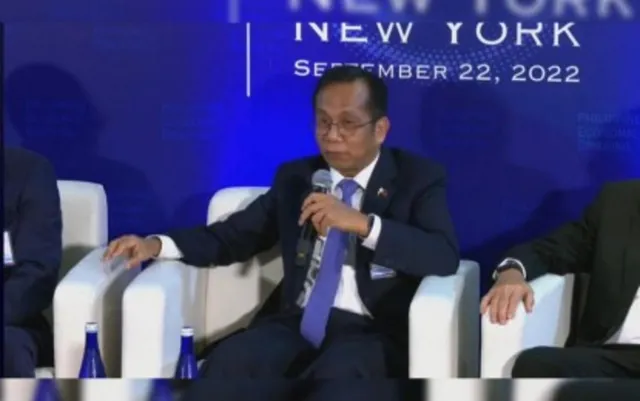
Socioeconomic Planning Secretary Arsenio Balisacan joins the panel discussion of the Philippine economic briefing in New York on Sept. 22, 2022. Balisacan cited the economic growth drivers in the country which include agriculture and mining. (Screenshot from Bangko Sentral ng Pilipinas Facebook page)

Socioeconomic Planning Secretary Arsenio Balisacan on Thursday cited agriculture as a vital growth driver for the country, while mining industry should be further explored to increase its contribution to the economy.

"We have to reinvigorate agriculture, thus that the high price of food affect everyone and influence the movement of the economy," he said in a statement during the Philippine economic briefing in New York.

Balisacan, who is also the National Economic and Development Authority (NEDA) chief, said agriculture is an "obvious" growth driver for the economy as President Ferdinand "Bongbong" Marcos Jr. has pronounced that this is a priority sector of his administration.

He said responsible mining is a major source of economic growth and the government should promote this industry.

"As we understand from our Environment Secretary, only 6 percent of extractable resources have been mined. There's so much room for expanding that and transform that wealth into other forms of wealth," he added.

The country has been pitching investments in green metals such as nickel, cobalt, and copper to American investors as part of the Department of Trade and Industry's "Make It Happen in the Philippines" investment campaign.

Balisacan said the country has to revive its manufacturing sector as this is a good source of quality jobs and has a tremendous impact on poverty reduction.

The economist cited tourism and information technology and business process management, along with health and pharmaceutical industry, as low-hanging fruit for the economy.

Other major growth drivers for the country include construction due to the huge housing backlogs, public-private partnerships, and connectivity.


Article courtesy of the Philippine News Agency

September 21, 2022

President Ferdinand Marcos Jr. speaks to American businessmen at the New York Stock Exchange Business Forum in New York City on Sept. 20, 2022 (Tuesday, Philippine time). Marcos, who is on the second day of his six-day trip to the United States, said his engagement at the NYSE serves as an "invaluable opportunity" to share with business leaders how the Philippines is ramping up efforts to open up the economy and accelerate post-pandemic recovery. (Contributed photo)

President Ferdinand "Bongbong" Marcos Jr. on Monday enticed more American businesses to invest in the Philippines, assuring them that the country has a robust and resilient economy.

Speaking before the business leaders from United States (US), Marcos shared that his administration is ramping up its efforts to further open up the Philippine economy and accelerate the country’s recovery from the coronavirus disease 2019 (Covid-19) pandemic.

“Despite external headwinds, the Philippine economy’s resilience — reinforced by sound policies and decisive leadership — makes us confident about our future,” Marcos, who is currently in the US, said during the New York Stock Exchange Business Forum.

Marcos said he looked forward to more investments from the private sector for the development of various fields such as public infrastructure, energy, and agriculture, as well as for the digitalization of the Philippines.

“Over the past few decades, as the Philippines transformed into one of the most promising emerging markets, the United States has been among our steady partners. For that, we are truly grateful. At the same time, American companies doing business in the Philippines have benefited significantly from our economic successes,” he said.

“I wish to emphasize that the Philippines is keen to continue nurturing the ties that helped produce mutual benefits for both our economies, our organizations, and our peoples. Let us achieve many more milestones together,” Marcos added.

Marcos made the remarks, as he acknowledged the US and the Philippines’ “strong and enduring” ties in trade and commerce.

The US is the Philippines’ third largest trading partner and second major source of foreign direct investment applications in 2021.

On his second day in the US, Marcos also rang the closing bell of the NYSE, signaling the end of the day's trading.

‘Mutually beneficial’ investments

Marcos guaranteed that the Philippines has increased the scope for “mutually beneficial” investments aimed at generating more jobs for Filipinos and giving them a “better” life.

“For investors, doing business in the Philippines is an opportunity to reap the benefits of a vibrant economy,” he said.

Marcos told the American businessmen that the country is offering investment opportunities in areas such as information technology and business process management; medical products and devices; electric vehicles and batteries; agribusiness; and telecommunications infrastructure and services.

He stressed that despite the prevailing Covid-19 pandemic, the Philippines’ economy remains “robust” since 2021 and is slated to achieve its goal of becoming an “upper-middle-income” country in the coming years.

"Bouncing back from the pandemic, the Philippine economy has seen robust growth since last year and has returned to its path toward upper-middle-income country status, achievable within the next few years,” he said.

To be recognized as an upper-middle-income economy, a country must reach the World Bank’s gross national income (GNI) per capita threshold of USD4,256 to USD13,205.

In 2021, the Philippines’ GNI per capita rose to USD3,640 in 2021 from USD3,430 in 2020 or at the height of the pandemic, according to the World Bank data.

Liberalizing the economy

Wooing the US investors, Marcos cited key legislations that would further liberalize the Philippine economy.

The enacted policies, Marcos said, include lowering corporate income tax rates and rationalizing fiscal incentives; reducing the minimum paid-up capital requirements for foreign retailers and startups bringing in advanced technology; and allowing full foreign ownership of companies providing public services.

“To international investors, the Philippines offers high-quality labor, a large consumer market, and a wide range of fiscal and non-fiscal incentives. At the same time, we remain committed to maintaining sound macroeconomic fundamentals providing a clear development roadmap,” Marcos said.

Marcos also ensured that the country’s resilience to crises, noting the improved employment situation, accelerating manufacturing activities, and growing demand from trade partners in the Philippines despite the pandemic.

He said his administration’s top priorities include managing inflation, reducing the scarring effects of the pandemic, and ensuring sound macroeconomic fundamentals.

“And again, the private sector business leaders also are here with us precisely to show and explain to our prospective investors where the Philippines is headed, what changes we have made so that investment will be more profitable and more attractive for foreign investors, especially coming from the United States,” he said.

“So it plays a central role in all that we are planning to do for our economy. It is once again something that we recognize in government we have a part to play,” Marcos added.

PH workforce as ‘greatest asset’

Marcos likewise bragged that the country’s workforce is its “greatest asset” in its economic transformation, saying Filipino workers are competent and contribute to the success of investments in the country.

“They are ready to take up the cudgels, they are ready to work for the country, they are ready to do what needs to be done to bring the country forward,” Marcos said.

“So, again we have adjusted many of our ways of doing business at the behest of our friends in the United States and of the Americans businesses that are already in the Philippines,” he added.

Marcos is set to deliver the Philippine national statement at the 77th session of the United Nations General Assembly (UNGA) on Tuesday.

He will be the first leader of the Association of Southeast Asian Nations to deliver a statement at this year's high-level General Debate.

Aside from sharing the country's views on various global concerns at the UNGA, Marcos will meet with world leaders and continue to hold dialogues with foreign investors to do business in the Philippines. 


Article courtesy of the Philippine News Agency

September 21, 2022

Photo credit: Department of Public Works and Highways

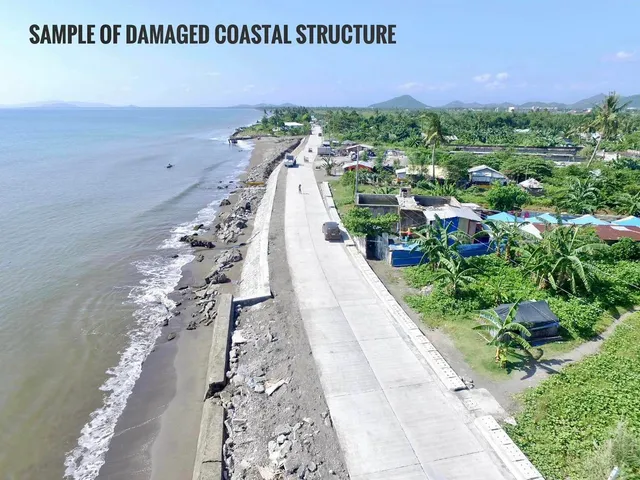
The Department of Public Works and Highways (DPWH) has teamed up with Japanese experts in a move to improve the Philippines disaster risk reduction countermeasures through coastal engineering.

DPWH Senior Undersecretary Emil K. Sadain spearheaded the first joint coordinating committee meeting for the Japan International Cooperation Agency (JICA)-assisted Technical Cooperation Project for Capacity Development in Coastal Engineering for Disaster Resiliency.

The first joint coordinating committee meeting held September 20, 2022 at DPWH Head Office was participated by DPWH Assistant Secretary Constante A. Llanes Jr.; UPMO Flood Control Management Cluster (UPMO-FCMC) Project Director Ramon A. Arriola III; JICA Philippines Senior Representative Masanari Yanagiuchi and other JICA Philippines officials; First Secretary Hiroyuki Kudo and Second Secretary Tomohiro Matsubara of the Embassy of Japan in the Philippines; Senior Deputy Director Masahiro Yamaguchi of Ministry of Land, Infrastructure, Transport and Tourism (MLIT); Mr. Tomoo Iba, Dr. Daiki Tsujio and other members of the JICA Project Team; Bureau of Design OIC-Director Edwin Matanguihan, Bureau of Construction Assistant Director Edgardo Garces, Bureau of Maintenance Assistant Director Teofila Borlongan; and UPMO Project Manager Dolores Hipolito.

The project work plan was presented by the JICA Project Team to the Joint Coordinating Committee (JCC) and Technical Working Group (TWG) for the Project for Capacity Development in Coastal Engineering for Disaster Resiliency which was created thru Special Order 152 issued on August 3, 2022 by DPWH Secretary Manuel M. Bonoan in order to establish effective coordination and collaboration with concerned agencies/officials and ensure the smooth conduct of the project with Senior Undersecretary Sadain as Chairperson and Project Director Arriola as Vice-Chairperson.

The five-year technical cooperation project will come up with a human resource development plan to strengthen the DPWH's capacity and know-how in building disaster-proof structures along coastal areas in the Philippines.

Japanese experts on coastal engineering will share their experiences and train DPWH personnel on planning and designing structures in coastal areas and studying how existing laws and policies can be improved to bridge the gap in disaster management, said Senior Undersecretary Sadain.

On behalf of DPWH Secretary Bonoan, our sincerest appreciation to the Government of Japan thru JICA for the relentless support to the Philippines in developing not just transport infrastructure but also in making communities more safe, resilient, and sustainable, added Senior Undersecretary Sadain.

Also invited at the meeting as official members of the joint coordinating committee for the Philippine side are representatives from the Department of the Interior and Local Government; Department of Tourism; Department of Agriculture - Bureau of Fisheries and Aquatic Resources; Philippine Institute of Volcanology and Seismology; National Mapping and Resource Information Authority; Philippine Atmospheric, Geophysical and Astronomical Services Administration; Office of Civil Defense; Philippine Ports Authority; Philippine Reclamation Authority; Philippine Space Agency; and the University of the Philippines.

The joint committee meeting has been an effective platform for exchange of information, ideas, opinions and experiences among key actors in coastal management as well as in reaching consensus on the considerations and planned approach towards achievement of the objectives of the project.

As natural phenomenon keeps on changing, the Project Team also discussed some coastal issues such as erosion, flooding and damaged coastal infrastructures in selected sites within the Luzon and Visayas region based on their recent surveys and site visits.

In his closing message, Project Director Arriola expressed hope that respective offices/agencies will continue to support this project through active participation in future seminars and meetings, as well as through sharing of coastal-related data and information.


Article courtesy of the Department of Public Works and Highways

September 20, 2022

Photo credit: Global Ferronickel Holdings

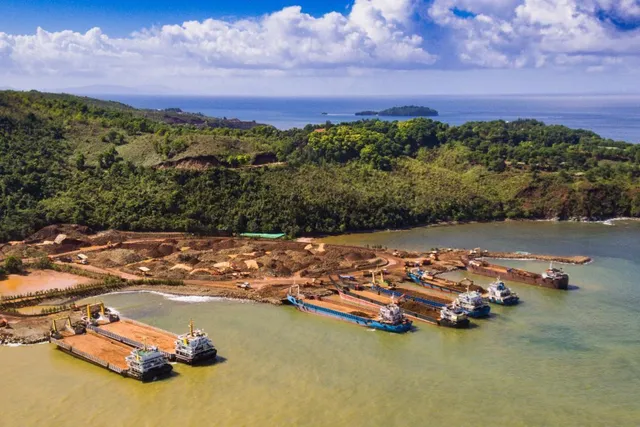
Ipilan Nickel Corporation (INC), an affiliate of Global Ferronickel Holdings, Inc. (FNI), announces the successful completion of its maiden shipment of ore today from its mine site in Brooke’s Point, Palawan. With 54,700 Wet Metric Tons of medium-grade nickel ore loaded aboard M/V He Sheng Nan Fang, INC declared anchors aweigh for its first export en route to Guangdong Century Tsingshan Nickel Industry Co., Ltd in China (GCTN). A long-standing customer of FNI’s Surigao-based Platinum Group Metals Corporation (PGMC), GCTN is looking forward to building a solid relationship with INC.

“After years of careful planning and regulatory compliance, this inaugural shipment is a remarkable milestone for our Group and bodes well for the country’s economic and social governance goals at this critical time. Target for the year is 500,000 WMT, with increased production in the coming years, as we begin year-round operations,” said FNI Chairman Joseph C. Sy.

Under its Mineral Production Sharing Agreement (MPSA) with the government, INC is authorized to engage in the exploration, development and utilization for commercial purposes of nickel and other mineral deposits in the Municipality of Brooke’s Point, Palawan, with an area of 2,835 hectares. Estimated mine life is at least ten years, with an annual production rate of 1.5 million WMT of medium- to high-grade nickel ores. INC employs more than 1,300 personnel, mainly from the local community and nearby areas.

“We are proud of this development because it sets the tone for the optimal pursuit of our social development and environmental protection objectives. INC can now roll up the score in community engagement with various socio-civic initiatives in place from the beginning of our operations,” added Mr. Sy.

These projects include support for education, wellness, and livelihood development through scholarship grants, donation of school supplies, rice harvesters, fishing boats and implements, a brand new ambulance, medicines and other health essentials, construction of covered courts, daycare center, and health facility, allowances for teachers, barangay health workers and a community doctor, feeding programs, medical missions, livestock and rice farming assistance, and installation of solar dryers. INC has also tagged infrastructure as its primary focus with the establishment of a mini-hydro power plant and farm-to-market roads. During calamities, INC came in as one of the first responders, allotting over two million pesos worth of food and water supplies to those affected by Typhoon Odette and 12 million pesos more in medical equipment and sacks of rice at the height of the pandemic.


Article courtesy of Global Ferronickel Holdings

September 19, 2022

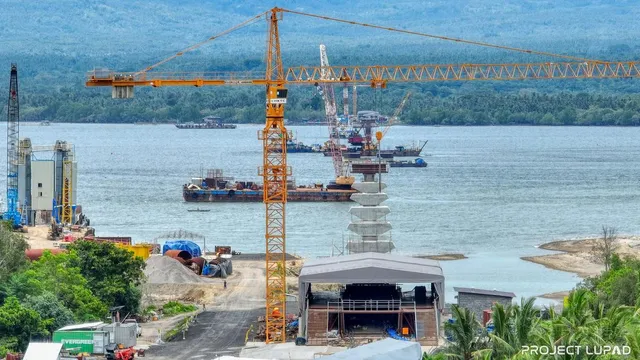
Photo: The Panguil Bay Bridge Project is 58 percent complete as of September 2022. It will connect Tangub town, Misamis Occidental and Tubod town in Lanao Del Norte province and reduce travel time from 2.5 hours to just 7 minutes. (Courtesy of Project Lupad Facebook)

President Ferdinand "Bongbong Marcos Jr. wants all bridges already under construction to be completed as soon as possible, according to the Department of Public Works and Highways (DPWH) on Friday.

DPWH Secretary Manual Bonoan allayed lawmakers’ concerns over the unfinished bridges in their respective districts during the House Appropriations Committee budget hearing.

Bonoan said one of the specific instructions of the President was to complete all started bridges “at the earliest possible time because we recognize actually the importance of the bridges that will cross the major rivers, which will provide efficient transport network.”

The bridge program is part of PBBM’s “Build Better More Program” to sustain the administration’s continued push for infrastructure development for “efficient transport and logistics system for goods and services.”

Among those in line to be completed is the 3.77-kilometer Panguil Bay Bridge which will connect Tangub City in Misamis Occidental and Tubod town, Lanao del Norte.

The bridge, currently at nearly 60-percent completion, is expected to cut travel time between Tangub City and Tubod from two and a half hours to just seven minutes.

Bonoan said the DPWH is committed to complete the project by December 2023, including an assurance that President Marcos himself will be present to inaugurate the said bridge.

“I will personally convey to the President about this project, and certainly, I will make a representation for the President to actually come to the site. This is going to be the first big project that probably the President will inaugurate,” Bonoan said.

Another bridge being eyed for completion is the PHP1.5-billion, 548-meter Las Nieves Bridge in Agusan del Norte that will connect the residents of 11 villages situated on the other side of the Agusan River to the town center.

“I can assure that we will attend to the requirements (of the bridge). We will review all the allocations,” Bonoan said.

Flood control projects

Bonoan also assured that flood control projects will be prioritized under the Marcos administration.

The 2023 National Expenditure Program has earmarked PHP168.9 billion for flood control.

The DPWH has already completed some of the master plans to “specifically address” major flooding in the country’s 18 major river basins, according to Bonoan.

“Some of them are being implemented through official development assistance and through local funds. I think these are some of the big-ticket projects under flood control. But we are also trying to help and address the flooding problems in specific municipalities and cities,” he said.

One of the major problems being encountered by the DPWH in flood control is the “outdated and antiquated drainage systems”.

“One of the things we have found out is that because of population growth and urban development, most of the urban cities, including Metro Manila for that matter, the absorption capacity for runoff water is no longer there because everything is being paved. So, the water runoff has to go through a drainage system. So, it’s no longer able to convey the runoff water to be discharged to the major rivers,” he said.

Nevertheless, Bonoan assured that the DPWH will continue to seek specific solutions to address perennial flooding. 


Article courtesy of the Philippine News Agency

September 19, 2022

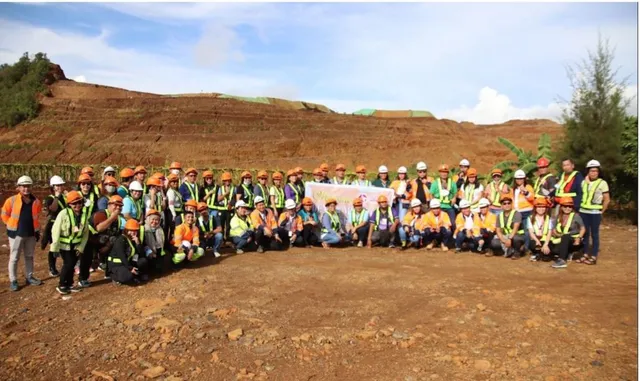
Photo: The participants during the mine visit in Agata Mining Ventures, Inc.

The Mines and Geosciences Bureau (MGB) and the Biodiversity Management Bureau (BMB) of the Department of Environment and Natural Resources (DENR) recently conducted its first leg of orientation for DENR Mindanao Cluster on DENR Administrative Order (DAO) No. 2022-04 re: Enhancing Biodiversity Conservation and Protection in Mining Operations in Balanghai Hotel and Convention Center, Butuan City on September 5-7, 2022.

The said event aims to orient the DENR regional and field offices including personnel from the DENR Central Office (CO) on the salient features of DAO No. 2022-04. Specifically, the orientation aims to level-off, increase appreciation and understanding on the principles and measures of integrating biodiversity in mining sector; and provide a venue for sharing of experiences and practices relative to mining operations.

A total of 65 participants attended the said orientation from the DENR Mindanao Cluster (Regions IX, X, XI, XII, and XIII) composed of Directors, Chiefs, and representatives from DENR Regional Offices (ROs), MGB ROs, Community Environment and Natural Resources Offices (CENROs), Provincial Environment and Natural Resources Offices (PENROs), Conservation and Development Division (CDD), Environmental Management Bureau (EMB), Forest Management Bureau (FMB), and Ecosystems Research and Development Bureau (ERDB).

The participants were welcomed by Ms. Maritess M. Ocampo, Assistant Regional Director for Technical Services of DENR Caraga Region and opening messages were delivered by Ms. Clarissa Arida, Director of Program Development and Implementation Unit of ASEAN Centre for Biodiversity, Ms. Natividad Y. Bernardino, Director of BMB, Engr. Francis Glenn N. Suante, Chief of Mine Safety, Environment and Social Development Division (MSESDD), MGB RO No. XIII; and Engr. Marcial Mateo, Chief of MSESDD, MGB CO.

The following are the topics presented during the said orientation:

  • Overview of the Philippine Mining Industry by For. Teodorico L. Marquez, Jr., Chief, Mine Rehabilitation Section, MSESDD, MGB CO;
  • Overview of Philippine Biodiversity and its Relevant Framework by Ms. Juvy P. Ladisla, Chief, Partnership and Engagement Section, Caves and Wetlands, Division (CAWED), BMB;
  • Overview of Biodiversity Corridor Project by Mr. Ariel Erasga, Natural Resources Management Officer, National Project Management Unit, UNDP-Biodiversity Corridor Project;
  • Salient Provisions of DAO No. 2022-04 by For. Christian Kevin A. Latiza, Chief, Mine Environmental Management Section MSESDD, MGB CO;
  • Measures for Enhancing Biodiversity Conservation and Protection in Mining Operations by Mr. Anson Tagtag, OIC Chief, CAWED, BMB; and
  • Rehabilitation of Degraded Ecosystems by For. Paul Cuadra, Supervising Science Research Specialist, Forest Ecosystems Research Division, ERDB.

An open forum was then conducted between the participants and the presenters to discuss the various matters relating to the implementation of DAO No. 2022-04.

Likewise, a Training Needs Assessment (TNA) was conducted by Ms. Argean S. Guiaya, Senior Ecosystems Management Specialist, CAWED, BMB, in preparation for the development of modules and instructional materials on the integration of biodiversity in the mining sector pursuant to Section 10 of DAO No. 2022-04 to be prepared by BMB in consultation with MGB.

On the second day of the learning event, the participants visited Agata Mining Ventures, Inc. (AMVI) located in Jabonga, Santiago and Tubay, Agusan Del Norte. The said mine visit aims to acquaint the participants on the existing implementation of AMVI’s biodiversity conservation and protection measures in their mining operations.

Overall, the event was made possible through the financial and technical support of the ASEAN Centre for Biodiversity BCAMP and DENR-UNDP Biodiversity Corridor Project, in coordination with BMB and MGB.

The remaining leg of orientations on DAO No. 2022-04 for DENR Luzon Cluster (Regions CAR, I, II, III, IV-A) and Visayas Cluster (Regions IV-B, V, VI, VII, VIII) will be held in CY 2023.


Article courtesy of the Mines and Geosciences Bureau

See Our Latest Issue