Category:


Weir Minerals’ materials technology keeps the Warman® MCR® slurry pump at the forefront of innovation and elastomer development
Weir Minerals rubber technology has long been a hallmark of its offering to the mining and minerals processing industry. The Warman® MCR® slurry pump is a case in point; often utilised in applications where competitors use metal-lined pumps, Weir Minerals continues to push the boundaries of what rubber is capable of in mill circuit applications.
Weir Minerals has the ability to formulate, mix and develop proprietary rubber compounds with the properties required to achieve a high level of wear resistance in mill circuit applications, in which there’s a broad particle-size distribution, and particles are often hard and angular.
R&D is an important focus for Weir Minerals and has been integral to its ability to remain at the forefront of innovation in the mining and minerals processing industry. Investing in R&D is central to its strategy and at the heart of its commitment to innovative engineering.
Weir Minerals works closely with its customers to understand their specific challenges and problems and it develops solutions to improve their operations. It’s an on-going process, born out of a commitment to make mining more sustainable, efficient and safer.
The Warman® MCR® slurry pump, as a case in point, is underpinned by years of R&D, conducted by dedicated teams of engineers, scientists and product experts – this is what it requires to create a market-leading product.
R55® rubber – Weir Minerals’ standard for rubber wear lining
The Warman® MCR® pump utilises a unique rubber compound known as R55® rubber; its physical properties give it a high resistance to tearing and cuts, which means it’s capable of performing well in applications where competitors generally use metal liners. R55® is the standard rubber utilised to line Warman® MCR® slurry pumps.
The key to formulating a rubber with high tear and cut resistance lies, in part, in the reinforcement particles that are added. These filler particles have varying properties, but, generally speaking, there’s a correlation between how well the particles are dispersed and the relative wear resistance of the final product.
Armachrome® highly wear-resistant overlay material
Weir Minerals is increasing utilising Armachrome® - a highly wear-resistant overlay material– in mill circuit applications. It’s one of the most wear-resistant materials commercially available and can be added to pump throatbushes, volute liners and, most recently, impellers.
Armachrome® wear parts provide enhanced, extended wear life and localised wear performance. For example, if there is only the need to improve wear performance around the eye, rather than applying Armachrome® material to the whole throatbush, Weir Minerals has the capabilities to locate the higher wearing material only in the target section experiencing high wear.
Armachrome® wear parts is a bespoke Weir Minerals solution and extensive field results have been extremely positive. For instance, in oil sands operations, wear resistance has been significantly improved relative to white iron. Similarly, in Warman® MC pumps, the field results have been equally as promising.
As Weir Minerals continues to strive to make mining smarter, efficient and sustainable, R&D investment will play a crucial role in the development of advanced wear materials that help to achieve these objectives. Increasingly, customers are turning to Weir Minerals to help them reduce their carbon footprint because they know it has market-leading materials technology that extend wear life and improve efficiency.
Click here to discuss how Weir Minerals’ materials technology optimises Warman® MCR® slurry pumps.



DPWH-DOF CONDUCTS PERFORMANCE REVIEW MEETING FOR ODA-FUNDED FLAGSHIP PROJECTS
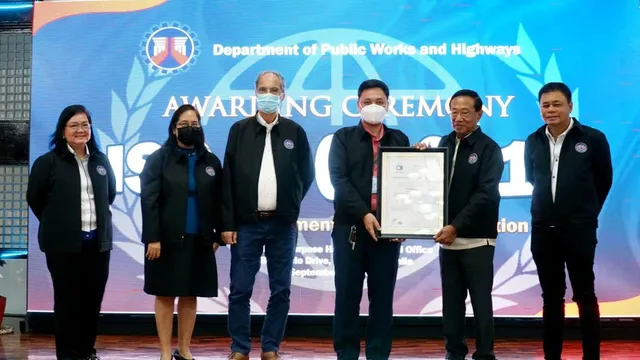
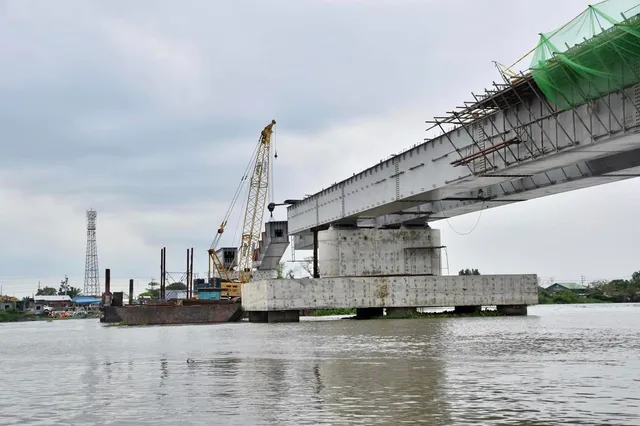
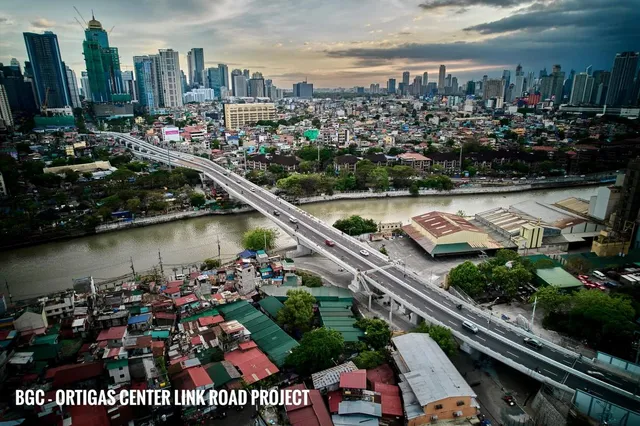
Photo credit: Department of Public Works and Highways
Officials of the Department of Public Works and Highways (DPWH) and Department of Finance (DOF) met on Friday, September 2, 2022 for the review of flagship infrastructure projects funded by Official Development Assistance (ODA).
DPWH Senior Undersecretary Emil K. Sadain said that the review meeting with the DOF International Finance Group headed by Undersecretary Mark Dennis Y.C. Joven is in line with the DPWH goal of stepping up implementation of key infrastructure projects to support the government’s economic recovery and create the country’s foundation for stronger and more inclusive growth.
Secretary Manuel M. Bonoan has earlier declared that the administration of President Ferdinand Romualdez Marcos Jr. will ‘build better more’ as it continues to build and complete flagship infrastructure projects that have been started and approved by the previous administration to boost the Philippine economy.
According to Senior Undersecretary Sadain, several roads, bridges, and flood control projects handled by the DPWH Unified Project Management Office (UPMO) Operations are financed by foreign grants and loans and passed on to the new administration in the advanced stage of implementation.
Senior Undersecretary Sadain said that external sources of funds such as Japan International Cooperation Agency (JICA), Asian Development Bank (ADB), Korean Government’s Economic Development Cooperation Fund (EDCF), China ODA, World Bank and Asian Infrastructure Investment Bank (AIIB), and the United Kingdom affirmed commitment to sustain infrastructure partnership with the Philippine government by providing support investments to bankroll numerous big-ticket infrastructure projects.
The Japanese government thru JICA Philippines currently supports the Arterial Road Bypass Project, Phase Ill (Plaridel Bypass); Davao City Bypass Construction Project; Road Network Development Project in Conflict Affected Areas in Mindanao; Programme for the Support to Rehabilitation and Reconstruction of Marawi City and its Surrounding Areas; Cebu-Mactan Bridge (4th Bridge) and Coastal Road Construction Project; Metro Manila Priority Bridges for Seismic Improvement Project (Guadalupe and Lambingan Bridges); Pasig-Marikina River Channel Improvement Project, Phase IIl (improvement of remaining sections along Pasig River, Delpan Bridge to Napindan Channel); Pasig-Marikina River Channel Improvement Project, Phase IV; Flood Risk Management Project for Cagayan River, Tagoloan River and Imus River; Flood Risk Management Project for Cagayan De Oro River; and Cavite Industrial Area Flood Management Project.
Projects covered by financing partnership arrangements with ADB, a multilateral financial institutions, are the Improving Growth Corridors in Mindanao Road Sector Project; Emergency Assistance for Reconstruction & Recovery of Marawi (Output 2: Reconstruction and Development Plan for a Greater Marawi, Stage 2; Metro Manila Bridges Project (3 Bridges connecting Marikina City and Quezon City: Kabayani-Katipunan Avenue Extension Bridge formerly Marikina-Vista Real Bridge, Homeowners Drive-A. Bonifacio Avenue Bridge formerly J.P. Rizal-Lopez Jaena Bridge, and Marcos Highway-St. Mary Bridge formerly J.P. Rizal-St. Mary Bridge); Bataan-Cavite Interlink Bridge; and Laguna Lakeshore Road Network Project, Phase I.
Meanwhile, the Chinese government through a bilateral loan agreement and/or grant financing facility are involved in the following projects: Metro Manila Logistics Network - China-Grant Bridges: Binondo-Intramuros and Estrella-Pantaleon Bridges; Samal Island-Davao City Connector Bridge; Priority Bridges crossing Pasig-Marikina River and Manggahan Floodway Bridges Construction Project (3 Bridges: North & South Harbor Bridge, Palanca-Villegas Bridge, and Eastbank-Westbank Bridge); Panglao-Tagbilaran City Offshore Bridge Connector; Davao City Expressway; and Ambal-Simuay River and Rio Grande de Mindanao River Flood Control and Riverbank Protection Project.
Under Korea ODA are the design and build for the construction of Panguil Bay Bridge; Samar Pacific Coastal Road Project; Integrated Disaster Risk Reduction and Climate Change Adaptation Measures in the Low-Lying Areas of Pampanga Bay; and Panay-Guimaras-Negros Link Bridge.
Projects under Wold Bank and AIIB are the Metro Manila Flood Management Project - Phase I and Philippine Seismic Risk Reduction and Resilience Project while the United Kingdom is interested in financing the construction of three (3) long span bridges in the Province of Cagayan namely Alcala, Pinacanauan, and Solana-Bagay under Iconic Bridge Project for Socio-Economic Development, Phase I.
The investments on these public infrastructure on various parts of the country will be the cornerstones way forward to recovery from the pandemic for sustainable development, added Senior Undersecretary Sadain.
At the conclusion of the meeting, both DPWH and DOF strongly supports the holding of regular joint meeting on infrastructure development and economic cooperation to conduct implementation of ODA projects more efficiently and effectively.
The meeting held at DOF Head Office was also participated by DOF Executive Director Helena B. Habulan; UPMO Project Directors Benjamin A. Bautista, Sharif Madsmo H. Hasim, Ramon A. Arriola III, Rodrigo I. Delos Reyes, and Soledad R. Florencio; and Project Manager Shirley O. Castro.
Article courtesy of Department of Public Works and Highways


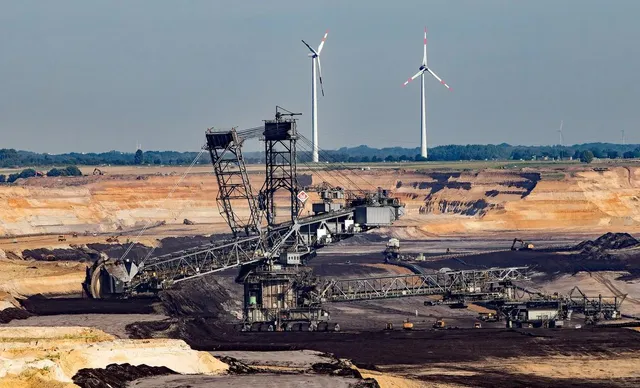
Philippine Department of Mines and Energy?
Every time there is a change in administration, the mineral industry always anticipate with bated breath the identity of the Department of Environment and Natural Resources (“DENR”) secretary. The presidential appointee is scrutinized whether he or she is either sympathetic to the mining industry or a staunch environmental advocate. This can be attributed to the ambiguous nature and function of the DENR. Under the present setup of the DENR, it is mandated to promote investments in the minerals industry through the Mines and Geosciences Bureau and at the same time, enforce national environmental laws through the Environmental Management Bureau. In many jurisdictions, the environment protection agency is totally independent from the administrative body regulating extractive industries. Perhaps it is now high time for Philippine legislators to remove the mining regulation function from the DENR and attach it to a super regulatory body called the Department of Mines and Energy.
A reinvigorated Department of Mines and Energy (“Department”) will serve as the foundation for regulating, promoting, and developing Philippine resource-based industries, which represent one main prospect for economic growth. However, this new Department will certainly face challenges, including multiple regulations, inter-institutional conflicts, dearth in the capacity of regulators, and the threat of political interference.
The Department should be tasked to provide clear policy direction for the extractive sector and deliver improved industry regulations through a strengthened institutional capacity. It should also introduce reforms in state-owned petroleum and mining companies. More importantly, the Department should create a National Geological Survey Agency to collect a comprehensive geological information system and manage a National Mineral and Energy Database. The Department must implement a transparent and accountable governance framework, and improve effective interactions with other regulatory bodies, private companies, development agencies, and stakeholders.
Strengthening Institutional Capacity
Institutional capacity requires highly skilled specialists to provide effective regulatory functions to identify, design, implement, and manage a comprehensive regulatory system. Because the mineral and energy industries are so highly specialized with many technical dimensions, the skills available to the Department should ideally match with those from the private companies it regulates. In order to pursue this, the Department must conduct an organizational and capacity needs assessment. It must craft a plan to deliver the human resources necessary to develop and retain the staff required and implement organizational reforms so that the Department is properly structured to fully deliver its mandate in the areas of policy, regulation, and investment promotion.
High standards of transparency and good governance are essential to tackle corruption and ensure the sector delivers benefits to the stakeholders. These include accountable mechanisms for the allocation of mineral and petroleum rights through improved processes in licensing and contract management. It also involves transparent management of non-tax revenue collection like funds for social development and environment rehabilitation. Complementing contract management is improved oversight and compliance. Regulations must provide the structure for the enforcement of laws and the terms and conditions of the contracts and licenses.
Inconsistent regulatory decisions brought about by ‘regulator uncertainty’ that occurs in the aftermath of political transition create uncertainty for investors. This justifies the creation of an ‘independent’ regulator composed of tenured civil servants based on professional merits and technical expertise working in an organizational structure shielded from political patronage.
Improving the Role of State-Owned Resource Companies
Organizational reforms also require consolidating and strengthening ownership in resource companies owned by the state and providing a degree of effective government control and involvement in decision making. Especially for strategic projects, state-owned resource companies can benefit from preferential financing, low hurdle rate expectations, sovereign guarantees, grants, direct government subsidies, tax concessions, preferential treatment in public procurement, and other forms of public support. With this support system, state-owned resource companies should be encouraged to conduct initial exploration work in frontier areas to mitigate geologic risks.
Take the case of the Philippine National Oil Company-Exploration Corporation (“PNOC-EC”). The low capacity of technical personnel and lack of modern equipment are among some of the issues identified with the company. PNOC-EC could have acquired the interests of the divesting companies in the Malampaya natural gas project if it utilized its ability as a national oil company to access capital, human resources and technical services directly from oil field service companies (“OFSC”). OFSCs have been offering national oil companies services, specialized operations, and outsourcing needs with their high technical experience. Their services cover virtually all areas of exploration and production including facilities and reservoir-related services.
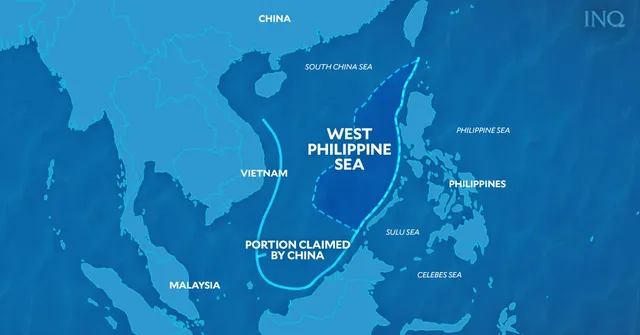
With the Malampaya acquisition, PNOC-EC can aggressively track new opportunities for growth through access to capital markets, increased profits, and greater participation in technology advancements. Further, it is better able to mitigate political risks through government-to-government relationships and negotiation strategies using the political muscle of the Philippine government. PNOC-EC has the ability to take greater risks, with strategic and geopolitical goals factored into investment decisions rather than being purely based on commercial considerations. A strong PNOC-EC could also have better leveraged in explorating in the disputed West Philippine Sea.
In the case of the Philippine Mining and Development Corporation (“PMDC”), direct mining operations may be out of reach for the company at present. PMDC was designated as the implementing arm of the DENR in undertaking the mining and mineral processing operations in the 8,100 hectare Diwalwal Mineral Reservation. However, PMDC can gradually develop capability through knowledge transfer by working in partnership with private companies thereby increasing in-house technical capability.
Managing the state’s equity in mineral projects is technically easier than operating mines, but it also requires dedicated professional skills to ensure that the state’s shares yield an appropriate return. In particular, board membership should be filled by skilled professionals who can dedicate substantial time to these tasks. Commercial efficiency is the best way of achieving PMDC’s goals over the long term. Detailed laws and rules on how PMDC is structured and how it interacts with state institutions and private investments, are necessary. The PMDC should also be able to manage itself with sufficient autonomy to make relevant and timely decisions. However, public accounts should be maintained in accordance with international standards and subject to independent audits.
Establishing a National Geological Survey Agency
Too often, regulators are bogged down by the sheer volume of monitoring, inspections, and extension work required. Also, the workload spent by technical personnel in contract monitoring results in insufficient time to assess the resource potential of the country, which is primarily the mandate of a Department handling the mineral and energy industries. Under the present set-up, technical personnel must also engage in the inspection of small-scale operations and geo-hazards aside from contract compliance duties.
The mineral and energy industries are capital and technology-intensive, which means that the country will need to attract significant private sector investment. One method to attract investment is by providing modern geological information to investors and this can be adequately fulfilled by a National Geological Survey Agency (“NGSA’). The Department shall be solely responsible for the establishment and control of an NGSA whose task is to conduct a comprehensive geologic survey and provide reliable scientific information on how to manage energy and mineral resources.
The survey will contribute important data to the Department and other agencies and compile assessments of minerals, energy, and other resource potential. The NGSA shall also provide services on geological mapping, geotechnical investigation, hydrogeological mapping, geophysical and geochemical mapping as well as basin analysis. It shall also engage in mineral and petroleum resources exploration and evaluation. By building technical capacity in the NGSA, the Department will improve the understanding of the country’s resource endowment and provide geoscientific information to investors.
National Mineral and Energy Database
Ease of access to a mineral and energy database facilitates investment into the extractive industries of a country. As such, having the digital infrastructure to host this data administered by the NGSA, is important for attracting new investments. The database will serve as a central depository for resource data and will be made available to the public on a centralized web and cloud platform for easy information access. The availability of additional information reduces uncertainty and increases investor confidence. Information and knowledge increase resource certainty and reduce risk, which allows better access to risk capital for further exploration as well as a more accessible and manageable base from which to develop a portfolio of resource projects. The digital platform to be used for access to the data bank can also be utilized in the submission of information to regulators for monitoring and compliance purposes.
The Department should also continue to adapt to a standard global classification system that addresses the probability of risk based on a set of resource criteria and attributes. This classification system would provide developers and potential investors with more information, and as a tool for resource valuation, allowing for the development of risk-balanced portfolios. Such standardization is critical to make informed decisions on development opportunities. The implementation of the resource classification system would provide the industry a clearly defined framework to evaluate prospects and establish a common industry language for resource and risks assessments. The Department and private industry should aim for the recognition by financial institutions and stock exchanges of the resource classification system to facilitate access to capital.
Enhancing Government Collaboration and Economic Linkages
While the Department shall have the primary responsibility for developing extractive industries, it also recognizes that many of its activities will require collaboration and linkages with other institutions. Inter-institution coordination among other resource-regulating agencies not directly under the supervision of the Department like local government units, the National Commission on Indigenous Peoples, Energy Regulation Commission and other agencies will lower the transaction costs of developers.
Regulation of the extractive industries requires all responsible government agencies to work together and collaborate to strengthen regulation. As the main government agency for the extractive industries, the Department will take a leadership role in institutional collaboration to improve information flow and regulation, and streamline economic development. The Department should manage the effective coordination and collaboration of regulatory activities across the wide range of agencies that ideally should be involved in different aspects of extractives regulations.
Many downstream activities like the processing of minerals require access to low-cost power in order to be competitive. This is where coordination within the Department of Mines and Energy can easily facilitate this major hurdle in developing a viable mineral processing industry. International markets for processed mineral are highly-competitive and it is difficult to compete without relying on a facility where a major cost of production is electricity.
Another instance where the mining and energy function can be coordinated by the Department is the setting up of the regulatory frameworks for hybrid micro-grids. A key advantage of off-grid power plants is that it can power the energy needs of mining operations in remote areas, where the cost of building the infrastructure required to hook the mine up to the grid network or building a conventional power station will be significant. By having a dedicated off-grid power source, a mining operation can meet all its energy requirements and make significant cost savings in the price it pays for electricity. Micro-grids involve a combination of power sources, usually diesel or natural gas generators combined with some renewable energy resources.
In addition, given the significant involvement of the donor community in the extractive sector, the Department shall also establish a donor coordination forum for extractive sector activities. The economic linkages spearheaded by the Department will maximize the economic impact of extractive industries. Such linkages will also improve the efficiency and effectiveness of donor funding.
Inclusion in Conflict Resolution
Petroleum and minerals development has often been cited as a key factor in triggering and escalating violent civil conflicts. It is most likely to occur where local communities have been systematically excluded from decision-making processes, when the economic benefits are concentrated in the hands of a few, and when extractive industries clash with social and environmental concerns of local communities. Unwillingness to address these issues in peace agreements becomes a potential source of conflict in the future. The Department through an active involvement in the peace negotiations can articulate the natural resource issue into the process. Another instance where the involvement of the Department and the national oil company can be put into good use is in the assertion of the country’s sovereignty over petroleum resources in the West Philippine Sea.
Conclusion
Combining the Mines and Geosciences Bureau with the Department of Energy to form a strengthened Department of Mines and Energy will ensure economic growth and sustainable development in the mining and energy sectors. The strengthened Department will provide a stable regulatory framework able to manage the country’s resources and better respond to the strategic objectives espoused in the country’s development objective.
Fernando “Ronnie” S. Penarroyo specializes in Energy and Resources Law, Project Finance and Business Development. He is also currently the Chair of the Professional Regulatory Board of Geology. He may be contacted at fspenarroyo@penpalaw.com for any matters or inquiries in relation to the Philippine resources industry and suggested topics for commentaries. Atty. Penarroyo’s commentaries are also archived at his professional blogsite at www.penarroyo.com
Additional Readings
Addison, Tony and Roe, Alan, Extractive Industries - the Management of Resources as a Driver of Sustainable Development, UNU-Wider Studies in Development Economics, 2018, https://www.wider.unu.edu/publication/extractive-industries
Al-Fattah, Saud L., National Oil Companies: Business Models, Challenges, and Emerging Trends, March 2014, https://www.researchgate.net/publication/261696989_National_Oil_Companies_Business_Models_Challenges_and_Emerging_Trends
Copper Giants: Lessons from State-Owned Mining Companies in the DRC and Zambia, Natural Resource Governance Institute, 2014, https://www.resourcedata.org/dataset/rgi-copper-giants-lessons-from-state-owned-mining-companies-in-the-drc-and-zambia