The Middle East conflict involving the United States, Israel, and Iran remains active but has entered a period of unstable ceasefires and intermittent confrontation. Since its escalation in early 2026, the conflict has been marked by intermittent maritime incidents, shipping disruptions, and persistent geopolitical tension. While diplomatic negotiations continue, the situation has stabilized into a prolonged standoff characterized by recurring risk rather than decisive military confrontation.
The most consequential effects of the conflict have been economic rather than military. Energy markets have absorbed a sustained geopolitical risk premium, resulting in elevated oil prices, increased shipping costs, and heightened volatility across global supply chains. These changes affect not only energy-importing countries but also industries dependent on international trade and transportation.
For import-dependent economies such as the Philippines, the conflict has introduced a structural shift in economic risk. Even if hostilities diminish, uncertainty surrounding energy supply routes and shipping infrastructure is likely to persist. Governments and industries must therefore adapt to an operating environment defined by sustained volatility rather than temporary disruption.
Mining remains one of the most strategically significant sectors of the Philippine economy, serving as a major source of export revenue, regional employment, and industrial raw materials for global manufacturing and energy systems. The country is among the world’s leading producers of nickel and an important supplier of copper and gold, positioning it as a critical participant in international mineral supply chains. Because mining operations depend heavily on energy, transportation, and global commodity markets, the sector is highly sensitive to geopolitical developments that affect fuel prices, shipping routes, and industrial demand.
Implications for the Philippine Mining Industry
The Philippine mining industry faces a complex set of consequences from the Middle East conflict. While geopolitical instability supports higher commodity prices, rising operating costs reduce profitability.
Periods of geopolitical instability often support higher prices for safe-haven and industrial metals particularly gold, while supply disruptions and industrial demand can influence prices for minerals such as nickel and copper. This improves export revenue potential for mining companies. However, higher fuel, electricity, and transportation costs increase the cost of extracting and delivering minerals.
The resulting economic environment is characterized by constrained profitability, where revenue gains are offset by cost inflation. Long-term competitiveness will depend on operational efficiency, cost control, and supply chain resilience.
Nickel mining is one of the most strategically significant sectors in the Philippine mining industry. Disruptions in global supply chains—particularly those affecting inputs used in mineral processing—have increased production costs in competing jurisdictions. This dynamic has supported higher global nickel prices and strengthened demand for Philippine exports. However, the benefits remain conditional because mining operations remain highly sensitive to energy costs. Rising fuel and power prices can offset gains from higher commodity prices.
Copper and gold producers occupy a relatively resilient position in the mining sector. Gold serves as a financial safe-haven asset during periods of geopolitical uncertainty, while copper demand remains linked to infrastructure development and industrial growth. These commodities are therefore likely to maintain stable demand despite market volatility. However, rising operating costs continue to place pressure on profit margins.
Coal producers may benefit indirectly from higher global energy prices as utilities seek alternative fuel sources. However, increased diesel and equipment costs offset part of this revenue advantage. The net effect on the coal mining sector is moderate rather than transformative, with incremental revenue gains balanced by rising operating expenses.
Industrial and Logistics Implications for the Mining Supply Chain
Energy-intensive industries such as cement manufacturing are among the most negatively affected sectors. Rising fuel and electricity costs increase production expenses, while competitive market conditions limit the ability of companies to pass these costs on to consumers. This imbalance results in margin compression and increased financial risk. Over time, firms may invest in energy efficiency and alternative fuels, but these adjustments require capital investment and implementation time.
Shipping and logistics infrastructure plays a critical role in the competitiveness of the mining industry. Geopolitical instability increases insurance costs, fuel expenses, and transit times for cargo vessels. These changes raise the cost of transporting minerals and reduce delivery reliability. The primary risk facing the logistics sector is cost escalation rather than physical supply disruption. Transportation efficiency has therefore become a key determinant of mining profitability and export performance.
Structural Exposure to Imported Energy
The Philippine energy system relies heavily on imported fuels, including crude oil and coal. The Philippines is becoming increasingly increasingly reliant on liquified natural gas (LNG) as domestic natural gas supply declines. The country is currently in a transition phase from domestic natural gas to imported LNG, which means reliance is rising and will likely become significant within the next decade.
This dependence creates a systemic vulnerability to geopolitical instability in major energy-producing regions. Because domestic energy resources remain limited relative to national demand, changes in global fuel markets rapidly affect electricity prices, industrial production costs, and household expenditures.
The immediate consequence of the Middle East conflict has been rising costs rather than supply shortages. Energy deliveries continue, but transportation risks and insurance premiums have increased significantly. These additional costs propagate through the energy supply chain—from fuel importation to power generation and distribution—ultimately reaching consumers in the form of higher electricity and fuel prices.
The Philippine energy sector is therefore transitioning from a relatively stable cost environment to one characterized by sustained volatility. Energy planning and investment decisions must now incorporate uncertainty related to fuel prices, shipping costs, and exchange rates.
Five operational effects define the current risk landscape for the Philippine energy sector. First, rising global oil and gas prices have increased operating costs for power plants, transportation systems, and industrial facilities. These increases contribute to inflationary pressure across the economy.
Second, generation costs have risen significantly, particularly for facilities dependent on imported fuels. Price volatility complicates operational planning and increases financial risk for electricity producers.
Third, the conflict has intensified pressure on national energy security policy. Government agencies have prioritized fuel supply stability, infrastructure resilience, and strategic reserve management.
Fourth, renewable energy has become more economically attractive as fossil fuel costs rise. This shift will accelerate investment in renewable generation, storage systems, and grid modernization.
Fifth, currency fluctuations have amplified the cost of energy procurement because most fuel imports are denominated in foreign currency.
Together, these developments signal a fundamental transition in the Philippine energy sector—from a system focused primarily on supply adequacy to one increasingly centered on risk management and resilience.
Sectoral Impacts Across the Philippine Energy System
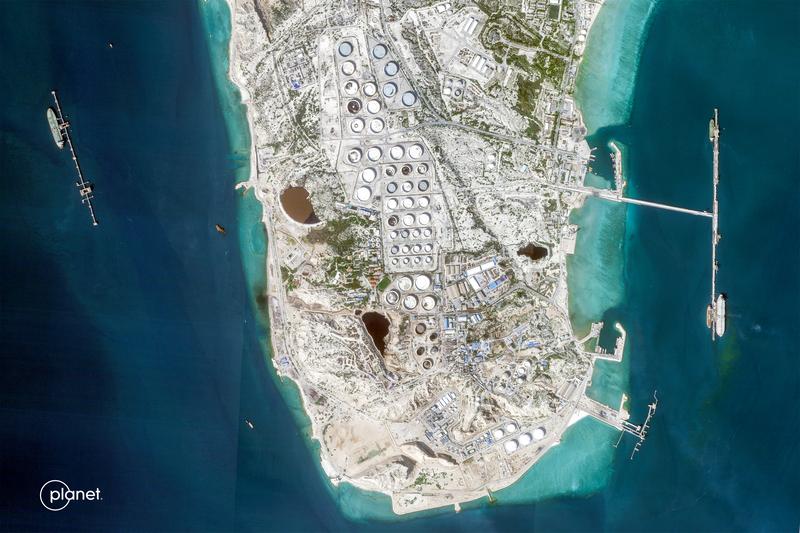
The oil importation sector remains the most immediately exposed to geopolitical instability. Because the Philippines relies heavily on imported petroleum products, disruptions in international shipping particularly in the Strait of Hormuz directly increase procurement costs and financial risk. Even when supply volumes remain stable, higher transportation and insurance costs increase the total cost of fuel imports.
The power generation sector is structurally vulnerable to fuel price volatility because the Philippine electricity system depends heavily on imported energy sources. Rising fuel costs increase electricity production expenses and create pressure for higher consumer tariffs.
Utilities operating under regulated pricing frameworks in the Philippines generally remain financially stable because fuel and power procurement costs are allowed to be passed through to consumers. However, increases in electricity prices often trigger regulatory review and public scrutiny, creating reputational and policy risks for utilities. Independent power producers face greater financial exposure, particularly when operating under fixed-price contracts or merchant market conditions where revenues may not fully offset rising fuel and operating costs. Key sector risks therefore include sustained increases in generation costs, tariff pressure, intensified regulatory oversight, and operational uncertainty.
The LNG sector represents both vulnerability and opportunity. In the short term, rising global gas prices increase generation costs and supply risk. In the long term, LNG infrastructure development is expected to expand as policymakers seek to diversify energy sources and improve supply reliability. LNG therefore plays a transitional role in strengthening energy security while supporting the shift toward a more diversified energy mix.
Renewable energy is the primary structural beneficiary of sustained geopolitical instability. Unlike fossil fuel-based generation, renewable energy relies on domestic resources and is less vulnerable to international supply disruptions. As fossil fuel prices become more volatile, renewable energy projects become increasingly competitive in operating cost and energy security terms. Governments and investors should prioritize renewable energy as a strategic component of energy security and economic stability. Over time, renewable energy is expected to transition from a supplementary energy source into a core pillar of the Philippine energy system.
Probable Future of the Conflict and Strategic Outlook
The most probable future trajectory of the Middle East conflict is a prolonged period of geopolitical tension rather than a decisive military resolution. While large-scale escalation remains unlikely, underlying strategic rivalries are expected to sustain recurring instability.
This environment creates three enduring conditions: persistent energy price volatility; increased maritime transportation risk; and sustained supply chain uncertainty. These conditions represent a structural transformation in the global risk landscape.
The prolonged nature of geopolitical instability will reinforce the vulnerability of the Philippine energy system while accelerating structural changes in energy policy and investment. Three major trends are expected to define the sector’s evolution: sustained cost volatility; increased pressure for energy diversification; and accelerated renewable energy investment. Energy planning will increasingly focus on resilience, flexibility, and risk management rather than solely on supply expansion.
On the other hand, the Philippine mining industry is expected to benefit from sustained global demand for critical minerals while facing rising operational costs. Three structural trends are likely to shape the sector: stable demand for strategic minerals; increasing production and logistics costs; and growing strategic importance in global supply chains. In periods of global instability, mining can simultaneously benefit from rising mineral prices while facing increased operating costs, creating a complex economic environment in which opportunity and risk coexist.
Conclusion
The Middle East conflict will not derail the development of the Philippine mining and energy industries but it will permanently reshape the rules under which they operate. Energy will become costlier and more strategically sensitive to global events, while mining will become increasingly critical to international supply chains even as sustaining production grows more expensive.
The deeper implication is structural. Geopolitical risk is no longer episodic; it has become embedded in the global economic system. For the Philippines, this means planning for volatility rather than stability. Investment decisions, infrastructure development, and resource policy will need to be designed around resilience, diversification, and long-term risk management. In this new environment, uncertainty is not a temporary challenge; it is the baseline condition.
Fernando “Ronnie” S. Penarroyo specializes in Energy and Resources Law, Project Finance and Business Development. He is also currently the Chair of the Professional Regulatory Board of Geology, the government agency mandated under law to regulate and develop the geology profession. For any matters or inquiries in relation to the Philippine resources industry and suggested topics for commentaries, he may be contacted at fspenarroyo@penpalaw.com. Atty. Penarroyo’s commentaries are also archived at his professional blogsite at www.penarroyo.com