For years, discussions surrounding mining in the Philippines have largely focused on permitting, environmental concerns, social acceptability, and the perennial question of whether we are deriving sufficient value from our mineral resources.
Today, however, the conversation has evolved to highlight the role of critical minerals in the development of the Philippine mining industry. Critical minerals are progressively regarded as strategic assets: essential not only to economic development, but also to energy transition, technological innovation, and even national security.
Nickel, copper, cobalt, and rare earth elements have become central to the global transition toward electric vehicles, renewable energy, battery storage, and advanced technologies.
For the Philippines, this shift presents both an opportunity and a challenge.
Recent months have seen a number of developments positioning the Philippines more prominently within global critical minerals supply chains.
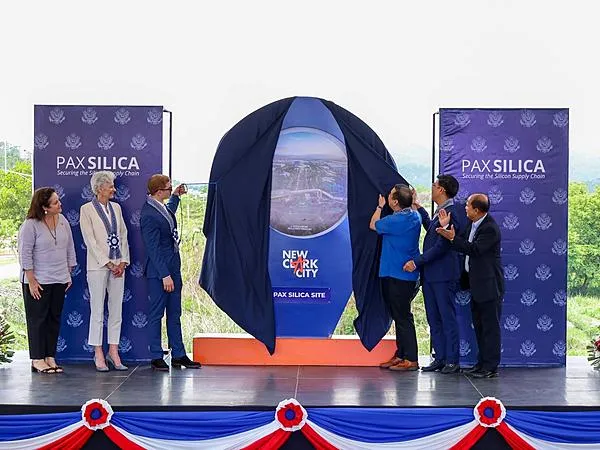
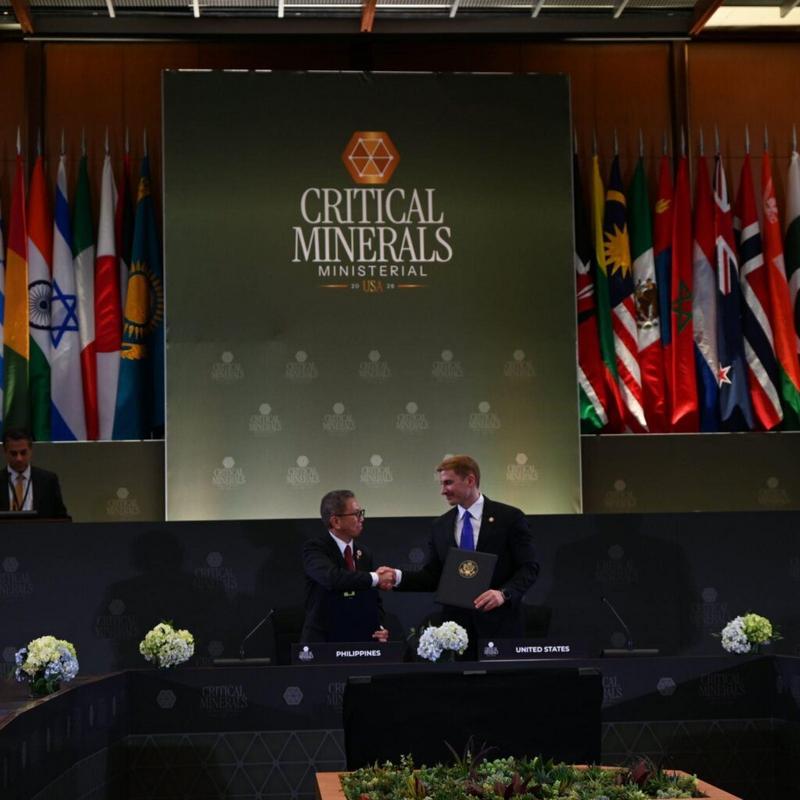
Most significant was the signing in February 2026 of a Memorandum of Understanding between the Philippines and the United States on cooperation in critical minerals supply chains. The agreement seeks to strengthen cooperation on responsible mining, mineral processing, investment, and supply chain resilience. This reflects a growing recognition among major economies that secure and diversified mineral supply chains are now matters of strategic importance.
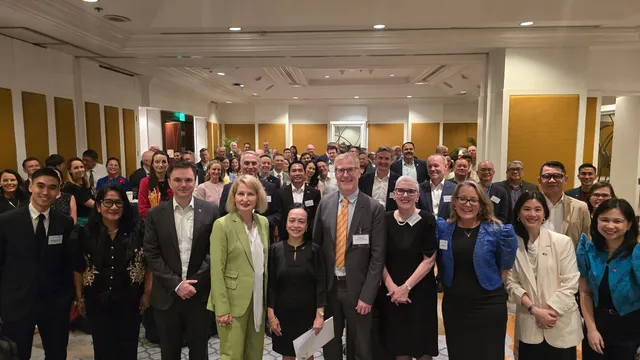
This aligns with the initiatives of other mining jurisdictions such as Australia and Canada to work with the Philippines in prioritizing critical minerals as strategic and national security assets rather than merely commodities. These efforts have also been referred to as “mining diplomacy”.
Meanwhile, global demand for nickel and copper continues to rise as countries accelerate renewable energy initiatives. For mineral-rich countries such as the Philippines, this creates pressure to reconsider the longstanding export-oriented model.
The real value of critical minerals lies not merely in exporting ore, but in participating in higher-value activities such as refining, precursor manufacturing, battery materials processing, and associated industrial ecosystems. Whether the Philippines can successfully move into these areas remains one of the defining policy questions facing our mining industry.
Increasingly, this conversation on critical minerals also intersects with innovation and intellectual property.
The race to secure critical minerals is not limited to access to mineral deposits. It also involves competition over the technologies used to process minerals more efficiently, reduce environmental impacts, improve battery performance, and develop alternative extraction and recycling methods. In many respects, the future value of critical minerals may depend as much on technology and know-how as on geology itself.
Countries that succeed in downstreaming are often those that build ecosystems supporting research, technical capability, and technology transfer alongside extraction activities. Patents, proprietary processing technologies, licensing arrangements, and collaborative research partnerships are becoming increasingly important components of the global critical minerals landscape.
Innovations come not just from the mining companies themselves, but other companies in the ecosystem, including those that specialize in mining equipment, technology and services (METS) which use IP to pursue their internationalization strategies.
As examples, Australia and Canada are using innovation and intellectual property strategies to move beyond traditional extractive mining models and capture greater value from the critical minerals supply chain. In both jurisdictions, mining companies are investing heavily in proprietary mineral processing technologies, environmentally sustainable extraction methods, recycling systems, and advanced metallurgical processes. Companies are also actively securing patents and exclusive licensing arrangements covering new recovery technologies for critical minerals and rare earth elements, recognizing that future competitiveness will depend not only on access to mineral deposits, but also on control of the technologies used to process and refine them.
A notable element in both countries is the strong collaboration among mining companies, universities, government research institutions, and technology developers. In Australia, mining innovation is increasingly driven by partnerships with institutions such as the Commonwealth Scientific and Industrial Research Organization or CSIRO [the equivalent of our Department of Science & Technology (DOST)] and leading universities, with technologies later commercialized through licensing and joint venture arrangements. Locally, DOST’s Philippine Council for Industry, Energy and Emerging Technology Research and Development (DOST-PCIEERD) focuses on strengthening the local mining and minerals sector through research, development, and value-addition initiatives, including transforming raw mineral resources into higher-value, sustainable products.
Canada, meanwhile, has placed particular emphasis on IP commercialization and integrating mining into broader EV, battery, and clean technology supply chains. Canadian initiatives likewise focus on helping mining companies identify, protect, and monetize valuable IP assets arising from mining innovation.
For the Philippines, critical minerals, IP and innovation present an important but often overlooked opportunity.
The country’s participation in the critical minerals economy should not be viewed solely through the lens of extraction and processing. There is also space to develop local expertise in mining technologies, environmental solutions, mineral processing innovations, and sustainability practices adapted to Philippine conditions.
Several examples already demonstrate that innovation within Philippine mining is possible.
Some Philippine mining companies have adopted real-time environmental monitoring systems that allow continuous monitoring of water quality, rainfall, slope movement, and tailings facilities. These technologies improve risk management while also strengthening transparency and regulatory compliance.
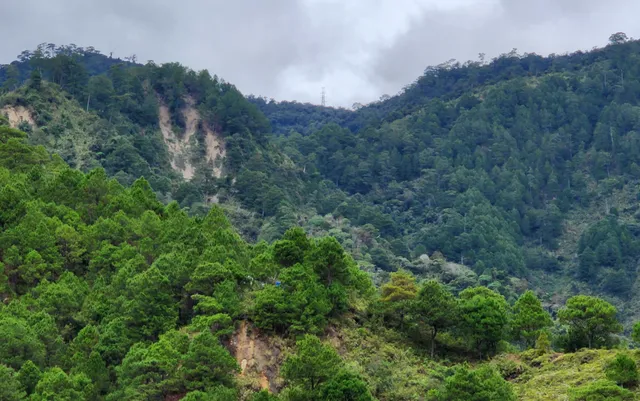
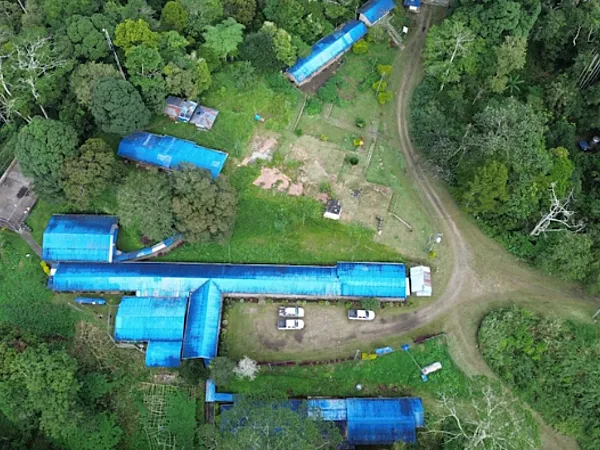
Other companies have invested in progressive mine rehabilitation techniques, including the use of native species propagation, biodiversity mapping, and drone-assisted monitoring of rehabilitation areas. In a country highly vulnerable to climate and biodiversity risks, innovations in rehabilitation and watershed management may become increasingly valuable forms of mining expertise.
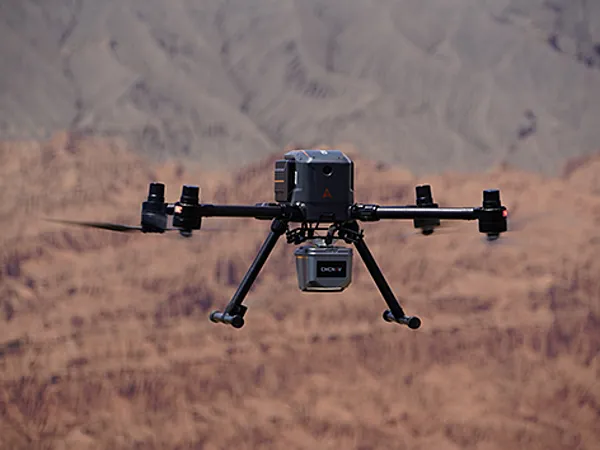
Digitalization is also beginning to reshape Philippine mining operations. The use of geographic information systems, drone surveying, automated fleet management, and remote sensing technologies has improved operational efficiency and safety in several large-scale mining projects.
As artificial intelligence and predictive analytics continue to evolve, opportunities abound for Philippine mining companies and local technology providers to develop solutions tailored to the country’s unique geological and environmental conditions.
Beyond operational technologies, the Philippines may also have opportunities in mineral processing innovation itself. For example, research into more energy-efficient nickel processing methods, low-carbon mineral refining, mine waste recovery, and circular economy technologies could become increasingly relevant as global industries seek more sustainable supply chains. The country’s extensive experience with lateritic nickel ores may also create opportunities for specialized technical expertise in processing ore types commonly found in tropical environments. In time, Philippine-developed technologies or environmental management practices may themselves become exportable expertise.
Strengthening intellectual property awareness within the mining sector will therefore become increasingly important. Mining companies often focus primarily on permits, operations, and production targets, yet proprietary technologies, software systems, environmental processes, and technical solutions may also represent valuable intellectual assets.
As the Philippines mining industry evolves, our competitive advantage will increasingly depend not only on who possesses critical minerals, but on who develops the knowledge, systems, and technologies surrounding them.