
June 10, 2024

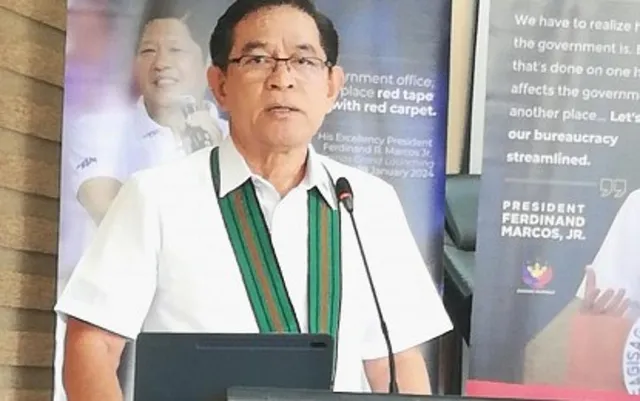
An inter-agency meeting will help streamline processes in obtaining small-scale mining permit, Anti-Red Tape Authority (ARTA) Secretary Ernesto Perez said Friday.

In a press conference here, Perez said he has met with regional Bangko Sentral ng Pilipinas (BSP) officials and learned that only two small-scale mining organizations are selling their gold produce to the central bank.

He said other miners are selling in the black market at lower prices since they do not have the necessary permit to operate, given the tedious process of obtaining one.

“We are only able to capture about one percent of our resources. You can just imagine the losses and opportunities we are unable to utilize because the small miners cannot sell to us with their operation being illegal and without a permit,” he said.

Perez said inputs, suggestions, and recommendations to be discussed during the inter-agency meeting might be submitted to Congress for the possible revision of Republic Act 7076 or the People’s Small Scale Mining Act.

Under Section 17 of the law, all gold produced by small-scale miners in any mineral area shall be sold to the BSP or its duly authorized representatives, which shall buy it at prices competitive with those prevailing in the world market regardless of volume or weight.

The BSP is mandated to establish buying stations in gold-rush areas to fully service the requirements of small-scale minerals

Perez is optimistic that small scale miners will register once the process of securing a permit has been streamlined.

This, he said, is a win-win situation since miners will get more from their produce and the government will be able to collect the necessary taxes and fees.

June 10, 2024

Nickel Asia Corporation (NAC) has recently announced the election of two prominent figures, Jose Isidro N. Camacho and James J.K. Hung, to its Board of Directors. Jose Isidro N. Camacho has been appointed as the Chairman, succeeding Gerard H. Brimo, who retired after more than 15 years of service. James J.K. Hung joins the board as an Independent Director.

New Chairman Brings Extensive Experience

Jose Isidro N. Camacho is a distinguished figure in both Philippine and international business circles. His appointment marks a new chapter for NAC as he brings a wealth of experience from various high-profile roles. Camacho is currently the Chairman of SunLife Canada (Philippines) and the University of Arts Singapore. Additionally, he holds senior advisory and independent directorships in several companies.

Camacho's career highlights include serving as the Secretary of Energy in 2001 and as the Secretary of Finance until 2003. His impressive banking career spans four decades, with notable positions such as Managing Director and Vice Chairman for Credit Suisse Asia Pacific from 2005 to 2022, Chief Country Officer for the Philippines at Deutsche Bank from 1999 to 2000, and senior roles at Bankers Trust from 1979 to 1999 across various global financial centers.

An accomplished academic, Camacho graduated cum laude from De La Salle University with a bachelor's degree in mathematics and earned his MBA with a concentration in finance from Harvard University. In recognition of his contributions, he was awarded an honorary degree of Doctor of Business Administration from Eastern Asia University, Thailand, in 2017.

Strengthening the Board with Diverse Expertise

James J.K. Hung's appointment as an Independent Director further strengthens NAC's leadership team. Hung is the Chairman of Asia Securities Global Group (Hong Kong) and Chairman of ASG Inspiration Lab (Singapore). His previous roles include Chairman of Asia Securities in Taiwan and Independent Director of Security Bank. Hung has also served as a Director for Franklin Templeton Investment Fund in Luxembourg and Franklin Sealand Fund Management Co. Ltd. in Shanghai, among other international funds.

Hung holds a master's degree in business administration with a major in finance from Babson College in Massachusetts. His active interest in nickel, electric vehicles, and renewable energy aligns with NAC's strategic vision and sustainability goals.

June 03, 2024

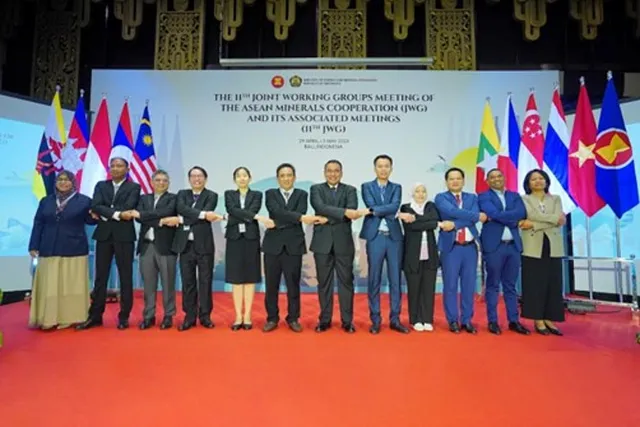
The 11th ASEAN Senior Officials Meeting on Minerals (ASOMM) Joint Working Group and Associated Meetings was held on 29 April – 3 May 2024 at The Stones Hotel- Legian Bali, Autograph Collection in Bali, Indonesia.

The meeting was intended to present updates on the status of the project activities identified under Phase 2 of the ASEAN Minerals Cooperation Action Plan 2016-2025 (AMCAP-III).

AMCAP has served as the blueprint for ASEAN minerals cooperation to further enhance the dynamic development of the ASEAN minerals sector.   The development of Phase 2 of the AMCAP-III seeks to create an advanced and progressive ASEAN minerals sector for ASEAN socio-economic prosperity and environmental well-being through enhancing trade and investment and strengthening cooperation and capacity building for sustainable mineral development in the region.

The first day of the meeting kicked off with a series of talks on the “ASEAN-IGF Workshop on Formalization of Artisanal and Small-Scale Mines”. Keynote speakers were from the Intergovernmental Forum on Mining, Minerals, Metals and Sustainable Development (IGF); Empresa Nacional Mineral (ENAMI)-Chile, Honduras; University of Surrey-UK; and Alliance of Responsible Mining (ARM).

Mines and Geosciences Bureau (MGB) OIC Assistant Director Engr. Teodorico A. Sandoval, Head of Delegation and focal point of the Working Group on Mineral Information Database (WGMID) - Philippines, briefly shared the Philippine experience in relation to the awarding of small-scale mining contract through the declaration of Minahang Bayan under the Republic Act No. 7076.

Through the collective engagement of Member States, national government and sub-national government, investors in the minerals sector, and relevant non-government actors, it is expected that the formalization of small-scale mines in ASEAN  would translate to the strengthening of human, institutional, and technical capacities in minerals governance of the ASEAN minerals sector for achieving increased investment, greater output and trade in minerals and mineral products, and stronger positive economic, societal and environmental outcomes.

The succeeding meetings were allotted for the updates on the project activities being implemented by the Working Groups and “the ways forward” to fast-track the programmed activities, with the chairs of the working group as presenters. The current chairs of the meetings are as follows: Working Group on Trade and Investment in Minerals (WGTIM) – chaired by Thailand; Working Group on Sustainable Mineral Development (WGSMD) – chaired by Myanmar and Philippines, represented by Engr. Marcial Mateo of MGB, as Vice Chair; the Working Group on Capacity Building on Minerals (WGCBM) – chaired by the Philippines, represented by Dr. Karlo L. Queaño of MGB; and WGMID – chaired by Brunei  Darussalam.

The key focus of the activities under the WGTIM is to boost domestic and international investments in all components of the minerals value chain across ASEAN Member States. In line with this, the Philippines as represented by Engr. Romualdo Aguilos of MGB and representatives of other ASEAN member states recognized the need to promote ASEAN as a minerals investment destination to stimulate the development of the region’s minerals resources, in terms of production and trade/exports.

The six (6)-day event, with the exception of Vietnam, was attended by the representatives of all ASEAN member states.

June 03, 2024

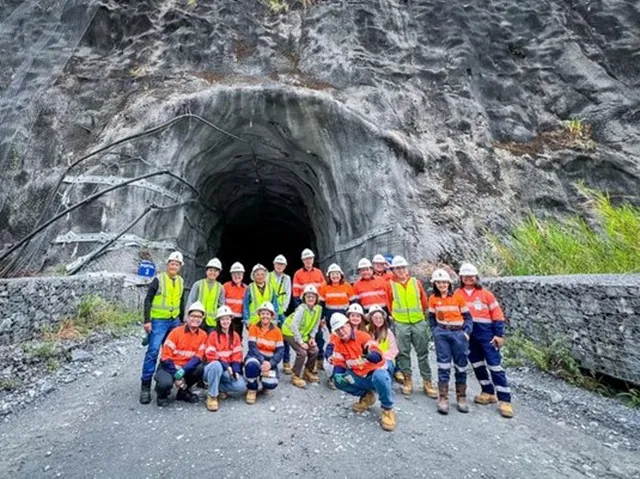
The Philippine Extractive Industries Transparency Initiative (PH-EITI) held its 90th Multi-Stakeholder Group (MSG) meeting and Mine Visit in Cauayan City, Isabela, and Kasibu, Nueva Viscaya. from May 23-25, 2024, bringing together key stakeholders from government, industry, and civil society to discuss various topics in the implementation of PH-EITI activities and developments in the extractive sector.

The meeting is co-hosted by OceanaGold Philippines, Inc., to include a visit to their mine at Didipio in the province of Nueva Vizcaya and its local community, fostering a deeper engagement and transparency.

The PH-EITI, is a government-led, multi-stakeholder initiative implementing EITI, the global standard that promotes the open, accountable management, and good governance of oil, gas, and mineral resources.

The meeting was presided over by Undersecretary Bayani H. Agabin, Chairman and Focal Person of the PH-EITI which was participated by the representatives from the three constituencies of the MSG, including the National Secretariat. Engr. Romualdo D. Aguilos, Chief of the Mines and Geosciences Bureau’s Mineral Economics, Information, and Publication Division represented the DENR-MGB as an alternate MSG.

At the Mine site, the group was welcomed by Atty. Joan Adaci Cattiling, President and General Manager-Corporate and Legal Affairs of the Didipio Mine, her Staff, the Mayor of Kasibu, Nueva Viscaya, and the Didipio Baranggay Captain.

The three-day event includes a comprehensive tour of OceanaGold's mining operations and engagements with the local community in Kasibu. These interactions are designed to offer participants firsthand insights into the social and environmental impacts of mining activities.

June 03, 2024

The Public-Private Partnership (PPP) Center said 134 projects worth PHP3.03 trillion are in the pipeline for undertaking between the government and private sector.

Data released by the PPP Center over the weekend showed that 13 unsolicited proposals were recently added to the list of 121 approved projects revealed two weeks ago.

These include the Sta. Rosa City Digitalized Traffic Enforcement, Municipality of Cainta Digitalized Enforcement, Caloocan City Digitalized Traffic Enforcement, Cauayan City Digitalized Traffic Enforcement, Digital Infrastructure for the Philippine National Cancer Registry and Next-Gen Clinical Research, Establishment of Hemodialysis Centers in Iloilo Provincial and District Hospitals, and the Pampanga Bulk Water Supply Project.

Other projects recently added in the pipeline include the Biñan City Digitalized Traffic Enforcement, Civil Aviation and Immigration Security Services, Establishment of Bulk Water Facility in La Union, La Union Integrated Terminal Exchange, Establishment of Dialysis Center in all Provincial Government of La Union District Hospitals and La Union Medical Center, and the Cavite Bus Rapid Transit System.

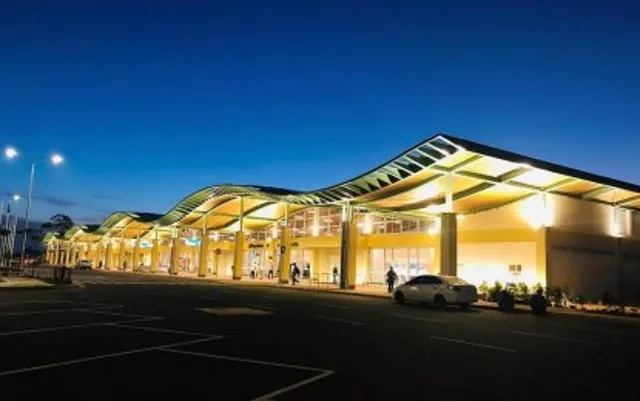
PPP Center deputy executive director Jeffrey Manalo earlier said that of the 134 projects, those that are in more advanced stages include the PHP23.40 billion Tarlac-Pangasinan-La Union Expressway extension project; PHP12.75 billion upgrade, expansion, operations and maintenance of the Laguindingan Airport in Northern Mindanao; PHP4.53 billion New Bohol International Airport; PHP9.49 billion University of the Philippines-Philippine General Hospital Cancer Center; and PHP400 million Dialysis Center for the Renal Center Facility of the Baguio General Hospital and Medical Center.

"Those are the five projects we expect to be awarded by the end 2024," said Manalo.

Manalo said projects that would likely be awarded by the end of 2024 or next year include the Bislig City Bulk Water, Bislig City Septage Project, and the Negros Occidental Bulk Water Supply Project.


Article courtesy of the Philippine News Agency

June 03, 2024

The Department of Public Works and Highways (DPWH) has urged the private sector to invest in government projects.

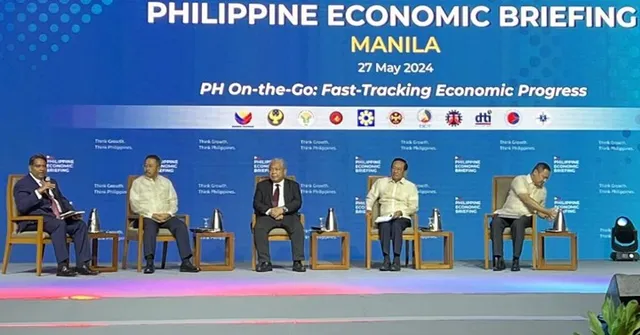
“I firmly believe to be able to implement efficiently the projects of the government, we also encourage the participation of the private sector,” DPWH Secretary Manuel Bonoan said at the Philippine Economic Briefing held at the Philippine International Convention Center (PICC) in Pasay City on Monday.

Bonoan shared several projects of the government under the high-standard highway development master plan, which involve the construction of highways and expressways in three islands of the country.

“This will involve the implementation of about 1,800 km. of high-standard highways and expressways. There’s a lot of room for private sector to avail the implementation of these programs,” he said.

“The expressway system or network in the Philippines right now is just about over 500 km., mostly in Luzon for now, around Metro Manila. Now, under this master plan, the plan to implement another more than 350 km. expressways not only in Luzon but in other parts of the country,” he added.

Bonoan said these projects aim to enhance mobility and address traffic congestion in many areas.

“This is where the private sector will come in and help us in the implementation of these programs either through participation on what you call solicited proposals projects that they have identified or the unsolicited proposals, the private sector can commit,” he said.

Aside from investments, the DPWH chief said the private sector can also provide technical services, consultancy services and other forms of assistance to the implementation of the government's infrastructure projects.

On the other hand, the Department of Information and Communications Technology (DICT) said the potential of the Philippines for hyperscalers is big.

Hyperscalers are large-scale data centers that offer massive computing resources, typically in the form of an elastic cloud platform.

DICT Undersecretary Paul Joseph Mercado said the country should start looking at this sector and take advantage of the situation.

“Let me state the facts, first, Singapore has already put a cap on the number of hyperscalers that they can deal with in their country, which put it at the back burner of new hyperscalers. Now, let’s talk about the other targets, Taiwan and Hong Kong as hyperscaler centers due to geo-political issues. Most western countries cannot connect directly to them,” he said.

“So, here is the potential for the Philippines --the country has 11 submarine cables, we are the number one destination for BPOs (business process outsourcing). There are 11 submarine cables currently, but there will be 14 in the next two to three years,” he added.

Mercado, meanwhile, underscored the need to utilize the country's renewable energy potential for this industry.

“The most important factor for data centers… is power most specifically renewable energy… we need to factor these in build more of the energy requirements because according to the study of DICT, for the next three years, the data center for the Philippines would be approximately 400 to 600 megawatts and we need to produce this green energy for that many data centers,” he said.

June 03, 2024

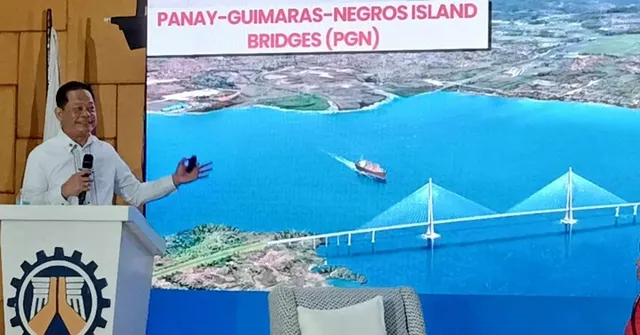
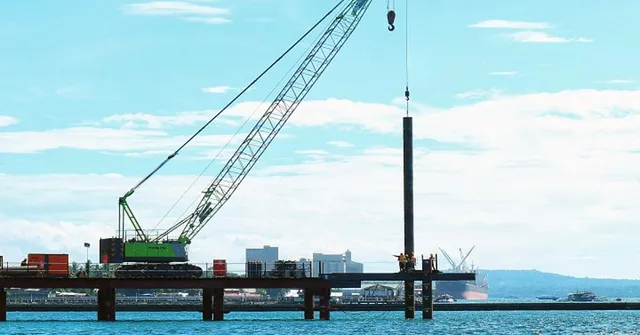
The anticipated PHP187.54-billion mega Panay-Guimaras-Negros (PGN) bridges project is set to transform regional connectivity in Western Visayas, the top official of the Department of Public Works and Highways (DPWH) in the region said on Monday.

In a public briefing Tuesday, DPWH regional director engineer Sanny Boy Oropel said the feasibility study for the design and the detailed engineering has already started.

Spanning 32.47 kilometers, the project has two sections consisting of Section A or the Panay to Guimaras section, with a length of 13 kilometers; and Section B from Guimaras to Negros, with a length of 19.47 kilometers.

Oropel said President Ferdinand R. Marcos Jr. has instructed that the detailed engineering design of Section A be completed by December 2024, instead of the end of 2025.

“The detailed engineering design of Section A will be completed within 2024 for the civil work to start in the second semester of 2025. Segment one will be completely delivered by the end of President Marcos’ term on June 30, 2028,” he said during the Bagong Pilipinas town hall meeting at the DPWH regional office here.

The study is being undertaken by a consortium of six consulting firms.

“All adjustments will be made by the consultants in order to deliver this commitment,” he added.

In addition to the ongoing study, Oropel said they are also in the process of identifying the vital connectivity of the PGN, as they started development around the access areas of the bridges.

“The PGN Island Bridges will emerge as architectural marvels, featuring state-of-the-art construction, complete with intricate road networks and interchanges that will have a common intersection in the Panay side, Guimaras side, and Negros side,” he said.

Aside from unhampered transportation, the completion of the project will also ensure safer travel.

Section B of the project is eyed for completion in 2030.

June 03, 2024

The PHP23-billion Samal Island-Davao City Connector (SIDC) project is in full swing and is expected to be completed by 2027, the Department of Public Works and Highway in Davao Region (DPWH-11) said Tuesday.

During the pilot episode of the Kapihan sa Bagong Pilipinas here, DPWH-11 Director Juby Cordon said the design and build of the SIDC project already accounted for an overall actual weighted physical accomplishment of 3.487 percent.

“They are finished with the design and at 3 percent,” Cordon said of the project, which started in September 2022 and is expected to be completed in August 2027.

Meanwhile, DPWH-11 spokesperson Dean Ortiz said the project is proceeding "smoothly" amid the ongoing expropriation cases on the Davao City side of the project.

“As for right of way, we are going smoothly. For the road right of way, around 25 percent or 14 of 55 affected lots in Davao City under negotiated sale were acquired while under expropriation cases, four out of six lots on the Davao side and 100 percent on the Samal side were expropriated,” Ortiz said.

At least 78 percent of the coconut trees affected in Davao City and 100 percent in Samal Island have already been acquired, he added.

“We do not have problems on the Samal side. In Davao, we can continue despite those problems,” Ortiz said.

The scenic bridge project crossing Pakiputan Strait will have landing points at the Samal Circumferential Road in Barangay Limao, Island Garden City of Samal (IGACOS), and Davao City along the R. Castillo-Daang Maharlika junction.

The SIDC bridge has a length of 3.9 kilometers, including ramps in Davao City and a 24-meter wide grade road and roundabout at the Samal circumferential road.

Once completed, the bridge will be a four-lane, cable-stayed iconic conduit with a vertical navigational clearance of up to 47 meters.

The SIDC is expected to accommodate up to 25,000 vehicles daily, and reduce travel time between Samal and Davao City to five minutes compared to the existing 30-minute ferry boat ride.

May 27, 2024

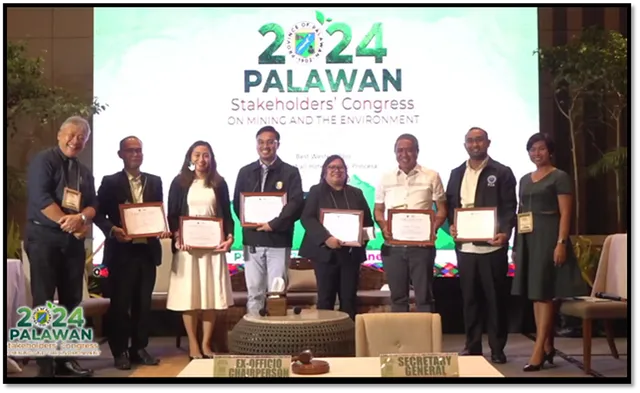
Mines and Geosciences Bureau Central Office (MGB-CO) technical personnel participated in the Palawan Stakeholders' Congress on Mining and the Environment (PSCME) held last April 24-26, 2024 in Puerto Princesa City.

With the theme: "Yours, Mine, Ours," the stakeholders’ congress was organized by the Provincial Government of Palawan. The Congress brought together representatives from national government agencies, local government units, the academes, and the private sectors.

Engr. Jennica Estepa-Lagan and Engr. Jaypee D. Juanerio of MGB-CO served as resource speakers on Compliance, Monitoring, and Enforcement.

Engr. Estepa-Lagan discussed the topic of Compliance and Monitoring, focusing on MGB Memorandum Circular No. 2018-02. This Circular provides guidelines for compliance monitoring and rating/scorecard of mining permits/contracts.

It aims to create an efficient monitoring system using checklists and performance scorecards to verify mining contractors’ compliance. Contractors must achieve an overall performance rating of 80%, with no score below 75% in any category, to be compliant.

The monitoring system covers mining tenements such as Exploration Permits (EP), Mineral Production Sharing Agreements (MPSA), and Financial or Technical Assistance Agreements (FTAA). Regular field monitoring ensures adherence to work programs, environmental protection, and safety standards.

Meanwhile, the Multipartite Monitoring Team (MMT) inspections and SHES (Safety, Health, Environment, and Social) audits further assess compliance with environmental and safety regulations. Engr. Estepa-Lagan emphasized that a robust compliance monitoring system promotes transparency, accountability, and sustainability in mining operations, contributing to the nation's economic well-being and poverty alleviation efforts.

Engr. Juanerio, on the other hand, presented on the topic of Enforcement, the definition of illegal mining, and the outline of the prohibited acts with penalties based on Republic Act Nos. 7942 and 7076. He explained the complaint handling process through DENR Action Center Hotline 8888, or the MGB Central Office, and the issuance of Cease-and-Desist Orders.

Engr. Juanerio also detailed MGB's authority to deputize personnel and emphasized collaboration with various agencies on enforcing environmental laws. He also highlighted strategies such as formalizing small-scale mining and using drones for surveillance. The way forward includes amending laws for stricter penalties, hiring more MGB-embedded personnel, and enhancing monitoring technology.

He stressed continuous legal improvements and agency collaboration to combat illegal mining effectively.

The said event also featured discussants which include Atty. Edmund Jones Gastanes of the National Commission on Indigenous Peoples Palawan, Mr. Felizardo B. Cayatoc, PENR Officer Palawan, and Ms. Glenda I. Manalo-Cadigal of the Palawan Council for Sustainable Development, who contributed insights on Compliance, Monitoring, and Enforcement.

May 20, 2024

The Australian ambassador to the Philippines on Friday cited five possible investment areas in the Cordillera Administrative Region (CAR).

“The Southeast Asia economic strategy, with the Philippines as among the most important countries to Australia, clearly highlights the areas that we think have potential for different kinds of investments and those areas are mining, green energy, food and agriculture, education, and a little bit digital economy,” Ambassador Hae Kyong Yu said during a press conference here.

The envoy, who is in the city for the 78th year Philippine-Australia Friendship Day celebration, said the region has the five growth sectors highlighted in the Southeast Asia Economic Strategy.

“There is no reason why this region cannot attract investors from Australia in those areas. Do you know that you are also a natural resources-rich region,” she added.

Yu pointed out that the Philippines and Australia are actively pursuing how they can turn the mining sector into a significant growth engine while ensuring that it is done sustainably and inclusively.

She said Australian companies are good at mining and they can see a lot of possible potential investments, noting the importance of tapping renewable energy (RE).

“We learned that in Baguio, you get a very small percentage of your renewable energy. That has to change very fast if you are going to save our Earth, our planet. Australia and Australian companies have a great know-how and we are ready to provide much-needed investments to turn things around,” she said.

“These are the things we see, Australia has potential investments in this region,” she said.

The ambassador also mentioned the hand and loom-woven fabric of the Cordillera as a possible export to Australia.

“I love them. Tonight I am going to be wearing one to a reception,” she added. By Liza Agoot


Article courtesy of the Philippine News Agency

May 20, 2024

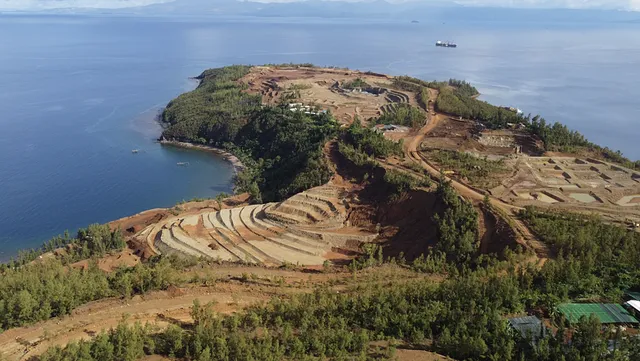
Global Ferronickel Holdings, Inc. (PSE: FNI), a leading nickel ore producer in the Philippines, reported first quarter 2024 revenues of ₱589.9 million, net income attributable to shareholders of ₱10.6 million, and earnings per share (EPS) of ₱0.0021.

Mining revenues were ₱586.2 million, down 47.4% from ₱1.1 billion in the prior year due to lower selling prices which more than offset higher sales volumes. The average realized nickel ore price dropped to US$27.42 per WMT, down 55.4% year-over-year from US$61.48 amid continued oversupply, predominantly attributable to Indonesia’s output of nickel pig iron (NPI) to China. Total shipments reached 0.381 million wet metric tons (WMT) of medium-grade ores, up 15.3% over prior year.

“In this uncertain environment, we are focused on boosting productivity and cost efficiency, which is critical to protecting value,” FNI President Dante R. Bravo said. “This includes optimizing our operations both in Surigao and Palawan, reviewing service contract rates, and reexamining planned capital investments. We are also working to improve our resilience to weather challenges, ensuring timely completion of projects, including flood control measures to reduce risks to operations and production arising from La Niña.”

Cost of sales amounted to ₱309.8 million, up 13.2% from ₱273.7 million, a reflection of higher volumes produced and shipped during the quarter. Operating costs, namely excise taxes and royalties, general and administrative, and shipping and distribution declined to ₱279.6 million, down 19.3%.

Net income attributable to FNI shareholders was ₱10.6 million, down 93.1% from ₱153.8 million. EPS was ₱0.0021 from ₱0.0296.

If we are going to comment on demand for NPI and Standard Steel, let’s make sure we are ready for any inquiries people (analysts, journalists, direct stakeholders) may have. When we reviewed market sources and the earnings releases of FNI peers — see the list of links Rachelle shared in WeChat — there were no explanations given about the continuing weak prices beyond persistent Indonesian exports.
May 20, 2024

Nickel Asia Corporation (NAC) (PSE: NIKL) announced its unaudited financial and operating results for the three-month period ended March 31, 2024, with an attributable net income (net of minority interest) of P202 million, lower than the P970 million reported during the same period last year.

Earnings before interest, taxes, depreciation, and amortization (EBITDA) amounted to P1.05 billion against P2.21 billion in the prior year.

Revenues from ore sales declined by 41 percent to P2.09 billion from P3.55 billion last year, due to lower ore prices resulting from the oversupply situation faced by the nickel industry. The Company’s operating mines sold a combined 2.61 million wet metric tons (WMT) of nickel ore during the period, slightly higher than last year’s 2.39 million WMT.

The weighted average nickel ore sales price during the period decreased by 48% percent to $13.84 per WMT against $26.80 per WMT in the same period last year. The company realized P56.13 per US dollar from these nickel ore sales, a 2 percent increase from P54.80 last year.

Breaking down the ore sales, the Company exported 0.61 million WMT of saprolite ore at the average price of $25.57 per WMT during the period from 0.60 million WMT at $50.37 per WMT in the same period last year.

Likewise, the Company delivered 2 million WMT of limonite ore to the Coral Bay and Taganito high-pressure acid leach (HPAL) plants, the prices of which are linked to the London Metal Exchange (LME) and realized an average price of $7.53 per pound of payable nickel equivalent to $10.27 per WMT. This compares to 1.79 million WMT at $11.98 per pound equivalent to $18.84 per WMT last year.

NAC also recognized losses from its combined equity share in investments in the two HPAL plants in the amount of P193.90 million against P252.12 million income in the prior year.

Renewable Energy

For the First Quarter of 2024, Emerging Power, Inc.’s (EPI) subsidiary, Jobin SQM, Inc. (JSI) increased generation by 19.3 percent to 44,881-megawatt hours due to a significant increase in overcall capacity. Last February 28, 2024, JSI successfully opened an additional 72-MWp in Sta. Rita, Subic, thereby expanding capacity to 172-MWp.

Higher revenues and effective cost management kept EBITDA margin at 79 percent and resulted in a 4-percent increase in EBITDA to P160 million.

EPI is focused on expanding its business portfolio

Pre-development activities on Northern Palawan Power Generation Corporation’s solar project in Subic-Cawag are almost complete with construction of the proposed 145-MWp plant expected to begin by the third quarter of this year and commercial operations scheduled to start by fourth quarter of 2025.

In addition, Greenlight Renewables Holdings, Inc., EPI’s joint venture with Shell Overseas Investments B.V., is implementing its solar power project in Leyte, with an initial 120-MWp slated to be completed by the first quarter of 2025.

As to the modular-type geothermal project of EPI’s affiliate, Biliran Geothermal, Inc., the initial 2-MW turbines have been installed and energization activities are ongoing. This paves the way for the next phase of the 10-MW capacity expansion, with the goal of attaining full capacity of 50-MW in the medium term.

“The long-term prospects for the nickel industry remain positive with the market’s growing preference for nickel in the stainless steel and EV battery industries. As the global energy transition gains momentum, we expect the nickel oversupply to eventually turn into a deficit and thereafter trigger a resurgence in nickel prices. Furthermore, we remain on track to achieve our twin goals of becoming a premiere ESG investment and a Top 25 company in the Philippine Stock Exchange by 2025,” said NAC President and CEO Martin Antonio G. Zamora.

“Our three new nickel projects, namely Dinapigue, Bulanjao, and Manicani, will set the stage for growth in our operations. Together, they are poised to significantly bolster our nickel ore sales volumes in the coming years. Also, our diversification into renewable energy is proceeding according to plan. With EPI solar capacity now at 172-MWp and almost 400-MWp in the immediate pipeline, our role as stewards of our country’s natural resources takes on even greater significance,” he added.


Article courtesy of the Philippine Stock Exchange

May 20, 2024

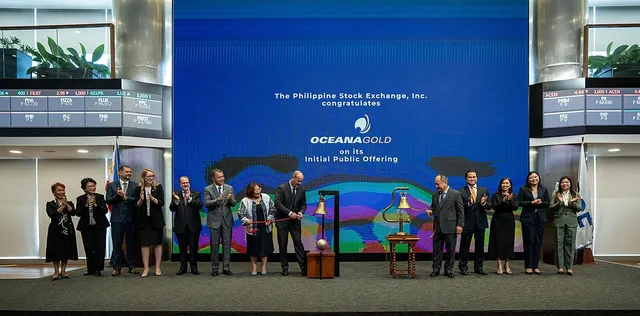
OCEANAGOLD (PHILIPPINES), INC., is pleased to announce it has completed the initial public offering (the “IPO”) of 20% of its outstanding common shares on the Philippine Stock Exchange (“PSE”). The shares are listed under the ticker symbol ‘OGP’ and began trading May 13th.

The Company operates the Didipio gold and copper underground mine, located in the northern Luzon region of the Philippines, under a Financial or Technical Assistance Agreement (“FTAA”) with the Philippine government. The Company is this year’s first PSE IPO listing and the first IPO in the Philippine mining industry in over a decade. With the ringing of the bell, OGP has completed the final remaining requirement of the FTAA renewal, which was to list its common shares on the PSE.

In his welcome remarks, PSE President and CEO Ramon S. Monzon congratulated OGP “for its successful IPO of 456 million shares amounting to PhP 6.08 billion.”

Monzon underscored that OGP is the first IPO at the Exchange for the year, the last one since July 2023, and the first mining company to do an IPO after 12 years.

“OGP's listing comes at a time when prospects for the mining industry are favorable. The government is looking to revitalize the mining industry to boost its potential contribution to the economy. The local mining sector certainly has a vast potential that can fuel economic growth,” Monzon added.

Undersecretary Juan Miguel Cuna, representing Sec. Ma. Antonia Yulo-Loyzaga of the Department of Environment and Natural Resources applauded the Company’s listing and said: “Your decision to open your company to the public signifies a trust in the country's economy, and the commitment to be part of the government's thrust in the whole of nation and whole of society approach to spur development.

“As the first FTAA, OGP likewise demonstrates the company's integrity by delivering under its obligations of this pioneering agreement. Under the leadership of President Ferdinand Marcos Jr., the government has prioritized the revitalization of the mining sector as a catalyst for growth and indispensable partner in the national agenda for sustainable development, climate action, and clean energy transition for a low carbon future.

“By maintaining responsible mining as your core value, may you seize this opportunity to ensure that no ecosystem or community is left behind and you have a company that your shareholders can truly be proud of.”

Atty. Joan Adaci-Cattiling, OGP’s President, said: “This is truly a momentous occasion, a milestone not only for us, but for the Philippine mining industry and business sector in general. Not only is OceanaGold Philippines this year’s curtain raiser for initial public offerings, we are also the first holder of a Financial or Technical Assistance Agreement, or an FTAA for short, to list on the stock exchange, and first mining firm to do so in over a decade.”

She continued, “As a good corporate citizen, we at OceanaGold Philippines are not doing this listing merely to comply with our contract with the Philippine government. We are doing this to give every Filipino an opportunity to join us in our growth story – a growth story that is one not only for OceanaGold Philippines but also for the advancement of the Philippine mining industry and our economy. From its foundation as the first Philippine mine to operate under an FTAA, OceanaGold Philippines and the Didipio Mine have continually set new standards in the mining sector, and we are not stopping there.”

“We expect our mining operations to provide substantial dividend returns to our shareholders and most importantly to continue to give benefits to the government and the communities, ensuring that we realize our purpose of mining gold and copper for a better future,” she added.

The Company holds the country’s first FTAA which was executed in 1994 and was renewed on July 14,2021 for an additional 25-year period commencing on June 19, 2019.

The Company is planning to release First Quarter 2024 financial and operating results on May 31, 2024. The Company will declare its inaugural post-listing dividend payment to shareholders with the release of Second Quarter 2024 results at the end of July 2024. The Company expects future dividends will be declared and paid to shareholders quarterly with the release of financial and operating results.

BDO Capital & Investment Corp is OGP’s Global Coordinator, Domestic Underwriter and Bookrunner for the IPO with CLSA Ltd. acting as the International Underwriter.

May 13, 2024

The Department of Environment and Natural Resources (DENR) is looking to shorten the processing of permits for the mining industry to entice more investors to do business in the Philippines.

Speaking during Friday's mining conference in Makati City organized by think-tank Stratbase ADR, Environment Secretary Maria Antonia Yulo-Loyzaga said they are now in the process of digitalizing the permitting process.

“We are still in the work-in-progress stage. We hope we’ll be in the shortening of the permitting process. Right now we are believed to be at around six years in terms of permitting and some say it is longer than that. We are attempting to actually reach two to three years processing time,” Loyzaga said, referring to the long processing time.

Special Assistant to the President for Investment and Economic Affairs Secretary Frederick Go agreed with Loyzaga on the need to improve the ease of doing business in the mining sector, especially in the processing of the Environmental Compliance Certificate.

Apart from the digitalization, Go said the permitting process could be shortened by doing simultaneous processing, rather than doing it sequentially.

“In the bureaucratic process when A is required for B, and B is required for C, and C is required for D, and so on, that could really stretch the whole process. With the realization that a lot of them are actually unnecessary to be sequential, I think that will really be a lightbulb moment that can radically improve the speed of processing permits,” Go said.

During her opening speech, Loyzaga mentioned that several countries including the United States, China, Australia, United Kingdom and the European Union, have expressed intent to collaborate with the Philippines in terms of mining.

Loyzaga said the administration of President Ferdinand R. Marcos Jr. aims to revitalize the mining sector and leverage its status as one of the world's most mineral-rich nations to drive economic growth.

Citing data from the Department of Finance, she said the country generated PHP160 billion in the production of copper, gold, and nickel in 2023.

Oceana Gold recently turned over to the DENR the government share of more than PHP1 billion as part of its Financial and Technical Assistance Agreement (FTAA) agreement, Loyzaga said.

The FTAA is essentially a production-sharing agreement between the Philippine government and a large-scale mining company.

“The social development and management plan or SDMP for 2023 exceeded PHP1.35 billion of direct expenditures of mining operations to benefit their host and neighboring communities. The contributions from the mining sector are bound to significantly increase in the years to come,” Loyzaga said.

For the period 2020-2022, the DENR issued 34 Exploration Permits (EPs) and Mineral Production Sharing Agreements (MPSAs), increasing the efficiency of processing time by 29 percent.

This includes the MPSA of a gold mine and an aggregates project in the north, and a nickel mine in the Visayas as well as EPs for nickel and gold exploration in other parts of Luzon.

"We hope to further streamline the process moving forward starting with the full digitalization of EP and MPSA processes this year," she added. By Marita Moaje


Article courtesy of the Philippine News Agency

May 13, 2024

Three more nickel processing plants are expected to be built in the Philippines within the term of President Ferdinand R. Marcos Jr., a Trade official said on Friday.

"There are interested parties to put up HPAL (High-Pressure Acid Leach) facility in the Philippines. I mentioned three because they are looking at three areas like Zambales, Surigao, Palawan," Trade Undersecretary and Board of Investments managing head Ceferino Rodolfo said at the sidelines of the Mining Summit in Makati City.

Rodolfo said the combined value of these investments is estimated at USD12 billion.

"These are already ongoing discussions medyo nalate na nga (it's a little late) because initially we are looking at end-2023 for the parties to finalize their agreements and start on this process," he said.

He said potential investors are from China, Australia, America, Japan, and Korea.

The Philippine government is aiming to attract more investments in mineral processing to leverage its status as one of the world's most mineral-rich nations to drive economic growth.

To date, the Philippines has only two nickel processing plants.

Raw nickel ore is a critical component of electric vehicle (EV) batteries. It is also processed to create stainless steel, which is used in the development of megacities and renewable energy technology.

"We are anchoring our aspiration to be an electric vehicle manufacturer and assembler based on the GEMS- green metals, electronics, market and then software development. So all the way to EV," Rodolfo said.

Meanwhile, National Economic and Development Authority Secretary Arsenio Balisacan said the country's abundant mineral resources could fuel green technologies and create a wave of high-quality job opportunities for Filipinos once their full potential is realized.

In his speech during the summit, Balisacan said the mining sector is still underutilized but has immense potential.

Despite the sector's modest contribution to the country's gross domestic product, which stood at 0.5 percent by the end of 2023, he believes there is room for significant growth.

"With abundant reserves of minerals vital for producing green technologies such as solar PVs (photovoltaic cells), wind turbines, and electric vehicle batteries, the Philippines is strategically positioned to tap into global markets for these technologies and maximize the value derived from its mineral products,” he said.

Balisacan also believes that this can be achieved by further developing downstream metallic and non-metallic mineral processing to bolster the expansion of domestic manufacturing industries focused on green technologies.

May 13, 2024

Apex Mining Company, Inc. posted a record consolidated net income of P852.7 million in Q1 2024, 55% higher versus the P548.8 million generated during the same period last year. Consolidated gross revenues for the quarter reached P3.4 billion, up by 31% year-on-year.

The increase in revenues was driven by the surge in realized price per ounce of gold which stood at $2149 in Q1 2024 versus $1929 in 2023. The 16% uptrend in sales volume for gold (27,373 ounces) and 11% for silver (93,081 ounces) also boosted the revenues for the period.

Total ore tonnes milled during the quarter of 204,636 tonnes was 12% higher than the 182,639 tonnes recorded in Q1 2023. Gold recovery was slightly lower at 85.45% versus last year’s 88.77% while the average ore gold grades likewise went down to 3.59 grams per tonne this quarter against the previous year’s 4.56 grams per tonne.
On the other hand, Apex Mining’s subsidiary, Itogon-Suyoc Resources, Inc., milled a total of 36,641 tonnes in Q1 2024, higher than the 34,221 tonnes milled last year.

According to the Mine Reserves and Resource Certifications of 2021, Maco Mine has enough reserves and resources to continue at the targeted production rate of 3,000 tonnes per day until 2032.

“We are confident that we can sustain our performance throughout the year, barring any major obstacle that may come our way. We shall disclose updates on our exploration activities once the third-party competent report on the results of exploration is completed,” says Apex Mining President and CEO Luis R. Sarmiento, ASEAN Eng.

“Our acquisition of the Asia Alliance Mining Resources Corporations gives us future gold resources as the extensions of existing mine veins spill over to the adjacent tenement, providing our exploration team new ground to drill and validate,” Sarmiento adds. Apex Mining took over the AAMRC in February 2023.

Last February 6, a landslide triggered by abnormally heavy rains occurred in Barangay Masara in Maco, Davao De Oro, three kilometers away from Apex Mining’s active mining area. “This has been a devastating tragedy,” says Sarmiento and up to today, Apex Mining continues to extend help to those affected by the landslide.
Milling activities at the time of the landslide were reduced to about 50% to 80% as the company focused on assisting in the search, rescue and retrieval operations by providing resources including the necessary equipment, tools and personnel. Apex Mining also gave food packs and financial aid as well as psycho-social interventions to the displaced families in the evacuation centers as well as the residents who lost family members during the tragedy.

The company’s 3-hectare property in Bgry. Malamodao in Maco is currently serving as the tent city for Masara residents who can no longer go back to their homes. Sarmiento says they are welcome to stay in the area while the local government is working on their relocation sites.

Deployed resources of Apex Mining that were used in the search, rescue, retrieval and relief operations have been returned to their posts and the mine and mill operations are currently operating at a normal capacity.


Article courtesy of the Philippine Stock Exchange

May 13, 2024

Integrated energy company Semirara Mining and Power Corporation (SMPC) saw its net income fall by 28 percent to P6.5 billion in the first quarter from P9.0 billion the previous year, as weaker market prices muted the impact of higher coal shipments and energy sales volume.

Global coal indices declined due to weak demand from developed countries, driven by changes in energy policies, a shift toward renewable sources and slowing economic activities.

The Newcastle index plummeted by 49 percent from an average of US$247.8 to US$126.0 while the Indonesian Coal Index 4 (ICI4) retreated at a slower pace (25%) from an average of US$76.5 to US$57.2.

In the Luzon-Visayas electricity market, average spot prices fell by 27% from P6.28 to P4.61 on lower fuel costs and increased supply.

“While we faced some pricing challenges this quarter, our robust export sales and improved plant performance demonstrate the resilience and adaptability of our operations,” said SMPC president and COO Maria Cristina C. Gotianun.

Better Operating Results

Coal sales jumped by 37 percent from 3.5 million metric tons (MMT) to 4.8 MMT, largely driven by exports which accelerated by 78 percent from 1.5 MMT to 2.7 MMT.

Domestic shipments grew by 6 percent from 2.0 MMT to 2.1 MMT, influenced by an uptick in internal sales due to the highest recorded overall plant availability in the company's history, reaching 92%.

With better overall plant availability, gross generation increased by 7% from 1,316 gigawatt hours (GWh) to 1,408 GWh.

In turn, electricity sales volume increased by 3% from 1,241 GWh to 1,281 GWh. This growth was primarily due to higher bilateral contract quantity (BCQ) sales, which offset the decline in spot market dispatch for the period.

BCQ sales rallied by 38% from 361 GWh to 499 GWh while spot sales sank by 11% from 880 GWh to 782 GWh.

Lower Selling Prices

From January to March, average selling price (ASP) for Semirara coal shrank by 33 percent from P4,427 per metric ton (MT) to P2,978/MT.

During the same period, the company’s electricity ASP dropped by 28% from P6.17/KWh to P4.47/KWh, largely due to the sharp drop in wholesale electricity spot prices.

Spot prices plunged by 35 percent from P6.69/KWh to P4.35/KWh while BCQ prices slipped by 5 percent from P4.90/KWh to P4.66/KWh.

May 13, 2024

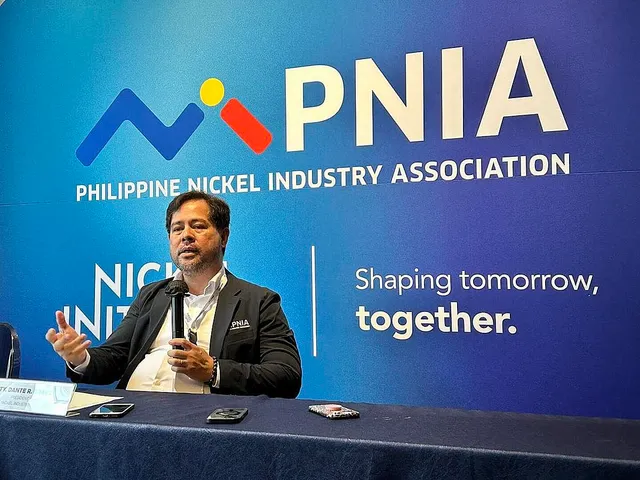
Official statement of PNIA President, Atty. Dante R. Bravo, on behalf of the Philippine Nickel Industry Association on the occasion of the conduct of the DENR Mining Summit on 10 May 2024 

As global demand for critical minerals surges amidst the accelerating transition to clean and smart technology, PNIA observes keen interest in the Philippines from potential investors, particularly from the US, European Union, Canada, Australia, Japan, and China,. However, this interest is hampered by unpredictable regulations that impair the mining industry’s competitiveness. This is further evidenced by the Fraser Institute’s 2021 Report, which ranked the Philippines among the top 10 least attractive jurisdictions for investments based on their Policy Perception Index 

Additionally, the decision regarding the optimal trading of the Philippines’ nickel resource is multifaceted, contingent upon various factors such as the quality of nickel available, our capacity and capability for processing, target markets or customers for both ore and processed nickel, necessary technology and manpower, speed of innovation, and pricing considerations, all of which necessitate creating an attractive environment for investment. Only through thorough consideration of these elements can we devise strategies to maximize the economic potential and value of Philippine nickel. 

Recognizing the complex issues in the Philippine mining landscape and in positioning the Philippines in global nickel trade, PNIA underscores the urgent need for a whole-of-government and whole-of-society approach to harmonize and streamline policy, strategy, and action plan, essential to attract the right investments. 

While PNIA has submitted several policy recommendations through our Nickel Initiative advocacy, the eight (8) most vital policy recommendations are as follows: 

PNIA reaffirms its unwavering support for the government in accelerating the growth of the mining sector while upholding environmental stewardship and fostering inclusive economic growth for all Filipinos, particularly to empower mining communities to be self-reliant and resilient beyond the end of mine life. 

While we have made significant progress compared to the last 10 years, we need to expedite industry development and regulatory reforms for the Philippines to seize valuable investment opportunities and to prevent the country from being left behind. 

The recently concluded DENR Mining Summit marks a positive step forward as it fosters open communication between industry and government. PNIA looks forward to continued collaboration and strengthened mechanisms in pursuit of sustainable mining development in the Philippines. 

May 13, 2024

For well developed countries, education is a given right, as basic as breathing. But in developing countries like the Philippines, most households have to contend with meeting basic needs such as food, energy costs, and housing, making education less of a priority.

The education sector is fraught with various problems ranging from poverty and lack of resources to infrastructure and the digital divide. It is no surprise then that only 13 percent of Filipinos have obtained a college degree based on the latest Census of Population and Housing.

Across the different levels of educational attainment, reasons vary for not attending school. Most of us have watched Filipino teleseryes where the lead character must stop going to school and go to work to help the family. Sadly, these dramas reflect reality. The Philippine Statistics Authority relates that the primary reasons for non-attendance to schools are employment (19.7 percent), lack of personal interest (12.6 percent), marriage (10.7 percent), and financial constraints or high education costs (9.9 percent).

In Cagayan Valley, out of 330,000 individuals ages 20 to 24 years old, only 28 percent of Cagayanos have graduated from college.2

“With rising costs of living, even if there are state universities, it is still difficult to continue studying because we need to pay rent and to buy books and other materials,” Althea Mae Valdez, a student from Nueva Vizcaya State University, said.

Recognizing the challenges that the youth in Cagayan Valley face, the Didipio Mine of OceanaGold (Philippines), Inc. has been providing scholarship grants to deserving students in the provinces of Nueva Vizcaya and Qurino since 2007. The Didipio Mine has produced 270 scholar graduates to date.

Scholarship for Indigenous Peoples

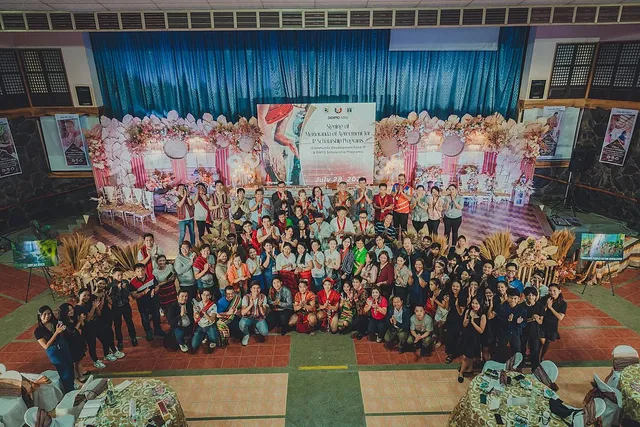
With Region 2 home to several indigenous peoples (IPs) such as the Agtas, Ibalois, Bugkalots, Dumagat, among other tribes, the Didipio Mine, the National Commission on Indigenous Peoples (NCIP), and the Indigenous Peoples Mandatory Representatives (IPMR) of the provinces of Quirino and Nueva Vizcaya forged a memorandum of agreement last year, offering scholarships to students belonging to the indigenous cultural communities (ICCs) and IP groups.

Funded through the Community Development Fund (CDF), 75 IP students have been receiving P40,000 in yearly stipend to support them in completing their tertiary education. The CDF is an addendum to the Financial or Technical Assistance Agreement (FTAA) of the Didipio Mine.

“It was a ray of hope for me when I became a CDF IP scholar because I then knew I will be able to achieve my dream of becoming a teacher,” Valdez, who also belongs to the Ayangan tribe, said.

“Now I can pay off my bills in school and buy the things I need. I hope that the scholarship will continue until I graduate,” she added.

The stipend from the CDF IP Scholarship served as Education major Christy Chulipa’s allowance, while also allowing her to pay her school fees at NVSU Bayombong.

“I am thankful to the Didipio Mine as I do not ask for an allowance from my parents anymore,” Chulipa, a member of the Ayangan and Tuwali tribes, said.

Recently, at the request of the Philippine Councilors Leagues of Nueva Vizcaya and Quirino, and in collaboration with the Mines and Geosciences Bureau, NCIP, the Commission on Human Rights, State Universities and Colleges, and other concerned government agencies, the Didipio Mine has opened additional 75 slots in educational assistance also funded by the CDF for students residing outside its 11 host and neighboring communities. They will also be receiving P40,000 annually.

The Didipio Mine currently provides educational assistance and scholarships to 509 tertiary students and with 75 more this 2024 through the CDF scholarship.

Developing future industry professionals

For Mark Angelo Bumughawi, a 4th year Mining Engineering student, the Mine’s Development of Mining Technology and Geosciences (DMTG) scholarship was ‘gold’ to his family.

His family faced a financial crisis when he pursued college alongside his sister, and to support his studies, he paused his studies and worked in small-scale mines.

“Things shifted when the Didipio Mine welcomed me as a DMTG scholar, providing invaluable support akin to 'gold' for my family and me. Transitioning from financial worries to academic focus, I seized the different opportunities bestowed by the scholarship,” Bumughawi said.

“As a DMTG scholar, I've experienced the beauty of the Didipio Mine firsthand through its immersive OJT experiences. I am deeply grateful to the Didipio Mine for the invaluable opportunity through their scholarship program,” he added.

Investing in the future

For its 11 host and neighboring communities, the Didipio Mine has scholarship programs under its Social Development and Management Program and Corporate Social Responsibility initiatives which includes the Neighboring Community Scholarship Program.

“I managed to finish my degree through OGPI’s neighboring scholarship program, and eventually obtained my Certified Public Accountant license. It is truly a life-changing gift,” Recel Benhel, a graduate of Saint Mary’s University-Bayombong, said.

“They have invested in my future, in the future of the youth and they are fostering the growth of scholars from the neighboring barangays,” said Johara Binlayan of Brgy. Dibibi, Cabarroguis, also a scholar of OceanaGold and now a civil engineer.

“A better future for the youth – that is among our commitments to the communities we serve. We believe that by providing better opportunities accessible to the underprivileged but deserving students, we can inspire and make them realize their potential and contribute to nation-building - from the mine to the mind,” Atty. Joan Adaci-Cattiling, OGPI President and General Manager for External Affairs and Social Performance, said.

May 13, 2024

Mining companies are calling on industry stakeholders to strengthen support for responsible mining, underlining the industry’s untapped potential to further drive economic growth and support social development at the national and local level, while fostering environmental stewardship.

Mining company representatives echoed the sentiment as the industry gathered to launch “Living with a Brighter Future,” a documentary developed as part of the industry’s Better Mining, Brighter Future communication and advocacy campaign. The campaign, which aims to raise awareness about responsible mining, is a joint initiative of the Chamber of Mines of the Philippines; the Philippine Nickel Industry Association; the Chamber of Mines - Caraga; the Alliance of Responsible MIners and Operators - Visayas; the Eastern Rizal Minders Association; the Mindanao Association of Responsible Quarry Operators Foundation, Inc.; and the Philippine Mining & Exploration Association.

The "Living with a Brighter Future" documentary provides a comprehensive narrative of responsible mining practices, portraying the collaborative efforts between mining companies, local communities, and local government units. Through the eyes of company representatives and community members, the documentary showcased the positive socio-economic impact and environmental sustainability initiatives of the mining industry across Luzon, Visayas, and Mindanao.

“Mining companies have made substantial contributions to local communities through its Social Development and Management Program or SDMP. Additionally, the industry’s environmental commitments have been significant,” said Atty. Mike Toledo, Chairperson of the Chamber of Mines of the Philippines.

From 2002 and 2027, mining companies have pledged a total of PHP 31.81 billion towards SDMP initiatives, with PHP 20.3 billion earmarked for the period spanning 2002 to 2024. Since 2002, SDMPs have positively impacted over 1,160 barangays across the country.

SDMPs serve as a collaborative platform where mining companies, the local government, and the community come together to bridge the gaps in both physical and social infrastructures within the communities they operate in. Through constant consultations with the host and neighboring communities, mining projects are able to meet the needs of residents and offer impactful solutions that yield both immediate and long-term benefits. During the event’s panel discussion, industry leaders highlighted initiatives such as employment creation, education and healthcare investments, infrastructure development, and the preservation of indigenous culture through programs like the IP Culture Revitalization Program.

On the other hand, the Philippine mining industry has provided PHP 387.81 billion, as of December 2023, to environmental protection and enhancement programs. In addition, the mining industry has committed PHP 6.72 billion for the rehabilitation of decommissioned mines. One concrete example of the initiatives of the industry is the number of trees planted where, as of December 2023, more than 50 million seedlings covering almost 45 hectares of land have been planted by the industry. Of these planted trees, approximately 90% have survived.

“Through innovation and modern technologies, the mining sector is reducing its environmental footprint and paving the way for a future where economic development and environmental stewardship go hand in hand. Progressive rehabilitation efforts, coupled with investments in reforestation and environmental protection, demonstrate the industry's commitment to responsible stewardship of natural resources,” Atty. Toledo added.

The documentary highlighted that the industry contributed PHP 170.1 billion (in current prices) to the Philippines’ GDP in 2022 alone and employed over 212,000 individuals as of 2023.

In his keynote presentation, PWC Partner, Mr. Pocholo Domondon further reiterated the industry’s economic contributions citing NEDA’s 2023 Philippine Development Report which stated that while there was an 18.5 percent decline in the total net FDI, significant contributions were still noted for manufacturing, transportation and storage, and mining and quarrying in terms of increased net equity FDI. In the same report, the government also listed the fiscal regime for mining as one of the tax measures that the government is discussing as part of efforts to achieve its fiscal targets until 2028. Further, the government has also cited the mining sector, along with the manufacturing sector, as essential sectors expected to support the government’s 4PH program. The 4PH program aims to build 1 million housing units yearly until 2028.

As the industry moves forward, their collective commitment underscores a shared vision for a sustainable future where responsible mining plays a pivotal role in driving economic growth, fostering social development, and preserving the environment for generations to come.

May 13, 2024

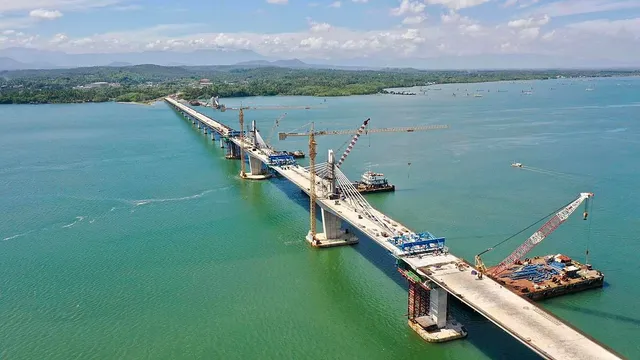
The Department of Public Works and Highways (DPWH) is now working on closing the gaps to complete the 3.17-kilometer Panguil Bay Bridge Project which will soon become the longest sea-crossing bridge in Mindanao.

In his report to DPWH Secretary Manuel M. Bonoan, DPWH Senior Undersecretary Emil K. Sadain said that the inter-island bridge project in Northern Mindanao is currently 90 percent completed, with only 38.75-meter gap to link the superstructure from Tangub City, Misamis Occidental to Tubod, Lanao del Norte.

“We are currently rushing works on both side of the Tangub and Tubod approaches as well as the remaining three (3) gaps to fully connect the whole Panguil Bay Bridge,” said Senior Undersecretary Sadain who led an inspection of the project on Thursday, May 9, 2024, together with DPWH OIC-Project Director Teresita V. Bauzon of Unified Project Management Office - Roads Management Cluster 2 (Multilateral), and representatives from the design and build contractor Namkwang Engineering & Construction Corporation in joint venture with Kukdong Engineering & Construction Co., Ltd. and Gumgwang Construction Co., Ltd.

According to Senior Undersecretary Sadain, the Panguil Bay Bridge is among the infrastructure flagship projects of the Department, having been initiated in the previous administration and continued under the term of President Ferdinand R. Marcos Jr., as it is seen as a landmark infrastructure that would boost economic growth of Mindanao.

When completed, this will be able to reduce travel time between Tangub City, Misamis Occidental and Tubod, Lanao del Norte to only seven (7) minutes, from the current travel time of one (1) and a half hour to two (2) and a half hour via Roll-On, Roll Off (RoRo) or land travel with over a distance of 100 kilometers.

The project is funded through a loan agreement between Government of the Philippines (GOP) and Korean Export-Import Bank (Korea Eximbank).

The Panguil Bay Bridge Project commenced civil works in 2020 amidst the challenges posed by the pandemic, navigating through unprecedented circumstances to fulfill its objectives.

However, it faced additional hurdles due to insufficient fund allocation, further complicating its progress and implementation.

“Despite these setbacks, the project persevered, demonstrating DPWH resilience and underscores the commitment of President Marcos administration to advancing vital infrastructure projects that will contribute to the nation's progress and prosperity under Bagong Pilipinas,” added Senior Undersecretary Sadain.


Article courtesy of The Department of Public Works and Highways
May 05, 2024

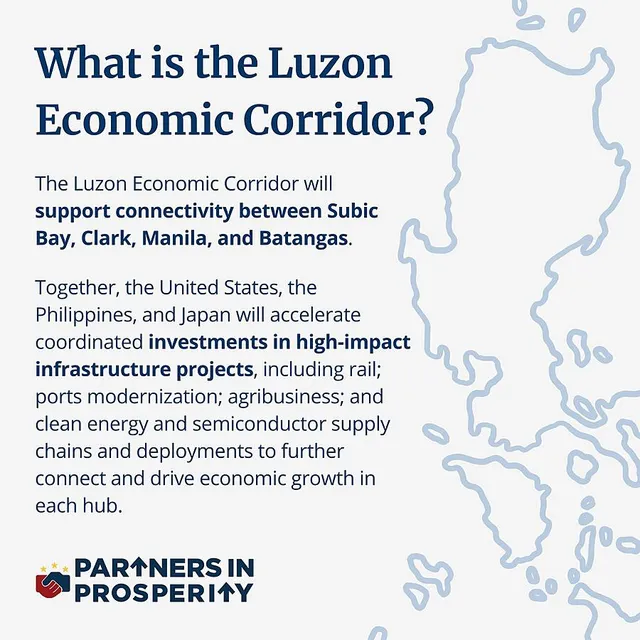
Several countries are investing in the Luzon Economic Corridor project, which can elevate the global status of the Philippines, according to President Ferdinand R. Marcos Jr.

In an interview with Chang Dae-hwan, chair of South Korea's Maekyung Media Group, in Malacañang, Manila on Thursday, Marcos said the project will intensively focus on key infrastructure such as ports, railways, clean energy, and semiconductor supply chain connecting Subic Bay in Zambales, Clark in Pampanga, Manila, and Batangas.

He particularly noted that the ongoing development in Clark City, which is a vital part of the Luzon Economic Corridor, has become an attractive destination for foreign investments due to the establishment of the Clark Freeport and Special Economic Zone.

“I expect it to be mostly American companies,” President Marcos said. “They have come in, and I like to think that the reason for that is because we have set up the system that’s attractive for their investment. And so, we’ll continue to [do] that and will be able to do even better if the [Luzon Economic] corridor is completed, and the travel times and the cost of travel of transport will be brought down."

He pointed out that the ecozones offer one common tax code and incentive scheme and locator companies do not have to deal with every local government unit.

The President said the ecozones are open to all investors looking for special incentives and special tax breaks.

"We have right now economic zones where anyone can participate,” Marcos said. “It’s not specifically only for Korea, only for one industry… but it’s open for everyone and what it provides. It provides a place where there are special incentives, special tax breaks specially tariffs on importation, sales tax because they don’t sell into the country."

President Marcos noted that Philippine special zones have been successful, adding that the government is counting on them to bring more success in the country.

The Bases Conversion and Development Authority earlier said the Subic-Clark Railway Project, expansion of the Clark International Airport, and the Clark National Food Hub are pitched to American and Japanese investors under the USD600-billion Partnership for Global Infrastructure and Investment of the G7 countries.

BCDA said the three projects are being endorsed for the proposed Luzon Economic Corridor. By Filane Mikee Cervantes


Article courtesy of the Philippine News Agency

May 05, 2024

President Ferdinand R. Marcos Jr. has ordered the streamlining of the permitting process for the Infrastructure Flagship Projects (IFPs) to hasten the construction and implementation of the administration’s infrastructure program.

In a four-page Executive Order No. 59 signed by Executive Secretary Lucas P. Bersamin on April 30, Marcos emphasized the need to expand and update the country’s infrastructure to achieve meaningful economic transformation.

There are currently 185 IFPs approved by the National Economic and Development Authority (NEDA).

“There is a need to further streamline the process for issuance of required licenses, clearances, permits, certifications or authorizations to expedite the implementation of IFPs, consistent with RA (Republic Act) 9485, as amended,” Marcos said.

EO 59 covers to all national government agencies, including government-owned or -controlled corporations and other government instrumentalities, local government units (LGUs) involved in the issuance of licenses, clearances, permits, certifications or authorizations required for approved list of IFPs.

According to the President, no other national or local permit or clearance may be required for the construction, installation, repair, operation, and/or maintenance of IFPs except for Environmental Compliance Certificate/Certificate of Non-Coverage issued by the Department of Environment and Natural Resources; Building permit/Occupational Permit/Certificate of Occupancy issued by the City/Municipal Building Official; Excavation Permit issued by the concerned LGU, National Commission for Culture and Arts, Metropolitan Manila Development Authority, Department of Public Works and Highways, and /or the Bases Conversion and Development Authority; and other requirements as mandated by the Constitution and existing laws.

The streamlined requirements apply to all pending and new applications submitted by the NGAs and LGUs for projects included in the NEDA Board-approved list of IFPs.

EO 59 takes effect immediately upon publication in the Official Gazette, or in a newspaper of general circulation. By Darryl John Esguerra


Article courtesy of the Philippine News Agency

May 05, 2024

The Mines and Geosciences Bureau (MGB) of the Department of Environment and Natural Resources (DENR) has commenced a nationwide, long-term program called PLASTIKalikasan to particularly address plastic waste in mining sites and its host and neighboring communities.

PLASTIKalikasan, with the help of stakeholders, serves as a platform for mining and mineral processing companies to collect, recycle, reuse, and dispose plastic waste. The program is set to be integrated into a company’s annual implementation of the Environmental Protection and Enhancement Program (EPEP) and ISO 14001:2015, allocated with appropriate and sufficient budget.

“At the DENR, our thrust on climate change adaptation and mitigation is at the forefront of our efforts. PLASTIKalikasan is not just a one-day clean-up project, it is a cornerstone of our strategy to build resilience against the impacts of climate change,” said DENR Secretary Maria Antonia Yulo Loyzaga, in a message delivered by DENR Undersecretary for Policy, Planning and International Affairs Jonas R. Leones.

The Annual EPEP outlines the methods and procedures a company will employ to achieve its environmental protection and management goals throughout the lifespan of the mine. Under the Philippine Mining Act of 1995 and its Revised Implementing Rules and Regulations, the EPEP should be prepared and approved before the commencement of mining.

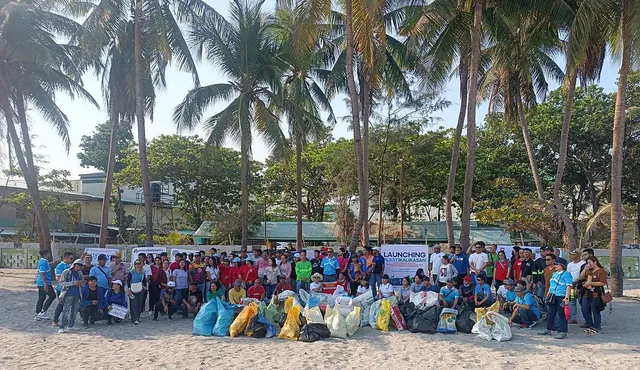
Fifteen MGB Regional Offices spearheaded community clean-up drives during the Earth Day 2024 celebration to launch the PLASTIKalikasan program. Together with MGB offices, over 7,000 participants from mining contractors and permit holders, as well as volunteers from communities, local government, and non-government organizations joined the activity. The initial report showed around 47,000 kilograms of plastic and other solid waste were collected across several mining sites and its host and neighboring communities.

“I am delighted that our partners from the mineral industry, our local communities, and other stakeholders have partaken in this collective effort to restore, protect, and sustain our environment,” said Secretary Loyzaga.

“To our partners from the mineral industry, you play a crucial role in this endeavor. You share an equal responsibility in ensuring that your operations adhere to the highest standard of environmental protection and conservation,” she added.

MGB will officially incorporate PLASTIKalikasan in the EPEP for operationalization by 2025. A planned activity under PLASTIKalikasan is the implementation of an incentive program mechanism to motivate communities to actively participate in the reduction, recycling, or upcycling of plastic waste. Details of the mechanism, including the types of incentives and the criteria for eligibility will be developed by MGB. Another PLASTIKalikasan activity is the forging of partnerships between mining companies and non-government and recycling organizations.

According to the MGB, there are 59 operating metallic mines, 61 operating non-metallic mines, and eight mineral processing plants in the Philippines.