January 26, 2022

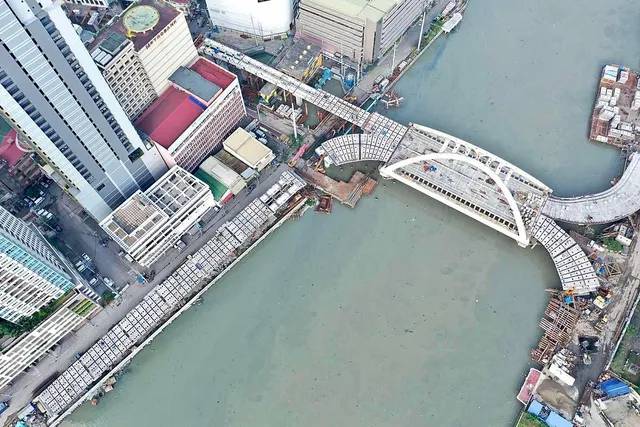
The Binondo - Intramuros Bridge Project of the Department of Public Works and Highway (DPWH) in Manila is nearly finished at 90 percent and expected to open to vehicular traffic by Holy Week this year.

In his report to DPWH Secretary Roger G. Mercado, Undersecretary and Build Build Build (BBB) Chief Implementer Emil K. Sadain said that the 680 meters bridge project across Pasig River is pretty much finished with the main bridge itself having two (2) lanes in each direction complete.

Undersecretary Sadain, in-charge of the Unified Project Management Office (UPMO) Operations, with UPMO Project Directors Benjamin A. Bautista, Sharif Madsmo H. Hasim, Ramon A. Arriola III, Rodrigo Delos Reyes, and Johnson Domingo; and Project Manager Mechor Kabiling conducted rigorous inspection from Intramuros to Binondo on Monday, January 24, 2022 to make sure that the project is done to the standards that are laid out in the contract.

You can walk over the bridge, but still closed with on-going construction of ramps on Binondo and Intramuros side, added Undersecretary Sadain.

Secretary Mercado said that he is extremely excited for the opening of the iconic basket-handle tied steel arch bridge that is expected to cut travel time between the districts of Binondo and Intramuros.

Implemented by UPMO Roads Management Cluster 1, the newest bridge in Manila which will benefit approximately 30,000 vehicles daily gives extra space for pedestrians and dedicated lane for bikers for improved safety and ease of traffic flow.

Equipment and crews are in the process of constructing access ramps made of prefabricated components from Shanghai, China at the Binondo side with an up-ramp located at Muelle dela Industria Street and down-ramps at Rentas Street and Plaza del Conde Street. Simultaneously, construction of ramps at Intramuros side is on-going with up-ramp at Riverside Drive and down-ramp at Solana street.

The ₱3.39 Billion project is financed by a government aid grant from the People’s Republic of China.

We are grateful to the men and women who worked so hard to build this bridge and thank the government of China and its contractor China Road and Bridge Corporation for their commitment to this project, added Undersecretary Sadain.

The bridge project is one of the flagship infrastructure projects of DPWH under President Rodrigo Roa Duterte administration’s BBB Program.
January 26, 2022

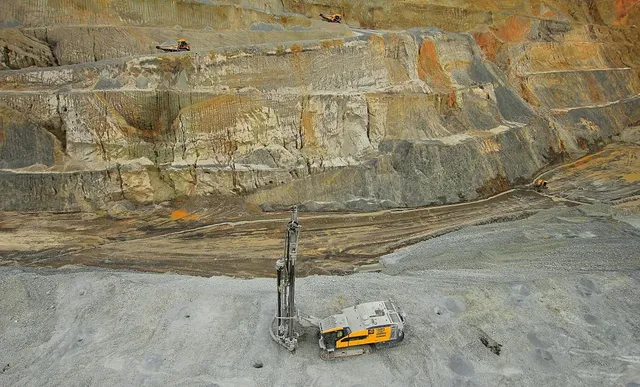
With the Department of Environment and Natural Resources (DENR) issuing an order to lift the moratorium on the open-pit method in the country through DENR Administrative Order (DAO) 2021-40 issued on Dec. 23, 2021, the Mines and Geosciences Bureau (MGB), Mine Safety, Environment, and Sustainable Development Division (MSESDD) Chief, Engr. Marcial M. Mateo went on “Kapamilya Konek”, radio program DZMM Teleradyo on January 11, 2021, to comment on repealing the open-pit mining ban.

The late DENR Secretary Regina Paz Lopez enforced the said ban four years ago, noting the environmental impacts of the mining operations that violated the mining law.

Engr. Mateo recalls that out of 51 metallic mines in operation at that time, 27 mines were suspended. He notes some of those suspended operations appealed their cases with Malacañang and DENR. While these mining operations have been suspended, they were still required to maintain their respective mine areas for their continued progressive environmental mitigation and rehabilitation activities.

He briefly explained the process of the open-pit mining method as part of surface mining and the advantages of such mining method to the national economy.

Prior to the ban of the open-pit mining method, the approval, and processing of mining operations were also halted by the late President Benigno "Noynoy" Aquino during his term through the issuance of Executive Order (E.O) No. 79. Engr. Mateo states that through E.O 79, the government has required the mining industry to increase excise tax from 2% to 4%.

He also explains further that in DAO 2021-40, a team from DENR, EMB, and MGB will be assessing the surface mines to certify that their environment programs will be strictly implemented.

January 25, 2022

Scott Sullivan, Acting CEO of OceanaGold said, “We finished the year with a strong fourth quarter of production, backed by solid operational performances from Haile, which delivered a record annual gold output and Didipio, where ramp-up is advancing ahead of schedule. We are delivering on our commitments by achieving our full year consolidated guidance and generating positive free cash flow for the first time in over two years.”

“OceanaGold is focused on delivering value to shareholders over the long term by consistently executing our business plans and making prudent investment decisions geared to maximise the value of our operations. Although we have made significant improvements to the business over the past several months, we have more work ahead of us to implement additional changes and regain our status as one of the premier gold miners in 2 the industry. I have full confidence that we will achieve this and regain our favoured market position over the short, medium and long term.”

For the full year, OceanaGold achieved its consolidated production and cost guidance. On a consolidated basis, the Company produced 362,807 ounces of gold and 2,323 tonnes of copper. Gold production was approximately 20% higher over 2020 due to significant year-on-year record gold output at Haile, the successful re-start and continued ramp-up of operations at Didipio and ramp-up of Martha Underground at Waihi, which was partially offset by lower head grades and mill feed from Macraes. Fourth quarter consolidated production was 106,591 ounces of gold, an approximate 35% quarter-on-quarter increase on the back of a greater output from the New Zealand operations and increasing production contribution from Didipio.

On a consolidated basis, the Company recorded an AISC of $1,247 per ounce on gold sales of 381,562 ounces and copper sales of 5,104 tonnes. Fourth quarter consolidated AISC was $1,326 per ounce on gold sales of 105,336 ounces and copper sales of 1,748 tonnes. AISC was similar year-on-year with higher sales offset by increased sustaining capital investments. The Company’s AISC increased 10% quarter-on-quarter on higher cash costs and sustaining capital, which was partially offset by higher gold sales.

Haile Gold Mine – United States

For the full year, Haile produced an annual record of 189,975 ounces of gold, exceeding its full year production guidance range of 175,000 to 180,000 ounces, a range that was lifted twice over the course of 2021. Haile’s year-on-year production increased nearly 40% as a result of higher grades mined and processed as well as operational and productivity improvements implemented throughout the year. Haile’s fourth quarter gold production was 42,484 ounces, slightly lower than the previous quarter as guided however, the result exceeded expectation due to continued mining and processing of higher grades. Full year AISC at Haile was $1,060 per gold ounce sold, well below its full year AISC guidance range, while fourth quarter AISC was $1,161 per ounce sold.

The Haile Technical Review is ongoing, and the Company now expects to release the preliminary results of the study in the first quarter. The Company continues to expect the SEIS Final Record of Decision in the first quarter and anticipates receipt of subsequent operating permits shortly thereafter. The permits are necessary to allow underground mine development, expansion of the operating footprint to accommodate the build-out of future waste storage facilities and increased water discharge rates. As previously guided, the ongoing delay in the finalisation of the SEIS is impacting productivity at Haile, where mining rates are limited by additional material and water re-handling, reducing output and increasing costs. Upon receipt of the necessary permits, the Company expects more efficient operations with fewer constraints and lower mining unit costs to be delivered progressively over a two-year period.

Didipio Gold-Copper Mine – Philippines

At Didipio, following the restart of processing in early November, the operation produced 14,863 ounces of gold and 2,323 tonnes of copper, exceeding the Company’s 2021 guidance range of 7,000 to 12,000 ounces of gold and 1,000 tonnes of copper. Didipio’s by-product AISC for the year was negative $25 per ounce on sales of 29,889 ounces of gold and 5,104 tonnes of copper. Fourth quarter AISC was $16 per ounce on gold sales of 10,738 ounces and copper sales of 1,748 tonnes. This included the sale of all remaining pre-existing coppergold concentrate inventory on hand. The ramp-up of operations to full production rates is advancing ahead of schedule.

Macraes Gold Mine – New Zealand

At Macraes, the operation produced 130,287 ounces of gold for the full year, including 37,385 ounces in the fourth quarter. Although the full year result is below the lower end of guidance, the quarter-on-quarter production increased 45% on the back of a higher head grade and increased mill feed. Full year production was impacted by inclement weather early in 2021 resulting in delayed access to higher grade zones, mill disruptions related to mill motor failures, geotechnical challenges at Coronation North and COVID-19 restrictions in the second and third quarters. In the fourth quarter, the operation delivered first production from Golden Point Underground as expected.

Full year AISC was $1,468 per ounce on 130,305 ounces of gold sold while fourth quarter AISC was $1,469 per ounce on gold sales of 36,615 ounces. The Company expects Macraes to deliver a stronger operational result in 2022 consistent with operational improvements implemented in the second half of 2021 and the continued ramp-up of the Golden Point Underground mine.

Waihi Gold Mine – New Zealand

The Waihi operation produced 27,682 ounces of gold for the full year, including 11,859 ounces in the fourth quarter, which was 57% higher than the previous quarter. The production increase was attributed to the continued ramp-up of mining rates from the Martha Underground leading to higher mill feed where continuous processing commenced at the end of the second quarter. Production was impacted by various local and regional COVID-19 restrictions and isolation requirements following the lifting of the Government mandated lockdowns and from negative reconciliation, which was previously flagged. The Company continues to increase drilling to assist mine planning efforts and does not expect long-term impacts related to the resource model.

For the full year, Waihi’s AISC was $1,701 per ounce on gold sales of 26,373 ounces, while fourth quarter AISC was $1,845 per ounce on 11,517 ounces of gold sold. Looking ahead to 2022, the Company expects the continued ramp-up of operations at the Martha Underground, with a significant increase to gold production and decrease in costs.


The numbers contained in this article are unaudited and subject to finalisation. The Company will release its complete 2021 audited financial and operational results after TSX market close on Wednesday February 23, 2022 (Toronto Eastern Standard Time). Article courtesy of Oceanagold

January 24, 2022

Photo credit: DOE

The Philippine Department of Energy (DOE) and the Russian State Atomic Energy Corporation (ROSATOM) on Thursday reaffirmed their collaborative efforts to explore the potential utilization of small modular reactor (SMR) technology in the Philippines during the Small Modular Reactors' Day.

This event formed part of ROSATOM's Breakthrough Technologies for Sustainable Future Week, which was held at the sidelines of the World EXPO 2020.

Under the definition of the International Atomic Energy Agency (IAEA), SMRs "are advanced nuclear reactors that have a power capacity of up to 300 MW(e) per unit, which is about one-third of the generating capacity of traditional nuclear power reactors".

Because of their size, and the capability of pre-assembling most SMRs in factories, they are considered ideal for industrial utilization, as well as for use in remote areas with limited grid access.

In a pre-recorded video message, Energy Secretary Alfonso Cusi stated that SMRs are a "game-changer in the global energy landscape", especially since they could be utilized in locations that are not suitable for large nuclear power plants (NPPs).

"It is an attractive, viable, and doable option for the Philippines given that SMRs provide non-intermittent power supply for calamity-prone countries, their low-carbon footprint, predictable supply costs, and are tailored-fit for our country's archipelagic setting," Secretary Cusi emphasized.

He expressed strong interest in Russian nuclear energy technology and its potential application in the Philippines after an official visit to Saint Petersburg, Russia, in 2017, where he witnessed the assembly and processing of the 70-megawatt Akademik Lomonosov floating co-generation plant in the Kamchatka region.

In 2019, the DOE and ROSATOM signed a memorandum of intent in Moscow, Russia, on the conduct of a pre-feasibility study on SMR technology's applicability in the Philippine setting.

Cusi also took the opportunity to express his gratitude to ROSATOM for their continuing support and guidance, as the Philippines continues to explore the safe utilization of nuclear energy under IAEA direction.

ROSATOM Overseas President Evgeny Pakermanov emphasized that "SMR technologies offer an effective solution in the supply of stable, reliable, and environmentally-friendly power in island-countries".

He added that Rosatom’s SMRs are among the world’s safest, proven, and state-of-the-art technologies, and that "the Russian SMR technology is becoming increasingly popular day-by-day, and international guests at ROSATOM’s SMR NPP day are testifying to it".


Article courtesy of the Philippine News Agency

January 24, 2022

Photo credit: Philippine News Agency

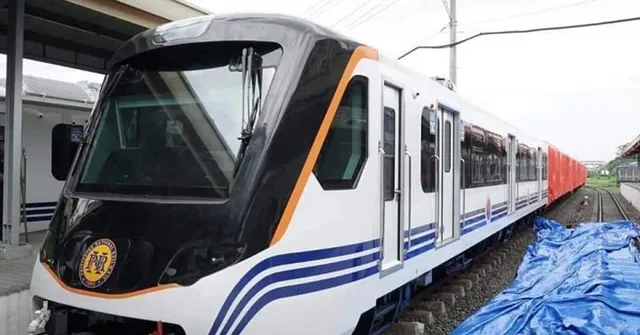
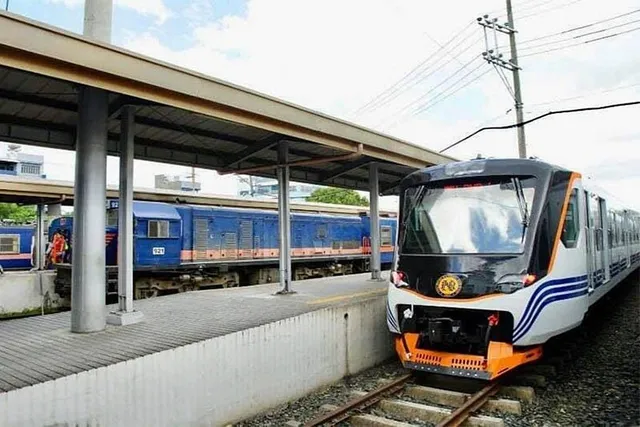
The first package of the Philippine National Railways (PNR) Bicol project will begin construction in the first quarter of the year.

In a press briefing in Malacañang on Friday, PNR General Manager Junn Magno said the package would consist of the PNR Bicol’s first 380 km. from Banlic, Calamba to Daraga, Albay.

“The construction works will begin (in) the first quarter of 2022,” Magno said in Filipino.

During the briefing, Department of Transportation (DOTr) Undersecretary for Railways Timothy John Batan said their agency has requested the Department of Finance to fund the project’s PHP142 billion contract through an official development assistance (ODA) loan from China.

Unlike other projects funded through ODA, Batan said, the PNR Bicol Package 1 had its construction contract signed before funding from China was secured.

While the project has the largest contract at PHP142 billion, the North-South Commuter Railway System is the biggest rail project of the DOTr, followed by the Metro Manila Subway Project, he added.

The construction of the PNR Bicol Package 1 is seen to be completed by 2024, and the start of operations by the third quarter of 2025.

The other PNR Bicol contract packages are set for completion between 2024 and 2026, with the entire PNR Bicol line scheduled to be operational by 2027.

The PNR Bicol is a 560-km. rail system consisting of 35 stations and will run from Manila through Laguna, Quezon, and Camarines Sur to Albay, with an extension line in Sorsogon and a branch line in Batangas.

The rail system’s passenger trains will be designed to run at a speed of 120 kph to 160 kph and its freight trains designed to run at 80 kph to 100 kph, reducing travel time between Manila and Legazpi City, Albay from the current 14 hours to 18 hours to just six hours in its regular commuter trains and four hours and 30 minutes with its express trains.

On January 18, the DOTr awarded the contract for the PNR Bicol Package 1 to Chinese joint venture China Railway Group Ltd., China Railway No. 3 Engineering Group Co. Ltd., and China Railway Engineering Consulting Group Co. Ltd. By Raymond Carl Dela Cruz


Article courtesy of the Philippine News Agency

January 20, 2022

Photo credit: Department of Public Works and Highways

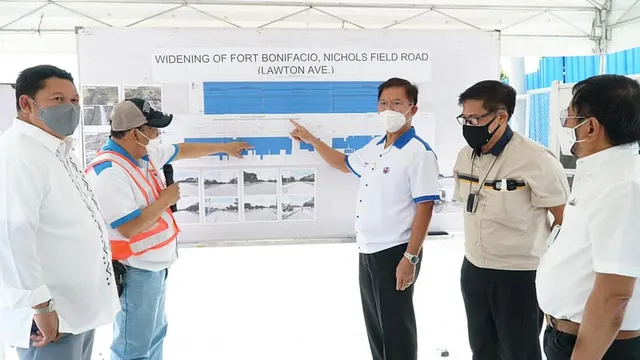
The Department of Public Works and Highways (DPWH) has fast-tracked the widening works at Fort Bonifacio-Nichols Field Road or Lawton Avenue in Taguig City to meet its target completion by the second quarter of 2022.

“As the government increases mobility in Metro Manila amid the pandemic, this project is vital in addressing traffic woes experienced by motorists,” said DPWH Secretary Roger G. Mercado during project inspection on Thursday, January 20, 2022, along with Senior Undersecretary Rafael C. Yabut, Assistant Secretary Wilfredo S. Mallari and National Capital Region (NCR) Director Nomer Abel P. Canlas.

The road widening has three phases with the 1.34-meter Phase 1 traversing from 5th Avenue to Bayani Road completed and opened to the public on November 17, 2020.

“We are keen in expediting the completion of the remaining two phases of the project with Phase 2 covering 1,100 lineal meters from Bayani Road to Philippine Navy and Phase 3 covering 240 lineal meters from Philippine Navy to Pasong Tamo Extension,” said Secretary Mercado.

Once fully completed, the 3.1-kilometer, four (4)-lane Lawton Avenue will be converted into a six (6)-lane thoroughfare that can accommodate influx of vehicles traversing the area and will help decongest traffic in nearby Epifanio delos Santos Avenue (EDSA), South Superhighway and C-5 Road.

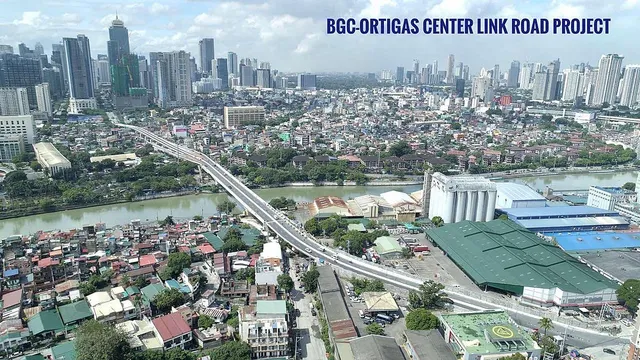
It will also complement the 961.427-lineal meter Bonifacio Global City-Ortigas Center Link Road Project which has improved access to and from the cities of Taguig, Pasig, Makati and Mandaluyong.

The widening of the Lawton Avenue is part of the EDSA Decongestion Program, one of the flagship projects of the Duterte administration under the Build Build Build Program.
January 19, 2022

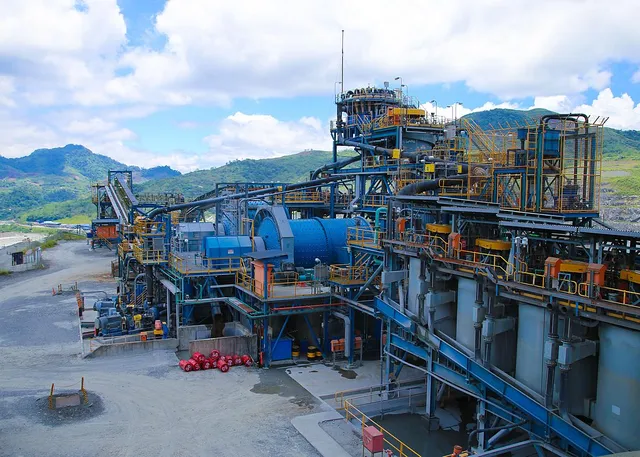
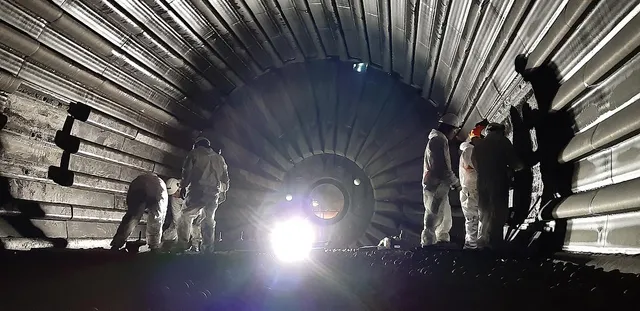
Photo: Inside the discharge end of a ball mill being fitted with spiral lifters and rubber grates. Vulco® R67 mill liners last significantly longer and deliver a measurable reduction in mill downtime, installation and maintenance costs.

Vulco® rubber is renowned throughout the mining industry for its exceptional wear life and reliability in mill lining systems. These abrasion- and impact-resistant rubber compounds have been developed with advanced technologies by the Weir Minerals’ team of expert engineers and material scientists who are continually refining Vulco® rubber products to keep them at the forefront of mill lining systems technology.

Having identified a need for higher-wearing rubbers for mill lining systems, the material science experts commenced developing an industry leading, premium-grade rubber compound with superior wear life and performance in mill lining applications. The result was the Vulco® R67 rubber – an optimum material which is manufactured with proprietary new compounds and innovative methods of processing to deliver outstanding wear life and longer uptime.

Extensive field research, compound testing and site trials were conducted to ensure that it was not only able to withstand severe abrasion in typical mill system applications, but that it is best in class. In fact, it has been the most wear-resistant rubber compound that Weir Minerals has ever developed for mill lining applications. The R67 compound boasts a high hardness, elongation, tensile and tear strength, and is suitable for lifter bars, head/shell plates and grates. When it’s utilised in conjunction with metal cap mill liners, the result is a versatile, economical and efficient product that weighs up to 50% less than steel alone. The added benefit is a lighter product that’s faster, easier and safer to install.

Revolutionising wear lining

Since its launch in 2018, many mining operators from around the globe have implemented the R67 compound into their mill lining systems. They have reported as much as 20-40% improvement in wear life, which is resulting in fewer mill lining replacements and longer mill campaigns. This reduction in shutdowns has a dual benefit of increased cost savings and improved plant availability.

What are the benefits for the mill operators?

With a liner that can run significantly longer, operators have experienced a wide range of benefits including:

  • Improved wear life
  • A measurable reduction in mill downtime
  • Increased uptime and processing
  • Easier and safer installations
  • Reduced maintenance costs

In addition to this, the mines benefit from having an experienced and dedicated team from Weir Minerals who custom-engineer the liners to suit each mill’s unique requirements for optimal wear life.

Global in-field success

The R67 elastomer compound is changing the way mills operate - with exceptional results. Extensive global trials and commercial installations in the market have resulted in a number of successful outcomes across a variety of different grinding applications. From mines in the USA to Chile, the R67 has proven its outstanding performance consistently.

As an example, a high-grade nickel and copper mining project in the USA had a problem where the liners in one ball mill were wearing out too quickly, leading to continued downtime and reduced processing. They were looking for a product significantly superior to the elastomer that they were using. Initially there was reluctance from the mine, as they had loyalty to their original mill supplier, however after Weir Minerals conducted a series of trajectory simulations and discreet modelling - to optimise the design and deliver the best process performance for the mill, they agreed to trial the R67 liners. At the end of the trial the R67 showed 30-40% better performance than the incumbent liners and the customer installed a full set of R67 liners in their mill. 

Another trial in the USA took place in an iron ore mine with several dozen ball mills in operation. Here, Vulco® R67 liners delivered a 17% increase in life compared to the failed shell plates from the mine’s original mill lining system supplier. The company was extremely impressed with the results and installed a complete shell liner in their ball mill.

Moving to Chile, a copper mine was keen to trial the R67 compound to see if they could improve the wear time of a competitor rubber liner. After a three-month trial, all liners were physically measured showing that the Vulco® R67 liners fully worn wear life projected from the actual wear would be 80% longer compared to the incumbent liners.

Another copper processing plant in Chile trialled R67 composite liners in their SAG mill against two other compounds that are commonly used in the industry. After 12 months, there was a 48% and 62% wear life improvement on the other liners – proving that the R67 composite liners could withstand the highly abrasive environment.

Helping customers optimise their process

As leaders in material technology, Weir Minerals are continuously undertaking research and development to provide best-in-class products to mining customers, while helping them improve their bottom line. When using Vulco® R67 rubber compounds, our customers can feel assured they have a market-leading product that is backed by decades of experience, expertise, and proven effectiveness. This innovative rubber compound not only delivers superior physical and viscoelastic properties but is also a lighter and safer material to use.

Where can you find Vulco® R67?

Vulco R67® mill liners are made exclusively at Weir Minerals facilities in North and South America, Australia and South Africa, with plans to expand production into more regions in the future.

January 19, 2022

Photo credit: DOTr

The Department of Transportation (DOTr) awarded the single largest rail contract worth PHP142 billion, or about USD2.8 billion, to a Chinese joint venture to build a 380-kilometer Philippine National Railways (PNR) route.

The construction will run from Barangay Banlic in Calamba, Laguna to Daraga, Albay.

The contract was signed on Monday by DOTr Secretary Arthur Tugade and representatives of the China Railway Group Ltd., China Railway No. 3 Engineering Group Co. Ltd., and China Railway Engineering Consulting Group Co. Ltd. (CREC JV).

The contract includes the design, construction, and electromechanical works for the project.

“Listed in both the Hong Kong and Shanghai stock exchange, CREC JV ranked 35th on the Fortune Global 500 list and 5th among China's top 500 enterprises in 2021,” the DOTr said in an announcement on Tuesday.

The project will span across 39 cities and municipalities in four provinces and two regions.

Aside from the construction of 380 kilometers of railway, the project will include 23 stations, 230 bridges, 10 passenger tunnels, and a 70-hectare depot in San Pablo, Laguna.

In a Facebook post, Chinese Ambassador to the Philippines, Huang Xilian, said the project will be the “fastest and longest railway segment so far in the Philippines” and “another milestone” for the relationship between the Philippines and China.

Huang said the project is so far the “highest-funded G-to-G (government-to-government) project” between the two countries.

Once operational, travel time between Calamba, Laguna and Legazpi, Albay will be shortened to four hours from the usual 12 hours and will serve 14.6 million passengers yearly.

The project is also expected to create “more than 10,000 direct construction jobs each year” aside from “hundreds of thousands” of jobs in related areas, according to Huang.

“I wish the scenario come true the soonest and the project a smooth progress!” Huang posted.

The PNR Bicol project is a 565-kilometer railway that will connect Metro Manila to the southern Luzon provinces of Sorsogon and Batangas.

Its passenger trains will run at a speed of 160 kilometers per hour while freight trains will run at 100 kilometers per hour. By Raymond Carl Dela Cruz


Article courtesy of the Philippine News Agency

January 13, 2022

Photo credit: Philex Mining

Philex Mining Corporation is pleased to announce the completion of the In-Phase Mine Plan feasibility study and an updated mineable reserve estimate for the Boyongan deposit in accordance with the 2012 Philippine Mineral Reporting Code (“PMRC”).

A feasibility study for a 4 Million tonnes per year sub-level cave mining plan for the Boyongan copper porphyry deposit was previously completed and disclosed in 2019 and was used as the basis for the In-Phase Mine Plan feasibility study. The in-phase plan consists of a starter sub-level cave mine that has an annual ore production of 700 thousand tonnes or 2,000 tonnes per day. Mining will commence at the East sub-level cave because it has the highest grade ore. A new decline will be developed to access the East sub-level cave while the existing exploration decline will be rehabilitated to serve as an alternative mine access and a ventilation exhaust for mine air. Ore coming from the starter mine will be hauled using mine trucks from the underground to the process plant at the surface, where it will be crushed and ground to required sizes.

Copper, gold and silver will be recovered using copper leaching and gold leaching processes because the ore at this point consists of predominantly oxide minerals. The processing plant will produce a London Metal Exchange (LME) grade (99.999%) copper cathode and gold-silver dore. Tailings from the processing plant will be piped to the Tailings Storage Facility which is 5 Kilometers to the northwest of the Boyongan ore body. The initial capital cost to develop the starter mine is estimated to be US$ 224 Million, which will be spent within the 2.5 years development period.

The 2,000 tonnes per day starter mine will last for 5 years, after which on the sixth year of production, mining and processing rate will increase to 4,000 tonnes per day or 1.3 Million tonnes per year. By the ninth year, ore production and processing rates will again increase to 8,000 tonnes per day or 2.7 Million tonnes per year. On this year as well, a copper flotation circuit will be added to the process plant as the ore mined now consists of oxide and sulfide minerals. Copper flotation will produce copper concentrates with gold and silver. The final ramp up will occur on the twelfth year. Ore production rate starting this year up to when the mineable ore will be exhausted will be 12,000 tonnes per day or 4 Million tonnes per year. The life of mine for Phase 1 Boyongan is 28 years.

The resulting updated mineable reserve estimate below is the culmination of the In-PhaseMine Plan feasibility study undertaken. After incorporating standard mining factors to the mineral resource, the competent person for this report has delineated 81 Million tonnes as mineable reserve.


Article courtesy of the Philippine Stock Exchange

January 12, 2022

The Philippine economy is expected to return to its 6 to 7-percent growth trajectory in 2022 after nearly two years of grappling with the pandemic despite the threat of the Omicron variant, according to the investment banking arm of the Metrobank Group.

First Metro Investment Corporation (FMIC) said this year’s economic growth will be driven by sustained domestic demand, easing inflation, election expenditures, and accelerated government spending on infrastructure projects.

“Notwithstanding the ongoing pandemic, and Omicron sparking the third wave of infections, we are still optimistic that Philippine growth will further accelerate and get back on its trajectory of 6-7 percent in 2022,” FMIC president Jose Patricio Dumlao said in a virtual briefing Tuesday.

Dumlao said the economy registered a 4.9-percent growth in the first three quarters of 2021 and the growth momentum likely spilled over in the fourth quarter given further economic reopening and easing mobility restrictions.

He added business and consumer confidence are also cautiously positive given wider availability of vaccines and relaxation of lockdowns, quarantine measures, and mobility restrictions.

University of Asia and the Pacific (UA&P) economist Dr. Victor Abola said the 6 to 7 percent gross domestic product (GDP) projection this year will be led by the industry sector --both construction and manufacturing.

Abola said services will still be the lagging sector as the pandemic measures hit hotels and restaurants.

“The Philippine situation is that there is recovery but still on the way to reach the pre-pandemic levels,” he said.

The country’s GDP posted a -9.5 percent full-year growth rate in 2020 compared to its 5.9 percent pre-pandemic performance in 2019.

Abola said the business process outsourcing (BPO) is a major contributor to the resiliency of the economy amid the pandemic.

“And it’s not the same as usual call centers, etc. You can see there are new, emerging segments and that is what companies are focusing on,” he said, citing insurance, life sciences, healthcare, and data analytics, among others.

Aside from BPO revenues, FMIC chairman Francisco Sebastian said the overseas Filipino workers (OFW) remittances are boosting the economy.

“These two things are not as sexy as other things like technology and telecoms… This is what is holding us up. OFW remittances continue to grow,” he said. By Leslie Gatpolintan


Article courtesy of the Philippine News Agency

January 10, 2022

Photo credit: Cebu Cordova Link Expressway Corp.

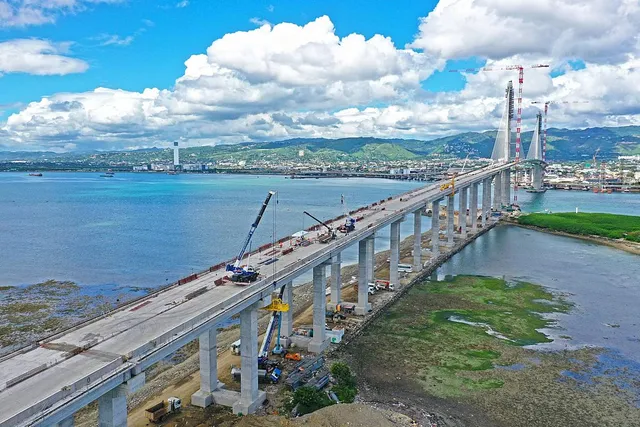
Department of Public Works and Highways (DPWH) Secretary Roger G. Mercado declared that the Cebu-Cordova Link Expressway or CCLEX will soon strengthen the carrying capacity of the road network of Cebu Province.

In his inspection at the project over Mactan channel, Secretary Mercado commended the efforts of the local government units of Cebu City and Municipality of Cordova which entered into Public-Private Partnership through an agreement with Metro Pacific Tollways Corporation to build the toll road that will drastically cut travel time to the Mactan Cebu International Airport from Cebu City and those coming from the south of Cebu Province

Secretary Mercado said that the benefits of the project will be realized soonest with the expressway, the first outside Luzon, now on its last stage of completion.

Joining Secretary Mercado in the project visit in coordination with CCLEX Corporation President and General Manager Allan Alfon are DPWH Senior Undersecretary Rafael C. Yabut, Undersecretaries Maria Catalina E. Cabral and Eugenio R. Pipo Jr., Assistant Secretary Ador G. Canlas, Region 7 Director Edgar Tabacon, and District Engineer Daisy Toledo.

The approximately 8.9 kilometer CCLEX and sometimes referred as the Cebu - Cordova Bridge is a cable-stayed twin single pylon main bridge with span length of 390 meters.

The bridge project has a pylon height of 145 meters and navigational vertical clearance of 52.5 meters and 260 meters horizontal clearance.

With a carrying capacity of two (2) lanes per direction, the expressway project also involves the construction of 1,350 meters of viaduct and 5,219 meters causeway and 603 meters low-level bridges.


Article courtesy of the Department of Public Works and Highways

January 07, 2022

Photo credit: Dimas Ardian/Bloomberg

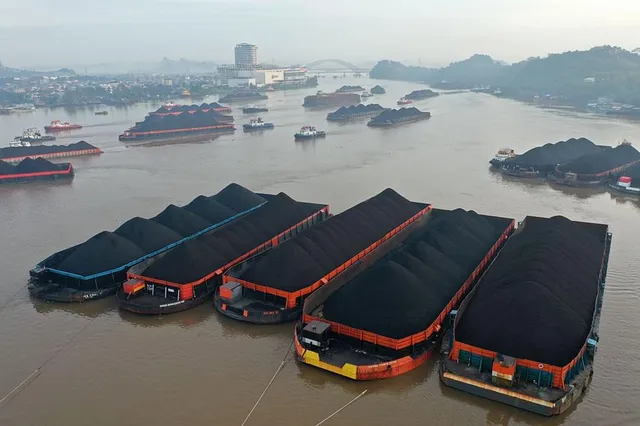
A lawmaker on Thursday called on the government to ensure that the country's power supply derived from the consumption of coal would not be adversely affected following Indonesia's decision to ban the export of coal to secure its local supply.

In a statement, Senator Sherwin Gatchalian, chair of the Senate Energy Committee, called on the Department of Energy (DOE) to prepare for contingency measures on the country’s supply of coal for power plants which, if insufficient, could lead to widespread blackouts.

“Part of the contingency measures should be to ensure the adherence of coal-fired power plants to the 30-day minimum inventory requirement,” Gatchalian said.

While the country is slowly attempting to promote alternative and sustainable sources of energy, the Philippines still derived 57.17 percent of power generation from coal as of 2020.

Aside from Indonesia's ban on coal exports, the global demand for coal has surged following higher consumption in countries that experience cold winter months.

Among the countries severely affected by Indonesia's move are Japan, China, India, and South Korea, which imported 73 percent of Indonesian coal last year.

“The government should also consider looking for other suppliers, especially in the coming weeks, given the possible decline in stockpiles coming from Indonesia, which could result in soaring coal prices,” Gatchalian added.

In October 2021, the Philippines acquired 96.88 percent of its imported coal supply from Indonesia, the world's top exporter of thermal coal.

“This could be a wake-up call as well. The government should probably start rethinking and be more committed to reducing the share of coal by further diversifying our generation mix,” Gatchalian said. By Benjamin Pulta


Article courtesy of the Philippine News Agency 

January 05, 2022

Back in November, OceanaGold Corporation announced the commencement of processing at the Didipio Gold-Copper Mine. 

Scott Sullivan, Chief Operating Officer & Acting CEO of OceanaGold said, “This is a major milestone for OceanaGold, the Didipio Mine and host communities. Following the confirmation of the Didipio Mine Financial or Technical Assistance Agreement renewal, Didipio is producing gold and copper again, which will be an important source of free cash flow generation for the Company and a significant contributor of socio-economic benefits for the region and country.”

“The start of milling is two weeks ahead of schedule, following the completion of plant upgrades and maintenance activities and the start of mining activities was one month ahead of schedule. It marks a new beginning for the operation and the predominately Filipino workforce who are leading and operating a first quartile gold and copper producer.”

“As the underground mining operations continue to ramp up over the course of the next eight to nine months, the primary ore feed will be sourced from low-grade stockpiles, of which the Company has approximately 23 million tonnes of ore on surface. With underground ore progressively being delivered to the ROM pad, the operation will increase the proportion of higher-grade ore feed to supplement the mill.”

The Didipio process plant is expected to ramp up to its throughput rate of 3.5 million tonnes per annum over the course of the next few weeks. For the remainder of the year, the Company expects to produce between 7,000 and 12,000 ounces of gold and 1,000 tonnes of copper at an All-In Sustaining Costs between US$100 and US$150 per ounce sold on a by-product basis. The Company will continue to manage the risks associated with COVID-19 as it continues to ramp up operations to full production rates of 10,000 ounces of gold and 1,000 tonnes of copper a month.

Mr Sullivan went on to add, “We are grateful for the support and cooperation from our workforce, government and regulators who are working with us as we ramp up Didipio to full production. In parallel with the ramp-up, Didipio has recommenced social and development projects and continues to support COVID-19 vaccination and community health programs in partnership with local authorities.”


Article courtesy of OceanaGold

January 04, 2022

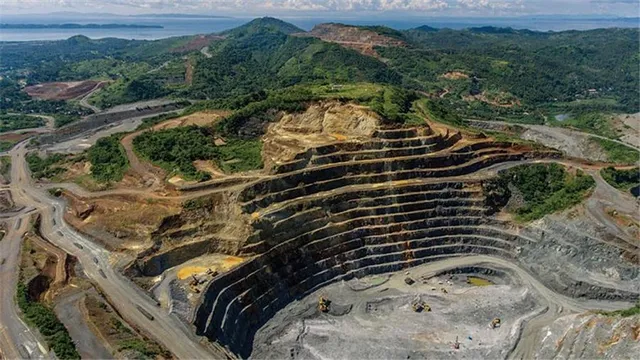
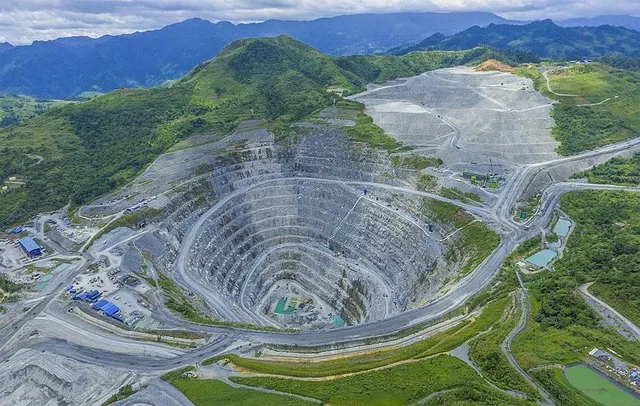
The Department of Finance (DOF) has expressed its support behind the recent decision of the Department of Environment and Natural Resources (DENR) to lift the ban on open-pit mining as it voiced full confidence in the government’s capability to strictly regulate mining operations to address and minimize the impact posed by these extractive activities on the environment. 

In backing the DENR’s decision, Finance  Secretary Carlos Dominguez III said Republic Act (RA) No. 7942 or the Philippine Mining Act of 1995 does not prohibit open-pit mining as there are economic, safety, and environmental considerations for employing this method.

“As co-chair of the Mining Industry Coordinating Council (MICC), I support DENR Secretary Roy Cimatu's decision to lift the ban on open-pit mining. The matter was extensively discussed in the MICC and with advice and guidance from experts, the recommendation was to lift the ban,” he said.

Dominguez said adequate safeguards can be implemented to ensure the safety of this mining method. 

“Strict monitoring and enforcement to ensure compliance with environmental standards shall be undertaken to prevent any abuse in the implementation of this type of mining activity,” he said. “I am confident that the DENR is fully capable of regulating mining operations in the country so that mining activities are conducted safely with due regard to the protection of the environment.” 

As the official representative of the President to the Climate Change Commission (CCC), Dominguez said he is mindful of the impact of mining activities on the environment and the country’s goal to significantly reduce its carbon footprint. 

“The protection of the environment is non-negotiable. We have to strike a careful balance between preserving and protecting the environment and pursuing our economic development objectives,” he said. 

With the lifting of the ban, Dominguez said the mining industry can become a key contributor to the nation’s economic recovery as the DENR has projected that open-pit mining will lead to the immediate development of 11 pending projects that are expected to generate about PHP11 billion combined in yearly government revenue, increase annual exports by PHP36 billion, and provide employment to 22,880 people living in remote municipalities. 

“Clearly, it will revive an industry that will create jobs and spur economic growth in the countryside,” he said. 

“More importantly, the lifting of the ban on open-pit mining will help revitalize the economy as we begin to recover from the pandemic by generating additional revenues, royalty fees,  export value, and even more jobs in related industries. These economic prospects can still be realized while we continuously implement strategies to manage and avoid the negative impacts of the open-pit mining method,” he added. 

Dominguez said tight monitoring and enforcement to ensure that mines strictly comply with laws and regulations can be done as proven by the operations of thousands of mines worldwide that effectively and safely use the open-pit mining method. 

These include open-pit mines in Australia, Canada, China, and the United States (US).

Open-pit mining is a globally accepted method that is considered to be the most feasible option for mining near-surface or shallow one deposits. 

As observed by the DENR, major issues concerning mining operations, including open-pit mining,  cannot be attributed to the use of the method itself, but rather to accidents involving wastes and tailings confinements, which can be prevented through strict monitoring and regulation of such mining activities.

January 04, 2022

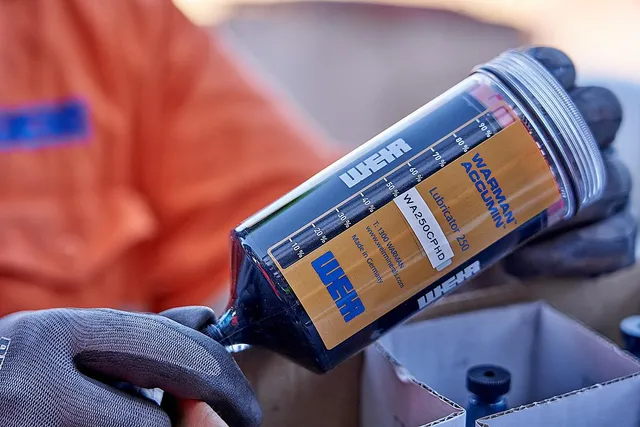
Photo credit: Weir Minerals - Accumin™ automatic lubricators being installed at a customer’s site in Australia

The Accumin™ lubrication system has proven itself an efficient way of preventing expensive bearing assembly failures, reducing maintenance downtime and promoting safety by decreasing the amount of manual interface to keep equipment performing.

Accumin™ lubricators automatically deliver even, measured lubricant to the vital points of your Warman® pump. This results in enhanced availability and durability.

“At Weir Minerals, we make the market leading slurry pump for mining applications, but we can’t always control what happens when it gets to site. Between dust, overflow and gland seal leaks, lubrication is a vital tool in the constant battle to keep machinery going. Having an Accumin lubrication system fitted prevents over and under greasing, protects equipment from bearing failures and frees up man hours for more critical tasks,” says Tony Millar, Director, Product Management, Weir Minerals.

“When we offer Weir Minerals equipment with an Accumin lubrication system installed, what we’re really doing is giving that equipment its best shot at a long and productive working life.”

The Accumin™ lubricators are suitable for most grease-lubricated rotating equipment such as Multiflo®, Hazleton®, Lewis® and GEHO® pumps and Aspir™ centrifuges. And also available for use on valves, including Isogate® knifegate valves.

January 04, 2022

Department of Public Works and Highways (DPWH) Undersecretary Emil K. Sadain, President Rodrigo Roa Duterte’s designated Chief Implementer of flagship projects under the Build Build Build (BBB) Program, has promoted collaborative engagements among oversight and implementing agencies to accelerate the preparation, implementation, and completion of various infrastructure flagship projects (IFPs) under the Build Build Build (BBB) Program.

Undersecretary Sadain said that the project teams of DPWH under the leadership of Secretary Roger G. Mercado and the Department of Budget and Management, National Economic and Development Authority, Department of Finance, Department of Transportation, Department of Health, National Irrigation Administration, Metropolitan Waterworks Sewerage System, Local Water Utilities Administration, Department of the Interior and Local Govt., Department of Information Communication Technology, Toll Regulatory Board, and Philippine Statistics Authority are working across sectoral boundaries to achieve overarching goals of completing their respective marquee projects by overcoming bottlenecks and delays.

The BBB Chief Implementer organized the successful holding of the 1st Inter-Agency Forum on December 14-15 which provided the opportunity to thresh out and recommend solutions on actual issues on the ground which most of the time are not reported on usual accomplishment reports of agencies in the past.

In his 4th quarter report to the Office of the President thru Executive Secretary Salvador C. Medialdea, Undersecretary Sadain disclosed the completion of eight projects worth ₱94.64 Billion in 2021 despite being affected by the pandemic crisis.

Moving forward, we are hoping that the next administration will continue President Duterte’s legacy of infrastructure development thru the BBB Program for recovery, growth and sustainability as highlighted by the President during the recent signing of 2022 General Appropriations Act or national budget to increase the Philippines growth potential and give the Filipinos a better life, added Undersecretary Sadain.

Both DPWH and the Department of Transportation (DOTr) have completed four (4) flagship projects each in 2021.

Completed under DPWH fortfolio are projects mostly implemented by DPWH Unified Project Management Office (UPMO) Operarions headed by Undersecretary Sadain to include the BGC-Ortigas Center Link Road Project, Estrella Pantaleon Bridge, and Marawi Transcentral Road Phase 1.

BGC-Ortigas Center Link Road Project and Estrella Pantaleon Bridge are new alternative linkages between major thoroughfares constructed to increase the number of usable roadways that would decongest traffic in EDSA and other major roads in Metro Manila.

The BGC-Ortigas Center Link Road Project shortened to 12 minutes the travel time between Bonifacio Global City and Ortigas Central Business District while Estrella Pantaleon Bridge is a modern bridge connecting cities of Mandaluyong and Makati within five (5) minutes that has not only improved mobility but also enhanced the resilience against natural disasters.

The 18.97-kilometer Marawi Transcentral Road Phase 1 funded by a grant from Japan fulfilled the government’s promise to build back better Marawi City with a peaceful road to recovery from the suffering due to the siege four (4) years ago.

A fourth project completed and inaugurated by President Duterte funded under the Public-Private Partnership Program is the 18-kilometer Metro Manila Skyway Stage 3 from Buendia, Makati City to Balintawak, Quezon City that connected North Luzon Expressway (NLEX) and South Luzon Expressway (SLEX).

DOTr implemented and completed projects in 2021 are the LTO Central Command Center, LRT-2 East Extension, GenSan Airport Development Project, and Bicol International Airport.

A total of 77 IFPs projects worth ₱3.51 trillion are on-going while 27 projects are currently in the pipeline worth ₱1.09 trillion.

Considered pipeline projects are those that may start construction within the present administration but will be part of the continuity pipeline of the succeeding administrations.

In terms of completion, 18 projects will be completed within the administration’s term while eight projects will be delivered to completion in the second semester of 2022 and 86 projects in 2023 onwards.

Other than providing the much-needed infrastructure for Filipinos, investment in the IFPs under BBB Program has the biggest multiplier in terms of created jobs.

Based on preliminary estimates of the National Economic and Development Authority, it is projected that about 580,000 employment in 2021 and about 620,000 employment in 2022 will be generated from the implementation of the IFPs.
December 20, 2021

Photo credit: Department of Public Works and Highways

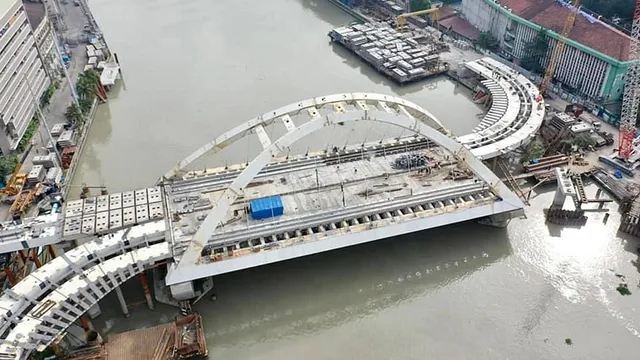
The Department of Public Works and Highways (DPWH) has started with the massive installation of prefabricated girders for abutments and ramps of the iconic Binondo - Intramuros Bridge Project in Manila.

In his report to DPWH Acting Secretary Roger "Oging" Mercado, Undersecretary and Build Build Build(BBB) Chief Implementer Emil K. Sadain said that already lifted on piers were steel box girder components for the up-ramp at Intramuros side with a total length of 191 meters and between pier 5 to near pier 8 for the viaduct structure over Estero de Binondo and corresponding ramp at Binondo side.

Undersecretary Sadain, in-charge of DPWH Unified Project Management Office (UPMO) Operations, said that the overall progress of the bridge project implemented by UPMO - Roads Management Cluster 1 (UPMO-RMC 1) is now at 88.63 percent.

Simultaneously, manpower and equipment resources are also doing the lifting of pre-fab girders for the 298 meters up-ramp at Muelle dela Industria side.

“We are expecting a lot of dramatic changes for this project, with all the needed materials and high-performance launching equipment available on the construction site”, Undersecretary Sadain told contractor China Road and Bridge Corporation following his inspection with UPMO RMC 1 Project Director Benjamin A. Bautista, Project Manager Melchor Kabiling, and Project Engineer Joey Doria.

The Binondo-Intramuros Bridge Project involves the construction of 680 linear meter bridge connecting historic district of Intramuros at Solana Street and Riverside Drive with the bustling district of Binondo at Rentas Street/Plaza del Conde Street and Muelle dela Industria.

With an already completed basket-handle tied steel arch main bridge over Pasig River, DPWH is targetting to finish the project by the first half of 2022.

Initially, the new bridge would be completed by end of 2021.

However, DPWH had to push back the project timeframe to relocate public and private services and utilities in the area as well as to wait on the pre-fabricated steel materials to come in from China. The project was also affected by work suspension at the height of COVID-19 pandemic.

The ₱3.39-Billion bridge project is financed by a grant aid rom the People’s Republic of China.

Considered one (1) of the flagship infrastructure projects of DPWH under the Build, Build, Build Program, the bridge project is expected to not only cut travel time between the two busy districts of Intramuros and Binondo in Manila but also benefit approximately 30,000 vehicles daily.


Article courtesy of The Department of Public Works and Highways
December 18, 2021

Photo credit: Mining Journal

  • TVIRD acquires 100% of outstanding GRC shares for a total consideration of US$19 million
  • Red 5 will retain a 3.25% NSR payable on gold sales from succeeding operations at Siana
  • GRC assets include a state-of-the-art processing facility with a throughput capacity of 1.10 million tons per year as well as key infrastructures in the Siana, Mapawa and Ferrer tenements

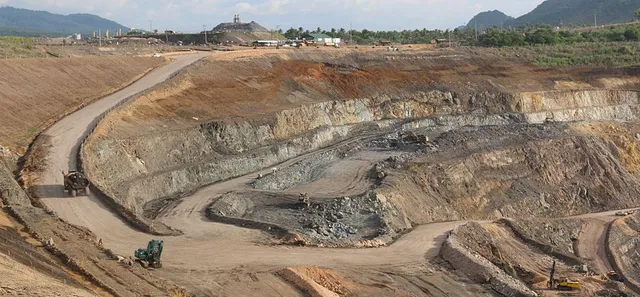
TVI Resource Development Philippines Inc. (TVIRD), local affiliate company of Canada’s TVI Pacific Inc. and majority shareholder Prime Asset Ventures Inc., earlier signed a binding agreement with Australia-based listed gold company Red 5 Limited. The agreement pertains to TVIRD’s acquisition of 100 percent of Red 5’s outstanding equity in its Philippine affiliated company, Greenstone Resources Corporation (GRC), which is the owner and operator of the Siana Gold and Mapawa Projects in Tubod, Surigao del Norte Province.

The agreement was signed by TVIRD President Engr. Yulo E. Perez and Red 5 Managing Director Mark Williams in July this year. The inked agreement is a landmark deal that underscores the restored investor confidence in the Philippine mining and extractives sector. As of September 20, the company has completed the acquisition of 100 percent of the outstanding equity of GRC.

“The acquisition of Greenstone, particularly the Siana Gold Project, dovetails with our group’s long-term growth strategy that is hinged on building a robust mining portfolio staggered across multiple commodities,” according to Perez.

Investment agreement

“We are likewise encouraged by the current market performance of precious metals as well as the overall positive investment climate for mineral and resource development in the country,” he said.

Further to the agreement, TVIRD invested US$19 million in cash to Red 5 to obtain 100 percent of GRC shares. The company also confirmed that the cash portion of the purchase price was funded from internal resources.

Parallel to this, Red 5 is entitled to a 3.25 percent net smelter royalty (NSR) to be paid from the sale of up to 619,000 oz. of gold produced from Siana. The recognized NSR value is US$35 million based on a gold price of US$1,750/oz.

Project status

While the Siana project is currently on voluntary care and maintenance, it holds all the necessary government permits to restart operations, including an Environmental Compliance Certificate and an approved Declaration of Mining Project Feasibility.

“The company is currently developing plans to bring Siana back on-stream,” said Perez, citing TVIRD’s plan is to restart operations at Siana as soon as possible.

The project site is located in a 3,289-hectare Mineral Production Sharing Agreement area and includes a modern 1.1 million tonne per annum Outotec mill, gravity and Carbon-in-Leach (CIL) mill facility commissioned in 2012 at a capital cost of US$54 million that includes a single stage SAG mill and six CIL tanks.

Prior to signing the agreement, Red 5 confirmed that GRC spent over US$200 million in the development of Siana, which has the only modern gold plant in the region.

Resources and expansion plans

In its 2020 annual report, Red 5 cited a combined historical Indicated JORC12 mineral resource estimate for the Siana open pit and underground mine of 4.3 million tonnes @ 4.6 grams per tonne of gold and 6.8 grams per tonne of silver. It also cited a combined Inferred JORC12 mineral resource estimate of 0.5 million tonnes @ 8.9 grams per tonne of gold and 10.6 grams per ton of silver.

In addition to Siana, the agreement also covers the 1,482-hectare Mapawa MPSA and the 595-hectare Ferrer APSA claim. All assets and properties have obtained government approvals and relationships with key stakeholders.

The plant receives Grid power with a back-up 8MW diesel fired power station while the project has the necessary infrastructures in place: an administration building, warehouse, mess hall, camp facilities and accommodation, an engineering building and maintenance facilities

With the necessary technology, equipment and facilities, there also lies the potential to establish Siana as a processing center for other nearby prospects and gold deposits.

TVIRD key officers believe that the Siana and Mapawa tenements hold the potential for exploration. Meantime, Mapawa and Ferrer are in the early stages of exploration.

"This represents a strategic acquisition for TVIRD", said TVI Pacific Inc. Chairman and CEO Clifford M. James. "Management and the directors of TVIRD are excited about the acquisition, which coincides with the start-up at Balabag and positive changes in the Philippines Government and financial community attitudes towards mining projects.”

December 17, 2021

Photo credit: Marcventures

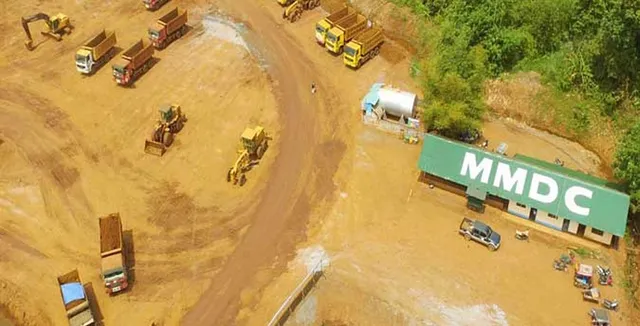
Marcventures Holdings Inc. (MHI) consolidated income surged to P790.31M with a robust third quarter performance of Marcventures Mining and Development Corp (MMDC).

Amid the unstable weather conditions on the first half of the year
coupled with the difficulties brought by the pandemic, MHI’s net income rose to P790.31M on the third quarter. With a 30% increase amounting to P183.02M, this brings a solid growth of P627.13M, a 384% rise compared to last year’s income of P163.79M from the same period.

MMDC’s YTD Revenue of P2,851.32M is 7% lower than the P3,054.29M target, but shows a major growth of P1,088.57M or 62% increase, side by side with last year’s revenue of P1,762.75M.

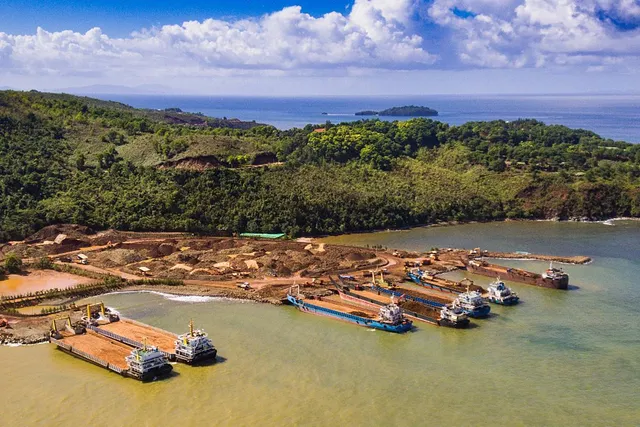
With significant changes in operations and management and the support of the LGUs and leading government agencies, MMDC completed 25 shipments in the 3rd quarter bringing the year-to-date total to 30. It missed the target of 31 but surpassed last year’s 22 boatloads. The total ore shipment of 1.601M WMT is 6% lower than the target of 1.705M WMT, but 35% higher than last year’s 1,189M WMT shipment.

The mining company’s P1,317.56M YTD Cost of Sales posed a 15% dip from its P1,541.30M budget while the increased volume brought about by the efficient sales and production resulted in a 36% increase from last year’s P969.64M.

MMDC’s YTD Net Income of P875.73M, posed a 17% rise from the P746.74M target. More importantly, it tripled 2020’s P282.21M a distinct P593.52M increase or 210% year-on-year growth.

MMDC’s solid financial standing signifies its commitment to preserve the environment and support its host communities. The company continues to provide livelihood opportunities, educational and health assistance to all 42 communities in the municipalities Cantillan, Carrascal and Madrid, in Surigao del Sur.


Article courtesy of the Philippine Stock Exchange

December 17, 2021

Photo credit: Global Ferronickel Holdings

Global Ferronickel Holdings, Inc. (FNI), the country’s second-largest nickel ore producer, recorded Q3 net income of P1.22B in 2021 against the P1.36B it posted during the same period last year. This brought total earnings for the first three quarters of the year to P1.86 billion, up 19.4% from the P1.56 billion it posted during the same period last year. Revenues for the first nine months of the year are up 15.3% to P6.41 billion compared to the P5.55 billion during the same period in 2020 buoyed by the higher prices of nickel ore.

The sale of nickel ore for the nine months ended September 30, 2021 was 4.228 million WMT, lower by 0.151 million WMT or 3.4%, compared to 4.379 million WMT of nickel ore in the nine months ended September 30, 2020. This is mainly due to bad weather conditions, which allowed the Group to only ship 78 vessels of nickel ore against the 80 vessels during the same period last year. The resulting sales mix was 81% low-grade ore and 19% medium-grade ore in 2021 versus the previous period’s mix of 59% low-grade ore and 41% medium-grade ore. These were exported 100% to China and consisted of 3.424 million WMT low-grade nickel ore and 0.804 million WMT medium-grade nickel ore compared to 2.588 million WMT low-grade nickel ore and 1.791 WMT medium-grade nickel ore for the same period in 2020.

“We are happy with the results. Despite the heavy rains hampering operations and more expensive fuel prices, the continued rise of nickel ore prices driven by the strong demand from China will augur well for the industry,” said FNI President Dante R. Bravo.

The overall average realized nickel ore price for the period ended 30 September 2021 was US$30.78/WMT compared to US$25.56/WMT for the period ended 30 September 2020, higher by US$5.22/WMT or 20.4%. The price of low-grade ore went up by 35.4% to US$29.79/WMT in 2021 against the 2020 price of US$22.01/ WMT. Medium-grade ore, on the other hand, was US$34.99/WMT or 14.0% higher than the 2020 price of US$30.69/WMT.


Article courtesy of the Philippine Stock Exchange

December 17, 2021

Photo credit: Apex Mining

Apex Mining Co., Inc (APX) wins three top awards in 2021’s edition of the prestigious Safest Mines Awards of the Presidential Mineral Industry Environmental Award: Safest Underground Mining Operation; Most Improved Safety Performance; and, Safety Exploration (Category A). Select employees of APX also garnered Best Personality Awards: Ronnie N. Rojo, Best Underground Safety Inspector; Johary S. Unggel, Best Underground Mine Supervisor; and, Marvin A. Badayos, Best Underground Miner.

The PMIEA is part of this year’s 67th Annual Mine Safety and Environment Conference (ANMSEC) and is spearheaded by the Mines and Geosciences Bureau (MGB) of the Department of Environment and Natural Resources (DENR).

APX prides itself in institutionalizing safety as a way of life, with safety best practices deeply ingrained in its operations. In fact, its Maco Mine was cited by MGB-RXI with the Safety Milestone Award for recording over 2.1 million man-hours without lost time accidents (LTAs) between 11 March and 30 June 2021. For the first half of 2021, the company’s Safety Department initiated 24 training sessions for around 477 participants, furthering its commitment to safety.

APX finished the third quarter of 2021 with consolidated revenues of P5.0 billion for the first nine months of 2021, 9% higher than the consolidated revenues of P4.6 billion for the same period in 2020. Parent company likewise posted revenues of P4.7 billion, a 2% increase from P4.6 billion revenues in the same period of 2020.

Parent Company’s milling throughput is higher at 514,008 tonnes (averaging at 2,107 tonnes per day) as compared to 491,269 tonnes (averaging at 1,921 tonnes per day) as of September 30, 2020. Gold recovery is at 87.06%, almost the same level compared to last year’s 87.29% recovery. Silver recovery slightly improved to 78.54% against last year’s 76.55% recovery rate. Itogon-Suyoc Resources, Inc., milled a total of 44,140 tonnes during the year (averaging 185 tonnes per day).

The higher throughput and average realized gold price of $1,786/oz during the year (versus $1,779/oz last year), neutralized the impact in revenue from the drop in ore grades which averaged 3.45 grams of gold and 19.80 grams of silver per tonne during the period compared to 3.59 grams of gold and 22.38 grams of silver per tonne in the same period last year.

The third quarter average ore grade per tonne was higher at 3.93 grams of gold but lower at 20.97 grams of silver, as compared to 3.79 grams of gold and 23.61 grams of silver in the third quarter of 2020. Recovery rate for the quarter slightly declined to 87.85% for gold and 76.50% for silver from 88.77% and 80.37%, respectively.

Average realized gold price this quarter was 6% lower at $1,791/oz. as compared to $1,902/oz. in the same quarter in 2020. Silver price also tallied lower at $23.71/oz. from $24.34/oz. previously.

Gold and silver sold this quarter was lower at 19,959 ounces and 87,791 ounces compared to 26,031 ounces and 140,240 ounces, respectively, in 2020. The big numbers from the third quarter last year can be explained by inventories affected by the quarantine restrictions and flight cancellations due to the COVID-19 pandemic during the first and second quarter of 2020 being subsequently shipped during the third quarter last year.

During the period, the Group recognized a provision for impairment of some subsidiary companies’ assets amounting to P1.1 billion as a result of the latest management assessment on the recoverability of property and equipment, intangible assets and deferred mining exploration costs of foreign projects in West Africa and Mongolia, and local projects in Camarines Norte and in Metro Manila.

The Gori Hills project located in the Republic of Sierra Leone in West Africa is owned through Monte Oro Mining Co., Ltd. (MOMCL) which holds the tenements for the project. It received word that its tenement license was revoked by the National Mineral Agency. MOMCL will work to question that revocation and for the reinstatement of that license.

The Khar At Uui Gold Project, registered under the joint venture company Erdeneminas LLC, which is owned 51% by indirect subsidiary Minas de Oro Mongol LLC (Minas), and 49% by Erdenejas LLC, a Mongolian exploration company, is currently under continued care and maintenance.

APX, through Monte Oro Resources & Energy Inc. (MORE), owns Paracale Gold Limited (PGL), an Isles of Man company, which wholly owns Coral Resources Philippines, Inc. (CRPI) and has a 40% interest in Bulawan Mineral Resources Corporation (BMRC). Their mine project is located in Jose Panganiban, Camarines Norte. BMRC handles all tenement applications while CRPI is the owner/operator of a mineral processing plant. BMRC tenement applications were adversely affected by the freeze on issuance of new mining licenses by the government. The CRPI mineral processing plant remains under continued care and maintenance.

APX, through MORE, owns 52% of International Cleanvironment Systems, Inc. (ICSI) which has a Build-Operate-Transfer contract with the Philippine government through the DENR to manage, rehabilitate and introduce ecologically friendly technologies for waste disposal, and recycling of municipal waste in Metro Manila. This BOT agreement is yet to be implemented.

APX Management deems it prudent to provide for the impairment of these non-moving subsidiary companies’ assets during this pandemic year. The implementation, redevelopment or sale of these impaired assets in the future will provide upside opportunities to the Company going forward.

While the recognition of provision for impairment of these subsidiary companies’ assets did not affect the cash flows of the Group, it brought the nine-month period bottom line to a net loss of P136 million from P991.3 million net income in the similar period in 2020. Parent Company, on the other hand, posted a net income of P994.5 million during the period, 5% lower than the P1.0 billion net income reported in the first three-quarters of 2020.


Article courtesy of the Philippine Stock Exchange