Category:
A Cautious 2023 for Mining
The year 2022 saw a myriad of challenges as the Russian war on Ukraine, inflation, market volatility, food shortages, rising energy prices, and lingering pandemic impacts continue to shape global markets. The early part of last year was a robust period for the metals and mining sector. The industry was buoyed by record high prices for some commodities, supply chain constraints, and energy transition-related demand for some minerals.
However, macroeconomic conditions deteriorated going into midyear and expected to persist into early 2023. This led to weakening near-term demand expectations and a downside risk to the metals and mining sector as many commodity prices slide and equity market support weakens.
The Russia-Ukraine conflict and the souring relationship between the U.S. and China headline geopolitical and trade tensions which will have effects on the global markets throughout the coming year. The Russia-Ukraine war resulted in higher energy prices driving inflation and subdued demand for industrial metals particularly in Europe.
China, the world’s second largest economy and a steady force in global trade, reopened its economy with Xi Jinping’s reversal of zero-COVID restrictions. China’s reopening will unleash a flood of household spending and consumption, which will also impact the economies of its trading partners. However, tensions in the South China Sea and Taiwan Strait will hound US-China relations. A brewing conflict in the region can cause instability, which will spook investors in the mining and energy industry.
While many experts are projecting inflation to ease off this year as the pandemic weakens, S&P Global Ratings downgraded its GDP growth forecasts for its global growth expectations. Global inflation is expected to fall in 2023 and 2024 but will still be above pre-pandemic levels. The U.S. Federal Reserve implemented aggressive interest-rate hikes to tame inflation. The support lent to the U.S. dollar weakened other currencies causing high dollar-denominated commodity prices.
The threat of a global recession driven by supply chain issues arising from the COVID-19 pandemic will be the challenge in 2023. The world economy saw record-high inflation as the top concern last year. The broad sentiment among financial experts is that recession in 2023 is inevitable as higher prices due to inflation will give way to an economic downturn. However, a few analysts now feel that the U.S.—and possibly Europe—could narrowly avoid recession as inflation pressures started to abate. The rise in central bank rates to fight inflation and Russia’s war in Ukraine will continue to affect economic activity. Hopefully, as 2023 progresses, central banks will be able to rein in on inflation.
Global Mining Sector Outlook
The outlook for the global mining sector has turned negative due to slowing economic growth, says Moody’s Investors Service. The rating agency said it revised its global outlook for the mining sector from stable to negative, citing expectations that cash flows and profits will decline in 2023 due to weak demand for metals and mining commodities arising from slowing economic growth.
Inflation is also expected to pressure the metals markets and industrial commodities. S&P Global said that with inflation creeping up, metals prices have corrected from their recent highs and expected to fall further into 2023. Softening demand, stronger supply and weaker sentiment will further contribute to the downward pressure.
The construction sector and disrupted property markets will be a drag on global demand for copper, iron ore, steel and base metals. U.S. real estate data show a downward trend in new construction and a general downturn in the housing market while the Chinese real estate market remain sluggish despite various government infrastructure initiatives.
Meanwhile, supplies of copper, aluminium, lead, zinc, iron ore and steel, among others will post higher growth rates than in 2022. For precious metals, Moody’s noted that gold and silver prices are both declining “as higher interest rates and a stronger U.S. dollar” have curbed their appeal as safe haven investments. However, inflationary pressures and supply-chain constraints are showing signs of easing which could mean that global economic slowdown is less severe than expected.
Decarbonization, Clean Energy Transition, and Net Zero Goals
Concerned on climate-related risks have slowed down as the world grapples from the outcome of the Russia-Ukraine war which resulted in high energy prices and inflation. However, last year saw a number of mining companies announcing investments and joint ventures into large scale renewable projects involving the installation of solar and wind facilities, upgrade of transmission networks, and installation of large-scale battery storage.
Global mining leaders are also calling for the acceleration of the production of minerals needed to help reduce carbon footprint and meet net zero targets for carbon emissions. According to the latest global report from KPMG, “Sustainability on the horizon – the prospects of a net-zero future for metals and mining companies”, metals and mining companies are vital if the world is to reduce its reliance on fossil fuels.
Nevertheless, miners face a number of obstacles to reach their net zero goals, the largest of which are the difficulty in measuring progress and lack of resources to bring them about. Also, achieving these net-zero ambitions will require a more realistic and balanced strategy.
The KPMG report also states that the current transition away from fossil fuels will require a rapid increase in the number of electric vehicles (EV), thus considerable critical minerals will be needed. The production of battery materials – nickel, cobalt and lithium – will continue to forge ahead, following double digit-growth in 2022. KPMG estimates that more than 2 billion EVs will be needed to be manufactured to accommodate world demand and fully transition away from internal combustion engine vehicles by 2050. Energy transition efforts will also drive up demand for iron ore, zinc and copper. A recovery in the automotive sector and in low-carbon energy could help offset some of the demand weakness in other consumer-led segments. However, battery component supply pipelines will struggle to keep up with such a demand.
Green technologies require critical minerals which are often challenged by geopolitical constraints. Given that the price of critical minerals has surged in 2022, the incentive to invest further in their production and circularity remains very high. Mining companies are investing in and developing new technologies to support decarbonization plans and increase productivity.
Two technologies are expected to be of wide use in 2023 - drones and blockchain. Drones will be increasingly used to support exploration, surveying, mapping, monitoring site safety, stockpile management, blast analysis and reviewing tailing dams. At the same time, blockchain technologies will continue to support the traceability and accountability of supply chains.
ESG
Ernst and Young reported that environmental, social and governance (ESG) remains the top risk and opportunity for mining and metals companies in 2023. While ESG is expected to have broadening scope and complexity, it is now firmly integrated within corporate strategies due to its impact on almost every aspect of mining operations. Some of the areas for ESG improvement — improving diversity, equity and inclusion, are not new and remain to be major challenges. On the other hand, the issues of mine closures and rehabilitation will require a longer-term and more strategic view. ESG’s scope is broadening and pressure is growing to improve reporting and transparency. Even governments are increasing their energy transition efforts and addressing ESG concerns.
Exploration
The exploration industry is greatly influenced by metals prices and financing conditions. As capital costs and energy prices are expected to rise, miners are left with lower excess cash reserves to spend on exploration. Difficult financing conditions amid recession fears will also impact exploration according to a report of S&P Global. Global inflation, geopolitical instability, and fears of recession are taking their toll on commodities. Metal prices have fallen off their highs and markets have trended downward resulting in investors turning away from the mining sector.
Interest in energy transition metals, however, will support exploration budgets for copper, nickel and lithium, although decreases for copper and nickel are expected. With the increasing uncertainty in the global marketplace, exploration budget will continue to focus more at mine sites and advanced projects than in grassroots projects, which may result in a notable decline in new major discoveries.
Energy
Energy was the S&P 500’s top performing sector two years in a row and many experts feel that more growth is on the horizon. Wood Mackenzie is forecasting a brisk return to oil demand growth next year, driven by the easing of COVID-19 restrictions in China and the rising use of petrochemical feedstocks. Meanwhile, there will be a slowdown in LNG contract signings despite a busy 2022 for LNG contracting. In 2023, LNG contracting activity will slow down even as Chinese companies continue to buy and US independent upstream and midstream players secure deals to access global LNG markets. Europe will also continue to diversify its energy imports away from Russia and source liquefied natural gas from the U.S. to help fill in the demand.
Meanwhile On the Homefront
In their numerous roadshows abroad, the economic managers of the current government have affirmed support for mining as part of the country’s growth agenda. At the same ttime, Department of Environment and Natural Resources (DENR) Secretary Ma. Antonia Yulo-Loyzaga said her agency will undertake a comprehensive review of mining laws, its existing legal framework and current policies and practices that to her are “somewhat dated”. Sec. Yulo-Loyzaga further said that the DENR is eyeing to “build the technical capacities to support that direction and make sure that the social and physical advances in science and tech, as well as our current context developmentally are now adequately perfected in an updated policy and legal system.” Sec. Yulo-Loyzaga has also been quoted as suggesting “a range of actions including a progressive look at taxing exports” of raw nickel. Policy statements indicating another review of mining laws and imposition of more taxes will certainly be sending the wrong signals to investors.
Conclusion
The metals and mining sector will be facing the global economy in 2023 cautiously, fully aware of the risks if the pressures of inflation, global conflicts, and high energy prices of last year will continue to persist. The positive news is that clean energy transition - rising electric vehicles sales, the shift towards renewable energy technologies, and related transmission and distribution requirements will expand market demand. This growing demand will however be tempered if mineral-endowed countries like the Philippines fall prey to resource nationalism. On the other hand, the industry must strictly adhere to responsible mining and strike a balance in their ESG responsibilities of environment protection, uplifting local communities, and dealing transparently with the government and other stakeholders. The industry is precariously looking forward to a 2023 that brings more stability, and less economic and political upheavals.
Fernando “Ronnie” S. Penarroyo specializes in Energy and Resources Law, Project Finance and Business Development. He is also currently the Chair of the Professional Regulatory Board of Geology. He may be contacted at fspenarroyo@penpalaw.com for any matters or inquiries in relation to the Philippine resources industry and suggested topics for commentaries. Atty. Penarroyo’s commentaries are also archived at his professional blogsite at www.penarroyo.com
References:
Aluminum International Today, Metals and Mining industry pessimistic about global growth, with over half more pessimistic than CRU forecasts, https://aluminiumtoday.com/news/metals-and-mining-industry-pessimistic-about-global-growth-with-over-half-more-pessimistic-than-cru-forecasts
Bird and Bird, Energy Outlook 2023: Mining & Minerals, https://www.twobirds.com/en/insights/2023/global/energy-outlook-2023-mining-and-minerals
Crooks, Ed, Ten Predictions for 2023, 16 December 2022, https://www.woodmac.com/news/opinion/ten-predictions-for-2023/
Freele, Elizabeth and Dekker, Rachel, Mining’s top ten ‘S’ trends in ESG for 2023, 17 January 2023, https://www.mining.com/minings-top-ten-s-trends-in-esg-for-2023/
KPMG Mining Outlook 2023: Prospects of a net-zero future for metals and mining companies, 30 November 2022 https://kpmg.com/au/en/home/media/press-releases/2022/11/brighter-prospects-mining-sector-transforms-towards-net-zero-30-november-2022.html
Langton, James, Global mining sector outlook turns negative: Moody’s, 22 September 2022, https://www.investmentexecutive.com/news/research-and-markets/global-mining-sector-outlook-turns-negative-moodys/
Mitchell, Paul, Top 10 business risks and opportunities for mining and metals in 2023, 26 September 2022, https://www.ey.com/en_gl/mining-metals/risks-opportunities
Rivera, Danessa, DENR to Visit Mining Laws, Philippine Star, 08 December 2022, https://www.philstar.com/business/2022/12/08/2229235/denr-revisit-mining-laws
Routley, Nick, Prediction Consensus: What the Experts See Coming in 2023, 11 January 2023, https://www.visualcapitalist.com/predictions-2023/
S&P Global Market Intelligence, The Big Picture - 2023 Metals and Mining Industry Outlook, 10 November 2022, https://www.spglobal.com/marketintelligence/en/news-insights/research/the-big-picture-2023-outlook-for-metals-and-minin
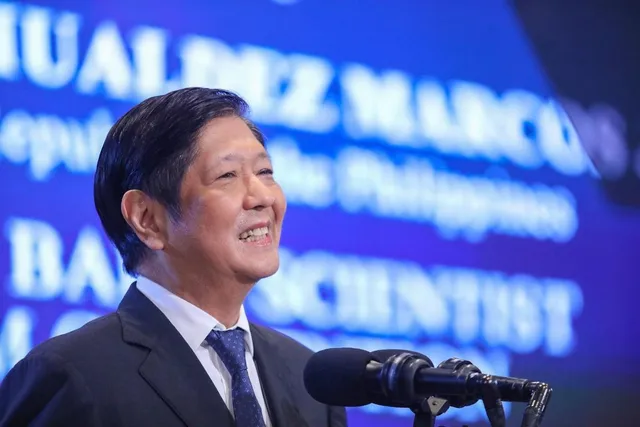
Marcos Bets on Mining
Philippine President Ferdinand R. Marcos, Jr. is barely in his first year of his office and already is facing a myriad of challenges from soaring inflation and public debt to a devaluating peso against the dollar. While trying to sustain economic recovery following stagnation from the COVID-19 pandemic, Marcos is hard put to tame the increasing costs of consumer goods and services, and manage public debt which places the economy in a tight fiscal position. Rising inflation will also result not only in the lost of jobs but also declining pay for workers driven by higher costs of living. Conditions will deteriorate further with a devaluing peso against the dollar making it more expensive to import fuel for transport and power, and raw materials needed for local manufacturing.
Amidst the rising public liability, more taxpayers’ money will be utilized for debt servicing that will leave little for the provision of government services and the upgrade of infrastructure. Government must focus on improving transport facilities, power transmission, and energy utilities to attract foreign investment. Among the major risks hampering recovery are external factors like the prolonged conflict between Ukraine and Russia and a weaker peso against the dollar brought about by US Federal Reserve moves to hike interest rates to tame inflation in their country. These make it more expensive for businesses and consumers to borrow money and discourages demand for goods and services causing the surge in prices especially of fuel and food, which can stunt economic growth not only in the US but also globally.
Government Turns to Mining
Heeding the call of business groups, the Marcos administration is turning to mining that could help ensure a sustainable recovery of the Philippine economy from the disruptions of the COVID-19 pandemic and the threat of a global economic slowdown. The benefit of mobilizing investments for mine development has been underscored by Department of Finance (DOF) Secretary Benjamin E. Diokno, who assured the Marcos administration’s commitment to continue creating an enabling environment for mining activities. However, Diokno also pointed out that the government expects the mining industry to strictly adhere to responsible and sustainable practices. He further said that the industry should strike a balance between protecting the environment, uplifting local communities, and supporting the government’s socioeconomic agenda.
Diokno reported that the Marcos economic team presented the medium-term fiscal framework and for targets to succeed under the two-part framework, the mining industry would have to perform well. During the Philippine Economic Briefing in New York where President Marcos delivered a keynote message to American investors, Diokno emphasized the administration’s commitment to help maximize the mining sector’s potential in attracting more foreign investments.
Playing Catch Up
The mining industry considered the Duterte administration as another wasted era for realizing the full economic potential of the sector. The Marcos government inherited a mining industry reeling from the anti-mining stance of the previous administration with the appointment of the late Regina Paz Lopez, a staunch anti-mining advocate, to head the Department of Environment and Natural Resources (DENR). The appointment was bitterly opposed by the industry resulting in Lopez’s rejection by the powerful bicameral Commission on Appointments.
During her term, Lopez ordered the closure of mining operations and initiated a national mine audit conducted on behalf of the Mining Industry Coordinating Council. Mining stakeholders described the three years of closure of these companies as “arbitrary” and claim that at that time, the industry practically “gasped for breath.”
With COVID-19 bringing down the economy on its knees and a worsening economic fallout becoming inevitable, Duterte issued Executive Order No. 130 in April 2021, lifting the nine-year moratorium on the granting of new mining permits. Finally in December 2021, the Duterte administration succumbing to economic pressure, lifted the ban on open-pit mining.
It is well to note that at the height of the pandemic in 2021, the mining sector’s contribution to the gross domestic product (GDP) improved to 5.2% from 5.1% in 2020 driven mainly by nickel demand overseas and high gold prices. This was in stark contrast to other sectors which suffered a decline due to the lockdowns that were imposed because of COVID-19.
Early in the term of Duterte, then Senator Marcos lamented that the Duterte administration has failed to put up a vision for the mining industry. Worse, he said the government's anti-mining stance has slowed down the development of the mining industry, citing among others, the "use-it-or-lose-it" policy the DENR implemented in 2010 in a bid to open to new investors mines that have not been operated on.
At that time, Marcos noted that the DENR has not issued any new mining agreements. He also criticized the then proposed expansion of the "no-go" zones for mining and the proposed increase in the government's share of 10 percent of gross output or 55 percent of adjusted mining revenue. Marcos said that if the government’s reason is only to receive more taxes out of the mining industry, such move would only deter investments in that sector.
However, Marcos said the mining industry must also address other valid issues raised against it, apart from environmental concerns. He reminded the industry to ensure that affected local communities should derive more tangible benefits from mining and assure that necessary safeguards are in place for the protection of their environment and ecology.
Marcos Mining Policy Pronouncements
Now that he is at the helm of the presidency, Marcos said that he would push for "clean mining" and want to see some value added to mineral exports by selling processed materials rather than ores. Instead of increasing taxes on mining, Marcos is eyeing the collection of value-added taxes from the export of partially-processed ore.
The Marcos administration demonstrated its commitment to pursue transparency in natural resource governance by rejoining the Extractive Industry Transparency Initiative (EITI) following the Duterte administration's withdrawal in June 2022 over concerns on metrics and procedures used for assessing the country’s compliance with transparency requirements.
In 23 August 2022, EITI invited the Philippines to re-state its commitment to the EITI and build on the progress that the country has achieved in the past nine years. By returning to the EITI fold, the Marcos administration cited the value of good governance and anti-corruption measures in maximizing the extractive sector’s contribution to resource mobilization and sustainable economic growth. The government hopes that its return to EITI will complement the Marcos administration’s agenda on transparency and accountability.
The government implemented the PH-EITI, a multi-stakeholder group chaired by the DOF and composed of representatives from government, industry, and civil society in 2013 pursuant to Section 14 of Executive Order No. 79, s. 2012 and Executive Order No. 147, s. 2013. Annual disclosure of contracts, financial, economic, social and environmental data is mandatory for extractive industries pursuant to the DENR Administrative Order No. 2017-07.
Marcos in his first State of the Nation Address (SONA) declared that infrastructure development will remain “a very high priority” with emphasis placed on enabling private sector contracts and investment incentives in the energy sector. Several experts in their post-SONA analysis, however, agreed that Marcos failed to mention issues arising from mining. There were plans to look for additional energy sources like natural gas reserves, build new nuclear power plants and invest in the renewable energy sector. This was unwelcome news for environmental and climate activists.
Civil society groups criticized Marcos for paying lip service to climate action in his SONA. They urged Marcos to revoke his predecessor’s mining policies that relaxed restrictions on mining. They also asked Marcos to convene an environmental summit that involves the Mines and Geosciences Bureau, the mining industry, and communities affected by mining operations to discuss current mining issues, stressing a need to prioritize environmental concerns. The purpose of the summit according to civil society groups is to craft the government’s environmental program, instruct lawmakers to prioritize the legislation of environmental bills, and launch a review on the categorization of mining as an “essential industry.”
Marcos assured that the country’s resiliency and adaptation to the challenges pose by climate change will be on top of his administration’s national agenda. Speaking at the 2022 DENR Multi-Stakeholder Forum on Oct. 5, Marcos vowed to ensure environmental initiatives to combat climate change will be undertaken under his watch.
Industry Expectations
Industry groups continue to call for legislation to allow 100% ownership of certain businesses by foreigners. They emphasized that full foreign ownership would create massive incentives for foreign investment and entice a lot of successful foreign businesses to expand their operations in the Philippines.
Marcos is expected to be in favor of policies that will promote exports, and expand new and established businesses. He will focus on the most lucrative industries which include mining and mineral processing, which are poised to make the fastest and largest increases in revenues and productivity.
Despite the administration’s assurance of a conducive investment climate for the industry, the House of Representatives' Committee on Ways and Means approved a bill proposing a new fiscal regime for the Philippine mining industry in August 2022. Representative Jose Ma. Clemente Salceda, Chair of the House Ways and Means Committee, filed House Bill 5022, which proposes an imposition of royalty on mining operations within and outside mineral reservations.
Under the committee-approved measure, a royalty tax of 5% will be imposed on the market value of the gross output of large-scale mining operations. The present law requires payment of 5% royalty based on gross output only in mining sites declared as mineral reservations. The bill also seeks to impose a windfall profit tax on a mining company if its total tax payments fail to meet the specified minimum government share from mining contracts. Under the bill, the minimum government share from all mining contracts would be 60% of net mining revenues. Mining companies operating under Mineral Production Sharing Agreements are not subject to windfall profit tax.
The bill seeks to impose a 10% export tax based on the market value of mineral ore exports. A mining company will be treated as a separate taxpayer with respect to each of its mining contracts, which seeks to increase the tax base by ensuring that losses from other mining projects will not be deducted from the more profitable ones. Likewise, to institutionalize transparency standards, the government will implement a mechanism for the public disclosure and scrutiny of all mining tax and revenue data in the extractives value chain.
While Salceda said the bill will raise additional P37.5 billion revenues in just the first full year of its implementation, the Chamber of Mines of the Philippines (COMP) said a law raising taxes on mining will once again set back the revitalization of the industry. COMP described the consolidated bill as onerous, raising the effective tax rate on mining to 51 percent from the current 38 percent. Initially withdrawn by the sponsor, the bill has been reportedly resubmitted to the Committee for further discussion including the possibility of being watered down.
Perhaps the greatest challenge for Marcos is how to balance diplomatic and economic relations between the United States and China. He acknowledged that the Philippines and the US have strong and enduring ties in trade and commerce with the US as the Philippines’ third largest trading partner and second major source of foreign direct investments in 2021. Marcos and US President Joe Biden during a meeting in September 2022 also underscored the freedom of navigation in the South China Sea.
On the other hand, Marcos is keen in renewing talks with China on joint oil and gas exploration in the disputed West Philippine Sea to seek a compromise with China as long as any agreement do not violate Philippine laws. While pledging to foster closer ties with China, and describing Beijing as Manila’s “strongest partner” in the pandemic recovery, the Marcos administration has been stepping up diplomatic protests against China’s alleged “incursions” in the disputed territory.
The real test for Marcos, however, is his government’s willingness to assert the country’s economic rights over the Reed (Recto) Bank and lift the moratorium on exploration and drilling activities in the area. Petroleum exploration companies with service contracts awarded by the Philippine government have been unable to conduct seismic surveys in the area because of harassment by Chinese coast guards. There is an urgency on this matter as the Malampaya natural gas field is being rapidly depleted and imported liquefied natural gas may not be enough to fuel the power plants in the short term, which may then have to resort to diesel fuel, a more expensive alternative.
Another issue that needs to be resolved by the Marcos administration is the controversial open-pit mine in Tampakan, South Cotabato. Taking the cue from the Duterte government’s lifting of the open pit mining ban, the previous members of the Sangguniang Panlalawigan of South Cotabato lifted its 12-year-old provincial ban last May 16, despite strong opposition from civil society, the church, and some traditional landowners. However, on June 3, Gov. Reynaldo Tamayo, Jr. vetoed the measure paving the way for the resumption of the ban on open-pit mining.
During the presidential campaign, Marcos said that he is open to allow "sustainable" mining while expressing wariness toward open-pit mining operations. He believed that even if such mines are closed, harmful chemicals could leak out of the former sites. It remains to be seen how Marcos is going to handle the US$5.9 billion Tampakan Copper-Gold Project, touted as the largest undeveloped copper-gold mine in Southeast Asia and among the biggest of its kind in the world.
The good news is that if there are any indications of the Marcos administration’s seriousness in attracting foreign investments, then we can consider the reforms currently being implemented in renewable energy sector as an encouraging sign.
The Department of Energy (DOE) announced that a legal opinion provided by the Department of Justice (DOJ) paved the way for the opening of foreign investments in renewable energy. The DOJ said that exploration, development, and utilization of “inexhaustible” renewable energy source are not subject to the 60:40 foreign equity limitation as provided under Section 2, Article XII of the Constitution.
The DOJ further opined that in order to implement the full ownership of RE resources by foreigners, the implementing rules and regulations of Republic Act 9513 or the “Renewable Energy Act of 2008” particularly Rule 6, Section 19 must be amended to amend the 40-percent equity limit for foreign investors.
The DOE has also made all qualified and registered renewable energy generating plants as preferential dispatch in the wholesale electricity spot market (WESM), used for centralized trading of electricity. This will encourage investments for additional capacities in geothermal, biomass, and impounding hydroelectric power plants. The guaranteed dispatch in the grid at the power plant’s full available capacities under merchant pricing, will allow recovery of investments by renewable energy developers.
Finally, the DOE has also raised the percentage of the utilization of renewable energy for on-grid areas from one percent to 2.52 percent. The Renewable Portfolio Standard, a policy mechanism which aims to increase the use of renewable energy sources for electricity generation, requires electricity suppliers, particularly the distribution utilities, to source or produce a specified fraction of their power supply from eligible renewable energy resources.
If the Marcos government is indeed serious to walk the talk, then now is the right time to take advantage of the current upswing of global spending in support of post-pandemic reconstruction, creating a resurgence of demand for mineral and energy commodities. Inviting investors to put their money in our mining industry only to welcome them with the imposition of new taxes is always a zero sum proposition. Hopefully this time, our regulators will not cause the mining industry to miss the boat again.
Fernando “Ronnie” S. Penarroyo specializes in Energy and Resources Law, Project Finance and Business Development. He is also currently the Chair of the Professional Regulatory Board of Geology. He may be contacted at fspenarroyo@penpalaw.com for any matters or inquiries in relation to the Philippine resources industry and suggested topics for commentaries. Atty. Penarroyo’s commentaries are also archived at his professional blogsite at www.penarroyo.com
References
Abarro, Mico, Marcos Jr. Open to 'Sustainable' Mining, Wary of Open-pit Mining” ABS-CBN News, 25 January 2022, https://news.abs-cbn.com/business/01/25/22/marcos-jr-open-to-sustainable-mining
Marcos Admin Commits to Transparency and Good Governance in the Extractive Industries, 09 September 2022, https://www.dof.gov.ph/marcos-admin-commits-to-transparency-and-good-governance-in-the-extractive-industries/
Next Admin Must Have a Vision to Realize Potential of the Country’s Mining Industry - Sen. Marcos, 18 September 2015, https://legacy.senate.gov.ph/press_release/2015/0918_marcos1.asp
Parrocha, Azer, Marcos Eyes VAT from Partially-Processed Ore Exports, 20 June 2022, https://www.pna.gov.ph/articles/1177137
Sayson, ByIan C., Calonzo, Andreo, and Ahn, Shery, Philippines’ Marcos Eyes China Compromise on South China Sea, Bloomberg, 24 September 2022, https://www.bloomberg.com/news/articles/2022-09-24/philippines-marcos-seeks-china-compromise-on-south-china-sea-oil
Sewell, Jared M., What We Should Expect from the Marcos Administration? 29 May 2022, ,https://www.kea-mining-and-quarrying-services.com/philippine-mining-prospects-under-marcos/
Zablan, Clarist, Green Group Urges Marcos to Reverse Duterte’s Mining Policy, Seeks Dialogue, 21 July 2022, https://news.tv5.com.ph/breaking/read/mining-policy-green-group-urges-marcos-to-reverse-dutertes-mining-policy-seeks-dialogue
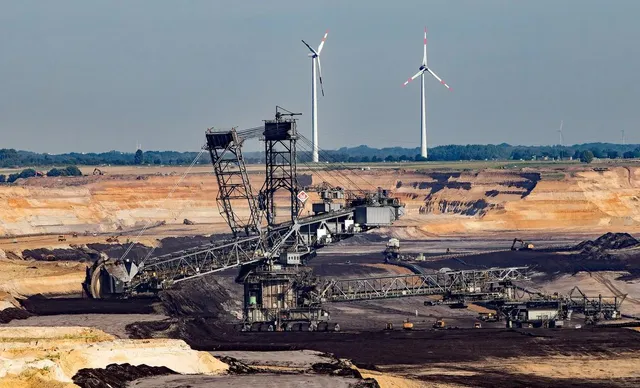
Philippine Department of Mines and Energy?
Every time there is a change in administration, the mineral industry always anticipate with bated breath the identity of the Department of Environment and Natural Resources (“DENR”) secretary. The presidential appointee is scrutinized whether he or she is either sympathetic to the mining industry or a staunch environmental advocate. This can be attributed to the ambiguous nature and function of the DENR. Under the present setup of the DENR, it is mandated to promote investments in the minerals industry through the Mines and Geosciences Bureau and at the same time, enforce national environmental laws through the Environmental Management Bureau. In many jurisdictions, the environment protection agency is totally independent from the administrative body regulating extractive industries. Perhaps it is now high time for Philippine legislators to remove the mining regulation function from the DENR and attach it to a super regulatory body called the Department of Mines and Energy.
A reinvigorated Department of Mines and Energy (“Department”) will serve as the foundation for regulating, promoting, and developing Philippine resource-based industries, which represent one main prospect for economic growth. However, this new Department will certainly face challenges, including multiple regulations, inter-institutional conflicts, dearth in the capacity of regulators, and the threat of political interference.
The Department should be tasked to provide clear policy direction for the extractive sector and deliver improved industry regulations through a strengthened institutional capacity. It should also introduce reforms in state-owned petroleum and mining companies. More importantly, the Department should create a National Geological Survey Agency to collect a comprehensive geological information system and manage a National Mineral and Energy Database. The Department must implement a transparent and accountable governance framework, and improve effective interactions with other regulatory bodies, private companies, development agencies, and stakeholders.
Strengthening Institutional Capacity
Institutional capacity requires highly skilled specialists to provide effective regulatory functions to identify, design, implement, and manage a comprehensive regulatory system. Because the mineral and energy industries are so highly specialized with many technical dimensions, the skills available to the Department should ideally match with those from the private companies it regulates. In order to pursue this, the Department must conduct an organizational and capacity needs assessment. It must craft a plan to deliver the human resources necessary to develop and retain the staff required and implement organizational reforms so that the Department is properly structured to fully deliver its mandate in the areas of policy, regulation, and investment promotion.
High standards of transparency and good governance are essential to tackle corruption and ensure the sector delivers benefits to the stakeholders. These include accountable mechanisms for the allocation of mineral and petroleum rights through improved processes in licensing and contract management. It also involves transparent management of non-tax revenue collection like funds for social development and environment rehabilitation. Complementing contract management is improved oversight and compliance. Regulations must provide the structure for the enforcement of laws and the terms and conditions of the contracts and licenses.
Inconsistent regulatory decisions brought about by ‘regulator uncertainty’ that occurs in the aftermath of political transition create uncertainty for investors. This justifies the creation of an ‘independent’ regulator composed of tenured civil servants based on professional merits and technical expertise working in an organizational structure shielded from political patronage.
Improving the Role of State-Owned Resource Companies
Organizational reforms also require consolidating and strengthening ownership in resource companies owned by the state and providing a degree of effective government control and involvement in decision making. Especially for strategic projects, state-owned resource companies can benefit from preferential financing, low hurdle rate expectations, sovereign guarantees, grants, direct government subsidies, tax concessions, preferential treatment in public procurement, and other forms of public support. With this support system, state-owned resource companies should be encouraged to conduct initial exploration work in frontier areas to mitigate geologic risks.
Take the case of the Philippine National Oil Company-Exploration Corporation (“PNOC-EC”). The low capacity of technical personnel and lack of modern equipment are among some of the issues identified with the company. PNOC-EC could have acquired the interests of the divesting companies in the Malampaya natural gas project if it utilized its ability as a national oil company to access capital, human resources and technical services directly from oil field service companies (“OFSC”). OFSCs have been offering national oil companies services, specialized operations, and outsourcing needs with their high technical experience. Their services cover virtually all areas of exploration and production including facilities and reservoir-related services.
With the Malampaya acquisition, PNOC-EC can aggressively track new opportunities for growth through access to capital markets, increased profits, and greater participation in technology advancements. Further, it is better able to mitigate political risks through government-to-government relationships and negotiation strategies using the political muscle of the Philippine government. PNOC-EC has the ability to take greater risks, with strategic and geopolitical goals factored into investment decisions rather than being purely based on commercial considerations. A strong PNOC-EC could also have better leveraged in explorating in the disputed West Philippine Sea.
In the case of the Philippine Mining and Development Corporation (“PMDC”), direct mining operations may be out of reach for the company at present. PMDC was designated as the implementing arm of the DENR in undertaking the mining and mineral processing operations in the 8,100 hectare Diwalwal Mineral Reservation. However, PMDC can gradually develop capability through knowledge transfer by working in partnership with private companies thereby increasing in-house technical capability.
Managing the state’s equity in mineral projects is technically easier than operating mines, but it also requires dedicated professional skills to ensure that the state’s shares yield an appropriate return. In particular, board membership should be filled by skilled professionals who can dedicate substantial time to these tasks. Commercial efficiency is the best way of achieving PMDC’s goals over the long term. Detailed laws and rules on how PMDC is structured and how it interacts with state institutions and private investments, are necessary. The PMDC should also be able to manage itself with sufficient autonomy to make relevant and timely decisions. However, public accounts should be maintained in accordance with international standards and subject to independent audits.
Establishing a National Geological Survey Agency
Too often, regulators are bogged down by the sheer volume of monitoring, inspections, and extension work required. Also, the workload spent by technical personnel in contract monitoring results in insufficient time to assess the resource potential of the country, which is primarily the mandate of a Department handling the mineral and energy industries. Under the present set-up, technical personnel must also engage in the inspection of small-scale operations and geo-hazards aside from contract compliance duties.
The mineral and energy industries are capital and technology-intensive, which means that the country will need to attract significant private sector investment. One method to attract investment is by providing modern geological information to investors and this can be adequately fulfilled by a National Geological Survey Agency (“NGSA’). The Department shall be solely responsible for the establishment and control of an NGSA whose task is to conduct a comprehensive geologic survey and provide reliable scientific information on how to manage energy and mineral resources.
The survey will contribute important data to the Department and other agencies and compile assessments of minerals, energy, and other resource potential. The NGSA shall also provide services on geological mapping, geotechnical investigation, hydrogeological mapping, geophysical and geochemical mapping as well as basin analysis. It shall also engage in mineral and petroleum resources exploration and evaluation. By building technical capacity in the NGSA, the Department will improve the understanding of the country’s resource endowment and provide geoscientific information to investors.
National Mineral and Energy Database
Ease of access to a mineral and energy database facilitates investment into the extractive industries of a country. As such, having the digital infrastructure to host this data administered by the NGSA, is important for attracting new investments. The database will serve as a central depository for resource data and will be made available to the public on a centralized web and cloud platform for easy information access. The availability of additional information reduces uncertainty and increases investor confidence. Information and knowledge increase resource certainty and reduce risk, which allows better access to risk capital for further exploration as well as a more accessible and manageable base from which to develop a portfolio of resource projects. The digital platform to be used for access to the data bank can also be utilized in the submission of information to regulators for monitoring and compliance purposes.
The Department should also continue to adapt to a standard global classification system that addresses the probability of risk based on a set of resource criteria and attributes. This classification system would provide developers and potential investors with more information, and as a tool for resource valuation, allowing for the development of risk-balanced portfolios. Such standardization is critical to make informed decisions on development opportunities. The implementation of the resource classification system would provide the industry a clearly defined framework to evaluate prospects and establish a common industry language for resource and risks assessments. The Department and private industry should aim for the recognition by financial institutions and stock exchanges of the resource classification system to facilitate access to capital.
Enhancing Government Collaboration and Economic Linkages
While the Department shall have the primary responsibility for developing extractive industries, it also recognizes that many of its activities will require collaboration and linkages with other institutions. Inter-institution coordination among other resource-regulating agencies not directly under the supervision of the Department like local government units, the National Commission on Indigenous Peoples, Energy Regulation Commission and other agencies will lower the transaction costs of developers.
Regulation of the extractive industries requires all responsible government agencies to work together and collaborate to strengthen regulation. As the main government agency for the extractive industries, the Department will take a leadership role in institutional collaboration to improve information flow and regulation, and streamline economic development. The Department should manage the effective coordination and collaboration of regulatory activities across the wide range of agencies that ideally should be involved in different aspects of extractives regulations.
Many downstream activities like the processing of minerals require access to low-cost power in order to be competitive. This is where coordination within the Department of Mines and Energy can easily facilitate this major hurdle in developing a viable mineral processing industry. International markets for processed mineral are highly-competitive and it is difficult to compete without relying on a facility where a major cost of production is electricity.
Another instance where the mining and energy function can be coordinated by the Department is the setting up of the regulatory frameworks for hybrid micro-grids. A key advantage of off-grid power plants is that it can power the energy needs of mining operations in remote areas, where the cost of building the infrastructure required to hook the mine up to the grid network or building a conventional power station will be significant. By having a dedicated off-grid power source, a mining operation can meet all its energy requirements and make significant cost savings in the price it pays for electricity. Micro-grids involve a combination of power sources, usually diesel or natural gas generators combined with some renewable energy resources.
In addition, given the significant involvement of the donor community in the extractive sector, the Department shall also establish a donor coordination forum for extractive sector activities. The economic linkages spearheaded by the Department will maximize the economic impact of extractive industries. Such linkages will also improve the efficiency and effectiveness of donor funding.
Inclusion in Conflict Resolution
Petroleum and minerals development has often been cited as a key factor in triggering and escalating violent civil conflicts. It is most likely to occur where local communities have been systematically excluded from decision-making processes, when the economic benefits are concentrated in the hands of a few, and when extractive industries clash with social and environmental concerns of local communities. Unwillingness to address these issues in peace agreements becomes a potential source of conflict in the future. The Department through an active involvement in the peace negotiations can articulate the natural resource issue into the process. Another instance where the involvement of the Department and the national oil company can be put into good use is in the assertion of the country’s sovereignty over petroleum resources in the West Philippine Sea.
Conclusion
Combining the Mines and Geosciences Bureau with the Department of Energy to form a strengthened Department of Mines and Energy will ensure economic growth and sustainable development in the mining and energy sectors. The strengthened Department will provide a stable regulatory framework able to manage the country’s resources and better respond to the strategic objectives espoused in the country’s development objective.
Fernando “Ronnie” S. Penarroyo specializes in Energy and Resources Law, Project Finance and Business Development. He is also currently the Chair of the Professional Regulatory Board of Geology. He may be contacted at fspenarroyo@penpalaw.com for any matters or inquiries in relation to the Philippine resources industry and suggested topics for commentaries. Atty. Penarroyo’s commentaries are also archived at his professional blogsite at www.penarroyo.com
Additional Readings
Addison, Tony and Roe, Alan, Extractive Industries - the Management of Resources as a Driver of Sustainable Development, UNU-Wider Studies in Development Economics, 2018, https://www.wider.unu.edu/publication/extractive-industries
Al-Fattah, Saud L., National Oil Companies: Business Models, Challenges, and Emerging Trends, March 2014, https://www.researchgate.net/publication/261696989_National_Oil_Companies_Business_Models_Challenges_and_Emerging_Trends
Copper Giants: Lessons from State-Owned Mining Companies in the DRC and Zambia, Natural Resource Governance Institute, 2014, https://www.resourcedata.org/dataset/rgi-copper-giants-lessons-from-state-owned-mining-companies-in-the-drc-and-zambia


My Tampakan Experience
President Rodrigo R. Duterte issued an order last year that lifted the ban on open-pit mining imposed in 2017. The lifting of the ban would have allowed the $5.9-billion Tampakan copper-gold mine project to proceed, the largest untapped copper-gold deposit in Southeast Asia and one of the world’s biggest. Sagittarius Mines, Inc. holds the Financial and Technical Assistance Agreement (“FTAA”) to operate at the site, which reportedly has a potential of 15 million tons of copper and 17.6 million ounces of gold.
The Tampakan copper-gold project was again recently placed in the limelight when Governor Tamayo of South Cotabato vetoed a provincial board resolution lifting the ban on open-pit mining in the province. The governor said he vetoed the lifting of the ban on open-pit mining for being prejudicial to the public welfare and inimical to the overall interest of the province. To add to the confusion, the governor stressed that this however, did not affect the operation of the stalled Tampakan copper-gold project stating that the ordinance was limited to the scope of the local government’s authority and covered small-scale mining. The ordinance, according to the governor, has nothing to do with whatever the national government decides on large-scale mining.
However, Tamayo appealed to the provincial board not to override the veto and allow the incoming Sanggunian to conduct its review of the province’s Ordinance No. 4 Series of 2010 otherwise known as the “South Cotabato Environment Code”. Tamayo’s move was met with jubilation by environmental, religious, and other groups opposed to the Tampakan project.
These developments brought back memories of my time as lawyer for the project operated by the original FTAA holder.
Entry of Western Mining Corporation
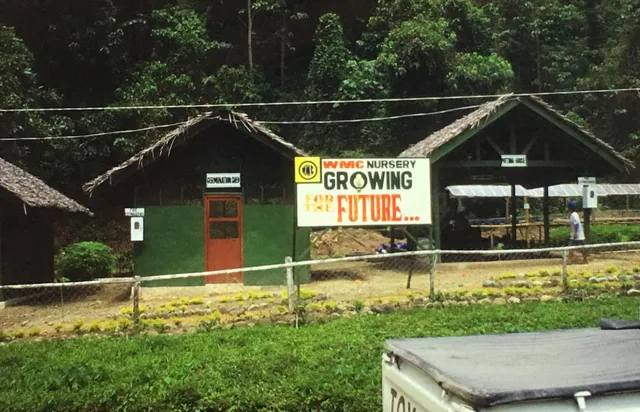
Western Mining Corporation (“WMC”) arrived in 1987 and during the next ten years evaluated many exploration sites. In 1990, Gerry Palermo, a Davao-based businessman who headed a group of mining claims held by members of the Visayan community in South Cotabato, introduced the prospect to WMC.
In a contract denominated as "Tampakan Option Agreement" dated 25 April 1991, WMC Resources International Pty. Ltd. (WMC), a wholly owned subsidiary of Western Mining Corporation Holdings Limited, a publicly listed major Australian mining and exploration company, through its local subsidiary Western Mining Corporation (Philippines), Inc. (“WMCP”) acquired the mining claims of Southcot Mining Corporation, Tampakan Mining Corporation, and Sagittarius Mines, Inc.
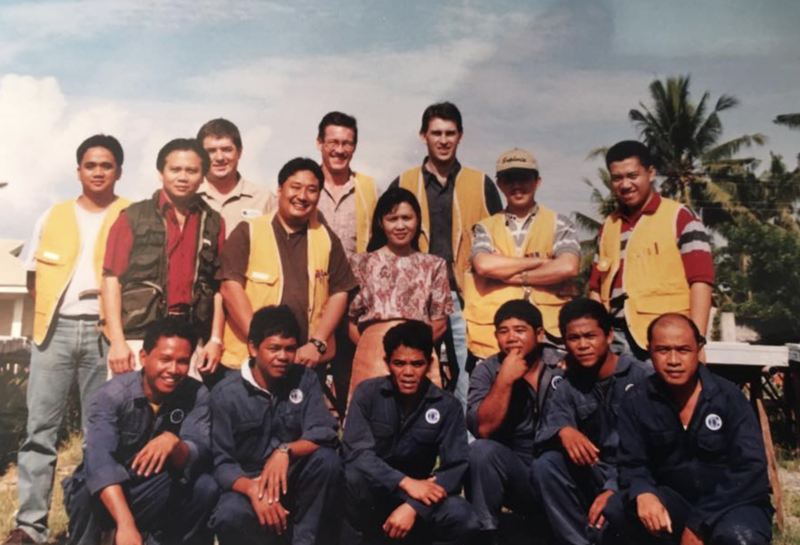
Geophysical and geochemical surveys were completed in 1992 and the results identified a target for exploration drilling in 1993. The Philippine government awarded to WMCP an FTAA on 30 March 1995, a month before the Mining Act of 1995 went into effect on April 30 and before the Indigenous Peoples Rights Act (“IPRA”) was passed into law in 1997. The original FTAA covered 99,3876 hectares in the quad-boundary of South Cotabato, Sultan Kudarat, Davao del Sur and North Cotabato. In early 1998, WMCP announced a large tonnage, low-grade mineral resource of 900 million tons at 0.75 percent copper and 0.30 gram per ton gold using a copper cut-off grade of .50 percent.
In 1997, the La Bugal-B’laan Tribal Association of Columbio, Sultan Kudarat challenged the constitutionality of the Mining Act, asserting that its provisions regarding 100% foreign ownership of companies engaged in mining as well as other provisions of the said law went against the 1987 Philippine Constitution. In 27 January 2004, the Supreme Court (“SC”) declared the Mining Act unconstitutional, thereby voiding the FTAA issued to WMCP. However, the SC overturned its own decision in December of the same year.
Principal Agreements with Stakeholders
In accordance with the terms of its FTAA, WMCP sought agreements with the three provinces - South Cotabato, Sultan Kudarat, and Davao del Sur - and their respective municipalities - Tampakan, Columbio, and Kiblawan, as well as five Barangay Councils - Pula Bato, Danlag and Tablu in Tampakan, Datal Blao in Columbio, and Kimlawis in Kiblawan. The five barangays are also home to B’laan communities which occupy the more remote upland areas where actual mining was to take place. These are Bong Mal, Folu Bato, Danlag, Salna’ong and S’banken.
The B’laans are one of 18 indigenous groups living in Mindanao, who are largely concentrated in the provinces of South Cotabato, Davao del Sur and Sultan Kudarat. Most of them are still engaged in subsistence farming, with corn and rice being the main produce. Originally, the B’laans lived on the fertile plains but were forced to move to the mountains when the government started bringing in majority Cebuanos and Ilonggos from the Visayas during the early 1900’s.
Prior to the arrival of WMCP, traditional ownership of land at the site of the proposed mine site was not recognized by the government. B’laans occupied public or forest lands, which were non alienable and under the jurisdiction of the Department of Environment and Natural Resources (“DENR”). In 1993, DENR Administrative Order No. 2 established procedures for the issuance of Certificates of Ancestral Domain Claims (“CADC”) which recognized indigenous peoples’ claim based on traditional association to land, and recognition of their right of occupation and land-use management. In November 1997, IPRA was passed and the National Commission on Indigenous Peoples (“NCIP”) was created.
WMCP supported a non-government organization and hired anthropologists and sociologists to convince the B’laans to apply for CADCs and establish formal tribal councils. These were done so that the company could have legal entities to negotiate agreements with, in relation to legally delineated land areas over which these IPs had legally recognized claims. WMCP collected the necessary data and sponsored the five B’laan communities in their applications for CADCs with the DENR. The research presented in the CADCs focused on three tasks - identification of stakeholders, delimitation of their occupancy, and estimation of the time they and their ancestors have been resident there.
Initially, WMCP obtained Heads of Agreement with B’laan leaders and sought stronger and more representative organizations for Principal Agreements. WMCP stated that the Heads of Agreement and successive Principal Agreements were drawn up in accordance with the traditional Kasfala negotiation and more binding Diandi blood compact as per B’laan traditions.
The agreements were negotiated, signed, and implemented in accordance with an Execution Protocol, guidelines based on Australian resource companies’ experiences in dealing with native aboriginal communities. Professor Michael Crommelin, who was a former Dean of the University of Melbourne Law School, assisted in the preparation of the Execution Protocol. He teaches several courses on Constitutional Law, Mineral and Petroleum Law, and Resources Joint Ventures.
Managing Conflicts Between Indigenous B’laans and Visayan Settlers
WMCP like any other foreign companies was subjected to the local socio-political dynamics of conflict and accommodation in the area where it operated. This was particularly true in how the company cautiously threaded the ethnic division between the indigenous B’laans and the Visayan settler communities. While they were ethnically different, they were of a generally uniform economic profile - that is tenant farmers.
Local animosity between B’laans and Visayans was found to have historical and ethnic roots. Visayan prejudice stemmed from their settlement of this frontier region since the 1930s, and they generally viewed B’laans as primitive and pagan. On the other hand, B’laans regarded Visayans with fear as land grabbers and felt discriminated when it came to economic opportunities.
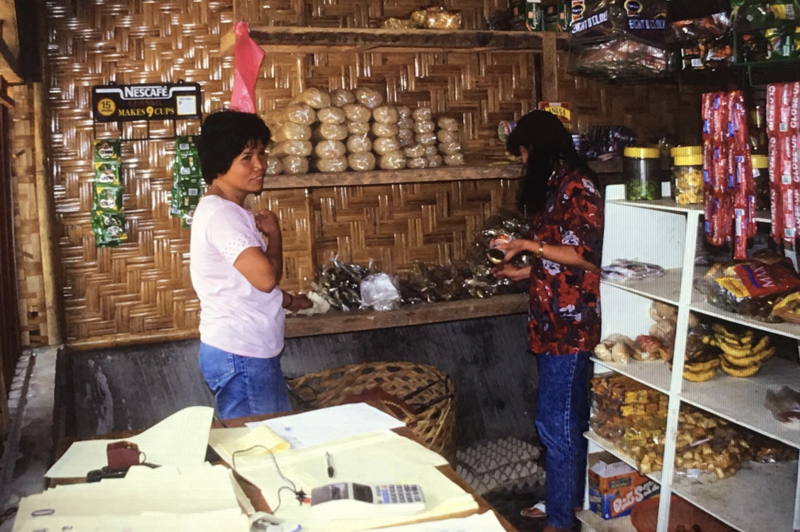
With the entry of WMCP to the area, increased in-migration to traditional B’laan land by Visayan settlers, as a result of anticipated employment opportunities and real estate speculation, was exacerbating challenges facing the company and host communities. Although ancestral land which has not yet been titled was non-alienable, “rights” were being purchased by Visayans from B’laans. The presence of the company led a renewed interest in land within the proposed mining area in order for the speculators to benefit from the mining company’s compensation packages and economic opportunities. The question of landownership and the problem of land disputes became an issue of importance and concern for the company.
Moreover, the award of communal title to indigenous people clashed with the aspirations of other groups who were invariably present within the ancestral lands. Those of Visayan origin felt discriminated against because they were not getting as much attention from the company as the indigenous B’laan communities. Portions of the ancestral land were shared with Visayan settlers who bitterly opposed the issuance of CADCs. The communal claims to ancestral land conflicted with the interests of Visayan settlers, who having acquired titles in some areas, had also legitimate legal claims. In December 1996, Visayan residents of Tampakan barricaded roads leading to the proposed mine site in opposition to the scheduled signing of the B’laan Principal Agreements, compelling the company to expedite the negotiation of land access agreements with the Visayan settlers and local governments.
My Personal Insights
What was my role in all of these? I was a new lawyer then and had the opportunity to watch all these events unfold during my early legal career. I joined WMCP in 1996, almost straight out of law school and after my stint as a petroleum geologist working at the Department of Energy (“DOE”). I was headhunted by the company who was then looking for an understudy for its Australian legal manager. As a working student balancing my time as a geologist and studying law at night in the University of the Philippines, I didn’t have much experience in mining or mining laws. At that time, the Mining Act just became law and the Marcopper accident in Marinduque was a hot news item. I believe that in my final WMCP interview, what convinced the panel was my experience and knowledge in negotiating petroleum service contracts which was part of my job at the DOE. WMCP’s FTAA and service contracts have a lot in common since both have the same constitutional basis allowing 100% foreign ownership of companies engaged in the exploration, development, and utilization of natural resources.
Upon my acceptance to the company, I have to hit the ground running. There were ongoing public consultations on the Mining Act’s implementing rules and regulations following public clamor and anger from the Marcopper accident. I also needed to study the nuances not only of mining law but also laws relating to forestry, indigenous people’s right, environment, and local government.
As part of my preparation to eventually handle the responsibility of heading the local legal department, the company seconded me to work in its various business units in Australia in 1997. I worked at the corporate offices in Perth, Brisbane, and Melbourne on Australian mining projects with both WMC and its construction contractors. I also had a stint in an Australian law firm, which had a very advanced practice group in resources, construction, and native title law. For my mine exposure trips, I drove alone in outback roads and visited WMC mine sites at far-flung locations. I even visited some aboriginal communities to witness the company’s corporate social responsibility activities. My life as a Filipino expat lawyer in Australia was both rewarding and enriching.
Returning from my Australian secondment, the first order of the day was to work on securing all the land access agreements in preparation for the mine development area. This entailed spending my time not in the comforts of our spacious Makati office but in the highlands of Tampakan for immersion with the communities, both Visayan and B’laan. I was basically living and breaking bread with farmers, politicians, and traditional strongmen in the communities. The areas which I visited were especially notorious for kidnappings by armed bandit groups where Islamic and communist insurgents also operated. It was wild, wild west in that part of Mindanao during that time but was certainly an eyeopener as I was exposed to extreme poverty in the uplands especially that of the IPs.
I visited all the local government units which have jurisdictions on the proposed mine development area. I conferred with Visayan settler, indigenous, and Muslim communities. One couldn't imagine the volume of native and instant coffee I have taken in my numerous consultations. It would be the height of disrespect to decline whatever the households and offices could humbly offer to me especially someone from a place they derisively called “Imperial Manila”. The more consultations I conducted in a day, the more cups of “sweetened” coffee I was expected to partake.
WMCP offered an option to develop the communities but the project has to gain social acceptability. It was also the company’s responsibility to prepare the marginalized communities and local governments for the anticipated surge in economic activity with the proposed mine development. Our objective was to put the agreements into place. However, the company had to act pragmatically in managing its own corporate strategy and balance it with the interests of the Visayan local government, the requirements of the national government, and B’laan traditions.
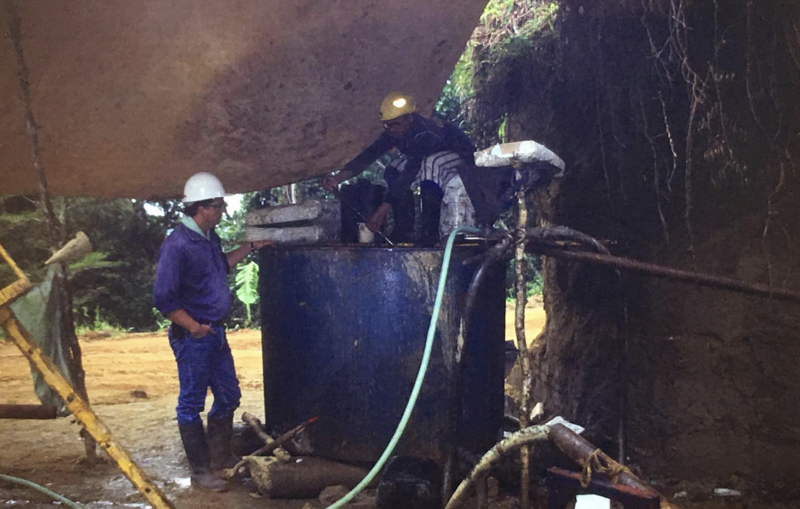
We started with the agreements with the B’laans because they will be the first to be affected since the mine site is within their ancestral domain. This is the reason why in our discussions with the communities, we have to follow a strict and tenacious Execution Protocol. There would be no shortcuts to obtain the consent of the IP communities who were at a relative disadvantaged compared to the company. The Execution Protocol met with some hesitance even within the company. It was my responsibility that the community relations and corporate affairs departments strictly adhered to the protocol and WMC’s Code of Conduct. Their job was to get the principal agreements signed but my job goes beyond the signing of the agreements - the process should strictly adhere to the guidelines of getting the free and informed prior consent of the communities. WMC, the mother company, then was a relatively large listed resources company in Australia with global operations. All eyes were on the company because of the sensitive issue of working in a remote developing country with native title, environmental, and social acceptability issues. In fact, WMCP’s Execution Protocol had a heavy influenced in the NCIP’s administrative orders in obtaining free and prior informed consent from IPs.
The company did its best to get its message across to the host communities. For the Visayan settlers, there was relative ease in our consultations because of their level of education. It was a different story with the B’laan IP communities. We have to bring in local B’laan interpreters and translate the main points of the agreement to the local vernacular. Although the final signed agreement were written in English, all the consultations were done at the communities and in the presence of NCIP officials.
The company was accused of “wining and dining” the leaders of the IP communities and bribery through its community development and scholarship initiatives, coming especially from the Social Action Center of the Diocese of Marbel. As far as I am concerned, I have not witnessed those occurences. The company even played hosts to numerous international human rights and legislative fact-finding missions. Everyone was invited to visit and see for themselves the numerous activities being done by the company. What I do know was that local B’laans in the area have not been comfortable civil society groups as well. In fact the La Bugal B’laan group which was the petitioner in the FTAA constitutional challenge was not based within the mine development area. It was based in the Poblacion of Columbio Sultan Kudarat, which was the least affected area if the mine operated.
WMCP was also accused of employing goons. All evil schemes, shenanigans, and machinations were by default, attributed by civil society groups to WMCP. There was one instance where I have to personally appear on behalf of the company for an NBI investigation conducted in Cotabato City in relation to the assassination of a town mayor in Sultan Kudarat. The case against the company obviously did not prosper but one has to imagine the immense hostility and black propaganda against the company by certain sectors.
We were free to roam in the FTAA area even traveling to areas called “no man’s land” where lose and unlicensed firearms proliferated in the hinterlands. Despite the banditry and insurgency, we did so without any armed bodyguards. When I travelled to the communities, I was only accompanied by a company driver or fellow employee. I didn’t experience any form of harassment but the company was fully aware of my destination and schedule. Except for the occasional barricades brought about by personal grievances against the company, there were no instances of burning of company properties or killing of employees and contractors during my time working with WMCP. Most of the barricades were related to unsettled crop damages, labor issues or petty misunderstandings with company employees and contractors. The company had to balance the employment opportunities among the locals so it has to implement a rotational labor hiring among the locals.
With the signing of four out of five Principal Agreements with the IP communities, the next task was to create the B’laan foundations to manage the funds intended for the communities. Because of the veto power of the company and the government representatives from NCIP and Mines and Geosciences Bureau, the tribal council representatives in the B’laan foundations were understandably weak. Even some of the B’laans were ambivalent to the tribal council system. At that time, the tribal councils have had little influence, and the local government units tended to ignore them. This was perhaps the reason why there was intense criticism on the government-sponsored tribal council system insofar as it was susceptible to manipulation.
In 1999, there was already uneasiness among WMCP’s employees and stakeholders because operations were being scaled down. In anticipation of the company’s eventual withdrawal from the Philippines, retrenchments of employees and budget cuts were becoming common. Some permanent employees including myself were given the pink slip and made contractual employees. This was when I decided to accept a scholarship to pursue graduate law studies in Australia.
I initially had misgivings in accepting the offer because at that time in 2000, I had a young family and taken a loan to finance our first home. Going to graduate school would cause a dent to our financial situation since I would be out of work for eighteen months and my family had to rely on my wife’s income. My boss in WMCP talked me into accepting the offer because he explained that it would benefit my career in the long term. WMC also supported me in a small way in my law graduate studies at the University of Melbourne. Our head office in Melbourne would give me occasional part time work to augment my meager scholarship allowance.
In 2001, WMCP which had invested $39 million for exploration and support activities in its Tampakan project decided to pull out of the country. Following an evaluation of the mineral resources of its mining site in Tampakan, the company decided that it would not be able to meet a rate of return on investment acceptable to WMC. WMCP said it also took into account the continuing drop in the price of copper in the world market at that time. WMC sold its rights and interests to Sagittarius Mines, Inc. The sale and transfer of its mining rights paved the way for WMC’s complete pull-out from the Philippines.
When I came back from my law studies, the task waiting for me was winding up the company’s business and financial accounts. The companies’ properties - lock, stock, and barrel, were turned over to the FTAA assignee. As a gesture of courtesy, WMCP personally delivered letters to the LGUs, tribal councils, and stakeholders informing them of the company’s withdrawal from the project. It was also an opportunity to introduce the new company taking over the project to the communities. After everything was set into place, I was the last employee of WMCP - the person who turned off the office lights.
My Tampakan experience provided me with fond memories of times with co-workers who eventually became good friends, sharing fresh bounties from the Mindanao seas and sweet produce from the volcanic enriched soil of Mt. Matutum. I recall road stops for breakfast of durian, marang, mangosteens, and pomelos in North Cotabato; and lunch of native chicken inasal in Tupi, ubiquitous tuna and blue marlin kinilaw, premium cuts of locally-fattened Australian cattle, mudfish inihaw from Liguasan Marsh, and fat mud crabs from Cotabato City. Our friendship continues to the present especially with social media as the nexus and facilitator. Colleagues became executives of mining companies both locally and internationally, and some were retained by the present project management. Some B’laan groups continue to consult me on several occasions and I tend to believe that they do so because they were convinced of WMCP’s sincere relationship with them when the company operated in the area.
After many years since the FTAA was signed in 1995 and with the South Cotabato governor’s pronouncements over his veto, there still remains a big question mark on the final outcome of the Tampakan project. Time is certainly running out for this flagship mining project. As someone who was a part of the Tampakan experience, I can only hope that with the huge amount of financial resources and human capital poured into this project, we will eventually see a favorable outcome to this much anticipated mining project.
Fernando “Ronnie” S. Penarroyo specializes in Energy and Resources Law, Project Finance and Business Development. He may be contacted at fspenarroyo@penpalaw.com for any matters or inquiries in relation to the Philippine resources industry and suggested topics for commentaries. Atty. Penarroyo’s commentaries are also archived at his professional blogsite at www.penarroyo.com
Reference: Smith, John Willem, The Challenge of Sustainable Local Development at the Site off the Tampakan Copper Project in the Philippines, UMI Dissertation Publishing, 2014, http://etheses.lse.ac.uk/1911/1/U215519.pdf

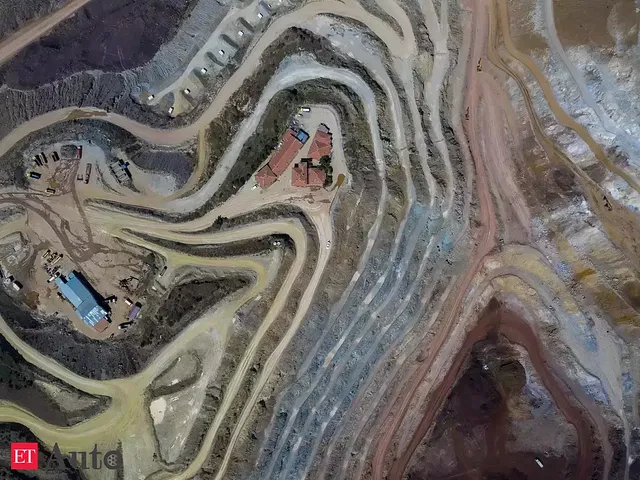
Mining Trends 2022: Will the Outlook Remain Positive?
Last year saw miners experiencing record profitability and revenue. While the industry continues to benefit from relative high metal prices and opportunities from the clean energy transition and digital transformation, there are identified risks arising from COVID-19's resurgence and disruptions, potential for weaker-than-expected global economic growth, government intervention, and community opposition. Meanwhile compliance with environment, social and governance (“ESG”) standards will obligate mining companies to protect the environment, contribute to community development, and behave ethically.
On the local front, Department of Environment and Natural Resources (“DENR”) Secretary Roy Cimatu lifted the four year-old ban on the open-pit method of mining for copper, gold, silver, and complex ores. Enforced in 2017, the ban was one of the high-impact measures taken by the late DENR Secretary Regina Lopez. The former DENR secretary also ordered the closure of 26 mines. However, with the completion of the Mining Industry Coordinating Council audit which started in 2019, only 3 out of the 26 mines were deemed unsafe and the other closures were reversed.
The Chamber of Mines of the Philippines deplored the lost opportunities in the mining sector in the last decade. The chamber believed that the industry has been unjustly scrutinized and subjected to unfair publicity, which cost billions in lost revenue. Foreign direct investment (“FDI”) will remain stagnant for the industry unless regulations are eased and barriers are lowered. The ban also delayed FDIs in open pit mining projects like Sagittarius Mines Inc.’s $5.9-billion Tampakan copper project in South Cotabato and St. Augustine Gold and Copper Ltd.’s $2-billion King-king copper-gold project in Compostela Valley.
The lifting of the ban according to the DENR order, is meant to “revitalize the mining industry and usher in significant economic benefits to the country by providing raw materials for the construction and development of other industries and by increasing employment opportunities in rural areas.” With the lifting of the ban, the Department of Finance said the mining industry can become a key contributor to the nation’s economic recovery per DENR’s projection that open-pit mining will lead to the immediate development of 11 pending projects. These projects are expected to generate about PHP11 billion combined in yearly government revenue, increase annual exports by PHP36 billion, and provide employment to 22,880 people living in remote municipalities.
Economists see the Philippine economy’s continuing rebound this year after registering a 5.6 percent GDP growth in 2021. However, the outlook is threatened by the emergence of new COVID-19 variants and how the government handles them. Based on the World Bank’s Global Economic Prospects, despite the spike in infections from the omicron variant, the Philippines is poised to register the fastest growth in ASEAN this year and the second highest growth in 2023. According to the World Bank, the projected economic growth rate of 5.9 percent for 2022 will be the fastest growth expected in ASEAN, while the 5.7 percent expected next year will be second only to Vietnam’s 6.5 percent.
ESG will dictate investments in mining
Miners are under increasing pressure to integrate ESG into corporate strategies, investment decisions, and stakeholder reporting. Demands from shareholders, financial institutions, local communities, national governments, customers, and the sector’s own workforce are requiring miners to adhere to ESG standards. Sustainability in mining means minimizing the consumption of resources, reducing the use of energy through new technologies, and the use of alternative energies. Mining operations must utilize cost-effective and environmentally sound extraction alternatives, and efficient biodiversity and water management.
Green transition leads to a low-carbon economy
The green transition will accelerate amidst global pressures to reduce carbon footprints. At the latest UN Climate Change Conference (COP26) summit, many mining countries pledged to bring down their methane emissions. The rise in sustainable finance and tighter ESG criteria set by financial institutions on mining projects have led to an upcoming rise in GHG emission costs due to carbon pricing. Reducing emissions will require companies to invest in renewables to energize operations and advanced technologies in their decarbonization efforts. Renewable energy technologies, green buildings, electric vehicles, solar panels, wind turbines and battery storage will rely to a great extent on minerals and metals.
Project developers and governments are moving away from investments in thermal coal. Major mining companies, driven by ESG targets, will remove thermal coal projects from their portfolios and coal mining will be dominated by small-cap, pure-play and state-owned mining companies. Coal projects will be mostly self-funded, private equity-funded or state-funded as international banks reduce their financing of coal assets.
Miners will have to contend with license to operate (LTO)
Miners are under intense scrutiny on how they contribute to the social and economic well-being of local and national governments, engage with host communities and indigenous peoples, and protect water resources and heritage sites. Needless to say, LTO is also linked to a company’s ability to access capital and financing. While metals are a critical input for green transition technology, the mining sector’s social license to operate is contending against the rising public opposition to mines arising from environmental pollution and loss of diversity. The difficulty in acquiring LTO could lead to a slow-down in new project development.
New COVID-19 variants will be a game changer
Hopefully, COVID-19-linked operational disruption will ease with increased vaccinations. However, new wave of restrictions with the omicron variant or subsequent waves will be a challenging environment for mining operations in 2022 and will cause a setback in economic recovery. Lockdowns not only hamper mine site operations but also slow down the movement of products and services in the supply chain, and affect consumption of goods. The COVID-19 pandemic resulted in the increase of costs of inputs, shipping, talent and decarbonization programs. COVID-19 has challenged the deployment of investments in 2020 and to some extent in 2021. Hopefully with the roll out of vaccines especially in emerging economies, COVID-19-related operational disruptions will most likely ease in 2022, helping exploration, construction and mine works to pick up.
Mineral demand will continue to grow but metal prices to weaken
Global demand for minerals and metals especially arising from the green transition, will continue to grow despite slowing growth in 2022. The outlook for auto manufacturing, machinery, appliances, and consumer electronics sectors is positive. Households with huge savings realized during the pandemic are eager to go into revenge spending. All eyes will be on China’s property development sector woes which will put a cap on overall metal demand in 2022. Evergrande’s financial difficulties and a general slowdown in Chinese construction activity will put pressure on ferrous metal prices. Meanwhile, investments in infrastructure is expected to remain relatively stable.
Fitch Solutions forecast that most metal prices to average lower in 2022 but will remain high compared with 2016-2020 averages. Looking at 2022, slowing economic growth, slow normalization in fiscal and monetary policy, and China's property sector woes will push metal prices lower in 2022. However, prices will still average at elevated levels, higher than pre-COVID-19 levels as the market balance for most metals remain extremely tight and stocks are historically low. Existing deposits that are known or held by the majors are being depleted and new ones will be required. Investments in mines and oilfields have dropped sharply over the past five years. The result is “greenflation” in commodity prices, which have had their biggest yearly increase since 1973.
Access to Capital will be a challenge amidst upward trend in global exploration budget
Access to capital for new projects or expansions will continue to be a challenge for the industry, as investors are deterred by risks associated with ESG, LTO, resource nationalism and geopolitics. Higher ESG ratings can enable access to a larger pool of attractively priced capital. Still, elevated metal prices coupled with an increase in production across commodities in 2022 will help mining and metal companies' financial performance to remain strong next year amidst the acceleration of the green transition and opening up of new business opportunities. However, strict ESG requirements will make development of new projects potentially more difficult.
Meanwhile, a report by S&P Global Market Intelligence notes that the aggregate annual global exploration budget is expected to increase between 5% and 15% year over year for 2022. According to S&P, a faster-than-expected recovery in market conditions and easing of lockdowns allowed explorers to reactivate programs by mid-2020, which caused some campaigns to carry over into 2021.
Government intervention intensifies In 2022
Because of the economic and fiscal hardships, and rising social inequality during the pandemic while mining companies are benefitting from elevated metal prices, government intervention in the sector will remain firmly in play in 2022 posing additional risks to mining projects. Companies will be subjected to resource nationalism in the form of increased taxes and royalties, policies to boost domestic beneficiation, and the renegotiation of contracts to get better terms for the governments. Governments are also developing investment plans to boost their own production or secure minerals that will be key to the green and digital transitions. Thus, miners will also need to contend with trade wars, geopolitics of the COVID-19 pandemic, and changing governments or policies aimed at protecting strategic resources and increasing “self-sufficiency” in critical products like fossil fuels and rare earths.
Automation, digitalization, and electrification to address productivity, safety, and ESG priorities
The mine of the future will be less visible and smaller, use less water and energy, less polluting, more productive, and extract minerals more efficiently due to the application of new technologies. Incorporation of new technologies in mining is critical for companies to modernize their operations and meet increasingly stringent environmental and sustainability goals, while remaining competitive and relevant.
The automation, digitalization and electrification of mining operations has the potential to increase mine productivity, daily operational capacity, sustainable use of non-renewable resources, operational safety, and productive lifespans of mines. The transition to off-grid mining and battery storage, together with the use of renewable energy to power operations are expected to bring advantages not only in terms of CO2 emissions reduction, but also in terms of helping industry-related companies manage costs. Electrification of mines have the potential to incur lower expenses due to minimal maintenance requirements leading to a reduction of operational downtime. Operational downtime is common among diesel-powered machinery due to the extensive maintenance required for their internal mechanisms that are prone to breakdown.
While automation and electrification will result in a decrease of operational input costs, digitization produces predictable data. Data management also converts data into decision-making information. Digital innovation also allows diversification into greener products and improve transparency of reporting. These innovations include artificial intelligence, big data and satellite imagery. However, digitalization also exposes companies to cyber threats and hacking. Technical advances have also been made in waterless processing and waste disposal, and biogenic processes.
Technological change in mining will require a workforce with new skills in roles that would be familiar with new technology. There will be a shift in the skills profile for future workers who will need to manage and engage the electric and digital transformation in the industry. A reevaluation of current skills sets will need to be considered as the future mining workforce is likely to change, which will be driven primarily by the adoption of new technologies.
Opportune time for new business and operational models
Miners now operate in a more volatile environment because of ESG and technology disruptions. They should adopt new business and operational models that will deliver greater returns directly to host communities and governments, minimize waste, reduce emissions, bring more value to investors, and gain low-risk access to capital.
Mining and metal players need to accelerate their efforts to benefit from the new opportunities brought about by the green transition. These involve more exposure in energy transition materials and spinning off higher growth businesses linked to the green transition to unlock value. Miners also have opportunities to invest in product differentiation to benefit from green price premiums on lower-carbon products. Product differentiation based on green/ESG credentials and assorted price premiums will make some metals more of a specialized product sector and less of a bulk commodity material.
Conclusion
Disruptions open the industry to new risks and volatility. The local industry needs to adapt to these disruptions in light of the possibility of a more severe COVID variant and the political uncertainty in the conduct of the coming elections. The lifting of the open pit mining ban was a step in the right direction. However, the incoming government’s stand on mining will determine if the industry will be able to take advantage of the increasing global demand for minerals and metals or miss out on the boat again.
Fernando “Ronnie” S. Penarroyo specializes in Energy and Resources Law, Project Finance and Business Development. He may be contacted at fspenarroyo@penpalaw.com for any matters or inquiries in relation to the Philippine resources industry and suggested topics for commentaries. Atty. Penarroyo’s commentaries are also archived at his professional blogsite at www.penarroyo.com
References
Ferguson, Mark, The Big Picture: 2022 Metals and Mining Industry Outlook, S&P Global Market Intelligence, 02 November 2021, https://www.spglobal.com/marketintelligence/en/news-insights/blog/the-big-picture-2022-metals-and-mining-industry-outlook
Ford, Alastair, The Mining Sector: 4 Key Trends for 2022, Proactive Investors, 27 December 2021, https://www.proactiveinvestors.co.uk/companies/news/968909/the-mining-sector-4-key-trends-for-2022-968909.html
Goosen, Matthew, The Future of Mining Through Electrification, Digitalization and Automation, Energy Capital and Power, 08 September 2021, https://energycapitalpower.com/the-future-of-mining-through-electrification-digitalization-and-automation/
Mining: News on Mining & Construction Machines, https://www.bauma.de/en/trade-fair/trade-fair-profile/exhibition-sectors/mining/
Mining And Metals Key Themes For 2022, Fitch Solutions, 06 October 2021, https://www.fitchsolutions.com/mining/mining-and-metals-key-themes-2022-06-10-2021
Mitchell, Paul, Top 10 Business Risks and Opportunities for Mining and Metals in 2022, Ersnt and Young, 07 October 2021, https://www.ey.com/en_gl/mining-metals/top-10-business-risks-and-opportunities-for-mining-and-metals-in-2022
Ordinario, Cai, PHL Will Post Fastest Growth in Asean—WB, BusinessMirror, 12 January 2022, https://businessmirror.com.ph/2022/01/12/phl-will-post-fastest-growth-in-asean-wb/
Sharmka, Ruchir, Ten Economic Trends That Could Define 2022, Financial Review, 04 January 2022, https://www.afr.com/policy/economy/ten-economic-trends-that-could-define-2022-20220104-p59lpj
Six Global Trends Shaping the Industry, https://www.futuremineralssummit.com/mining-trends/
Top Three Technology Trends Set to Disrupt Mining, Australian Mining, 02 December 2021, https://www.australianmining.com.au/news/top-three-technology-trends-set-to-disrupt-mining/
Upward Trend in Global Exploration Budget to Continue in 2022 – Report, MINING.COM Staff, 19 October 2021, https://www.canadianminingjournal.com/news/upward-trend-in-global-exploration-budget-to-continue-in-2022-report/
What’s In Store For The Mining Industry In 2022?, Ag Metal Miner, 20 December 2021, https://oilprice.com/Metals/Commodities/Whats-In-Store-For-The-Mining-Industry-In-2022.html
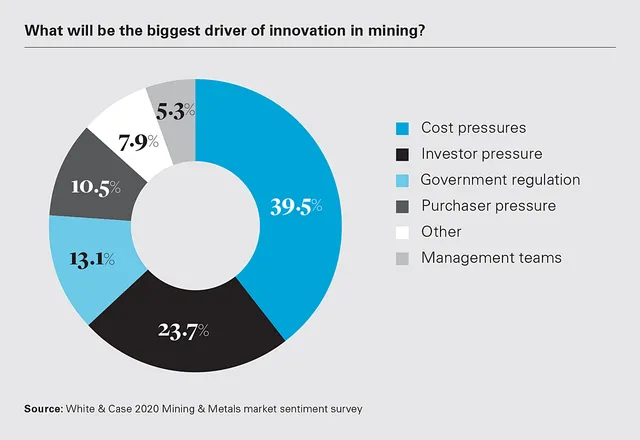
What does ESG mean for the Mining Industry?
In recent years, ESG - environmental, social and governance – has become a major concern in corporate boardrooms: criteria by which strategy is developed and risks are assessed. While the term may be relatively new [having been coined as late as 2005 in a study of the International Finance Corporation (IFC) entitled “Who Cares Wins”], it has always been top of mind in the mining industry even if it has not always used the same terminology. Responsible mining companies have always been concerned about sustainability, care of the environment and working with their host communities towards achieving these goals. ESG now brings together these in a comprehensive framework that can help a mining company navigate and balance the benefits to the planet, people and profit successfully.
ESG is now front and center in the discussion of many boards, even those whose businesses do not generally deal with the environment, as investors are increasingly paying attention to environmental, social and governance-related matters and data. As Forbes Magazine notes, “many investors recognize that ESG information about corporations is vital to understand corporate purpose, strategy and management quality of companies.” Increasingly, transactions are done with an eye on ESG issues. A company’s track record on ESG would certainly influence how it is able to raise funds and attract investments. In this regard, in their quest to improve diversity and broaden their representation, many boards are electing directors whose expertise and experience encompass ESG.
Of course, not all boards have embraced the importance of the ESG framework in their decision-making. In a study conducted by the Harvard Business Review, they classified board attitudes towards ESG into four: “The Deniers”, “The Hardheaded”, “The Superficial”, “The Complacent” and “The True Believers”.
“The Deniers” are those who see sustainability as nothing more than a buzzword or a fad, i.e., sustainability is (at most) a page in the annual report. For “The Hardheaded”, sustainability is a factor affecting their business, but reduce it to strategic reasoning (e.g. how can costs be minimized? are there market opportunities?). “The Superficial” have a shallow understanding of the need for sustainability, including those who implicitly promote greenwashing. “The Complacent” may be early adopters of initiatives like CSR reports, green product lines, or responsible supply chains, but have not kept up-to-date with the latest developments in sustainability, or use past sustainability triumphs to shut down the conversation about sustainability.
Hopefully, responsible mining companies fall into the category of “The True Believers”, for whom the long-term economic viability of their organization is closely linked to, and dependent on, social and environmental responsibility. True believers undertake careful analysis of business benefits and disadvantages with a long-term approach to governance.
With this backdrop, a mining company’s ESG agenda would now include, among many others:
- Environment: biodiversity, ecosystem services, water management, mine waste/tailings, air, noise, energy, climate change (carbon footprint, greenhouse gas), hazardous substances, mine closure
- Social: human rights, land use, resettlement, indigenous people, gender/diversity, labor practices, worker/community health & safety, security, small-scale miners
- Governance: legal & regulatory compliance, ethics, anti-bribery and corruption, transparency.
[Incidentally, at his presentation at the Philippine Mining Club on November 12, Mines & Geosciences Bureau Director Wilfredo G. Moncano announced a forthcoming Department Administrative Order on enhancing biodiversity.]
Many mining companies are already taking steps to assess and improve their ESG performance. Certainly, for companies in the Philippines, there is a long list of laws and regulations to be complied with that would tick all the ESG boxes. However, experts says that the real benefits come when companies move beyond mere compliance and into maximizing the opportunities arising from ESG.
Mining companies also are being encouraged to improve their ESG records by aligning with internationally recognized frameworks (and seeking certification from the relevant body, if applicable):
- UN Guiding Principles on Business and Human Rights
- UN Guiding Principles Reporting Framework
- International Council on Mining and Metals’ 10 Sustainable Development Principles
- Towards Sustainable Mining (championed by the Chamber of Mines of the Philippines)
- Responsible Gold Mining Principles
It is worth noting that in EY’s list of Top 10 Business Risks and Opportunities for mining and metals in 2022, ESG emerged as number one. More than 200 global mining executives were surveyed and named ESG, decarbonization and license to operate as the top three risks/opportunities facing their businesses over the next 12 months.
With ESG at the top of the global business agenda and the intense scrutiny faced by the mining industry in particular, the challenges never cease for mining companies.

Investing in ESG is Good Business for Mining
New mining projects faces relative difficulty in attracting investments because of opposition by host communities and local governments brought about by potential mine accidents, transparency issues, and operations infringing on ancestral and agricultural lands. Regulators often impose huge taxes and environmental users’ fees on new projects, in addition to stiff penalties on erring mining companies involved in violation of safety and environmental laws and regulations.
The industry is currently benefitting from the global objective of lowering carbon emissions to keep the rise in mean temperatures to below 2°C above pre-industrial levels in accordance with the 2015 Paris Agreement and 17 Sustainable Development Goals, which requires the deployment of renewable energy and efficient battery storage. The unprecedented demand for green metals like copper, nickel, lithium, and cobalt needed for energy transition and digital transformation has also paved the way for sustainable investments in mineral projects.
To address these developments, mining companies are now including environmental, social and governance (ESG) and sustainability issues as part of their strategy to improve the reputation of the industry, acquire the consent of stakeholders to operate, and at the same time realize profits from their operations.
According to the Ernst and Young 2022 Report on the Top 10 Business Risks and Opportunities for Mining and Metals, ESG tops the list of risks/opportunities facing mining companies over the next 12 months. The study indicates that shareholder expectations are impacted by numerous challenges, including the mining industry’s contribution to communities, economies, protection of heritage sites, and engagement with indigenous communities.
Shareholders are also concerned with the industry’s role in prioritizing ethical supply chains, with diversity and inclusion also in the spotlight. Lenders and investors are also focusing on mining projects especially those that are vital to the energy transition but these projects need to have a good ESG strategy to become bankable.
The formalization of the requirement for ESG criteria to be incorporated into the financial evaluations of companies started in August 2005 in a conference hosted by The United Nations Global Compact in Switzerland. The financial industry’s recommendations were compiled into a report entitled "Who Cares Wins.”
The report came out with a conclusion that the "endorsing institutions are convinced that a better consideration of environmental, social and governance factors will ultimately contribute to stronger and more resilient investment markets, as well as contribute to the sustainable development of societies.”
In the report, the financial industry called on all sectors of society and business to integrate ESG into their core activities, and investors should "reward well-managed companies" that embrace ESG.
In 2006, a group of large institutional investors under the auspices of the United Nations, collaborated on a process to develop what has become the Principles for Responsible Investment (PRI). Developed "by investors, for investors," the six PRIs aim to contribute to a more sustainable global financial system and in the long term, the interests of the environment and society as a whole. Signatories to the PRI have grown to over 3,000 since its launching.
The World Economic Forum (WEF) also published the Davos Manifesto, which set out a common code of ethics for business leaders. The manifesto was updated at the WEF's Annual Meeting in 2020, which built on the concept of 'stakeholder capitalism' first introduced in the initial manifesto. Stakeholder capitalism recognizes that long-term business value is only created when the interests of all stakeholders -- employees, shareholders, governments, the environment, and society as a whole, are served simultaneously.
What is ESG?
ESG is a set of standards or criteria for a company’s operations that investors now use to screen potential investments. While ESG is spoken about as a single concept, it is an amalgamation of three distinct but clearly overlapping disciplines -- environmental, social, and governance, each with their own knowledge base, areas of focus, and methodologies for approaching problems and solutions.
Environmental criteria consider how a company performs as a steward of nature. The criteria can also be used in evaluating any environmental risks a company might face and how the company is managing those risks. They include a company’s energy use, waste, pollution, hazardous substances, mine waste/tailings, mine closure, natural resource conservation, treatment of animals, biodiversity, ecosystem services, water management, climate change, carbon footprint, and greenhouse gas emission.
Social criteria, on the other hand, examine how a company manages business relationships with employees, suppliers, and customers. Social criteria also look at how the company deals with the communities where it operates and include human rights, land use, resettlement, vulnerable people, gender, diversity, labor practices, worker/community health and safety, security, artisanal miners, and mine closure/after use.
Lastly, governance criteria deal with a company’s leadership, executive pay, audits, accounting systems, internal controls, and shareholder rights. It also includes legal compliance, ethics, anti-bribery and corruption, anti-money laundering, transparency, corporate governance, ethics, compliance, diversity, lobbying, and approach to taxation. Governance also covers how stockholders are allowed to vote on important issues. Investors want assurances that companies avoid conflicts of interest in their choice of board members and don't use political contributions to obtain unduly favorable treatment.
ESG investing is also referred to as sustainable (or responsible) investing, impact investing, or socially responsible investing. Sustainable investing incorporates ESG criteria in the investment decisions of investors in companies, organizations, or funds. These decisions are based on the investor’s real or perceived understanding of the environmental and/or social impacts that will result from their investments in parallel with the expected financial returns. The purpose of directing funds towards investments that are seen as sustainable is to generate measurable environmental and social impacts in addition to financial returns.
Governments and regulators are obviously supportive of ESG criteria. It is for this reason that ESG investing was identified as an investment megatrend. The Covid-19 pandemic also proved to be a positive catalyst for many investment managers to place their money in the accelerating global trend in sustainable investment. This emerging, new normal investment strategy is gaining momentum and the use of ESG criteria is set to be the standard in sustainable investments.
Aside from proposing new standards and frameworks against which investments should be measured using ESG criteria, institutional investors and fund managers have also created investment products that enable investors to put their money into products that meet their ESG performance requirements.
ESG-based investments can offer quick returns. Investors, notably millennials who are the major beneficiaries of the largest intergenerational transfer of an estimated wealth of $30 trillion, have shown interests in putting their money in EGS.
ESG in Mining
Mining has never been regarded as a “green” or sustainable investment, and this stigma has been the main reason for the difficulty in financing large-scale operations. Investor appetite has gone beyond balance sheets and now dwells in the realm of addressing the urgent need to preserve resources for future use of the coming generations. To responsible investors, mining may not be on the top of the list when considering an investment based on their ESG criteria.
Recently, ESG has provided the opportunity for the industry to address the sustainability challenges by laying down a comprehensive framework that stakeholders can use as metrics when considering their involvement in a mining project.
Before risking capital in a project, investors are now looking to consider the ethics, competitive advantage and culture of a mining organization to determine how the company can balance profits and the benefits to the environment. Mining finance transactions have evolved in recent years to integrate ESG and sustainability considerations.
Now, investors, lenders and other stakeholders in the financial industry look into the ESG credentials of mining companies and very few transactions are done without conducting a due diligence of of ESG issues. Failure to address these issues will ultimately reduce access to funding while good ESG equates to more and cheaper funding.
Mining investors, shareholders, as well as financiers across the spectrum —export credit agencies, development finance institutions and commercial lenders — are making sure that borrowers have the appropriate ESG strategy in place for full implementation.
Investors are no longer passive in their sustainability due diligence of mining projects and exerting efforts to obtain more information from other available sources in addition to mandatory disclosures made under existing regulations and codes. Aside from traditional environmental and social reporting covenants, enhanced ESG and sustainability reporting are becoming standard provisions in loan documentation.
Some investors and lenders are requiring that borrowers comply with the lenders’ own internal ESG policy and sustainability reporting requirements. Some mining finance transactions may also require the appointment of a lender to take on an ESG or sustainability coordinator role for the project.
One particular organization, the World Gold Council, is lobbying for insurance providers to become more involved in the ESG movement by requiring mining companies to uphold ESG principles in order to be eligible for insurance policies. In some large mining initial public offerings, investor roadshows have become venues for investors to grill companies of their ESG initiatives in relation to relevant laws and internal reporting.
On the demand side, cautious buying of mineral commodities is now a reality, as socially-responsible customers want to be kept informed about ESG issues of the supplier. End-users not only look into to the ethical production of minerals but also to the supply chain as well.
Stakeholders like government and financial regulators, ESG rating agencies, civil society and advocacy groups, employees, and host communities are increasingly demanding transparency and performance on ESG issues more than ever. ESG factors have also led to a rise in shareholder activism, where existing investors use their shareholding to influence the mining company’s ESG performance.
Non-compliance with ESG regulations and best practices will result in activist shareholder protests and class action suits against the parent companies of global mining groups particularly those operating in developing countries where environmental laws and governance rules are not properly implemented.
ESG Strategy, Mineral Reporting Standards, and Sustainability Reporting Frameworks
As pressure mounts from capital markets and the public, investments with a well-defined ESG strategy are outperforming their peers in the market and experiencing lower levels of volatility. According to a review of companies listed in the S&P 500 undertaken in 2019 by NASDAQ, companies that received high sustainability ratings "exhibited both higher returns and less risk.” On the other hand, companies with poor ESG ratings "showed the opposite results.”
It is thus imperative if not good business practice for mining companies to engage in the preparation and implementation of a clear ESG strategy that will help address investor concerns and promote additional investments. The strategy containing the company’s corporate values and ESG priorities must fully explain how the company complies with both mandatory and voluntary obligations set out in the ESG company policy.
The ESG strategy must also outline the company’s management plans and how it will assist in meeting its key performance indicators in relation to its sustainability goals. Lenders are also prescribing ESG principles to companies for them to receive green loans and sustainability-linked investment facilities, and incentivize the borrower to meet predetermined sustainability targets. Examples of predetermined sustainability targets for mining companies are increased energy efficiency and improved working or social conditions.
Foremost among the inevitable risks that come with poor ESG management record is the loss of the social license to operate. Dissatisfied government and host communities will post obstacles to mine start or expansion by imposing onerous taxation regimes and regulatory obstacles to erring companies.
Examples of ESG management failure range from repeated environmental violations to outright mining disasters resulting from failed tailings disposal systems and environmental pollution. Violation of land access agreements with local governments, landowners, indigenous peoples, and artisanal miners often lead to cancellation of consents and expose the mining companies to additional civil and criminal liability.
Human rights violations, militarization, and poor workplace health and safety conditions will lead to disruption to operations brought about by labor unrest and even heightened insurgency in the mine area. Wasteful utilization of water and energy resources will not only diminish the company’s bottom line but will cause civil unrest in the communities because wastage will disrupt their livelihood.
On the other hand, a well-managed and transparent ESG compliance system will bolster strong relationship with the stakeholders, easy access to financing, good customer relationship, and better management of scarce resources and raw materials, which will enhance the profitability of the mine operations.
Good labor, health, and safety practices and human resources development also minimize employment turnover and enhance company loyalty. There are so many benefits and opportunities for companies with a strong ESG track record that in the long term will enable the company to operate in other mineralized sites because of good social and political risk management.
Even in national mineral reporting codes that set the minimum public reporting standards of exploration results, mineral resources, and mineral reserves, the inclusion of ESG reporting has been gaining traction. Investors rely on these reporting codes before they proceed with their investment decisions.
Prepared for the purpose of informing potential investors and their advisors on the mineral assets of a reporting company, these reporting codes are now including ESG issues as important contributors to modifying factors which can influence the commercial declaration of mineral reserves.
ESG criteria play an important role in determining whether the mineral resources can be capable of being extracted economically. The investors are looking for evidence of how companies integrate ESG considerations into their businesses and this evidence needs to impact all aspects of the business, including geological processes and mining activities.
Sustainability reporting is largely undertaken voluntarily by companies, regardless of their listing status on a stock exchange. Investors obtain ESG information about companies directly through engagement with companies or via information generated by ESG ratings agencies.
The increasing influence of these rating agencies has resulted in ESG becoming a key factor in raising funds from capital markets. Rating agencies base their ratings from aggregated information directly obtained from the mining companies and rely solely on their review of publicly available information.
However, there remain some questions on the ratings given by these agencies because of transparency issues on what they do with the information obtained and how they generate the ratings.
In response to the growing desire to report on their ESG performance, companies have developed a number of reporting frameworks, the objective of which is to provide guidance and metrics to companies who wish to disclose their sustainability performance. Some of the more commonly used frameworks include the Global Reporting Initiative, Sustainability Accounting Standards Board, Carbon Disclosures Project, and Task Force on Climate-related Financial Disclosures.
Critics of sustainability reporting suggest that these reports have done little to improve the actual management of sustainability issues and instead are utilizing company resources that could be better spent managing sustainability issues on the ground. Gaps also remain between society's expectations of mining companies and their performance in respect of ESG issues.
Companies need to be realistic about what they can deliver and build an ESG strategy that can manage stakeholders’ expectation. There is also a call by industry and investors to standardize sustainability reporting metrics.
Conclusion
To achieve a sustainable future, the global economy will rely to a great extent on resources and raw materials to be provided by the mining industry. To achieve this, companies need to take into account ESG and sustainability practices to attract risk capital and make mining projects bankable.
The industry needs to apply ESG criteria from project inception to mine decommissioning, and throughout the supply chain to make its operations efficient, cleaner, and socially responsible. To preserve their license to operate and achieve sustainability, mining companies must also ensure that they have an ESG strategy in place to adhere to relevant laws, comply with regulatory codes, and satisfy all stakeholders.
Fernando “Ronnie” S. Penarroyo specializes in Energy and Resources Law, Project Finance and Business Development. He may be contacted at fspenarroyo@penpalaw.com for any matters or inquiries in relation to the Philippine resources industry and suggested topics for commentaries. Atty. Penarroyo’s commentaries are also archived at his professional blogsite at www.penarroyo.com
References
Environmental, Social, and Governance (ESG) Criteria, 05 March 2021, https://www.investopedia.com/terms/e/environmental-social-and-governance-esg-criteria.asp
ESG Investing Will Speed-up the Energy Transition, 27 July 2021, https://foresightdk.com/esg-investing-will-speed-up-the-energy-transition/
Holman, Chris, ESG Investments in Mining, Azure Capital, 11 March 2021, https://apac.cib.natixis.com/m-a-pulse-in-apac-articles/focus-on/articles/esg-investments-in-mining
Introduction to Environmental, Social and Governance (ESG) Considerations for the Mining Sector: Reporting Obligations and Investor Expectations, Baker Mckenzie,
Sankaran, Aparna, ESG with a Heightened Focus on Environment and Social Issues, Emerges as the Top Risk/Opportunity for the Mining Sector, https://www.ey.com/en_gl/news/2021/10/esg-with-a-heightened-focus-on-environment-and-social-issues-emerges-as-the-top-risk-opportunity-for-the-mining-sector
Steele-Schober, Teresa, The Importance of ESG for Mineral Reporting, http://www.scielo.org.za/scielo.php?script=sci_arttext&pid=S2225-62532021000600003
Taking ESG Seriously: The Crucial Role of Mining investors in the Energy Transition, White and Case, https://www.jdsupra.com/legalnews/taking-esg-seriously-the-crucial-role-2066231/
Walker, David, ESG Insights: What does ESG mean for the Mining industry? https://www.slrconsulting.com/news-and-insights/insights/esg-insights-what-does-esg-mean-mining-industry

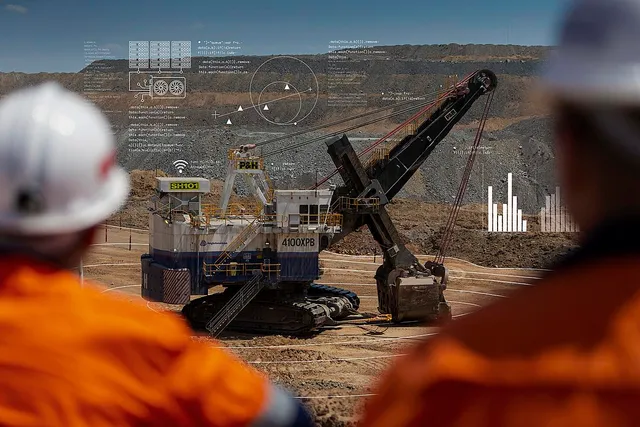
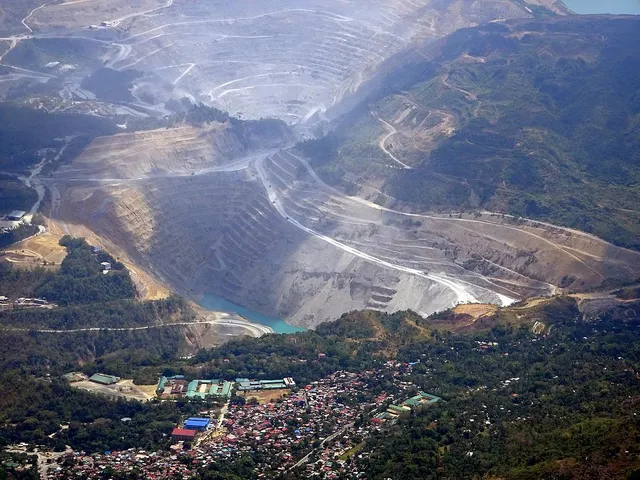
A Shot in the Arm for Philippine Mining
During the early stages of the pandemic, the performance of the mineral industry was seriously dictated by the slowdown of economic activities, lethargic world metal prices, and limited and hampered mining operations. The mining index however, made a turnaround by the end of 2020 and has recovered by an astonishing US$636 billion thanks to a boom in spending brought about by the current green energy and digital transition, and unprecedented infrastructure-focused stimulus packages initiated by many governments to lift their economies.
As the global economy slowly recovers, prices for energy and metals are helping big commodity producers and exporters. Big miners, awash with cash from record-high metals prices and forced to adapt operational efficiencies during the pandemic, are returning billions of dollars to shareholders through dividends and buybacks. Bullish investor sentiment has been a critical driver of surging metal prices as the rollout of Covid-19 vaccines sees major economies emerge from lockdown restrictions. Mining financing hit an eight-year high in 2020.
Dawn of a Super-cycle?
The rapid expansion of a global middle class continue to fuel the demand for coal, copper and iron ore. While the mining and refining sectors for ‘traditional’ base metals are well established, lithium and cobalt mining will develop quickly in the coming years. Copper, nickel, tin, aluminium and rare earths which, together with lithium and cobalt, are expected to see a demand boom amidst the battery revolution.
In the case of copper, some major banks are already predicting a super-cycle, i.e., a sustained spell of abnormally strong demand growth that producers struggle to match, sparking a rally in prices that can last decades. Previous copper rallies reveal a pattern of broad-based growth, industrialization, and new technologies that can help drive demand and prices. As copper is set to play a key role in electricity infrastructure, electric vehicles (EV) including hybrids and renewables fuel additional demand. The copper price hit a record high in May 2021 ($10,476 a tonne) and trading house Trafigura Group, Goldman Sachs, and Bank of America expect the metal to extend its recent gains. Market watchers and analysts, however, have debated how long the boom will last.
On the other hand, the EV Metal Index, which tracks the value of battery metals in newly registered passenger EVs around the world, came in at $477 million in April, an increase of 326% over the same month last year and bringing the year-to-date total to $2.03 billion. Lithium prices are averaging $10,800 so far in 2021 versus over $17,000 in 2018. Fitch Solutions Country Risk & Industry Research expects lithium consumption growth to outpace current supply developments. Demand is to be boosted by strong government support to promote EVs and large-scale energy storage systems. Low supply means that prices will remain high in the short term.
Mining as a Contributor to a Battered Economy
The Philippines is one of the countries that has a high vulnerability to Covid-19 as it continues to struggle to contain the Covid-19 pandemic and normalize economic activity. The economy contracted last year by 9.6% while GDP shrank by 3.9% in the first quarter this year. While the economy registered 11.8% growth in the second quarter, the country is currently battling the latest surge of Covid-19 cases under the more infectious Delta variant. With the reimposition of the enhanced community quarantine in the national capital region, renewed mobility restrictions, and higher petroleum prices, full economic recovery is expected to be delayed further. According to a report from the Asian Development Bank, public spending on infrastructure and social assistance, better progress in the country’s vaccination drive, and a steady recovery in the global economy will underpin the growth of the Philippine economy this year and the next.
Despite the pandemic, the Mines and Geosciences Bureau (MGB) reported that the metallic mineral production value ended 2020 on a positive note with a 1.13% gain from ₱130.74 billion in 2019 to ₱132.21 billion, a ₱1.47 billion increase. The gains were driven mainly by nickel demand from China and high gold prices. The MGB further reported that:
- Mining industry contributed ₱102.3 billion to the GDP in 2020 comprising 0.76% and ₱25.52 billion from national and local taxes, fees and royalties;
- Mining and quarrying activities generated 184,000 jobs and around ₱25.71 billion was committed for Social Development and Management Program to host communities;
- Metallic mineral production was at ₱132.69 billion; and
- Total value of minerals, mineral products, and non-metallic mineral manufacture exported was at US$5.2 billion.
The domestic nickel industry also benefitted as Indonesia, the world’s biggest nickel producer, continues to impose an export ban on the metal. The Philippines, the world’s number two producer, stepped in to fill the demand from China, exporting 333,962 tonnes in 2020. Government policy changes and upbeat commodity prices boosted mining and oil stocks in the Philippine Stock Exchange (PSE). The sector closed 17.5% higher by the end of 2020, making it one of the biggest gainers for the year.
According to the Philippine Statistics Office (PSO), the government expects an increase in earnings from excise tax collections. The PSO attributes this to the Tax Reform for Acceleration of Inclusion (TRAIN) Act passed in 2017, which doubled excise taxes on minerals, mineral products and quarry resources from 2% to 4%. Meanwhile, the Department of Finance (DOF) is proposing further amendments to fiscal provisions in mining laws that will allow for the rationalization of existing revenue-and benefit-sharing schemes and incentives given to companies to ensure that the country benefits from mineral resources.
Government’s New Policies Expected to Give Mining a Boost
President Rodrigo Duterte’s earlier policies on mining have caused anxiety in the industry. At the start of his administration, the Department of Environment and Natural Resources (DENR) issued MO 2016-01 on 08 July 2016, mandating the audit of all operating mines and declaring a moratorium on new mining projects, covering the environmental, economic, social, legal, and technical aspects of the mining operations. In addition, DAO 2017-10, issued on 27 April 2017, banned the open pit mining method for gold, silver, copper, and complex ores describing open-pit mines as “perpetual liabilities, causing adverse impacts to the environment, particularly due to the generation of acidic and/or heavy metal-laden water, erosion of mine waste dumps and/or vulnerability of tailings dams to geological hazards.” What hit the industry real hard was when former DENR Secretary Regina Paz Lopez ordered the closure of twenty-eight (28) operating mines and the cancellation of seventy-five (75) Mineral Production Sharing Agreements (MPSA) as they allegedly encroached on watersheds and destroyed marine ecosystems. These development dampened investor interests in the local industry.
Lately however, the Philippine government seemed to be considering the mining industry as part of its economic recovery plans in light of the havoc created by the pandemic. Various policies and administrative actions, notably the lifting of the moratorium on new mining agreements and the favorable resolution of an FTAA renewal, were implemented with the view of attracting more mining investments.
Lifting the moratorium on new mining agreements
The industry was given a boost when President Duterte issued Executive Order (EO) No. 130 on 14 April 2021, which lifted the nine-year moratorium on mineral agreements. EO 130 amended Section 4 of EO No. 79, series of 2012 that prohibits the grant of mineral agreements “until a new legislation rationalizing existing revenue sharing schemes and mechanisms shall have taken effect”.
The MGB has noted an increase in mining applications, especially coming from inactive mining companies and exploration permittees that have scaled down their operations in the last few years. Three months after the issuance of EO 130, the MGB approved 26 out of 36 applications for new non-metallic mining operations. In April this year, 36 new metallic and non-metallic mines have been identified as priority in terms of the processing of applications. The MGB will also be prioritizing 65 applications that are likely to be granted with MPSAs. These mining applications were accepted and processed and the MPSAs will be issued once EO 130’s implementing rules and regulations (IRR) take effect.
According to the DOF during the Philippine-Extractive Industries Transparency Initiative National Conference 2021, the lifting of the moratorium on new mining projects is expected to boost mineral production by around ₱15 billion every year until 2023, and an additional ₱43 billion annually until 2027. Potential new entrants will increase exports by $1 billion to $2 billion every year, as well as employ as many as 1.3 times more workers. The DOF is expected to collect an additional ₱34 billion in taxes and fees.
In the same conference, Rep. Joey Salceda, Chair of the House Committee on Ways and Means, however, identified key deficiencies in the country’s extractive industry governance framework which could be resolved by a “coherent tax regime.” He noted that in EO 130, neither Congress nor the DOF is given a specific role in the taxation process. Salceda also observed that EO 130 delegated some powers that were not supported by law, including the power of the DENR to negotiate tax agreements with mining applicants. He recommended that the DOF, which has the experience in financial management, negotiate revenue sharing agreements on the government’s behalf.
Resolution of OceanaGold FTAA Renewal
Another recent bright spot for the industry was the much-awaited government’s renewal of the Financial or Technical Assistance Agreement ("FTAA") of OceanaGold Corporation’s Didipio operations. The FTAA was renewed for an additional 25-year period on substantially the same terms and conditions but included certain modifications:
- The equivalent of an additional 1.5% of gross revenue shall be allocated to community development in the form of increased contributions to communities in the region and provincial development projects in addition to the existing fund for Social Development and Management Program provided to the host and neighboring communities. One percent (1.0% ) will be allocated to community development for additional communities and half-percent (0.5%) to the host provinces of Nueva Vizcaya and Quirino;
- Net Smelter Return will be reclassified as an allowable deduction and shared 60%/40% rather than wholly included in government share;
- At least 10% of the common shares in OceanaGold Philippines Inc. ("OGPI"), the Company's Philippine operating subsidiary and holder of the FTAA, shall be listed at the Philippine Stock Exchange within the next three years;
- OGPI shall offer to the Banko Sentral ng Pilipinas for the latter to buy not less than 25% of OGPI’s annual gold doré production at fair market price and mutually agreed upon terms; and
- OGPI's principal office shall be transferred to the host province within the next two years from execution of the renewal agreement on 19 June 2019.
OGPI plans a staged restart of operations with milling to recommence utilizing stockpiled ore approximately 19 million tonnes. It also aims to achieve full underground production capacity within twelve months. Once fully ramped-up, OGPI expects Didipio to produce approximately 10,000 gold ounces and 1,000 tonnes of copper per month. The resumption of Didipio’s mine operations will give direct employment to about 1,800 people and indirect employment for another 2,000 to 3,000 employees.
Addressing the open pit mining ban
The issuance of EO 130 sparked some hope in the industry that President Duterte will give the go-signal to the DENR to lift the ban on open-pit mining, which has been a contentious issue among miners, host communities, local government units, and environmental advocates. Among the salient features of the DENR-drafted EO 130 IRR was the provision lifting the ban on the open-pit mining method.
Open pit mines are often used in mining near-surface metallic or non-metallic deposits and more sparingly in coal and other bedded deposits. Open pit mining is an internationally accepted method done in many countries and repeatedly proven to be safe for miners, the community and the environment. While the environmental footprint may be visibly large, open pit mines can be successfully rehabilitated and converted into other land uses like agriculture, forestry, tourism, and recently as sites for renewables. For shallow ore deposits, such as nickel, iron, coal, and copper, open pit mining is the only economically viable method extraction. An open pit mining ban will also have adverse impacts on our energy security, as coal mining is presently done in the country only through open pit mines.
In the meantime, the definition of open pit mining method as per DAO No. 2017-10 vis a vis other surface mining methods was clarified by the MGB through the issuance of MC 2019-08 on 10 December 2019. Open pit mining method is the process of mining by means of a surface pit excavated using one or more horizontal benches. The MC defined and clarified that open cast mining, strip mining, and quarrying are not considered as open pit mining methods.
PMRC 2020 Approval and CRIRSCO Membership to Boost Investor Confidence
The ongoing revisions to the Philippine Mineral Reporting Code for Reporting of Exploration Results, Mineral Resources and Ore Reserves (“PMRC”) is considered auspicious by the industry as investors are expected to take a look at the Philippines following the lifting of the nine-year moratorium on new mining projects.
The PMRC was created on 08 August 2007 to set out the standards, recommendations and guidelines for public reporting of exploration results, mineral resources and ore reserves, as may be required as a listed company or when applying for listing with the PSE. The PMRC is also currently used as a reporting standard by the DENR/MGB in technical submissions by mining companies under DAO 2010-09, “Providing for the Classification and Reporting Standards of Explorations Results, Mineral Resources and Ore Reserves.”
Last 26 February 2019, the PMRC Committee (PMRCC) applied for membership in the Committee for Mineral Reserves International Reporting Standards (CRIRSCO), the committee of all internationally recognized national reporting organizations. When implemented in 2008, PMRC was compatible with the Australian Joint Ore Reserve Code of 2004 and CRIRSCO Template 2006.
As a condition for PMRCC’s acceptance under the Memorandum of Understanding dated 27 February 2019, there is a need to revise the 2007 PMRC to make it compatible with the current 2019 CRIRSCO template. The PMRCC Standards Sub-Committee (StandCom) completed the current draft of PMRC Edition 2020 after CRIRSCO finished its detailed review on 10 October 2020.
The PMRCC submitted the draft to the PSE on 30 October 2020 that was followed by a public comment period from 04 to 16 March 2021. The PMRCC conducted virtual public consultations on the drafts on 11 June and 18 November 2020. The PSE Board approved the draft on 25 March 2021 with additional revisions on sustainability: such as mitigation and remediation plans to solve environmental, social, and health and safety impacts; and the inclusion of a consent form to indicate the accredited competent person agrees to the public disclosure of the report.
The PSE endorsed the revised draft to the Securities and Exchange Commission (SEC) which is currently under deliberation. Once the PMRC has been upgraded to the 2019 CRIRSCO Template and approved by the PSE and SEC, the PMRCC is expected to be accepted as a CRIRSCO member. The sooner the PSE and SEC approve the submitted draft, the better for the mining industry so that it will be at par with global reporting standards to professionalize the industry and attract investors. Meanwhile, the PMRC StandCom is currently reviewing the draft IRR of PMRC 2020, which is targeted for completion in 2021 and will be subsequently submitted to the PSE anew for endorsement and approval.
Offshore Mining Permits
Another area of interest for possible investments is offshore mining. MGB MC 2016-05 covers the conduct of offshore mining within the country’s territorial sea and exclusive economic zone and extended continental shelf, as established under Parts V and VI, respectively, of the United Nations Convention on the Law of the Sea. Under MGB MC 2016-05, offshore mining operations shall be conducted in a manner that will not adversely affect biodiversity, safety of sea navigation, and other marine activities.
The Offshore Mining Chamber of the Philippines (OMCP) announced that it received numerous expressions of interest in offshore mining following the issuance of EO 130. The OMCP urged the MGB to approve offshore mining tenement applications only from qualified offshore mining companies with adequate capital, proven technical expertise and demonstrated capability to engage and deploy offshore equipment for exploration, seabed scientific research, and sea bottom profiling. OMCP further recommended that the MGB should start a review of mine tenement systems and processes, with a view towards terminating inactive claims for offshore mining.
Dealing with Mining Industry Risks
Uncertainty concerning the administration, interpretation, or enforcement of existing laws and regulations on environment, taxes, land use, infrastructure, socio-economic agreements, and labor remain to be the biggest investment barriers to mining investments according to the Fraser Institute Annual Survey of Mining Companies 2020. Companies are also more exposed now to political risks and security issues. In addition to the traditional risk factors, the mining industry faces a wider range of challenges such as climate change, new technologies, and economic uncertainties.
The economic crisis caused by the pandemic that heightened fiscal and external imbalances in many emerging markets has led host governments to review existing mining contracts and legislations, and introduce new taxes and royalties to replace lost revenues. Resource nationalism has become much more sophisticated and complex in the forms it takes, not purely driven by nationalistic policies but by wider political, economic, social and environmental drivers.
The Philippine government is fully aware that existing mineral agreements entail that some deposits can only be extracted through open pit mining given the available data already known to both regulators and developers. An open pit mining ban would in effect cause these resources to be stranded and mineral agreements impaired if the ban is continuously imposed. The government must put in place stable policies if it wants the industry to move forward by expeditiously lifting the open-pit mining ban and existing suspension orders. The industry is keenly awaiting for a favorable outcome on these issues.
Conclusion
Recent policy initiatives by the government are laudable to erase policy uncertainties that can be extremely damaging to both investors and the host country, and hamper the successful development of mineral endowments. The key challenge is to bring back investors’ confidence to the mining industry that will assure appropriate profit to investors, protect our natural resources, and provide other long-term benefits to the Filipinos.
Fernando “Ronnie” S. Penarroyo specializes in Energy and Resources Law, Project Finance and Business Development. He may be contacted at fspenarroyo@penpalaw.com for any matters or inquiries in relation to the Philippine resources industry and suggested topics for commentaries. Atty. Penarroyo’s commentaries are also archived at his professional blogsite at www.penarroyo.com
References
Annual Survey of Mining Companies, 2020, Fraser Institute, 23 February 2021, https://www.fraserinstitute.org/studies/annual-survey-of-mining-companies-2020
Are Copper Prices in a Supercycle? A 120-Year Perspective, MINING.com, 19 July 2021, https://www.mining.com/web/are-copper-prices-in-a-supercycle-a-120-year-perspective/
COVID-19 Impact & Recovery: Metals & Mining, S&P Global Market Intelligence, https://www.spglobal.com/marketintelligence/en/news-insights/blog/covid-19-impact-recovery-metals-mining
EO 130 Spurs Growth of Offshore Mining, Manila Standard, June 13, 2021, https://manilastandard.net/mobile/article/356999
EV Metal Index Quadruples Year-on-year as Lithium, Nickel Prices Rally, MINING.com, 19 July 2021, https://www.mining.com/ev-metal-index-quadruples-year-on-year-as-lithium-nickel-prices-rally/
Miraflor, Madelaine B., 26 New Non-metallic Mines Cleared to Operate, Manila Bulletin 19 July 2021, https://mb.com.ph/2021/07/19/26-new-non-metallic-mines-cleared-to-operate/?fbclid=IwAR3UL8vfSYuCqu_zMLzt3LRp6th9_xOa99V5afeF4xXZQHQhXodpkHp7CfQ
Oceanagold Advises Didipio FTAA Renewal and Provides Operations Update, 14 July 2021, https://www.newswire.ca/news-releases/oceanagold-advises-didipio-ftaa-renewal-and-provides-operations-update-844978564.html
Philippine Economy Seen Recovering in 2021, with Stronger Growth in 2022 - ADB, 28 April 2021, https://www.adb.org/news/philippine-economy-seen-recovering-2021-stronger-growth-2022-adb
Solutions to Mining Industry Risk Challenges, Marsh, https://www.marsh.com/us/industries/mining-metals-minerals-insurance/solutions-to-mining-risk-challenges.html