Category:
A Shot in the Arm for Philippine Mining
During the early stages of the pandemic, the performance of the mineral industry was seriously dictated by the slowdown of economic activities, lethargic world metal prices, and limited and hampered mining operations. The mining index however, made a turnaround by the end of 2020 and has recovered by an astonishing US$636 billion thanks to a boom in spending brought about by the current green energy and digital transition, and unprecedented infrastructure-focused stimulus packages initiated by many governments to lift their economies.
As the global economy slowly recovers, prices for energy and metals are helping big commodity producers and exporters. Big miners, awash with cash from record-high metals prices and forced to adapt operational efficiencies during the pandemic, are returning billions of dollars to shareholders through dividends and buybacks. Bullish investor sentiment has been a critical driver of surging metal prices as the rollout of Covid-19 vaccines sees major economies emerge from lockdown restrictions. Mining financing hit an eight-year high in 2020.
Dawn of a Super-cycle?
The rapid expansion of a global middle class continue to fuel the demand for coal, copper and iron ore. While the mining and refining sectors for ‘traditional’ base metals are well established, lithium and cobalt mining will develop quickly in the coming years. Copper, nickel, tin, aluminium and rare earths which, together with lithium and cobalt, are expected to see a demand boom amidst the battery revolution.
In the case of copper, some major banks are already predicting a super-cycle, i.e., a sustained spell of abnormally strong demand growth that producers struggle to match, sparking a rally in prices that can last decades. Previous copper rallies reveal a pattern of broad-based growth, industrialization, and new technologies that can help drive demand and prices. As copper is set to play a key role in electricity infrastructure, electric vehicles (EV) including hybrids and renewables fuel additional demand. The copper price hit a record high in May 2021 ($10,476 a tonne) and trading house Trafigura Group, Goldman Sachs, and Bank of America expect the metal to extend its recent gains. Market watchers and analysts, however, have debated how long the boom will last.
On the other hand, the EV Metal Index, which tracks the value of battery metals in newly registered passenger EVs around the world, came in at $477 million in April, an increase of 326% over the same month last year and bringing the year-to-date total to $2.03 billion. Lithium prices are averaging $10,800 so far in 2021 versus over $17,000 in 2018. Fitch Solutions Country Risk & Industry Research expects lithium consumption growth to outpace current supply developments. Demand is to be boosted by strong government support to promote EVs and large-scale energy storage systems. Low supply means that prices will remain high in the short term.
Mining as a Contributor to a Battered Economy
The Philippines is one of the countries that has a high vulnerability to Covid-19 as it continues to struggle to contain the Covid-19 pandemic and normalize economic activity. The economy contracted last year by 9.6% while GDP shrank by 3.9% in the first quarter this year. While the economy registered 11.8% growth in the second quarter, the country is currently battling the latest surge of Covid-19 cases under the more infectious Delta variant. With the reimposition of the enhanced community quarantine in the national capital region, renewed mobility restrictions, and higher petroleum prices, full economic recovery is expected to be delayed further. According to a report from the Asian Development Bank, public spending on infrastructure and social assistance, better progress in the country’s vaccination drive, and a steady recovery in the global economy will underpin the growth of the Philippine economy this year and the next.
Despite the pandemic, the Mines and Geosciences Bureau (MGB) reported that the metallic mineral production value ended 2020 on a positive note with a 1.13% gain from ₱130.74 billion in 2019 to ₱132.21 billion, a ₱1.47 billion increase. The gains were driven mainly by nickel demand from China and high gold prices. The MGB further reported that:
- Mining industry contributed ₱102.3 billion to the GDP in 2020 comprising 0.76% and ₱25.52 billion from national and local taxes, fees and royalties;
- Mining and quarrying activities generated 184,000 jobs and around ₱25.71 billion was committed for Social Development and Management Program to host communities;
- Metallic mineral production was at ₱132.69 billion; and
- Total value of minerals, mineral products, and non-metallic mineral manufacture exported was at US$5.2 billion.
The domestic nickel industry also benefitted as Indonesia, the world’s biggest nickel producer, continues to impose an export ban on the metal. The Philippines, the world’s number two producer, stepped in to fill the demand from China, exporting 333,962 tonnes in 2020. Government policy changes and upbeat commodity prices boosted mining and oil stocks in the Philippine Stock Exchange (PSE). The sector closed 17.5% higher by the end of 2020, making it one of the biggest gainers for the year.
According to the Philippine Statistics Office (PSO), the government expects an increase in earnings from excise tax collections. The PSO attributes this to the Tax Reform for Acceleration of Inclusion (TRAIN) Act passed in 2017, which doubled excise taxes on minerals, mineral products and quarry resources from 2% to 4%. Meanwhile, the Department of Finance (DOF) is proposing further amendments to fiscal provisions in mining laws that will allow for the rationalization of existing revenue-and benefit-sharing schemes and incentives given to companies to ensure that the country benefits from mineral resources.
Government’s New Policies Expected to Give Mining a Boost
President Rodrigo Duterte’s earlier policies on mining have caused anxiety in the industry. At the start of his administration, the Department of Environment and Natural Resources (DENR) issued MO 2016-01 on 08 July 2016, mandating the audit of all operating mines and declaring a moratorium on new mining projects, covering the environmental, economic, social, legal, and technical aspects of the mining operations. In addition, DAO 2017-10, issued on 27 April 2017, banned the open pit mining method for gold, silver, copper, and complex ores describing open-pit mines as “perpetual liabilities, causing adverse impacts to the environment, particularly due to the generation of acidic and/or heavy metal-laden water, erosion of mine waste dumps and/or vulnerability of tailings dams to geological hazards.” What hit the industry real hard was when former DENR Secretary Regina Paz Lopez ordered the closure of twenty-eight (28) operating mines and the cancellation of seventy-five (75) Mineral Production Sharing Agreements (MPSA) as they allegedly encroached on watersheds and destroyed marine ecosystems. These development dampened investor interests in the local industry.
Lately however, the Philippine government seemed to be considering the mining industry as part of its economic recovery plans in light of the havoc created by the pandemic. Various policies and administrative actions, notably the lifting of the moratorium on new mining agreements and the favorable resolution of an FTAA renewal, were implemented with the view of attracting more mining investments.
Lifting the moratorium on new mining agreements
The industry was given a boost when President Duterte issued Executive Order (EO) No. 130 on 14 April 2021, which lifted the nine-year moratorium on mineral agreements. EO 130 amended Section 4 of EO No. 79, series of 2012 that prohibits the grant of mineral agreements “until a new legislation rationalizing existing revenue sharing schemes and mechanisms shall have taken effect”.
The MGB has noted an increase in mining applications, especially coming from inactive mining companies and exploration permittees that have scaled down their operations in the last few years. Three months after the issuance of EO 130, the MGB approved 26 out of 36 applications for new non-metallic mining operations. In April this year, 36 new metallic and non-metallic mines have been identified as priority in terms of the processing of applications. The MGB will also be prioritizing 65 applications that are likely to be granted with MPSAs. These mining applications were accepted and processed and the MPSAs will be issued once EO 130’s implementing rules and regulations (IRR) take effect.
According to the DOF during the Philippine-Extractive Industries Transparency Initiative National Conference 2021, the lifting of the moratorium on new mining projects is expected to boost mineral production by around ₱15 billion every year until 2023, and an additional ₱43 billion annually until 2027. Potential new entrants will increase exports by $1 billion to $2 billion every year, as well as employ as many as 1.3 times more workers. The DOF is expected to collect an additional ₱34 billion in taxes and fees.
In the same conference, Rep. Joey Salceda, Chair of the House Committee on Ways and Means, however, identified key deficiencies in the country’s extractive industry governance framework which could be resolved by a “coherent tax regime.” He noted that in EO 130, neither Congress nor the DOF is given a specific role in the taxation process. Salceda also observed that EO 130 delegated some powers that were not supported by law, including the power of the DENR to negotiate tax agreements with mining applicants. He recommended that the DOF, which has the experience in financial management, negotiate revenue sharing agreements on the government’s behalf.
Resolution of OceanaGold FTAA Renewal
Another recent bright spot for the industry was the much-awaited government’s renewal of the Financial or Technical Assistance Agreement ("FTAA") of OceanaGold Corporation’s Didipio operations. The FTAA was renewed for an additional 25-year period on substantially the same terms and conditions but included certain modifications:
- The equivalent of an additional 1.5% of gross revenue shall be allocated to community development in the form of increased contributions to communities in the region and provincial development projects in addition to the existing fund for Social Development and Management Program provided to the host and neighboring communities. One percent (1.0% ) will be allocated to community development for additional communities and half-percent (0.5%) to the host provinces of Nueva Vizcaya and Quirino;
- Net Smelter Return will be reclassified as an allowable deduction and shared 60%/40% rather than wholly included in government share;
- At least 10% of the common shares in OceanaGold Philippines Inc. ("OGPI"), the Company's Philippine operating subsidiary and holder of the FTAA, shall be listed at the Philippine Stock Exchange within the next three years;
- OGPI shall offer to the Banko Sentral ng Pilipinas for the latter to buy not less than 25% of OGPI’s annual gold doré production at fair market price and mutually agreed upon terms; and
- OGPI's principal office shall be transferred to the host province within the next two years from execution of the renewal agreement on 19 June 2019.
OGPI plans a staged restart of operations with milling to recommence utilizing stockpiled ore approximately 19 million tonnes. It also aims to achieve full underground production capacity within twelve months. Once fully ramped-up, OGPI expects Didipio to produce approximately 10,000 gold ounces and 1,000 tonnes of copper per month. The resumption of Didipio’s mine operations will give direct employment to about 1,800 people and indirect employment for another 2,000 to 3,000 employees.
Addressing the open pit mining ban
The issuance of EO 130 sparked some hope in the industry that President Duterte will give the go-signal to the DENR to lift the ban on open-pit mining, which has been a contentious issue among miners, host communities, local government units, and environmental advocates. Among the salient features of the DENR-drafted EO 130 IRR was the provision lifting the ban on the open-pit mining method.
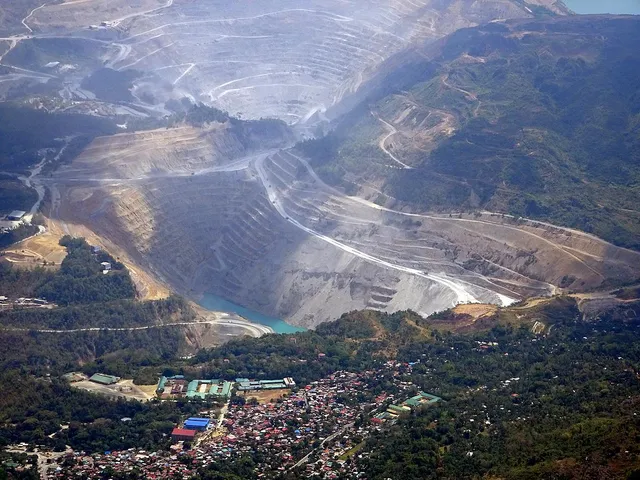
Open pit mines are often used in mining near-surface metallic or non-metallic deposits and more sparingly in coal and other bedded deposits. Open pit mining is an internationally accepted method done in many countries and repeatedly proven to be safe for miners, the community and the environment. While the environmental footprint may be visibly large, open pit mines can be successfully rehabilitated and converted into other land uses like agriculture, forestry, tourism, and recently as sites for renewables. For shallow ore deposits, such as nickel, iron, coal, and copper, open pit mining is the only economically viable method extraction. An open pit mining ban will also have adverse impacts on our energy security, as coal mining is presently done in the country only through open pit mines.
In the meantime, the definition of open pit mining method as per DAO No. 2017-10 vis a vis other surface mining methods was clarified by the MGB through the issuance of MC 2019-08 on 10 December 2019. Open pit mining method is the process of mining by means of a surface pit excavated using one or more horizontal benches. The MC defined and clarified that open cast mining, strip mining, and quarrying are not considered as open pit mining methods.
PMRC 2020 Approval and CRIRSCO Membership to Boost Investor Confidence
The ongoing revisions to the Philippine Mineral Reporting Code for Reporting of Exploration Results, Mineral Resources and Ore Reserves (“PMRC”) is considered auspicious by the industry as investors are expected to take a look at the Philippines following the lifting of the nine-year moratorium on new mining projects.
The PMRC was created on 08 August 2007 to set out the standards, recommendations and guidelines for public reporting of exploration results, mineral resources and ore reserves, as may be required as a listed company or when applying for listing with the PSE. The PMRC is also currently used as a reporting standard by the DENR/MGB in technical submissions by mining companies under DAO 2010-09, “Providing for the Classification and Reporting Standards of Explorations Results, Mineral Resources and Ore Reserves.”
Last 26 February 2019, the PMRC Committee (PMRCC) applied for membership in the Committee for Mineral Reserves International Reporting Standards (CRIRSCO), the committee of all internationally recognized national reporting organizations. When implemented in 2008, PMRC was compatible with the Australian Joint Ore Reserve Code of 2004 and CRIRSCO Template 2006.
As a condition for PMRCC’s acceptance under the Memorandum of Understanding dated 27 February 2019, there is a need to revise the 2007 PMRC to make it compatible with the current 2019 CRIRSCO template. The PMRCC Standards Sub-Committee (StandCom) completed the current draft of PMRC Edition 2020 after CRIRSCO finished its detailed review on 10 October 2020.
The PMRCC submitted the draft to the PSE on 30 October 2020 that was followed by a public comment period from 04 to 16 March 2021. The PMRCC conducted virtual public consultations on the drafts on 11 June and 18 November 2020. The PSE Board approved the draft on 25 March 2021 with additional revisions on sustainability: such as mitigation and remediation plans to solve environmental, social, and health and safety impacts; and the inclusion of a consent form to indicate the accredited competent person agrees to the public disclosure of the report.
The PSE endorsed the revised draft to the Securities and Exchange Commission (SEC) which is currently under deliberation. Once the PMRC has been upgraded to the 2019 CRIRSCO Template and approved by the PSE and SEC, the PMRCC is expected to be accepted as a CRIRSCO member. The sooner the PSE and SEC approve the submitted draft, the better for the mining industry so that it will be at par with global reporting standards to professionalize the industry and attract investors. Meanwhile, the PMRC StandCom is currently reviewing the draft IRR of PMRC 2020, which is targeted for completion in 2021 and will be subsequently submitted to the PSE anew for endorsement and approval.
Offshore Mining Permits
Another area of interest for possible investments is offshore mining. MGB MC 2016-05 covers the conduct of offshore mining within the country’s territorial sea and exclusive economic zone and extended continental shelf, as established under Parts V and VI, respectively, of the United Nations Convention on the Law of the Sea. Under MGB MC 2016-05, offshore mining operations shall be conducted in a manner that will not adversely affect biodiversity, safety of sea navigation, and other marine activities.
The Offshore Mining Chamber of the Philippines (OMCP) announced that it received numerous expressions of interest in offshore mining following the issuance of EO 130. The OMCP urged the MGB to approve offshore mining tenement applications only from qualified offshore mining companies with adequate capital, proven technical expertise and demonstrated capability to engage and deploy offshore equipment for exploration, seabed scientific research, and sea bottom profiling. OMCP further recommended that the MGB should start a review of mine tenement systems and processes, with a view towards terminating inactive claims for offshore mining.
Dealing with Mining Industry Risks
Uncertainty concerning the administration, interpretation, or enforcement of existing laws and regulations on environment, taxes, land use, infrastructure, socio-economic agreements, and labor remain to be the biggest investment barriers to mining investments according to the Fraser Institute Annual Survey of Mining Companies 2020. Companies are also more exposed now to political risks and security issues. In addition to the traditional risk factors, the mining industry faces a wider range of challenges such as climate change, new technologies, and economic uncertainties.
The economic crisis caused by the pandemic that heightened fiscal and external imbalances in many emerging markets has led host governments to review existing mining contracts and legislations, and introduce new taxes and royalties to replace lost revenues. Resource nationalism has become much more sophisticated and complex in the forms it takes, not purely driven by nationalistic policies but by wider political, economic, social and environmental drivers.
The Philippine government is fully aware that existing mineral agreements entail that some deposits can only be extracted through open pit mining given the available data already known to both regulators and developers. An open pit mining ban would in effect cause these resources to be stranded and mineral agreements impaired if the ban is continuously imposed. The government must put in place stable policies if it wants the industry to move forward by expeditiously lifting the open-pit mining ban and existing suspension orders. The industry is keenly awaiting for a favorable outcome on these issues.
Conclusion
Recent policy initiatives by the government are laudable to erase policy uncertainties that can be extremely damaging to both investors and the host country, and hamper the successful development of mineral endowments. The key challenge is to bring back investors’ confidence to the mining industry that will assure appropriate profit to investors, protect our natural resources, and provide other long-term benefits to the Filipinos.
Fernando “Ronnie” S. Penarroyo specializes in Energy and Resources Law, Project Finance and Business Development. He may be contacted at fspenarroyo@penpalaw.com for any matters or inquiries in relation to the Philippine resources industry and suggested topics for commentaries. Atty. Penarroyo’s commentaries are also archived at his professional blogsite at www.penarroyo.com
References
Annual Survey of Mining Companies, 2020, Fraser Institute, 23 February 2021, https://www.fraserinstitute.org/studies/annual-survey-of-mining-companies-2020
Are Copper Prices in a Supercycle? A 120-Year Perspective, MINING.com, 19 July 2021, https://www.mining.com/web/are-copper-prices-in-a-supercycle-a-120-year-perspective/
COVID-19 Impact & Recovery: Metals & Mining, S&P Global Market Intelligence, https://www.spglobal.com/marketintelligence/en/news-insights/blog/covid-19-impact-recovery-metals-mining
EO 130 Spurs Growth of Offshore Mining, Manila Standard, June 13, 2021, https://manilastandard.net/mobile/article/356999
EV Metal Index Quadruples Year-on-year as Lithium, Nickel Prices Rally, MINING.com, 19 July 2021, https://www.mining.com/ev-metal-index-quadruples-year-on-year-as-lithium-nickel-prices-rally/
Miraflor, Madelaine B., 26 New Non-metallic Mines Cleared to Operate, Manila Bulletin 19 July 2021, https://mb.com.ph/2021/07/19/26-new-non-metallic-mines-cleared-to-operate/?fbclid=IwAR3UL8vfSYuCqu_zMLzt3LRp6th9_xOa99V5afeF4xXZQHQhXodpkHp7CfQ
Oceanagold Advises Didipio FTAA Renewal and Provides Operations Update, 14 July 2021, https://www.newswire.ca/news-releases/oceanagold-advises-didipio-ftaa-renewal-and-provides-operations-update-844978564.html
Philippine Economy Seen Recovering in 2021, with Stronger Growth in 2022 - ADB, 28 April 2021, https://www.adb.org/news/philippine-economy-seen-recovering-2021-stronger-growth-2022-adb
Solutions to Mining Industry Risk Challenges, Marsh, https://www.marsh.com/us/industries/mining-metals-minerals-insurance/solutions-to-mining-risk-challenges.html

Renewables Can Make Mining a Sustainable Industry
There is no doubt that public perception of mining is that of a dirty, hazardous, and ecologically-destructive industry. Sustainable mining is non-existent to critics because of the industry’s perceived large carbon footprint brought about by deforestation and large contribution to greenhouse gas emissions.
By its very nature, mining is also energy-intensive starting with the development and production processes requiring fuel for heavy equipment and machinery, up to the processing stage where metallurgical plants consume a huge amount of electricity. Energy expenses constitute approximately 30 percent of cash operating costs as majority of mining operations continue to rely on fossil fuel-based grid power or off-grid diesel-generated power. While accounting for up to 11% of global energy consumption, the industry is responsible for 22% of global industrial greenhouse gas emissions.
Despite the pandemic, the mining index has now recovered by an astonishing US$636 billion thanks to a boom in spending brought about by the current green and digital transition, and unprecedented infrastructure-focused stimulus packages initiated by many governments. The Philippines also benefitted from this development. According to a report by the Mines and Geosciences Bureau, metallic mineral production value ended 2020 on a positive note with a 1.13% gain from PhP130.74 billion in 2019 to PhP132.21 billion, a PhP1.47 billion increase.
As mining operations need a consistent and reliable source of power, and renewables becoming a mainstream energy source, mining companies have a material opportunity to lower costs and improve safety, reliability, and sustainability. The regulatory and risk mitigation landscape is also changing with many governments enacting legislation to bring their economies in accordance with the 21st Conference of the Parties to the 1992 United Nations Framework Convention on Climate Change or Paris Agreement goals of net-zero greenhouse gas emissions by 2050 and maintaining planetary warming below 2°C of preindustrial levels.
The industry and its investors need to urgently promote less carbon-intensive energy consumption to address future pressures on the climate in order for the public and stakeholders to be more receptive and appreciative of the contributions of mining. This article discusses how mining and innovative renewable energy technologies can combine to achieve the transition to a more sustainable energy system.
Attracting Investors’ Appetite Back to the Mining Industry
While demand for renewable energy continues to grow, investors’ and lenders’ appetite in mining is shrinking. The sector is facing a market that is smaller, pricier, and subject to an increasing regulatory oversight to help manage its exposure to environmental and social risks.
On the other hand, the cost of producing renewable energy has dropped dramatically making it more competitive with fossil fuels with technological innovation and huge investments from China pushing down the its costs. The opportunity lies in companies focusing on clean metal production and investors supporting cleaner and greener minerals extraction.
While mining companies see the opportunity, they are in a catch-22 situation. According to an Ernst and Young report, environmental, social and governance (ESG) issues are getting in the way of the green transition because how the needed minerals are produced is under more scrutiny from governments, investors and end consumers. Institutional investors have pledged to completely remove fossil fuels from their portfolios by 2030 and banks have priced their loan products in correlation to the environmental risks of the borrower. BloombergNEF confirms the change in investor perspective most notably with the move by BlackRock – the world’s largest asset manager with $7.4tn on its books – to divest from companies not aligned with the policy goals of the low-carbon energy transition. Investors, governments and top companies like Amazon to JPMorgan Chase are injecting billions of dollars into sustainable projects.
In addition, corporate directors are required to ensure compliance with all applicable environmental laws and regulation and consumers are demanding sustainable business practices, persuading hundreds of major companies to issue net zero emissions commitments. Clients of institutional investors are also pushing fund managers to create sustainability-focused portfolios and banks are requiring more rigorous covenant packages in their loan agreements with extractive industry businesses. Mining companies have no choice but to engage in decarbonization in order to access capital.
How Renewable Energy is Transforming the Mining Industry
Minerals are critical to the clean, green, and digital transition. The growth of renewable energy is heavily reliant on commodities like copper, gold, lithium, cobalt which are used in the manufacture of new technologies that could one day replace fossil fuels in the global energy mix.
Copper supplies, for example, need to increase by as much as six percent (6%) per year to meet the goals laid out in the Paris Agreement. Copper is needed for wind farms, solar panels and electric vehicles, and generally essential to all power generation infrastructure. Solar power, expected by the International Renewable Energy Agency to reach 8,519 GW of capacity worldwide by 2050, relies on the supply of aluminium, copper and certain rare earth elements (including indium and cadmium) to produce photovoltaic (PV) panels. Wind turbines are made from steel and is therefore dependent on the production of iron. Certain rare-earth elements such as neodymium are needed for the magnets used inside turbine generators, as well as electric vehicle (EV) technology. Zinc and titanium are used mostly for wind and geothermal energy. Metals are also used in high tech devices like aircraft engines, rockets, and other military equipment, hence, the label of critical minerals.
Driven by the demand for EV batteries and renewable energy infrastructure in battery storage, the need for lithium, graphite, nickel, cobalt, platinum-group and rare earth elements is primed to explode. The World Bank predicts that production of these minerals could increase nearly five hundred percent (500%) by 2050. For cobalt, lithium, and nickel, projected demand is greater than known reserves. As the demand for renewables continues to grow, the mining industry indeed faces a bright future in becoming a recognized vital contributor to the clean energy transition.
With advancements in renewable energy technology and the commitment of some key industry players, there are many benefits for mining companies to switch to renewables. In addition to the financial botomline, renewables also offer important social, health, safety, and environmental benefits that are harder to quantify, which can potentially include:
- Stability in power price, increased energy security, and reduced reliance on fossil fuels that are vulnerable to global price fluctuations - Solar and wind facilities have high upfront costs to build but input costs drop to near-zero when operational. The cost of battery production is also predicted to halve in the next decade, making large-scale energy storage capable of powering a mine’s operations even in the absence of a consistent supply;
- Sustainable development support - Satisfaction of environmental and social criteria used to measure the sustainability and green credentials of a given project will be a pre-requisite for off-takers, investors, and lenders. Debt and capital markets will shift towards sustainable and green investments;
- Lower greenhouse gas emissions and reduced carbon liabilities;
- Energy efficiency in mine sites by synchronizing peak load with cheaper renewable energy sources, thus bringing down the overall cost of mining operations and maintenance; and
- Additional revenue from selling excess generation capacity and providing ancillary services to grid operators.
RE Projects at Minesites Around the World
Realizing the benefits from efficient energy management systems, some miners are now driving down their energy costs by up to 25% in existing operations and 50% in new mines. Renewables, whose levelized costs have achieved parity with traditional fossil fuels, is a major component. These developments in the mining sector are part of a larger, global trend toward greater procurement of renewables by corporations.
A report by Fitch Solutions Macro Research revealed that around 1 GW of renewables was already built at mining sites across the world, and that another 1 GW is in the pipeline. Solar PV and wind are leading the way in installed renewables generation among mining companies, with thirty percent (37%) and fifty-nine percent (59%) share in 2017 respectively. By one estimate, investment in renewables just for mining will reach nearly US$4 billion by 2022, which represents more than a tenfold increase from a decade before. Several large mining companies have been integrating renewables at progressively higher ratios, and all four of the world’s biggest miners plan to source more of their energy needs from renewables.
Table No. 1. Renewable Energy Projects at Minesites Around the World
|
Mining Company |
Renewable Energy Project |
|
Anglo American |
Signed a deal to run its Quellaveco copper mine in Peru 100% on renewables, effectively allowing the miner to deliver on its promise of powering all of its Latin American operations by green energy by 2022. The facility is expected to provide 150 MW for an initial eight-year period to Anglo’s Quellaveco, located in the Moquegua region.
Also inked a 15-year contract in Brazil to buy 70 MW of solar power from Atlas Renewable Energy as of 2022 for its iron ore operation in Minas Gerais. |
|
Rio Tinto |
Announced that it would reduce the annual carbon footprint associated with its Kennecott Utah copper mine by as much as 65%, by purchasing renewable energy certificates and permanently shutting its coal power plant. The mine’s electricity needs will now be supplied with 1.5 million megawatt hours (MWh) of renewable energy certificates supplied by energy company Rocky Mountain Power, primarily sourced from its renewables portfolio in Utah and including wind power from Wyoming.
Supported a 9MW wind farm in the Arctic near its mine.
Added an additional 5MW of solar panels, and advanced battery storage, to an existing solar/diesel microgrid to further decrease diesel use at a bauxite mine. |
|
Gold Fields |
Announced plans to predominantly operate its Agnew gold mine in Western Australia (WA) using renewable energy in partnership with global energy group EDL and involving an AUD112m ($77.59m) investment in an energy microgrid combining wind, solar, gas and battery storage.
In February 2019, Aggreko was contracted to create a hybrid solar-battery generation system to power the Granny Smith mine. The hybrid system will be integrated with the 24.2MW already generated by the natural gas engine station. |
|
Antofagasta |
Signed an agreement in June 2018 with utility company Colbún to make the Zaldívar mine the first Chilean mine to operate with 100% renewable energy. From 2020 the mine will be powered by a mix of hydro, solar and wind power producing 550 gigawatt hours per year, which is expected to remove emissions equivalent to 350,000 tons of greenhouse gases per year. |
|
Newmont |
In September 2018, UK-based solar company Cambridge Energy Partners (CEP) announced that American mining corporation Newmont had deployed CEP’s Nomad mobile solar power array at the Akyem gold mine in Ghana. |
|
Zijin |
In May 2017, UK-based power generation company Aggreko announced that it had signed a ten year deal to provide solar-diesel hybrid power to the Bisha mine in Eritrea owned by Chinese mining group Zijin. Aggreko provides 22MW of diesel and 7.5MW of solar-generated power for the Bisha mine’s copper and zinc operations. |
|
Sandfire Resources |
Added a 10.6MW solar power plant at the DeGrussa mine in Australia. |
|
B2Gold |
Added 7MW of solar panels to its Namibia mine to complement existing heavy fuel oil generators. |
|
Caterpillar |
Began marketing hybrid microgrids that incorporate solar, diesel and natural gas generators, and advanced storage options. Target customers include remote mines and drill sites. |
While energy management practices using renewables are becoming more prevalent in the sector, some have yet to integrate renewable energy sources and enabling technologies. This may be due to the existing perceptions of renewables in terms of complexity, cost, reliability, and performance. Many miners still think of renewables like solar and wind, as the higher cost option for mines operating both on and off the grid. In addition to cost, reliability is another often-cited reason for not considering renewables.
However, these concerns have largely been addressed. When speaking of renewables, there are two facets to reliability. The first relates to the efficacy of the technology itself, while the second relates to intermittency. Intermittency is being addressed and demonstrated to be manageable since the viability of battery storage is now enhanced by new technologies and the cost of utility-scale batteries is starting to decline.
Incentivizing RE Technologies
Various factors are influencing the optimal electricity generation at mining sites. Some of these are external factors such as sun and wind conditions, grid-availability or grid stability, while some are directly related to the mining company like environmental sustainability policies and availability of capital. Other factors are related to the mining site, among which are the remaining lifetime of the mine, the load-profile or the need of process-heat.
Depending on several internal or external factors, a mining company may apply various business models for renewable energy:
- Plant Ownership
- Self-consumption (plant ownership). The power plant is constructed on-site and the mine consumes the energy (electricity or process heat). An added option is selling excess electricity to the grid or to adjacent consumers.
- Co-ownership (joint venture). The mining company and a third-party investor create a joint venture, which then acts similarly as an IPP and sells electricity to the mine.
- Leasing or rental agreements. The mine has no investment costs, but instead pays a leasing rate, operates the renewable energy plant and consumes or sells excess electricity that is produced from the leased power plant.
- Power Purchase Agreement (PPA)
- Standard PPA. The mine purchases the electricity at a predefined price from an independent power producer (IPP). The IPP can be off-grid or grid-connected and the PPA may contain flexible mechanisms such as link to diesel price or spot market price.
- Synthetic PPA. Even if it is not viable for a mine to establish its own renewable energy source in close proximity to its operations, the rise in so-called synthetic or virtual PPAs provides an incentive for mining companies to invest in renewables. The IPP sells at market price and power marketers provide a guaranteed price and compensate for certain deviations. This business model requires a grid-connection and a functioning spot-market. A mine enters into an agreement directly with a renewable energy producer at a fixed price but pays a fee to the utility, via which electricity will pass through to cover the cost of managing the grid.
- Energy-metal Swap. Basically it is a PPA, but the electricity is paid with mining products, which may eliminate some of the metals market price risk.
- Hybrid Microgrids. A key advantage of renewable energy is that it can power the energy needs of mining operations in remote areas, where the cost of building the infrastructure required to hook the mine up to the grid network or building a conventional power station will be significant. By having a dedicated off-grid renewable power source, a mining operation can meet all its energy requirements from green sources and make significant cost savings in the price it pays for electricity. Micro-grids involve a combination of power sources, usually diesel or natural gas generators combined with some renewable resources. Several mines have started down this path, integrating wind or solar PV generation with short duration lithium-ion batteries that produces 10-25% of a mine’s total electricity needs. The microgrid continues to be controlled by the diesel gensets with renewables acting as a reduction to the overall mine load. Fortunately, battery technology has advanced rapidly in recent years to keep up with the need to store increasingly large amounts of renewable energy at a lower cost and lesser physical footprint.
One of the keys to this relationship is the rapid development of suitable renewable power supplies to both existing and new mining operations. The sooner mining operators adapt their models to accommodate this development, the sooner they will be able to persuade investors, lenders, and off-takers to support them. Miners must soon decide whether to push forward in the direction of renewables or else they risk becoming high-cost producers in their respective commodities as renewables are increasingly becoming factors for competitiveness. Renewables should also be examined as part of a broader social and environmental agenda in addition to their financial proposition as a replacement for existing traditional energy sources.
Legacy Mines as RE Sites
Mine site conversion can provide ongoing and long term value in the form of an alternative income stream well after mining operations have ceased. Specific benefits can include reusing infrastructure, reduced cleanup and decommissioning costs, re-employment of a skilled mining workforce and/or new local employment opportunities, and a clean after-use for a mine site that can also create a potential source of carbon credits with tradable value.
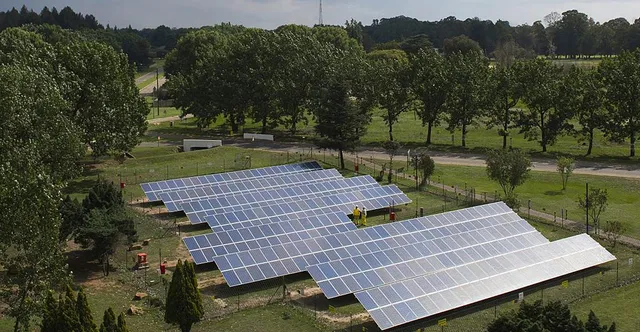
Mine sites may prove to be ideal locations for the generation of renewable energy because they often cover extensive areas where wind and solar power structures will have less environmental impact and are therefore less likely to meet opposition. In addition, mine sites often already have the necessary electricity transmission lines and transport infrastructure in place, avoiding extra capital costs. Other forms of redevelopment may not be an option due to the remoteness of the site, or environmental conditions may rule out residential or commercial use without significant extra development cost. Although interest is increasing, the re-use of mine sites for alternative energy generation remains at a small scale but already in place in some sites.
Table No. 2. Renewable Energy Technologies at Former Mines Sites
|
Technology |
Former Mine Sites |
|
Wind Power |
In the largest wind farm planned in Virginia, 166 turbines will be sited on over 4000 hectares of land disturbed by coal and hard rock mining activities. 99% of the land remains usable for other activities including farming.
In Scotland, Black Law Wind Farm near Forth covers 1850 hectares of abandoned coal mine land, grazing land and commercial forestry, with 42 wind turbines generating 97 MW, and plans for expansion potentially increasing the total generating capacity to 193 MW.
At the Hazlehead Wind Farm site in West Yorkshire, wind power is now being generated on the site of a former clay quarry spoil tip and landfill site, with three turbines and a proposed installed capacity of 6 MW. |
|
Solar Power |
The Geosol solar plant at Espenhain, Leipzig, constructed on a former lignite mine ash site, generates 5 MW and saves around 3700 tonnes of CO2 every year.
UK’s first large-scale solar PV farm developed by Lightsource Renewable Energy is located on the south-facing site of the former Wheal Jane tin mine near Truro in Cornwall. The solar farm houses 5680 panels with a peak generating capacity of 1437 MWh. |
If not done responsibly, researchers have found that the mining necessary for producing more metals and creating the required renewable energy infrastructure could exacerbate threats to ecosystems. While they fully support the move away from fossil fuel production as an essential part of the fight against climate change, alternative energy production must not happen at the expense of biodiversity, rainforests, and the livelihoods of indigenous peoples.
In response to increasing corporate demand for clean energy, industry associations and coalitions have sprung up to make it easier for mining companies to enter into power PPAs with developers and utilities, or to self-generate their own electricity. There’s an optimal point in any proposed mining project where a decision needs to be made to integrate renewables, or else the mine life will expire before the full benefits of renewables can be realized.
Conclusion
If the mining and renewable energy industries pursue a strong symbiotic relationship, both will benefit in cost savings, reduced emissions and more importantly, preserving their social license to operate. This will be a very long transformation process but with new technologies in commercial development especially in battery storage, the mining industry has an incredible opportunity to drastically curb climate change impacts in its operations. Investors and lenders will also need to be part of the solution by revisiting the mining industry as an investment opportunity. They have to work with mining companies to implement ESG improvements and transition to sustainability. Instead of dismissing these efforts as industry “greenwashing”, critics and skeptics must exercise open mindedness in giving a chance to mining that, whilst historically perceived as dirty, is essential for the global aspiration of a clean and green energy transition.
Fernando “Ronnie” S. Penarroyo specializes in Energy and Resources Law, Project Finance and Business Development. He may be contacted at fspenarroyo@penpalaw.com for any matters or inquiries in relation to the Philippine resources industry. Atty. Penarroyo’s commentaries are also archived at his professional blogsite at www.penarroyo.com
References
Ali, Umar, Going green: renewable energy projects at mines around the world, Mining Technology, April 15, 2021, https://www.mining-technology.com/features/going-green-renewable-energy-projects-at-mines-around-the-world/
Better fit for mining and renewable energy, THEnergy, 2020, https://www.th-energy.net/english/platform-renewable-energy-and-mining/business-models/
Cormack, David and Wood, Michael, Renewables in Mining: Rethink, Reconsider, Replay, Deloitte, 2017, https://www2.deloitte.com/content/dam/Deloitte/global/Documents/Energy-and-Resources/gx-renewables-in-mining-final-report-for-web.pdf
Fawthrop, Andrew, Why the mining industry must continue to embrace renewable energy, NS Energy, 20 March 2020, https://www.nsenergybusiness.com/features/renewable-energy-mining-bnef/#:~:text=Financial%20incentives%20for%20mining%20industry%20to%20embrace%20renewable%20energy&text=%E2%80%9CThis%20means%20miners%20can%20negotiate,the%20volatility%20of%20energy%20markets.
Gracey, Kyle, How can renewable energy technologies support mining and drilling?, Prescouter, October 2017, https://www.prescouter.com/2017/10/renewable-energy-mining-drilling/
Jamasmie, Cecilia, Anglo American to run South America mines 100% on renewables, MINING.COM. April 15, 2021 https://www.mining.com/anglo-to-run-south-america-mines-100-on-renewables/#:~:text=Anglo%20American%20(LON%3AAAL),by%20green%20energy%20by%202022.
Kostigen, Thomas M., The might of metals in the clean energy transition, GreenBiz, 10 February 2021, https://www.greenbiz.com/article/might-metals-clean-energy-transition#:~:text=Here's%20why%3A%20Minerals%20are%20critical,in%20the%20Paris%20Climate%20Agreement.
Maisch, Marija, Mining sector to rely increasingly on renewables, report finds, PV Magazine,11 September 2018, https://www.pv-magazine.com/2018/09/11/mining-sector-to-rely-increasingly-on-renewables-report-finds/
Mining & Renewable Energy – A Greener Way Forward, Watson, Farley, and Williams, 23 November 2020, https://www.wfw.com/articles/mining-renewable-energy-a-greener-way-forward/
Sonter, Laura, Watson, James and Valenta, Richard, Renewable energy can save the natural world – but if we’re not careful, it will also hurt it, The Conversation, 02 September 2020, https://theconversation.com/renewable-energy-can-save-the-natural-world-but-if-were-not-careful-it-will-also-hurt-it-145166
Thomas, Tobi, Mining needed for renewable energy 'could harm biodiversity’, The Guardian, 01 September 2020, https://www.theguardian.com/environment/2020/sep/01/mining-needed-for-renewable-energy-could-harm-biodiversity#:~:text=The%20mining%20necessary%20for%20producing,to%20biodiversity%2C%20researchers%20have%20found.&text=The%20scientists%20found%20mining%20potentially,used%20in%20renewable%20energy%20production
Whitbread-Abrutat, Peter and Coppin, Nick, Wardell Armstrong International, Renewables Revive Abandoned Mines, Renewable Energy World, 13 April 2021, https://www.renewableenergyworld.com/baseload/renewables-revive-abandoned-mines/#gref
Zuliani, Jocelyn and Guilbaus, Joel, Renewable energy in mining: A practical application for active operations, Canadian Mining Journal, 01August 2020, http://www.canadianminingjournal.com/features/renewable-energy-in-mining-a-practical-application-for-active-operations/
Let’s Make It A Better 2021
COVID-19 and its impact on the world provided a harsh lesson and wake-up call for all of us. People lost their jobs, businesses and entire fortunes on account of a virus whose origins remain a mystery. We worked from home, home schooled our kids, stayed away from senior members of our families, canceled special celebrations and well-planned vacations, and restricted our mobilities because we were afraid to catch and spread the virus. But the one thing that we will never forget is loved ones and friends losing their battle to this horrible illness.
In 2020, the Philippine economy started on the wrong foot. It began with the eruption of the Taal Volcano creating a setback in the agriculture and tourism industries in Cavite and Batangas. Typhoons Rolly (international name Goni), Siony (Atsani), and Ulysses (Vamco) that hit the country in November in just a span of two weeks also brought considerable devastation to a large area in Luzon. These natural calamities and the pandemic caused a plunge in private domestic demand, deep contraction in investment activities, and weak exports bringing down the economy to -9.5%, its worst performance since the country began releasing growth data in 1947.
After a long bout of physical exhaustion, mental fatigue, emotional stress, and apprehension, somehow we felt a bit of relief that the long and dragging 2020 ended. There was a feeling of ambivalence as we reminisced the past year. We felt exuberant that we made it out alive from 2020 but melancholy for those who continued to suffer or didn’t make it through.
However, the same mixed reactions and emotions continue to haunt us in 2021 as we are fully aware that though vaccines are being rolled out in succession, emerging variants of the virus bring uncertainties to our lives. Like a ship in a raging storm coasting along the shore, we can see the lighthouse but the waves prevent our vessel from getting to safe harbor. Certainly, there are still challenges that should not put us in complacency.
If there is indeed a rebound that will return us to some semblance of normalcy, I don’t believe that we’ll ever return to where we were before. We will continue to wear masks, limit in-person meetings, and practice physical distancing, afraid that there will be another virus waiting to unleash its force with more tenacity and strength. We will continue to adjust our daily existence depending on how new developments in science will provide the safeguards to physical interaction and provide adequate disease prevention and cure.
Coping with the pandemic
“What happens to me now that my livelihood is gone? How will I pay my suppliers, creditors, and employees? Will the banks foreclose on my mortgages? Where will I get the capital to start all over again? Am I still employable? Will my kids have to stop going to school? How is my family going to survive? How will I get back on my feet?”
We are all saddled with negative thoughts. Sometimes the more we think about negativity, the less we become creative and confident. Acting unkind to ourselves during these difficult times serves no purpose but to pile on more anxiety. We must confront the brutal realities head-on by resolving to be patient and steadfast.
Undoubtedly 2021 will hold new challenges. This is the reality of life. Yet like those we’ve faced before, what matters most is not the problems themselves, but how well we’ve responded to them and how we’ve applied their lessons to grow and thrive in our lives.
There are probably a million reasons not to smile during the pandemic. Some people struggle on a daily basis to look for the next meal, payment for rents, and money to buy the bare necessities. Some people vented their anger and frustration in social media. If you’re actually doing it, take a minute to realize that you have the literacy, luxury of time, and internet connectivity to read and type in your device. You have the ability to access the whole world with your gadget while others struggle to meet their most essential needs and probably wish for things you are currently enjoying. In many ways, all the reasons for complaining seem to be trivial and certainly no reason to bicker about. It is definitely better to flash that smile behind the mask than rant online. It is better to be content with what you have and strive hard to survive for the future. We’re all on the same team in the same boat. All of us need some form of encouragement and everyone will benefit if we decide to argue less and understand more.
We are often tempted to be couch potatoes during these times when our mobility is hampered. We tend to binge on online entertainment and video games, which does not physically or mentally nurture us. Being busy is the best way to avoid feeling empty and dull.
2020 was touted by astrologers and feng shui masters to be an auspicious year for wealth building and the year people would get everything they wanted. No one predicted that 2020 will be the exact opposite. COVID-19 made us realize that there are certain aspects of our life that are uncontrollable. Instead of losing ourselves in despair and anxiety by focusing on situations beyond our control, it was our moment to reconnect to a deeper sense of purpose, promote our individual faith, and commune with nature.
Hoping for a better 2021
In 2020, we lost the ability to physically connect with others at our usual places of congregation in offices, schools, restaurants, concerts, sporting events, homecomings, and church services. Now we look forward to reconnecting in-person with others including people who we often took for granted before.
Though we may realize that returning to the old normal is not possible in the near future, at least there is hope that 2021 will bring us some respite from the virus. Most people expect things to start to return to a restrictive new normal as vaccines have arrived and inoculations began. For some of us, it will take some time until we have access to the vaccine, but as more people get it, there is a bigger chance that fewer people will acquire or die from the virus. The good news is that science has made us understand the virus better and will help humanity prepare for the next virus outbreak.
We now see things from a different perspective. We appreciate our families, our friends, and everything that we have. We cherish not only our own lives but simple things like our environment and nature as a whole. We indulge in activities that nourish our physical and mental well-being. We start to have leisurely walks, road tours by bike, and indulge in our hobbies like growing plants and cooking. We see brand new clothes and shoes, unused and gathering dusts in our closets. We see cars parked idly in our garage because our movement is restricted. Nature has decided for us that now we need to own less.
The pandemic has given us the opportunity to heal, preserve, and strengthen our bodies. It was also a time to cultivate more positive emotions – gratitude, compassion for self and others, connection and intimacy with family and optimism. It taught us to refocus on the most important things in life.
What should we expect for 2021? 2021 is the time to dedicate ourselves to reflect, renew, and reset our lives after a tumultuous 2020 beset by failures and disappointments. It is a propitious time to reflect on where we’re at and where we want to be. It is the moment to renew our commitment to be a better person and make positive choices in life. It is the point of realization to reset everything and start anew after embracing our failures and making sure that things will turn out differently.
Some people experience a positive change as a result of their struggle with a major life crisis or traumatic event. Success waits for people who can cope with the ongoing uncertainty. “What have we done differently in 2020 to cope with the pandemic?” For some of us who managed to navigate the pandemic with a positive attitude, the ongoing crisis honed our adaptability, resilience, agility, and tenacity.
Just because our plans got derailed last year is no reason not to set our sights on our goals. Consider 2020 as a temporary setback and continue to believe in ourselves and trust our abilities to recover. We have to set a daily goal to keep us on our toes and motivate us to continue studying, and working. We must make it a point not to waste any day, any moment, or any amount of energy remaining as we continue to live on. Our inner confidence will allow us to direct our time and talent to our vision and ultimate goals.
Our purpose should not be limited by the plans that fell through in 2020 or what we were unable to do. If we learn from our failures and take full responsibility, our trials will make us successful. And in time, we'll be even more successful, because we'll never stop trying to be better than we are today.
Successful people have a purpose in life. They generate excitement, dedication and passion and these they share their passions with others. If we've found a purpose, something that inspires and fuels us to stand up and achieve, then we’re living life the way we want it.
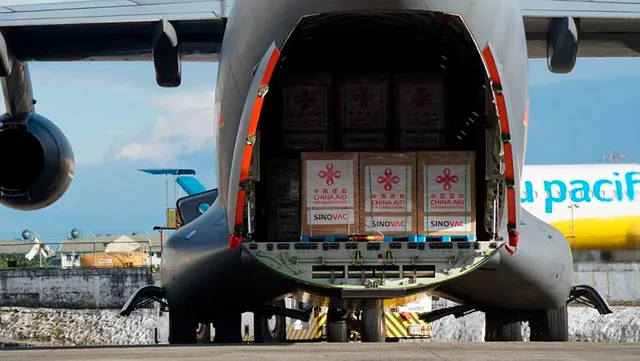
We are now witnessing the unprecedented development of different vaccines produced by both private and state-sponsored companies. Science-based and democratic institutions are much needed to address the vaccine development and roll-out. It is now government’s responsibility to procure them cheaply and distribute them within the soonest possible time. Hopefully, the end to the pandemic is near at hand though we’re not there yet.
In the meantime, we should continue to be vigilant about our own safety and that of others. The challenge now is to educate a misinformed populace about the enduring risks of the coronavirus and the disinformation that circulates on social media on the necessity to be vaccinated. Vaccine hesitancy is a global health threat especially in developing countries. Even if a coronavirus vaccine is made available to everyone, people especially our front liners and elders need to be convince to get it.
Personal reflections
There were some silver linings in the clouds despite the pale and gloom that came in 2020. People learned how to become creative in augmenting their incomes and made use of their time for self-improvement. Since people no longer have to endure wasted hours spent in traffic, people working from home have become more productive. Meetings and conferences are easier to organize and attend. People actually looked forward to seeing their colleagues online to break the monotony of working alone. Attending professional and self-improvement webinars and getting accreditation from such became easier.
Parents and children shared meals, bonded, and communicated forging stronger relationships never experienced during the time before the pandemic. Parents suddenly were getting involved in school work making sure that the kids are not getting shortchanged in their online schooling. People learned new skills and pursued a variety of home-based businesses and recreational activities. I know of some friends who renewed their passion in reading, cooking, gardening, painting and other personal pursuits which they have passed off in favor of the corporate rat race in their concrete jungles. Some of them turned their passions into successful online businesses.
I discovered myself, learned to understand my quirks, and made it easy on myself. I believed we were brought up in a culture of accumulating material possessions which paled in comparison to the actual life-giving pursuits we have taken for granted. I see each day as a gift of life and another opportunity to live because many people had such chance taken from them.
To keep myself busy, I made a thorough search of all the articles and photographs I have saved in my computer through the years. I compiled my Master or Laws research papers, notes, and powerpoint presentations accumulated in my teaching and lecturing vocation. I organized them, created my website and uploaded them in my blog site. It was the next best thing to writing and publishing a book. I also wrote blogs about music, films, arts, and even K-dramas. I tried perfecting my pasta recipes. I made a point to walk around the village everyday and converted part of our garage to a mini-gym. I continued to look after my health through video consultations with my doctors.
Due to the physical distancing and travel restriction guidelines during the pandemic, what I really missed was our trekking group’s outdoor activities. I missed climbing mountains and camping in forests and mountain base camps. Nevertheless, with my new found time, it allowed me to take in the beauty of nature right in my own surroundings. I learned to slow down, relax and appreciate the good and simple things in my mundane life. I enjoyed staying under the sun and proverbially stopped to smell the flowers. The air was noticeably clean. During a lakeshore drive, I could clearly gaze at both the high-rises of Bonifacio Global City and the wind farms nestled on the Sierra mountain range of Rizal while taking a whiff of fresh air.
Despite the pandemic, I continued to write articles for Philippine Resources as a way of getting myself updated with the resources and infrastructure industries. I did a lot of online lectures and webinars, gave interviews, and acted as resource speaker for online forums and conferences as part of my advocacy for renewable energy and responsible mining. My audience were varied - leaders of various industries, law school organizations, students and professionals involved in the mining and renewable energy industry, and geology majors reviewing for their board exams. These activities were my mental exercises.
Though I certainly prefer in-person interaction, the good thing about my online lectures was that participants have overcome their nerves by interacting virtually compared to a physical seminar or conference. I noticed that participants in my webinars and lectures were more active in engaging me with their questions and comments. Surprisingly, even technically-challenged seniors have learned to master the internet and online meetings, including screen sharing of their presentations and files.
I wish an instant reboot of life if not a total deletion from my memory of the enduring tragedies we experienced in 2020. I desire to return to people interacting without wearing wearing face masks and not conscious of any physical distance. But I realize that our lives will not return to our previous normal overnight. My motto is to survive in order to strive and prepare myself for the new normal.
It will be a gradual and slow learning process beset with both small victories and temporary setbacks. Chaos and crises will not follow a timeline. The underlying challenges we encountered in 2020 will continue to haunt us well into the forthcoming years until the virus has totally been eradicated and the traumatic memories would just become a mere footnote in mankind’s history like the Spanish flu of the previous century.
In 2020, we see how quickly our lives changed with the blink of our eyes. We realized that we are not in total control of the world. But the best part is that we are in total control of ourselves and we can certainly control how we interact with the world around us. That basically makes all the difference.
We hope that 2021 will be a brighter and better year. Perhaps we can find inspiration in the biblical story of Job. After Job was made to suffer all misfortunes and tragedies in life, “…the Lord blessed the later days of Job more than his earlier ones ... Job lived a hundred and forty years; and he saw his children, his grandchildren, and even his great-grandchildren. Then Job died, old and full of years.”
A better 2021 starts with a better “me”. Perhaps after a full year of a better 2021, we can look forward to a 2022 that will be even better.
Fernando “Ronnie” S. Penarroyo specializes in Energy and Resources Law, Project Finance and Business Development. He may be contacted at fspenarroyo@penpalaw.com for any matters or inquiries in relation to the Philippine resources industry. Atty. Penarroyo’s commentaries are also archived at his professional blogsite at www.penarroyo.com