


August 26, 2025

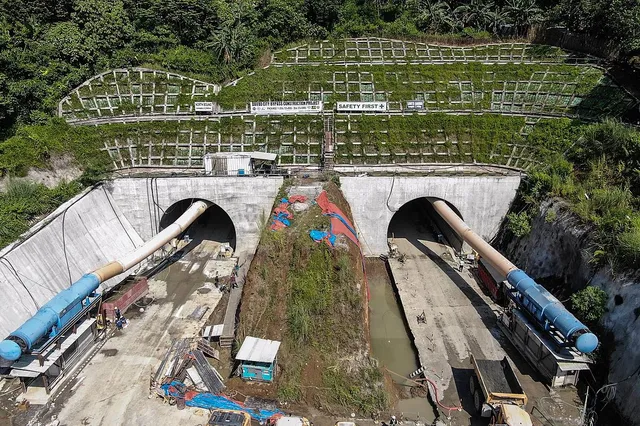
A major milestone in Philippine infrastructure development is just days away, as the Department of Public Works and Highways (DPWH) announced that fewer than 2 meters remain before the excavation breakthrough of the 2.3-kilometer southbound tunnel of the Davao City Bypass Construction Project (DCBCP).

The breakthrough, expected this week, will mark a historic achievement in the 45.5-kilometer bypass project, which features the country’s first long-distance road tunnel system built through mountainous terrain.

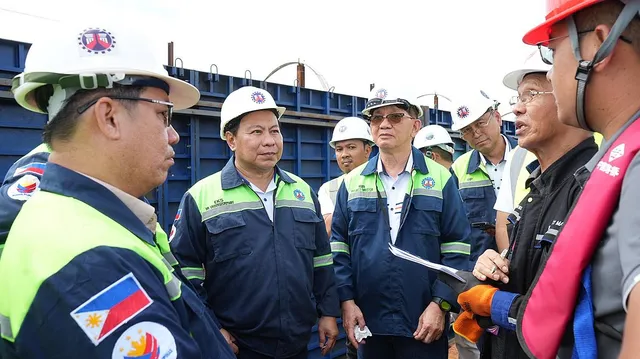
The announcement followed an on-site assessment on Aug. 22, 2025, by DPWH Senior Undersecretary Emil K. Sadain, who oversees flagship infrastructure projects funded through official development assistance (ODA). He was joined by UPMO Roads Management Cluster I Project Director Benjamin A. Bautista, UPMO Bridges Management Cluster Project Director Rodrigo I. Delos Reyes, and Stakeholders Relations Service Director Randy R. Del Rosario.

In his report to DPWH Secretary Manuel M. Bonoan, Sadain described the impending breakthrough as a landmark achievement — not only for the Davao City Bypass but for Philippine infrastructure as a whole.

“This milestone showcases the exceptional coordination, engineering expertise, and resilience of the Filipino engineers and technical workers, who undertook tunneling operations under complex geological conditions,” Sadain said.

The northbound tunnel was successfully excavated in March 2025, bringing the twin-tube tunnel system closer to full operational readiness.

Once fully completed, the DCBCP is expected to cut travel time between Davao City and surrounding areas by more than 40 minutes, significantly easing traffic congestion and enhancing regional connectivity. The project is part of the government’s broader strategy to modernize infrastructure using advanced tunneling technologies.

The bypass is funded through a mix of Japanese ODA under Japan International Cooperation Agency (JICA) Loan Agreements PH-P261 and PH-P273, along with funding from the Philippine government.

Secretary Bonoan noted that the twin-tube mountain road tunnel represents only the beginning as the Philippines enters a new era of road infrastructure that embraces innovation.

“Another major road tunnel initiative is being developed under President Ferdinand R. Marcos Jr.’s Build Better More program — the 23-kilometer Dalton Pass East Alignment Road Project, which will connect Nueva Ecija in Central Luzon to Nueva Vizcaya in the Cagayan Valley Region. This project will feature tunnel sections nearly twice as long as those in the Davao Bypass,” Sadain added.

The Dalton Pass project will include 6.121 kilometers of twin-tube tunnels, with the northern and southern segments measuring approximately 4.516 kilometers and 1.605 kilometers, respectively. It also involves the construction of 10 bridges with a combined length of 5.828 kilometers, along with slope protection works.

Procurement for design consultants is underway, with detailed engineering design expected to begin by early 2026.

August 26, 2025

The Department of Public Works and Highways (DPWH) reported considerable progress in the ongoing interisland linkage project between Davao City and Samal Island across the Pakiputan Strait in the Davao Region.

In an inspection report to Secretary Manuel M. Bonoan, DPWH Senior Undersecretary Emil K. Sadain said various substructure works for the Samal Island-Davao City Connector (SIDC) Bridge continue to gain momentum and are progressing in parallel.

Ongoing works include the construction of ramps and land viaducts on both the Davao and Samal sides, along with significant developments on the marine viaduct and the main navigation bridge.

The 4.76-kilometer, four-lane bridge has now reached 41% completion. This milestone is highlighted by the successful completion of about seven high pier columns for the land viaducts on both ends, marking a major achievement in the project’s vertical construction phase. In addition, foundation works for the 275-meter extradosed main bridge are well underway.

On the Samal side, the steel caisson cofferdam for the navigation pile cap has been successfully lowered and is being prepared for concrete sealing. On the Davao side, the seal concrete bottom slab has already been installed, with preparations ongoing for the caisson’s lowering, pending final quality inspections.

The latest site inspection was conducted on Aug. 22, 2025, led by Senior Undersecretary Sadain along with Unified Project Management Office (UPMO) Project Director Rodrigo I. Delos Reyes of the Bridges Management Cluster; Project Director Benjamin A. Bautista of Roads Management Cluster I; Stakeholders Relations Service Director Randy R. Del Rosario; Project Managers Joweto V. Tulaylay and Najar S. Imbin; Acting Project Manager Norifel Teddie G. Cadiang; Project Engineer John Christian T. Gaden; and other UPMO staff. They were joined by representatives of the contractor, China Road and Bridge Corp., and construction supervision consultant Pertconsult International.

The project broke ground in October 2022, led by President Ferdinand R. Marcos Jr. After the detailed engineering design, full-scale civil works began in May 2024 as part of the “Build Better More” infrastructure program, which aims to strengthen regional development and mobility.

Once completed, the SIDC Bridge will provide a direct link between R. Castillo–Daang Maharlika Junction in Davao City and the Circumferential Road in Samal Island, reducing travel time from 55 minutes via ferry to just 4.5 minutes. It is expected to accommodate an estimated 25,000 vehicles daily, boosting tourism and commerce in the region.

The 20.8 billion peso project is largely funded through official development assistance (ODA) from the government of the People’s Republic of China under a bilateral agreement to support the Philippines’ infrastructure development goals.

Implemented by the DPWH UPMO–Bridges Management Cluster, the agency is targeting project completion by 2028, which will mark a new era of enhanced regional integration, mobility, and sustainable development in the Davao Region.

According to Sadain, who oversees infrastructure flagship projects under the Build Better More program funded by ODA, several bridge connectivity projects have recently been completed under the Marcos administration and the leadership of Secretary Bonoan.

Foremost among these is the 3.17-kilometer Panguil Bay Bridge, currently the longest sea-crossing bridge in Northern Mindanao, which was inaugurated on Sept. 27, 2024. This vital infrastructure links Tubod, Lanao del Norte, and Tangub City, Misamis Occidental, significantly improving mobility, trade, and regional development.

Another milestone is the recent completion of the 541-meter Nalil-Sikkiat Bridge, which connects Bongao Island to the Tawi-Tawi mainland in the Bangsamoro Autonomous Region in Muslim Mindanao (BARMM).

Additionally, several projects under the Improving Growth Corridors in Mindanao Road Sector Project (IGCMRSP) are nearing completion, including the Guicam Bridge in Zamboanga Sibugay and two other major bridges in Tawi-Tawi province. These projects are expected to further enhance interisland connectivity and spur inclusive economic growth in Southern Philippines.

Looking ahead, DPWH-UPMO Operations is set to begin civil works on several legacy infrastructure flagship projects aimed at strengthening interisland and regional connectivity. These include the 32.15-kilometer Bataan-Cavite Interlink Bridge, which will connect Central Luzon and Calabarzon via Manila Bay; the 33.09-kilometer Panay-Guimaras-Negros Island Bridges, a transformative project for Western Visayas; the 2.61-kilometer Second San Juanico Bridge, an expansion of the existing Leyte-Samar link; and the Cebu-Mactan 4th Bridge and Mandaue Coastal Road, with a total length of more than 8 kilometers, designed to improve access between Mandaue City and Lapu-Lapu.

August 22, 2025

Benguet Corp., the country’s oldest mining company, reported a strong earnings performance for the second quarter of 2025 as revenues and net income rose sharply on the back of higher production and sales.

The listed miner said consolidated revenues reached P1.1 billion in the April-to-June period, a 33% increase from P800 million in the same quarter last year. First-half 2025 revenues climbed to P2.1 billion, up 66% from P1.3 billion in the first six months of 2024.

After-tax net income for the second quarter stood at P371 million, a 72% jump from P215 million in the same period last year. For the first half, net income surged to P624 million, more than double the P268 million posted a year earlier.

Earnings per share amounted to P0.52 in the second quarter and P0.87 for the first half. The company’s operating margin also rose to 43%, compared to 29% a year earlier.

Management attributed the stronger performance to both efficiency gains and higher commodity output. “The improvement in the margins is a reflection of the effort to increase commodity production and sales volume while maintaining efficiency in operations,” the company said in a statement.

The results add to the company’s momentum from earlier this year when Benguet announced it had fully settled its decades-long debt, paving the way for diversification beyond its traditional mining business.

“Looking forward, after having fully settled its long outstanding debt, the management is poised to undertake diversification strategies and to continue to improve shareholders value,” Benguet said in a disclosure in March.

Currently, the Romualdez family-led firm operates a gold mine in Benguet, nickel mines in Zambales and a processing facility in Baguio City. Beyond mining, it has diversified into health care and diagnostics, logistics, industrial equipment trading, port services, shipping, real estate and lime kiln operations.

In December 2024, Benguet unveiled plans to further expand its portfolio to include agriculture, bulk water and renewable energy projects. “Now with improved creditworthiness and clean balance sheet, [Benguet] can resume capital market activities and engage investors in undertaking new projects and expansion of existing operations that will create new revenue streams for the company and will hopefully lead to future dividend payouts,” the company said.

Founded in 1903, Benguet is marking its 122nd year of operations. Management said its focus on sustainable growth has been key to its longevity, even as it continues to face volatility in global commodity prices and foreign exchange rates.

“Despite volatility in foreign exchange rates and commodity markets, Benguet continues to deliver solid operating results,” the company said.

With revenues already surpassing P2 billion in the first half and net income more than doubling year on year, Benguet said it is confident 2025 results will top last year’s performance.

“Moving forward, management is committed to further strengthening its operations, pursuing growth opportunities, and enhancing shareholder value,” the statement added.

August 20, 2025

Leading construction company EEI Corporation (EEI) sees stronger revenue visibility and growth as it resurges with a PHP36.85-billion total backlog, or unworked portion of existing contracts, as of July 2025. This represents a 40% jump compared to the PHP26.39-billion reported backlog during the second quarter of the previous year.

The company regained momentum after incurring a significant loss at the end of fiscal year 2024, which was largely brought about by provisions for claims associated with the prolonged lockdowns during the pandemic. During these periods, EEI prioritized the safety and well-being of its people above all else and continued to pay full wages, food, and lodging to active employees despite the work stoppages.

“Sometimes, we need to take a step back if we want to take care of our employees, particularly during the most difficult times. We believe that profitability is not the only metric for responsible corporate governance, and that the measures we took in the past were necessary for the long-term future of EEI. Now that we have momentum back in obtaining new projects, we are confident that we will have the full support of the workforce that we took care of during those times of uncertainty,” Henry D. Antonio, EEI Corporation President and CEO, said.

EEI recently secured two infrastructure contracts under the South Commuter Railway Project (SCRP) 07 worth a combined PHP1.8 billion.

“These new projects reaffirm EEI’s commitment to delivering world-class infrastructure that not only drives mobility, commerce and community development, but also improves the quality of life for Filipinos. Better roads and transport systems mean easier commutes, greater access to opportunities, and stronger connections between communities,” said Anna Sheila P. Figuera, Senior Vice President and Head of the Commercial and Operations Division. “We are proud to collaborate with our partners in building the critical transport link that will shape the country’s future.”

EEI will undertake the PHP1.7-billion SCRP-07 Earthworks in Banlic, Laguna, and the PHP188-million SCRP-07 Underpass Works. The scope of work includes site development, earthworks, subbase and base course, surface course, structural works, drainage systems, irrigation channels, and other related infrastructure. EEI will work with Lotte-Gulermak-EEI Joint Venture (LGEJV) to complete the projects.

The SCRP, part of the larger North-South Commuter Railway (NSCR) project, will reduce travel time between Metro Manila and Laguna upon completion. It is part of the Philippine government’s Build Better More infrastructure program, which aims to enhance transport efficiency and support economic activity across key growth areas in the country.

With its decades-long expertise in large-scale infrastructure, EEI continues to be a driving force in nation-building by prioritizing projects that connect people, facilitate economic growth, and promote sustainable development across the country.

August 20, 2025

Megawide Construction Corp. (Megawide) booked a consolidated net income of P436 million in the first six months of 2025, equivalent to 81 percent of its full-year 2024 earnings.

Consolidated revenues during the period reached P8.6 billion, as several projects neared completion. Earnings before interest, taxes, depreciation, and amortization (EBITDA) stood at P2.44 billion.

“Based on our performance in the first six months of the year, we are on track to outpace our net income from the previous year. This is also partly driven by the increasing contribution from our real estate business, which is steadily emerging as a new growth driver,” Megawide Chairman and CEO Edgar Saavedra said.

Saavedra said that other business segments are expected to complement the company’s consolidated overall performance as we replenish our order book for EPC and Precast and Construction Solutions (PCS) from both external and internal clients

Segment performance

Construction operations contributed P7.3 billion, or 85 percent of consolidated revenues. The company attributed the figure to the winding down of ongoing projects, which typically generate lower revenues but higher margins at this stage of their cycle.

Real estate operations surged, with revenues of P1.1 billion—more than triple from the same period last year—driven by projects such as My Enso Lofts, The Hive, Northscapes, Modan Lofts, One Lancaster Park, and Lykke Condo. Sales reached P1.7 billion in the first half, up 64 percent year on year, pushing unbooked revenues to P8.8 billion.

Landport operations delivered P217 million in revenues, a 6-percent increase from last year, contributing about 3 percent to the total. The segment benefited from a steady passenger influx averaging 164,800 by end-June, which translated to higher passenger spending of P34.70. Commercial occupancy remained strong at 98 percent, while signed office contracts stood at 47 percent.

Order book and projects

Megawide’s order book as of June 2025 stood at P37.7 billion. New contracts worth P2 billion were added, including Towers 2 and 3 of PH1 World Developers Inc.’s Modan Lofts Ortigas Hills, Citicore’s Lucanin Solar Power Plant, and battery energy storage systems for the Bolbok and Lumbangan solar plants.

The company said it remains committed to pursuing scalable and socially responsive platforms such as the government’s flagship Pambansang Pabahay Para sa Pilipino (4PH) program.

“Our foray into the 4PH is expected to help address the six million housing backlog and further harness synergies within the Group, by boosting the order book for both EPC and PCS from the internal front,” Saavedra said.

“Specifically, we broke ground for four new locations under the 4PH – two each in Bacoor and Dasmarinas. Together with our maiden project Avesta in Imus, PH1 is expected to deliver approximately 7,000 housing units from these projects in the next 2-3 years, in Cavite alone,” he added.

In July, Megawide broke ground for the Caticlan Airport Terminal, which the firm hopes will serve as a springboard for other transport infrastructure projects. The company is also bidding for projects worth P20 billion, which could expand its year-end order book to P50 billion.

August 15, 2025

Listed miner Apex Mining Co., Inc. posted a 70% increase in consolidated net income for the first half of 2025, reaching ₱3.2 billion compared with ₱1.89 billion in the same period last year.

The gold producer sold 51,436 ounces of gold in the first half of 2025, slightly lower than the 52,993 ounces sold year over year. Despite the drop in gold sales volume, the surge in the average realized price — $3,121 per ounce versus $2,264 in 2024 — lifted the company’s consolidated revenue by 37% to ₱9.5 billion from ₱6.94 billion a year ago.

Apex Mining also sold 197,925 ounces of silver in the first half, up 12% from 176,838 ounces in the same period last year. The realized price of silver also increased to $33.18 per ounce from $26.86 in 2024.

The company’s consolidated revenues include gold and silver sales from its Maco Mine in Davao de Oro and the Sangilo Mine in Benguet, operated by its wholly owned subsidiary, Itogon-Suyoc Resources Inc.

“Alongside our continued growth and strong performance is our increasing contribution to nation-building through payment of taxes,” said Apex Mining President and CEO Luis R. Sarmiento.

The company was recognized as the Top 1 Business Taxpayer and Top 2 Real Property Taxpayer for 2025 by the Municipality of Maco in Davao de Oro, remitting ₱200,852,196 in business taxes and ₱6,084,096 in real property tax this year alone. Support to the Mansaka — the host Indigenous People of its Maco operations — through surface rights royalty and other relevant fees rose 11% to ₱23.61 million in 2025 from 2024, due to higher revenue and cost bases used in the computation of these fees.

Consolidated excise taxes paid amounted to ₱363.42 million in the first half of 2025, up from ₱267.7 million a year earlier. Apex Mining alone posted a net income of ₱1.56 billion for the second quarter of 2025, compared with ₱1 billion in the same period in 2024.

“Because of higher tonnage processed at a lower grade, our variable costs such as materials, power, royalties and surface rights, SDMP and refining costs increased by 10%,” said Apex Mining Senior Vice President and CFO Billy G. Torres.

Finance costs and other expenses also rose to ₱582 million from ₱278 million due to higher loan balances. As previously disclosed, the company secured a $108 million Omnibus Loan and Security Agreement in December 2024 with Bankcom and PNB for the acquisition of Asia-Alliance Mining Resources Corp., the latest addition to the Apex Mining group.

“The permitting process and resource validation for AAMRC are both ongoing. We will disclose relevant updates as they unfold,” Sarmiento said.

In June, Apex Mining received the Best Managed Company (Bronze Award/Philippines) in the Basic Materials category at Asia’s Best Companies awards organized by FinanceAsia.

Based on the 2025 Mine Reserves and Resource Certifications, the Maco Mine has enough reserves and resources to continue operating until 2034.

Apex Mining’s stock has climbed 523% from Jan. 2, 2020, to June 30, 2025, supported by steadily improving financial results. Between 2020 and 2024, revenue grew 140%, while net income surged 182%.

August 15, 2025

DMCI Mining subsidiary Berong Nickel Corporation (BNC) has signed a Mineral Production Sharing Agreement (MPSA) with the Department of Environment and Natural Resources (DENR), through the Mines and Geosciences Bureau (MGB) on August 8, 2025 for its Long Point property in Aborlan, Palawan.

Covering about 2,177.34 hectares, the MPSA grants BNC the exclusive right to explore, develop and utilize mineral resources within the contract area under the Philippine Mining Act of 1995. It has an initial term of 25 years, renewable for another 25 years, and will take effect upon registration with the MGB.

“The MPSA is not just about resource development. It’s about creating shared value with the people of Palawan through responsible mining,” said Tulsi Das C. Reyes, president of DMCI Mining Corporation.

“We will work closely with our host communities to ensure development goes hand in hand with environmental stewardship and inclusive growth, guided by the same standards that shaped our operations and ongoing rehabilitation of the Berong mine in Quezon,” Reyes added.

Since 2024, BNC has invested about ₱1 billion in the Long Point project for fleet expansion, port infrastructure, ongoing exploration activities and pre-operating costs.

The Long Point mine holds an Environmental Compliance Certificate for 1 million wet metric tons of annual production capacity, with operations targeted to start by the fourth quarter of 2025.

More than 1,000 jobs will be created under the project, with priority hiring for local Indigenous and nearby communities. Several candidates are already in the company’s Operators and Drivers Training Program to prepare them for full-time roles once operations begin.

BNC’s sustainability track record in Palawan includes its landmark mine rehabilitation program in Quezon—the first approved Final Mine Rehabilitation and Decommissioning Plan (FMRDP) in the MIMAROPA region.

Now halfway through its six-year timeline, the program has rehabilitated more than 106 hectares, planted over 522,600 native seedlings and more than 1 million mangroves, and rescued and released nearly 1,700 sea turtles.

BNC operated the Quezon mine from 2006 until its full depletion in December 2021 and continued post-mining activities through 2023. Over its lifespan, the operation generated 1,634 direct and indirect jobs, produced 10.3 million WMT of nickel ore, and contributed ₱2.8 billion in mining duties, social development investments, royalties and taxes.

DMCI Mining Corporation, a wholly owned subsidiary of DMCI Holdings Inc., is an emerging nickel producer with key assets in Zambales and Palawan. It primarily exports nickel ore to China and other international markets. The company currently operates two mines in Santa Cruz, Zambales, and is actively developing new sites in Palawan, including the Long Point mine.

DMCI Mining holds a 74.80 percent effective stake in Berong Nickel Corporation, with the balance owned by Atlas Consolidated Mining and Development Corporation.

August 15, 2025

Weir is pleased to announce the appointment of Mick Henderson as Regional Managing Director for the Minerals Division in the Asia-Pacific (APAC) region, effective immediately.

Mick brings a wealth of experience and a proven track record of delivering results across Eastern Australia and the Pacific Islands. His deep regional insight and customer-first mindset underscore Weir’s commitment to supporting mining and resources customers with innovative solutions, responsive service, and operational excellence.

Since joining Weir in 2017, Mick has led teams across Queensland, Papua New Guinea, New South Wales and the Pacific Islands. Most recently, as Director – East, he focused on delivering value to mining and resource customers in the region through tailored service and support.

In his new role, Mick will focus on expanding Weir’s regional presence, strengthening customer partnerships and ensuring consistent delivery of high-performance solutions across the full product portfolio.

“I am dedicated to driving Weir’s mission by working collaboratively to deliver innovative, sustainable solutions and superior service. With our talented team, I am inspired to build on our strong foundation and reach new heights together,” said Mick Henderson.

Founded in 1871, The Weir Group PLC is one of the world’s leading engineering businesses, with a purpose to make its mining and infrastructure customers’ operations more sustainable and efficient. Weir’s highly engineered technology enables critical resources to be produced using less energy, water and waste, while reducing customers’ total cost of ownership.

Weir is ideally positioned to benefit from structural trends that support long-term demand for its technology, including the need for more essential metals to support economic development and carbon transition. The Group has approximately 12,000 employees operating in over 50 countries, with a presence in every major mining region of the world. Find out more at www.global.weir.
August 11, 2025

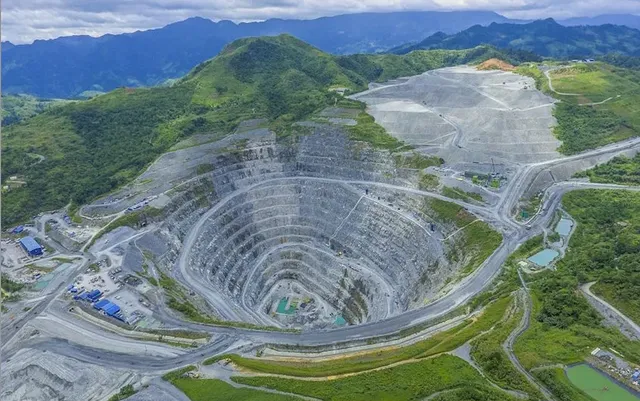
OceanaGold (Philippines) Inc. (PSE: OGP) booked a net income of nearly $15 million (about ₱851 million) in the second quarter of 2025 on revenues of $96 million (₱5.44 billion), buoyed by record gold prices and higher output from its Didipio mine in Luzon.

Earnings per share came in at $0.01, while the average realized gold price hit an all-time high of $3,295 per ounce. The company’s All-in Sustaining Cost was $1,287 per ounce for the quarter and $1,214 year to date.

“We had a strong second quarter as we continue to deliver on our strategy to safely and responsibly produce gold and copper at a low cost while capitalizing on today’s record high gold prices and generating strong Free Cash Flow,” said Atty. Joan Adaci-Cattiling, president of OceanaGold Philippines.

She added, “We are pleased to continue returning capital to our shareholders with the declaration of a second quarter dividend of $25 million (₱1.42 billion), having returned a total capital of US$111 million (₱6.30 billion) in dividends to our shareholders since our May 2024 IPO.”

The board approved a cash dividend of $0.0110 (₱0.624) per share, payable on September 18, 2025 to stockholders on record as of August 22. The payment will be made in Philippine pesos based on the prevailing exchange rate on the day of processing.

The miner produced 24,500 ounces of gold and 3,700 tonnes of copper during the quarter, 19 percent higher than the previous quarter’s gold output. The increase was driven by greater underground ore tonnage and higher grades as the company advanced into deeper levels of the mine.

OceanaGold Philippines sold 34 percent of its gold doré output to the Bangko Sentral ng Pilipinas, helping bolster the country’s international reserves. The company reaffirmed its full-year guidance of 85,000 to 105,000 ounces of gold and 13,000 to 15,000 tonnes of copper.

“For the second half of the year, our priority is to deliver on our guidance while investing in the growth potential of our business and continuing to generate strong Free Cash Flow and returns for our shareholders,” Adaci-Cattiling said.

OceanaGold Philippines operates the Didipio gold-copper mine under a Financial or Technical Assistance Agreement with the government.

August 11, 2025

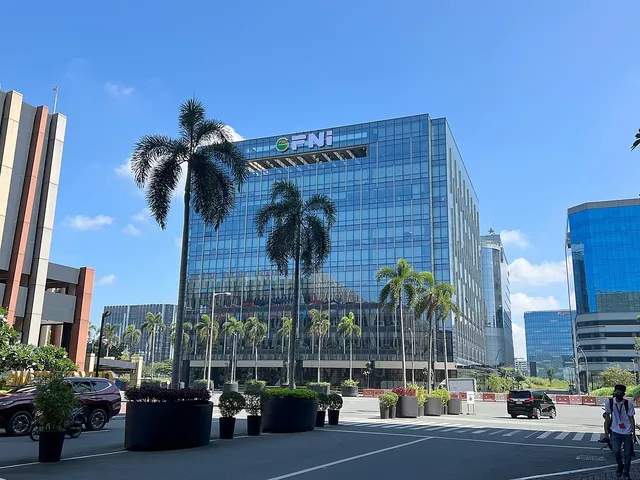
Global Ferronickel Holdings, Inc. (FNI) saw its net income surge more than threefold in the first half of 2025 as strong nickel ore prices offset weaker shipment volumes caused by bad weather and regulatory delays.

The listed nickel ore producer reported net income attributable to shareholders of ₱622.1 million (about US$11.01 million), up 200.4 percent from ₱207.1 million (US$3.66 million) a year earlier. Earnings per share climbed to ₱0.1214 (US$0.00215) from ₱0.0404 (US$0.00071).

Revenues reached ₱3.288 billion (US$58.20 million), with mining contributing ₱3.281 billion (US$58.07 million) — a 6.9-percent increase from ₱3.071 billion (US$54.36 million) in the same period last year.

“Our first-half performance demonstrates our resilience and ability to deliver value despite external factors. While unfavorable weather and regulatory constraints affected shipment volumes, we capitalized on market pricing,” FNI President Dante R. Bravo said.

He credited “strategic mine planning, technology integration, and disciplined cost management” for sustaining revenue growth and protecting margins.

Volume down, prices up

Total sales volume dropped 23.2 percent to 1.620 million wet metric tons (WMT) from 2.109 million WMT in 2024. Extended rains reduced medium-grade ore output, prompting a shift in sales mix to 62 percent low-grade and 38 percent medium-grade ore, from 41 percent and 59 percent, respectively.

Average realized nickel ore price rose 40.5 percent to US$35.61 per WMT from US$25.35. Low-grade ore fetched US$31.41 per WMT, up 74.7 percent, while medium-grade sold for US$42.50, a 39.2-percent increase.

Palawan and Surigao operations

In Palawan, export revenues rose 8.5 percent to ₱2.096 billion (US$37.10 million) despite a 17.1-percent decline in shipments to 0.892 million WMT, due mainly to permitting delays and adverse weather. The company optimized ore reserve use and boosted efficiency through technology.

The Department of Environment and Natural Resources renewed in May the Mineral Production Sharing Agreement for the Ipilan Nickel Project until September 2043, paving the way to double its capacity to 3.0 million WMT annually over the next two years.

Surigao delivered ₱1.186 billion (US$20.99 million) in export revenues, up 4 percent from last year, even as shipment volumes fell 29.5 percent to 0.728 million WMT. Strategic stockpiling early in the year and better weather from mid-May allowed the mine to more than double sales compared with April and early May.

Costs and recognition

Cost of sales fell 16.4 percent to ₱1.451 billion (US$25.68 million), largely from lower volumes and reduced contract hire rates linked to the higher share of low-grade ore. Operating expenses were steady at ₱1.079 billion (US$19.10 million), with higher provisions for VAT impairment and freight partly offset by lower excise taxes and royalties after a one-time settlement in 2024.

“With the first half of the year behind us, our attention continues to be on maintaining operational improvements, stepping up shipments, and setting FNI up for long-term, sustainable growth,” Bravo said.

During the period, FNI earned several industry awards. Its legal team was named In-House Team of the Year (Construction and Real Estate category) at the Asian Legal Business Southeast Asia Law Awards in Singapore, and was a finalist in three other categories.

In Surigao, operating arm Platinum Group Metals Corp. won the DENR’s Best Adopt-an-Estero/Waterbody Program award for its decade-long rehabilitation of the Kinalablaban River. PGMC was also a finalist in the Employers Confederation of the Philippines’ 2025 Kapatiran sa Industriya Awards for its inclusive and sustainability-focused workplace.

August 11, 2025

Nickel Asia Corp. (NAC) saw its first-half 2025 profit soar by 88 percent to ₱2.1 billion, driven by stronger nickel ore prices despite lower shipment volumes caused by unfavorable weather.

The listed natural resources company told the Philippine Stock Exchange on August 6 that its attributable net income, excluding minority interest, jumped from ₱1.12 billion in the same period last year. Earnings before interest, taxes, depreciation and amortization (EBITDA) rose to ₱4.59 billion from ₱2.96 billion year-on-year.

NAC credited the sharp rise in saprolite ore export prices for the improved performance.

Mining segment lifts results

Revenues from saprolite and limonite ore climbed 36 percent to ₱10.59 billion from ₱7.79 billion in 2024. The company’s operating mines sold 7.85 million wet metric tons (WMT) of nickel ore in the first half, 4 percent less than the 8.16 million WMT sold a year earlier, as bad weather hampered production.

Average ore prices, however, offset the volume decline. Weighted average prices rose 44 percent to $23.87 per WMT from $16.60, while the realized peso-dollar exchange rate eased slightly to ₱56.47 from ₱57.50.

Exports reached 3.92 million WMT at an average of $38.31 per WMT, sharply higher than last year’s $21.95. Limonite ore deliveries to the Coral Bay and Taganito high-pressure acid leach (HPAL) plants totaled 3.93 million WMT at $6.96 per pound of payable nickel, or $9.43 per WMT.

Renewable energy expansion

In the renewable energy business, subsidiary Emerging Power, Inc. (EPI) posted an 8-percent increase in generation through Jobin SQM, Inc. (JSI) to 127,030 megawatt hours. Still, EBITDA slipped 12 percent to ₱460 million due to lower average tariffs from a steep drop in spot market prices, partly cushioned by Power Supply Agreements.

EPI is moving forward with several solar projects, including:

  • Phase 1 of the San Isidro, Leyte project under Greenlight Renewables Holdings, Inc. (GRHI), its joint venture with Shell, which will add 120 megawatt-peak (MWp) — 72 MWp attributable — by the fourth quarter.
  • The 45-MWp Botolan project in Zambales, set to start construction in late 2025 and go online in the second half of 2026.
  • The wholly owned 145-MWp Subic-Cawag solar project, targeted for energization in late 2026.
  • A planned 50-MWp solar facility in Nazareno, Bataan, with construction eyed before year-end.

Optimistic outlook

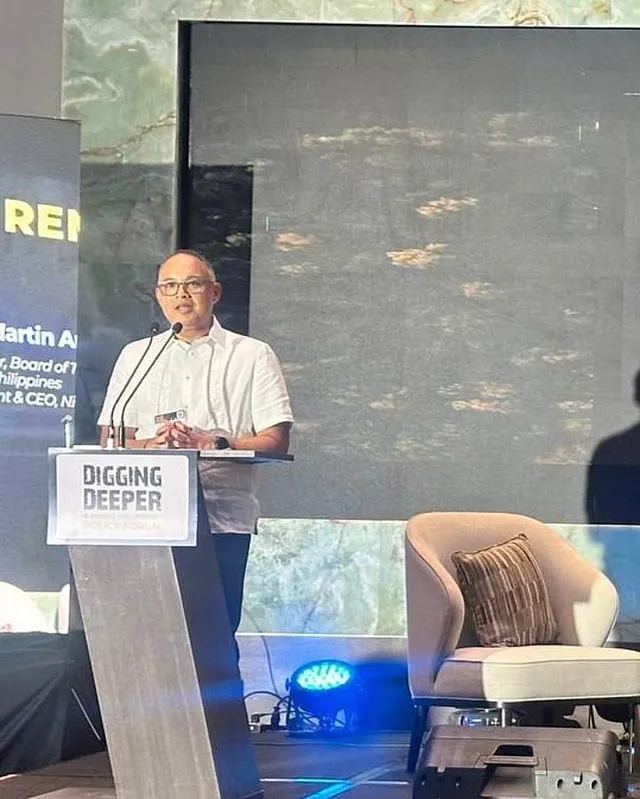
“We expect the recovery in nickel ore prices to continue, supported by tight supply and steady demand from Indonesia, and the ongoing implementation of mining policies in the country,” NAC President and CEO Martin Antonio G. Zamora said.

“With improving weather conditions at our mine sites and the ramp-up of shipments from Manicani, we are well positioned to deliver strong results in the second half of the year,” he added.

Zamora also noted the milestone in the company’s renewable energy portfolio. “In our renewable energy business, we are approaching the launch of the Leyte Phase 1 solar project, which will raise EPI’s total installed capacity to approximately 300 MWp by year-end,” he said.

“With nickel export prices trending upward, operations at Manicani gaining momentum, and the Leyte solar project nearing completion, we are laying a strong foundation for a meaningful uplift in performance this year,” Zamora said.

August 08, 2025

Celsius Resources Limited and its Philippine affiliate Makilala Mining Company Inc. (MMCI) announced that work on the updated Feasibility Study and Front-End Engineering & Design (FEED) for the Maalinao-Caigutan-Biyog (MCB) Copper-Gold Project remains on schedule, backed by funding from the Maharlika Investment Corporation (MIC), the country’s sovereign wealth fund.

The Brisbane-based Ausenco is managing the Feasibility Study, which has reached the engineering halfway point. An interim study report is expected to be submitted to MIC by the end of August 2025.

The study is evaluating capital cost assumptions, construction designs, schedules, and applying updated commodity price forecasts for copper and gold, as well as foreign exchange rate projections.

Celsius said it is also in “active discussions with a number of parties” regarding project financing. MIC has already provided initial funding through the first omnibus loan and security agreement (First OLSA) and has “expressed interest in an equity investment in the MCB Project.”

A second drawdown of $2 million from the MIC bridge loan facility is scheduled this week, bringing total drawdowns to $4 million. The facility has $6 million in undrawn funds remaining as of Aug. 7.

The company said one interested party, Kiri Industries Limited of Ahmedabad, India, signed a memorandum of undertaking (MOU) during the India-Philippine Business Forum in Bangalore, attended by President Ferdinand Marcos Jr. and Indian Prime Minister Narendra Modi.

“This high-level and non-binding MOU contains no specific or definitive commercial terms of investment at this stage and outlines the basis upon which the parties intend to negotiate in good faith to reach agreement for a potential investment by Kiri in MMCI,” Celsius said.

Discussions with other parties involve both debt and equity financing, as well as potential concentrate off-take and advance funding arrangements. Celsius stressed that “no binding agreement has been reached” and advised investors “not to make an investment decision on the basis of any potential transaction.”

The MCB Project, located in Barangay Balatoc, Municipality of Pasil, Kalinga Province, is the flagship asset in the Makilala portfolio. It hosts an updated JORC-compliant mineral resource of 338 million tonnes at 0.47 percent copper and 0.12 grams per tonne gold, containing an estimated 1.6 million tonnes of copper and 1.3 million ounces of gold.

A 2021 study projected a 25-year mine life for an underground operation producing copper-gold concentrate, with a post-tax net present value of $464 million and an internal rate of return of 31 percent at a copper price of $4 per pound and gold price of $1,695 per ounce. Initial capital expenditure was estimated at $253 million, with a payback period of about 2.7 years.

Celsius said it “remains firmly committed to commencing copper-gold concentrate production from the MCB Project before the end of 2027” while ensuring the project is “technically sound and financially robust” with strong environmental, social, and governance practices

August 08, 2025

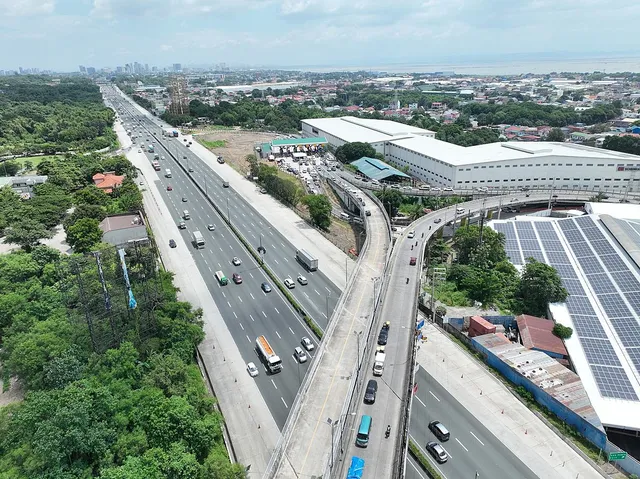
The San Pedro City, Laguna, northbound interchange of the South Luzon Expressway (SLEX) finally opened on August 1, 2025, providing the city and its neighbouring areas with the fastest route to Metro Manila and the most convenient entry from farther south.

The ceremonial inauguration of the entry/exit interchange was led by DPWH Secretary Manuel M. Bonoan, Department of Transportation Secretary Vivencio Dizon, Toll Regulatory Board Executive Director Atty. Jose Arturo M. Tugade, Laguna 1st District Representative Ma. Rene Ann Lourdes G. Matibag and Laguna Governor Sol Aragones.

Among the DPWH officials who attended the inauguration were Undersecretary Eugenio R. Pipo Jr., Assistant Secretary Loreta C. Malaluan, and Regional Director Jovel G. Mendoza and Assistant Director Henry Alcantara of Regional Office IV-A.

“This project stands as a clear example of what we can achieve when we work together – government, private sector and communities united under a shared goal. It reflects our broader commitment under the Build Better More Infrastructure Agenda of President Ferdinand R. Marcos Jr. toward building a more connected, more resilient and more inclusive Bagong Pilipinas,” Secretary Bonoan said.

According to Bonoan, the new interchange addresses the long-standing requests of San Pedro City residents for a northbound exit, given that only a southbound exit previously existed.

Without a northbound interchange, motorists from San Pedro City heading to Metro Manila had to traverse the busy Manila South Road to enter the Susana Heights Interchange in Muntinlupa City, or enter San Pedro southbound to exit at the Southwoods Interchange in Biñan City and re-enter via its northbound toll plaza.

Motorists going to San Pedro City from the southbound of SLEX, meanwhile, had to exit at Susana Heights Interchange and either re-enter via its southbound entry to exit again at the San Pedro southbound plaza, or take the Susana Heights exit and access San Pedro City through Manila South Road in Muntinlupa City. Neither of these routes offered a practical solution for daily commuters.

The new interchange was implemented by the DPWH Regional Office IV-A and Laguna 2nd District Engineering Office through multi-year contracts since 2018, costing P915 million.

August 08, 2025

The Department of Public Works and Highways, in partnership with the Japan International Cooperation Agency, is intensifying efforts to finalize updated flood control master plans for the Pasig-Marikina and Cagayan River Basins — two major waterways in Luzon that play a crucial role in supporting the economic growth of Metro Manila and the Cagayan Valley region.

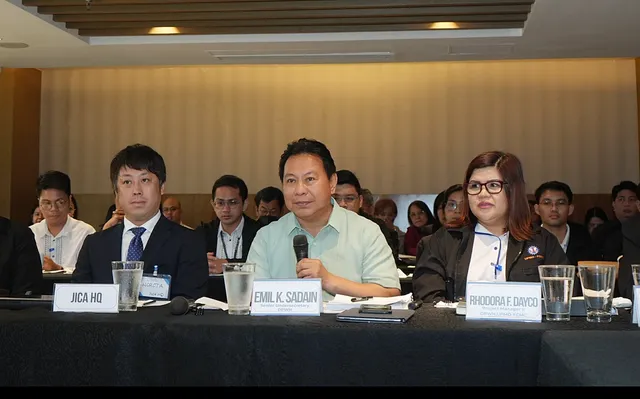
DPWH Senior Undersecretary Emil K. Sadain and JICA Senior Representative Takanori Morishima led the presentation and discussion Augist 5 of the draft updated Flood Control Master Plan reports for the Pasig-Marikina and Cagayan River Basins. The plans aim to address the recurring and long-standing problem of widespread flooding while enhancing disaster resilience through both structural and nonstructural measures.

Also in attendance during the Second Steering Committee Meeting for the ongoing Project on the Enhancement of Flood Control Strategy in Prioritized River Basins were DPWH Project Director Ramon A. Arriola III of the Unified Project Management Office–Flood Control Management Cluster, Project Managers Jerry A. Fano, Rhodora Dayco and Grecile Christopher Damo; JICA study teams; and representatives from various agencies, including the Department of Economy, Planning and Development, Department of Environment and Natural Resources, Department of Energy, Department of Finance, Department of the Interior and Local Government, Department of Science and Technology, Philippine Atmospheric, Geophysical and Astronomical Services Administration, National Irrigation Administration, and the Climate Change Commission.

During the meeting, Sadain emphasized the urgency of completing the master plan reports, citing the devastating impacts of past typhoons such as Ondoy in 2009, Super Typhoon Lawin in 2016, Ulysses in 2020, and Carina in 2024, which severely affected vulnerable areas and displaced thousands of families in Metro Manila, Region 2 and other parts of the country.

“In response to President Ferdinand R. Marcos Jr.’s directive to revise the flood control master plans and expand infrastructure capacity to address increasing flood risks and climate change threats, the DPWH, under the leadership of Secretary Manuel M. Bonoan, sought the assistance of the JICA Study Team to fast-track the completion of the pre-feasibility study for each river basin. These will then be developed into full-blown comprehensive analyses to enable the timely implementation of the detailed engineering designs,” Sadain said.

“Once finalized, the updated master plan reports will be submitted to the Department of Economy, Planning and Development for review and approval, with pre-feasibility studies expected to begin in early 2026. These studies and proposed measures, in a holistic approach, are anticipated to support integrated water resources management, improve interagency coordination, and enhance overall risk reduction efforts in Luzon,” he added.

Morishima reaffirmed JICA’s commitment to the Philippine government, emphasizing its long-standing friendship and partnership, and reiterated its support for building resilient, climate-adaptive flood control infrastructure that can withstand the worsening impacts of changing weather patterns.

One key topic discussed was the phased implementation of proposed structural countermeasures for the Pasig-Marikina River. Proposed engineering interventions include building two flow-through dams, four retarding basins in San Mateo, Rodriguez and Quezon City, and river improvement works including dredging under Phases 2 and 3 of the Pasig-Marikina River Channel Improvement Project, a multi-phase effort by the DPWH with JICA technical assistance.

After recent typhoons and flooding, Sadain said it is imperative to consider flood control dams as a countermeasure to reduce damage in Metro Manila.

A separate master plan for the San Juan River was also presented, addressing its low flow capacity due to shallowness, which causes serious flooding in parts of Metro Manila. Proposed solutions include dredging and embankment improvements in Manila, San Juan and Quezon City, an underground retention channel in Quezon City leading to the Pasig River, and an underground spillway from Quezon City to Manila.

These interventions aim to achieve a flood safety level equivalent to a 100-year return period in the Pasig-Marikina River Basin, helping address long-standing flooding and strengthening disaster resilience — in line with the government’s “Bagong Pilipinas” vision.

The draft master plan report for the Cagayan River Basin, presented by JICA Study Team Leader Takahiro Mishina, proposes building four flood control dams — Siffu, Malig, Ilagan and Cagayan — in the northeastern part of Luzon, along with river improvement works and dredging in the Magapit section of the lower Cagayan River.

The Japan-funded technical cooperation program, launched in May 2024, is led by the DPWH UPMO Flood Control Management Cluster and JICA in partnership with CTI Engineering International Co., Ltd., for the Pasig-Marikina River Basin, and consultants Nippon Koei Co., Ltd., Yachiyo Engineering Co., Ltd., and CTI Engineering International Co., Ltd., for the Cagayan River.

August 06, 2025

The Philippine Extractive Industries Transparency Initiative (PH-EITI) and the Philippine Tax Academy (PTA) have formalized a three-year partnership to advance transparency, accountability and fiscal literacy in the country’s extractive industries.

Through a memorandum of understanding (MOU) signed on 5 August at the Diamond Hotel in Manila, the two institutions committed to building the capacity of government agencies, civil society and local communities to better understand extractive revenues and strengthen public financial governance.

PH-EITI is the Philippine government’s multi-stakeholder body tasked with implementing the Extractive Industries Transparency Initiative (EITI), a global standard that promotes open and accountable management of oil, gas and mineral resources. The EITI requires member countries to disclose information along the extractive industry value chain—from contracts and licenses to production, revenue collection and public spending.

The Philippines joined the EITI in 2013 and was the first country in Asia to achieve meaningful progress in implementing the standard. PH-EITI is housed under the Department of Finance and works closely with stakeholders from government, industry and civil society.

The PTA, established through Republic Act No. 10143, serves as the training arm of the government for tax collectors and administrators from the Bureau of Internal Revenue (BIR), Bureau of Customs (BOC) and Bureau of Local Government Finance (BLGF). Its core mandate is to develop a corps of professionally trained and ethically grounded tax and customs officials, as well as to enhance fiscal policy implementation.

The partnership with PH-EITI broadens PTA’s scope to include capacity building for extractive sector governance. The two institutions will collaborate on the design and delivery of training modules, workshops and knowledge-sharing initiatives tailored to the unique challenges of resource-rich localities.

The signing ceremony brought together stakeholders from across the PH-EITI community, marking the start of a strategic learning partnership aimed at improving fiscal transparency in the mining, oil and gas sectors.

August 05, 2025

Integrated energy company Semirara Mining and Power Corp. (SMPC) posted a net income of Php4.1 billion in the second quarter of 2025, down 33% from Php6.1 billion in the same period last year. The decline was primarily due to the continued stabilization of coal and electricity prices.

“While energy prices eased, we ramped up coal production and boosted power generation. By keeping our costs under control and operating more efficiently, we were able to cushion the impact of weaker prices,” said SMPC President, Chief Operating Officer, and Chief Sustainability Officer Maria Cristina C. Gotianun.

From April to June, the average Newcastle Index dropped 26% year-over-year, from US$135.60 to US$100.50 per metric ton. The Indonesian Coal Index 4 also declined 16%, from US$55.00 to US$46.40.

Spot electricity prices in the Luzon-Visayas grid plunged 42%, from Php6.91 per kilowatt-hour to Php4.04/kWh.

Quarter-on-quarter, SMPC’s net income slipped 6% from Php4.35 billion in the first quarter, as weaker coal performance offset improved results from the power segment.

For the first half of 2025, consolidated net income likewise fell 33% to Php8.4 billion from Php12.6 billion in the same period last year, as energy prices continued to normalize from elevated 2023 levels.

“Looking ahead, we expect prices to remain relatively stable. Our focus is on ramping up coal production toward our 18 million metric ton target and optimizing our generation mix to maximize contracted capacity,” Gotianun added.

In the second quarter, total coal shipments held steady at 4.6 million metric tons (MMT), with increased deliveries to SMPC’s own power plants offsetting a decline in exports.

The average selling price for Semirara coal declined 20%, from Php2,780 per metric ton to Php2,223, in line with global price corrections and a higher share of lower-grade coal shipments.

Total production rose 8%, from 5.2 MMT to 5.6 MMT, driven by improved access to coal seams at the Narra mine.

August 05, 2025

Philex Mining Corp. reported a net income of Php171 million in the second quarter of 2025, bringing its first-half profit to Php301 million, even as core earnings and revenue showed signs of strain amid fluctuating commodity prices.

The company’s second-quarter earnings were down from the Php215 million posted during the same period last year. Core net income, which excludes nonrecurring items, plunged to Php65 million from Php305 million year-on-year.

For the first half of 2025, core net income stood at Php136 million.

Earnings before interest, taxes, depreciation, and amortization (EBITDA) dropped to Php325 million from Php617 million in the same quarter last year. For the first half, EBITDA totaled Php654 million—28 percent lower than the Php912 million reported during the same period in 2024.

Despite these challenges, Philex remains optimistic as it accelerates development of its Silangan Copper-Gold Project in Surigao del Norte, targeting first metal production by March 2026.

“We continue to accelerate development works of the Silangan Project as we target our first metal production by the first quarter of 2026,” said Philex President and Chief Executive Officer Eulalio Austin Jr.

“With the periphery of the Sta. Barbara I ore body (formerly Boyongan) reached last year, we’ve begun drives at the first production level. We are likewise building up ore stockpile from our first production drifts that would feed our process plant, which we aim to commission before the year-end,” Austin added.

He said construction of ancillary facilities is progressing steadily. The tailings storage facility will be ready to accept waste by year-end, and power infrastructure is already in place.

Philex benefited from stronger gold prices, with an average realized price of US$2,504 per ounce in the second quarter, compared to US$2,008 in the same period last year. However, this was lower than the US$2,587 per ounce recorded in the first quarter.

Copper prices softened to US$4.09 per pound in the second quarter, down from US$4.45 in Q2 2024 and US$4.32 in Q1 2025. The average gold price for the first half was US$2,541 per ounce, while copper averaged US$4.19 per pound.

Operating revenues for the second quarter were Php1.86 billion, slightly down from Php1.896 billion in Q1 and below the Php2.236 billion reported in Q2 2024. First-half revenues totaled Php3.755 billion, a 5.5 percent decrease from Php3.974 billion in the same period last year.

Operating costs in Q2 rose slightly to Php1.768 billion from Php1.764 billion in Q1, though still lower than the Php1.825 billion posted in Q2 2024. Cumulative operating costs and expenses for the first half reached Php3.532 billion, up from Php3.468 billion a year earlier.

Philex milled 1.800 million tonnes of ore in the second quarter, up from 1.602 million tonnes in Q1. Gold output rose to 6,769 ounces from 6,083 ounces in the previous quarter but declined from 7,962 ounces in Q2 2024. Copper output reached 4.788 million pounds, up slightly from Q1’s 4.595 million pounds but still below the 5.133 million pounds recorded a year ago.

For the first half of 2025, Philex processed 3.403 million tonnes of ore, producing 12,852 ounces of gold and 9.382 million pounds of copper.

Despite headwinds, the company said its strategic investments in Silangan and prudent operational planning position it strongly to deliver long-term value to shareholders.

August 01, 2025

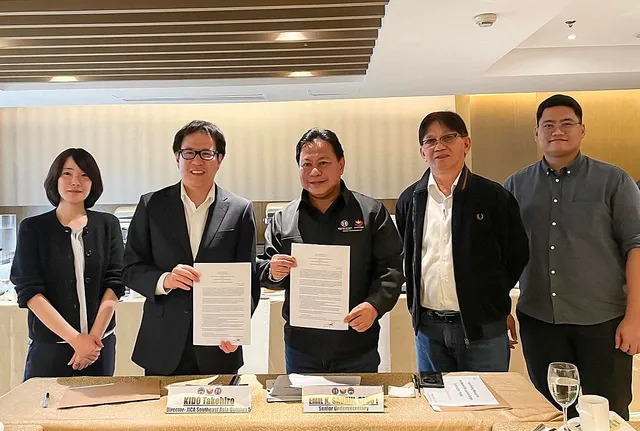
The Department of Public Works and Highways (DPWH) and the Japan International Cooperation Agency (JICA) have successfully concluded the wrap-up meeting for the ongoing Fact-Finding Mission on the Second San Juanico Bridge (SSJB) Construction Project.

Held on July 25, 2025, the meeting marked a key milestone in the project, with DPWH Senior Undersecretary Emil K. Sadain engaging with officials from JICA Headquarters—Takehiro Kido, Risa Aramaki, and Saiko Yamazaki; JICA Philippine Office Senior Representative Keisuke Fukui; and members of the JICA Study Team for SSJB, Takeyuki Takada and Buntaro Shiono.

The meeting concluded JICA’s fact-finding activities and set the stage for the finalization of the project’s Feasibility Study. In his report to DPWH Secretary Manuel M. Bonoan, Senior Undersecretary Sadain confirmed that the Final Report is expected to be submitted by September 2025—a significant milestone for this high-priority infrastructure initiative under the administration of President Ferdinand R. Marcos Jr.

The construction of the new bridge is critical to facilitate the full rehabilitation of the existing San Juanico Bridge, which is currently undergoing emergency repairs to address its deteriorating condition.

Upon submission of the updated Interim Technical Report and economic analysis worksheets by the JICA Study Team, DPWH will begin coordination with the Department of Economy, Planning, and Development (DEPDev) for Investment Coordination Committee (ICC) processing.

DPWH has also requested JICA to submit a draft Terms of Reference (TOR) by August 2025. This will provide sufficient time for internal review by the Bureau of Construction (BOC), Bureau of Design (BOD), Bids and Awards Committee (BAC), and Planning and Procurement Services, ahead of the JICA Pre-Appraisal Mission scheduled for September 2025.

An Environmental Compliance Certificate (ECC) for the project is also expected to be secured by September 2025. Approval by the Economic Development Council (EDC) is targeted by November 2025, with loan signing anticipated by January 2026.

The SSJB Project will undergo a 15-month Detailed Engineering Design phase, with civil works expected to commence in 2028 and span approximately 32 months.

The project scope includes the construction of a new bridge and its approach roads, along with operations and maintenance (O&M) facilities. While repairs to the existing San Juanico Bridge are not included in this project’s scope, a detailed inspection and structural assessment will be conducted during the design phase, with urgent repairs to be prioritized based on consultant recommendations.

The bridge’s design will incorporate advanced Japanese technologies to ensure long-term reliability and operational efficiency. Key innovations include paint life extension steel to enhance durability and reduce maintenance requirements; composite slab technology to shorten construction time and ease maintenance; and seismic isolation bearings to improve earthquake resilience.

The meeting also provided updates on other JICA-assisted infrastructure initiatives, including the Central Mindanao High Standard Highway (CDO–Malaybalay Section) and two major flood control projects namely the Parañaque Spillway and the Davao City Flood Control Project.

Other attendees included DPWH Unified Project Management Office (UPMO) Project Directors Rodrigo I. Delos Reyes (Bridges Management Cluster), Benjamin A. Bautista (Roads Management Cluster 1 – Bilateral), and Ramon A. Arriola III (Flood Control Management Cluster); JICA Headquarters officers Ryutaro Uchino and Tsuyoshi Mizuno; and JICA Philippine Office representatives Jaime Anton Marfori, Miha Matsubayashi, Takanori Morishima, and Shino Yamauchi.

July 30, 2025

The Philippines' infrastructure sector is set to receive a major boost in foreign investment as Global Infrastructure Partners (GIP)—a part of BlackRock and one of the world’s leading infrastructure investors—moves toward finalizing a strategic partnership with Aboitiz Equity Ventures Inc. (AEV).

The discussions include GIP’s potential acquisition of a 40% stake in Aboitiz InfraCapital (AIC), the infrastructure arm of the Aboitiz Group. This transaction is expected to rank among the most significant foreign equity investments in Philippine infrastructure in recent years. The collaboration highlights growing global investor confidence in the Philippine market and reinforces the country’s reputation as a prime investment destination in Asia.

In a high-level meeting in the United States, President Ferdinand R. Marcos Jr. and Aboitiz Group President and CEO Sabin M. Aboitiz met with GIP Chairman and CEO Bayo Ogunlesi.

“This collaboration marks a strong vote of confidence in the Philippines’ future. With global partners like GIP working alongside respected Filipino firms such as Aboitiz, we can build infrastructure that is more resilient, inclusive and forward-looking,” said Marcos.

AIC holds a diversified portfolio of infrastructure assets including significant investments in the aviation sector such as the award-winning Mactan-Cebu International Airport, Laguindingan International Airport and Bohol-Panglao International Airport. Beyond airports, AIC also invests in bulk water supply, economic estates and telecommunication towers—playing a vital role in supporting national development.

“We are honored to explore this opportunity with Global Infrastructure Partners. Our shared vision of modern, world-class infrastructure aligns with the country’s ambitions for progress,” said Aboitiz. “Together, we aim to deliver projects that improve lives and empower communities.”

GIP specializes in investing in, owning and operating some of the largest and most complex assets across the energy, transport, digital infrastructure and water and waste management sectors. With more than $183 billion in assets under management, GIP’s scaled platform and deep operational expertise allow it to be a responsible steward of capital while creating meaningful economic impact in communities around the world.

“We are pleased to have the opportunity to become a strategic partner of the Aboitiz Group,” said Ogunlesi. “The Philippines has compelling growth prospects, which can be further enhanced by developing world-class infrastructure. We look forward to working with our partners at Aboitiz Group to leverage our combined capabilities to deliver best-in-class infrastructure services to the people of the Philippines.”

The parties believe the proposed partnership will combine their expertise and resources to advance essential infrastructure development, ultimately benefiting the Filipino people.

Finalization of the partnership remains subject to definitive agreements, confirmatory due diligence and applicable regulatory approvals.

July 30, 2025

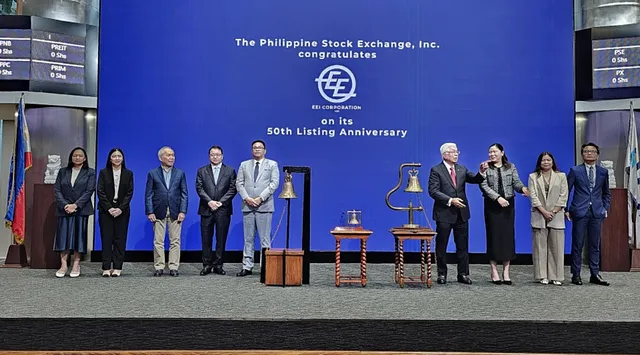
Construction giant EEI Corporation recently marked its 50th year as a listed company at the Philippine Stock Exchange (PSE). During a bell-ringing ceremony, the PSE recognized the company’s legacy as one of the leading construction firms to participate in the equity markets through its public listing.

“This half a century of our presence in the stock exchange shows our unwavering commitment and our belief in transparent and good governance, a disciplined approach in financial management, and our enduring faith in our financial system in expanding and improving access to capital that supports business enterprises and investments from a broad range of public and institutional investors,” said EEI Corporation President and CEO Henry D. Antonio.

“Going by EEI Corporation's history, I believe the company's endurance and success can be attributed to its strong commitment to its people, a robust corporate governance, strategic partnership, and a resolute focus on infrastructure projects that drive the nation's growth and development,” said PSE Director Edgardo G. Lacson.

“History has shown EEI successfully entering and conquering new industries in the past, and I am firmly confident that it will not only repeat its success; it will reaffirm its enduring strength.”

Founded in 1931, EEI Corporation has been a cornerstone of the country’s construction and engineering sector for 94 years. Over the decades, it has helped shape Philippine infrastructure development and has continuously embraced growth and innovation. The company has since diversified its portfolio and now actively explores opportunities in energy, real estate, and manpower services.

Among its landmark projects are the Metro Manila Subway, the Malolos-Clark Railway, and the Cavitex-CALAX Link. EEI is also set to undertake the PHP 15.7-billion Philippine International Exhibition Center (PIEC) project in Pasay City, expected to become the largest convention center in Southeast Asia.

Antonio said the company looks to the future with a vision to further expand its role in nation-building and in uplifting the lives of millions of Filipinos. The company remains committed to supporting infrastructure, energy, property, and other developments that stimulate economic growth.

As it celebrates this milestone, EEI Corporation reiterates its commitment to serving as a long-standing partner of Filipinos through generations, working together to build a stronger, more sustainable, and resilient Philippines.

July 29, 2025

By Ronald S. Recidoro, Executive Director, Chamber of Mines of the Philippines

After more than a decade of uncertainty and policy flip-flops, the reconciled version of the Mining Fiscal Regime Bill, once signed, will mark a turning point in Philippine mineral policy. It is not just the culmination of years of legislative advocacy; it is the resolution to a long-standing national debate on how we can get the most out of our mineral wealth.

The final measure, based largely on Senate Bill No. 2826 (with the ore export ban wisely removed), charts a pragmatic path forward. It aligns the government’s revenue ambitions with investor requirements and finally offers the mining sector the regulatory clarity it has long prayed for.

A Law a Decade in the Making

When President Aquino assumed office in 2010, the industry had high hopes that mining would get its fair share of the government’s attention. Riding on the 2004 Supreme Court decision upholding the constitutionality of RA 7942 in La Bugal-B’laan vs. Ramos, and the Arroyo administration’s full-throated call for investments in the mining industry, the sector was on an upswing, posting 9% growth in 2010–2011. This, plus the size of the country’s estimated mineral reserves, then valued at US$1.38 trillion (approx. ₱77.0 trillion), seemed to position the country for a mining revival not seen since the 1980s. But rather than continue the momentum, the Aquino administration slammed on the brakes, influenced by counter-narratives that emphasized mining’s environmental costs while overlooking its economic potential.

In 2012, President Aquino issued Executive Order No. 79, imposing a moratorium on mining applications pending the passage of a new fiscal regime. While EO 79 recognized existing tenement rights, it also expanded no-go zones, created additional review layers, and generated policy confusion.

That same year, the Department of Finance proposed a new fiscal regime under House Bill No. 5367, which sought to impose either a 10% royalty on gross output or 55% of adjusted net mining revenues, whichever yielded higher revenues for the government. Though the bill underscored the administration’s goal to extract a greater share in mineral resource revenues, its punitive structure failed to strike a balance between state interest and investor viability. No consensus was reached, and the bill languished. As policy drifted, mining investment collapsed by 43%, from US$1.37 billion projected in 2012 to just US$800 million by year-end. The de facto moratorium persisted, and by then, it was clear: without a rational and competitive fiscal framework, there could be no future for large-scale mining in the Philippines.

The Duterte administration offered little reprieve. It began with a crackdown under then-DENR Secretary Gina Lopez. Suspensions, closures, and a biased audit process reaffirmed investors’ fears that the government still pushed the anti-mining narrative. However, a glimmer of reform emerged in Congress through House Bill No. 288, authored by Rep. Estrellita Suansing. The bill introduced, for the first time, a progressive margin-based royalty and a windfall profits tax. Though the bill failed to pass during that 18th Congress, it laid the groundwork for what would eventually become House Bill No. 8936 and Senate Bill No. 2826.

Armed with nothing but patience, the industry waited. Instead of fighting City Hall, mining companies followed instructions by improving their technical capacities and raising their standards, implementing ISO 14001, EITI, and TSM standards, all while lobbying for change. But as the Industry tread water, the window of opportunity narrowed further, and we fell behind our peer countries in attracting quality investment.

While President Duterte did lift his mining moratorium in the waning days of his term, it wasn’t until the Marcos administration that we saw real momentum. With a practical view of mining as a key driver of economic resilience, the administration reopened the door. Through sustained efforts by the Department of Finance, DENR, MGB, and industry stakeholders, we now have a reconciled fiscal regime bill that achieves what EO 79 never did: a coherent, progressive, and competitive law that balances risk and reward for all stakeholders.

The bill introduces a modern fiscal structure intended to make government revenue from mining operations more responsive to profitability, while also addressing long-standing demands for greater transparency, equity, and local benefit sharing. At its core, the bill adds to the current mineral excise tax system a new, progressive royalty regime. It also introduces a windfall profits tax (WPT), applies project-level ring-fencing, and enhances the revenue-sharing mechanism for local governments. Notably, the bicameral committee removed the proposed ore export ban, acknowledging real gaps in local processing capacity, power infrastructure, and investor readiness, thereby allowing the country to continue exporting ores while addressing the real challenges to attracting downstream investments.

Key Features of the Consolidated Bill

The consolidated mining fiscal regime bill introduces a more progressive and responsive framework for taxing the mining industry, one that aligns the Philippines with global best practices in extractives taxation. Projects located within mineral reservations will continue to pay a fixed royalty of 5% on gross output, while those operating outside reservations will be subject to a flexible, margin-based royalty structure ranging from 1% to 5%, depending on operating profit margins. Importantly, in cases where a project records zero or even negative margins, a minimum royalty of 0.1% on gross output still applies. This minimum royalty further affirms the State as owner of the minerals, ensuring that it receives a baseline share from all operations, even in downturns. This mechanism avoids the rigidity of flat-rate systems like Zambia’s and introduces fiscal resilience in both high and low commodity price cycles.

At the upper end of the scale, the bill introduces a windfall profits tax (WPT) that applies to net income once a project’s profit margin exceeds 30%. The WPT starts at 1% and increases progressively to a maximum of 10% for margins above 75%. This structure is broadly consistent with the approaches taken by countries like Chile and Peru, which tax extraordinary profits during commodity booms while maintaining competitiveness during normal years.

To ensure integrity in the tax system, the bill incorporates a ring-fencing provision that treats each mining project or agreement as a separate taxable unit. This prohibits cross-project cost offsets and promotes clearer, project-level revenue attribution, a practice aligned with OECD recommendations on project-based reporting. The bill also tightens restrictions on related-party debt through a thin capitalization rule that caps interest deductions at a debt-to-equity ratio of 2:1. This cap is stricter than Indonesia’s, consistent with Brazil’s, and more conservative than Australia’s, reflecting a deliberate effort to prevent base erosion and profit shifting while remaining within globally accepted norms.

The bill also seeks to equitably distribute mining revenues across levels of government. Forty percent of total government revenues from mining operations will be allocated to host local government units (LGUs), with a mandated release period of no more than six months after receipt of payment. Additionally, 10% of collected royalties will go to the Mines and Geosciences Bureau (MGB) and the Metals Industry Research and Development Center (MIRDC), reinforcing the state’s ability to regulate, monitor, and develop the industry effectively.

Transparency is institutionalized as a core principle of the regime. The Department of Finance is mandated to establish a fiscal transparency mechanism specific to the extractive sector, with an obligation for annual disclosure of company-level financial, tax, and environmental information. This mirrors the evolving international emphasis on open data and public oversight in natural resource governance, as championed by initiatives such as the Extractive Industries Transparency Initiative (EITI).

Taken together, these features position the Philippines to both increase government revenue from mining and offer a stable, predictable framework for investors, while reinforcing transparency, fairness, and alignment with global benchmarks. From a national fiscal standpoint, the Department of Finance estimates that the new regime will yield ₱6.26 billion in incremental revenues annually between 2025 and 2028, a figure higher than the House version and reflective of a more nuanced approach to taxing operating margins. At the local level, the law also promises to generate substantial developmental gains. Forty percent of government revenues from mining will be remitted directly to host local government units (LGUs), with mandated release within six months of collection. With reliable and regular releases of LGU shares ensured, this provision should enable mineral-rich provinces like Palawan, CARAGA, and South Cotabato to make sustainable development plans using their shares. Moreover, 10% of all royalties collected will be earmarked for the MGB and MIRDC to strengthen their regulatory, monitoring, and developmental functions. With only 50 or so large-scale metallic mines currently operating in the Philippines but occupying less than 0.02% of the country’s land area, this law has the potential to scale up both revenue and employment from mining without expanding the industry’s physical footprint.

Some Policy Concerns

Despite these gains, a cautious reading of the bill raises several serious concerns. First, the revenue forecasts assume stable metal prices, an expanding project pipeline, and improved investor confidence. Given the current global geo-political dynamics and our own government’s penchant for flip-flopping on mining policies every change of administration, these assumptions may not always hold. High-profile projects such as Tampakan, Kingking, and the Far SouthEast Project remain stalled due to unresolved permitting issues, regulatory flip-flopping, and legacy LGU and IP issues. Without a concerted effort to streamline permitting, lift outdated restrictions, and enforce clear policy alignment across agencies and local governments, the envisioned revenue gains may never materialize.

Second, the structure of the minimum royalty imposes a troubling distortion. When a mining project with high gross output but temporarily negative margins falls below zero profit, it must still pay 0.1% of gross output as a minimum royalty. This can result in higher tax obligations than if it had posted a narrow profit. For example, a company with ₱10 billion in gross output and a -0.5% margin would owe ₱10 million in royalty. In contrast, the same company with a +0.5% margin might owe significantly less under the margin-based sliding scale. This absurd but plausible scenario effectively penalizes distressed or reinvesting mines, contradicting the policy’s stated intent to support marginal operations and manage cyclical risk. A deferred royalty mechanism, or one based on net smelter return rather than gross output, may have offered a more rational approach.

Third, ring-fencing and thin capitalization rules, while sound in theory, may impose unintended costs. By disallowing cross-project costs and restricting intercompany financing flexibility, these provisions could deter companies from developing higher-risk or early-stage projects. They may also raise financing costs, especially for companies relying on intra-group lending to absorb high upfront capital expenditures common in exploration and development.

Fourth, while LGU revenue sharing is a welcome reform, the actual absorptive capacity of many host LGUs to plan and make the best use of their shares in national wealth taxes remains weak. These expedited releases must translate into tangible community investments, especially in health, education, and resilience. However, without meaningful capacity-building, fiscal transparency measures, or development planning support, there is a risk that windfall revenues could be poorly managed or diverted to non-priority expenditures, undermining the very goal of inclusive development.

The implementation of the windfall profits tax is also likely to be complex. Accurately assessing profit margins in mining is notoriously difficult due to fluctuating costs, commodity price volatility, and varying interpretations of deductible expenses. Without significant upgrades to the BIR’s technical capacity and the issuance of clear, administratively feasible rules, the WPT could become a source of protracted audit disputes, uncertainty, and litigation.

Finally, while the bill correctly deleted the export ban, it fails to put forward a coherent strategy for downstream processing. The problems and challenges to competitiveness that the industry flagged during the Duterte administration are still unaddressed. There is still no national roadmap for value-adding through domestic refining or smelting. Without one, the Philippines risks being locked as a raw material exporter in an increasingly competitive regional market where countries like Indonesia and Australia are aligning their mineral policies with the global transition to clean energy, electric vehicles, and battery manufacturing. A practical critical minerals roadmap, similar to Indonesia’s EV-battery strategy, is urgently needed to jumpstart the vision of adding more value to our raw minerals.

It is also important that we not oversell the idea of mining being an economic game-changer for the Philippines. While the reform does enhance our fiscal and policy stability, it cannot compensate for the fact that the Philippines lacks large reserves of rare earths or critical minerals beyond lateritic nickel. Indonesia, on the other hand, not only boasts the world’s largest nickel reserves but also holds a dominant 61% share of global refined nickel production. By comparison, the Philippines has about 4.8 million tonnes of contained nickel (≈3.7% of global reserves), ranking sixth globally, and produced 330,000 tonnes of contained nickel ore in 2024, about 9% of global output.

In sum, while the mining fiscal regime bill brings long-overdue stability and clarity to an industry paralyzed by policy ambiguity, its economic potential will only be realized through aggressive implementation, regulatory reform, and a broader national minerals development strategy. The government must now move swiftly to issue clear rules, build institutional capacity, and lift the remaining non-fiscal constraints on mining. Only then can the Philippines harness its mineral wealth not just as a revenue stream, but as a platform for industrial transformation and inclusive growth. This reform is a critical first step, but it does not make us a mining powerhouse. With realistic expectations and focused implementation, however, the Philippines can still become a credible and responsible player in the global minerals supply chain.

Next Steps and Recommendations

Moving forward, the Industry must engage actively with the government in the drafting of the law’s implementing rules, with particular focus on clarifying how margins will be calculated and what deductions will be allowed, how the windfall tax thresholds will be applied and phased in, and how ring-fencing rules will treat co-located projects sharing the same manpower, equipment, and infrastructure.

We will need to coordinate closely with the DOF, MGB, and BIR to ensure that compliance tools are practical and that there is adequate transitional support for projects that may be significantly affected. At the same time, we need to keep pushing the government to address existing challenges and create stronger incentives for downstream processing. This can be achieved through future legislation or administrative policies to enhance the Philippines’ competitiveness in mineral value-adding.

Finally, we should keep a close watch on how this new fiscal regime impacts marginal projects on the ground and be ready to advocate for appropriate forms of transitional relief where justified.

Conclusion

The passage of the reconciled mining fiscal regime bill marks a pivotal moment in the long and difficult effort to craft a fair, forward-looking policy for the mining sector. The framework it offers is progressive yet pragmatic. It is designed to give the government a greater share when profits surge, while offering protection and predictability for investors during leaner periods. Crucially, it acknowledges the high-risk, capital-intensive nature of exploration and development. Without globally competitive returns, responsible players will continue to look elsewhere.

The bicameral version of Senate Bill No. 2826 represents real progress. It removes the contentious ore export ban while putting in place a more balanced and transparent tax structure. But its passage is not the finish line. The real work begins with implementation: ensuring that the IRR is clear and practical, that agencies are adequately resourced, and that transition measures are in place for marginal or legacy projects.

If we are serious about making mining a real contributor to national development, the government and private sector must now work even harder to address long-standing structural issues: streamlining permitting, fixing inter-agency bottlenecks, aligning national and local development goals, and ensuring the highest standards of environmental and social responsibility.

From the issuance of EO 79 in 2012 to the finalization of this bill, the road has been long, often uncertain, and politically fraught. But we have finally arrived at a point of clarity. We now have a fiscal regime that reflects hard-won compromise, sound economics, and, above all, a vision for shared prosperity. This is our opportunity to restore trust between the government and investors, between industry and communities, between economic growth and environmental integrity. It is now up to all of us to follow through with good governance, targeted investment promotion, and a deep commitment to sustainability.


For those who want to better understand what this new fiscal regime means, not just for government or industry, but for communities, investors, and the broader development agenda, we invite you to join us at MINING PHILIPPINES 2025, happening on October 22–23, 2025, at the Grand Hyatt Manila, Bonifacio Global City. This will be the first major industry gathering following the law’s passage, and it promises to be an important venue for dialogue, clarification, and collaboration as we move from policy to implementation.