
July 29, 2025

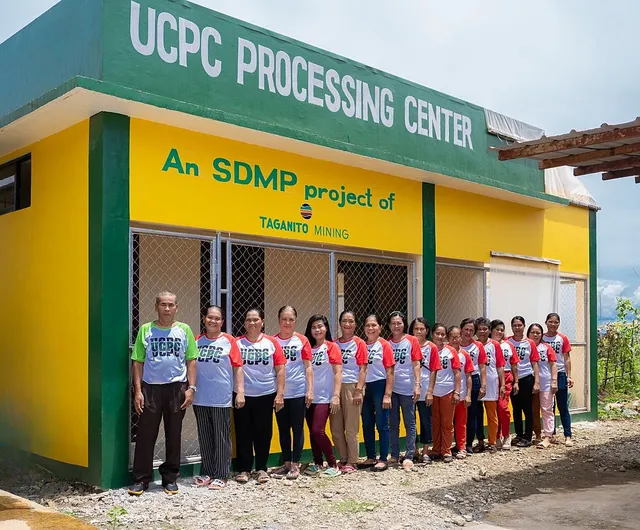
From humble beginnings in Barangay Urbiztondo, Claver, Surigao del Norte, to securing a License to Operate as a food manufacturer from the Food and Drug Administration (FDA), the Urbiztondo Crop Producers’ Cooperative (UCPC) is making a name for itself, one cassava chip at a time.

On March 12, 2025, the cooperative, composed of 21 women, officially received its FDA certification following a rigorous inspection and compliance process.

This milestone now allows UCPC to formally scale up its food production and expand its market, paving the way for greater opportunities for its members and the community.

Best known for their “Crunchy Krunch” Cassava Chips, UCPC also produces a variety of traditional Filipino root crop delicacies such as cassava cake, pichi-pichi, biko, and kutsinta.

Situated near the Urbiztondo public market, their processing facility and display center serve as a hub of activity for these women-entrepreneurs who have transformed their skills into sustainable income sources.

The cooperative’s journey was made possible through the steadfast support of Taganito Mining Corporation (TMC) through its Social Development and Management Program (SDMP).

Recognizing the economic potential of cassava and the livelihood opportunity for the women, TMC initiated a series of interventions for the group starting in 2014. These included trainings on cassava farming, food processing and value-adding, customer relations, and Good Manufacturing Practices (GMP).

In 2017, TMC turned over a production building and display center to the group complete with equipment to help boost their product sales and visibility.

As the cooperative’s operations grew, so did the need for better facilities. In 2024, TMC again extended its support by turning over a processing facility, enabling the group to meet increasing demand and improve food safety standards — a key step in their journey toward FDA compliance.

“We are filled with gratitude and pride to reach this milestone as we can now display our products inside groceries and malls. From participating in exhibits and trade fairs within and outside Caraga region, to catering orders for TMC’s visitors, this is indeed a blessing to us members. Thank you so much to TMC for the unwavering support and guidance,” shared Lorna Arguelles, UCPC production manager.

With their newly acquired FDA license and continued support from TMC, the women of UCPC are ready to bring their products — and their dreams — to even greater heights.

July 29, 2025

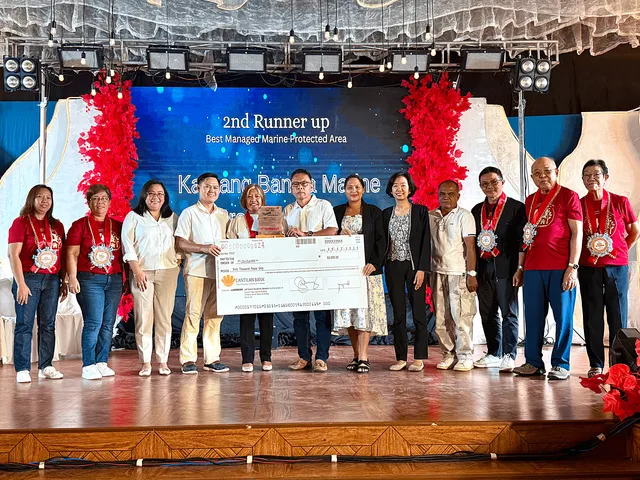
The Karaang Banwa Marine Protected Area in Barangay Urbiztondo was recognized as 2nd Runner-Up for Best Managed Marine Protected Area in the 2025 HIPADA Siganid Awards, honoring its outstanding marine conservation efforts and strong multi-sectoral collaboration.

Karaang Banwa, a thriving marine sanctuary, is an area adopted and actively protected by Taganito Mining Corporation (TMC) under its Social Development and Management Program (SDMP).

TMC’s support includes providing honorarium for Bantay Dagat personnel, construction of the Bantay Dagat outpost, and the establishment of the Karaang Banwa Marine Education Center — a shell-shaped museum that highlights the sanctuary’s rich marine biodiversity.

The center also features colorful murals portraying the harmonious coexistence between mining operations and marine conservation efforts.

In her message during the awarding ceremony, Claver Mayor Georgia Gokiangkee emphasized the importance of Karaang Banwa’s recognition.

“In Claver, we are often known for our land — rich in minerals, marked by development, and shaped by industry. But today, we are recognized for our waters — ang among kadagatan, our living heritage.”

“The Karaang Banwa Marine Protected Area proves that beneath the waves lies not just beauty but resilience, not just coral and fish but a community’s commitment to panaghiusa, to shared responsibility, and to the belief that the sea belongs to all and must be guarded by all,” Gokiangee said.

“This recognition was not won overnight. It was earned day by day by our fisherfolk, municipal and barangay officials, and the TMC enforcement teams and advocates who believed that marine protection is a way of life.”

In his message of gratitude, TMC Community Relations Manager Mark Vincent Junel E. Felias said: “This recognition is a testament to what we can achieve when communities, local governments, and the private sector work together.”

“Karaang Banwa is more than a protected area — it is living testament that environmental stewardship and responsible mining can go hand in hand. And we, at TMC,  remain committed to protecting our marine ecosystems and supporting initiatives that benefit both people and the community.”

Karaang Banwa’s success is part of TMC’s broader ridge-to-reef approach in environmental management.

Beyond marine protection, the company has adopted the Taganito River in Claver and Sabang River in Surigao City, organizes Scubasurero (underwater clean-up) dives, and leads coral propagation and planting activities. It also implements various water protection measures such as establishing settling ponds, river desilting, and regular water quality monitoring.

The award, conferred by the Hinatuan Passage Development Alliance (HIPADA) in partnership with the Surigao Economic Development and Microfinance Foundation, Inc. (SEDMFI), acknowledges exemplary local initiatives in coastal resource management across the region.

It also aims to inspire communities and local government units (LGUs) to continue preserving marine ecosystems through inclusive and sustainable practices.

July 25, 2025

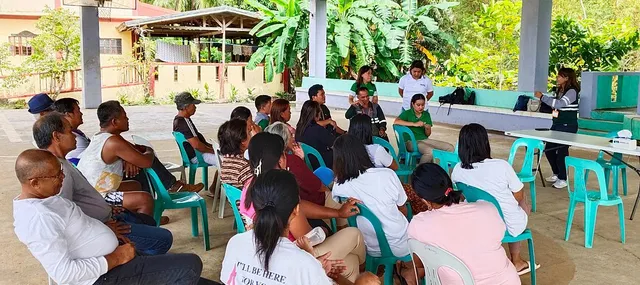
Manicani Island, Eastern Samar — Nickel Asia Corporation (NAC) environmental team recently conducted an on-site engagement with residents of Manicani Island to address their environmental concerns related to its subsidiary, Hinatuan Mining Corporation – Manicani Nickel Project (HMC-MNP).

The NAC environmental team, composed of in-house foresters, marine biologists, pollution control officers, and mining engineers, engaged in an open dialogue with representatives from the island’s two barangays, Banaag and Hamorawon.

Residents took the opportunity to raise important questions about water safety, pollution control, marine life preservation, and land rehabilitation. The environmental team provides science-based responses and explains the strategies being implemented by the company.

“We were grateful for the opportunity to talk to the communities on the island. This activity reaffirmed our commitment to working closely with them. We came prepared with clear, factual responses and appreciated the residents’ straightforward questions. Open dialogue is key to mutual trust and environmental stewardship,” says Engr. Remy Camo, NAC Assistant Vice President for Environment and Safety.

Many of the concerns raised by the community aligned with the United Nations Sustainable Development Goals (SDGs), which NAC has incorporated into its Sustainability Roadmap. These include commitments under SDG 6 (Clean Water and Sanitation), SDG 13 (Climate Action), SDG 14 (Life Below Water), and SDG 15 (Life on Land).

Complementing the company’s broader Sustainability Roadmap, HMC-MNP allocated Php 34 million in 2024 for Environmental Protection and Enhancement Programs (EPEP). This funding will back on-the-ground initiatives aimed at mitigating the environmental impacts of mining operations on the island.

“The visit of the environmental team from the head office and the efforts of our environmental team on-site reflect our dedication to protecting and enhancing the environment in Manicani through responsible mining and ongoing environmental programs,” says Engr. Philip D. Ines, HMC-MNP Resident Mine Manager.

This dialogue is part of the company’s ongoing efforts to build meaningful partnerships with local communities, emphasizing that environmental protection is only possible with their support and active participation.

July 23, 2025

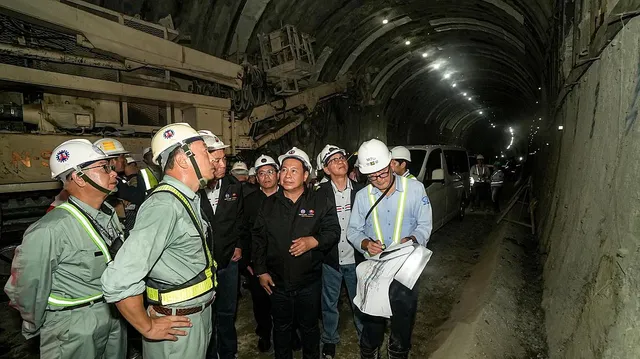
The Department of Public Works and Highways (DPWH) has intensified construction work on the twin-tube mountain tunnels of the 45.5-kilometer Davao City Bypass Construction Project, as excavation of the southbound tunnel nears its breakthrough phase.

In an inspection report to DPWH Secretary Manuel M. Bonoan, Senior Undersecretary Emil K. Sadain noted that while the 2.3-kilometer northbound tunnel — marked by a ceremonial breakthrough in April 2025 — continues to undergo technical refinements, the parallel southbound tunnel is now only about 32 meters from breakthrough, expected in the third quarter of 2025. These refinements are being implemented by the Shimizu–Ulticon–Takenaka Joint Venture in response to evolving ground conditions.

“These intensified measures are designed to ensure ground stability, construction safety and overall project resilience,” Senior Undersecretary Sadain said.

On July 18, 2025, Senior Undersecretary Sadain, along with DPWH Roads Management Cluster 1 - Unified Project Management Office (UPMO-RMC 1) Project Director Benjamin A. Bautista, conducted a site inspection of Contract Package I-1, which includes the twin-tube, two-lane tunnels — a key engineering feature of the entire bypass road.

Joining the inspection were Project Director Rodrigo I. Delos Reyes of the UPMO Bridges Management Cluster, which is currently overseeing the construction of the Samal Island-Davao Connector Bridge and the Bucana (Davao River) Bridge; UPMO Buildings and Special Projects Management Cluster Project Director Soledad R. Florencio; and former UPMO-RMC 1 Project Director Virgilio C. Castillo.

Contract Package I-1, which spans from Sta. 12+800 to Sta. 23+500, has reached 60.64% physical completion, making it one of the most advanced sections of the project to date.

In addition to the twin-tube tunnels, this segment includes a 7.9-kilometer, four-lane road; three pairs of bridges totaling 500 meters in length — including the Davao River Bridge; two underpasses; two overpasses; 12 box culverts; and four at-grade intersections.

The twin tunnels represent a historic milestone as the Philippines’ first long-distance road mountain tunnel system, marking a significant leap in the nation’s infrastructure development.

Once completed, the Davao City Bypass Construction Project — connecting the Davao–Digos section of the Maharlika Highway to the Davao–Agusan National Highway in Panabo City — is expected to significantly enhance regional mobility and substantially reduce travel time between Davao City, Panabo City and nearby areas.

The project is jointly funded by the Government of the Philippines and Japanese Official Development Assistance through Japan International Cooperation Agency (JICA) Loan Agreements PH-P261, PH-P273 and PH-P282.

July 21, 2025

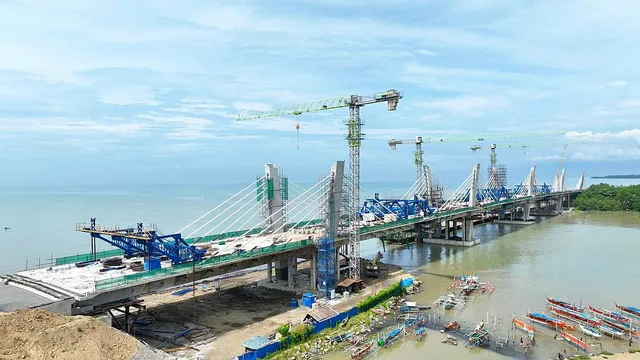
The Department of Public Works and Highways (DPWH) has reached a major milestone in the Bucana (Davao River) Bridge Project in Davao City with the final concrete pouring of the bridge deck slab, signifying the completion of the project’s major structural components.

Senior Undersecretary Emil K. Sadain, who oversees DPWH Infrastructure Flagship Projects under President Ferdinand R. Marcos Jr.’s Build Better More program, led the ceremonial final concrete pouring activity on July 18, 2025, at the segment between Pier 2 and Pier 3—effectively linking the entire bridge structure from Pier 1 to Pier 5.

The Bucana Bridge, also known as the China Aid Localized Project for the Davao River Bridge, is a key component of the Davao City Coastal Road Network. Designed to improve traffic flow and enhance connectivity across the Davao River, the project supports the Marcos administration’s Bagong Pilipinas vision by strengthening infrastructure, promoting regional growth, and improving the daily lives of Filipinos through better mobility.

With a total contract cost of ₱3.126 billion, the project is funded through a China Aid Grant under the Official Development Assistance (ODA) program of the Government of the People’s Republic of China.

In his report to Secretary Manuel M. Bonoan, Senior Undersecretary Sadain said the project remains on track for completion by October 2025.

“This final concrete pour marks a key moment — the physical structure of the bridge is nearly complete. We are looking forward to turning over the fully completed bridge to the public by the last quarter of this year,” said Senior Undersecretary Sadain.

The Bucana Bridge features a four-lane, six-span extradosed design measuring approximately 480 meters in length, with a total project length of 1,340 meters including the approach roads. It will serve as a vital link between Barangays 76-A Bucana and Matina Aplaya, easing congestion in downtown Davao and providing a faster, more efficient route for motorists and commuters.

The installation of stay cables for all piers was completed earlier, on June 26, 2025.

Over the coming months, final works will continue, including pavement finishing, curing, lighting installation, pedestrian railings, and other safety features.

Project implementation is managed by the DPWH Unified Project Management Office (UPMO) – Bridges Management Cluster, under the leadership of Project Director Rodrigo I. Delos Reyes, with Acting Project Manager Norifel Teddie G. Cadiang and Project Engineer John Christian T. Gaden serving as project-in-charge.

Among those who attended the final concrete pouring ceremony were DPWH UPMO Project Directors Benjamin A. Bautista, Soledad R. Florencio, and Rodrigo I. Delos Reyes; Stakeholders Relations Service Director Randy R. Del Rosario; former Project Director Virgilio C. Castillo; Project Managers Shirley Castro and Lydia Barsolaso from the Office of the Senior Undersecretary; and other staff from the DPWH UPMO Operations.

July 21, 2025

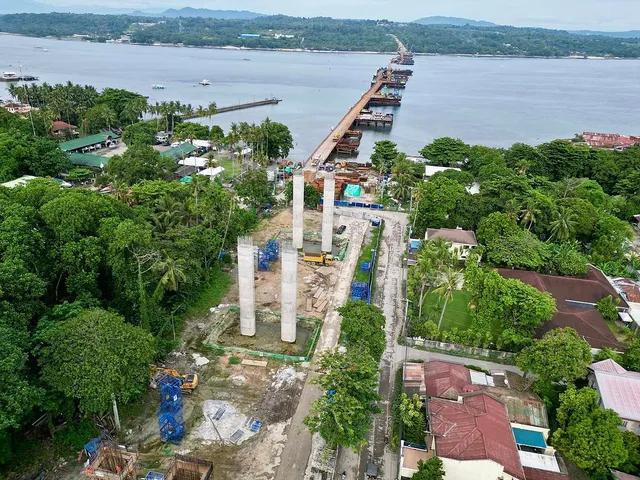
The construction of the Samal Island–Davao City Connector (SIDC) Bridge, a flagship infrastructure project of the national government, has reached the 40% completion mark, according to a recent progress report by Senior Undersecretary Emil K. Sadain to Department of Public Works and Highways (DPWH) Secretary Manuel M. Bonoan.

This milestone reflects the government’s commitment under President Ferdinand R. Marcos Jr.'s administration to deliver inclusive, climate-resilient infrastructure that enhances regional connectivity and promotes economic growth under the Bagong Pilipinas initiative.

With its wide-reaching impact, the project enjoys strong support from the Regional Development Council of the Davao Region, the Provincial Government of Davao del Norte, and the local governments of Davao City and the Island Garden City of Samal.

During a site inspection on July 18, 2025, Senior Undersecretary Sadain reaffirmed the DPWH’s commitment to upholding the highest standards of quality, safety, and environmental stewardship in constructing the bridge.

Among those present during the inspection were UPMO Project Directors Rodrigo I. Delos Reyes, Benjamin A. Bautista, and Soledad R. Florencio; former Project Director Virgilio C. Castillo; Project Managers Shirley Castro and Lydia Barsolaso from the Office of the Senior Undersecretary; the DPWH UPMO Bridges Management Cluster SIDC Project Team led by Project Managers Joweto V. Tulaylay and Najar S. Imbin, Project Engineer John Christian T. Gaden, and Materials Engineer Avylmar M. Manio; Engr. Norifel Teddie G. Cadiang; and other UPMO project personnel.

The SIDC Bridge is designed as a four-lane, toll-free extradosed bridge spanning 4.76 kilometers, directly linking the northeastern part of Davao City to the northwestern section of Samal Island. It connects the R. Castillo–Daang Maharlika Junction in Davao City to the Samal Circumferential Road, with landing points located in Barangay Vicente Hizon Sr., Davao City, and Barangay Limao, Samal Island.

Once operational, the SIDC Bridge is expected to accommodate up to 25,000 vehicles daily, significantly improving mobility between Davao City and Samal Island. Travel time across the Davao Gulf will be reduced from 55 minutes by ferry to just 4.5 minutes, greatly easing dependence on ferry services for residents, commuters, and tourists.

According to Senior Undersecretary Sadain, the bridge incorporates marine and land viaducts, approach roads, ramps, and a main bridge span designed to support both road and maritime transport.

The main bridge, an extradosed span measuring 275 meters, will feature a 47-meter vertical navigation clearance, ensuring safe passage for maritime vessels. It will also include two pylons rising 77 meters above mean sea level—the maximum allowable height set by the Civil Aviation Authority of the Philippines (CAAP) due to the bridge’s proximity to Francisco Bangoy International Airport.

Other structural components of the SIDC Bridge include a 477.5-meter western marine viaduct, a 570-meter land viaduct, a 1,320.33-meter interchange ramp, and an 806.91-meter approach road on the Davao City side; and a 637.5-meter eastern marine viaduct, a 395-meter land viaduct, and a 280-meter approach road on the Samal Island side.

Senior Undersecretary Sadain emphasized that environmental safeguards have been central to the bridge’s construction, particularly in protecting the marine ecosystems of the Pakiputan Strait. A comprehensive environmental assessment guided the project’s alignment and design to minimize impacts on marine biodiversity and water flow.

“To maintain water quality during the construction of bridge columns and foundations, silt curtains and sediment control measures have been deployed. Construction practices follow environmental best practices, including the immediate removal of debris or concrete waste from marine areas,” said Senior Undersecretary Sadain.

The bridge’s design also allows for unimpeded longshore currents and ensures the free circulation of seawater, helping maintain the ecological balance of the strait.

DPWH is working closely with the Department of Environment and Natural Resources (DENR), whose teams conduct diving assessments to monitor seagrass beds, shallow waters, marine protected areas, and deep-water zones affected by construction activities.

More than just a physical link, the SIDC Bridge represents a long-term investment in regional development, mobility, and sustainability—connecting communities, creating opportunities, and supporting the government’s vision for inclusive growth under Bagong Pilipinas.

July 19, 2025

As mining operations intensify across the Philippines, operators are continually challenged to safeguard their equipment and maintain high productivity under demanding conditions.
One persistent issue is the presence of tramp metal—unwanted ferrous debris such as broken tools, bolts, or machine parts—that can enter the ore stream during extraction and processing.

Left unchecked, tramp metal can cause severe damage to crushers, grinders, and conveyors, leading to unplanned downtime, costly repairs, and safety risks.

Addressing Tramp Metal Hazards

Tramp metal is an unavoidable byproduct of mining and mineral processing.

Its presence is especially problematic in high-throughput operations typical of Philippine mines, where even a single piece of metal can halt production and damage expensive machinery. The industry has responded to this challenge with various solutions, among which suspended electromagnets have proven to be both practical and dependable.

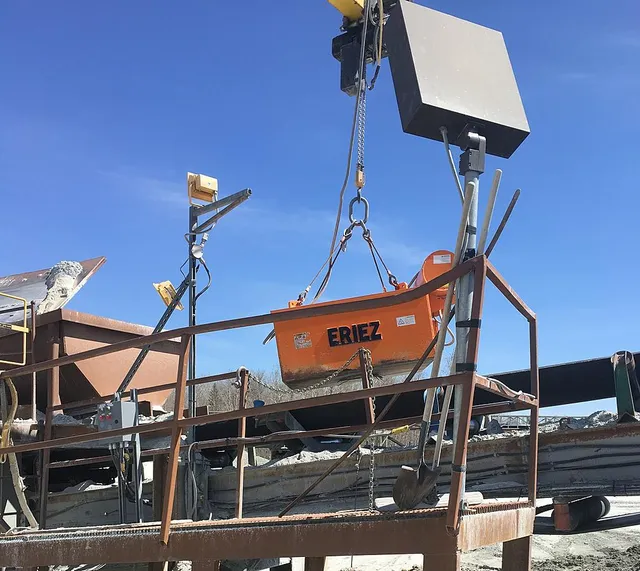
Suspended electromagnets are installed above conveyor belts, where they create a strong magnetic field that attracts and removes ferrous contaminants from the moving material. This non-contact method enables continuous operation, reducing the risk of equipment damage and ensuring consistent product flow.

Designed for Mining Environments

Modern suspended electromagnets are engineered to withstand the harsh conditions of mining. Features such as oil expansion tanks help manage coil temperatures and reduce internal condensation, supporting long-term reliability.

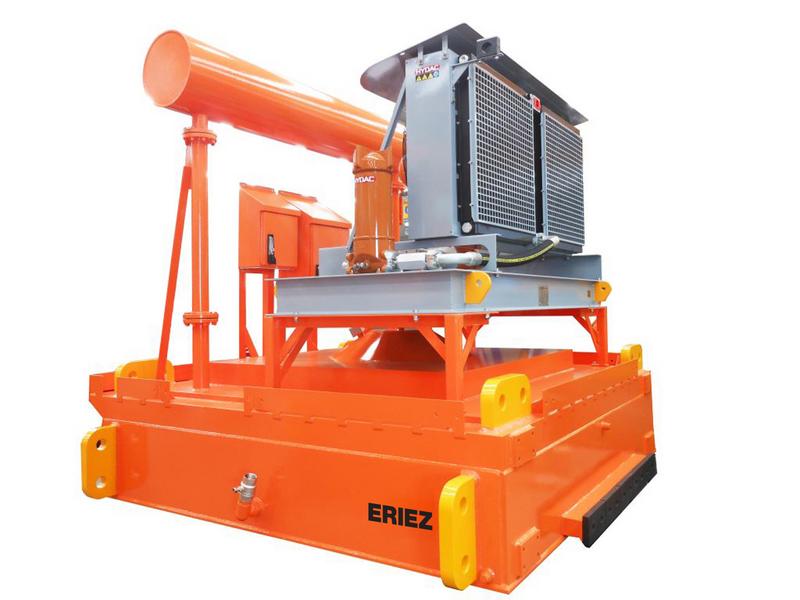
Force-Cooled Eriez Suspended Electromagnet


Heavy-duty coil assemblies, often built with insulated windings and robust spacers, are designed to minimize electrical faults and maintain performance, even in rugged environments. Flexible mounting options allow these units to be adapted to a range of conveyor widths and installation angles.

Operators can select from manual cleaning models, suitable for sites where tramp metal is encountered infrequently, or self-cleaning models, which utilize a moving belt to discharge collected metal automatically. The latter is beneficial for operations requiring minimal interruptions and continuous throughput.

Practical Benefits for Philippine Mines

For Philippine mining companies, the adoption of suspended electromagnets offers several practical advantages:

  • Reduced Downtime: By removing tramp metal before it reaches critical equipment, mines can avoid unexpected stoppages and maintain steady production.
  • Lower Maintenance Costs: Protecting crushers and grinders from metal damage extends equipment life and reduces repair expenses.
  • Improved Safety: Minimizing the risk of metal-related equipment failures contributes to a safer working environment for personnel.

Additionally, many suppliers, including Eriez, offer technical support and warranties, enabling mines to maximize the value and lifespan of their investments.

Conclusion

As the Philippine mining sector continues to grow, the need for durable and reliable solutions to common operational challenges becomes increasingly pressing.

Suspended electromagnets serve as a practical tool for managing tramp metal, protecting equipment, and facilitating efficient and safe mineral processing. Their proven record in the field makes them a valuable addition to any modern mining operation.

July 19, 2025

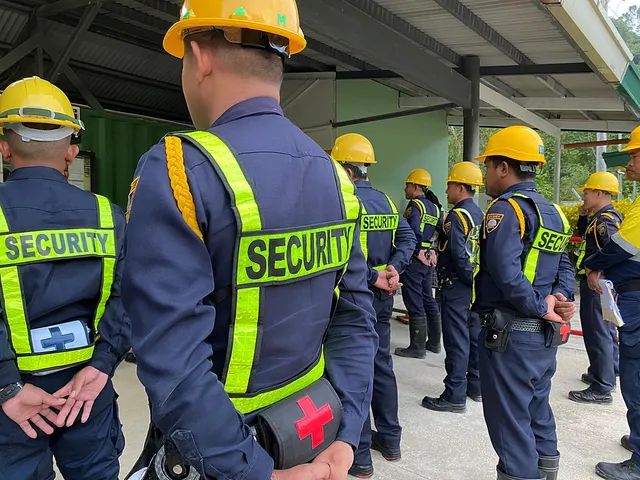
At Lockforce, we understand that true security is not one-size-fits-all. That’s why we offer a comprehensive suite of services tailored to the unique needs of each client. Our methodology begins with a thorough, risk-based security assessment—laying the groundwork for a robust, customized protection strategy.

Professional Guarding Services and Rigorous Oversight

Lockforce takes pride in delivering more than just personnel—we provide peace of mind. Every client engagement is supported by a strong management framework that includes regular audits, transparent reporting, and a culture of accountability. Our structured approach ensures that every guard’s performance aligns with service expectations, backed by consistent supervision.

Reliable Capability, Built on Training and Integrity

Central to our service is a team of highly trained, licensed security personnel. Carefully selected for their professionalism and dedication, our guards are deployed across diverse environments—from commercial offices and industrial facilities to remote and high-risk locations.

What sets Lockforce apart is not only the caliber of our people but the system that supports them. We emphasize continuous training, operational discipline, and unwavering compliance with national standards and client-specific requirements. Our operations fully adhere to government mandates, including SSS, PhilHealth, PAGIBIG, and labor regulations—underscoring our commitment to lawful and capable service delivery.

With Lockforce, clients gain a trusted partner in security—where expertise meets accountability, and every detail is managed with precision.

Proactive Security Through Expert Assessment

Lockforce's Security Risk and Threat Assessment Services empower clients with actionable insights and strategic protection. Built around international standards such as ISO 31000, our assessments are tailored to each operational context.

Core Offerings:

  • Penetration Testing & Vulnerability Analysis
  • Crisis & Emergency Response Planning
  • Executive Protection
  • Security System Consultation
  • Ground-Level Security Operations.

Key Capabilities:

  • Asset Identification & Mapping
  • Threat Detection & Risk Prioritization
  • Control Planning & Security Awareness Training.

We turn intelligence into actionable resilience—ensuring your people, assets, and operations are protected.

Driving Training: Field-Ready Capability

Lockforce's 4-Wheel Drive Training Programs are tailored to the demands of your specific site and operational conditions. These practical, hands-on sessions equip teams with real-world skills essential for safety and performance.

Training Highlights:

  • Pre-start vehicle inspections
  • Safe and defensive driving techniques
  • Vehicle recovery in challenging conditions
  • Basic maintenance and field repairs
  • Post-operation checks and protocols

Led by instructors with backgrounds in military, police, and high-risk environments, our training builds confident, capable drivers who are prepared for any terrain.

July 18, 2025

The Philippines is poised to make history as the first country in Asia to host the Extractive Industries Transparency Initiative (EITI) Global Conference, set for June 2026 in Manila. The milestone event will bring together over a thousand international stakeholders—ranging from government leaders and industry representatives to civil society and development partners—to chart the future of transparency and accountability in the extractive sector.

“This is more than just a hosting role,” said Undersecretary Bayani H. Agabin, the Philippines’ EITI focal person and chair. “It’s a declaration of our shared vision of transparency, accountability, and collaboration in managing our country’s natural wealth.”

The Department of Finance, through the PH-EITI Secretariat, will lead preparations with support from a multi-stakeholder community that includes civil society groups, reporting companies, and international development partners.

“Together, we’re showing how a whole-of-society approach can elevate the EITI Standard—not just here in the Philippines, but throughout the Global South,” Agabin said during the 63rd EITI Board Meeting.

The conference comes at a pivotal moment. Countries around the world are grappling with the urgent challenges of energy transition, anti-corruption reforms, and sustainable development. For the Philippines—an archipelagic nation on the frontlines of climate change—the event offers a critical platform to spotlight climate resilience and the principle of a “just transition.”

“Through this event, we want to explore how extractive industries can support a low-carbon future, ensuring that no community is left behind,” Agabin added. “We also hope to demonstrate how the 2023 EITI Standard can help combat corruption and foster informed, inclusive decision-making.”

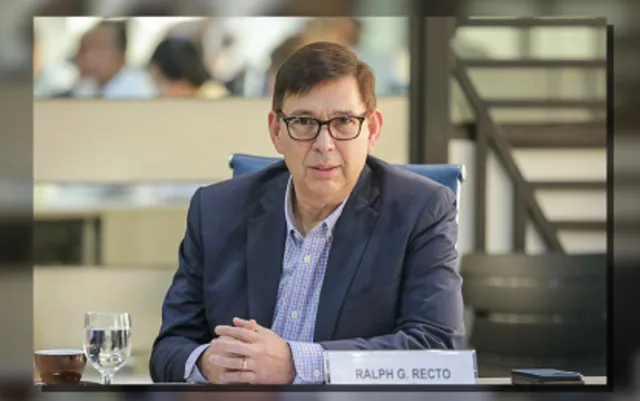
Finance Secretary Ralph G. Recto echoed that sentiment, emphasizing the country's commitment to global leadership in good governance. “This reflects the Philippines’ firm resolve to lead by example in promoting transparency, strengthening accountability, and ensuring that our natural resources are managed sustainably,” Recto said in a global announcement.

The Philippines has a strong track record of hosting major international events, including the APEC Economic Leaders’ Summit, ASEAN summits, and Open Government Partnership regional meetings. The 2026 EITI Conference will also coincide with the Philippines’ ASEAN Chairmanship, further underscoring its role as a regional leader in inclusive and accountable governance.

According to Undersecretary Agabin, delegates can expect a professionally organized, culturally rich, and welcoming experience in Manila. “Filipino hospitality is second to none,” he said. “We are ready to host the world and make this a conference to remember.”

As host, the Philippines will also take an active role in shaping the conference agenda through an EITI Board Working Group, ensuring that the event addresses the real-world challenges faced by resource-rich nations.

PH-EITI has called on local stakeholders to join in the planning process, aiming to reflect the country’s priorities and further advance transparency and accountability in the extractive industries.

With preparations already underway, the 2026 EITI Global Conference is expected to elevate the Philippines as a key voice in global efforts to promote sustainable and responsible resource governance.

July 16, 2025

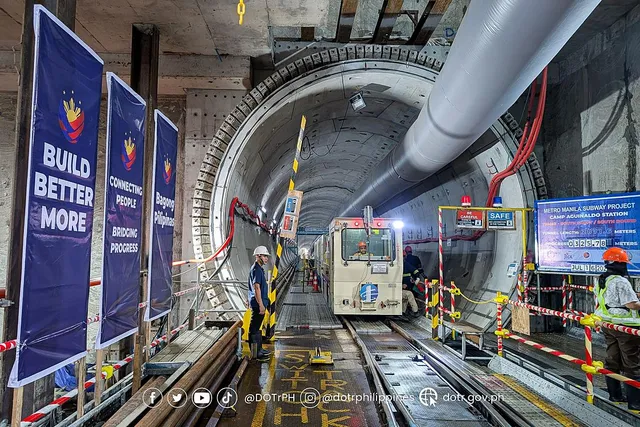
President Ferdinand “Bongbong” Marcos Jr. has ordered the accelerated construction of the Metro Manila Subway Project (MMSP), particularly the segment stretching from Valenzuela City to Camp Aguinaldo Station, aiming to make the country’s first underground rail line operational by 2028.

During an inspection of the Camp Aguinaldo Station site, Marcos emphasized the need to fast-track the project to provide immediate relief to Filipino commuters burdened by worsening traffic congestion in Metro Manila.

“We’re pushing to complete this segment up to Valenzuela by 2028. Hopefully, we can inaugurate it by then,” the President said in Filipino. “Everyone agrees — this must be done faster to make daily commuting more bearable.”

The President also expressed gratitude to the government of Japan for its ongoing assistance in the construction of the subway, which is largely funded through official development assistance (ODA) loans from the Japan International Cooperation Agency (JICA).

The Department of Transportation (DOTr), under the directive of President Marcos, will coordinate closely with the project’s contractors to speed up completion.

“As the President pointed out, this segment will offer significant relief once operational. It will ease the daily commute for hundreds of thousands of Filipinos,” said Transportation Secretary Vince Dizon said in Filipino. “We’re working closely with the contractor to meet the deadline and fulfill the President’s vision.”

Once operational, the Metro Manila Subway is expected to reduce travel time between Valenzuela City and Camp Aguinaldo from the current 90 minutes to just 45 minutes. The full subway line is projected to serve an estimated 519,000 passengers per day.

The 33-kilometer subway will connect key areas in Metro Manila, with 17 stations from Valenzuela to the Ninoy Aquino International Airport Terminal 3. The project is seen as a cornerstone of the administration’s “Build Better More” infrastructure program, which aims to modernize public transportation and decongest urban roads.

Construction of the Camp Aguinaldo Station is one of several ongoing civil works packages under the MMSP. The DOTr has also announced plans to begin trial runs of select segments before full operations in 2028.

The Metro Manila Subway, touted as the "project of the century" for Philippine transport infrastructure, broke ground in 2019 and has faced multiple delays due to the pandemic, right-of-way issues, and logistical constraints. However, the Marcos administration has reaffirmed its commitment to seeing the project through.

“Our goal is to deliver a modern, efficient, and reliable transportation system for Filipinos — one that keeps pace with the demands of a growing population and economy,” Marcos said.

July 15, 2025

Johnson Screens, a brand of Aqseptence Group, is the leading global provider of screening and auxiliary solutions. We are the inventors of vee-shaped Vee-Wire® wedge wire screens, which are used to create the most diverse filtration media with great strength, long service life, and a uniquely high level of adaptability for high-efficiency liquid/solid separation. With 120 years of experience providing innovative screening solutions in more than 100 countries around the world, almost every product and object around you has touched one of our screens.  

We are present on every continent, and our facilities in Brisbane, Australia, and Ahmedabad, India, handle direct support for the Philippine and Southeast Asian markets.  

Our location in Australia has enjoyed over 70 years of operations, with the new facility boasting a footprint of over 4,500 m2 and a workforce of 140 employees. Working with experts from the other brands of the Aqseptence Group, Jonhson Screens Australia has supported many industries in Oceania by providing solutions for water wells, food & beverage, mining, energy & chemical processing, industrial & municipal water/wastewater treatment, and architectural applications. In addition, our Australian location relies on applying emerging and cutting-edge manufacturing technologies and strategic partnerships. For example, the company partnered with the global printing firm HP to explore the possibilities of leveraging additive manufacturing processes and 3D printing technologies to fabricate components of Johnson Screens solutions. 

Meanwhile, our Indian facility has over 20,000 m2 of manufacturing space, soon to be augmented with an additional 11,000 m2 expansion and many new positions to support the existing workforce of more than 250 workers. Besides providing capacity to our regional and global manufacturing, Johnson Screens India fulfils our vision of protecting lives and our precious natural resources by providing key products and solutions for government and private projects to supply clean water to large populations and improve their quality of life. 

Johnson Screens Water Well Solutions 

Johnson Screens has been a leader in the water well industry since the company’s inception in 1904. Our continuous-slot profile wire technology and Vee-Wire well screens revolutionized the water wells industry and quickly became the industry standard around the world. Johnson Screens’ experts led the development of the industry by creating innovative solutions and became a reference with the publication of our Groundwater and Wells book in 1966. After three editions, that book continues to be a staple of water wells education. Today, we are recognized as the complete solutions provider for water wells with an extensive portfolio of well screens, casing, pump pipe and accessories in stainless steel and PVC, and well treatment chemicals and filter packs.  

Our Vee-Wire technology was further developed and improved over the years, and it still today ensures high open areas to flow, optimal performance, and resilience to plugging as seen in the large Stainless Steel Screens portfolio. Available in 304 and 316 stainless steel and a wide range of specialty materials, our stainless-steel well screens are suitable for usual and the most demanding applications.  

Some examples of demanding applications where the robustness of our products is fundamental are Managed Aquifer Recharge (MAR) and Aquifer Storage and Recovery (ASR) wells. The components of those wells are submitted to hash conditions or taken to their limits, which requires comprehensive solutions to provide reliable wells while balancing expenses. By combining the tradition and knowledge with which we have led the water wells industry for 120 years with innovative equipment specially designed for these applications, Johnson Screens provides complete solutions for MAR and ASR wells. Those solutions are supported by technical and construction experience in some of the most demanding projects in the world and the most reliable water well equipment in the industry.  

Some products used in those applications, which are also suitable for mining water and dewatering wells, are the Shur-Pak™ Glass Bead Filter Pack and the Muni-Pak™ Pre-Packed Screens. Easier to install than traditional filter packs, our Shur-Pak glass beads for filter packs are stronger, chemically inert, and are almost perfect spheres – virtually eliminating bridging during installation that can be an issue in traditional filter packs.  

Meanwhile, Muni-Pak offer a unique solution that combines the advantages of pre-pack screens and glass filter packs for mining applications. Using Shur-Pak glass beads as the filter media reduces the likelihood of filter pack damage by biofilm and encrustation, lowering overall well-maintenance costs. Additionally, Muni-Pak’s dual-screen construction is four times stronger than standard rod-based screens, and filter pack placement is not required, reducing costs and enhancing well efficiency. By eliminating the need for a larger borehole, the Muni-Pak shortens the time required to drill a well, and accelerates overall development time.  

Johnson Screens Complete Screening Solutions for Mining 

Johnson Screens has innovative screening solutions for mineral processing applications. With a century of design innovation, industry experience, and technological know-how behind the brand, Johnson Screens has the in-house capabilities to optimize your mineral beneficiation processes. 

Our mining screen systems are simple, resilient, and effective. Our products’ design maximizes production yield and maintenance efficiency. Our panel designs include a variety of aperture and fixing systems, available in Vee-Wire, polyurethane, perforated plate, and/or rubber. Our global network of sales personnel and process engineers with vast mining experience supports all our products and services. 

The dewatering capability of a screen is determined by the percentage of open area. Our screens have the capability to provide up to 50% more open area, because of our greater range of narrower wire profiles. The wires can be as narrow as 0.5 mm (0.020 in.) and up in 0.25 mm (0.010 in.) increments. With increasing mine site safety awareness, Johnson Screens has developed an innovative split sieve concept for our Sieve Bend Screens. This concept affords easier handling of the larger width sieve bends, particularly those 1500 mm (59.06 in) and over. This is a major benefit because of the reduced size and weight of the screens. 

Additionally, Johnson Screens offers a comprehensive range of Polyurethane Screening Systems that provide value every day in the processing of coal, iron ore, gold, phosphate, copper, lead and zinc, bauxite, sand and gravel and many other minerals. Our polyurethane panels have the ability to incorporate other surface media with the lateral engaging clip design. The ability to combine differing materials and modules allows for plant managers to manage the screen as desired. This “configured deck” concept is another way Johnson Screens can help get the most out of any operation. 

Our ability to offer a variety of wire shapes and configurations make it possible for our engineers to design the most efficient screen for any industry, including those of precious mineral mining. Johnson Screens’ stainless steel CIP/CIL Interstage Screens are used to recover mined ore in the slurry separation process. For additional support for particle separation and classification, we also offer Elution Column Screens and Drain and Septa Screens. All screens are designed to meet each customer’s specification for open area, flow, and loads.  

Lastly, Johnson Screens offers a wide array of scalable intratank screens that are compatible with resin exchange processing including Header Lateral Systems, Support Grids, Distributor Trays, Scale Traps, Outlet Baskets, and more. 

More Information 

Learn more about our water well and screening solutions for the mining industry by visiting our website, johnsonscreens.com/mining, or contact us at info.au@johnsonscreens.com.  

July 15, 2025

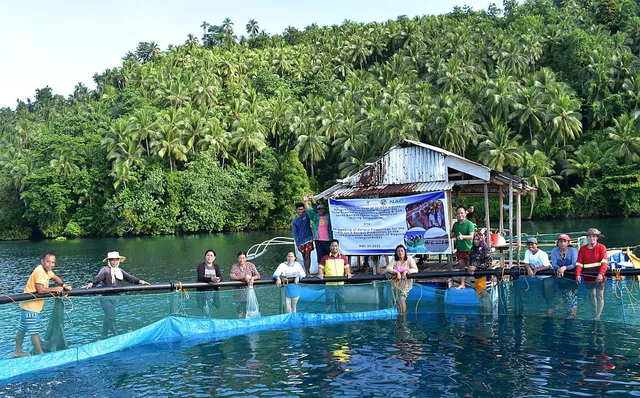
The United Fisherfolks Association of Bagong Silang (UFAOBS) reached a new milestone in sustainable aquaculture as it officially launched its 5th cycle of Bangus (milkfish) production.

This initiative is powered by a collaborative effort among Hinatuan Mining Corporation – Tagana-an Nickel Project (HMC-TNP), the Provincial Agriculture Office of Surigao del Norte (PAO-SDN), and the Bureau of Fisheries and Aquatic Resources (BFAR) – Region XIII.

In a ceremonial turnover, UFAOBS received 10,000 Bangus fingerlings from PAO-SDN and 400 sacks of Bangus feeds from HMC-TNP—essential resources that lay a solid foundation for the continued success of the association’s aquaculture venture.

A Collective Push Toward Sustainable Livelihood

Lilibeth G. Becera, President of UFAOBS, expressed deep gratitude for the continued support from HMC.

“We are very thankful to HMC. Without them, it would be very hard to continue. Their help gives us hope,” said Becera.

The importance of this support was echoed by Lindon O. Garay, Aquaculturist II at PAO-SDN, who highlighted the significant role feed subsidies play in the success of Bangus farming.

“Feeds account for 60% to 70% of the total production cost,” Garay noted. “Without HMC’s assistance, sustaining this livelihood would be a major challenge.”

Garay emphasized the value of collaboration between the government and the private sector. He commended HMC’s Community Relations team—led by ComRel Manager Antonio B. Resuera, Jr. and Supervisor Romen John G. Libaste—for proactively seeking technical assistance to support the fisherfolk.

“Our office may have limited funds, but we contribute technical expertise and provide fingerlings. While we can’t guarantee a 100% survival rate due to uncontrollable factors, we work closely with the association to increase the chances of project success to about 90%,” he added.

Garay also encouraged UFAOBS to evolve from a People’s Organization (PO) into a registered cooperative to unlock broader access to government support.

“As a cooperative, they can tap into more programs and funding from agencies like DA, DOLE, and DTI. But it all depends on their drive and commitment.”

Empowerment Through Education and Training

BFAR Region XIII has also played a key role in the program’s sustainability. Ian D. Batitang, Technical Staff from BFAR, shared how the agency responded to challenges during UFAOBS’s earlier harvests by conducting targeted training sessions in partnership with the provincial government.

“We addressed incorrect practices during the first cycle by providing technical training before restocking fingerlings. We’re optimistic the improved practices will lead to better outcomes,” Batitang said.

He affirmed BFAR’s commitment to ongoing support, even in the face of limited local resources.

“We are happy to help in any way we can. If LGU assistance falls short, BFAR is ready to step in. With the community’s dedication and cooperation, we believe this project can uplift their socio-economic conditions.”

Building a Model for Community Empowerment

With aligned efforts from both the public and private sectors, UFAOBS’s 5th cycle Bangus production is more than just a livelihood—it is a testament to community empowerment, resilience, and the promise of sustainable development.

This initiative stands as a model for effective collaboration, where productive aquaculture is matched by a commitment to long-term self-reliance for fisherfolk in Surigao del Norte.

July 15, 2025

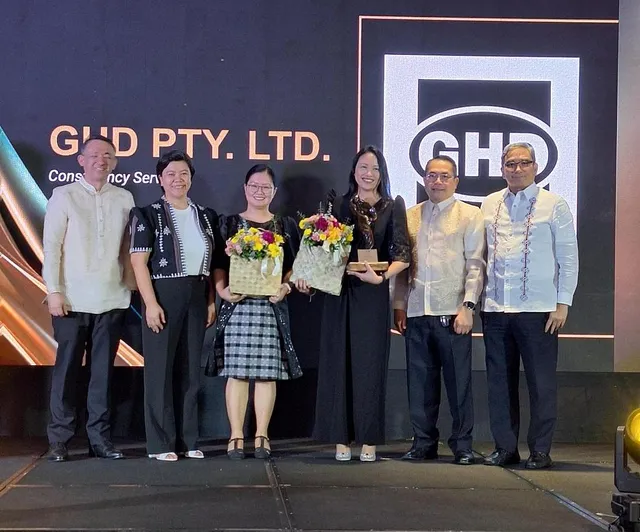
GHD, a global professional services company, is honored to be recognized as Maynilad's Top Achievement for Partners (TAP) awardee for Outstanding Consultancy Services.

This prestigious recognition celebrates the dedication, innovation, and reliability of Maynilad’s valued partners who play a crucial role in advancing its mission to provide clean, reliable, and sustainable water solutions.

Through its longstanding partnership with Maynilad, GHD plays a vital role in advancing water accessibility, strengthening infrastructure, and pioneering sustainable solutions to improve the lives of millions of Filipinos.

Beyond addressing today’s challenges, GHD empowers Maynilad to shape the future of the water—setting new standards for innovation, resilience, and lasting community benefits.

GHD is a leading professional services company operating in the global markets of water, energy and resources, environment, property and buildings, and transportation.

Committed to a vision to make water, energy, and communities sustainable for generations to come, GHD delivers advisory, digital, engineering, architecture, environmental and construction solutions to public and private sector clients.

Established in 1928 and privately owned by its people, GHD’s network of 12,000+ professionals are connected across 160 offices located on five continents.

In the Philippines, GHD has been operating continuously since 1998, with a team of over 1,200 professionals strategically based in offices across Metro Manila and Cebu.

July 15, 2025

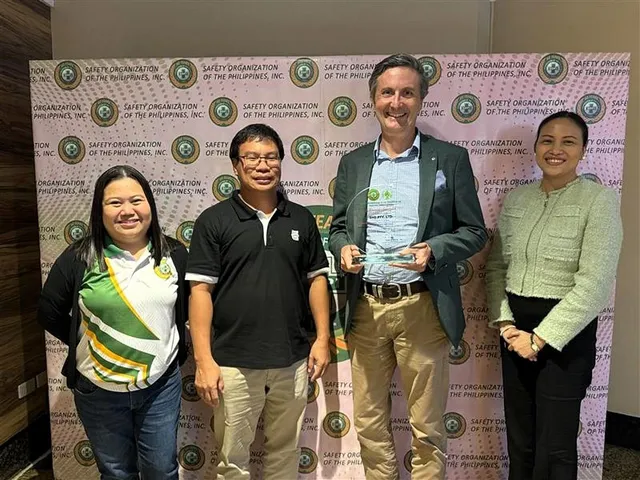
GHD, a global professional services company, receives the Award of Excellence for achieving over eight million safe people-hours without lost time accidents in a span of five years (January 2019 to August 2024).

This prestigious recognition, conferred by the Safety Organization of the Philippines, Inc. (SOPI), underscores GHD’s commitment to prioritizing safety and health in the workplace.

The SOPI Industrial Safety Awards celebrate organizations that maintain outstanding safety practices, resulting in zero lost-time accidents or significantly reduced accident and injury rates.

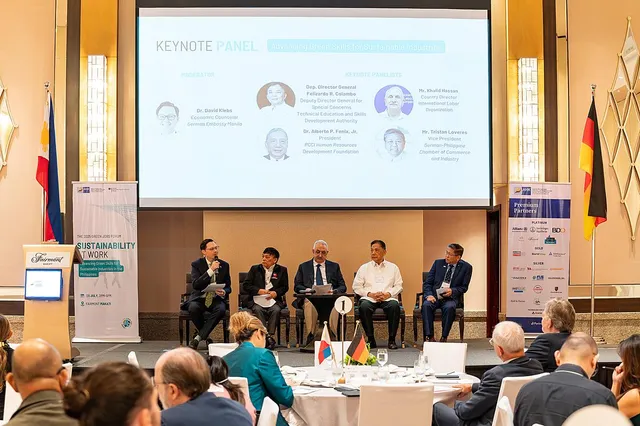
This year, around 40 companies were also recognized for their exceptional safety achievements during the awards ceremony held at SOPI's 56th National Industrial Safety Conference and General Assembly at Century Park Hotel, Manila.

GHD is a leading professional services company operating in the global markets of water, energy and resources, environment, property and buildings, and transportation.

Committed to a vision to make water, energy, and communities sustainable for generations to come, GHD delivers advisory, digital, engineering, architecture, environmental and construction solutions to public and private sector clients. Established in 1928 and privately owned by its people, GHD’s network of 12,000+ professionals are connected across 160 offices located on five continents.

In the Philippines, GHD has been operating continuously since 1998, with a team of over 1,200 professionals strategically based in offices across Metro Manila and Cebu.

July 15, 2025

By Cam Wylie, Director, RDCL

With commodity prices holding strong and gold reaching record highs, the Philippine mining sector is once again in the spotlight. These market conditions present a rare opportunity to push mining and exploration projects forward with renewed confidence.

In this environment, strong cash flows and investor interest mean one thing: it’s time to build. But while momentum is essential, so is discipline.

At RDCL, as Geotechnical Experts (www.rdcl.co.nz), we believe success comes from striking the right balance of moving fast and managing Geotechnical risk intelligently.

Geotechnical Risks: Act Early, Avoid Delays

As companies ramp up exploration and development, there’s growing interest in restarting or expanding existing brownfield sites. These projects often involve complex ground conditions, historical infrastructure like tailings dams, and partially mined pits or underground workings. Each brings inherent geotechnical challenges that, if overlooked, can delay progress or drive up costs.

Early geotechnical assessment is essential. It allows you to make smarter decisions, reduce uncertainty, and avoid costly redesigns later in the project lifecycle.

At RDCL, we encourage mining proponents to invest in this work early when it's still possible to influence the project’s direction and avoid major rework.

Due Diligence That Delivers

A well-structured approach to early-stage risk review doesn’t need to slow you down.

Our experienced team can rapidly assess Critical Risks and Opportunities using proven tools and processes. We help clients understand key threats and make realistic allowances for mitigation; delivering timely, actionable insights that align with tight project schedules.

This isn’t just theory, we have the in-country capability to execute. RDCL operates advanced geotechnical testing systems across the Philippines, delivering to international standards with speed, accuracy, and quality.

Methods for early intervention (such as Potential Failure Mode Analyses (PFMA) which we've written about here) offer a rigorous, transparent and defensible process to get quickly to the core of complex geotechnical problems, track mitigations and effectivity outcomes from the outset as discussed in previous articles (see link).

Over 30 Years of Local Experience

Supporting mining in the Philippines since 1994, RDCL’s team has deep roots in the industry, even before the company’s official formation in 2006. From early involvement at Didipio Mine under Climax-Arimco, to our more recent work supporting feasibility and development at Didipio and Runruno.

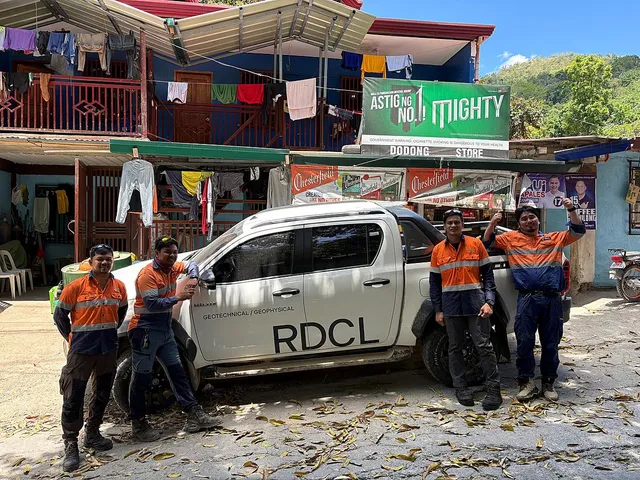
Since 2007, we’ve delivered site investigations and feasibility-stage work for copper and gold deposits across Luzon, Mindanao, and the Visayas. Our field services cover CPT, surface and downhole geophysics, and televiewer surveys. Key projects include testing at Philex TSF, Sienna, Masbate, and others.

What sets us apart is continuity. Many of our engineers and field leads have been with RDCL for well over a decade. They bring unmatched site familiarity and long-term client knowledge, making us a stable partner in a sector that often experiences high turnover and shifting teams.

We're proud to confirm our current role providing surface geotechnical investigation services for the Makilala Project a reflection of our commitment to helping clients manage complexity as they advance their projects.

Strong Local Presence, International Backing

RDCL maintains an office and workshop/laydown facility in Manila, equipped with advanced testing systems and staffed by experienced local professionals. Our New Zealand-based technical team supports and oversees project delivery, ensuring alignment with global best practices.

Together, we offer a unique blend of local responsiveness and international quality, exactly what’s needed to navigate today’s fast-paced project environment.

Final Word: Make the Most of the Moment

Market windows like this don’t last forever. For Philippine mining companies, the challenge is to grow wisely through informed decisions and disciplined execution.

At RDCL, we help clients move quickly while managing the ground risk that can derail a project. We work as a trusted partner, embedding with your team and tailoring our services to your needs, whether you're at the feasibility stage, drilling, or preparing to build.

Let’s talk. The time to act is now—and RDCL is here to help you move forward with confidence.

Contact us today. info@rdcl.asia 


Cam Wylie, Director, RDCL

Cam Wylie is the Managing Director, CEO & Principal Engineer at RDCL Limited. With 30 years in the industry, Cam is a Chartered Professional Engineer working on major projects in the Philippines, Indonesia, Africa, Australia, and New Zealand. His expertise includes Geotechnical Engineering for Mines, Dams, Roads and Infrastructure.
July 14, 2025

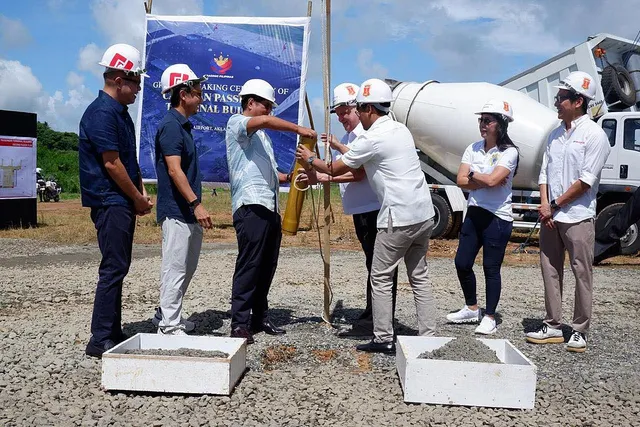
President Ferdinand R. Marcos Jr. led the groundbreaking ceremony for the new passenger terminal building of the Caticlan Airport on Monday— strengthening the government’s commitment to building infrastructure that boosts the economy and enhances travel experience.

The chief executive said the construction for the new terminal will be completed within 24 months by Megawide Construction Corporation.

"The influx of people and travellers is going to be a big boost to the local and national economy. Tourism right now contributes close to 8% to our GDP and that is something we want to increase and that is why these projects that we have are also important,” the President said.

Department of Transportation (DOTr) Secretary Vince Dizon also emphasized the importance of the government’s collaboration with the private sector to improve transport infrastructure in the country.

“Napaka-importante ng Public-Private Partnership (PPP) dahil talagang nama-maximize natin ‘yung potential ng mga transport infrastructure na magbibigay ng malaking ginhawa sa mga kababayan natin. Kaya nagpapasalamat tayo sa San Miguel Corporation, na nag-commit na tatapusin itong bagong terminal building sa 2027,” Dizon said.

Caticlan Airport, the main gateway to tourist hotspot Boracay, is the fourth busiest airport in the Philippines, handling over three million passengers in 2024 alone. Once completed by 2027, the new terminal will be able to support seven million passengers annually.

“Through this project, Boracay will strengthen its position as a premier destination while boosting the tourism economy and improving travel comfort for both domestic and international passengers,” Secretary Dizon said.

The new Caticlan Airport terminal will have modern facilities to ensure efficient passenger flow, comfort and safety. These include enhanced check-in counters, security screening areas, baggage handling systems, and improved boarding gates to minimize queue and waiting times.

July 14, 2025

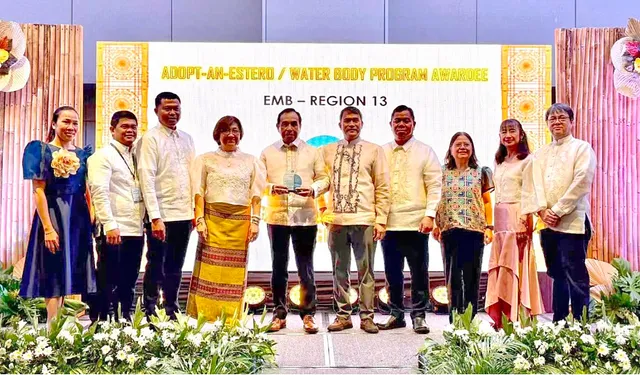
Platinum Group Metals Corp. (PGMC), the Surigao-based operating arm of one of the country’s leading nickel ore producers, Global Ferronickel Holdings Inc. (FNI), was honored with the Best Adopt-an-Estero/Waterbody Program award at Water Summit 2025, held June 27 in Quezon City.

Organized by the Environmental Management Bureau (EMB) of the Department of Environment and Natural Resources (DENR), Water Summit 2025 brought together key government and private sector stakeholders to showcase innovation and sustainable practices in water quality management and ecosystem rehabilitation.

This year’s theme, Community-Led Rehabilitation and Multi-Sector Partnerships: Empowering Communities through the Adopt-an-Estero Program, highlighted initiatives that empower communities and demonstrate long-term environmental impact.

PGMC stood out as one of only two mining sites recognized — and the sole nickel mining company to receive this distinction — underscoring its industry leadership in environmental stewardship. The award acknowledged PGMC’s more than decade-long commitment to rehabilitating and protecting the Kinalablaban River in Claver, Surigao del Norte, under the Adopt-an-Estero/Waterbody Program (AEWBP).

Key rehabilitation efforts included river cleanups, riverbank stabilization through boulder linings, revegetation with more than 30,000 hills of indigenous plants and bamboo, waste segregation and recycling initiatives in partnership with the local government unit, and regular water quality monitoring. These interventions restored an ecologically healthier river system, leading to improved water flow, enhanced vegetation, and better water quality.

Beyond ecological gains, the initiative provided the local community with a functional river ecosystem, reinforced PGMC’s role in advancing environmental protection, and demonstrated its alignment with Environmental, Social and Governance (ESG) principles and commitment to responsible mining.

This recognition affirms PGMC’s dedication to going beyond compliance and leading by example in natural resource protection. FNI is currently exploring ways to replicate the program in its other operational areas as part of its continuing commitment to responsible and sustainable mining practices.