
September 09, 2025

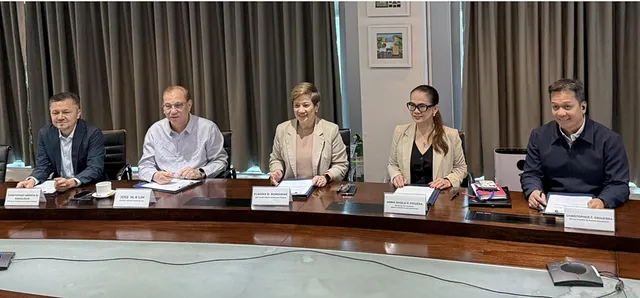
Leading construction company EEI Corporation (EEI) has been awarded the construction of Cavite-Laguna Expressway (CALAX) Subsection 1 in Kawit, Cavite, and Megaworld Corporation’s Arcovia Hotel in Pasig City. This brings the Company’s total project wins in the third quarter of 2025 alone to PHP 19.1 billion, marking a solid turnaround from its recorded performance in the previous year. The Company’s total backlog or unworked portion of existing contracts as of end August 2025 is PHP 39.24 billion.

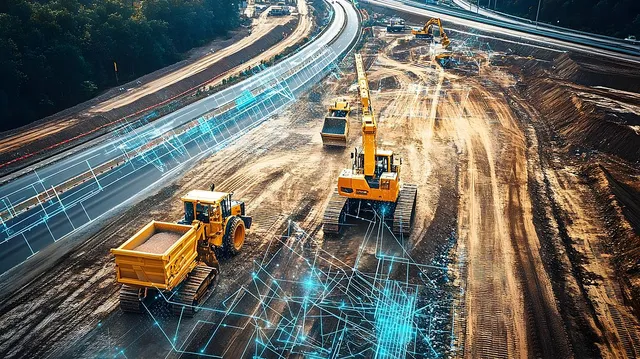
MPCALA Holdings Inc. (MHI) recently awarded EEI the construction of selected sections of CALAX Subsection 1 in Kawit, Cavite. It is a PHP 2.7 billion project which covers the construction of the roadway, drainage systems, and related structures. Once completed, CALAX is expected to significantly improve connectivity between Cavite and Laguna, easing traffic congestion and supporting regional economic growth.

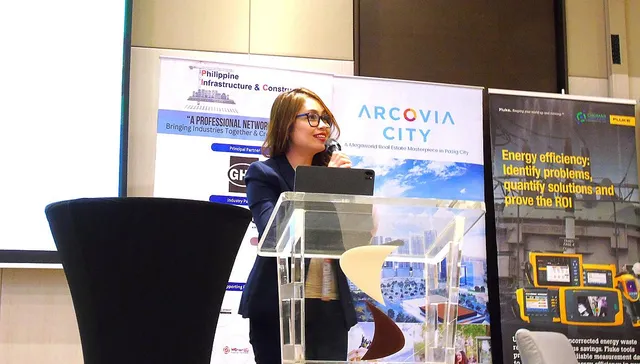
In the hospitality sector, EEI secured a contract with Megaworld Corporation for the construction of Arcovia Hotel in Pasig City. The scope of work includes civil, structural, and architectural finishing, including painting and waterproofing works.

“These new project wins mark a significant turnaround for EEI, reflecting our resilience, competitiveness in the industry, and renewed growth momentum. More than expanding our portfolio, these infrastructure and building projects reaffirm our commitment to nation-building by helping drive economic growth, enabling connectivity, and delivering facilities that uplift the lives of our people and our communities,” said EEI Senior Vice President and Head of Commercial and Operations, Anna Payawal-Figuera.

Backed by a healthy pipeline of projects, EEI looks forward to sustaining its growth trajectory and further contributing to the country’s development and economic growth.

On August 22, EEI announced its strategic expansion into real estate development by capitalizing on its overall land bank of 139 hectares in various strategic locations. This move marks a significant milestone in the Company’s long-term growth strategy to evolve from a pure-play construction company into a fully integrated property and infrastructure developer.

By entering the real estate development space, EEI aims to capture greater value across the property lifecycle. The diversification is designed to leverage the Company’s extensive construction expertise, robust project management capabilities, and established industry relationships.

The company is currently preparing its initial pipeline of real estate projects for various properties located in Makati, Quezon City, Bataan, Cavite, and Pampanga. These will be undertaken with the same commitment to quality that has characterized EEI’s track record in construction.

“This endeavor is part of the Company’s long-term strategy to strengthen and expand its role in nation-building, not only in infrastructure but in providing housing solutions to a mass number of people who currently do not have access to proper, dignified, and comfortable housing accommodations in the metro and neighboring provinces,” said EEI President and CEO Henry D. Antonio.

Along with this vision, EEI, in support of the government’s push to address housing backlog in the country, will also develop quality housing projects in various prime locations within Greater Manila Area.

EEI will also develop an Affordable Luxury Micro Condominium (ALMC) in Clark, Pampanga. The project's vision is to create a living environment designed with thoughtful spaces that go beyond a workers’ accommodation facility.

In Cavite, EEI is set to transform a property into an integrated township that will house residential and commercial spaces, office buildings, sports, leisure and entertainment amenities.

“Real estate development represents a logical and timely progression for our organization. By integrating development into our business portfolio, we strengthen our competitive position, diversify our revenue streams, create additional long-term value and fulfill our investment commitment to our stakeholders. It also supports our sustainability commitment by providing socialized, decent and sustainable living spaces for our people,” Antonio added.

“Diversifying into real estate development is consistent with our long-term vision of becoming a fully integrated industry leader. We remain committed to delivering sustainable growth, enhancing shareholder value and contributing to nation-building,” said Toni Venette Picar, EEI Vice President for Corporate Finance and New Business Development.
EEI’s real estate diversification positions the Company as a forward-looking, diversified company that goes beyond its reputation in construction and engineering.

September 09, 2025

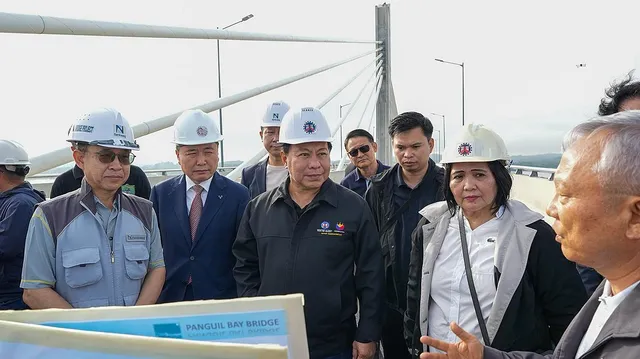
In line with President Ferdinand R. Marcos Jr.’s directive to uphold the spirit of the Local Government Code—promoting meaningful participation of local government units (LGUs) in infrastructure projects that directly impact their constituents—the Department of Public Works and Highways (DPWH) continues to strengthen its partnership with the LGUs of Tangub City, Misamis Occidental, and Tubod, Lanao del Norte to ensure the long-term sustainability of the Panguil Bay Bridge (PBB) in Northern Mindanao.

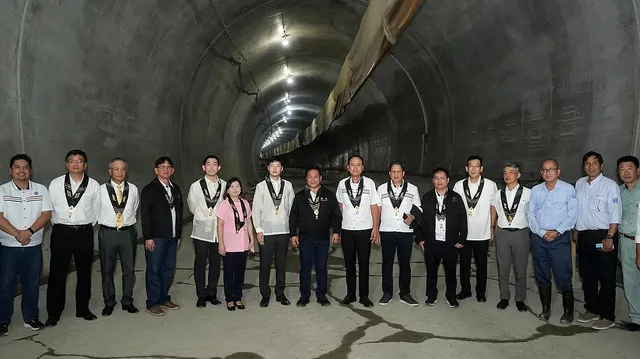
In a report to DPWH Secretary Vince B. Dizon, Senior Undersecretary Emil K. Sadain stated that a joint inspection was conducted on Saturday, September 6, 2025, with Tangub City Mayor Sabiniano S. Canama and Tubod Mayor Dionisio Y. Cabahug Jr. The inspection focused on the recently completed end-to-end upgrade of the asphalt pavement of the 3.17-kilometer bridge, aimed at enhancing structural durability and ensuring the long-term performance of this vital infrastructure.

Senior Undersecretary Sadain also highlighted the success of the institutionalized Multi-Partite Monitoring Team, an infrastructure monitoring and advisory body formed during the bridge’s construction. He noted that the team has played a key role in ensuring continued engagement and oversight from LGUs and other stakeholders—contributing to the bridge’s effective operation and extended service life.

Inaugurated by the President in September 2024, the one-year-old Panguil Bay Bridge has significantly enhanced regional connectivity and improved the quality of life for local communities in Northern Mindanao.

At the conclusion of the inspection, Tangub City Mayor Canama and Tubod Mayor Cabahug expressed their gratitude to the national government for the continued improvements to the Panguil Bay Bridge.

“We are deeply grateful to President Marcos Jr. and the DPWH for their unwavering commitment to improving this vital infrastructure. The completion of the asphalt overlay ensures safer, smoother travel for our constituents and boosts our local economy,” said Mayor Canama.

Mayor Cabahug echoed this sentiment, stating, “The upgraded pavement of the bridge is a testament to the government’s dedication to inclusive development. This project will continue to serve as a lifeline for the people of Lanao del Norte and the entire region.”

The recently completed pavement works included the application of a revised asphalt mix design to improve surface quality and structural protection, as well as the addition of new pavement markings and the installation of reflective road studs.

“These corrective works were carried out at no additional cost to the government, as they were undertaken within the project’s warranty period. The responsiveness and accountability demonstrated by the contractor and consulting team in heeding the Department’s instructions reflect a commitment to quality, compliance, and long-term infrastructure integrity,” Senior Undersecretary Sadain emphasized.

Funded through the Korea Export-Import Bank Economic Development Cooperation Fund (KEDCF) under Loan Agreement No. PHL-18, the project was constructed under the supervision of the Unified Project Management Office – Roads Management Cluster II (UPMO-RMC II), with civil works implemented by the joint venture of Namkwang Engineering & Construction Corporation, Kukdong Engineering & Construction Co., Ltd., and Gumgwang Construction Co., Ltd. The consulting consortium included Yooshin Engineering Corporation, Pyunghwa Engineering Consultants Ltd., and Kyong-Ho Engineering & Architects Co., Ltd.

The bridge features a 320-meter main span supported by two pylons, each with six cable stays, as well as two observatory bays for maintenance. On the Tangub side, a 360-meter approach road connects to a 1,020-meter bridge section; on the Tubod side, a 569-meter approach road leads to a 900-meter bridge section.

Also present at the inspection were Project Director Teresita V. Bauzon and other key staff of the DPWH Unified Project Management Office – Roads Management Cluster II (UPMO-RMC II), along with top executives of Yooshin Engineering Corporation including Construction Management Department President Kim Donguk, Vice President Lee Heejoon, and Country Manager/Director for the Overseas Business Department Lee Jinho.

As part of their continuing involvement, the LGUs committed to help safeguard the bridge by assigning surveillance patrol units to monitor the structure.

September 08, 2025

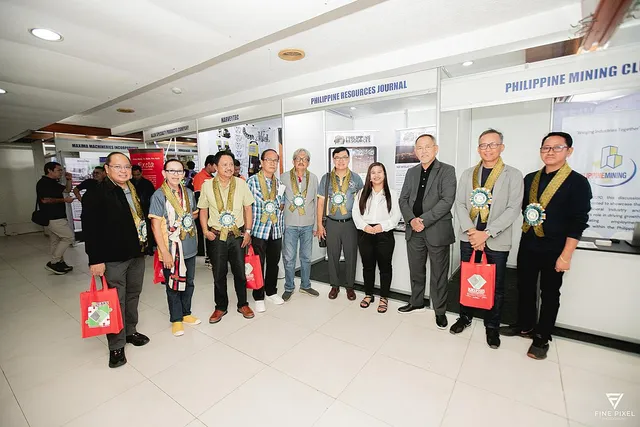
The Philippine Society of Mining Engineers (PSEM) Caraga Chapter reached a new milestone with the successful conduct of its 1st Caraga Mining Symposium held on August 22–24, 2025 at the Emerald Hall, Hotel Tavern in Surigao City.

Carrying the theme “Navigating Towards a Greener Environment, Resilient Mining Communities, and Good Governance,” the three-day event gathered professionals from the mining industry, government regulators, academic institutions, sponsors, and community representatives. It was the first time that Caraga—known as the country’s mining hub—hosted an event of this scale solely dedicated to mining engineers and allied professionals.

The symposium featured a full program of technical sessions, a mining exhibit, and knowledge-sharing forums. Discussions focused on the increasing importance of embedding Environmental, Social, and Governance (ESG) principles in day-to-day mining operations. Industry leaders emphasized that sustainability is no longer optional, but an operational imperative for companies that want to remain competitive and socially accepted.

Apart from the formal sessions, participants were also treated to a mine tour that offered a closer look at modern practices in safety, environmental management, and community engagement. To cap off the event, the chapter organized the Miner’s Gold Rush Fun Run, which brought together professionals, students, and community members in a lighter, more festive atmosphere.

More than just a technical gathering, the 1st PSEM Caraga Mining Symposium became a platform for partnership and dialogue. It underscored the industry’s shared responsibility to balance resource development with environmental care and social progress.

With its strong turnout and wide support, the Caraga Chapter’s inaugural symposium set a precedent. It not only celebrated the profession of mining engineering but also reaffirmed Caraga’s role as a vital contributor to shaping the future of responsible mining in the Philippines.

September 08, 2025

Over the past decade and a half, the Philippine mining industry has experienced a dynamic and often turbulent journey shaped by evolving government policies, environmental activism, shifts in global commodity markets, and new technological and economic priorities.  

From 2010 to 2025, the sector has witnessed sweeping regulatory reforms, the rise and fall of major mining projects, highly publicized environmental controversies, and a renewed focus on mining’s role in the green energy transition.  

Your Philippine Resources Journal has witnessed and chronicled these events over the last 15 years, and as we celebrate our anniversary in this issue, this narrative hopes to unpack the key events, policies, and trends that have defined the PH mining landscape during this pivotal period. 

Early 2010s: Industry Ambitions and Rising Tension 

The start of the 2010s saw heightened optimism within the Philippine mining sector. Policymakers promoted mining as a pillar of national industrialization, encouraging value chain development and community-based mining initiatives. The spotlight fell on projects like Xstrata’s Tampakan copper-gold development, which promised to catapult the country into the ranks of leading mineral exporters.  

However, these ambitions quickly ran into strong headwinds. Environmental groups and local communities intensified their campaigns against large-scale mining, culminating in South Cotabato’s enforcement of a provincial open-pit mining ban in 2011, which effectively stalled the high-profile Tampakan project (now under Sagittarius Mines Inc. or SMI). 

National debates over mining’s true social and environmental costs gained traction, with the Senate holding hearings and grassroots campaigns like “No to Mining in Palawan” galvanizing public opinion. 

2012–2015: Regulatory Shift and Industry Slowdown 

In 2012, President Benigno Aquino III issued Executive Order 79 (EO 79), a landmark policy that imposed a moratorium on new mining agreements while calling for stricter environmental regulations and the rationalization of the sector.  

EO 79 signaled a major policy pivot, prioritizing responsible mining practices and environmental safeguards over unfettered industry expansion. The moratorium brought new investments to a halt, and by 2013, the industry’s contribution to GDP had declined, with mining companies facing mounting criticism for pollution, deforestation, and community displacement. 

Despite these headwinds, the sector maintained a degree of resilience. By 2014, metallic mineral production reached ₱138.6 billion, with nickel emerging as the country’s leading export mineral. The mining industry paid ₱21.4 billion in taxes that year and began expanding environmental and social development programs in response to growing scrutiny.  

In 2015, investments rebounded to nearly US$1 billion, and operations at Didipio (under OceanaGold), Toledo (Carmen Copper), and Coral Bay (Rio Tuba) highlighted the sector’s ongoing economic relevance.  

The Philippines also became a candidate member of the Extractive Industries Transparency Initiative (EITI), reflecting a new emphasis on accountability and global best practices. 

2016–2017: The Gina Lopez Era and Heightened Environmental Scrutiny 

A dramatic turning point arrived with the appointment of Gina Lopez as Secretary of the Department of Environment and Natural Resources (DENR) under the Duterte administration in 2016.  

Lopez launched an unprecedented nationwide audit of mining operations, prioritizing ecological integrity and community welfare above industry profitability. Dozens of mines were suspended or ordered closed for failing environmental standards, and a national ban on open-pit mining was imposed.  

The reforms, while applauded by environmentalists and many local communities, sowed uncertainty throughout the industry and triggered a wave of legal and political challenges. By 2017, Lopez’s tenure had resulted in the suspension of five major operations and the closure of 23 others.  

While the value of metallic production remained stable due to global price increases, the industry grappled with regulatory unpredictability and the prospect of further interventions. The DENR also mandated full EITI participation, reinforcing the administration’s commitment to transparency. 

However, Lopez lasted only one year in the post -- and died in 2019 from brain cancer. She was succeeded at the DENR by former military general Roy Cimatu, who continued the Duterte government’s holding pattern on mining. 

2018–2020: Recovery, ESG Emphasis, and Pandemic Disruption 

With Lopez’s departure, the regulatory climate gradually stabilized. Year 2018 saw a rebound in mining production, as the sector deepened its commitments to environmental, social, and governance (ESG) standards in response to both domestic activism and international investor expectations. However, opposition to large-scale mining remained potent, with ongoing protests and calls for stricter oversight. 

By 2019, the moratorium from EO 79 was still in effect, and exploration budgets stayed low. Major projects like Tampakan and Silangan (under Philex) continued to languish in regulatory limbo. The arrival of the COVID-19 pandemic in 2020 dealt another blow, disrupting operations and supply chains. 

Nevertheless, mining still contributed ₱102.3 billion to the national GDP, with nickel maintaining its status as the top export mineral. Notably, Social Development and Management Program (SDMP) funds were redirected to support pandemic relief efforts in mining communities. 

2021–2023: Policy Reversal and New Growth Drivers 

A watershed moment came in 2021, when Executive Order 130 (EO 130) lifted the nine-year moratorium on new mineral agreements, signaling a more investment-friendly posture while retaining environmental safeguards.  

This policy reversal was driven in part by the growing global demand for so-called “green metals” such as nickel and copper, essential for electric vehicles (EVs) and renewable energy technologies. Gold and nickel production surged, and the industry began to recover from years of stagnation. 

In 2022, the government lifted the open-pit mining ban, further encouraging investment. The DENR promoted exploration for critical minerals, and exports soared to US$7.53 billion.  

By 2023, the value of metallic production reached ₱249.7 billion, with 59 operating metallic mines and a strong focus on ESG. The DENR committed ₱387.95 billion to environmental programs, reflecting the sector’s newfound emphasis on sustainability and social responsibility. 

2024–2025: Mining’s Strategic Role in Green Transition 

As President Ferdinand Marcos Jr. took office, mining was explicitly prioritized as a key component of economic recovery and the national energy transition. Policymakers emphasized downstream mineral processing, seeking to capture greater value domestically rather than exporting raw ore. 

The Mines and Geosciences Bureau (MGB) under the DENR projected a strong outlook for the sector, buoyed by international demand for minerals critical to decarbonization. By 2025, mining was recognized as essential to the Philippines’ green technology ambitions. Nickel demand soared in response to the global EV boom, and draft fiscal reforms proposed tiered royalty schemes to balance government revenue with investor appeal.  

The long-stalled Tampakan copper project was once again under consideration for launch in 2026, symbolizing the sector’s renewed confidence and strategic importance in a rapidly changing world. 

Key Trends and Lessons Learned 

Throughout this period, several overarching trends defined the local mining sector. Policy volatility—marked by alternating waves of restriction and liberalization—had profound impacts on investor sentiment and project viability.  

Environmental scrutiny intensified, with audits, suspensions, and ESG compliance becoming central to mining operations, especially from 2016 onward. The industry’s role in the global green transition brought renewed focus on nickel and copper, transforming them into strategic assets. 

Finally, post-2021 reforms and global market dynamics triggered a revival in investment and exploration, as the Philippines positioned itself to supply critical minerals for a decarbonizing world. 

The trajectory of the PH mining industry over the last 15 years illustrates a complex interplay between resource development, environmental stewardship, social accountability, and economic opportunity.  

As the sector looks ahead, its continued evolution will depend on the delicate balancing of these priorities in the face of both domestic challenges and global shifts – and your Philippine Resources Journal will be here, ready to chronicle these changes. 

September 08, 2025

In the intensifying global race for critical minerals—crucial components in electric vehicles (EVs), renewable energy (RE) technologies, advanced electronics, and other strategic industries—the Philippines stands at a pivotal juncture in this global energy transition. With abundant reserves of nickel, cobalt, copper, and rare earth elements, the country holds in its soil the keys to the 21st-century economy. Yet, without a strategic critical minerals policy, it risks squandering this opportunity, remaining a mere supplier of raw materials rather than ascending the value chain.

A mineral is considered ‘critical’ if it is vital to a country’s strategically important economic sectors. Many governments have clear lists and strategies to safeguard these resources. An alternative to the term ‘critical minerals’ is ‘transitional minerals’ which may be strategic minerals, but not critical in terms of security and the economy. Unfortunately, the Philippines has to define which minerals are considered critical or transitional, let alone a policy that would protect its own resources and ensure a stable and sustainable supply of those minerals.

Nations worldwide are aggressively securing their critical mineral supply chains. A 2025 White & Case survey shows that geopolitics and economic interests—more than climate concerns—is the driving force shaping mining and metals. For instance, China’s state-backed financial institutions have poured over $57 billion in the past two decades into resource-rich countries to tighten Beijing’s grip on critical minerals. Key examples include copper and cobalt from the Democratic Republic of Congo and Peru, nickel from Indonesia, and lithium from Argentina. It now controls roughly 61% of rare earth production and more than 90% of processing capacity, according to the International Energy Agency—power that Beijing has wielded to squeeze its rivals, imposing export controls on a range of critical rare earth minerals, rattling its rival the United States.

Washington has scrambled to respond, imposing tariffs on Chinese EVs and batteries, solar panels, semiconductors, and other products. It has also diversified its supply chains by forging deals far and wide—from securing a mineral deal in war-battered Ukraine to even exploring the purchase of Greenland, to brokering a peace deal between Rwanda and the DRC that could unlock lucrative mineral access to some of the world’s richest deposits of rare earths.

To diversify away from reliance on China and Russia, Canada and Germany signed an accord to deepen cooperation in securing critical mineral supply chains, increase collaboration on research and development, and co-fund new critical mineral projects that support a range of industries—from electric vehicle manufacturing to defense and aerospace.

Other nations are also acting decisively. The European Union’s Critical Raw Materials Act aims to shore up supply chains. In 2024, the EU signed a major agreement with Australia—home to some of the planet’s recoverable critical mineral deposits—to build sustainable and ethical critical mineral supply chains. Australia’s Critical Minerals Production Tax Incentive sweetens the deal for investors with generous tax incentives for domestic processing.

Meanwhile, Canada has committed $3.8 billion to its Critical Minerals Strategy, emphasizing sustainability and Indigenous partnerships. The United Kingdom’s own strategy intends to position itself at the forefront of the green industrial revolution, while Brazil’s National Strategic Pro-Minerals Policy has helped it become one of the top lithium exporters. Closer to home, Malaysia even rolled out its National Advanced Materials Technology Roadmap 2021-2030 emphasizing the need to expand the downstream rare earth industry with the goal of creating a new source of wealth.

The Philippines, with its vast mineral wealth, is well-positioned to become a key player in this global landscape. Recent talks about joining the U.S.-Japan critical minerals agreement shows a clear willingness to engage more strategically. A free trade agreement with Canada focusing on critical minerals is in the works, and just this May, the Philippines signed a strategic pact with South Korea on critical minerals and EV development. And then, the EU, in partnership with the Department of Environment and Natural Resources (DENR), has announced the conduct of a scoping study to identify potential sources of critical raw materials in the Philippines. The study aims to establish a “normative framework” that integrates the best practices of both the Philippines and the EU in promoting sustainable mining and attracting European investment.

However, to truly capitalize on its resources, the Philippines must develop a comprehensive critical minerals policy that addresses supply reliability and resiliency, sustainable and responsible practices, favorable investment climate, and stable regulatory environment.

Indonesia offers a lesson the Philippines cannot afford to ignore. Jakarta’s massive nickel production caused global nickel prices to plummet. For the Philippines, that should be a cautionary tale—highlighting the need to employ price stability mechanisms when striking future trade and investment deals.

If the Philippines wants to entice serious mineral processing investors, it must do more than showcase its mineral wealth—it must build the physical and regulatory infrastructure to move projects from vision to reality. The government has already proven it can cut red tape with the Energy Virtual One-Stop Shop (EVOSS) for energy projects. A similar mechanism could clear the bottlenecks that have long frustrated investors and stalled development.

Beyond economics, critical minerals have become a matter of geopolitics. The U.S., the EU, Japan, and other major economies are racing to secure reliable supply chains that are not dependent on China. This creates a rare window of opportunity for the Philippines to position itself as a trusted and strategic partner in the global transition to clean energy and advanced technologies.

But to truly maximize its potential, the Philippines must move beyond the traditional extractive model. Exporting raw ore captures only a fraction of the value; the real gains lie in downstream industries such as refining, processing, and even component manufacturing for EVs, RE technologies, and electronics. A critical minerals policy that fosters domestic value addition will create jobs, strengthen industries, and insulate the economy from global price shocks.

While the DENR’s issuance of a DAO earlier this year outlining the guidelines for integrating the UN SDGs into the implementation of mining companies’ Social Development and Management Programs is commendable, a critical minerals policy should likewise prioritize sustainable mining practices. Such a policy must craft its own framework that adheres to—and ideally surpasses—international standards on sustainable development in mining, with the twin goals of protecting communities and safeguarding ecosystems.

The effectiveness of any policy will, in large part, depend on the level of trust it is able to build among stakeholders. Investors value regulatory clarity, while communities seek accountability and tangible benefits. Incorporating appropriate safeguards and participatory mechanisms would support the sustainability of the Philippines’ critical minerals policy.

At this pivotal moment, the Philippines cannot afford to remain without a clear roadmap. For the Philippines to claim its rightful place in the global critical minerals supply chain, the time to act—decisively and strategically—is now.


Reeno E. Febrero is senior legal officer at Global Ferronickel Holdings, Inc. He is currently pursuing his Master of Laws at the University of the Philippines, with a thesis focused on sustainable mining.

September 08, 2025

On July 4, 2025, I sat in a crowded forum in Quezon City as the Mines and Geosciences Bureau (MGB) hosted the Department of Environment and Natural Resources’ (DENR) policy direction. The atmosphere was subdued. No questions, no applause lines. Yet the rollout deserves a closer look, not for its promises, but for what it might enable.

Signed in February by former Secretary Ma. Antonia Yulo-Loyzaga, DENR Administrative Order No. 2025-10 requires all Social Development and Management Programs (SDMPs) of mining firms to align with the United Nations Sustainable Development Goals (SDGs).

SDMP is a unique legal requirement under the 1995 Mining Act and its implementing rules that compels mining firms to allocate 1.5% of their operating costs to community programs. For decades, this budget has been channeled into community projects—livelihood support here, a classroom repair there—often valuable, but not necessarily transformative. What DAO 2025-10 does is tether those pesos to something more coherent. From receipts to results.

The 2030 Agenda for Sustainable Development, adopted by 193 UN member states in 2015, sets 17 goals and 169 targets—from ending poverty to protecting biodiversity. Yet the UN warns of slow progress. In the Philippines, the MGB acknowledges gains in key areas but gaps in food security, climate action, and sustainability persist. Paragraph 45 of the Agenda calls on governments to work closely with local authorities.

DAO 2025-10 operationalizes that principle. It channels the SDMP budget toward tangible outcomes like access to clean water (SDG 6), better incomes (SDG 1), inclusive education (SDG 4), biodiversity protection (SDG 15), and decent jobs (SDG 8). The UN Development Programme (UNDP) urged similar reforms in its 2016 SDG-mining atlas while the Intergovernmental Forum on Mining, Minerals, Metals and Sustainable Development (IGF) has long supported this pivot.

On paper, we are catching up. But policies don’t succeed on paper alone. In 2023, nickel miners reported spending ₱4.3 billion on SDMPs. They reforested 9,500 hectares, planted 4.3 million trees, and funded education and health projects. Between 2002 and 2027, nearly ₱28 billion in SDMP spending is projected. But impact isn’t just about inputs. Civil society monitors—like Bantay Kita and local Multistakeholder Monitoring Teams—flag weak community involvement, poor tracking of results, and almost zero public transparency.

To make this reform real, four imperatives must guide implementation.

First, targets must be measurable. “Eradicating poverty” or “protecting forests” can’t just be slogans. The DENR must set clear indicators. How many pesos in income raised? How many hectares rehabilitated? Metrics are meaning.

Second, communities must be co-authors, not mere recipients. The 2030 Agenda says people are at the center of sustainable development. That means participatory planning, stronger local monitoring teams, and respect for Indigenous Peoples’ rights.

Third, SDMPs must be audited independently and disclosed publicly. In 2021, The Asia Foundation—a global nonprofit focused on governance in Asia—underscored how transparency builds public trust. A portion of SDMP budgets should be set aside for third-party audits. Results must be published online, accessible to everyone. SDG 16.6 calls for effective, transparent institutions.

Finally, noncompliance must have consequences. DAO 2025-10 is a regulation, not a wish list. Failure to comply should lead to real sanctions. Without teeth, all we have are good manners.

At the core of this shift is a recurring question: Will the mining governance framework finally serve the common good? In their celebrated book Why Nations Fail, 2024 Nobel laureates Daron Acemoglu and James Robinson argue that long-term prosperity depends on the nature of institutions. Inclusive institutions share power. Extractive ones hoard it. Mining, for all its potential, is often seen under extractive logics—not only in the physical sense, but in how decisions are made, and for whom.

DAO 2025-10 can change that. Not by spending more, but by spending better—linking community projects to real outcomes, and to a global development framework.

But good rules aren’t enough. It takes leadership to embed accountability into the system. And that falls on the shoulders of DENR Secretary Raphael Lotilla, who is known for his technocratic rigor and institutional calm. He doesn’t need to invent new tools. He just needs to make sure the ones we already have are tried, tracked, and trusted.


Noel B. Lazaro is General Counsel of Global Ferronickel Holdings, Inc. He was named among Top 5 In-House Counsel of the Year at the 2024 Asian Legal Business (ALB) Philippine Law Awards and has led his team to multiple regional and national honors.

September 08, 2025

In August, I attended the launch of Unilab Education (UniEd), the Unilab Group’s response to a longstanding national challenge: the mismatch between graduates’ skills and the available jobs.   

At this event, attended by the Secretary of Education, the Director General of the Technical Education and Skills Development Authority (TESDA), the Chair of the Commission on Higher Education (CHED), industry leaders and heads of educational institutions discussed the need to reshape how education is delivered and ensure that Filipino graduates are job-ready. 

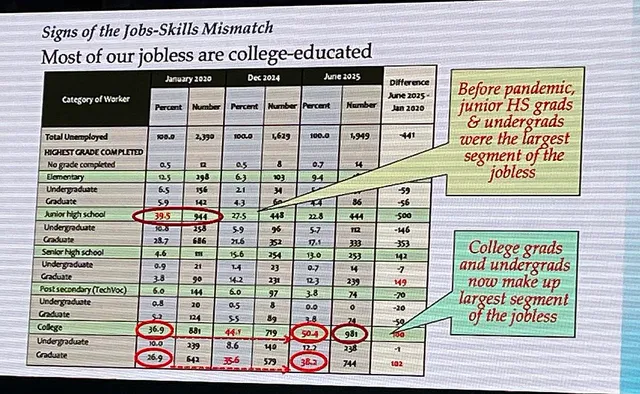
In his keynote address, Dr. Cielito Habito, former Secretary of the National Economic and Development Authority (NEDA, recently renamed the Department of Economy, Planning, and Development or DEPDev under Republic Act No. 12145), delivered some disturbing statistics, including that college graduates now account for the single largest segment of the unemployed at 38.2%. He emphasized the need for integrated education and workforce development planning, closer coordination in curriculum design, and better anticipation of future skills demand. 

Equally, if not more disturbing was the recurring observation that the concerned agencies, namely the Department of Education, TESDA and CHED, have not been properly coordinating.  Simply put, until recently, they were not talking to each other.  Fortunately, these agencies have come to the realization that closer inter-agency collaboration is required to achieve to stronger industry alignment and policies that improve graduate employability. 

UniEd, for its part, is batting for industry certifications, microcredentialing [i.e., earning short, modular certifications for specific, in-demand skills, enabling workers to upskill, reskill, gain formal recognition for competencies, and advance in their careers without completing an entire degree or lengthy course], apprenticeship and on-the-job training, senior high school immersion, and skills-based continuing professional development courses to specifically address the jobs–skills mismatch. 

An Ernst & Young paper entitled “Can ASEAN move forward if women are left behind?” observes that, with 40% of global employers today reporting talent shortage, education systems need to prepare graduates with relevant skills.  

In ASEAN, the skills gap is largely marked by a shortage of technical knowledge. Science, Technology, Engineering and Mathematics (STEM) education is therefore particularly relevant given rapid technological shifts and the rise of industry automation, alongside the emphasis on infrastructure development in many emerging ASEAN economies.  

In the Philippines, the skills gap is very much pronounced with the country having the lowest gender parity in the region.  It records the widest STEM workforce gender gap in AsiaPacific, with women in just 36.3% of STEM roles, compared to nearly 59% in non-STEM fields.  Although around 41% of STEM graduates are women, only 36.6% enter the STEM workforce within a year from graduation.  

The decline continues as careers progress. Employers cite that women are less prepared due to fewer internships or technical opportunities. Many mid-career women opt out due to caregiving demands or biased perceptions. 

Mining is one industry that would benefit from a closer look at how STEM Education may help close the jobs-skills mismatch, especially for women. 

The convergence of mining and STEM offers unique opportunities to counteract gendered mismatches: 

  • Empowerment via technical training: Tailored STEM education programs could equip women miners with essential competencies to open pathways to formal, technical roles. 

  • From informality to formal inclusion: Launching bridging programs that connect women in small-scale mining to technical certification and STEM jobs can reduce informal vulnerabilities and prepare them for emerging green technologies in mining. 

  • Visibility and leadership: Mentorship programs and representation are required to boost women in the workforce. Highlighting female engineers, geologists, and other female leaders can inspire younger women to pursue both STEM and mining careers.  

In the aforementioned Ernst & Young paper, Ambassador Delia Domingo Albert, Chairman of Diwata-Women in Resource Development, Inc., noted that “(T)here are horizontal gaps that consist of development gaps between and among the member countries, as well as gender equality gaps. There are also the vertical gaps between women who are well-educated and have better access to leadership roles and those who have fewer possibilities and are stymied by economic and social circumstances. These gaps hinder the possibilities for leadership roles.”  

STEM Education may help close this vertical gap through, among others, better designed curricula to anticipate both current and future skills demands; targeted technical training; and more vibrant academe-industry exchanges [with teachers immersing themselves by working in firms to improve their own skills and ‘real world’ application of what is being taught]. 

STEM education is also the backbone of a responsible, sustainable, and competitive mining industry in the Philippines.  It ensures that local talent can fill technical roles, reducing reliance on foreign experts, and also fosters innovation in exploration, extraction, safety, and sustainability. 

With these institutional shifts, and reimagined narratives, we can create pathways where women not only participate, but thrive, in the mining and STEM sectors. 
September 08, 2025

In our ever-evolving world, the demand for minerals and energy is growing faster than ever. From the smartphones in our pockets to the electricity powering our homes, these natural resources play a vital role in our everyday lives. But finding them—hidden deep underground or beneath the ocean floor—is no easy task.  

Fortunately, science and technology are giving us powerful new tools to make searching easier, safer, and more accurate. Understanding new mineral and energy exploration techniques is important because the relatively easy-to-find resources—like oil, gold, and copper—are already being used up, and the world needs cleaner and smarter ways to discover what’s left. Old methods of exploration, like drilling everywhere or clearing forests, are expensive, slow, and often harmful to the environment. 

New technologies, like using satellites, artificial intelligence (AI), and sensors that “listen” to the ground, help scientists find resources faster, cheaper, and with less damage to nature. By learning how these new techniques work, we can support energy sources that are cleaner, protect the planet, and ensure we still have the minerals needed for things like electric cars, solar panels, and everyday gadgets in the future.  

Here is an overview of the latest technological trends in mineral and energy exploration—combining cutting‑edge research, practical implementations, and industry shifts. We'll explore some of the latest techniques scientists and engineers are using to discover new sources of minerals and energy. Don’t worry—no geology degree is required! This article will break it down in simple, easy-to-understand language so we can understand just how incredible and important these discoveries really are. 

AI-Powered Exploration, Smart Computers Find Hidden Treasures 

Recent research introduces workflows using AI to model copper prospectivity and refine targets. Presently, roughly more than 70% of mineral exploration projects leverage AI‑powered data analysis for site selection and resource estimation. Machine learning applied to remote sensing like integrating satellite, airborne, and geological data, has enhanced mapping of lithology, alteration zones, and pathfinder mineral signatures. 

Imagine you’re looking for buried treasure, but instead of digging randomly, you have a super-smart computer that can look at maps, satellite images, rock samples. and even underground sound waves to tell you exactly where to dig. That’s what AI is doing for mining, helping experts find metals like copper, lithium, and gold faster and more accurately. This technology saves millions of dollars and years of guessing because there are less random digging and more smarter decisions. 

Advanced Remote Sensing: Satellites, Drones as “Metal Detectors in the Sky” 

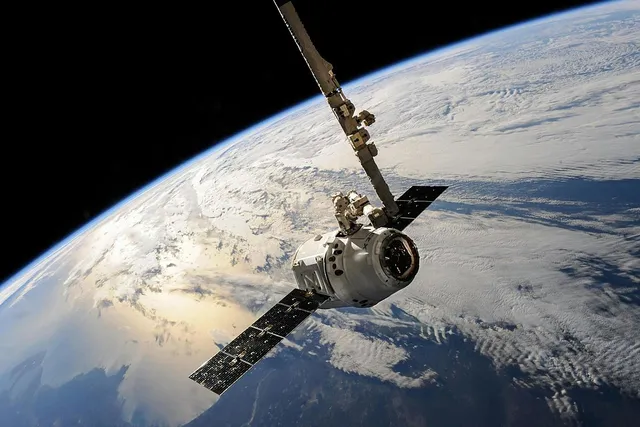
Today, scientists are using advanced hyperspectral satellite cameras that can see more than just colors; they can detect the unique "light fingerprints" that different minerals reflect. This helps spot what’s in the ground just by looking from space. Some high-tech companies are going even further. They’re launching small satellites, placing sensors on the ground, and using AI to collect and analyze data.  

Satellites in space and drones flying overhead are now like "robot eyes" scanning the Earth for clues about what’s underground. Satellites can see patterns in rocks that the human eye can’t. Drones fly low over the ground with special cameras and sensors that “sniff out” changes in rocks or soil. This technology allows explorers to scan vast areas quickly, especially in places that are hard to walk on like dense forests or deserts, useful even in difficult terrain and across larger areas.   

Listening Beneath the Ground with “Earth Stethoscopes” 

Imagine a drone that can take off and hover like a helicopter but then fly forward like an airplane. That’s what a hybrid multirotor unmanned aerial vehicle (UAV) does. It gives you the best of both worlds: the flexibility of hovering and the long-range power of flight. Hybrid multirotor UAVs with optimized sensors extend airborne operations up to six times longer than traditional drones, improving precision data collection while minimizing costs and environmental impact.  

By placing special sensors on the surface, explorers are also listening to tiny natural vibrations in the Earth —like a super-sensitive stethoscope — to create detailed 3D maps of what lies underground, even as deep as 2.5 kilometers without digging. Instead of drilling hundreds of holes to “see” underground, scientists now listen to tiny vibrations called ambient noise tomography. All of this helps explorers find mineral-rich areas more accurately and safely, while cutting down on the need for risky and expensive drilling. 

Tools That are Instant Rock Analyzers: On-the-Spot X-Rays 

When geologists collect rock samples, they used to wait days or weeks to analyze them in labs. Now, geologists can carry handheld devices—about the size of a power drill—that can scan rocks right on the spot. These tools use techniques like X-ray fluorescence (XRF) or laser-based scanning to instantly reveal the chemical makeup of the rock. In just a few seconds to a few minutes, the device tells you exactly what minerals or metals are inside—whether it’s copper, gold, lithium, or something else. It’s like a super-advanced metal detector that gives instant X-ray results. 

Think of these machines as a super-smart barcode scanner, but for rocks. Just like a grocery store scanner instantly tells you the price and details of a product, these scanners reveal what elements are inside the rock. This means faster decisions, less wasted drilling, and more precise resource estimates. 

Sustainable Practices & Resource Recycling: Mining “Junkyards” 

Old mines and heaps of mining waste were once considered useless. Now, with new technology, companies can go back and recover valuable metals left in old mine tailings. Exploration is increasingly seeking value in waste and tailings, repurposing old mines to extract critical metals like tellurium, bismuth, zinc, and manganese. It’s like rummaging through old electronics and finding out that old circuit boards are filled with precious metals or finding gold in an old junkyard - eco-friendly and cheaper than starting a new mine. 

Mining Under the Sea: Carefully Collecting “Seafloor Nuggets” 

At the bottom of the ocean, there are “potato-sized” lumps called polymetallic nodules that contain nickel, cobalt, and other valuable metals. New technology is being developed to allow controlled collection of these nodules without digging or destroying the seafloor. It’s like using robotic vacuum cleaners to gently pick up scattered coins from your carpet, without ripping the carpet up.  

This could be a game-changer for supplying metals for electric cars and renewable energy tech, but it’s being done cautiously to protect ocean ecosystems. Deep-sea mining is now under active development globally, with regulatory frameworks expected to be in place by 2025. Think of it like careful underwater treasure hunting with environmental guards in place. 

Tapping Into Earth’s Natural Heat: Hitting Two Birds with One Stone 

The Earth’s inside is super-hot. By drilling wells, we can tap into this heat to produce clean electricity called geothermal energy. But here’s the bonus - some of these underground hot waters carry dissolved minerals like lithium. New projects are combining the two: get clean energy and extract minerals from the hot water. It’s like getting two gifts from the Earth at the same time - energy and minerals, like boiling pasta and realizing you can also make soup from the water at the same time.  

Geothermal energy is expanding rapidly. Major tech companies and energy firms are investing in subsurface heat projects, but serious skill gaps exist in geoscience expertise, driving demand for trained exploration professionals. Filipino geologists who are renowned for their expertise in geothermal energy, can skillfully harness the Earth’s natural heat to power communities with precision and sustainability. Their deep understanding of volcanic and tectonic systems, combined with decades of hands-on experience, has positioned the Philippines as a global leader in geothermal exploration and development. 

Mines Becoming Smart, Automated Like Self-Driving Cars 

The mining sector is undergoing a digital revolution; automation, and integrated data analytics are being deployed broadly to enhance safety, productivity, and sustainability. Modern mines are starting to use robots, self-driving trucks, and smart sensors that monitor everything. All this information is sent to a control room where a small team watches everything like in a high-tech video game command center. This makes mining safer for workers and cuts down on mistakes and accidents. Real-time predictive maintenance, remote operations control, and cross-team data sharing are boosting operational effectiveness by a 20–30% reduction in exploration timelines and cost improvements. 

Industry is responding with technology-integrated, sustainable, and data-first approaches. From satellite mapping to automated analytics, these capabilities shorten discovery cycles, cut environmental impact, and strengthen resilience. There is less guesswork as technology tells you where to dig; greener, exploration is becoming cleaner and less harmful to forests, rivers, and wildlife; smarter as mining is done in ways that protect the environment; sustainable as old waste becomes valuable again through recycling; faster as years of trial-and-error digging are minimized; and cheaper as there is less wasted money on bad drilling spots. 

The Gold Rush of the Clean Energy Era: The Search for White Hydrogen 

Hydrogen is the lightest and most abundant element in the universe. It is found in water, natural gas, and even in plants and animals. But here’s the catch: hydrogen gas doesn’t float around freely on Earth. It’s usually stuck to other elements, like oxygen in water. We need hydrogen to power cars, factories, and power plants without polluting the air.  Planes and large ships could run on hydrogen in the future. Companies are working on hydrogen-powered engines or using hydrogen to make cleaner fuels for heavy industries. Hydrogen is a clean fuel. When you burn it, it only produces water vapor - no smoke, no CO₂ pollution. 

Exploring natural hydrogen could give us a cheaper and greener source of energy that’s available 24/7, unlike solar or wind which depend on weather. Scientists have discovered that pure hydrogen gas is naturally produced deep underground. This hydrogen can slowly seep up through cracks in the Earth, kind of like natural gas or oil. 

When certain types of rocks that are rich in iron deep in the Earth react with water, they produce hydrogen gas. This process happens in places like ancient volcanic areas, underneath old ocean floors, and tectonic plate boundaries. Like a treasure hunt under the earth, scientists use several clues to look for it. 

In some places, hydrogen gas seeps up naturally through the soil, kind of like tiny invisible “fountains.” Scientists use portable gas sniffers or take soil gas samples to detect these hydrogen leaks. Finding a seep can be a clue that a larger hydrogen pocket is hiding underground. Hydrogen often forms where certain types of iron-rich rocks called ophiolites react with underground water. Scientists study maps, satellite images, and rock samples to locate areas with these special rocks. 

Scientists use tools that send sound waves, electric currents, or magnetic signals into the ground. By seeing how these signals bounce back, they can “see” underground structures and guess where hydrogen might be trapped. If the clues are strong, companies drill small test wells to check if there’s enough hydrogen to be worth collecting. This is like how we explore oil or natural gas, but the wells for hydrogen are usually smaller and simpler. 

The Philippines is now at the early but exciting stage of exploring natural underground hydrogen resources, after a significant discovery in Zambales. In this area, scientists found a natural seep where hydrogen gas is leaking from beneath the ground at a remarkable rate—about 808 tons per year, which is considered one of the largest natural hydrogen flows ever recorded worldwide. This seep is found in an area rich with ophiolite rocks, which the country has plenty of because of its geological features. This discovery has put the Philippines on the global map as a potential key player in the emerging hydrogen energy sector. 

Recognizing this opportunity, the Department of Energy (DOE) has opened specific areas for hydrogen exploration in Zambales and Pangasinan, where similar rock formations exist. Several companies have submitted bids to explore these zones, and the DOE has been actively conducting preliminary surveys to assess the environment and geology. These early-stage activities include soil gas sampling, mapping seep sites, and preparing technical guidelines for future exploratory drilling. 

The DOE is also initiating training programs to equip Filipino scientists and engineers with the skills needed for hydrogen exploration, signaling a serious commitment to develop local expertise in this new field. 

While no large-scale hydrogen production is happening yet, the Philippines is moving swiftly to build a foundation for it. The next steps involve granting exploration permits, performing test drilling, and confirming whether larger underground reservoirs of hydrogen exist beneath the surface. If successful, this could lead to pilot projects that produce clean hydrogen for local energy use, particularly in off-grid rural areas.  

The exploration efforts in Zambales and Pangasinan are also seen as “test cases” that could open other ophiolite-rich regions in the Philippines, potentially making the country a pioneer in natural hydrogen energy development in Southeast Asia. Thanks to years of digging into ancient ophiolites, Filipino scientists may have just found the rocks that burp out clean hydrogen turning old ocean crust into tomorrow’s energy goldmine. 

Conclusion 

As the world races towards cleaner and more sustainable energy solutions, understanding and adopting new mineral and energy exploration techniques has never been more crucial. Innovations like AI-driven mineral mapping, drones that “see” underground, instant rock analyzers, and natural hydrogen exploration are revolutionizing how we discover and harness Earth’s resources.  

The Philippines has rugged terrain and extensive forest cover. AI-driven satellite imaging and drone-based surveys are increasingly useful for identifying mineralized zones without heavy ground disturbance. This helps reduce the environmental footprint of early-stage exploration.  

By adopting smarter targeting, Philippine mining firms can reduce the high risk and costs of exploration, making projects more attractive to investors, reducing the need for large-scale ground clearing during exploration, and helping address community and environmental opposition. This is important in a country where mining often sparks social resistance, as it could accelerate the development of critical mineral supply chains while improving the sector’s social acceptability. Who knew that listening to rocks and chasing steam could turn geologists into the hottest hunters of the 21st century? 

References 

Barker, Miranda, Innovation can disrupt the mining industry. These sustainable start-ups are leading the way, World Economic Forum, 29 Nov 2024, https://www.weforum.org/stories/2024/11/13-innovations-making-the-mining-and-metals-industry-more-sustainable/ 

Bishop, Sophie, 7 Technological Innovations Transforming the Mining Industry, USC Consulting Group, 12 February 2024, https://usccg.com/blog/7-technological-innovations-transforming-the-mining-industry/ 

Leonida, Carly, Welcome to the age of smart mineral exploration, The Intelligent Miner, 06 June 2024, https://theintelligentminer.com/2024/06/06/welcome-to-the-age-of-smart-mineral-exploration/ 

Peachey, Caroline, How is technology shaping minerals exploration? Mining Technology, 17 April 2025, https://www.mining-technology.com/features/how-is-technology-shaping-minerals-exploration/ 

Fernando “Ronnie” S. Penarroyo specializes in Energy and Resources Law, Project Finance and Business Development. He is also currently the Chair of the Professional Regulatory Board of Geology, the government agency mandated under law to regulate and develop the geology profession. For any matters or inquiries in relation to the Philippine resources industry and suggested topics for commentaries, he may be contacted at fspenarroyo@penpalaw.com. Atty. Penarroyo’s commentaries are also archived at his professional blogsite at www.penarroyo.com  

September 08, 2025

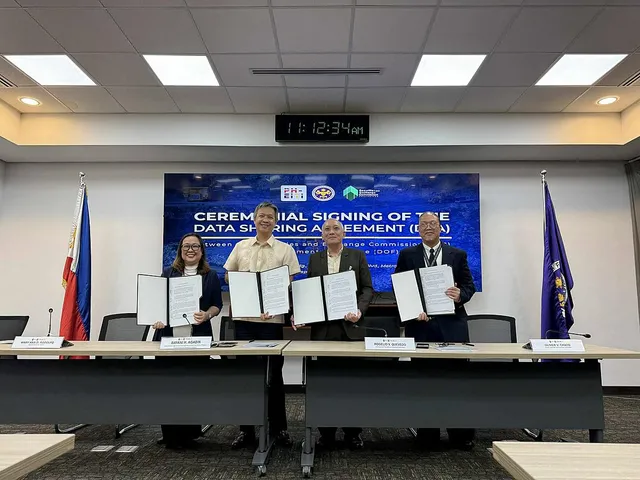
The Philippine Extractive Industries Transparency Initiative (PH-EITI) and the Securities and Exchange Commission (SEC) have formalized a Data Sharing Agreement (DSA) aimed at enhancing beneficial ownership transparency in the country’s extractive industries.

The ceremonial signing, held at the Department of Finance (DOF), was witnessed by officials from government, industry and civil society.

The agreement will allow PH-EITI to access corporate information, including beneficial ownership data, through on-site, online and off-site access to reportorial documents held by the SEC. Sensitive details will remain protected by requiring the submission of waivers by concerned individuals, in line with the Data Privacy Act. Officials said this safeguard balances the public’s right to information with the protection of personal data.

Undersecretary Bayani H. Agabin of the DOF, who also serves as the PH-EITI focal person, signed on behalf of PH-EITI. He said the agreement would help institutionalize transparency.

“The Data Sharing Agreement between the SEC and PH-EITI is more than a document; this is a practical upgrade to our country’s operating system for open governance. It helps turn company and beneficial ownership information into a public service that citizens can use, that investors can trust, and that communities can understand,” Agabin said.

The DOF has been leading efforts to mainstream EITI disclosures through web-based systems and policy reforms that allow systematic publication of company payments, contract details and ownership information.

SEC Commissioner Rogelio V. Quevedo stressed that the partnership enables the Commission to better carry out its mandate.

“This arrangement of data sharing with other governmental agencies is very important. And the SEC through its very much advanced ICTD is willing to share this information subject to compliance with data privacy laws. We are going to cooperate with the Department of Finance and even with the Department of Energy, and the Department of Environment and Natural Resources in the sharing of information so this agreement will pave the way for the seamless, secure and lawful exchange of beneficial ownership data, thereby reinforcing the government’s commitment to strictly adhere to the Financial Action Task Force International Standard, specifically Recommendation 24, which demands that competent authorities have direct access to beneficial ownership information for legal persons,” Quevedo said.

The SEC views the DSA as a model for responsible data sharing, anchored on transparency, legitimate purpose and proportionality.

Key Features of the DSA

The Data Sharing Agreement includes provisions on:

  • Data scope: Corporate information and beneficial ownership details for companies in the extractive sector
  • Access and sharing: On‑site, online, and off‑site access to reportorial documents in SEC custody; the SEC may request intelligence data from PH‑EITI as needed.
  • Privacy safeguards: Compliance with the Data Privacy Act and NPC Circular 2020‑03 guidelines that require DSAs to specify purpose, parties, duration, procedures, security measures and mechanisms for data subjects’ rights.
  • Duration and termination: The agreement is valid for five years and may be renewed or terminated with prior notice.

The PH-EITI Multi-Stakeholder Group (MSG) — which includes representatives from government, civil society and extractive companies — was consulted during the drafting.

Director Agustus Cesar Navarro of the Department of Energy, a member of the MSG, welcomed the signing. “This is more than just a formality; we gather here not merely to sign a document but to affirm a collective breakthrough, one that reinforces our shared commitment to strengthening transparency, accountability, and collaboration,” he said.

Atty. Ronald Rex S. Recidoro, executive director of the Chamber of Mines of the Philippines, described the agreement as a platform for continuous improvement.

“From an industry perspective, this agreement brings three big advantages: it sets clear expectations for what we disclose; it ensures that all companies play by the same rules; and it opens the door for data-driven improvements in the way we operate,” Recidoro said.

He noted that while the drafting was led by PH-EITI, DOF and SEC, industry stakeholders were consulted throughout the process.

The agreement will be valid for five years and may be renewed or terminated with prior notice. It also outlines provisions on data scope, privacy safeguards, inter-agency access and standardized procedures, in compliance with the Data Privacy Act and National Privacy Commission guidelines.

September 08, 2025

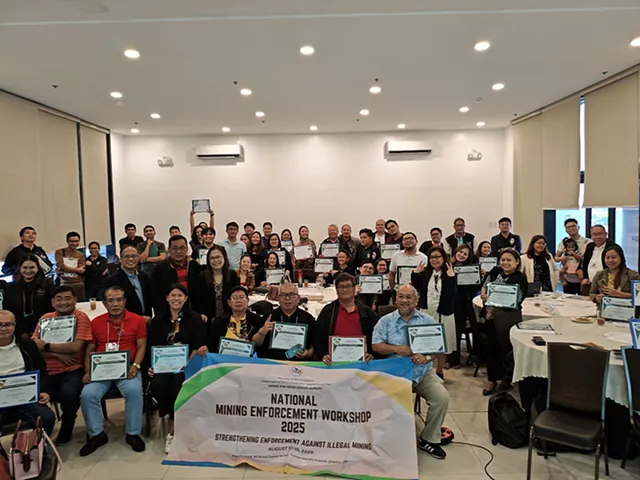
The Mines and Geosciences Bureau (MGB), through its Mining Technology Division (MTD), conducted the first National Mining Enforcement Workshop: “Strengthening Enforcement Against Illegal Mining” on August 12 to 15, 2025, at the Privato Hotel in Quezon City.

The workshop gathered MGB regional offices nationwide to boost the bureau’s enforcement capability by integrating legal strategies, inter-agency coordination and modern technology in the fight against illegal mining.

In his welcome remarks, Assistant Secretary for Mining Concerns and officer in charge of MGB, Engr. Michael V. Cabalda, stressed the need to harmonize efforts across agencies and empower MGB personnel to carry out enforcement activities.

Department of Environment and Natural Resources (DENR) Undersecretary for Organizational Transformation and Human Resources Augusto D. Dela Peña, who delivered the keynote address, emphasized the importance of strengthened coordination mechanisms across DENR offices to better enforce environmental laws.

The workshop featured presentations from MGB regional offices in Luzon, Visayas and Mindanao highlighting enforcement accomplishments, challenges and gaps. These were used as inputs for crafting national-level responses. The MTD also presented a proposed geospatial database of illegal mining sites, which will use ArcGIS Survey123 as a standardized tool for monitoring and reporting activities.

Key lectures were delivered by experts from the DENR and partner agencies. Ms. Abigail Ocate of the Artisanal Gold Council Philippines discussed the development of a National Action Plan for the artisanal and small-scale gold mining sector. Atty. Norlito A. Eneran, DENR assistant secretary for Legal Affairs and Enforcement, spoke on coordination between MGB and the Environmental Law Enforcement and Protection Service.

Atty. Gilmarie Fe Pacamarra, senior assistant state prosecutor from the Department of Justice, presented on the prosecution of mining-related offenses. Atty. Karren Cecil Panopio-Lofranco of the DENR highlighted the DENR–DOJ memorandum of agreement to strengthen the prosecution of environmental crimes.

Other speakers included Atty. Marvin Matamis from the National Bureau of Investigation, who shared best practices in surveillance and seizure operations, and Ms. Ana Karina S. Tirao from the Department of the Interior and Local Government, who underscored the role of local governments in addressing illegal mining.

For the workshop proper, participants were divided into groups and tasked to craft specific policy outputs based on the lectures and discussions. These included:

  1. Proposed amendments to MGB Memorandum Circular 2018-01 on the apprehension, seizure and confiscation of illegally sourced minerals and equipment;

  2. Draft guidelines on deputation of DENR officers for mines to standardize procedures;

  3. A proposed inter-agency coordination mechanism through a DENR-DILG-DND-DPWH joint administrative order; and

  4. Standardized legal documentation for filing mining cases in compliance with DOJ Circular No. 20.

The workshop concluded with the presentation of the outputs and the enforcement performance indicators for MGB regional offices for fiscal year 2026. In addition, participants underwent Basic Firearm Safety Training at the Philippine National Police Training Service in Camp Crame, where MGB personnel received hands-on instruction in firearm safety and self-defense.

The National Mining Enforcement Workshop reaffirmed the shared commitment of the MGB and its partner agencies to pursue stronger, coordinated and technology-driven enforcement against illegal mining across the country.

September 05, 2025

Digital Transformation at the Core of Philippine Industry 

The Philippines is entering a new era of industrial growth. In construction, infrastructure and mining, the leaders will be those who can deploy specialized, ready-to-run technology that delivers results fast. As mega-projects—from mass transport systems and energy facilities to mineral extraction sites—continue to rise, the demand for precise cost control, strict compliance and seamless operations is stronger than ever. 

Modern Construction ERP and Mining ERP solutions built with industry-specialized functionality are now mission-critical. Unlike generic systems that require long, costly customizations, these platforms come pre-equipped with the core processes and controls proven successful in similar projects worldwide—enabling shorter implementation times, lower total cost of ownership and immediate operational advantages from day one. 

In this high-stakes environment, DANAOS ProjectVIEW ERP leads the way with its enterprise-grade platform, delivering rapid deployment, quick ROI and proven workflows that allow Philippine enterprises to start gaining value almost as soon as the system goes live. 

Global Expertise, Local Impact 

With over 30 years of proven success, DANAOS Projects (www.danaos-projects.com) is the trusted ERP partner for some of the largest and most respected inland and marine contractors as well as leading mining companies across Europe and the Middle East. Our solutions are purpose-built to tackle the logistical, operational and regulatory challenges of managing multi-site, multi-region projects in both construction and mining sectors. 

Originating from Greece—a nation with a similar archipelagic and coastal geography to the Philippines—our track record spans construction, mining, oil & gas and major infrastructure projects, consistently delivering measurable results and driving operational excellence. In 2001, we were honored with the highest distinction from VINCI—one of the world’s top construction groups—in recognition of our unmatched expertise in project cost control and enterprise ERP delivery. 

Now, we bring this global expertise to the Philippines through our independent legal branch in Manila, directly backed by our Dubai, UAE headquarters. Filipino contractors and mining operators gain direct access to world-class technology, global best practices and hands-on local support—from sales and implementation to customization and ongoing post-go-live service. 

Cloud ERP for Construction and Mining industries 

Unlike generic ERP platforms, ProjectVIEW ERP is built by engineers for engineers—a construction-centric, mining-enabled, SaaS-first solution designed to serve as one centralized hub for project performance management, seamlessly aligning all project-incurred costs with financial and accounting records for complete operational and financial control. 

• 15+ fully integrated modules for cost control, budgeting, procurement, HR/payroll, machinery, project scheduling, accounting and e-invoicing 
• Hierarchical integration linking BoQ, WBS and cost modules, ensuring every project change is reflected across schedules, budgets and resources 
• Multi-currency, multi-language and AI-ready architecture for scalability and global operations 

Proven Success: EEI Corporation (Philippines) 

With a fast-track implementation pace, ProjectVIEW ERP was implemented to unify and streamline EEI’s core operations.The deployment integrated procurement and supply chain management, machinery and equipment tracking, scheduling and project cost control, BIM integration, finance and accounting, and executive reporting—all within a single centralized platform. This comprehensive approach provided real-time visibility across departments, eliminated data silos and established a unified source of truth for both operational and project performance. 

Proven Success: Saudi Constructioneers Ltd. (Saudi Arabia) 

As one of the largest and most established contractors in KSA, SAUDICO adopted ProjectVIEW ERP to unify its operations under a single, integrated platform. The implementation—enhanced with Oracle Primavera P6 integration—brought together cost control, scheduling, procurement, machinery and equipment management, finance and accounting, and compliance monitoring. This end-to-end visibility streamlined workflows, improved coordination between project teams and reinforced safety and quality management across all active sites. 

Mining ERP for the Philippine Market 

Mining operations demand far more than what a standard construction ERP can deliver. ProjectVIEW ERP is purpose-built to address these additional complexities. Its Machinery & Maintenance Management Module, enhanced with IoT and telematics, tracks equipment utilization, idle time and preventive maintenance schedules. Production tracking is seamlessly tied to BoQ structures and resource planning, enabling precise monitoring of output against targets. 

Award-Winning Security & Reliability 

ProjectVIEW ERP is backed by a proven pedigree, having received the highest distinction from VINCI in 2001 for excellence in project cost control. Its commitment to security is validated by ISO/IEC 27001 and 27018 certifications, ensuring best-in-class data security and privacy standards. A privacy-by-design architecture, complete with role-based access control and comprehensive audit trails, safeguards sensitive information. Dedicated cloud instances on Microsoft Azure deliver both performance and security, ensuring clients enjoy fast, stable and secure operations. 

Fast, Phased SaaS Deployment 

DANAOS has refined an implementation process that delivers value quickly while minimizing disruption: 

  1. Discovery & Design – Map requirements, configure compliance settings and define user roles 

  1. Phased Rollout – Deploy core modules first to accelerate ROI, followed by advanced analytics and integrations 

  1. Training & Change Management – Provide onsite and remote training, supported by a rich library of learning resources 

  1. Go-Live & Scalability – Launch on Azure-hosted infrastructure, future-ready for AI-powered enhancements and new modules 

Multi-Company, Multi-Country Ready 

For Philippine conglomerates operating both locally and abroad, ProjectVIEW ERP enables centralized oversight from Manila HQ while supporting integrated reporting across domestic and overseas projects. Its flexible architecture ensures seamless compliance with multiple jurisdictional requirements, making it ideal for diversified business portfolios. 

Future-Proofing Philippine Enterprises.  

The platform’s AI-ready architecture opens the door to predictive analytics and process automation, while its inherent scalability ensures it can grow alongside your business—whether you’re expanding project volume, geographic reach or industry scope. 

Conclusion: Build Smarter, Scale Faster 

The Philippine construction and mining sectors are entering a decisive decade. With DANAOS ProjectVIEW ERP, companies gain a partner with 30+ years of global experience, a local Manila branch, proven results with EEI and SAUDICO, and recognition from VINCI. 

This is not just software—it’s a platform for compliance, efficiency and competitive advantage. 

For inquiries and live demonstrations, reach out to our Corporate Ambassador at DANAOS Philippines in Manila, Mr. Dimitris Mitsopulos, at +63 927 7289 6952 or email sales@danaos-projects.com. 

September 05, 2025

President Ferdinand Marcos Jr. has appointed Vivencio “Vince” Bringas Dizon as the new Secretary of the Department of Public Works and Highways (DPWH), following the resignation of Manuel Bonoan on September 1, 2025.

Dizon, 51, is an economist and career technocrat who has held key roles in government over the past two decades. He is best known for his leadership as president and chief executive officer of the Bases Conversion and Development Authority (BCDA), where he oversaw the development of New Clark City and other major infrastructure projects.

He also served as presidential adviser on flagship programs under the Duterte administration and was appointed as the government’s COVID-19 testing and response chief during the pandemic. Earlier this year, he briefly headed the Department of Transportation before moving to DPWH.

Upon assuming his new post, Dizon immediately announced reforms aimed at restoring integrity in the department. He ordered courtesy resignations from all DPWH officials, dissolved the internal anti-graft body, and referred corruption probes to an independent commission. He also suspended bidding for locally funded projects pending a review of procurement systems, while allowing foreign-assisted projects to continue.

In addition, Dizon directed the Department of Justice to issue look-out bulletins against contractors and officials linked to questionable flood-control projects and vowed a lifetime ban on contractors involved in anomalous or substandard work.

The DPWH is one of the largest agencies in government and has long been under public scrutiny over allegations of graft. Dizon’s appointment is seen as a move to restore confidence and strengthen transparency in the implementation of infrastructure projects.

Known for his results-oriented style, Dizon said he is committed to ensuring that public works projects deliver both value and accountability. “We must build not only roads and bridges, but also trust in our institutions,” he said during his first week in office.

September 05, 2025

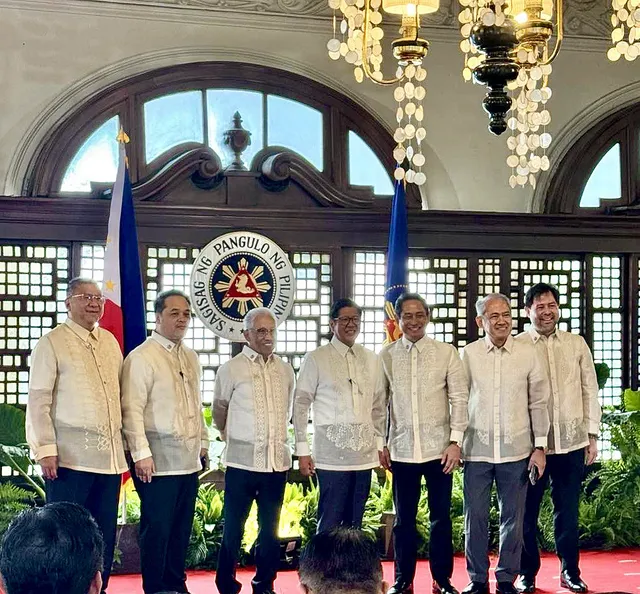
President Ferdinand R. Marcos Jr. signed into law on September 4 Republic Act (RA) 12253, or the Enhanced Fiscal Regime for Large-Scale Metallic Mining Act, a landmark measure designed to give the government and communities a bigger and fairer share of mining revenues.

In a ceremony at Malacañan Palace, the President described the new fiscal framework as a “clearer, fairer, and more responsive” system that balances the needs of people, industry, and the environment.

“Around the world, the demand for minerals is surging. These minerals are the building blocks of a green and digital economy—needed for batteries, solar panels, and other vital components of clean energy,” Marcos said. “We are blessed because the Philippines is rich in such resources.”

The new law simplifies and rationalizes the fiscal regime for large-scale metallic mining, introducing a five-tier margin-based royalty ranging from 1 percent to 5 percent on income from mining operations outside mineral reservations, with a minimum 0.1 percent royalty for low-margin mines. It also establishes a five-tier windfall profits tax of 1 percent to 10 percent, along with new limits on debt deductions and a “ring-fencing” rule to prevent firms from offsetting losses across different projects.

Finance officials project that RA 12253 could generate an additional ₱25.08 billion in revenues between 2026 and 2029, or an average of ₱6.26 billion annually.

The law retains existing levies such as the 25 percent corporate income tax, 4 percent excise tax, 5 percent royalty for mines inside mineral reservations, and the minimum 1 percent royalty for indigenous peoples. It also introduces transparency measures, including monitoring of mineral sales, public disclosure of mining data, and the creation of a multi-stakeholder accountability group.

Industry leaders welcomed the long-awaited reform.

“We welcome the passage of this tax measure as it brings clarity to the government’s revenue share and will encourage more investments in mining and value-added processing,” said Dante Bravo, president of Global Ferronickel Holdings Inc.

The Chamber of Mines of the Philippines (COMP) called the law a “crucial step” toward a stable, transparent, and competitive fiscal environment.

“Increased taxation is inevitable. What this law provides is predictability and consistency, which are essential for long-term planning,” COMP said in a statement. “This policy milestone comes at a pivotal moment as the Philippines seeks to position itself as a reliable source of essential minerals for the global energy transition.”

Beyond revenues, RA 12253 also earmarks 10 percent of royalties from mines inside mineral reservations to fund mineral valuation laboratories, exploration, and new tools for tax monitoring. It streamlines the disbursement of local government shares from mining taxes, a process that has often been delayed.

Marcos said the measure strengthens not just the fiscal system but also the country’s bid to harness its mineral wealth responsibly.

“This is another step toward building a more resilient and inclusive Bagong Pilipinas,” the President said.

September 05, 2025

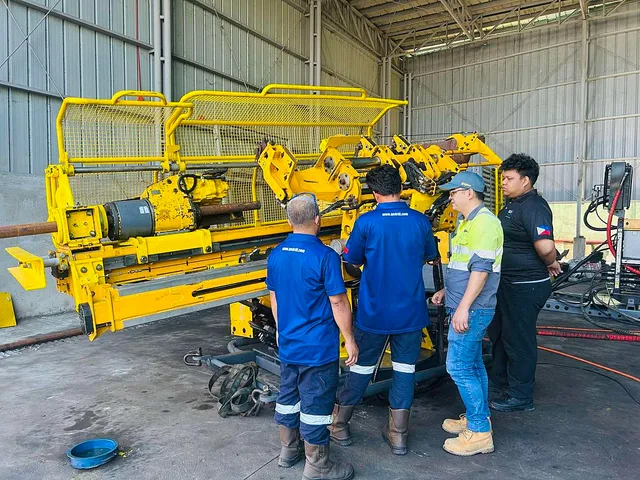
Epiroc Philippines has strengthened its partnership with Quest Exploration Drilling (Philippines) Inc. (QED) through a two-week technical and product training program on remote control systems (RCS) and Diamec rigs. The training was held at QED’s head office in San Pedro, Laguna, from April 21 to May 2, 2025.

According to Michael Kevin Doctor, business manager of the Parts and Services Division, the initiative is part of Epiroc’s broader aftermarket services strategy, which places strong emphasis on regional support, sustainability and technology-driven growth.

Across Asia-Pacific, Epiroc has structured its Parts and Services divisions to bring technical expertise closer to customers while promoting circular solutions such as component remanufacturing, midlife rebuilds and battery conversions. These sustainability-focused efforts extend the life of equipment, lower total cost of ownership and reduce environmental impact.

“By investing in training, we are equipping local teams with the skills to deliver high-quality service and support,” Doctor said. “In the Philippines, where mining and infrastructure are rapidly evolving, building a skilled workforce is essential for long-term partnerships rather than just transactional interactions.”

Comprehensive training modules

The training was led by Glaser Claver, regional technical support specialist from Epiroc’s Parts and Services Division for APAC. It covered both classroom and hands-on modules.

The RCS sessions introduced participants to CANBUS technology, system hardware and software, safety protocols and analytical troubleshooting. For product-specific learning, technicians were trained on the Diamec U6 and U8 rigs, covering machine safety, control systems, hydraulic and electrical functions, as well as troubleshooting methods.

QED technicians highlighted the value of understanding how RCS improves safety and efficiency compared to older systems. The ability to diagnose issues quickly and eliminate “live work” in hazardous zones was noted as a game-changer.

One participant remarked that the training “equipped us with skills we can apply immediately in the field, making operations safer and minimizing downtime.”

Performance and safety gains

Epiroc explained that training investments are designed to deliver tangible improvements across performance, safety and productivity. Skilled technicians help maximize equipment utilization, reduce unscheduled maintenance and apply best practices that boost production.

At the same time, safety is reinforced through training on machine protocols, zero-energy maintenance procedures and the use of remote diagnostics to keep personnel out of high-risk areas.

For QED, the training is expected to translate into higher reliability of rigs in the field, safer working conditions and improved productivity. “The skills gained by our technicians will directly enhance performance and safety in drilling operations,” a QED official said.

Strategic significance of partnerships

Industry leaders agree that partnerships with technology providers such as Epiroc are critical for staying competitive in the mineral exploration sector. As automation, digitalization and sustainability reshape the industry, collaboration ensures that contractors like QED can adopt cutting-edge solutions without heavy R&D costs.

“Epiroc’s smart equipment and digital solutions—such as autonomous rigs and battery-powered machines—help improve precision and reduce downtime in remote or challenging environments,” Doctor said. “These partnerships create a feedback loop where field data informs product development, driving continuous improvement on both sides.”

Looking ahead

Epiroc confirmed that the QED training program is designed to be scalable and adaptable, with potential to extend to other contractors in mining and construction. Plans for advanced training modules are already being discussed, with follow-up evaluations scheduled to monitor how QED’s trained personnel are applying their skills in the field.

“This is just the beginning,” Doctor said. “Our collaboration with QED will continue, ensuring their teams stay ahead in terms of performance, efficiency and safety."

September 05, 2025

The Philippine metallic mining industry posted double-digit growth in the first half of 2025, powered by record-breaking gold prices that more than offset weaker nickel markets.

Data from the Mines and Geosciences Bureau (MGB) showed that the sector’s total value rose 15.1 percent to ₱135.62 billion from ₱117.78 billion a year earlier. The increase of ₱17.84 billion was largely credited to the remarkable performance of gold, supported by silver and copper.

Gold prices consistently traded above $3,000 per troy ounce and hit an all-time high of $3,354.35 in June. Silver mirrored the momentum, climbing to $35.86 per troy ounce. Copper averaged $4.28 per pound, up 6.6 percent year on year. Nickel, however, slipped to an average of $6.98 per pound as oversupply and weaker demand weighed on the market.

“Investors have flocked to gold as a safe-haven asset amid geopolitical tensions, tariff uncertainties and sustained central bank buying,” said a senior industry official who requested anonymity.

Precious metals dominate

Gold and silver remained the backbone of the sector, contributing nearly 60 percent of total metallic output, or ₱81.21 billion. Nickel and its by-products came second at ₱39.87 billion, while copper generated ₱13.71 billion. Chromite and iron ore together made up less than 1 percent.

Gold output rose 6.2 percent to 14,493 kilograms, with its value surging 45.6 percent to ₱79.82 billion. The top producers were Philippine Gold Processing and Refining Corp. in Masbate, OceanaGold Philippines Inc. in Nueva Vizcaya and Apex Mining Corp. in Davao de Oro.

The Bangko Sentral ng Pilipinas also ramped up purchases, buying 4,371 kilograms valued at ₱24.18 billion, further boosting demand.

At the regional level, the Bicol Region, Cagayan Valley and Davao Region emerged as leading gold producers, with much of the output shipped overseas to Switzerland, Hong Kong and India.

Silver production also improved, rising to 24,038 kilograms valued at ₱1.39 billion, up from ₱1.14 billion a year earlier. TVI Resources Development (Phils.) Inc.’s Balabag Project led production, followed by Apex Mining and OceanaGold.

Nickel under pressure

While precious metals thrived, nickel mining struggled. The combined value of nickel ore, mixed nickel-cobalt sulfide (MNCS) and scandium oxalate fell by ₱7.55 billion to ₱39.87 billion. Direct shipping ore volumes dropped almost 24 percent to 12.12 million dry metric tons (DMT).

Caraga, the country’s nickel hub, produced the lion’s share at 36.6 percent, followed by Eastern Visayas, Central Luzon, Mimaropa, Davao and Cagayan Valley. Several companies reported steep declines, including Rio Tuba Nickel Mining Corp., which cut output by more than half, while Citinickel Mines and Development Corp. recorded no production.

China and Indonesia remained the top destinations for Philippine nickel, with Indonesian imports rising to feed its growing smelter industry.

Copper steady, chromite falls, iron ore rises

Copper output fell 15.2 percent to 120,389 DMT, but higher prices lifted its value slightly to ₱13.71 billion. Carmen Copper Corp. accounted for more than half of the country’s total copper output, though its production fell sharply. OceanaGold’s output rose, offsetting declines from Philex Mining and Carmen Copper.

Chromite production slid 37 percent in volume and 44 percent in value, while iron ore was the lone bright spot outside precious metals. Ore Asia Mining & Development Corp.’s Camachin Project in Bulacan doubled its production, pushing iron ore value to ₱248.67 million.

Government revenue climbs

The government collected an estimated ₱3.11 billion in excise taxes from mining in the first half of the year, led by gold mines at ₱1.62 billion. Nickel contributed ₱890 million, copper ₱560 million, and chromite and iron ore ₱40 million combined.

Royalties from mineral reservation areas amounted to ₱940.24 million, distributed between the national and local governments under existing mining laws. OceanaGold alone paid nearly ₱467 million in additional government shares under its financial and technical assistance agreement.

Potential still untapped

Despite the strong numbers, MGB data showed only 2.62 percent of the country’s total land area is covered by mining tenements, equivalent to about 787,279 hectares. This is a fraction of the nine million hectares identified as having high mineral potential.

“The Philippines remains under-explored compared to its neighbors,” said one mining executive. “Unlocking this potential responsibly could further strengthen our role as a key supplier of critical minerals for the global energy transition.”

September 05, 2025

A major milestone in Philippine infrastructure was reached on Friday, Aug. 29, 2025, as the Department of Public Works and Highways (DPWH) held a ceremonial breakthrough for the southbound tunnel of the Davao City Bypass Construction Project (DCBCP), marking the successful connection of its north and south ends.

The 2.3-kilometer tunnel, a centerpiece of Contract Package 1-1, forms part of the 45.5-kilometer Davao City Bypass and is the first long-distance mountain road tunnel in the Philippines. The event took place at the project’s south portal in Barangay Waan, Davao City, drawing key Philippine and Japanese officials, stakeholders and project partners.

Leading the ceremony were DPWH Senior Undersecretary Emil K. Sadain and Undersecretary Eric A. Ayapana, joined by Second Secretary Akito Kinoshita of the Embassy of Japan in the Philippines, Consul General Ono Hirotaka of the Consulate General of Japan in Davao, Japan International Cooperation Agency (JICA) Senior Representative Keisuke Fukui, Mindanao Development Authority Undersecretary Janet M. Lopoz, and DPWH Roads Management Cluster 1–Unified Project Management Office Project Director Benjamin A. Bautista.

In a speech delivered during the ceremony, Sadain conveyed the message of DPWH Secretary Manuel M. Bonoan, emphasizing that the achievement marks another step toward President Ferdinand R. Marcos Jr.’s goal of improved regional connectivity and national development.

“We are grateful for the unwavering support of the Government of Japan through JICA, whose official development assistance has been instrumental in achieving this milestone,” Sadain said.

Sadain further stressed that JICA’s continued support reinforces the long-standing ties between the Philippines and Japan and plays a vital role in advancing a more resilient and inclusive Bagong Pilipinas.

He underscored the significance of the breakthrough, noting that the construction of the country’s first long-distance twin-tube mountain road tunnel, which features cutting-edge technologies, proves the national government’s steadfast mission and commitment to “Build Better More.”

Also in attendance were UPMO Bridges Management Cluster Director Rodrigo I. Delos Reyes; DPWH Regional Office 11 Director Juby B. Cordon; Stakeholders Relations Service Director Randy R. Del Rosario; Shimizu Corp. Deputy Director Masanobu Sakamoto; Nippon Koei Director General Nobuyuki Shibasaki; UPMO project managers Joselito B. Reyes, Joweto V. Tulaylay, Emmanuel Regodon, Florence A. Sawali, Lydia Barsolaso and Najar S. Imbin; Davao City 3rd District Engineer Lilibeth M. Sarmiento; DPWH Region 11 Quality Assurance and Hydrology Division Chief Rowena P. Jamito; and UPMO project engineers Juan M. Diña Jr. and Earl Nicholas F. Rada.

The celebration follows the completion of excavation works on the northbound tunnel in April 2025 and marks another milestone toward the full completion of the twin-tube tunnel, each with a 10-meter diameter. Civil works began in December 2020 at the height of the COVID-19 pandemic, with ceremonial kickoffs at the north and south portals held in 2021 and 2022.

Contract Package 1-1, awarded to the Shimizu–Ulticon–Takenaka Joint Venture, includes the construction of 10.7 kilometers of four-lane highway, the 2.3-kilometer tunnel, three river-crossing bridges, two underpasses and six access roads. To date, the package is more than 61 percent complete and is targeted for completion by October 2026.

To highlight the strong partnership, the event featured the traditional Japanese kagami wari — the ceremonial breaking of a sake barrel that symbolizes harmony, good fortune and new beginnings.

As work continues across the remaining five contract packages of the bypass, this milestone reflects the resilience, collaboration and shared vision driving the development of a stronger, more connected and inclusive Bagong Pilipinas.

Funded through JICA Loan Agreements PH-P261 and PH-P273, with counterpart funding from the Philippine government, the bypass project has completed 9.62 kilometers to date, with 26.12 kilometers under active construction.

  • Contract Package 1-2 (Sta. 0+000 to Sta. 12+800) covers 11.9 kilometers of roadway with seven bridges and one underpass. Completion is scheduled for November 2027.

  • Contract Package 1-3 (Sta. 23+500 to Sta. 29+700) directly connects to the tunnel and features 5.5 kilometers of road, one bridge and two cut-and-cover tunnels. Completion is targeted for December 2026.

  • Contract Package 2-1 (Sta. 29+600 to Sta. 32+300) includes 1.4 kilometers of road and seven bridges totaling 1.3 kilometers in length. It is expected to be delivered by January 2026.

  • Contract Package 2-2 (Sta. 32+300 to Sta. 35+800) involves 2.5 kilometers of road, seven bridges, three overpasses and one box culvert. It is set for completion by July 2026.

  • Contract Package 2-3 (Sta. 35+800 to Sta. 45+457.91), still in procurement, will cover 9.3 kilometers with six bridges, seven box culverts and one overpass.

Despite challenges such as shifting weather patterns and difficult geotechnical conditions, DPWH said it remains committed to completing the project by 2028 within Marcos’ term.

September 02, 2025

Silangan Mindanao Mining Co., Inc. (SMMCI) recently welcomed the Barangay Local Government Unit of Macalaya, led by Barangay Captain Archelle Ongayo and his council, for a full-day site learning visit at the Silangan Project.

The visit was designed to give the barangay officials a firsthand look at the mine’s ongoing development, safety protocols, and commitment to transparency.

The day began with a safety orientation and company policy briefing before the group proceeded underground. There, Mine Superintendent Engr. Gonzales walked them through mining operations and key milestones.

The officials witnessed two recent achievements hailed as engineering feats for SMMCI: the connection of Shaft 2 bottom to the main exhaust drive and the completion of the South ore perimeter drive to the main exhaust drive. The council also toured the refuge chamber, where they learned about its role in protecting workers during emergencies.

Back on the surface, the group visited the process plant area, where Engr. Caturan guided them through the facilities under construction, explaining how the plant will function once completed. At the High Voltage Switchyard, Engr. Gozon detailed how the project will source its power.

The final leg of the tour brought the visitors to the Tailings Storage Facility in Sison. TSF Superintendent Engr. Anyog explained how the site will responsibly manage and store tailings from the process plant, assuring the officials of the project’s commitment to environmental safeguards.

Throughout the day, SMMCI’s technical team openly addressed questions from the barangay council, underscoring the company’s pledge to transparency and dialogue.

“For us, it is important that our leaders and stakeholders see what is happening on the ground,” an SMMCI representative said. “We want them to understand that responsible and principled mining guides everything we do.”

Barangay Captain Ongayo, who led the delegation, said the visit helped them better appreciate the scale and safeguards of the Silangan Project. “This experience gave us confidence that the company values safety, responsibility, and open communication with the community,” he said.

By opening its operations to scrutiny and engagement, Silangan Mining aims to strengthen trust with its host communities while moving forward with one of Mindanao’s most significant mining projects.

September 01, 2025

Silangan Mindanao Mining Co., Inc. (SMMCI) marked another milestone on Thursday, August 28, 2025, completing the long-planned tunnel connection to the Exhaust Drive and establishing the project’s full underground ventilation series.

The achievement, considered a critical safety and engineering requirement, was reached earlier than expected. Originally scheduled for September 6, the breakthrough was completed at 12:20 p.m. on August 28.

“This is not just an engineering feat—it’s a commitment to our people,” SMMCI said in a statement. “After all, the most important thing to come out of the mine is the miner.”

The breakthrough links the Level 95 underground workings to Shaft 2 bottom, which will serve as the main exhaust shaft of the mine. While Shaft 2 has not yet been activated for exhausting air, the tunnel now provides a crucial pathway for used air to exit the mine. Once the remaining drives from the South Ore perimeter are completed, the full ventilation cycle will be operational.

Just hours after connecting Shaft 2 to the Exhaust Drive, another team completed the South Ore perimeter drive, achieving back-to-back breakthroughs ahead of schedule. These were made possible through the coordinated efforts of the survey team led by Engr. Benzyl Moran Metran, Mine Division Manager Engr. Efren R. Buada Jr., Operations Manager Engr. Wilfredo Mariano, and the support of the Mine Engineering, geology, and dewatering departments.

Prior to the breakthrough, Philex Mining Corporation and SMMCI President and CEO Engr. Eulalio B. Austin Jr. conducted his regular monthly site walk at the Silangan Project. Donning boots and a hardhat, Austin reviewed underground progress with the technical team and project leaders, underscoring his hands-on leadership style.

His visit came as construction advances on several fronts: the nearing completion of the tailings storage facility in Sison, the build-out of the process plant, and the underground development of the Sta. Barbara 1 deposit, where fresh ore production is targeted by late 2025.

Austin reaffirmed that the Silangan Project remains on track to be commissioned by the end of this year, with first metals expected by March 2026. “We want to deliver a world-class project that meets the highest standards of efficiency, safety, and environmental responsibility,” he said.

Beyond technical achievements, the company emphasized its broader mission to create opportunities for local communities, strengthen partnerships with host local government units, and contribute meaningfully to the Philippine economy.

With its vast copper and gold deposits, SMMCI sees Silangan as a “blueprint for progress” — a venture that aspires to global competitiveness while practicing responsible mining and sharing long-term prosperity with its stakeholders.

September 01, 2025

Weir has signed a strategic collaboration agreement with MINEXXT Inc. to push forward sustainable solutions in thickened and paste tailings management, a move that underscores the company’s drive to remain a global leader in the field.

Under the agreement, Weir will integrate MINEXXT’s patented thickening technology into its global tailings portfolio. The innovation is designed to improve performance in managing thickened and paste tailings, helping mining operators achieve safer, more efficient, and more sustainable outcomes.

Executives from both companies said the partnership represents more than a business deal—it’s about leveraging complementary strengths to solve one of mining’s toughest challenges.

“Collaborating allows innovative companies such as Weir and MINEXXT to access a broader and more knowledgeable resource pool,” said Mike Cook, managing director of MINEXXT Inc.

“By combining our extensive experience with advanced technologies, we can deliver proven and practical solutions that help clients optimize their operations," Cook added.

Erik Vlot, Weir’s global tailings process director, agreed with Cook's statement, saying that the value of this cooperation lies in gaining access to world-class thickening technology. 

“Thickening will remain an essential part of tailings flowsheets, and MINEXXT’s patented feedwell technology helps address the challenge of handling fines and ultra-fines," Vlot said.

Early collaboration projects are already underway in Australia and Kazakhstan, with both companies expecting more opportunities to follow as the relationship deepens.

The partnership reflects a shared commitment to smarter, more sustainable approaches to tailings management—an area of increasing importance as the mining sector faces mounting environmental and regulatory pressures worldwide.

Managing mine tailings—the waste materials left after ore processing—has become one of the biggest challenges in modern mining. Beyond the safety risks of dam failures, tailings carry major environmental and regulatory pressures for companies worldwide.

Against this backdrop, engineering giant Weir has signed a strategic collaboration agreement with MINEXXT Inc. to advance sustainable solutions in thickened and paste tailings management.

Founded in 1871, The Weir Group PLC has grown into one of the world’s leading engineering businesses, employing about 12,000 people across more than 50 countries. Its technologies help mining and infrastructure customers produce essential resources with less energy, water, and waste, while lowering costs.

With demand for metals critical to economic development and the global energy transition on the rise, Weir is positioning itself at the forefront of sustainable mining innovation.

August 29, 2025

The Department of Public Works and Highways (DPWH) reaffirmed its commitment to further strengthening infrastructure development in the country through its robust partnership with the Japan International Cooperation Agency (JICA), following a high-level meeting with Japanese parliamentarians on August 27, 2025.

DPWH Senior Undersecretary Emil K. Sadain, who oversees infrastructure flagship projects funded through official development assistance, expressed deep appreciation on behalf of Secretary Manuel M. Bonoan to the Japanese delegation. He emphasized that continued collaboration with Japan, through JICA, is steadily bringing significant improvements to the nation’s infrastructure in line with the Bagong Pilipinas vision of President Ferdinand R. Marcos Jr.

“Through the partnership with the government of Japan through JICA, we are seeing tangible progress for a future-ready Philippines such as the Davao City Bypass Construction Project, which includes the country’s first long-distance road tunnel system at 2.3 kilometers, constructed through mountainous terrain that is reshaping the infrastructure landscape of the Philippines,” Sadain said.

The Japanese delegation at the roundtable meeting held at Hotel Okura Manila was led by Obuchi Yuko, chairperson of the Parliamentary Group of JICA and member of the House of Representatives. She was joined by six other members of the Parliamentary League: Takeuchi Yuzuru, Nakatani Shinichi, Suzuki Takako, Kaneko Emi, Ejima Kiyoshi, and Sakurai Shu.

Also present were Japanese Ambassador to the Philippines Endo Kazuya, JICA Senior Vice President Oba Yuichi, and JICA Philippines Chief Representative Baba Takashi.

Other Philippine government officials in attendance included Department of Transportation Secretary Vince Dizon, Philippine Coast Guard Commandant Ronnie Gavan, Department of Economy, Planning and Development Undersecretary Joseph Capuno, and Department of Budget and Management Undersecretary Rolando Toledo.

During the meeting, Sadain presented updates on 21 JICA-assisted projects under the DPWH portfolio.

These include five completed projects costing ₱61.468 billion: the Program for the Support to the Rehabilitation and Reconstruction of Marawi City (Grant Aid), the Road Upgrading and Preservation Project, the Flood Risk Management Projects for the Cagayan, Tagoloan and Imus Rivers, the Flood Risk Management Project for the Cagayan de Oro River, and the Arterial Road Bypass Project Phase III.

Six projects with a total value of ₱188.75 billion are under construction. These include the Pasig-Marikina River Channel Improvement Project Phase IV, the Central Luzon Link Expressway Phase I, the Davao City Bypass Construction Project, the Cavite Industrial Area Flood Management Program, the Road Network Development Project in Conflict-Affected Areas in Mindanao, and the Metro Manila Priority Bridges for Seismic Improvement (Guadalupe and Lambingan Bridges).

Three projects with a total cost of ₱147.82 billion are moving toward civil works, such as the Cebu-Mactan 4th Bridge and Coastal Road, with detailed engineering design completed. The detailed engineering design of the proposed Dalton Pass East Alignment Road is under procurement and targeted to commence in 2026. Updating the detailed engineering design for the Metro Manila Interchange Construction Project Phase VI is also a priority.

Meanwhile, seven new projects with a tentative cost of ₱525.365 billion are under various stages of preparatory and feasibility study, detailed engineering design, ICC Technical Board evaluation, and loan processing.

Proposed new initiatives under JICA cooperation include the Parañaque Spillway/Tunnel Project (feasibility study completed); the 2nd San Juanico Bridge Project (ongoing feasibility study and preparatory survey under a grant); the EDSA Transport Road Network Rehabilitation Project (for feasibility study and design updating); the Central Mindanao High Standard Highway Construction Project (11.73-kilometer Cagayan de Oro-Malaybalay section); the Davao City Flood Control and Drainage Project (ongoing preparatory study); the Pasig-Marikina River Channel Improvement Project Phase VI (ongoing technical grant study); and the Rehabilitation, Reconstruction, Improvement and Operation & Maintenance of Kennon Road (ongoing pre-feasibility study).

With infrastructure at the forefront of Japan’s continued support for the Philippines’ development agenda, the strategic collaboration between JICA, DPWH and other government agencies will play a key role in delivering resilient and sustainable projects under the “Build Better More” program.