

June 23, 2025

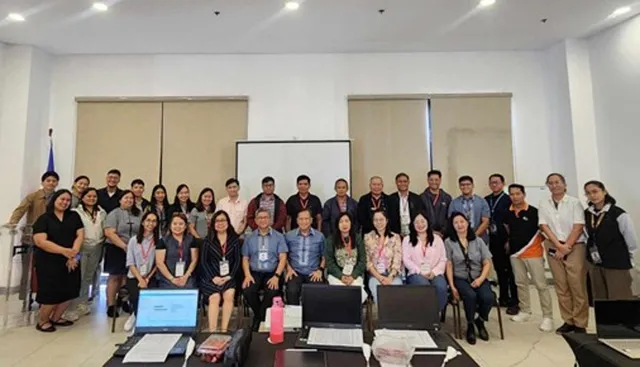
The Mines and Geosciences Bureau (MGB) Central Office, through its Mining Tenements Management Division (MTMD), conducted a three-day Capacity Building Workshop for Mine Management Division (MMD) Chiefs of Regional Offices on May 21–23, 2025, in Privato Hotel, Quezon City.

With the theme “One Vision, One Standard: Rebuilding Institutional Competence in Mining Tenement Management,” the workshop served as a platform to update and strengthen technical and regulatory practices in the evaluation of mining applications, compliance monitoring, and implementation of mining tenement laws and regulations.

The activity officially opened with a message from Engr. Teodorico A. Sandoval,
OIC-Assistant Director of MGB, who emphasized the importance of unified standards and coordinated implementation across MGB offices. Over the course of the workshop, participants engaged in knowledge-sharing sessions, discussions on relevant policies, and collaborative planning for sustained operational consistency.

The interactive sessions provided an opportunity to revisit key procedures, share field experiences, and identify areas for continuous improvement. Central and Regional Offices reaffirmed their shared commitment to ensuring that mining tenement processes are administered with integrity, transparency, and efficiency.

In his closing message, Engr. Danilo D. Deleña, Chief of MTMD, expressed his appreciation for the active participation of the MMD Chiefs and underscored the importance of institutional collaboration and ongoing capacity development.

The workshop concluded with a unified resolve to support responsible mineral resource development and promote good governance in tenement administration nationwide.

June 23, 2025

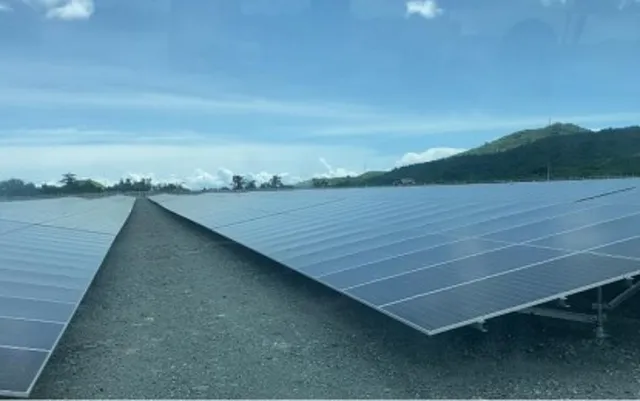
Mining and processing companies operating at the Masbate Gold Project are stepping up their shift to renewable energy by expanding solar panel installations on-site.

Filminera Resource Corporation (FRC) Mining Manager engineer Renel Jose Banzon said Friday that 16,000 solar panels have been installed as part of their sustainability efforts with Philippine Gold Processing and Refining Corp. (PGPRC), aiming to cut carbon emissions and fuel consumption.

“The solar panels are expected to generate 8.2 megawatts of electricity and will reduce carbon dioxide emissions by approximately 8,500 tons per year,” Banzon said.

He said the switch to solar power could save up to 3.3 million liters of fuel annually, translating to about USD2.7 million in cost savings.

“This initiative is part of the companies' commitment, mainly PGPRC, to generating clean energy. The solar farm project is installed on 8.7 hectares land owned by Filminera,” he said.

“With this, we’ll reduce our daytime use of generator sets from five to about four."

The project builds on the 2,000 rooftop panels already installed across five buildings, which generate 1.3 megawatts of electricity.

Banzon said the solar farms were installed late last year and are on track to be fully operational by August.

FRC Compliance Manager, lawyer Charles Edmund Atienza, said PGPRC is working with the Environmental Management Bureau (EMB) to secure the required environmental compliance certificate.

“This solar farm project is initiated by PGPRC, which holds the permit to process the ores mined at the Masbate Gold Project. To achieve our goal of integrating renewable energy, we initiated this solar farm project as a step towards reducing our dependence on fossil-fuel generators,” Atienza said.

Filminera is also open to allocating additional land should PGPRC decide to expand the solar farm further.

“We’re confident about hitting our August launch target. The project is moving as planned, and no delays are expected at this point,” Atienza said.

June 17, 2025

This premier summit serves as a vital platform uniting government leaders, engineers, urban planners, academics, investors, and innovators with one shared mission: to transform the nation’s transportation landscape into one that is modern, inclusive, and disaster-resilient.

The two-day event will highlight key infrastructure developments, emerging technologies, policy frameworks, and financing strategies shaping the future of transportation in the Philippines and across the region.

🔗 Pre-register here: https://bit.ly/4jkEyBw
📩 For inquiries, feel free to contact us directly.

For Sponsorship Opportunities:
Ms. Ailyn Mars – International Sales Manager
📱 +63 955 235 9566 (Viber/WhatsApp: Abby Garcia, EA)
📧 ailyn@mykar-events.net

For Speaking Opportunities:
Ms. Cath Magana – Senior Conference Event Producer
📞 +63 2 7002 0873 | +63 995 458 2535 (Viber/WhatsApp)
📧 cath@mykarevents.net / cath.mykar@gmail.com

Don't miss this opportunity to connect, learn, and collaborate with leading minds in infrastructure development.

🌐 Website: https://bit.ly/4eqTNHV
📘 Facebook: https://bit.ly/3KNn1mL
June 17, 2025

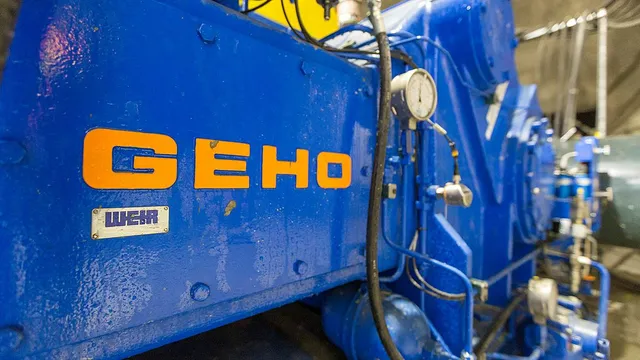
Weir has been selected by Codelco, the world’s largest copper producer, to supply the tailings transport solution for the Talabre tailings dam expansion project in the Atacama region of Chile. The brownfield expansion project will combine the thickened tailings streams from three major mines in the area: Ministro Hales, Chuquicamata, and Radomiro Tomic. The expansion is expected to have a total productive life of 20 years, and handle a slurry thickened to ca. 70% solid content – creating the opportunity to reuse process water and increasing the safety and stability of the storage facility.

The Weir solution includes a combination of GEHO positive displacement pumps and WARMAN centrifugal pumps to handle the large volume and high solid content of tailings from the three mines. With the full process enabled with NEXT intelligent digital solutions, the combined equipment will transport over 10 thousand dry tons per hour using less energy than other available solutions.

The initial £40m contract awards will be booked in Q2 2025. In total, the contracts represent the single largest order for Weir’s GEHO pumps, underlining the benefits of this technology for large scale, energy-efficient tailings transportation. We expect revenue to be recognised over the course of Q4 2025 and early 2026 in line with project cut-off dates. After commissioning of the equipment, aftermarket support will be provided locally via Weir’s strong service centre presence in the region.

The receipt of orders associated with the contract award do not result in a change to Weir’s full year 2025 financial guidance as of 24 April 2025.

Commenting on the contract awards, Jon Stanton, Chief Executive Officer said:

“We are delighted to have secured these significant contracts for our tailings management solutions, which include both our market leading GEHO and WARMAN ranges that provide energy-efficient tailings transportation at scale. Our engineers have developed a differentiated solution, particularly addressing Codelco’s stringent sustainability goals for operating in the water-scarce climate and geology of the Atacama region. Our proven experience on large scale tailings operations as well as local presence mean Codelco can come to expect the world class service Weir is known for.”

June 17, 2025

Industry decision-makers from the country’s most asset-intensive sectors will gather at APM LEAD 2025, the annual conference and exhibition on Asset Performance Management (APM), from July 28 to 30, 2025 at SPACE at One Ayala, Makati City. This year’s theme, “Synergize: Building Asset Value through a Unified Vision of Finance and Plant Management,” highlights the critical need to align financial strategy and operational execution for long-term asset performance and value.

APM LEAD 2025 serves as a strategic platform for professionals in power generation, energy, manufacturing, mining, utilities, and transportation. It brings together financial executives, plant managers, engineers, and reliability experts to address key challenges in asset management and planning.

A major highlight is the Fireside Chat featuring Arnel Santos, President and CEO of JG Summit Olefins Corporation, sharing insights on engineering leadership amid rapid change, including AI adoption, real-time asset monitoring, and predictive decision-making.

This year also introduces two high-level Thought Leadership Presentations. Shireen Prince, Chief Asset Management Officer of Aboitiz Power, will explore asset investment strategies, digital twins, and the role of data in modern maintenance. Juan Roy, Board Chair of the Philippine Society for Talent Development (PSTD) and CEO of the Regenerative Transformation Institute, will discuss the intersection of leadership development and sustainable transformation in industry.

Attendees will engage in three concurrent workshops, led by Antoni Gil Pujol, CEO and Main Coach of Peak Resilience Pte Ltd; Ana Candelaria, Asset Management AVP of Aboitiz Power; and a third speaker to be announced.

“Operational excellence and financial stewardship are no longer separate conversations,” said Erwin Bernal, Conference Producer of APM LEAD. “This event unites both sides—finance and operations—to jointly lead discussions on asset value and long-term strategy.”

APM LEAD 2025 offers plenary sessions, real-world case studies, solution showcases, and networking opportunities, enabling attendees to learn and connect with peers and solution providers shaping the future of asset performance.

The conference is organized by Erudite Reliability Services OPC, in collaboration with industry groups including the Semiconductor and Electronics Industries in the Philippines Foundation, Inc. (SEIPI), the Philippine Nickel Industry Association (PNIA), the Association of Maintenance and Reliability Practitioners of the Philippines (AMRPP), and World Partners in Asset Management (WPiAM).

Registration and sponsorship opportunities are now open. For details, visit www.apmleadcon.com.ph
June 17, 2025

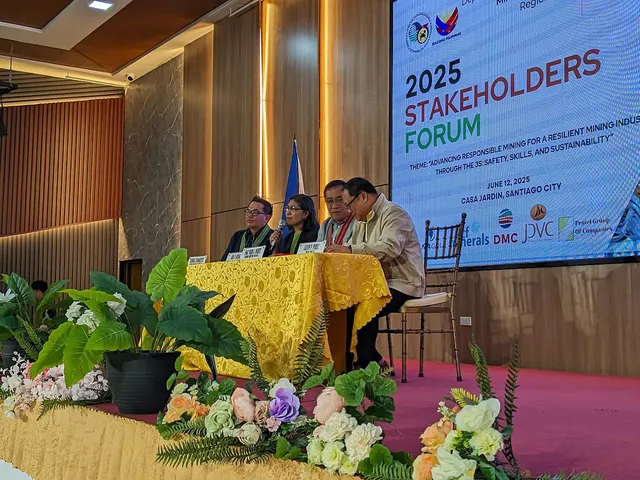
The Dinapigue Mining Corporation (DMC) operating in Isabela has reaffirmed its commitment to responsible mining, assuring the public of its compliance with environmental regulations and dedication to community safety.

The mining firm, a subsidiary of Nickel Asia Corp. (NAC) and based in Dinapigue town, is a diversified natural resources company. Its portfolio includes seven operating nickel mines and a rapidly growing renewable energy arm. 

At the 2025 Stakeholders Forum organized by the Mines and Geosciences Bureau (MGB), DMC Safety Manager Averee Molina clarified that the company’s operations are outside the buffer zones and the Northern Sierra Madre Natural Park. 

She emphasized that mining activities comply with Philippine laws and are monitored by the appropriate government agencies.

MGB Regional Director Mario Ancheta stated that the company has obtained permits to conduct mining operations and tree-cutting activities within a designated 15-hectare area, situated 1.1 kilometers from the protected zone.

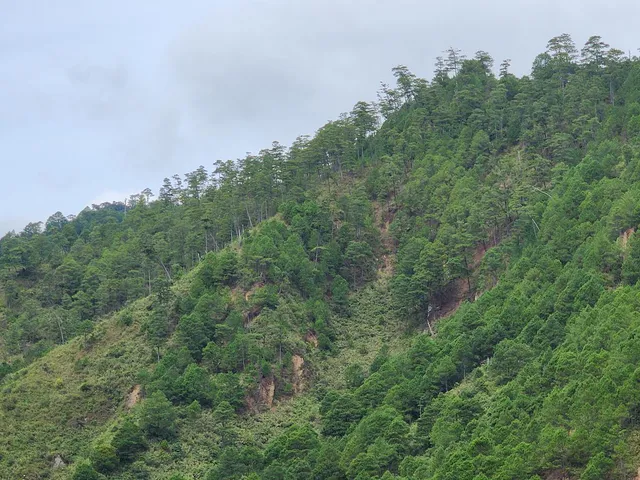
“As part of site preparation, approximately 12,000 trees, including small ones, have been cut. DMC is required to plant 100 trees for every one cut,” Ancheta said.

“Reforestation has already begun in non-operational and buffer areas,” he said, noting a memorandum of agreement between DMC and the Department of Environment and Natural Resources. 

The agreement, he added, mandates the reforestation of 1,299 hectares across the Cagayan Valley Region – 125 hectares in Cagayan, 904 in Isabela, 60 in Nueva Vizcaya, and over 200 in Quirino.

Ancheta also assured the public that communities near mining sites in the Cagayan Valley Region remain safe, adding that the Multipartite Monitoring Team (MMT) strictly oversees operations to ensure compliance with the Financial or Technical Assistance Agreement (FTAA). (OTB/TCB/PIA-2, Quirino)

June 12, 2025

Celsius Resources Limited is pleased to announce that its Philippine subsidiary, Makilala Mining Company, Inc., following a competitive bidding process, has engaged DrillCorp Mining Resources and Construction Corp. (“DrillCorp”) to undertake Geotechnical and Hydrogeological Drilling for the company’s flagship Maalinao-Caigutan-Biyog Copper-Gold Project (“MCB” or the “Project”).


The geotechnical and hydrogeological drilling program, which will commence in mid-June, will cover approximately 2,300 meters at an estimated cost of PHP 33 million (~AUD 925k). The program is designed to generate detailed subsurface models and data to further optimise the underground mine plan, process plant layout, and surface infrastructure design. These outcomes will directly inform the updating of the Feasibility Study and the Front-End Engineering and Design (FEED) phase.

Celsius Director Peter Hume, said:

“In preparation for the FEED phase, we are undertaking geotechnical and hydrogeological drilling to gather critical data needed to develop construction-ready plans for both the surface infrastructure and underground mine. DrillCorp has been a trusted drilling partner of MMCI throughout the exploration phases from 2006 to 2013 and again in 2022. We are pleased to continue this collaboration, as they have consistently demonstrated precision, reliability, and a strong commitment to safety and operational efficiency”

Scope of Services

The required drilling services include the following:

  1. Geotechnical Boreholes: Execution of diamond boreholes, including the modification of a pre-planned high-grade resource definition borehole (MCB-038) specifically designed to target data gaps in underground mine infrastructure and major fault structures.
  2. Hydrogeological Boreholes: Confirmation of Hydrological Connectivity between the Pasil River Fault and the proposed underground mine, addressing uncertainties around the weathering profile below the Pasil River and confirming the presence of mapped faults.
  3. Historical Borehole Re-Entry Drilling: Utilisation of existing boreholes for additional hydrogeological testing and televiewer imaging to minimise new drilling requirements while maximising data collection efficiency.
  4. Standpipe Screen Installation: Deployment of multi-level standpipes in hydrogeological boreholes along the Pasil River, aimed at further detailed assessment of the hydrological characteristics of the area.
  5. Support to Various Geotechnical and Hydrogeological Tests: Support the implementation of a detailed comprehensive suite of down-the-hole geotechnical and hydrogeological tests (Packer testing, Point load testing, Televiewer Borehole Imaging, Infiltration Testing, Permeability Testing) to assess rock mass conditions and orientations.
  6. Surface Infrastructure Geotechnical: Undertake a targeted geotechnical drilling program across designated surface infrastructure sites—including the processing plant area, camp facilities, access roads and underground portal to characterise subsurface conditions.

June 09, 2025

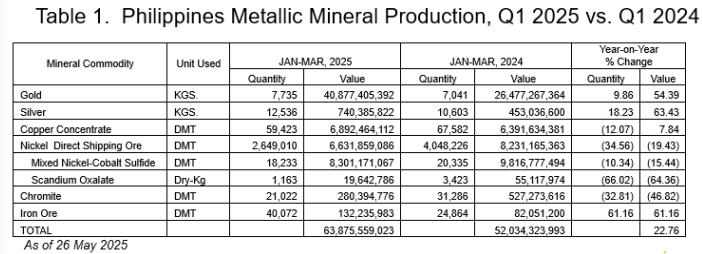
The value of metallic mineral production began the year on a strong note, experiencing a 22.76 percent increase, or PhP11.84 billion, rising from PhP52.03 billion in Q1 2024 to PhP63.88 billion in Q1 2025. This growth was driven by the bullish prices of gold, silver, and copper, alongside a rise in gold and silver production.

According to data from the Bangko Sentral ng Pilipinas, gold prices reached an unprecedented level of US$2,858.27 per troy ounce, up from US$2,070.05 per troy ounce the previous year—a significant increase of 38.08 percent, or US$788.22. Silver also saw substantial gains, with prices climbing 39.29 percent from US$22.85 per troy ounce to US$31.83 per troy ounce year-on-year. Copper prices rose by 10.89 percent, increasing from US$3.83 per pound to US$4.24 per pound year-on-year. In contrast, nickel prices fell slightly from US$7.53 per pound to US$7.08 per pound, mainly due to a supply glut caused by decreased demand in China stemming from geopolitical tensions and tariff disputes, combined with increased production in Indonesia. It is important to note that China accounted for 66 percent of global nickel consumption in 2024, down from 80 percent in 2023. Nickel is primarily used in stainless steel production, battery manufacturing, and renewable energy technologies

Regarding contributions to total metallic mineral production value, gold led with a substantial share of 64 percent, amounting to PhP40.88 billion. The combined output of nickel ore and other nickel byproducts secured second place, accounting for 23.41 percent, or approximately PhP14.95 billion. Copper ranked third with a share of 10.79 percent, corresponding to PhP6.89 billion. Lastly, the total value of silver, chromite, and iron ore accounted for roughly 1.81 percent, or PhP1.15 billion.

In terms of gold production, both the total volume and value rose significantly by about 10 percent and 54 percent, respectively, up by 695 kilograms and PhP14.40 billion. This increases from 7,041 kilograms with an estimated value of PhP26.48 billion to 7,736 kilograms with an estimated value of PhP40.88 billion year-on-year. The notable increase in value, PhP14.40 billion, can be attributed to the strong gold prices, which grew by US$788.22 per troy ounce compared to previous years. The outlook for gold in the short to medium term (2025-2026) is favorable, as demand for the metal remains high due to global economic uncertainties. Gold, one of history's most enduring commodities, has long been regarded as a safe-haven asset that helps protect investors against inflation and economic downturns.

The Philippines Gold Processing and Refining Corporation in Masbate led gold production with 1,442 kilograms, valued at PhP7.69 billion. This was followed by FCF Minerals, which produced 653 kilograms, and OceanaGold Philippines Inc. (OGPI), with 640 kilograms. Apex Mining Company Inc. ranked fourth with 628 kilograms produced.

The Bangko Sentral ng Pilipinas (BSP) also recorded significant purchases from its buying stations in Quezon City, Baguio City, Davao City, Naga City, and Butuan. During the review period, BSP's purchases increased from 1,906 kilograms to 2,953 kilograms, marking a 55 percent rise. These figures include purchases from Benguet Corporation (BC) from the Acupan Contract Mining Project and 25 percent of OGPI's gold dore production during the quarter. BC sells its entire gold output to the BSP.

In accordance with Chapter III, Section 13.c.8 of DAO No. 2015-03 (Revised IRR of RA No. 7076), which is commonly referred to as the "People’s Small-Scale Mining Act of 1991," small-scale mining contractors are mandated to sell their production output either to the BSP or through its authorized buying stations or agents in the case of gold production. Consequently, the BSP is considering the establishment of additional buying stations to enhance convenience and accessibility for registered small-scale miners and accredited traders.

It is noteworthy that the enactment of Republic Act No. 11256, known as An Act to Strengthen the Country’s Gross International Reserves (GIR), which amends Sections 32 and 151 of the National Internal Revenue Code, as amended and for Other Purposes on 29 March 2019 and the Revenue Regulations No. 4-2020 (Implementing the Provisions of RA No. 11256) which was signed on 29 January 2020, has encouraged small-scale miners and traders to resume selling their gold to the BSP.

The salient features of these regulations include tax exemptions for specific transactions:

  • Income derived from the following sale of gold is excluded in the gross income and shall be exempt from income tax, and consequently from withholding taxes: (1) The sale of gold to the BSP by registered SSMs and accredited traders; and (2) The sale of gold by registered SSMs to accredited traders for eventual sale to BSP.
  • Excise tax will not be imposed on: (1) The sale of gold to the BSP by registered SSMs and accredited traders; and (2) The sale of gold by registered SSMs to accredited traders for subsequent sale to the BSP.

On the other hand, nickel ore production volume and value declined significantly, dropping from 4,048,226 dry metric tons valued at PHP 8.23 billion to 2,649,010 dry metric tons valued at PHP 6.63 billion year-on-year. This represents a substantial decrease of 1,399,216 dry metric tons and PHP 1.60 billion. The average nickel price during the first quarter fell by 6.05 percent, decreasing from US$7.53 per pound to US$7.08 per pound year-over-year.

Of the 37 operating nickel mines, only 14 reported production, with Rio Tuba Nickel Mining Corporation in Palawan leading at 666,032 dry metric tons, followed by LNL Archipelago Minerals Inc. with 388,394 dry metric tons, and Zambales Diversified Metals Corporation with 323,776 dry metric tons. Twentythree nickel mines reported no production, primarily due to weather conditions, off-season limitations, care and maintenance programs, and low nickel prices. In the Caraga region, known as the nickel capital of the country, significant rainfall usually occurs during the first and fourth quarters of the year, impacting mining operations. Nickel mining, performed through surface mining techniques, is especially susceptible to wet weather conditions.

During this period, the Coral Bay Nickel Corporation (CBNC) and Taganito HPAL Nickel Corporation (THPAL) produced a total of 18,233 dry metric tons of Nickel-Cobalt Mixed Sulfide (MS), valued at approximately PhP8.30 billion. This output represented a decrease from 20,335 dry metric tons, which had an estimated value of PhP9.82 billion, marking declines of 10 percent in volume and 15 percent in value. The review period saw a significant drop in the ore delivered by RTNMC and Taganito to CBNC and THPAL, respectively and this was attributed to excessive rainfall that rendered many mining areas inaccessible and hindered planned developments of new mining sites. As a result, production activities during the quarter faced severe constraints.

CBNC and THPAL are the only hydrometallurgical nickel processing plants in the country, commissioned in 2005 and 2013, respectively. Both utilize High-Pressure Acid Leaching (HPAL) technology to convert low-grade nickel lateritic ores into MS, an intermediate product with high commercial value. Once further refined, MS can be used as valuable components in special steels, as well as in electric and battery materials. The Philippine government is actively encouraging investments, to enhance downstream mining activities and create processing facilities that will add value to our mined minerals. In addition to MS, THPAL also produced scandium oxalate and chromite. Approximately 1,163 dry metric tons of scandium oxalate were produced, with an estimated value of PhP 19.64 million.

Copper production volume experienced a 12 percent decline, dropping from 67,582 dry metric tons to 59,423 dry metric tons year-on-year. However, the estimated value of copper production increased by almost 8 percent, rising from PhP6.39 billion to PhP6.89 billion. This increase in value was attributed to better copper prices during the period, which rose from US$3.83 per pound to US$4.24 per pound year-on-year. The country has only three copper producers: Carmen Copper Corporation (CCC) in Cebu, OceanaGold Philippines Inc. (OGPI) in Nueva Vizcaya, and Philex Mining Corporation (PMC) in Benguet. In terms of production distribution, CCC dominated with 54 percent of the total output, amounting to 32,299.

The production volume and value of silver grew impressively, increasing by 18 percent and 63 percent, respectively. Production rose from 10,603 kilograms with an estimated value of PhP453.04 million to 12,536 kilograms valued at PhP740.38 million. The improved price, rising from US$22.85 per troy ounce to US$31.83 per troy ounce year-on-year, represented an almost US$9.00 increase, which made a significant difference. The Balabag Gold-Silver Project of TVI Resource Development (Phils) Inc. in Zamboanga del Sur led silver production, accounting for nearly 44 percent with 5,531 kilograms valued at PhP331.38 million. This was followed by Apex Maco Operation of Apex Mining Corporation, which produced 3,094 kilograms valued at PhP181.58 million, and the Didipio Copper-Gold Project of OGPI, contributing 1,448 kilograms valued at PhP87.24 million.

Chromite production had a slow start, with a volume of 31,286 dry metric tons valued at approximately PhP527.27 million, decreasing to 21,022 dry metric tons valued at around PhP 280.39 million year-on-year. This represents a shortfall of almost 33 percent in volume and 47 percent in value. Only two companies, Techiron Resources, Inc. and Taganito HPAL Nickel Corporation, reported production, while Krominco, Inc. in Caraga remained in care and maintenance status.

Iron ore production took a leap, with 61 percent growth both in volume and value from 24,864 dry metric tons valued at PhP82.05 million to 40,072 dry metric tons valued at PhP132.24 million. Only Ore Asia Mining & Development Corporation in Bulacan reported production, while MacArthur Iron Projects Corporation and Atro Mining Vitali Iron Inc. reported zero production.

In the first quarter of 2025, the estimated excise tax collected was approximately PhP1.33 billion. The breakdown of this estimated collection by type of mine is as follows: PhP658.86 million (49.68%) from gold mines, PhP330.04 million (24.88%) from copper mines, PhP 324.71 million (24.48%) from nickel mines, PhP7.36 million (0.56%) from chromite mines, and PhP5.30 million (0.40%) from iron mines.

Additionally, the estimated revenue obtained from royalties derived from the development and utilization of mineral resources within mineral reservation areas amounted to about PhP145.11 million in Q1 2025. Currently, there are 21 mining projects located within these reservation areas, comprising twenty nickel mining projects and one chromite mining project.

As of February 2025, approximately 2.53 percent of the Philippines' total land area, which covers 30 million hectares, is covered by mining tenements. This amounts to about 758,864.23 hectares. According to the Mines and Geosciences Bureau (MGB), nine million hectares have been identified as having high mineral potential. However, only about 8.43 percent of these highly mineralized areas are currently covered by mining tenements. It's important to note that this estimate does not include permits issued by local governments, such as quarry permits and permits for industrial and commercial sand and gravel.

On a local scale, the Philippine Statistics Authority reports that the country's Gross Domestic Product (GDP) grew by 5.4% at constant 2018 prices in the first quarter of 2025. Within the Industry Sector, which encompasses Mining and Quarrying, year-on-year growth was recorded at 2.0 percent, an improvement from the 0.5 percent growth noted in the same quarter of 2024. Among the metals, the mining of gold and other precious metals saw growth, whereas the mining of nickel ore and copper ores experienced declines.

By and large, the progress of the country's minerals industry will be shaped by a combination of economic, political, and global factors:

  • Regulatory and Policy Environment: Supportive government initiatives, such as incentive programs, streamlined regulations, efficient permitting processes, tax breaks, and necessary reforms.
  • Geopolitical and Global Trends: Demand from major trading partners, disruptions in metal supply chains due to a decline in global manufacturing and industrial activities, as well as global tensions and trade restrictions.
  • Economic Conditions: Fluctuations in metal and fuel prices, infrastructure development, and the overall investment climate.


June 09, 2025

Advancing the infrastructure development agenda of President Ferdinand R. Marcos Jr., the Department of Public Works and Highways (DPWH) is set to commence the feasibility study for the Urgent Bridges Construction Project for Rural Development (UBCPRD) Phase II — a major initiative designed to enhance inter-regional connectivity and promote inclusive economic growth across the Philippines.

Led by DPWH Secretary Manuel M. Bonoan, with the oversight of Senior Undersecretary Emil K. Sadain, who is in charge of Official Development Assistance (ODA)-funded infrastructure flagship projects under the Build Better More program, the feasibility study will be funded through Asian Development Bank (ADB) Loan No. 3886 – PHI (Infrastructure Preparation and Innovation Facility – Additional Financing) under a contract valued at ₱694.44 million.

The consulting services, scheduled to officially begin on June 7, 2025, will cover the feasibility study for the construction and/or replacement of 25 priority bridges across 11 regions, with a total estimated combined length of 18.78 kilometers of bridge and approach roads.

“By expanding bridge infrastructure with ten (10) in Luzon, six (6) in Visayas, and nine (9) in Mindanao, the project is expected to enhance transport efficiency, strengthen disaster resilience, and boost local economies —especially in remote and underserved areas. It also directly aligns with President Marcos’ national priorities of balanced regional development and modern infrastructure connectivity”, said Senior Undersecretary Sadain.

A formal kick-off meeting between DPWH Bridges Management Cluster – Unified Project Management Office (BMC-UPMO) under Project Director Rodrigo I. Delos Reyes, ADB, and the consulting consortium, composed of SMEC International Pty Ltd. (lead) in joint venture with Oriental Consultants Global Co., Ltd., COWI A/S, SMEC Philippines Inc., and associated with Pacific Rim Innovation and Management Exponents, Inc. (PRIMEX), was held Tuesday, June 3, 2025 to mark the start of the consulting services, following the approval of the Contract Agreement on May 9, 2025, and the issuance of the Notice to Proceed (NTP) on May 20, 2025, which was accepted by the consultant on May 28, 2025.

Other notable attendees of the kick-off meeting include ADB Transport Sector Group - South East Asia Department Director Dong Kyu Lee, SMEC International Pty, Ltd./OCG/COWI A/S JV Project Manager/Sr. Highway Engineer Gavin Strid, SMEC Philippines President and Country Manager Hilario M. Pastrana, UPMO-BMC Project Managers Nina Y. Maniaul and Judee Ann D.R. Santillan, and representatives of DPWH Planning Service, Bureau of Quality and Safety, Bureau of Design, Stakeholders Relations Service, and UPMO-Roads Management Cluster II (Multilateral).

The consulting consortium will carry out the feasibility study within the period of 24 months and will form the basis for the detailed design and construction phases of the project.

Priority bridges include conventional pre-stressed concrete girder (PSCG) bridges such as the Bacarra Bridge (parallel) in Bacarra, Ilocos Norte; Quirino Bridge (parallel) in Bantay, Ilocos Sur; Kalabaza-Villa Fugu Bridge and Lalog Bridge in Isabela; Alag Malaki Bridge (parallel) in Baco, Oriental Mindoro; Malitubog Bridge in Alamada, Cotabato; Simuay Bridge in Sultan Kudarat, Maguindanao; and the Talacogon Steel Bridge in Agusan del Sur.

The iconic cable-stayed bridge category includes the Buntun and Enrile bridges in Cagayan; the New Mancatian Bridge along the Angeles-Porac-Floridablanca-Dinalupihan Road in Central Luzon; the Daram-Talalora Bridge on Daram Island, Samar; and Wawa Bridge in Bayugan City, Agusan del Sur.

Also included are iconic arch bridges such as the Amnay Bridge in Sablayan, Occidental Mindoro; Araneta Bridge (new) in Bago City, Negros Occidental; Biliran Bridge (parallel) and Baliacao Bridge (parallel) in Eastern Visayas; Layog Bridge (parallel) in Mahaplag, Leyte; Calbiga Bridge in Samar; and Tamontaka Bridge in Cotabato City.

The lone iconic extradosed cable-stayed bridge is the proposed Manguisoc Bridge in Mercedes, Camarines Norte, while the iconic steel truss bridge is the new Butuan Bridge in Butuan City, Agusan del Norte. Rounding out the list are iconic arch truss bridges including Quezon Bridge in Dipolog City; Disakan Bridge 2 (new) in Sindangan; and Ingin Bridge in Manukan, all in Zamboanga del Norte.
June 02, 2025

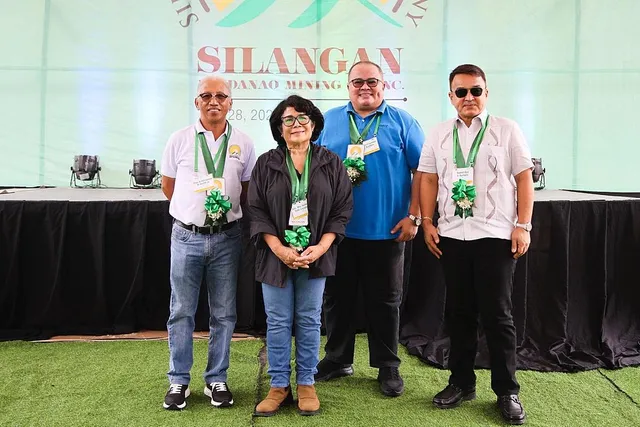
Philex Mining Corporation (Philex or the Company), one of the oldest and largest copper and gold producers in the Philippines, recently unveiled its Silangan Project in simple ceremonies at its project site in Barangay Timamana, Tubod, Surigao del Norte.

The ceremony was held in front of the Grinding Complex which is composed of major equipment such as the SAG (Semi Autogenous Grinding) mill, mill liner handler and cyclone cluster pump at the process plant to showcase it as one of the most critical areas of the Project.

The process plant also includes copper leaching and gold leaching operation, with the copper leaching from run of mine ore to copper cathode production, making it the first of its kind in the country; thus, the final products are copper cathode and gold dore.

Department of Environment and Natural Resources (DENR) Secretary Maria Antonia Yulo Loyzaga was the guest of honor and speaker at the unveiling ceremonies. She was accompanied by Undersecretary Joselin Marcus Fragada, DENR Undersecretary for Field Operations-Mindanao; Undersecretary Augusto De la Peña, Undersecretary for Organizational Transformation and Human Resources; and Assistant Secretary Michael Cabalda, DENR Assistant Secretary for Mining Concerns and OIC Director of the Mines and Geosciences Bureau (MGB).

Welcoming the Secretary to the project site was Philex/Silangan President and CEO Engr. Eulalio B. Austin Jr.

“Secretary Yulo Loyzaga was very much interested in seeing our Silangan Project,” according to Austin. “I recall a couple of years ago at the Annual National Mine Safety Conference in Baguio that she already told me that she wanted to visit Silangan, and that the Project should be able to start commercial production under the current administration.”

“I am glad that Secretary Yulo Loyzaga visited our Project as one of her last official acts as Secretary,” Austin said. “It is an honor both for me and for the employees of this Company. Without her leadership at the DENR, I don’t think we would have achieved much in terms of the development of the project as we have now. We owe her our utmost gratitude.”

The unveiling ceremony was also graced by the Governor of Surigao del Norte, Robert Lyndon Barbers, 2 nd District Representative, Congressman Robert Ace Barbers, the officials of the project’s host local government units, business leaders and other government officials.

After almost 12 years, according to Governor Barbers, in the Silangan Project, they have their first large-scale copper-gold mining operation that will be opened here in their province.

“As governor,” he said, “I am grateful to have been part of history that will provide great economic, employment, and development opportunities for people. Other than the support of national and local leadership, especially to Secretary Maria Antonia Yulo Loyzaga in (the) DENR, president and CEO of Philex Mining Corporation, Eulalio B. Austin Jr., with all of our friends in the province, I hope this project will continue to be responsible and environmentally friendly.”

Congressman Ace Barbers expressed optimism and enthusiasm with the unveiling of the project, saying that it would provide the province with better economic benefits and opportunities.

Likewise attending the event were Henry Antonio, President and CEO of EEI Corporation, the project partner in constructing the process plant, and Francis Eric Gutierrez, Chairman of GALEO Equipment and Mining Co. Inc., project partner in building the Tailings Storage Facility (TSF).

Ausenco Pty Ltd., the Australia-based global company engaged by Silangan as consultant for Engineering, Procurement, and construction management support, was also on hand for the ceremony.

The Project is expected to spend total capital expenditures (CAPEX) of around USD1 billion on its construction and development, and ramp-up production programs until it reaches a full capacity of 4 million tonnes per year. This amount excludes sustaining CAPEX and is on top of the Company’s pre-development investment in the Project of Php 18 billion.

In terms of social development, even if the project is not yet operating, Silangan spends around Php 5 million per year on its social development and management program.

Based on the In-Phase Mine Plan and on the latest updates on the construction and procurement process, the Silangan Project is slated to have its first metal production by March 2026.

Silangan Mindanao Mining Co., Inc. is a wholly owned subsidiary of Philex Mining Corporation. 

June 02, 2025

Answering the call of President Ferdinand R. Marcos Jr. for public servants to become stewards of good governance, the Department of Public Works and Highways (DPWH) through the Unified Project Management Office (UPMO) has formalized a strategic partnership with the Asian Development Bank (ADB) and the Development Academy of the Philippines(DAP) to implement the Leadership Excellence for Advanced Development (LEAD) Program.

This initiative aims to cultivate a new generation of values-driven, competent leaders within the DPWH who are equipped with advanced management, leadership, and technical skills necessary to support the national government’s infrastructure thrust.

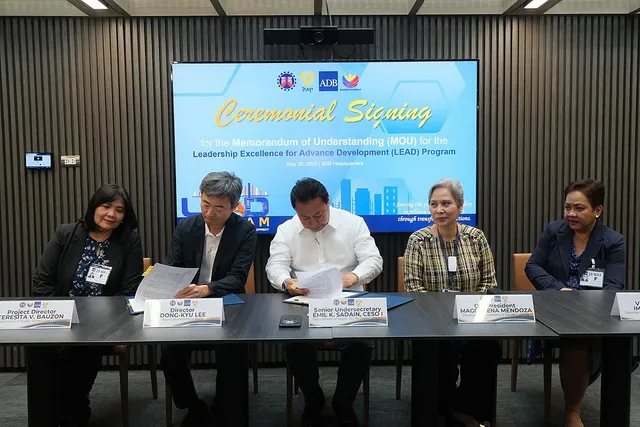
A ceremonial signing of the Memorandum of Understanding (MOU) and Letter of Agreement (LOA) was held on May 28, 2025, at the ADB Headquarters in Mandaluyong City. The event was led by DPWH Senior Undersecretary Emil K. Sadain, ADB Transport Sector Office Director Dong-Kyu Lee, and DAP Officer-in-Charge and Senior Vice President for Programs Magdalena Mendoza.

The LEAD Program is a strategic initiative aimed at ensuring leadership continuity and institutional sustainability in the implementation of the country’s transformative Infrastructure Flagship Projects (IFPs).

The DPWH IFPs are mostly under the Unified Project Management Office (UPMO) Operations and as designated by DPWH Secretary Manuel M. Bonoan are directly under supervision of Senior Undersecretary Sadain,.

In his message, Senior Undersecretary Sadain underscored the urgent need to train and develop highly capable individuals who can become the future leaders of the Department. He emphasized that these leaders must embody the ideals of a Bagong Pilipinas — committed public servants who are efficient, proactive, innovative, and dedicated to transformative public service.

The DPWH aspires to cultivate a corps of forward-looking leaders committed to public service excellence, innovation, and integrity —ensuring that the department remains a driving force behind inclusive and sustainable national development.

Through the LEAD Program, DPWH is equipping future leaders to sustain the momentum of national infrastructure efforts particularly UPMO-managed IFPs under Official Development Assistance (ODA) financing.

ODA-funded IPFs include: Bataan–Cavite Interlink Bridge linking Central Luzon and CALABARZON across Manila Bay; Panay–Guimaras–Negros Island Bridges improving inter-island connectivity in the Visayas; Davao City Bypass, Samal Island–Davao City Connector Bridge, and Bucana Bridge - enhancing mobility in the Davao Region; Dalton Pass East Alternative Road providing safer access to Cagayan Valley through mountainous terrain; Guicam Bridge (Zamboanga Sibugay) – Advancing connectivity in Mindanao; Second San Juanico Bridge – Strengthening the link between Samar and Leyte; Cebu-Mactan 4th Bridge and Coastal Road – Reducing congestion and improving access in Metro Cebu; Laguna Lakeshore Road Network Project – Promoting sustainable transport around Laguna de Bay; and Integrated Disaster Risk Reduction and Climate Change Adaptation (IDRR-CCA) Project – Addressing flooding and climate resilience in Central Luzon

ADB expressed its commitment by providing grant support for the LEAD Program through Technical Assistance No. 10084-PHI: Strengthening Infrastructure Capacity and Innovation for Inclusive Growth – Phase 2. Meanwhile, DAP will design and deliver the program, leveraging its expertise as the national government’s premier training and development institution.

Also present at the signing event were ADB officers Atty. Ruby Alvarez (Lead Project Officer – Infrastructure), Transport Specialist Juan Gonzales, and Consultant Sharon Baquiran. From the DAP, attendees included Vice President for the Center for Governance Imelda C. Caluen, Director for Operations Management Alvin P. Principe, Project Manager Merriam P. Dy, Project Coordinator Maria Eloisa Beatrice I. Encinas, and Mr. Joebert Sayson.

Representing the DPWH were Unified Project Management Office (UPMO) Project Directors Benjamin A. Bautista, Teresita V. Bauzon, Rodrigo I. Delos Reyes, Ramon A. Arriola III, and Soledad R. Florencio; Project Managers Shirley O. Castro, Zenaida B. Mauhay, Emmanuel M. Supe, Evangeline L. Carabal, and Shirley E. Medina; Program Manager Paula Kristina G. Gawat, Deputy Program Manager Engr. John Mark Guimba, and other key technical personnel.
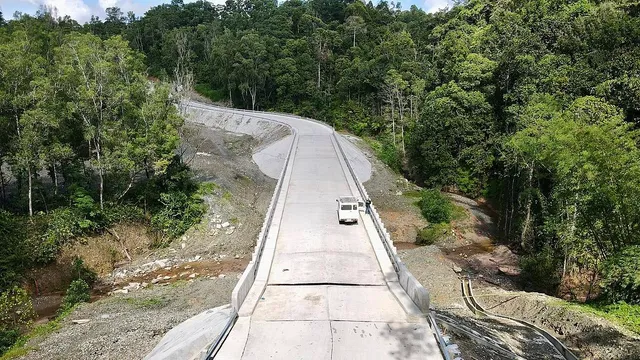
May 26, 2025

Officials from the Department of Public Works and Highways (DPWH), in collaboration with representatives from the Asian Development Bank (ADB), Department of Finance (DOF), and Department of Economy, Planning, and Development (DEPDev formerly NEDA), conducted a joint site inspection of the R.T. Lim–Siocon Road on Thursday, May 22, 2025. The project is a major subcomponent under the Improving Growth Corridors for Mindanao Road Sector Project (IGCMRSP) spanning the provinces of Zamboanga Sibugay and Zamboanga del Norte.

DPWH Secretary Manuel M. Bonoan, together with ADB Vice-President for East and Southeast Asia and the Pacific Scott Morris, led the inspection and expressed optimism about the project’s nearing completion. The road is part of the President Ferdinand R. Marcos, Jr. administration’s “Bagong Pilipinas” vision and the Build Better More infrastructure program.

Also present during the site visit were DPWH Senior Undersecretary Emil K. Sadain, who oversees Official Development Assistance (ODA)-funded infrastructure flagship projects, and Undersecretaries Eugenio R. Pipo Jr. and Carlos G. Mutuc.

The inspection team included Undersecretary Joseph Capuno, Assistant Secretary Roderick Planta, and Director Aldwin Urbina from the DEPDev; Undersecretary Joven Balbosa and Assistant Secretary Donalyn Minimo from DOF; and DPWH officials including Project Directors Teresita V. Bauzon and Benjamin Bautista, retired Project Director Sharif Madsmo H. Hasim, Stakeholders Relations Service Director Randy R. Del Rosario, Regional Office 9 Director Cayamombao D. Dia, and Assistant Regional Director Soray’yah M. Ibrahim.

From ADB, the delegation included Director General for South East Asia Winfried Wicklein, Country Director Pavit Ramachandran, Transport Director Dong Kyu Lee, Transport Specialists Juan Gonzales and Faela Sufa, Incoming Country Operations Head for the Philippines Joros Van Etten, Advisor for the office of the East Asia Director Genera Kelly Bird, Environmental Specialist Syed Asim Ali Sabzwari, and Lead Project Officer (Infrastructure) Atty. Ruby Alvarez.

The R.T. Lim–Siocon Road Project, is one of eleven key sub-projects under the 152.61-kilometer IGCMRSP. It includes the construction of 24.03 kilometers of portland cement concrete pavement (PCCP) and six (6) bridges totaling 430.11 linear meters, covering an overall road length of 24.46 kilometers.

“We are pleased to announce that the R.T. Lim–Siocon Road project has officially entered its final stage of civil works. Thanks to the dedication of the Unified Project Management Office - Roads Management Cluster II (UPMO-RMC 2) under Project Director Bauzon, along with our contractor China Wuyi Co., Ltd., consultants, and partners, we are confident the project will be fully completed by this third quarter of 2025”, said Senior Undersecretary Sadain during the chi briefing.

To date, the project is 95% complete, with 23.75 kilometers of PCCP finished and only 0.28 kilometers remaining. Of the six (6) bridges, five (5) have been completed—Kuyan, Lituban, Pisawak II, Tabayo, and another Lituban Bridge—while the Mambong Bridge stands at 93.23% completion.

Funded through ADB Loan No. 3631-PHI, the ₱2.396-billion R.T. Lim–Siocon Road project plays a vital role in enhancing regional connectivity, promoting trade and mobility, and supporting peace and development by linking previously isolated communities through improved road infrastructure.

Secretary Bonoan underscored the broader impact of the project, saying that it not only eases access and mobility but also contributes to building climate-resilient and inclusive infrastructure in Mindanao.

The joint inspection highlighted the ongoing collaboration between the Philippine Government and international development partners like the ADB in delivering transformative, high-impact infrastructure investments that support inclusive growth and sustainable development across the region.

May 26, 2025

The Department of Public Works and Highways (DPWH) has officially opened the Governor Camins/MCLL Highway and Veterans Avenue Flyover in Zamboanga City—marking a historic milestone as the first-ever flyover constructed in the Zamboanga Peninsula Region.

Opting to forgo the usual ceremonial fanfare, DPWH Secretary Manuel Bonoan, joined by Senior Undersecretary Emil K. Sadain, Undersecretaries Eugenio R. Pipo Jr. and Carlos G. Mutuc, and Regional Office 9 Director Cayamombao D. Dia, led a final inspection of the structure on May 22, 2025. Following the inspection, the flyover was opened to vehicular traffic to ensure the immediate use and benefit of the public.

The inspection was also attended by local government officials, including Zamboanga City Mayor John M. Dalipe and former Mayor Celso L. Lobregat, as well as DPWH Region 9 Assistant Director Soray’yah M. Ibrahim, Stakeholders Relations Service Director Randy R. Del Rosario, Project Directors Benjamin A. Bautista and Teresita B. Bauzon, former Project Director Sharif Madsmo H. Hasim, and district engineers from across Western Mindanao. Representatives from the Asian Development Bank (ADB), Department of Finance (DOF), and the Department of Economy, Planning and Development (formerly NEDA) are also present after coming from a site visit with the DPWH officials to a road network project linking Zamboanga Sibugay and Zamboanga Del Norte.

The ₱450-million infrastructure spans 437.70 linear meters, comprising both the main bridge and its approach roads. Strategically located at the intersection of Governor Camins Road and the Maharlika Highway—one of Zamboanga City’s busiest junctions—the flyover is designed to alleviate severe traffic congestion and streamline vehicular flow in the area.

“This project serves as a vital access road that will not only reduce travel time but also enhance road safety and stimulate economic activity in Zamboanga City and its neighboring provinces,” said Director Dia during the briefing.

Key benefits of the flyover include reduced travel time due to the decongestion of traffic at major intersections; improved road safety by eliminating conflicting traffic movements; enhanced urban expansion through improved road connectivity; and boosted economic productivity by facilitating the smoother movement of goods and services.

The flyover is part of a broader DPWH initiative to upgrade the country’s critical transport infrastructure—including flyovers, underpasses, interchanges, and long-span bridges—to drive regional growth and national development.

May 26, 2025

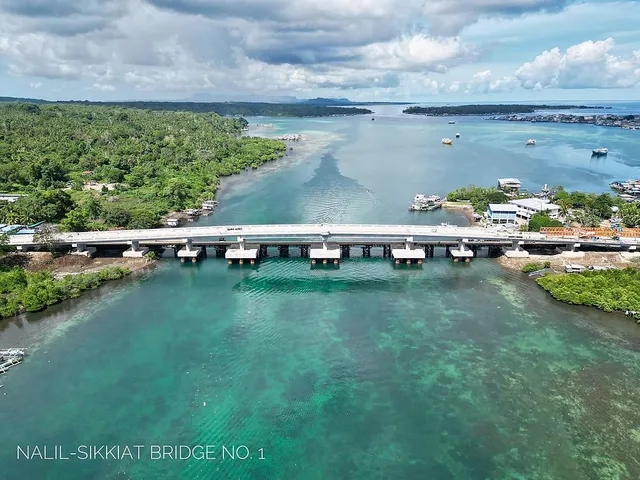
The Department of Public Works and Highways (DPWH) announced that construction of the Nalil-Sikkiat Bridge No. 1 in Tawi-Tawi Province is now 96 percent complete and is scheduled to open by July 2025.

The 541-meter bridge, part of the Asian Development Bank (ADB)-assisted Improving Growth Corridors in Mindanao Road Sector Project (IGCMRSP), aims to connect Bongao Island to Sanga-Sanga Island. It is one (1) of three (3) major bridges in Tawi-Tawi supporting the President Ferdinand R. Marcos Jr. administration’s “Build Better More” program.

“The Nalil-Sikkiat Bridge, along with its sister projects—the Tongsinah-Paniongan Bridge No. 2 and the Malassa-Lupa Pila Bridge No. 3 in Tawi-Tawi—represents one of the most significant infrastructure support initiatives of the national government in the Bangsamoro Autonomous Region in Muslim Mindanao (BARMM). These bridges are more than just structures of physical connectivity; they stand as powerful symbols of the government’s unwavering commitment to fulfilling Mindanao’s long-held promise by unlocking its vast economic potential through modern, inclusive infrastructure,” said Senior Undersecretary Emil K. Sadain who was designated by DPWH Secretary Manuel M. Bonoan to lead the Department’s infrastructure flagship projects under Official Development Assistance (ODA) and BARMM infrastructure initiatives.

DPWH Senior Undersecretary Sadain and ADB Vice President Scott Morris conducted a site inspection at the Nalil-Sikkiat Bridge Project on Friday, May 23, 2025, where they were welcomed by Tawi-Tawi Governor Yshmael "Mang" I. Sali.

The ₱1.08 billion project features a 380.8-meter bridge and a 160-meter approach road. It is being implemented by the Unified Project Management Office – Roads Management Cluster II (UPMO-RMC II), under the leadership of Project Director Teresita V. Bauzon with Project Manager Ernante S. Antonio as project in-charge, and China Wuyi Co., Ltd. as contractor.

Present at the inspection were other ADB executives including Winfried Wicklein, Director General for Southeast Asia; Pavit Ramachandran, Country Director for the Philippines; Dong Kyu Lee, Transport Director; Transport Specialists Juan Gonzales and Faela Sufa; Joros Van Etten, Incoming Country Operations Head for the Philippines; Kelly Bird, Advisor to the East Asia Director General; Syed Asim Ali Sabzwari, Environmental Specialist; and Atty. Ruby Alvarez, Lead Project Officer (Infrastructure).

From the Department of Economy, Planning, and Development (DEPDev, formerly NEDA) were Undersecretary Joseph Capuno, Assistant Secretary Roderick Planta, and Director Aldwin Urbina. Representing the Department of Finance (DOF) were Undersecretary Joven Balbosa and Assistant Secretary Donalyn Minimo.

Also in attendance were other DPWH officials including UPMO-Roads Management Cluster I Project Director Benjamin A. Bautista, former UPMO-RMC II Project Director Sharif Madsmo H. Hasim, Stakeholders Relations Service (SRS) Director Randy R. Del Rosario, BARMM Regional Project Management Office OIC-Director Eileen Diya, and Project Managers Emmanuel M. Supe and Evangeline L. Carabal.

In his report to Secretary Bonoan, Senior Undersecretary Sadain stated that two (2) other bridge components under IGCMRSP are also making steady progress, contributing to the overall momentum of infrastructure development in the Tawi-Tawi.

The Malassa-Lupa Pila Bridge No. 3, which spans 680 meters across the Manalik Channel, is now 72 percent complete. The project connects Sanga-Sanga Island to mainland Tawi-Tawi and has completed deck slab installation up to Pier No. 3, with ongoing bored piling and fabrication works.

The Tongsinah-Paniongan Bridge No. 2, a 570-meter structure connecting Pababag Island to Sanga-Sanga Island, is in the early phase of civil works, including bored piling and equipment mobilization.

According to Senior Undersecretary Sadain, these bridge projects are crucial for strengthening Tawi-Tawi’s transport system and boosting local industries like fishing and seaweed farming. More importantly, they are part of a broader effort to support peace, stability, and inclusive development in the Bangsamoro.
May 22, 2025

Celsius Resources Limited (“Celsius” or “CLA”) (ASX, AIM: CLA) is pleased to announce that its Philippine affiliate, Makilala Mining Company, Inc. (“MMCI” or the “Company”), has signed a Contract of Services with Ausenco (“Ausenco”) amounting to USD 1.9 million.  The contract aims to update the Feasibility Study and conduct the Front-End Engineering Design (FEED), including tendering of work packages and long-lead equipment procurement for the Company’s flagship Maalinao-Caigutan-Biyog Copper-Gold Project (“MCB” or the “Project”).

This development was made possible through the signing of the Bridge Loan Agreement with Maharlika Investment Corporation (“Maharlika”), which provides up to USD 10 million in funding to MMCI for the MCB Project under the first OLSA loan agreement.2

MMCI elected to award the contract to Ausenco a global consulting, engineering, procurement, construction management, and operations service provider with more than 30 years of experience across six continents. The firm has a strong presence in the Philippines and Asia-Pacific region, having been involved in major projects such as the Didipio Gold-Copper Project (OceanaGold Corporation TSX:OGC OTCQX:OCANF), the Tampakan Copper-Gold Project (Sagittarius Mines, Inc.), and feasibility and scoping work on the Silangan Copper-Gold Project (Philex Mining Corporation PSE:PX). Internationally, Ausenco has delivered copper concentrators and infrastructure for tier-one projects such as Constancia in Peru (Hudbay Minerals Inc.), Mina Justa in Peru (Marcobre), Carrapateena in Australia (BHP Group Ltd ASX:BHP), and Las Bambas in Peru (MMG Limited HKEx:1208).

Their extensive project experience, particularly in challenging logistics and regulatory environments, positions them uniquely to support the advancement of MCB through its next phase of development.

The combined FEED and Feasibility Study update is expected to be completed within a six-month period. In addition to Ausenco’s engagement, MMCI will also engage a range of complementary engineering service providers during this time. These will include on-site drilling contractors for construction, geotechnical investigations to support detailed engineering, mine planners to optimise the underground development and scheduling, and technical consultants to prepare and manage mine operation tenders and contractor evaluations. The integration of Ausenco and other specialist consultants will produce the updated feasibility study report, supporting enhanced design and planning that may lead to improved operational and capital cost outcomes for the Project.


Celsius Director Peter Hume, said:

“Ausenco has a strong track record in engineering, procurement, construction management and technical advisory with a proactive commitment to deliver the most-cost-effective design and execution strategy for the MCB Project.

The recent signing of the long-form loan agreement with the Maharlika Investment Corporation has been instrumental in enabling this next phase of work, and we thank Maharlika for their support in helping position the project for future construction and operations.

Ausenco’s technical expertise, innovative solutions, and collaborative approach aligns with our strategic direction. We were particularly impressed with their prior involvement in Philippine copper-gold developments, and the success they have achieved in international projects under comparable conditions. With their in-country experience in navigating the regulatory framework, logistics, and procurement challenges, we are confident that they can offer practical and localised solutions that would enhance the Project’s viability.”

Ausenco’s Vice President QLD Chris Pitman, said:

"Our agreement with MMCI marks the beginning of an exciting collaboration, and we are proud to bring our global expertise and innovative approach to support the development of the Makilala project. We look forward to working closely with MMCI to deliver a successful outcome."

Scope of Services

The FEED and Feasibility Study update aims to develop a 2.40Mt/year process plant design and associated infrastructure in line with the previous Feasibility Study with updated market pricing, and a fit-for-purpose design that will result in a successful project execution.  

Ausenco’s responsibilities as Owner’s Engineer represent the critical foundation for transitioning MCB into the construction phase. Their work will directly influence project feasibility, cost control, and execution readiness. Key deliverables include:

  • Design and coordination of the entire process plant, including crushing, grinding, flotation, regrind, and concentrate handling infrastructure,
  • Integration and supervision of metallurgical test work to validate and optimize process flowsheets,
  • An optimal FEED and Project Execution Strategy which de-risks the Project and maximises value to MMCI and Project Stakeholders,
  • A robust and optimised process plant design based on metallurgical test work,
  • All engineering documents, material take-offs, lists and cost estimates for plant and infrastructure coordinated by Ausenco,
  • Integration of selected vendor information into the design,
  • Updating the existing mine plan to support tender packages for underground mining contractors,
  • Key equipment and construction contract packages to obtain updated capital cost estimates,
  • Market engagement and technical evaluation for long-lead equipment and construction packages, feeding directly into the updated OPEX and CAPEX model,
  • Design development sufficient for final selection and procurement of critical tagged equipment,
  • Development of “Detailed Engineering” or “Design and Construct” packages for local contractors covering:
    • Access road
    • Steel bridge
    • HV Power transmission
    • Site development earthworks
    • General Administration Facility (GAF),
  • Oversee the development of a logistics plan for concentrate through ship loading,
  • Incorporation of prior design work from the Feasibility Study and trade-off studies, ensuring alignment with:
    • Environmental Compliance Certificate
    • Environmental Protection and Enhancement Program
    • Other approved permitting provisions,
  • Update risk assessment matrix for the overall Project,
  • Review and update overall HR plans and schedule,
  • Develop a construction methodology with MMCI including key performance indicators (KPIs) for Project success, and
  • Complete an updated Feasibility Study and reserve in accordance with the 2012 JORC Code.

This detailed engineering scope, combined with Ausenco’s international experience and recent involvement in major Philippine projects, will serve as the technical backbone of the MCB development plan. The Contract of Services with Ausenco to update the Feasibility Study and conduct the FEED contains standard terms and conditions for agreements of this nature.

MCB COPPER-GOLD PROJECT

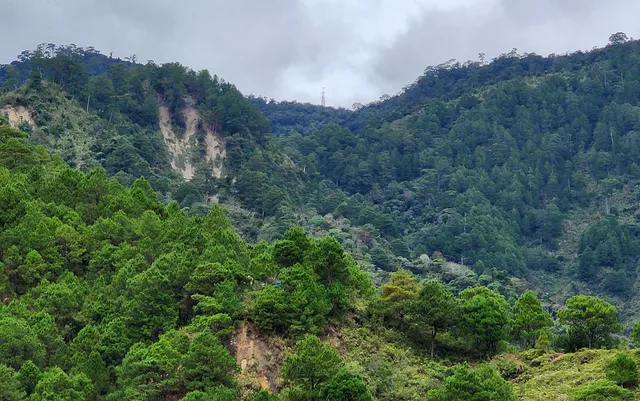
The MCB Copper-Gold Project (MCB) is located in the Cordillera Administrative Region in the Philippines, approximately 320km north of Manila (Figure 1). It is the flagship project within the Makilala portfolio which also contains other key prospects in the pipeline for permit renewal/extension.

A maiden JORC Compliant Mineral Resource Estimate was declared for the MCB Project in January 2021, comprising 313.8 million tonnes @ 0.48% copper and 0.15g/t gold, for 1.5 million tonnes of contained copper and 1.47 million ounces of gold, of which 290.3 million tonnes @ 0.48% copper and 0.15 g/t gold is classified as Indicated and 23.5 million tonnes @ 0.48% copper and 0.10 g/t gold is classified as Inferred.

An updated JORC compliant Mineral Resource Estimate was announced for the MCB Project on 12 December 2022, comprising 338 million tonnes @ 0.47% copper and 0.12 g/t gold, for a total of 1.6 million tonnes of contained copper and 1.3 million ounces of gold, of which 249 million tonnes @ 0.44% copper and 0.11 g/t gold is classified as Indicated, 42 million tonnes @ 0.52% copper and 0.11 g/t gold is classified as Inferred, and 47 million tonnes @ 0.59% copper and 0.19 g/t gold is classified as Measured.

A Study for the MCB Project was announced by CLA on 1 December 2021, which identified the potential for the development of a copper-gold operation with a 25-year mine life. The Study was based on an underground mining operation and processing facility to produce a saleable copper-gold concentrate.

Highlights from the Study include a Post tax NPV (8%) of US$464m and IRR of 31%, assuming a copper price of US$4.00/lb and gold price of US$1,695/oz. Initial capital expenditure is estimated to be US$253m with a payback period of approximately 2.7 years. The designed mine production is matched to a 2.28Mtpa processing plant which will treat ore with an estimated average grade of 1.14% copper and 0.54g/t gold for the first 10 years of planned production with a C1  cash costs at just US$0.73/lb copper, net of gold credits.

May 19, 2025

What began as a dream now thrives in Caraga – a significant first in the country’s mining industry. TVIRD’s Agata Mining Ventures, Inc. proudly unveiled the Agata Mines Nature Farm, marking a historic milestone as the pioneering agrotourism and ecology hub developed from the company’s Final Mine Rehabilitation and Decommissioning Plan for its former mine site. This groundbreaking development not only sets a precedent for sustainable land use but is also testament that there is life after mining.

The overwhelming support of the community has been a cornerstone of the project's success. Agata’s years of collaboration with the townsfolk helped transform the area from a responsibly managed mine site to a thriving ecological and agricultural destination. Moreover, the community’s cooperation helped the company to transition the local economy from mining back to agriculture.

The Agata Nickel Laterite Project was operated by TVI Resource Development Philippines Inc. (TVIRD) from 2014 to 2023. During this time, it successfully delivered 382 shipments of nickel DSO to its direct markets in Asia and Oceania, bringing its 9-year production volume to over 20 million wet metric tons (WMT) of nickel laterite ore.

A strong partnership

The unveiling was marked by the signing of a Memorandum of Understanding with the Department of Tourism (DOT) and received strong support from various government agencies: the Department of Environment and Natural Resources (DENR), Mines and Geosciences Bureau (MGB), National Commission on Indigenous People (NCIP), Technical Education and Skills Development Authority (TESDA), Department of Trade and Industry (DTI), Caraga State University (CSU), Department of Agriculture (DA) and the Philippine Coconut Authority (PCA).

The event also received the solid endorsement of local government unit executives and Barangay captains of the host municipalities Jabonga, Santiago and Tubay in Agusan del Norte.

“We are humbled by the outpouring of support from our community and partners. Their involvement has been essential to the success of our mining operations as well as the legacy that Agata is building for its beneficiary communities,” said TVIRD Tenement Management and Environmental Compliance Director Jesalyn Guingguing, who concurrently heads Agata’s Final Mine Rehabilitation and Decommissioning Plan.

Mining and environmental stewardship go hand in hand

After years of progressive rehabilitation efforts, the once-industrial site is now an oasis for biodiversity, sustainable agriculture and eco-friendly tourism. With the active participation of the local community, including the children of Agata employees, the farm is evolving into a biodiversity tourism enterprise that showcases the region’s natural beauty, rich cultural heritage and innovative farming techniques.

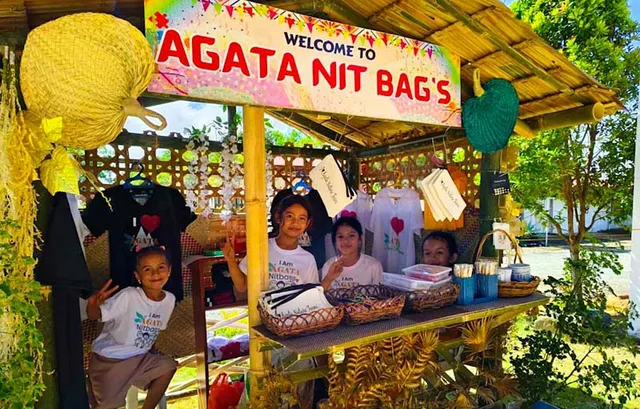
Local communities staged an agricultural showcase that included fruits, vegetables and marine products like fish and shells during the market booth contest “Tabo-an o Tiangge sa Agata” (Marketplace in Agata). A group of young entrepreneurs who are children of Agata employees also presented Agata Mines Nature Farm souvenirs called Agata Nit Bags. In addition, a groundbreaking ceremony was held for the historical Gazebo, which was once the exploration campsite of TVIRD partner company, MRL Nickel Philippines

As Agata breathes new life into its former mine site, it likewise marks a new chapter on sustainability in the Philippine mining industry with its host communities – most notably, the indigenous Mamanwa Tribe with whom it shares a common development roadmap.

The farm will not only offer opportunities for agro-education and eco-tourism but will also provide a sustainable livelihood for its residents. Agata’s collaboration with TESDA has facilitated skills development for the community, ensuring they are equipped to take full advantage of the economic benefits this new phase brings.

May 19, 2025

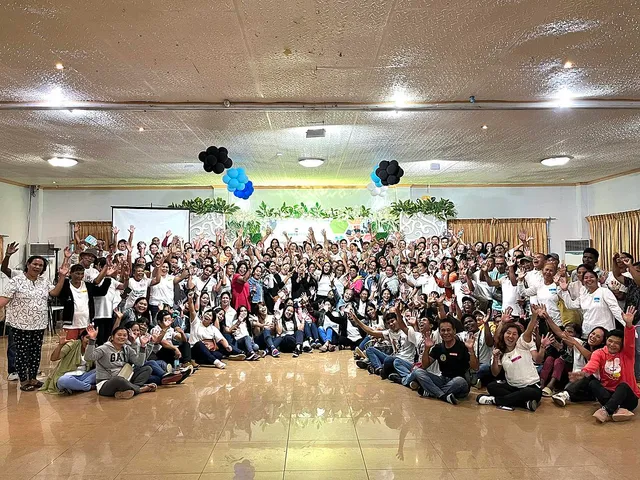
Upholding its commitment to empowering its stakeholders through values-driven initiatives, Taganito Mining Corporation (TMC) spearheaded a Values Formation and Team Building Seminar comprised of 250 livelihood beneficiaries — including farmers, fishermen, PWDs, senior citizens, women, vendors, and traders — on February 5 at Claver, Surigao del Norte.

Facilitated by 1TEAM International, the seminar aimed to enhance camaraderie, teamwork, and entrepreneurial resilience, incorporating practical and biblical principles to guide members of the 24 people’s organizations supported by TMC in building self-reliant and sustainable enterprises.

The discussions revolved around the Principles of Stewardship and Responsibility, emphasizing that managing resources is not just financial but a matter of faithfulness with what God has entrusted.

Facilitators Antonio Vicente P. Sta. Elena and Ian Zach Rubio led the discussions on real-life business sustainability scenarios, helping participants recognize both the challenges and rewards of financial stewardship.

A key concept was the I-TAP principle (Integrity, Transparency, Accountability, and Performance), which highlighted the fundamental values necessary for sustaining businesses and livelihood initiatives.

The interactive team-building activities helped participants gain a deeper appreciation for cooperation, leadership, and shared responsibility in their organizations.

“It was inspiring to see people commit to aligning their work with both professional excellence and spiritual values. Through this program, we witnessed a profound shift in perspective among the participants, who realized that financial stewardship is not just about managing resources but about being faithful with what God has entrusted to them,” shared Sta. Elena.

He stressed the importance of integrity in leadership, honesty in financial decisions, and accountability in responsibilities, which resonated deeply with the participants.

“This journey has strengthened our belief that when faith and good stewardship go hand in hand, true transformation happens. May we continue to build a future where integrity and excellence glorify God in every aspect of our lives,” he added.

Engr. Artemio Valeroso, Vice President and Resident Mine Manager of TMC, underscored the company’s thrust to empowering its stakeholders, saying: “Having the right foundation is important when starting and operating a business. These livelihood support initiatives are extended by the company so that you, our stakeholders and community, can survive and sustain even beyond the life of the mine.”

The participants echoed their appreciation for the initiative. Roger Parpan, President of TMC’s PO Federation and Chairman of TACPECCO Water Refilling and Agrivet Business, said: “Malaking bagay para sa bawat PO ang values formation, at doon ipinakita kung paano mahuhubog ang isang maayos na samahan at pagdadala ng bawat grupo.”

Parpan also acknowledged how the discussions, anchored in biblical principles, helped identify and address internal challenges that could threaten organizational stability.

“Malaki ang pasasalamat namin sa NAC at TMC sa walang humpay na suporta para sa kaunlaran ng bawat people’s organization. Salamat TMC at Salamat sa NAC. Mabuhay!”

The Values Formation and Team Building Seminar served as a powerful reminder that sustainable livelihood development goes beyond financial assistance—it requires a strong foundation of values, teamwork, and faith-driven stewardship.

As TMC continues to invest in programs that empower its communities, it reinforces its vision of a brighter future where integrity, accountability, and sustainability shape resilient and self-sustaining enterprises.

May 19, 2025

Apex Mining Co., Inc.’s consolidated net income in Q1 2025 reached Php1.4 B, 70% better than Q1 2024’s P852.7 M. The consolidated gross revenues earned during the first quarter of this year amounted to Php 4.5 B, higher by Php 1.12 B (33%) versus the same period in 2024 (Php 3.4 B). The contributors to the gold and silver sold by Apex Mining are its Maco Mine in Davao de Oro and ItogonSuyoc Resources or ISRI. ISRI operates the Sangilo Mine in Itogon, Benguet.

In Q1 2025, Apex Mining sold 25,362 ounces of gold at a realized price of USD 2,953. The lower volume (seven percent less than Q1 2024) was offset by the higher realized price this year (up 37% versus last Q1 2024’s USD 2,149).

While the surging metal prices and strong position of the dollar versus the peso bolstered the financial performance of Apex Mining, Luis R. Sarmiento, ASEAN Eng., President and CEO of Apex Mining, says that the cost management initiatives that are being implemented across the mine sites are also creating a stronger foundation for the company to fortify its operations.

“Alongside reducing costs in the short term, our supply chain has been implementing strategies with the end goal of cost avoidance.”

Sarmiento adds that to ensure meeting production targets, Apex Mining strives to optimize their operating mines’ infrastructure, process, and manpower. The company has upgraded some of its equipment to improve its mill processing output. A drain tunnel is also in the works to give the company easy access to areas in the underground that would be traditionally submerged in water. Apex Mining also focuses on consistently enhancing manpower capability, “especially nowadays when there is a shortage of highly skilled miners.” The company’s recently acquired training simulators also ensure the safety of their employees as they undergo training.

“In fact, we have just hired the first batch of equipment operators that have graduated from our training center,” says Sarmiento.

Total ore tonnes milled in Maco mine in Q1 2025 was 12% higher at 230,070 tonnes compared to the 204,636 tonnes in the same period in 2024. Gold recovery was at 86.49%, higher compared to last period’s 85.45% recovery rate. Ore gold grades averaged lower, at 3.16 grams per tonne compared to the first quarter of 2024 at 3.59 grams of gold per tonne. The Sangilo Mine operated by ISRI milled a total of 34,573 tonnes in the first quarter of 2025 compared to 36,641 tonnes in the same period last year. Despite the lower tonnage, the gold grade per tonne of ore averaged at 3.75 grams in 2025 compared to the 2.87 grams of gold per tonne in the similar period last year, resulting to 7% less gold ounces produced.

From the Mine Reserves and Resource Certifications of 2025, the Apex Mining’s Maco Mine has enough reserves and resources to continue at the targeted production rate of 3,000 tonnes per day until 2034.

Meanwhile, the permitting process for Asia-Alliance Mining Resources is ongoing. On the strength of its Authority to Verify Minerals (ATVM), resource validation started in June 2024, focusing on geological mapping and bench sampling over 524 hectares. Sarmiento assures, “We will disclose relevant updates as they unfold.”

Apex Mining’s stock has been performing well, growing 305% from 02 January 2019 up to 30 April 2025, buoyed by a steadily increasing financial performance. Revenue growth is up 205% between 2019 and 2024; net income also reflects an upward trend, with 2024’s 1,314% higher versus 2019.

May 19, 2025

During the first quarter of 2025, Global Ferronickel Holdings, Inc. (PSE: FNI), a leading nickel ore producer in the Philippines, reported revenues of ₱1.210 billion, net income attributable to shareholders of ₱177.3 million, and earnings per share of ₱0.0346.

First quarter mining revenues from Palawan reached ₱1.205 billion, up by 105.6% compared to ₱586.2 million in the same period last year, while shipment volumes totaled 505,459 WMT, up by 32.5% from 381,002 WMT in 2024. The average realized nickel ore price rose from US$27.42 to US$41.13 per wet metric ton (WMT), a 50.0% improvement year-on-year, primarily driven by favorable nickel ore prices due to constrained ore supply.

“The early shipment of medium-grade nickel ore to China sets a strong tone for the year. We remain focused on process optimization and innovation to navigate market shifts and geopolitical uncertainties, and to seize growth opportunities,” said FNI President Dante R. Bravo.

Cost of sales amounted to ₱532.3 million, up by 71.9% from ₱309.7 million, reflecting higher shipment volumes during the quarter. Operating costs, namely excise taxes and royalties, general and administrative, and shipping and distribution went up by 55.0%, from ₱279.6 million in the same period last year to ₱433.3 million this year. Said increase is attributable largely to the timing difference in business tax settlements and provisions for Input VAT impairment.

Despite higher costs, net income attributable to FNI shareholders surged by 1,568.2% to ₱177.3 million, from just ₱10.6 million a year ago. EPS correspondingly improved from ₱0.0021 to ₱0.0346.

“We look to advance strategies that grow our resource base, expand our customer reach, and solidify our role in the nickel value chain. This is how we plan to sustain our goal of creating meaningful long-term impact for all our stakeholders,” Atty. Bravo added.